Picture our Moon, that barren, airless rock hovering in the night sky. For decades, scientists thought it was completely isolated from Earth beyond the tug of gravity. Yet something strange has been hiding in the lunar dust all along. Traces of water, nitrogen, and noble gases showed up in samples brought back by Apollo missions, elements that had no business being there. The amounts were puzzling, almost like fingerprints from another world.
Researchers now believe they’ve cracked the mystery. Earth has been quietly sharing its atmosphere with the Moon for billions of years. Not in some dramatic cosmic event, but through a slow, steady drip of particles guided by our planet’s magnetic field. It’s a revelation that changes how we think about the relationship between Earth and its closest neighbor. Let’s explore how this hidden connection works and what it means for the future of lunar exploration.
The Magnetosphere Acts as a Particle Highway

Earth’s magnetic field funnels particles from our atmosphere onto the lunar surface. Think of it as a cosmic delivery system rather than a protective shield. The magnetosphere is shaped more like the tail of a comet thanks to the constant pressure of the solar wind. This stretched configuration creates what scientists call the magnetotail, a long structure extending hundreds of thousands of kilometers into space.
The solar wind knocks charged particles out of the atmosphere, sending them careening along the planet’s magnetic field lines. These aren’t random escapes. The process is systematic, almost like water flowing through channels carved in rock. When the Moon passes through that tail, particles are deposited on the lunar surface. This happens roughly five days each month during the Moon’s orbit, creating a predictable window for atmospheric transfer.
Solar Wind Strips Particles From Earth’s Upper Atmosphere
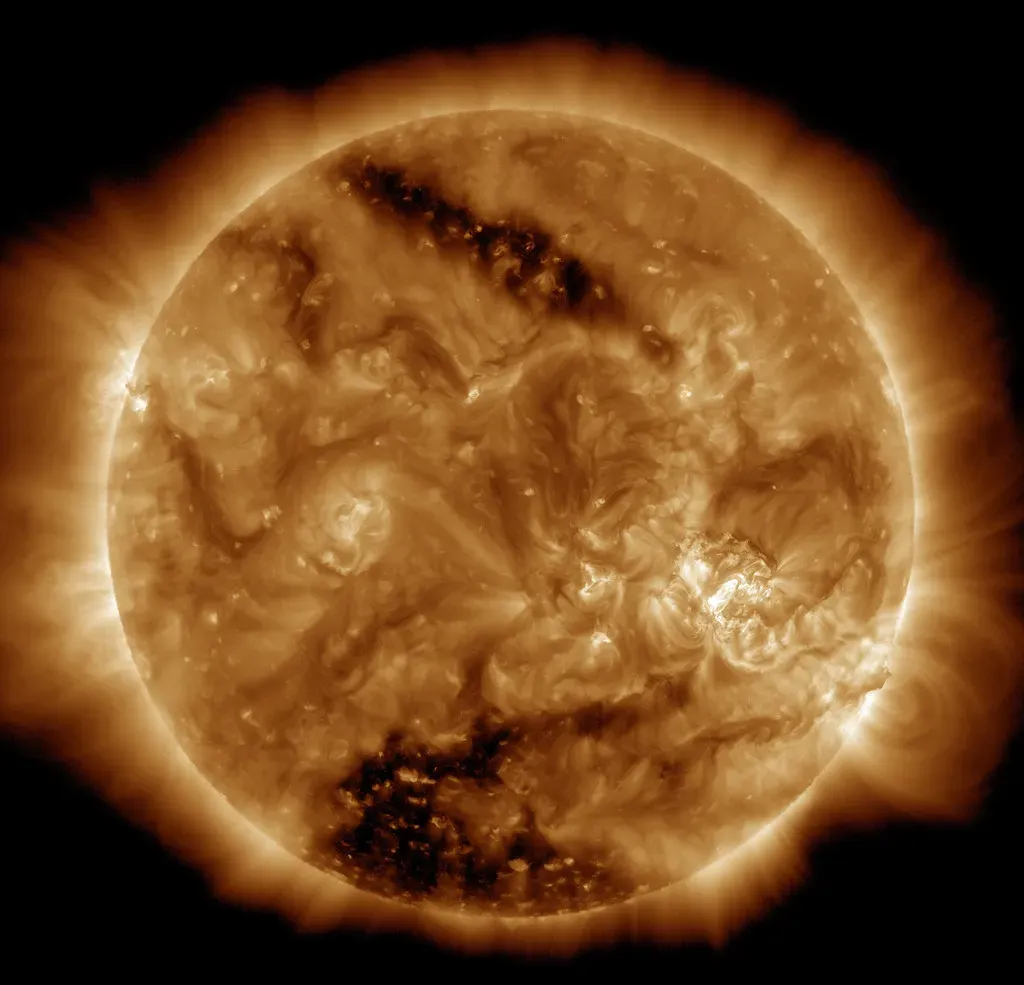
The mechanism starts in Earth’s upper atmosphere where oxygen and other elements become ionized. Oxygen atoms become ionized in Earth’s upper atmosphere when they are struck by ultraviolet light. This energizes them enough to break free from the planet’s gravitational hold. It’s a delicate balance between Earth trying to hold onto its air and the Sun’s radiation providing just enough kick for escape.
Charged particles from Earth’s atmosphere are knocked loose by the solar wind and guided along Earth’s magnetic field lines. Some scientists initially believed Earth’s magnetic field would block this escape entirely. Originally, researchers thought Earth’s magnetic field would help keep our planet’s atmosphere from shedding, but the new research shows the magnetic field lines instead help to transport material away from Earth.
The solar wind doesn’t just push these particles randomly into space. The strength of the solar winds pushes some particles from Earth’s atmosphere into a section of the magnetotail called the plasma sheet.
The Kaguya Spacecraft Detected Terrestrial Oxygen at the Moon

The Kaguya mission from JAXA detected terrestrial oxygen ions reaching the Moon’s surface, especially during periods when the Moon was shielded from the solar wind and instead immersed in the magnetotail. This Japanese spacecraft orbited the Moon between 2007 and 2009, collecting data that would prove crucial to understanding Earth’s atmospheric leak. The timing of these detections wasn’t random.
SELENE only detected the chemical during a distinct five-day period during each lunar orbit, which happened to coincide with when the spacecraft and the Moon were shielded from the solar wind by Earth’s magnetosphere. The oxygen ions weren’t constant bombardment. They appeared like clockwork during that monthly window when Earth positioned itself between the Sun and Moon.
The researchers could fingerprint these ions because oxygen originating in the Sun is more often multicharged, whereas terrestrial oxygen generally loses only one electron. This chemical signature was the smoking gun proving the particles came from Earth rather than the Sun.
Apollo Samples Revealed Anomalous Volatile Elements
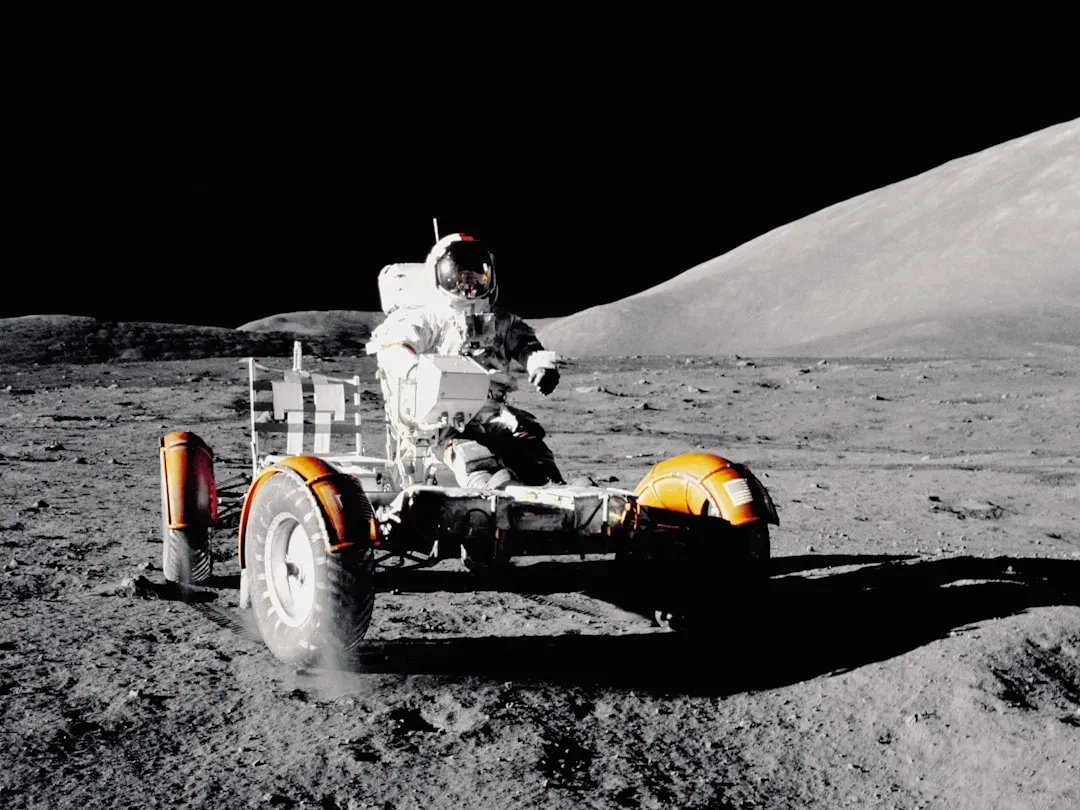
When the Apollo astronauts brought back samples of the lunar soil, analysis revealed volatile substances, including water, carbon dioxide, helium, argon and nitrogen. Scientists were genuinely baffled. The Moon has no atmosphere and shouldn’t contain these elements in the quantities discovered. For years, this remained one of lunar science’s nagging mysteries.
Since the Apollo missions, scientists have noted unusual concentrations of volatile elements in lunar soil, and the isotope ratios did not match those produced by the solar wind. Something else had to be contributing these particles. A few of those grains sport higher-than-normal proportions of oxygen-17 and oxygen-18 isotopes, and previous studies have shown that the overall proportions of oxygen isotopes in the ozone layer also are skewed toward above-average concentrations of oxygen-17 and oxygen-18.
The isotopic fingerprints matched Earth’s atmosphere, not the Sun’s emissions. That was the breakthrough clue researchers needed to trace the origin of these mysterious lunar volatiles.
The Process Has Continued for Billions of Years
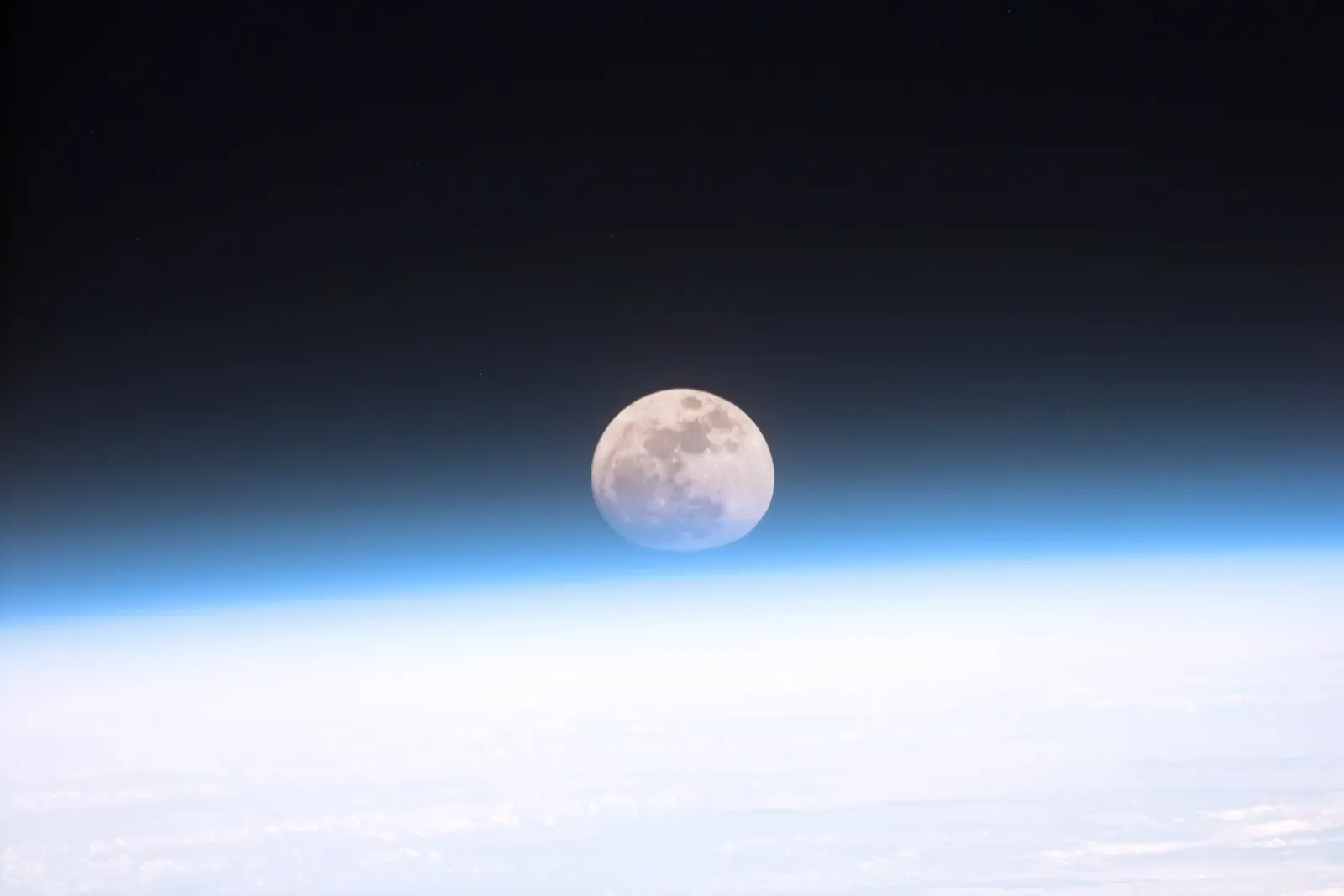
The new study suggests that this process has been ongoing for billions of years, giving these volatile particles plenty of time to build up in the lunar regolith. It’s hard to fathom that kind of timeframe. Each month, a small amount of Earth’s atmosphere makes the journey. Over eons, those tiny deposits accumulate into measurable quantities.
Because Earth’s magnetic field has existed for billions of years, this process could have steadily moved particles from Earth to the moon over very long periods of time. Previous theories suggested this could only happen before Earth developed a strong magnetic field. Research into iron-rich rocks unearthed in Greenland has since shown Earth’s magnetic field was just as strong 3.7 billion years ago as it is today.
This realization completely flipped the old assumptions. The magnetic field didn’t need to be weak for atmospheric escape. It actually facilitates the process through its extended magnetotail structure.
The Moon Preserves a Record of Earth’s Ancient Atmosphere
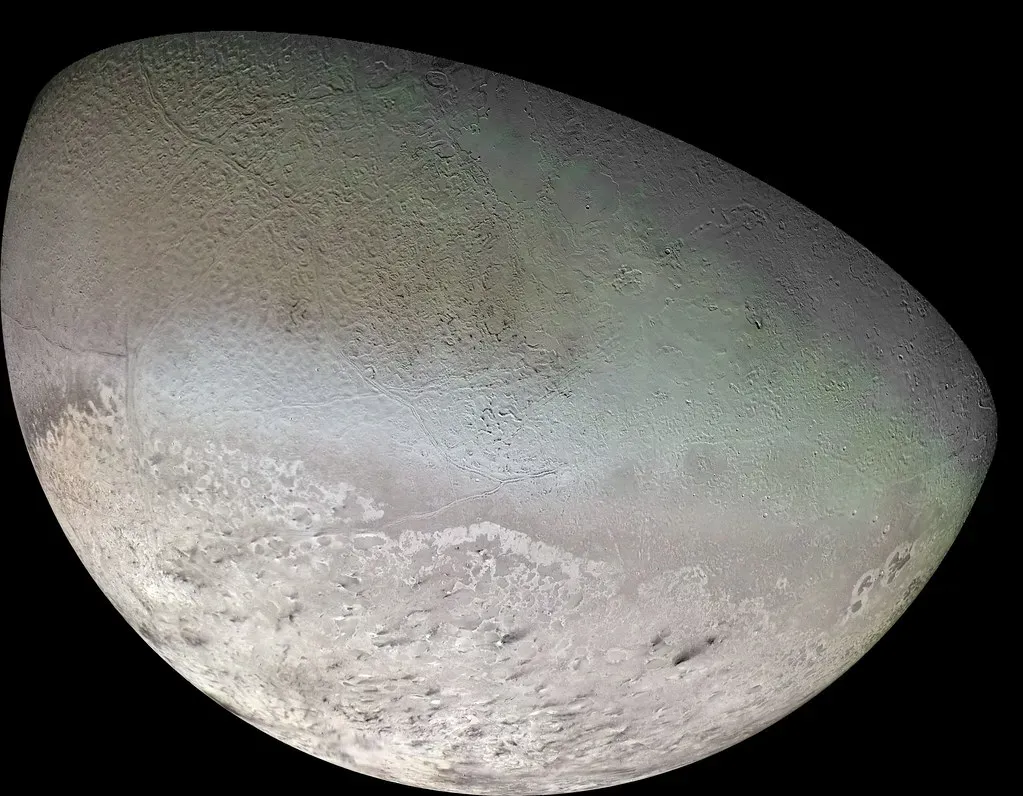
Since Earth’s atmosphere has changed drastically in that period, a valuable time capsule of historical data could be preserved on the Moon’s surface. Think about that for a moment. The Moon might hold samples of Earth’s atmosphere from billions of years ago, long before complex life evolved. Lunar soil is holding snapshots of Earth’s ancient atmosphere that are no longer preserved here, where erosion, weather, and tectonic shifts have erased much of the past.
The long-term exchange of particles means the moon may hold a chemical record of Earth’s atmosphere, and studying lunar soil could therefore give scientists a rare window into how Earth’s climate, oceans, and even life evolved over billions of years. Earth itself is constantly recycling and destroying evidence of its own history. The Moon, with no weather or tectonic activity, keeps everything it receives.
Scientists could potentially analyze different layers of lunar regolith to trace how our atmosphere changed over geological time. It’s like reading tree rings, except these rings tell the story of an entire planet’s atmospheric evolution.
Implications for Future Lunar Exploration
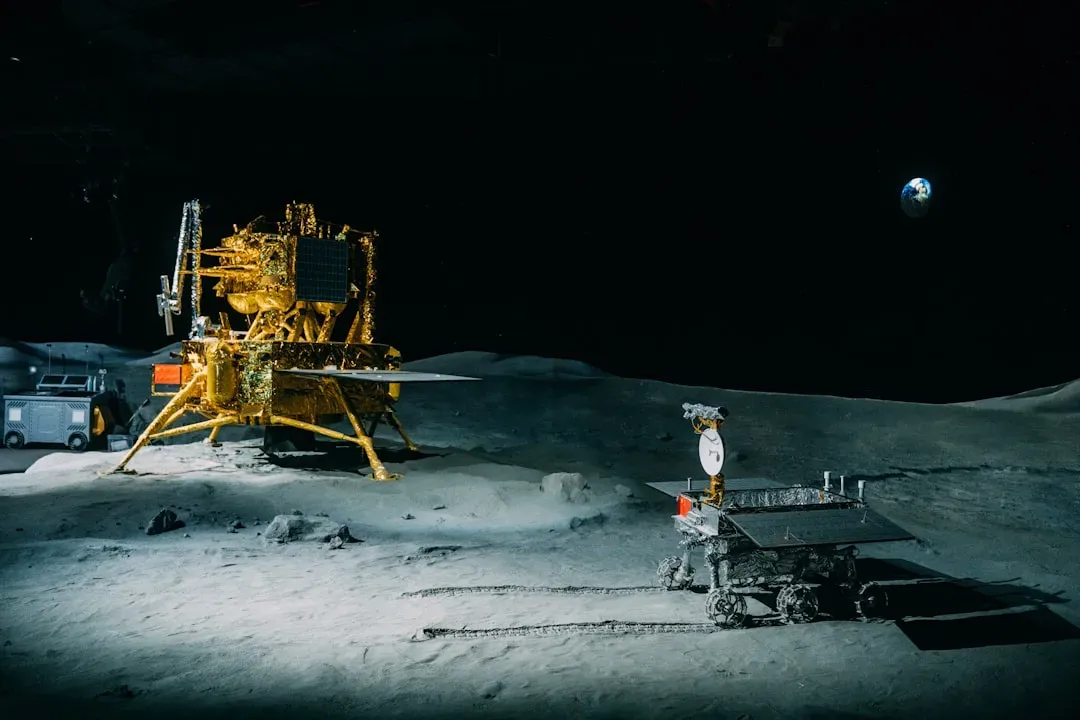
The long-term, steady transfer of particles also suggests the lunar soil contains more volatiles than previously thought, and elements such as water and nitrogen could support a sustained human presence on the moon, reducing the need to transport supplies from Earth. This isn’t just fascinating science. It has real practical implications for anyone dreaming of lunar bases or extended missions.
The study also provides some insight into those investigating a future of human occupation on the moon, as the steady stream of earthly particles onto the lunar surface suggests there are more volatiles there than first thought. Water for drinking, oxygen for breathing, nitrogen for growing plants. These aren’t resources we’d need to haul from Earth at enormous expense.
The study may also have broader implications for understanding early atmospheric escape on planets like Mars, which lacks a global magnetic field today but had one similar to Earth in the past, and examining planetary evolution alongside atmospheric escape across different epochs can provide insight into how these processes shape planetary habitability.
The connection between Earth and the Moon turns out to be far more intimate than anyone imagined. Our planet has been quietly breathing onto the lunar surface for billions of years, leaving behind a chemical diary of its atmospheric history. For future explorers, this means the resources they need might already be waiting in the dust beneath their boots. What other secrets might the Moon be holding, and how might they change our understanding of our place in the solar system? The answers, it seems, are literally written in the lunar soil.