The ocean is a vast and mysterious world, teeming with life forms that have adapted in fascinating ways over millions of years. Among these adaptations is a peculiar evolutionary trend known as “carcinization.” This term refers to the phenomenon where various species of crustaceans, over time, evolve into crab-like forms. But why does evolution seem to favor this shape? What is it about the crab form that makes it so successful? These questions invite us to delve into the marvels of natural selection and the surprising paths evolution can take.
The Allure of the Crab Shape

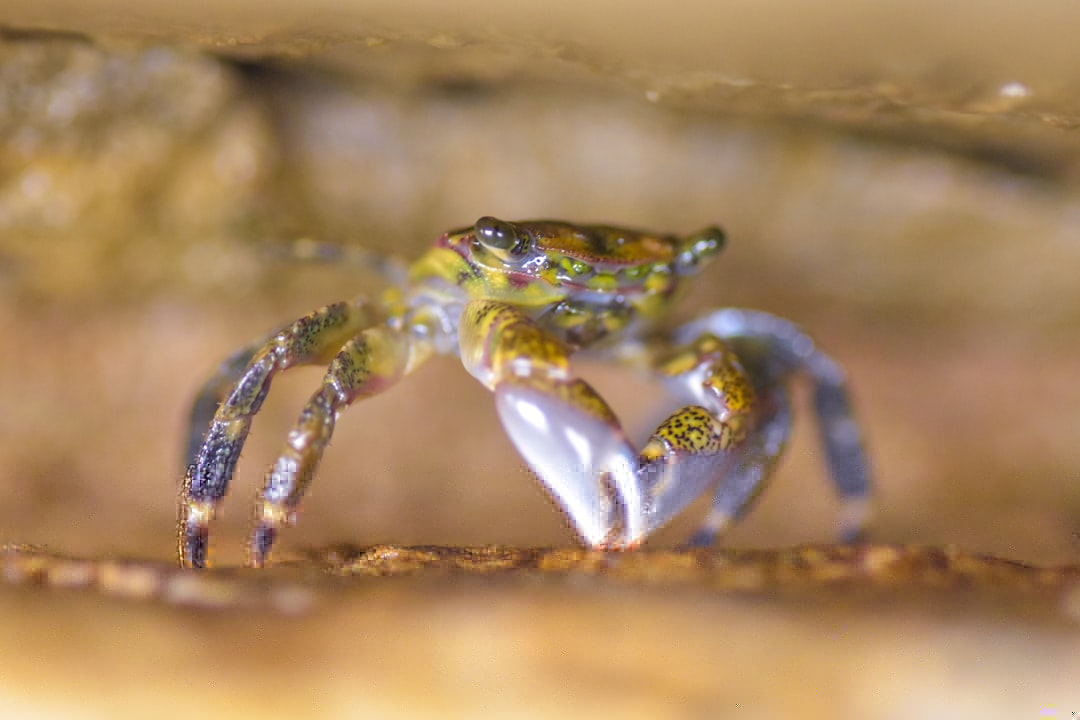
Crabs are easily recognizable by their broad, flattened bodies and sideways gait. Their shape is not just for show; it serves a functional purpose. This body form provides a stable, efficient structure for moving in the complex environments of the ocean floor. The compact shape allows crabs to scuttle quickly, making them adept at escaping predators and adeptly navigating through rocky crevices. This ability to move efficiently and hide in small spaces gives them an evolutionary edge, allowing them to survive and thrive in various habitats.
Understanding Carcinization
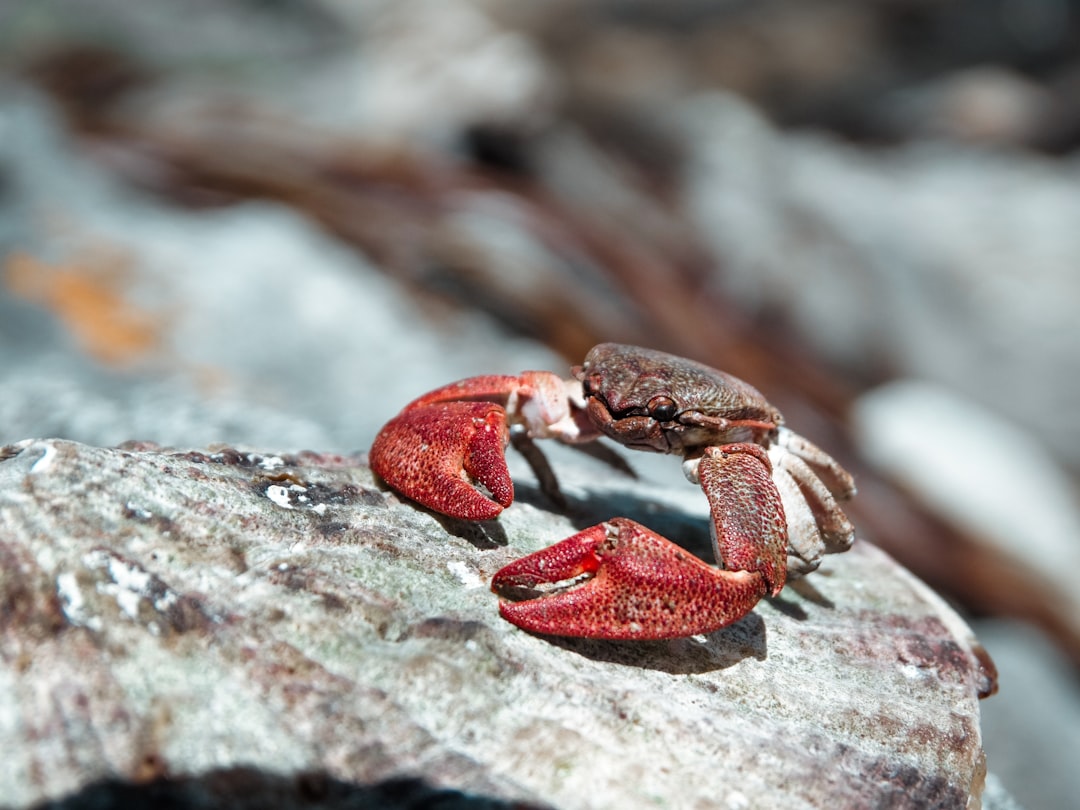
Carcinization is a term coined to describe the evolutionary process by which non-crab-like crustaceans evolve into crab-like forms. It is a form of convergent evolution, where different species develop similar traits independently, often as a response to similar environmental challenges. This process has been observed in several crustacean groups, indicating that the crab-like shape is a successful evolutionary strategy. The repeated occurrence of this phenomenon across different species suggests a strong selective pressure for this body form, although the exact reasons for this are still a subject of scientific study.
The Role of Natural Selection
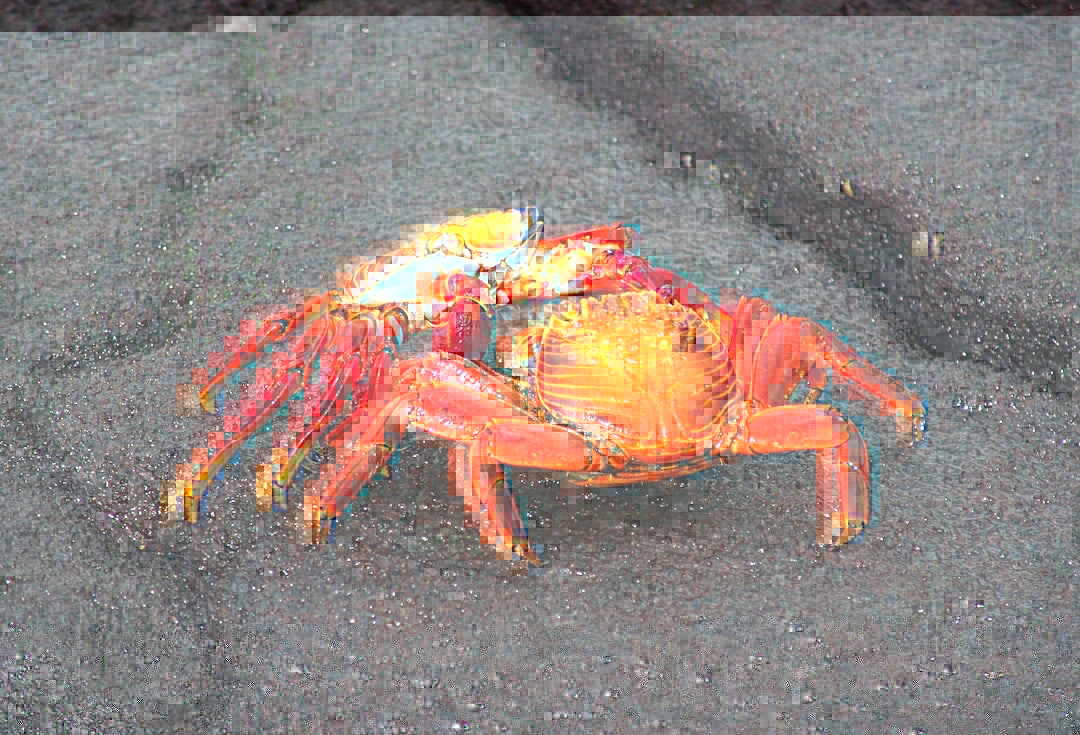
Natural selection plays a crucial role in carcinization. The crab form seems to offer numerous advantages, such as enhanced mobility, better protection from predators, and improved ability to forage for food. Crabs are known for their hard exoskeletons, which provide excellent defense against predators. Their pincers are not only weapons but also tools for feeding and manipulating their environment. These features make the crab form particularly adept at surviving in various ecological niches, driving the evolutionary trend toward this body plan.
Examples of Carcinization in Nature
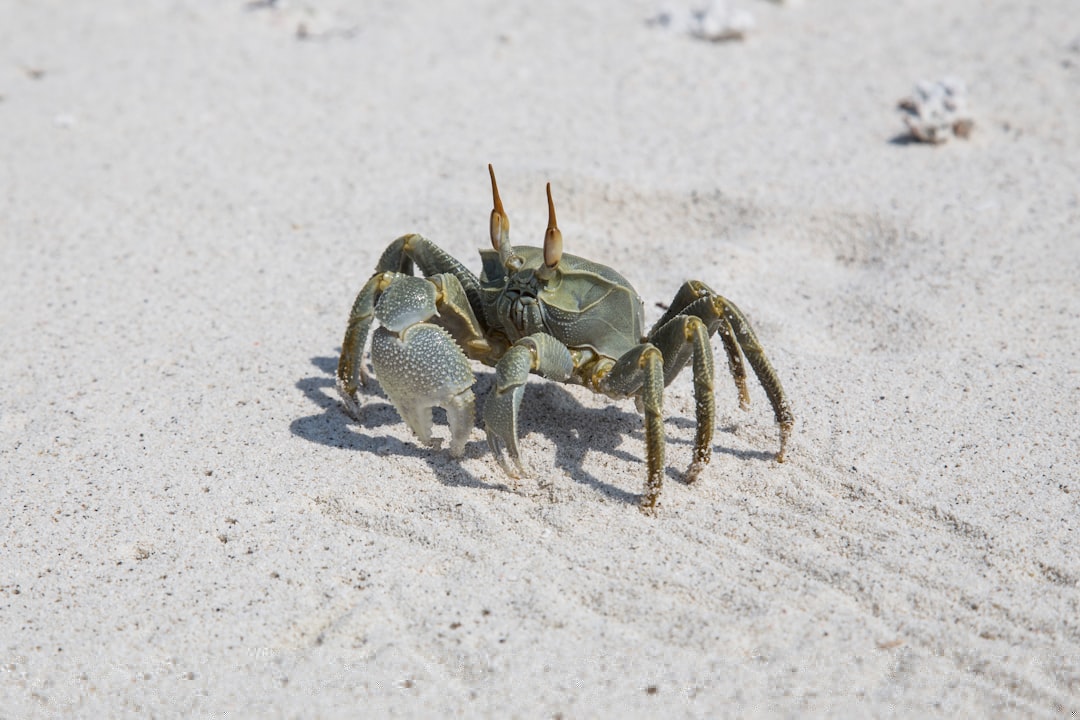
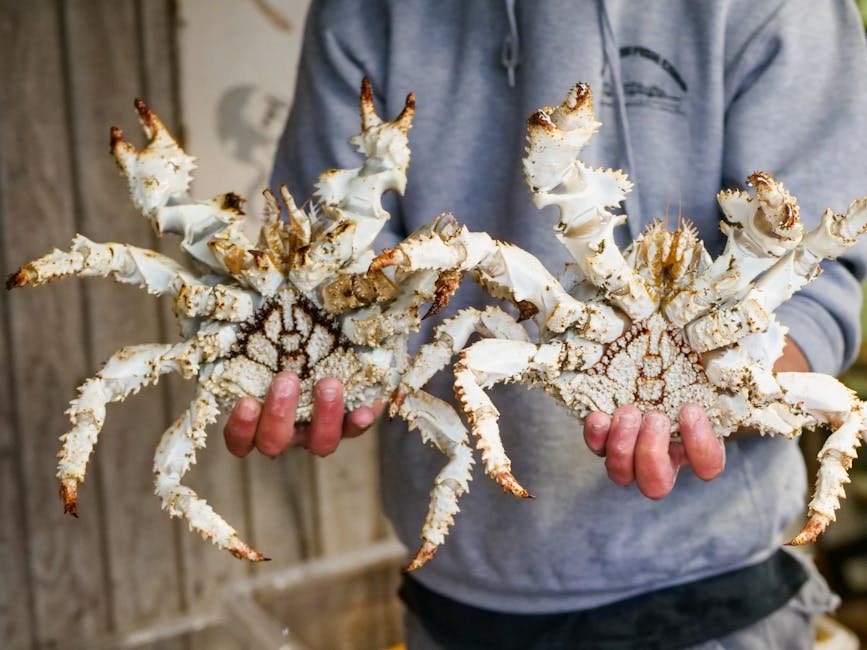
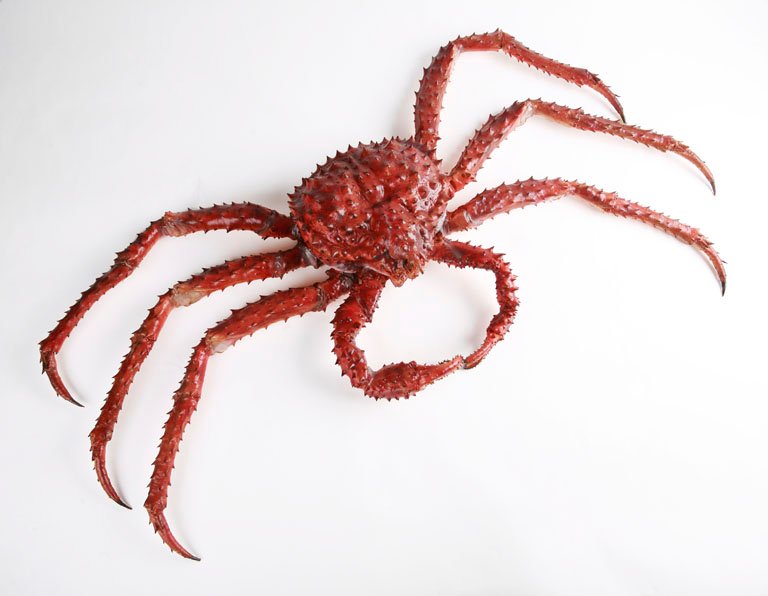
Several crustacean groups have independently evolved crab-like forms, demonstrating the widespread occurrence of carcinization. One notable example is the king crab, which, despite its appearance, is more closely related to hermit crabs than to true crabs. Over time, king crabs have evolved a body form strikingly similar to that of true crabs, showcasing the power of evolutionary pressures. Another example includes the porcelain crabs, which have adopted a crab-like shape while retaining certain non-crab characteristics, illustrating the diverse ways carcinization can manifest.
Evolutionary Advantages of the Crab Form
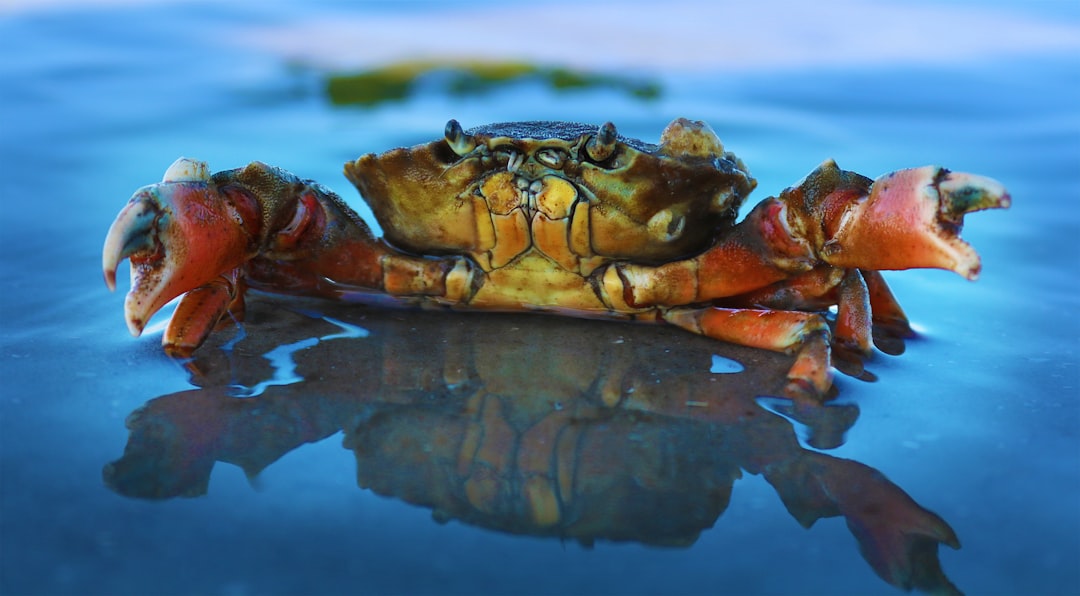
The crab form offers several evolutionary advantages that contribute to its recurring emergence. Crabs have a low center of gravity, which provides stability and agility, essential for escaping predators and navigating complex terrains. Their broad, flat bodies allow them to burrow into the sand or hide under rocks, providing protection and aiding in ambush predation. Additionally, the ability to walk sideways enables crabs to move efficiently in search of food, further enhancing their survival prospects. These advantages make the crab form a highly successful evolutionary strategy.
Crabs: Masters of Adaptation
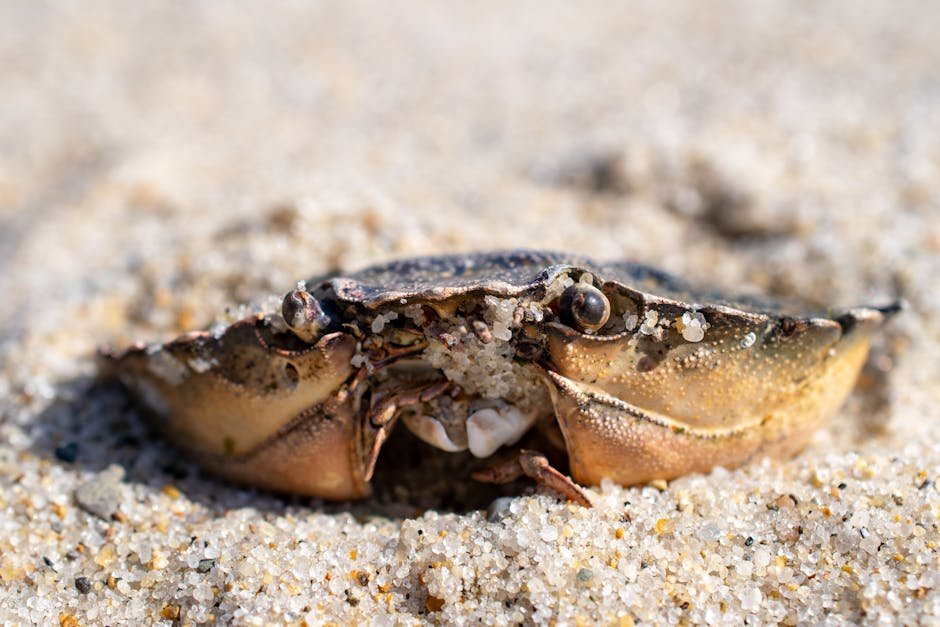
Crabs are among the most adaptable creatures in the ocean, able to thrive in diverse environments ranging from tidal pools to deep-sea vents. Their adaptability is a testament to the evolutionary benefits of the crab form. Crabs can tolerate a wide range of temperatures, salinities, and pressures, allowing them to colonize various habitats. This adaptability ensures their survival even in changing environmental conditions, highlighting the resilience and versatility of the crab form. Their success across different ecological niches demonstrates the effectiveness of carcinization as an evolutionary strategy.
Challenges in Studying Carcinization
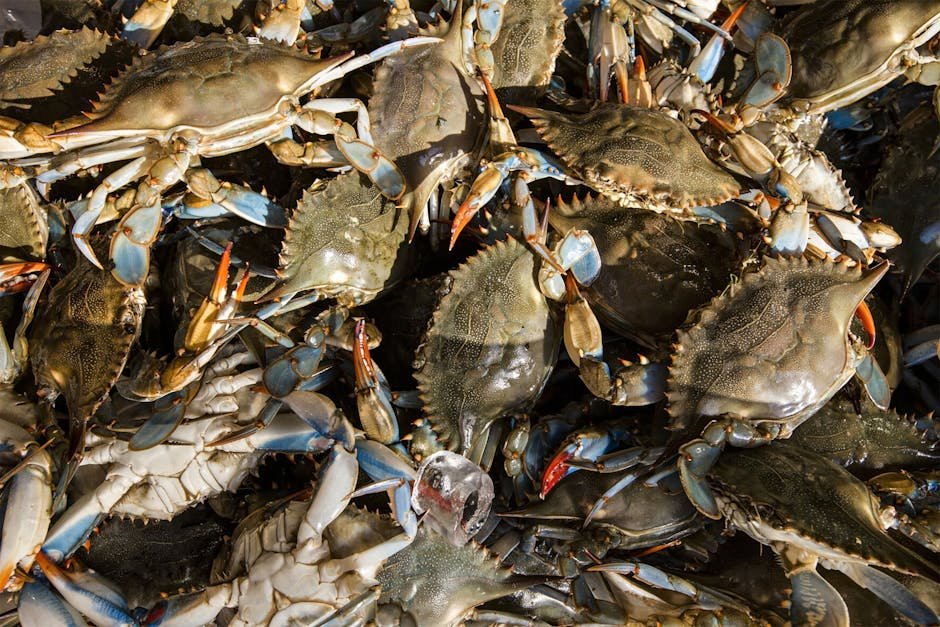
While the phenomenon of carcinization is well-documented, studying it presents several challenges. The fossil record of crustaceans is limited, making it difficult to trace the evolutionary history of these creatures accurately. Additionally, the genetic mechanisms underlying carcinization are complex and not yet fully understood. Scientists continue to investigate the genetic pathways and ecological factors that drive the repeated emergence of the crab form. Despite these challenges, advances in genetic research and fossil analysis are shedding light on the intricacies of carcinization.
The Future of Carcinization Research
As scientific techniques advance, researchers are gaining a better understanding of the processes driving carcinization. The use of molecular and genetic tools is helping to unravel the genetic basis of this phenomenon, providing insights into the evolutionary pathways leading to crab-like forms. Additionally, the study of living and fossilized crabs is revealing new information about the ecological factors that influence carcinization. Continued research in this area holds the promise of uncovering the mysteries of this fascinating evolutionary trend and its implications for our understanding of natural selection.
The Broader Implications of Carcinization
Carcinization offers valuable insights into the broader principles of evolution and adaptation. It serves as a striking example of convergent evolution, illustrating how different species can independently develop similar traits in response to similar environmental challenges. This phenomenon highlights the dynamic nature of evolution and the innovative solutions it can produce. Understanding carcinization not only deepens our knowledge of crustacean evolution but also enriches our understanding of the evolutionary processes that shape life on Earth.
Reflecting on the Mystery of Carcinization
The recurring evolution of crab-like forms is a reminder of the complexity and wonder of the natural world. It challenges our understanding of evolution, prompting further exploration into the mechanisms that drive such remarkable convergences. As we continue to study carcinization, we are reminded of the intricate tapestry of life and the endless possibilities that evolution can create. This phenomenon invites us to appreciate the marvels of nature and the powerful forces that shape the diversity of life on our planet.