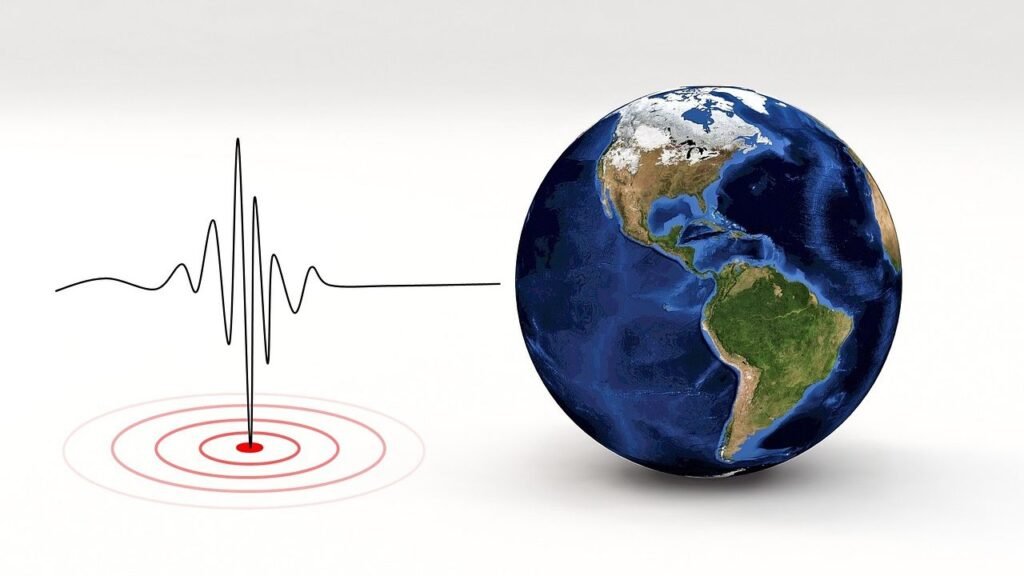

Every twenty‑six seconds, like a hidden heartbeat, Earth gives off a tiny, rhythmic pulse. You can’t feel it under your feet, and it doesn’t rattle windows or sway buildings, yet ultra‑sensitive instruments pick it up again and again, like a cosmic metronome that refuses to stop. This strange micro‑vibration has puzzled scientists for decades, because it happens whether the skies are calm or stormy, whether the oceans are raging or still.
There’s something almost eerie about realizing the ground beneath us is quietly ticking away on a schedule we never agreed to. It feels like discovering that your house has been humming a tune your whole life and you only just learned to listen. Researchers have chased this pulse from the depths of the ocean to the edges of tectonic plates, and what they’ve found so far is fascinating, frustrating, and still not the full story.
The Strange Discovery Of Earth’s 26‑Second Pulse
The mystery of Earth’s 26‑second pulse first began to come into focus in the early 1960s when seismologists noticed an odd, repeating signal in their data. At first, many thought it was just noise from nearby machinery, passing trains, or even a flaw in their equipment. But the signal kept showing up, with the same regular spacing, at stations that were nowhere near one another and often far from human activity.
Over time, as seismic networks grew more global and more sensitive, that repeating blip became impossible to ignore. Different research groups, working years apart and with different instruments, still saw the same roughly twenty‑six‑second interval in the background of their recordings. That kind of consistency is rare in geophysics and almost always means something real is happening, even if no one has a neat explanation for it yet.
How Scientists Actually Hear Earth’s Hidden Heartbeat
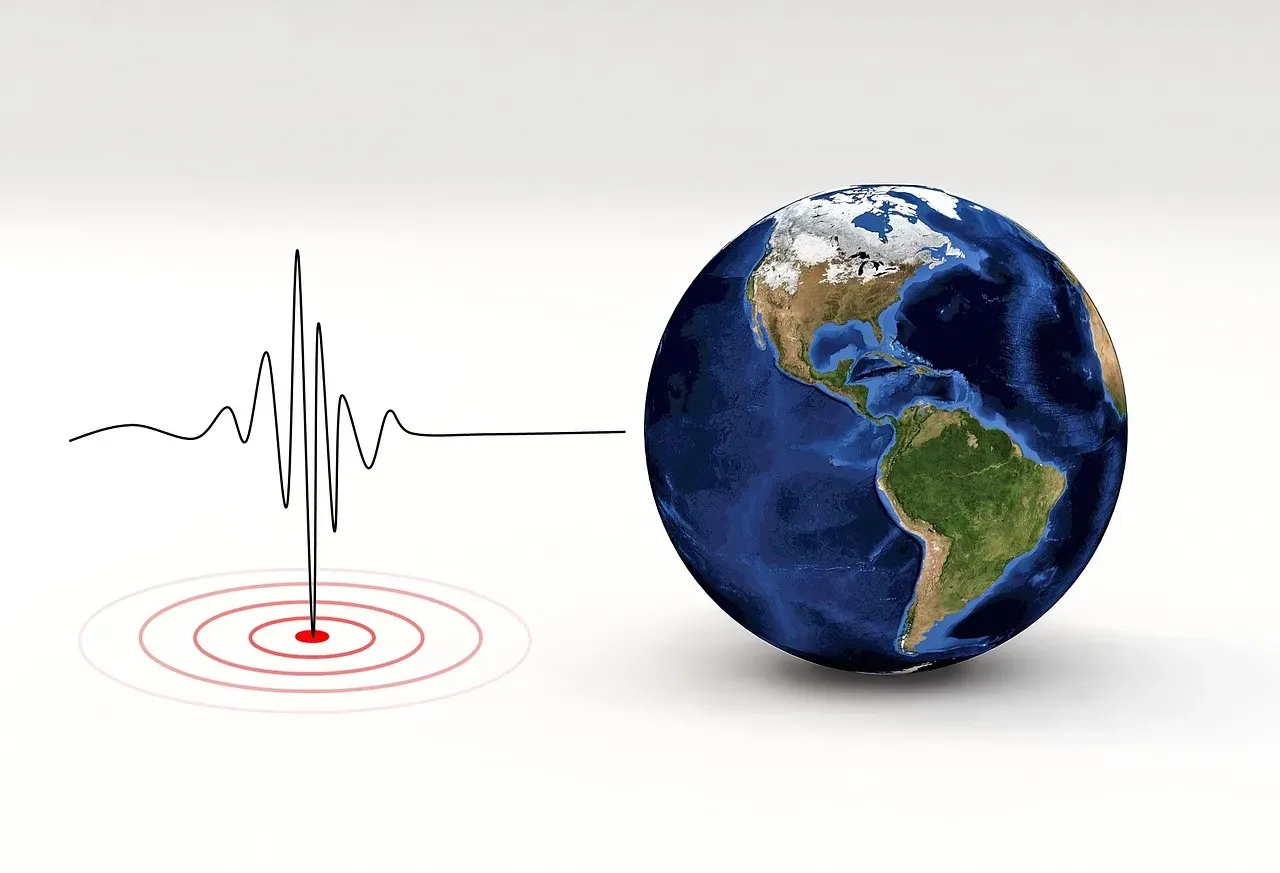
Most of us only think about earthquakes when something dramatic happens, like a building shaking or a news alert flashing across a screen. Seismologists live in a completely different world: they listen to vibrations that are so tiny they’re closer to whispers than to booms. Using incredibly sensitive seismometers buried in rock or placed deep underground, they can record motions smaller than the width of a human hair, spread over the entire planet.
To find something as subtle as a 26‑second pulse, scientists don’t just stare at wiggly lines on paper. They use mathematical tools that break the signals into their repeating patterns, a bit like separating notes in a chord so you can hear each tone clearly. When they did this, they noticed a regular spike at a very low frequency, showing up again and again with a period of about twenty‑six seconds. That rhythm is far too regular and too persistent to be brushed off as random noise.
The Ocean Wave Theory: A Planet‑Sized Drumbeat

One of the strongest ideas to explain this pulse points straight to the ocean. Long ocean waves constantly slam into coastlines, especially along steep and narrow margins where water has nowhere to go but downward and back. When that surge of energy hits the seafloor and nearby rock, it doesn’t just stop; some of it turns into seismic energy, tiny vibrations that travel through the crust like ripples through a drum.
Think of a wave breaking onto a rocky cliff: visually, you see foam and spray, but beneath that, there’s a repeated pounding on the seabed. In certain coastal regions, especially where the shape of the shoreline and seafloor are just right, that pounding can line up into a fairly regular rhythm. Some studies have suggested that the 26‑second pulse may be a kind of global background drumbeat created by persistent ocean wave activity, particularly off parts of West Africa, that never fully stops – even when the weather is calm.
A Curious Hotspot Near The Gulf Of Guinea

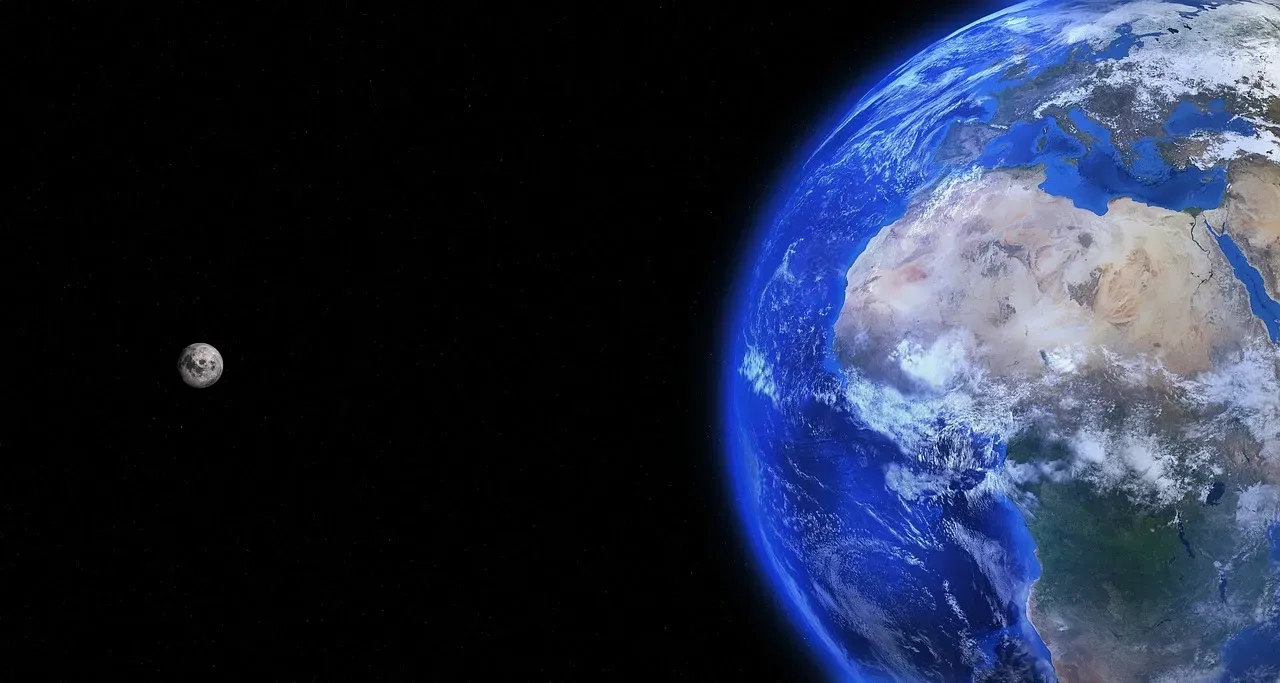
When researchers started trying to track where the 26‑second pulse actually comes from, their reconstructions pointed again and again toward a specific region: near the Gulf of Guinea on the West African coast. This doesn’t mean the vibration only exists there, but it suggests that area might act like a main loudspeaker for the signal. The local geology, coastline shape, and deep ocean conditions there seem to combine in a way that efficiently turns wave energy into seismic noise.
The idea is a bit like a stage in a concert hall that’s been built in just the right way to amplify sound better than other spots. The margin near the Gulf of Guinea appears to behave like that for low‑frequency vibrations. Long‑period ocean waves, interacting with the continental slope and the seafloor, may be setting up resonance patterns that naturally favor a cycle close to twenty‑six seconds, sending that pulse out across the globe where distant seismometers quietly pick it up.
Why Earth’s Pulse Is So Regular Yet So Mysterious

Here’s what makes this phenomenon especially intriguing: Earth is messy and chaotic, yet this pulse is surprisingly stable. Ocean conditions change, storms come and go, wave heights rise and fall, but the twenty‑six‑second rhythm just keeps tapping along in the background. That kind of persistence suggests some built‑in resonance, like a bell that always rings at the same pitch no matter how softly or strongly you strike it.
At the same time, the pulse is not perfectly understood, even in 2026. While the ocean‑wave explanation fits much of the data, scientists are still debating whether there might be contributions from other factors, such as subtle interactions in the crust or particular geological structures focusing the energy. The fact that this has been studied for decades and still has open questions turns it from a trivial curiosity into a genuine scientific puzzle that keeps drawing people back in.
Does This Pulse Affect Us Or The Planet’s Stability?
It’s natural to wonder if a constant, planet‑wide vibration means something is wrong, like a warning light on a dashboard. Fortunately, this microseismic pulse is extremely weak – far too small to influence buildings, human health, or the stability of tectonic plates. You experience much stronger vibrations just from heavy traffic on a nearby road or a train rumbling past a station than from this deep, repeating signal.
In fact, the pulse is more useful than dangerous. Geophysicists can treat it as a kind of built‑in probing signal, using it to study the Earth’s interior in a similar way that doctors use constant background sounds to image the body. Because the vibrations travel through crust and mantle, they carry information about the rocks they pass through, helping scientists refine models of what lies beneath our feet without waiting for big, damaging earthquakes to provide data.
Why The 26‑Second Pulse Still Matters In 2026
In an age when we’ve sent probes beyond the edges of our solar system, it’s oddly humbling that we’re still piecing together the details of something happening under our own feet every half‑minute. The 26‑second pulse is a reminder that Earth is not a static rock but a dynamic, restless system, constantly shaped by the push and pull of oceans, atmosphere, and deep interior forces. It shows that even the background “noise” in our measurements can hold secrets worth chasing.
Personally, I find it comforting that our planet has its own quiet rhythm, one that has likely been beating long before we had the tools to notice. It’s a small, steady sign that Earth is alive in a geophysical sense, pulsing with energy on timescales we rarely think about. Knowing that the ground is never truly still can feel unsettling at first, but it also makes the world feel less like a static stage and more like a living, breathing place we’re lucky to inhabit.