

You probably remember your last sharp sting or dull ache more vividly than your last good meal. Pain crashes into our awareness, demands attention, and refuses to be ignored. For something so universally hated, it is strangely indispensable, hardwired into our nerves and brains by millions of years of evolution. Yet even today, scientists are still unpacking its layers: how it starts, how it spreads, why some people feel too much and others too little. The real mystery is not just why pain hurts, but why nature decided that survival should feel this way.
The First Spark: How Pain Starts in the Body
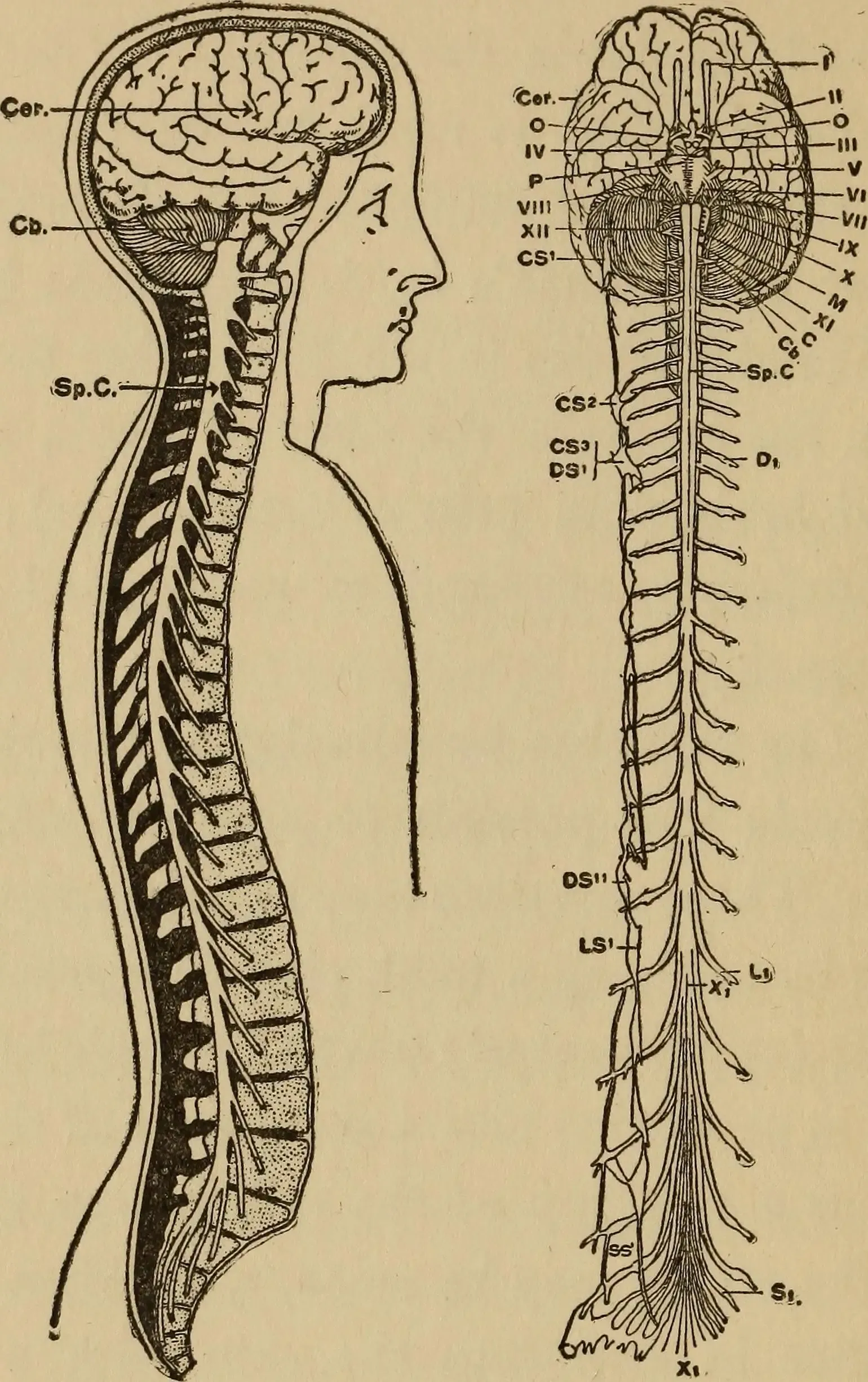
Imagine touching a hot stove: the burning sensation feels instant, but under the surface a rapid-fire relay race is unfolding. Specialized nerve endings called nociceptors sit like microscopic sentinels in your skin, joints, and organs, tuned to detect extremes of heat, pressure, or chemical damage. When you cross a threshold – too hot, too sharp, too corrosive – these receptors fire electrical signals that shoot up nerves toward your spinal cord and brain. They do not really transmit “pain” itself; they send danger alerts, a kind of coded distress signal.
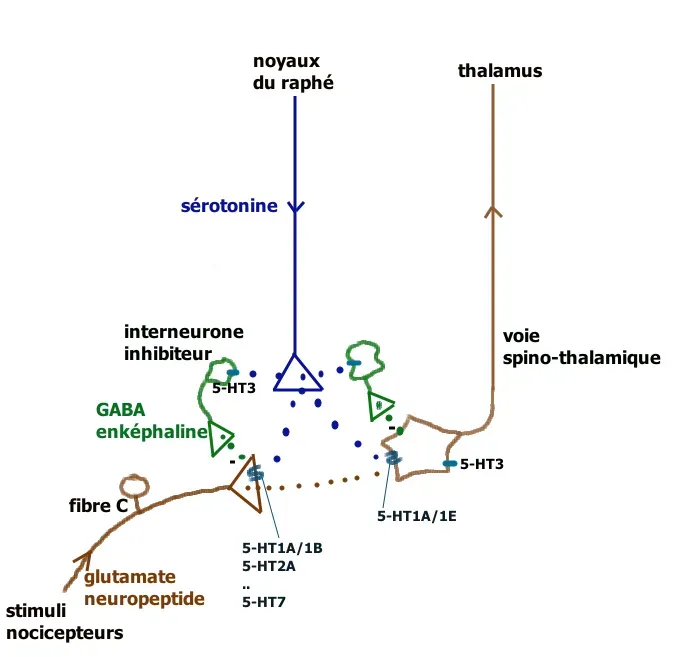
Once the signal reaches the spinal cord, it passes through tiny processing hubs that can amplify, dampen, or reroute it before it heads to different parts of the brain. Areas involved in sensation, emotion, and attention all light up, which is why the same injury can feel unbearable when you focus on it and strangely muted when you are distracted or in danger. As strange as it sounds, pain is not just a raw input from the body but a constructed perception, shaped by context, expectation, and past experience. The first spark is physical, but the full flame is very much in the mind.
Evolution’s Harsh Teacher: Pain as a Survival Tool

If evolution is a ruthless editor, pain is one of its starkest revisions. Humans born with extremely rare conditions that prevent them from feeling pain might sound like they have a superpower, but in reality they face life-threatening risks from childhood. Without that built-in alarm system, they can bite their tongue until it bleeds, burn their skin on hot surfaces, or walk on broken bones because nothing tells them to stop. Many do not survive into adulthood without intense supervision and constant monitoring.
From an evolutionary standpoint, pain is a brutally efficient tutor that teaches us what not to do – do not touch fire, do not run on a sprained ankle, do not ignore a festering wound. Over time, organisms that responded to tissue damage with avoidance and learning were more likely to stay alive long enough to reproduce. In a way, pain is a living fossil of our survival history, a record of past threats etched into our biology. It feels personal and immediate, but it is also an ancient warning system honed over countless generations.
The Many Faces of Pain: Sharp, Dull, and Deep
Not all pain feels the same, and that diversity is not an accident. That stabbing “first pain” you feel when you prick your finger is typically carried by fast nerve fibers that prioritize speed over detail, pushing you to pull away instantly. The slower, throbbing ache that follows travels along different, slower fibers, acting like a lingering reminder that something was damaged and needs protection. This layered design helps you respond quickly in the moment and then change your behavior while you heal.
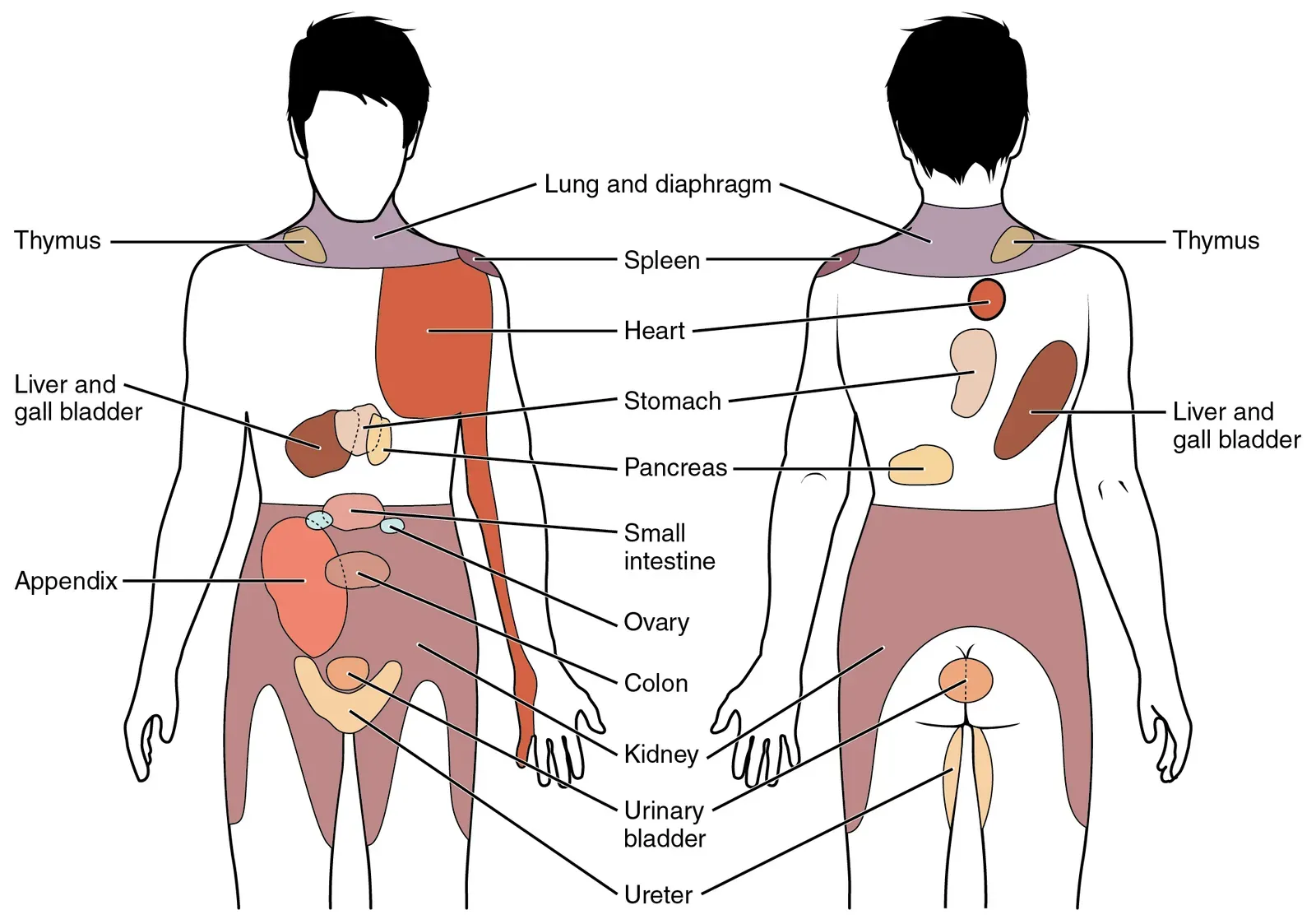
There is also visceral pain, the murky discomfort that comes from internal organs like the gut or kidneys, often hard to pinpoint and strangely diffuse. Then there is neuropathic pain, which arises not from cuts or burns but from damage or malfunction within the nervous system itself, like in some forms of diabetes or after shingles. Neuropathic pain can feel like electric shocks, burning, or crawling sensations, and it often defies simple treatment. Together, these varieties show that pain is not a single phenomenon but a family of warning signals, each tuned to different kinds of threat.
How the Brain Edits Pain: Placebos, Mindset, and Meaning
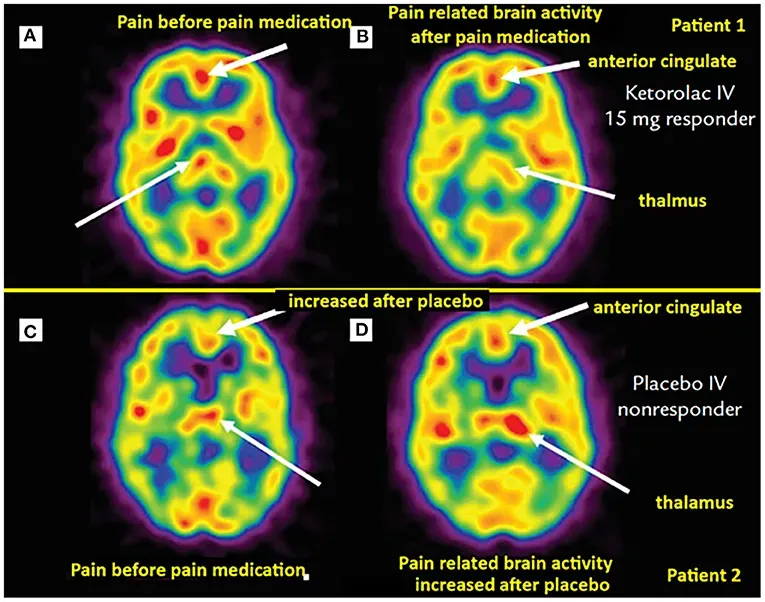
One of the most surprising discoveries in pain research is just how much the brain can turn the volume up or down. Expectations, beliefs, and emotions all modulate how intense pain feels, sometimes dramatically. Placebo studies, where people get fake treatments they believe are real, consistently show that the brain can recruit its own chemical arsenal – like endorphins and other neurotransmitters – to reduce incoming pain signals. In brain scans, this mental intervention shows up as changes in both higher thinking areas and deeper pain-processing regions.
Context matters, too. Soldiers wounded in battle sometimes report less pain than civilians with similar injuries, at least initially, because to them the same wound can signify survival and evacuation rather than pure loss. Chronic stress and anxiety, on the other hand, can amplify pain, creating vicious cycles where fear of pain feeds into stronger pain responses. In that sense, pain is not just about what happens to your body, but about what your brain thinks those events mean. The signal and the story are deeply intertwined.
Why It Matters: Pain, Society, and the Cost of Suffering
Pain is not only a personal sensation; it is a massive social and economic force. Chronic pain – pain that lasts longer than a typical healing window, often months or years – affects a large fraction of adults in many countries and is a leading reason for doctor visits and disability claims. It strains healthcare systems, keeps people from working, and erodes quality of life in ways that are hard to measure but impossible to ignore. When someone cannot sleep, move easily, or enjoy ordinary moments because of constant pain, the cost ripples through families and communities.
Historically, medicine treated pain as a simple symptom to be suppressed, often with powerful drugs that did not always address the root causes and sometimes created new problems, including addiction and dependence. Modern science is slowly shifting toward seeing pain as a complex experience with biological, psychological, and social layers. That means treatment needs to be broader as well, involving physical therapies, counseling, lifestyle changes, and careful use of medications rather than relying on a single quick fix. Understanding why we feel pain is not just an academic exercise; it reshapes how doctors, policymakers, and patients decide what care should look like.
When Pain Goes Rogue: Chronic and Phantom Sensations
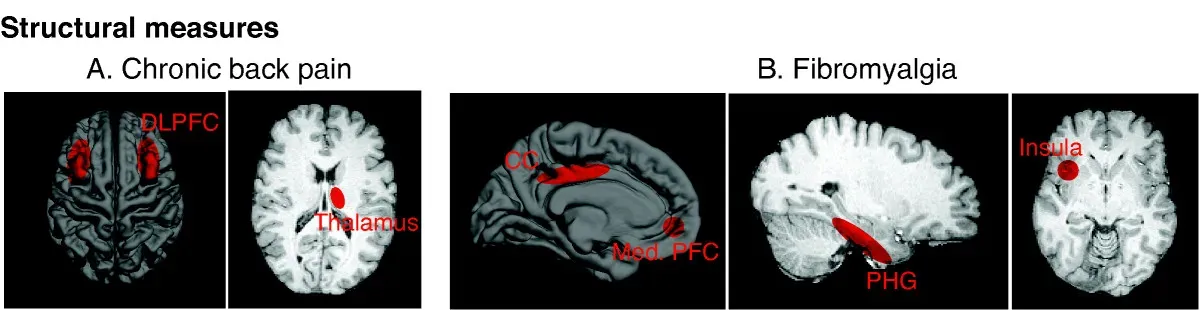
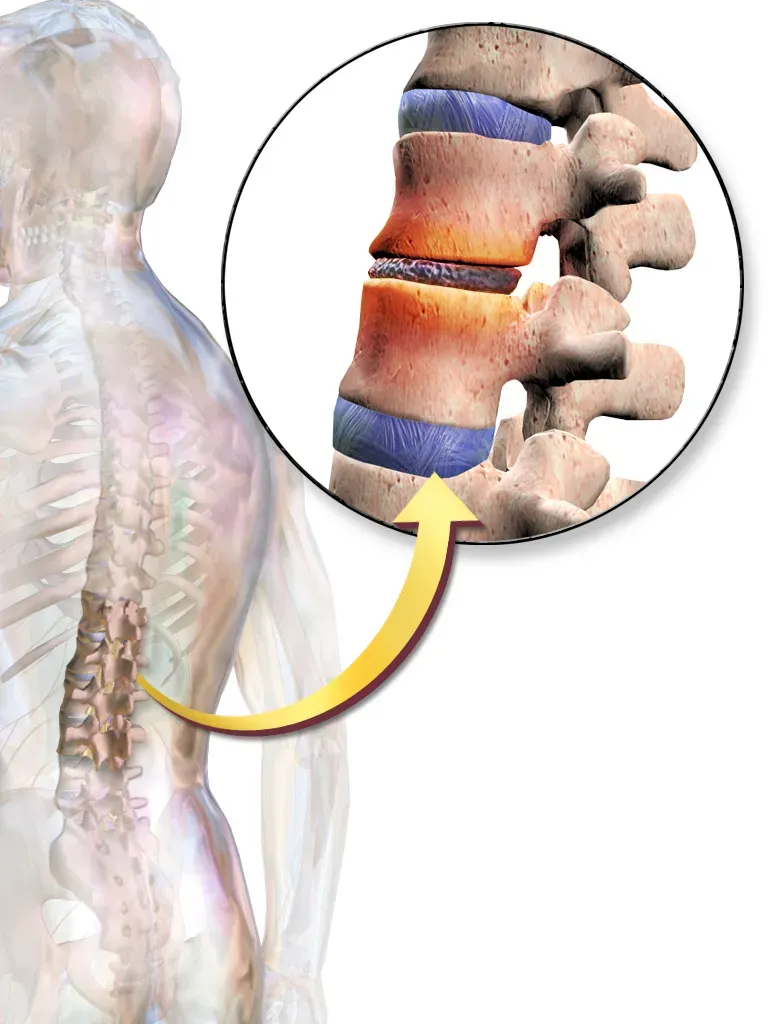
Sometimes pain loses its survival logic and turns into something else entirely. Chronic pain can linger long after an injury has healed, as if the alarm system forgot how to switch off. In conditions like fibromyalgia, migraine, or some back pain syndromes, there can be no obvious tissue damage at all, yet the nervous system behaves as if the threat is ongoing. Researchers increasingly describe this as a kind of “sensitization,” where neurons and circuits become overreactive, firing too easily and staying active for too long.
Perhaps even more mysterious are phantom limb pains in people who have lost an arm or a leg but still feel intense, sometimes excruciating sensations coming from the missing body part. These experiences hint that pain is not simply about signals from the body but also about maps in the brain that expect those signals to exist. Therapies like mirror therapy, where patients watch a reflection of their intact limb moving, can sometimes trick the brain into quieting those misfiring maps. These strange cases underscore that pain is both a protector and, at times, a glitching system that needs to be retrained.
Rethinking Relief: Beyond Pills and Quick Fixes
For a long time, the dominant strategy for pain relief, especially in acute settings, was straightforward: block the signal. Local anesthetics numb nerves, nonsteroidal drugs reduce inflammation, and stronger opioid medications blunt the brain’s perception of pain. These tools remain vital in certain scenarios, like surgery or severe acute injuries, but their limits and risks are now painfully clear. Overreliance on one kind of drug, particularly opioids, has contributed to waves of addiction and overdose in several countries, forcing a reckoning with how we manage pain at scale.
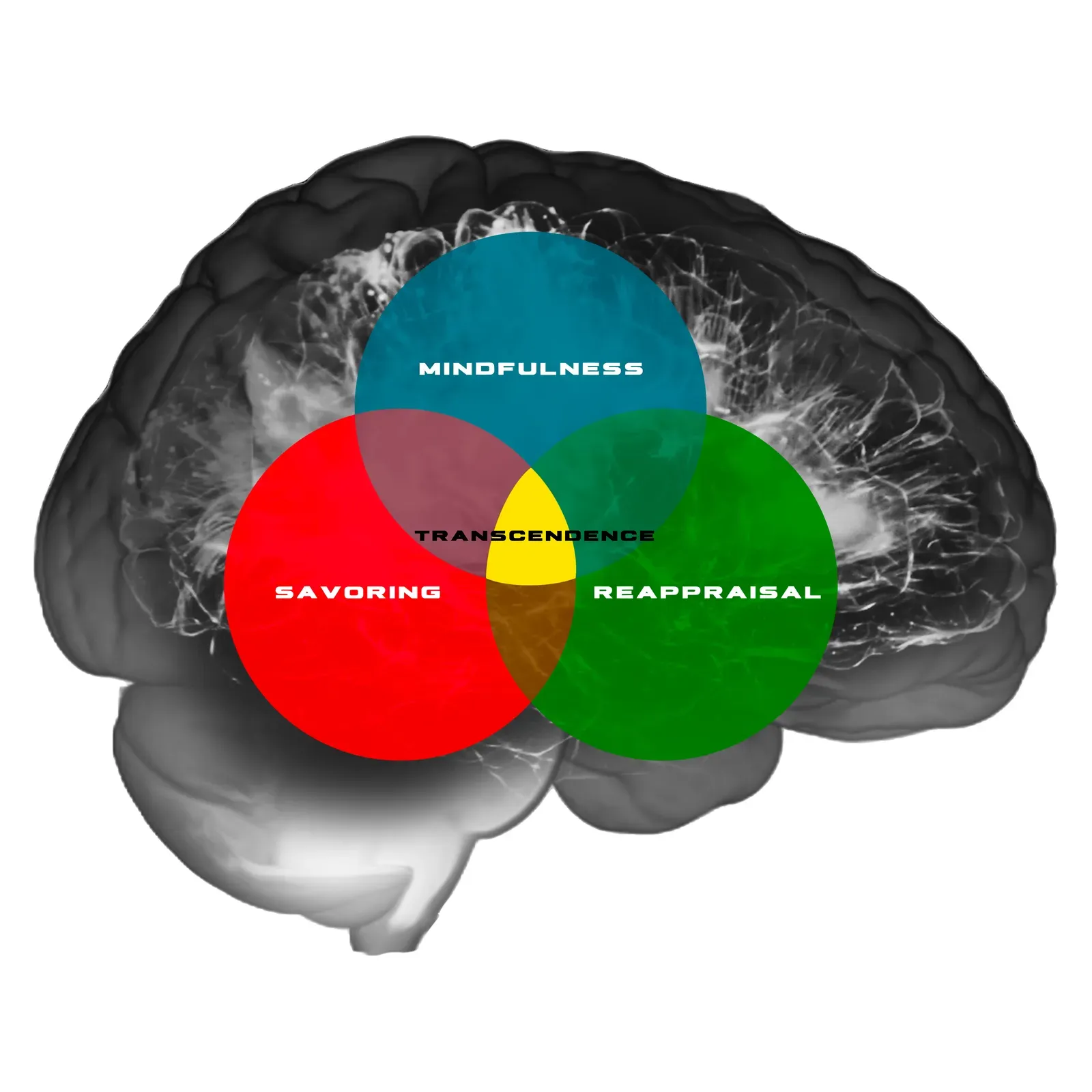
In response, there has been a growing emphasis on more holistic and multidimensional pain care. That can include physical therapy to rebuild strength and flexibility, cognitive-behavioral approaches to reframe pain-related thoughts, and techniques like mindfulness that help people change their relationship to discomfort. In some programs, patients learn pacing strategies, better sleep habits, and simple movement routines that gradually reset their nervous systems. The message is not that pain is imaginary, but that the brain and body can be coached, gently and consistently, into less reactive patterns.
The Future of Pain: Precision Medicine and Brain-Level Interventions
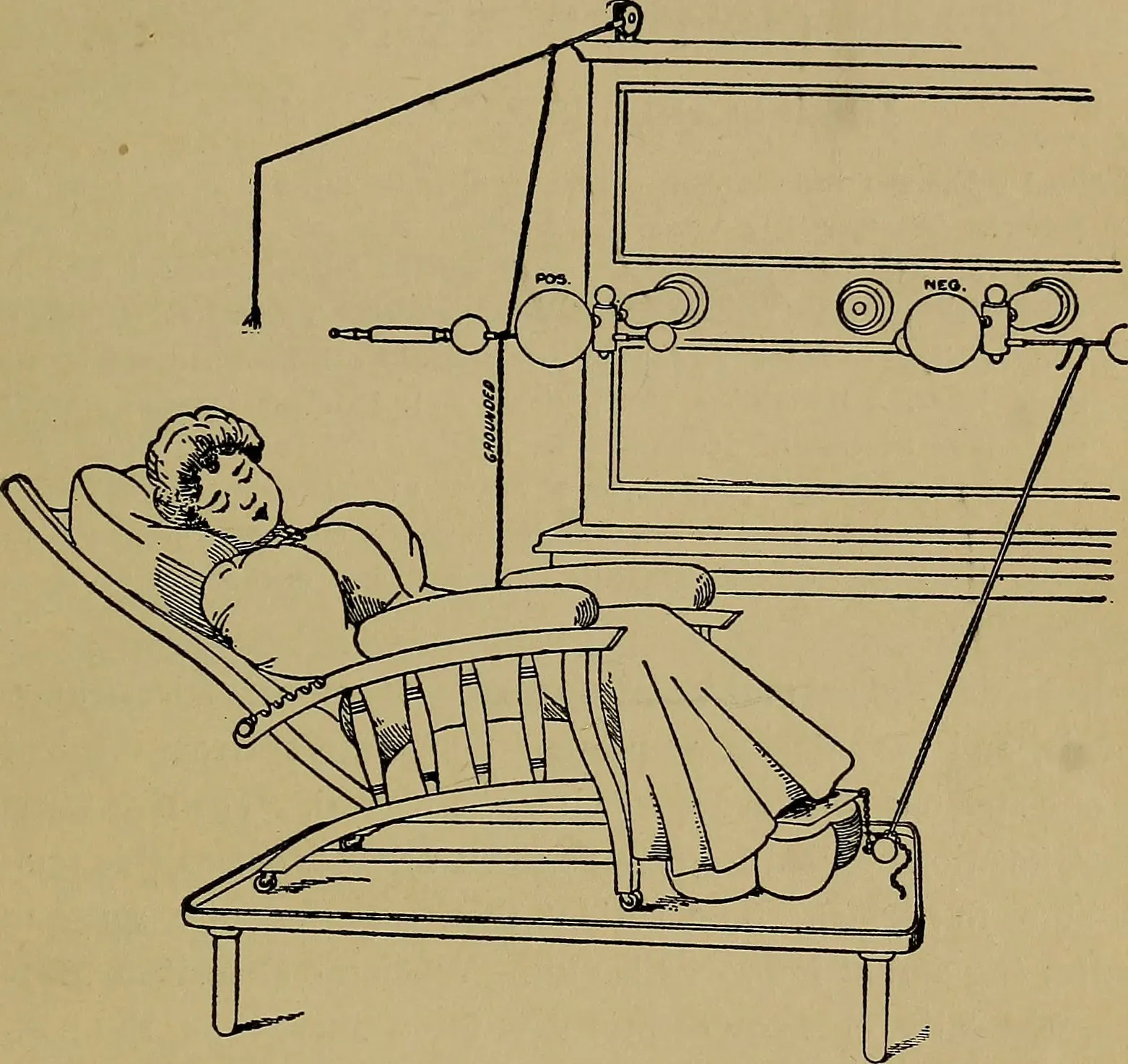
Pain research is moving toward a more personalized and high-tech future, where one-size-fits-all treatments give way to tailored strategies. Scientists are exploring genetic factors that influence how strongly people feel pain and how they respond to specific drugs, raising the possibility of precision prescriptions that work better and carry fewer side effects. Advanced imaging is helping researchers map the brain circuits involved in different kinds of pain, from inflammatory to neuropathic, suggesting that targeted interventions could one day dial down only the problem pathways.
On the horizon are therapies that go far beyond pills, such as noninvasive brain stimulation, implantable devices that modulate nerve activity, and novel drugs that aim at specific molecular switches in pain pathways. At the same time, there is growing interest in preventive strategies that reduce the risk of acute pain turning chronic, by intervening early after surgeries or injuries. The challenge will be making these innovations accessible and ethical while avoiding past mistakes of over-promising easy relief. If we succeed, the future of pain medicine could be less about numbing everything and more about restoring balance to a system that evolution designed to keep us alive.
What You Can Do: Listening to Pain Without Letting It Rule You
Even without a lab or a medical degree, you have more influence over your pain landscape than it might seem. Paying attention early – resting an injured joint, getting a persistent pain checked, or adjusting habits that repeatedly trigger discomfort – can prevent small problems from hardwiring into chronic ones. Simple steps like regular movement, decent sleep, and managing stress are not magic cures, but they shape how sensitized or resilient your nervous system becomes over time. It helps to treat pain less as an enemy to be crushed and more as a messenger whose signals you want to understand and, when possible, renegotiate.
Supporting better pain science and care can also start small, from listening seriously when others describe their pain to advocating for treatment approaches that are evidence-based and not just quick fixes. You can stay informed about evolving guidelines, question overly aggressive prescriptions, and seek out clinicians who see pain as a complex experience rather than a single symptom. On a broader level, public support for research funding and thoughtful policy can nudge healthcare systems toward safer, more effective pain management. Pain may be unavoidable, but how we respond to it – as individuals and as societies – is very much still being written.
Suhail Ahmed is a passionate digital professional and nature enthusiast with over 8 years of experience in content strategy, SEO, web development, and digital operations. Alongside his freelance journey, Suhail actively contributes to nature and wildlife platforms like Discover Wildlife, where he channels his curiosity for the planet into engaging, educational storytelling.
With a strong background in managing digital ecosystems — from ecommerce stores and WordPress websites to social media and automation — Suhail merges technical precision with creative insight. His content reflects a rare balance: SEO-friendly yet deeply human, data-informed yet emotionally resonant.
Driven by a love for discovery and storytelling, Suhail believes in using digital platforms to amplify causes that matter — especially those protecting Earth’s biodiversity and inspiring sustainable living. Whether he’s managing online projects or crafting wildlife content, his goal remains the same: to inform, inspire, and leave a positive digital footprint.