

Almost everyone has had that moment: you wake up with your heart racing, your mind buzzing from a dream that felt more vivid than real life, and for a second you’re not quite sure which world you’re in. It’s strangely moving that our brains, even when our bodies are completely still, spin entire stories every night without asking our permission. Dreams can feel like secret messages, scrambled memories, or just total nonsense that somehow still hits an emotional nerve.
For a long time, people explained dreams with myths, superstition, or pure guesswork. Today, brain scanners, sleep labs, and cognitive science give us a far more grounded picture of what’s actually happening when we dream. The twist is that even with all this data, dreams remain a little slippery, like trying to hold smoke in your hands. We know more than ever about why we dream, yet the full story still has gaps, which might be exactly what keeps dreams so hauntingly fascinating.
The Sleeping Brain: What Happens When We Drift Off

Every night, as you fall asleep, your brain doesn’t shut down; it shifts into a complex rhythm of stages that repeat in cycles, like a slowly turning carousel. Scientists usually describe these as light sleep, deep sleep, and rapid eye movement, or REM sleep, and that last one is where most vivid, story-like dreams happen. During REM, your brain activity can look surprisingly similar to when you’re awake, especially in areas linked to vision and emotion, even though your muscles are effectively paralyzed so you don’t act out what you’re dreaming. It’s almost like your brain sneaks off to run a private simulation while your body is safely “locked” in place.
Non-REM sleep, especially the deepest stages, is quieter but still dream-filled, though those dreams tend to be more fragmented or thought-like. Brain regions involved in logical thinking and self-control are dialed down, while emotional and visual areas stay relatively active, which might explain why your dreams often feel intense but not particularly reasonable. I remember once dreaming that I was calmly discussing taxes with a talking tree, and in the dream it made perfect sense, which is exactly the kind of reality-bending your sleeping brain specializes in. The bottom line: dreaming isn’t a glitch; it’s built into how the sleeping brain naturally works.
From Freud to fMRI: How Our Understanding of Dreams Has Changed
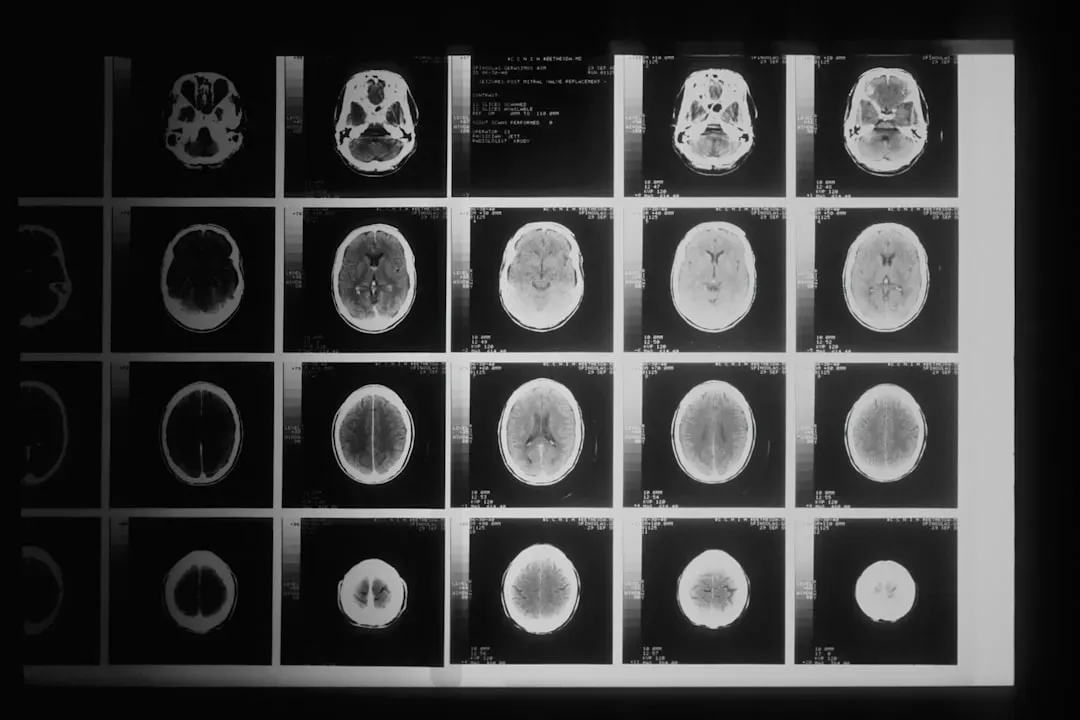
For much of the twentieth century, dreams were mainly treated as symbolic puzzles of the unconscious, especially in psychoanalytic traditions. The common idea was that dreams disguised hidden wishes or unresolved conflicts, and decoding them would unlock deep truths about a person’s inner life. While that view still appeals to a lot of people, modern research leans less on hidden symbolism and more on brain activity, memory systems, and emotional processing. Instead of asking only what a dream means, scientists first ask what the brain is actually doing during it.
With brain imaging tools, such as functional MRI and EEG, researchers can see which regions light up across the sleep cycle. Some of the older, more purely symbolic theories don’t hold up well when compared with this data, especially the idea that there’s a single, fixed “dictionary” of dream symbols. Instead, interpretations tend to be more personal and tied to your experiences and concerns. There’s still room for meaning, but it’s grounded less in universal codes and more in how your own brain organizes thoughts and feelings. In a way, the modern view is less mystical but more intimate: your dreams reflect the way your unique brain is wired and what it’s currently wrestling with.
Memory, Housekeeping, and Mental File-Shuffling

One of the strongest scientific ideas about dreaming is that it helps with memory processing and learning, like an overnight filing system. Studies have shown that after people practice a new task during the day, especially something visual or motor-based, they often perform better after a night of sleep that includes REM, and many report dreams related to the task. It’s as if the brain replays certain experiences in a looser, more imaginative form to strengthen important connections and weaken the less useful ones. The dreams you remember as bizarre mashups may just be your hippocampus and cortex negotiating what to keep and what to toss.
Dreams might also help integrate new information with older memories, which can create those weird scenarios where your childhood home mixes with your current job and a random vacation from years ago. Instead of tidily filing memories in separate drawers, the brain seems to reorganize them in overlapping networks, and dreams may be snapshots of that process. Some researchers describe this as emotional and cognitive “housekeeping,” clearing the mental desk so tomorrow doesn’t feel like yesterday’s unfinished chaos. When I’m going through a busy, stressful week, my dreams often feel like a messy highlight reel, and it’s hard not to wonder if that’s my brain’s clumsy way of sorting it all out.
Dreams as Emotional Therapy and Threat Rehearsal

Dreams aren’t just about facts and memories; they’re deeply emotional, often more intense than what you feel during a regular day. Brain scans show that structures involved in fear, reward, and emotional evaluation can be highly active in REM sleep. One influential idea is that dreams help us process difficult feelings in a lower-risk environment, allowing us to revisit painful or stressful topics without the full punch of waking reality. In this view, your brain might be trying to take the sting out of certain emotions by replaying them in a different, sometimes exaggerated, form.
There’s also a theory that many dreams act as a kind of “threat rehearsal,” especially those anxiety dreams where you’re being chased, trapped, or humiliated. From an evolutionary angle, practicing how to respond to danger, even in a messy and symbolic way, could have offered some survival advantage over time. Nightmares can be deeply unpleasant, but some clinicians see them as signals that your emotional system is overloaded or still trying to resolve something. When nightmares become frequent and overwhelming, though, they can turn from a rough kind of mental training into a serious sleep and mental health problem that needs attention, which shows how powerful this dream–emotion link really is.
Why Dreams Feel So Real (Even When They Make No Sense)

One of the strangest things about dreams is how convinced we are by them while they’re happening, even when the content is obviously impossible. A big part of that comes from how certain brain areas go offline or quiet down during REM sleep, especially regions linked to critical thinking, self-monitoring, and reality-testing. At the same time, visual and sensory regions can be highly active, so the images, sounds, and sensations feel vivid and convincing. You get full-color experiences without the usual internal fact-checker asking whether any of this is actually plausible.
Another factor is that the sense of “self” in dreams can be flexible and fragile. Sometimes you feel solidly like yourself, other times you’re watching from outside, or you shift identities mid-scene without noticing. That fluid sense of self can make the whole experience feel like being dropped into an intense movie where the script keeps changing. Occasionally people realize they’re dreaming in the middle of it, a state called lucid dreaming, where parts of the reflective brain briefly switch back on. Even then, the emotional pull of the dream world can be so strong that it’s hard not to get caught up in the story again.
Lucid Dreaming: Hacking the Dream World
Lucid dreaming sits at the crossroads of sleep and wakefulness, where you become aware that you’re dreaming while you’re still in the dream. Many people describe it as both thrilling and slightly eerie, because you suddenly realize the rules can be bent or broken. Research suggests that in lucid dreams, brain regions involved in self-awareness and executive control become more active compared to regular REM, almost like a dim light coming back on in the control room. Some people train themselves to notice dream signs, like warped clocks or impossible scenarios, as cues to “wake up” inside the dream.
There’s growing interest in whether lucid dreaming can be used for practical goals, like reducing nightmares, rehearsing skills, or creatively exploring problems. For example, some people practice facing a recurring fear in a lucid dream, changing the usual ending of their nightmare and gradually reducing its power. Others try using dreams as a kind of mental sandbox for creative ideas, since the usual limits of logic are loosened. Personally, the few times I’ve realized I was dreaming, I mostly just flew around like an overexcited kid, which feels very on-brand for how humans handle sudden power. It’s a reminder that even in sleep, curiosity and playfulness are hard to switch off.
When Dreams Go Wrong: Nightmares, Trauma, and Sleep Disorders

While ordinary dreams can be strange but harmless, nightmares and certain dream-related disorders can seriously disrupt life. People who have been through trauma often experience disturbing, repetitive dreams that echo aspects of what they went through, and these can keep the nervous system on edge even during sleep. The brain seems to be stuck replaying the same emotional script, unable to fully process or resolve it. This can create a vicious cycle where poor sleep worsens emotional distress, which then feeds back into more intense dreams.
There are also conditions where the usual muscle paralysis of REM sleep doesn’t work properly, leading to a disorder where people physically act out their dreams. In those cases, vivid, often violent dream content can lead to dangerous movements in bed, affecting both the sleeper and their partner. Sleep paralysis sits on the other side of things, where someone wakes up unable to move, sometimes with terrifying dream-like hallucinations that feel extremely real. All of this shows that the delicate balance of dreaming and bodily control can easily tip into unsettling territory. Dreams might be natural, but they’re not always gentle.
So Why Do We Dream At All?

Despite decades of research, there isn’t a single, final answer to why we dream, and it’s possible there never will be just one. Many scientists now suspect that dreaming serves several overlapping functions: helping with memory, regulating emotion, rehearsing responses to threats, and maintaining the brain’s complex networks. Dreams might be less like a secret coded message and more like the visible side effect of important behind-the-scenes work. They’re what it looks and feels like when the brain runs simulations, updates its files, and stress-tests its emotional circuits during the night.
At the same time, dreams have a deeply human value that goes beyond biology and brain waves. They give us personal stories that can inspire art, change decisions, or reveal worries we were ignoring while awake. I’ve had dreams that nudged me to reconnect with someone I’d drifted away from or made me realize how anxious I really was about something I kept downplaying. In that sense, dreams are both mysterious and oddly practical, a nightly blend of nonsense and insight. When you close your eyes tonight, what kind of story do you think your brain will decide to tell you next?