

Everyone dreams, but almost no one really understands why. One moment you’re calmly walking through your old school, the next you’re flying over a city made of ice cream while arguing with your childhood neighbor. It feels random, almost ridiculous at times, yet those strange night-time movies can leave you shaken, inspired, or weirdly peaceful when you wake up.
For thousands of years, people turned to myths, religion, and wild speculation to explain dreams. Now, in 2026, scientists can actually watch the dreaming brain in action, trace the circuits that spark our night visions, and test bold new theories. The mystery isn’t fully solved yet, but the gap between “nobody knows” and “we’re starting to get it” has never been smaller.
The Surprising Truth About What Happens in Your Brain When You Dream

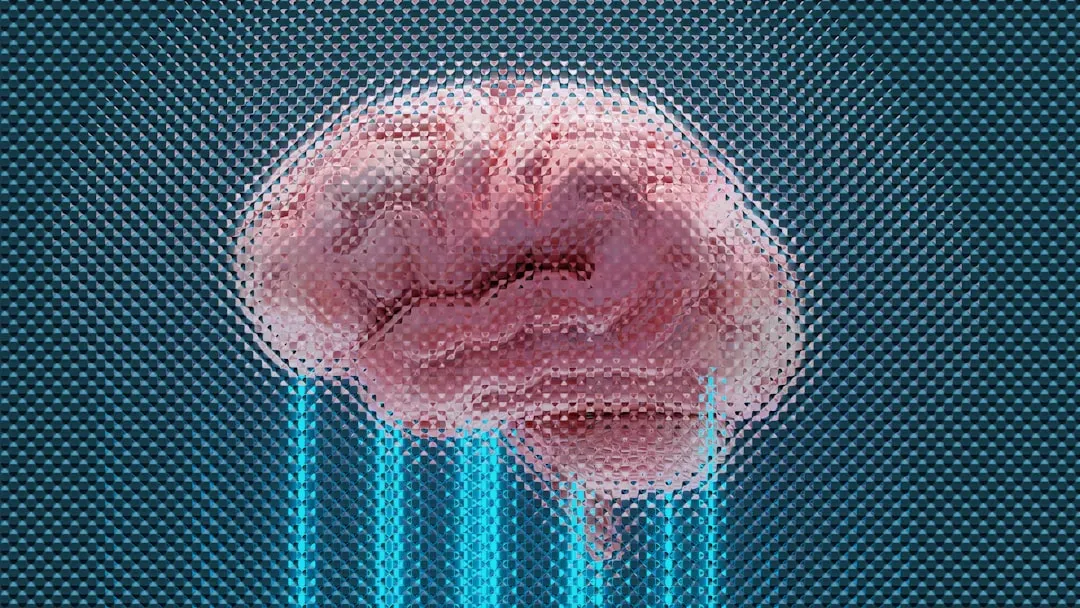
Imagine your brain at night as a busy city that turns its lights off on the outside but switches them on inside. When you fall asleep, the parts of the brain that handle logic and decision-making begin to power down, while regions tied to emotion, memory, and imagery suddenly light up like a festival. Brain scans have shown that during vivid dreaming (especially in REM sleep), visual areas and emotional centers such as the amygdala become highly active.
Meanwhile, the prefrontal cortex, which usually keeps your thoughts organized and grounded in reality, is much quieter. That might be why your dream self accepts impossible situations without question, like breathing underwater or talking to someone who passed away years ago. It’s as if your brain is running on a “creative mode” setting, with fewer filters and more free association, allowing bizarre scenes and combinations that would never survive your usual waking logic.
Are Dreams Just Random Noise, or Do They Actually Serve a Purpose?

For a long time, many researchers suspected dreams were nothing more than the brain’s background static, like a TV left on in an empty room. But that idea’s been steadily losing ground. Studies where people are repeatedly woken during dream sleep suggest that when dreaming is disrupted for many nights, mood, focus, and even reaction times can noticeably worsen. The brain seems to pay a price when its dream time is stolen.
More recent work hints that dreams might be a kind of mental workshop rather than useless noise. In some experiments, people who dream about a task they’re learning, like a maze or a puzzle, tend to perform better at it later. It’s as if the brain is re-running and remixing experiences to strengthen connections and test out new strategies. That doesn’t mean every dream is meaningful, but it does suggest dreaming as a whole could be doing important behind-the-scenes maintenance.
Emotional Housekeeping: How Dreams May Help Us Heal and Cope

One of the most compelling ideas in dream research is that dreams help regulate our emotions. During REM sleep, brain areas involved in fear, anxiety, and reward are especially active, but stress chemicals like noradrenaline often dip. This combination creates a strange laboratory: we re-experience emotional themes, but in a slightly safer, chemically softened environment. It’s like watching the scariest moments of your life with the volume turned down a notch.
People who’ve gone through trauma often report recurring dreams or nightmares that replay aspects of what happened. While that can be distressing, some researchers see it as the brain’s attempt to gradually process and file away overwhelming memories. Treatments for PTSD sometimes specifically target nightmares and dream content, and when they work, both sleep and daytime symptoms can improve. That link between emotional healing and dreaming is one of the strongest clues that our night-time stories aren’t just random entertainment.
The Memory Machine: Why Your Brain Replays and Scrambles Your Day
If you’ve ever had a dream about your old job mixed with a scene from last week’s TV show and a conversation from earlier that day, you’ve experienced what memory scientists are so fascinated by. During sleep, the brain appears to replay certain experiences, especially new or important ones, in compressed and distorted ways. This replay is thought to help move memories from short-term storage into more stable, long-term networks, like backing up your phone overnight.
But the brain doesn’t just copy and paste. It blends, edits, and sometimes mashes completely unrelated bits together, which is why dreams can feel like surreal collages. Some researchers believe this mixing is exactly what helps you spot hidden patterns and make creative connections. It’s one reason a solution to a problem can “magically” appear after a good night’s sleep, or why people swear they woke up with a new idea after dreaming about something only loosely related.
Nightmares, Anxiety, and the Dark Side of Dreaming

Not all dreams are gentle emotional check-ins. Nightmares can jerk you awake with your heart pounding, sweat on your skin, and a sinking dread that can linger into the morning. In kids, occasional nightmares are common and usually part of normal development, but in adults, frequent nightmares can be a warning signal. They’re often linked to chronic stress, anxiety, depression, or unresolved trauma, and they can easily become a vicious cycle that ruins sleep and worsens mental health.
On the other hand, even nightmares might have a role. Some scientists think they’re like fire drills for the mind: a way to simulate threats, rehearse responses, and sharpen your readiness for danger. Still, when those “drills” become constant and overwhelming, they do more harm than good. Therapies that change how people think about and respond to nightmares, sometimes even rewriting the story while awake and then rehearsing it, have shown promise in reducing their frequency and intensity.
Lucid Dreaming and Brain Hacking: When You Know You’re Dreaming

Lucid dreaming is one of the strangest experiences the brain can produce: you realize you’re dreaming while you’re still in the dream, and sometimes you can even control parts of what happens. People describe changing the setting, confronting fears, or practicing skills in an environment that feels amazingly real yet consequence-free. It sounds like science fiction, but experiments using sleep labs, brain imaging, and pre-arranged eye-movement signals have confirmed that lucid dreaming is a real, measurable state.
In the last few years, researchers have tried to nudge people into lucidity more reliably using targeted sounds, light flashes, and memory techniques. There’s interest in whether lucid dreams could be used for therapy, like helping people face phobias or recurring nightmares in a controlled way. There’s also a growing community of people who treat lucid dreaming as a kind of personal playground. As with any attempt to “hack” sleep, though, experts tend to caution that chasing control shouldn’t come at the expense of getting enough deep, restorative rest.
Are Dreams Windows Into the Self – or Just Clever Brain Tricks?

It’s tempting to see dreams as deeply symbolic messages, with every object secretly representing some hidden desire. And it’s just as tempting, from a strict scientific view, to call them nothing but neural noise and chemical storms. The truth probably sits awkwardly in the middle. Dreams clearly draw heavily from your personal history, fears, goals, and daily life, and the themes that repeat in them can tell you something about what your mind is preoccupied with.
At the same time, the brain is a pattern-making machine, and it loves to create meaning, even where there may be none. That makes dreams feel mysterious and profound even when they might just be your memory and emotion systems sorting through leftovers. Many researchers now think of dreams as side effects of important processes like emotional regulation, learning, and memory consolidation, with occasional glimpses into how you’re really feeling about your life woven through the chaos.
The Future of Dream Science: What We Might Discover Next

Right now, sleep labs can watch the broad strokes of your brain activity while you dream, but they can’t “play back” your dreams like a movie. Still, with advances in artificial intelligence and brain imaging, researchers have started to decode very rough shapes and categories of what people see in their sleep, like whether they’re looking at a face or a building. It’s far from reading minds, yet the direction is startling: the idea of reconstructing dream content is no longer pure fantasy.
Beyond the sci‑fi angle, scientists are exploring how adjusting sleep and dreaming could help treat conditions like depression, anxiety disorders, chronic pain, and even neurodegenerative diseases. There’s growing interest in how certain medications, meditation practices, and even virtual reality training might shape the way we dream. As our tools get better, it’s likely we’ll see dreams not as weird nightly accidents, but as a crucial part of how the brain keeps itself healthy, flexible, and human.
Dreams may never fully lose their mystery, even as we map the circuits and chemicals behind them. That might be part of their power: they sit at the edge of what science can measure and what we personally feel and remember. Tonight, when your mind spins its next strange story, it won’t just be entertainment; it’ll be your brain quietly working, repairing, testing, and imagining. What do you think your dreams are really doing for you?