

You wake up with your heart racing, fingers clawing at the sheets, certain you were plummeting into the dark – and then the room snaps back into focus. That split second between dream and waking is so visceral that many people remember it for years, even though it never actually happened. Scientists have catalogued falling dreams for more than a century, yet they still struggle to give a single, satisfying explanation. Instead, what emerges is a layered story about brain wiring, evolution, stress, and the strange way consciousness rebootes every night. Understanding why does not just solve a small sleep mystery; it opens a window into how the brain protects us, scares us, and maybe even teaches us while we sleep.
The Classic Jolt: What Is Actually Happening When You “Fall” Asleep

That sudden drop and full-body twitch you feel just as you are drifting off has a name: a hypnic jerk. It usually shows up in the transition between wakefulness and light sleep, when your muscles begin to relax and brain activity shifts gears in a messy, unstable way. For a brief moment, parts of the brain that track body position and balance misinterpret this relaxation as an actual loss of support, like the floor has vanished under you. The dream of slipping off a curb, missing a stair, or tumbling from a cliff can be stitched together in an instant around that misfire.
In sleep labs, researchers have watched this play out as a spike of muscle activity on electromyography readings paired with a brief burst in brain waves. The jerk is common and usually harmless, reported at least occasionally by a large fraction of healthy adults and teenagers. Caffeine, stress, and irregular sleep schedules tend to make it more frequent or more dramatic. I still remember a week of brutal deadlines when I felt like I was “falling” every time I closed my eyes, as if my nervous system was refusing to unclench without a fight.
An Evolutionary Alarm System Left Over From The Trees

One popular idea is that falling dreams are echoes of an ancient safety system built to keep our ancestors from tumbling out of trees. Early primates spent a lot of time sleeping on branches, and a loss of muscle tension at the wrong moment could have been deadly. In that world, a brain that occasionally overreacted to relaxation with a sharp jolt – and a vivid sense of slipping – might have had a survival advantage. Even if this theory cannot be tested directly, it fits with what we know about how evolution tends to preserve protective reflexes.
Modern humans rarely sleep in trees, yet the hardware of our nervous system still carries deep, old reflex patterns. The vestibular system in the inner ear, which senses balance and acceleration, sends constant updates to the brain about where “down” is and how fast the body is moving. When that data suddenly conflicts with the relaxing muscles of early sleep, the brain may default to a worst-case scenario: you are falling, act now. From a survival point of view, an unnecessary jolt is better than a missed warning, much like a smoke detector that screeches over burnt toast rather than stay quiet during a real fire.
Gravity In The Brain: How The Vestibular System Shapes Our Nightmares

Falling dreams are not random story fragments; they are deeply tied to how the brain represents gravity and motion. Inside the inner ear, tiny structures filled with fluid and microscopic crystals bend and shift as you move, constantly telling the brain which way is down and whether you are accelerating. When those signals are disrupted – by spinning, sudden stops, or the odd neural transitions of sleep – the world can feel like it is tipping or dropping away. The dreaming brain is a master storyteller, and it can rapidly turn that abstract sense of motion into a vivid scene of tumbling down an elevator shaft or off a rooftop.
Studies of balance disorders and motion sickness give a hint of just how strongly the vestibular system can hijack perception. People with vertigo sometimes report sensations or tilting even when sitting perfectly still, their brains filling in an explanation for conflicting signals. During sleep, similar conflicts may occur as the body goes limp but the inner ear remains active and alert to tiny movements. The falling dream might simply be the brain’s attempt to make narrative sense out of an otherwise confusing pattern of sensory noise in a world where gravity is never switched off.
Stress, Control, And The Psychology Of Plunging Dreams
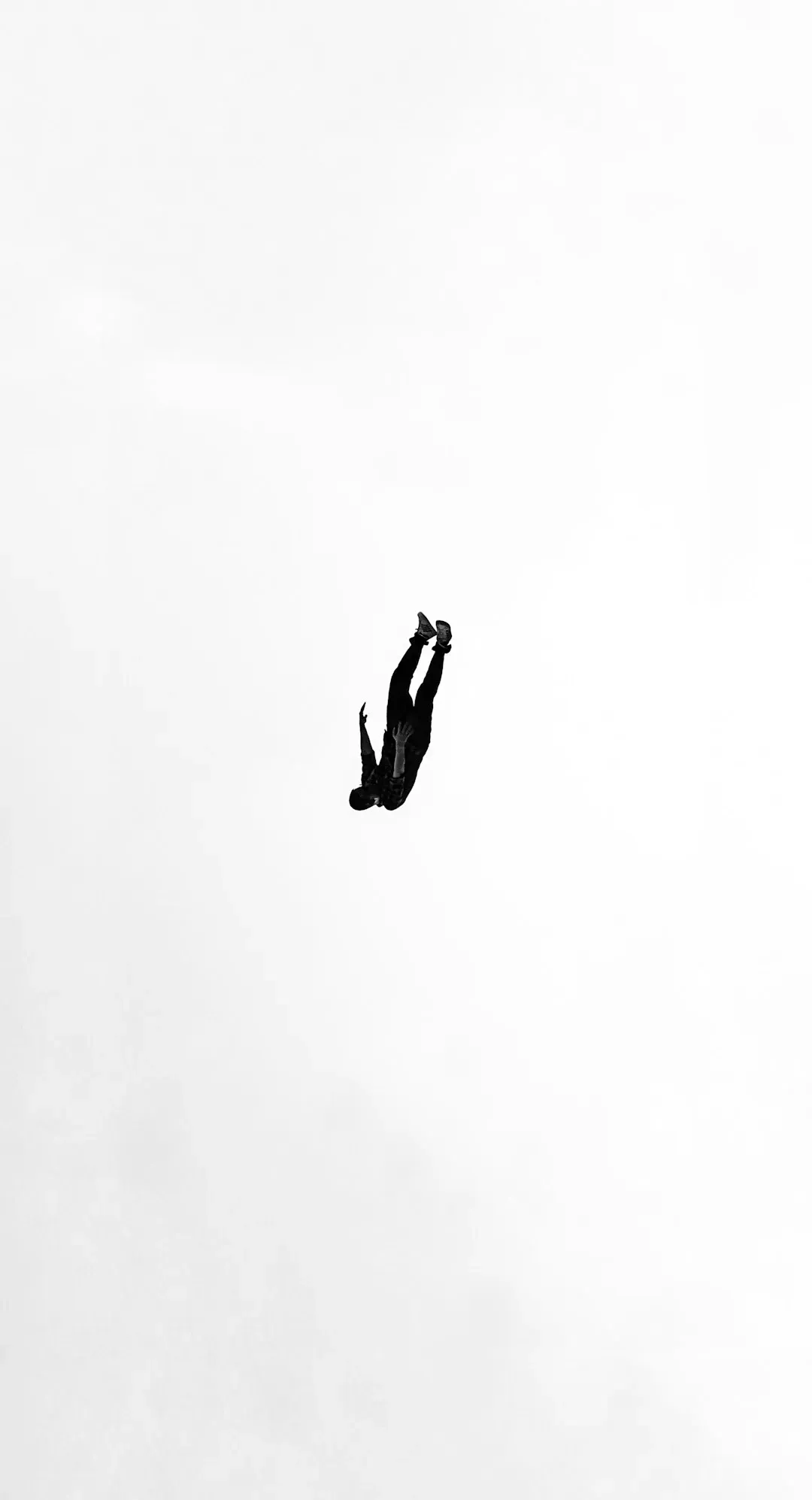
On the psychological side, falling dreams show up disproportionately during periods of stress, uncertainty, or major life transitions. Therapists often hear about them from people who feel like their work, relationships, or finances are slipping beyond their control. While it would be too simplistic to say every falling dream means you are anxious, there is a clear pattern linking these dreams with emotional turbulence. The sensation of hurtling downward with no way to stop can mirror the daytime feeling of having the ground pulled out from under you.
Some dream researchers argue that these images work a bit like emotional simulations, letting the brain rehearse extreme loss of control in a safe environment. Instead of a neat symbolic code, think of it as the emotional volume turned up until the body and mind pay attention. In my own roughest years, I noticed falling dreams would cluster around big decisions or abrupt changes, then fade once life stabilized. That is just one anecdote, but it matches what many clinicians hear: the drop in the dream often follows the drop in your sense of security.
From Sleep Paralysis To Cliff Edges: When Falling Becomes Terrifying

For some people, falling dreams are not fleeting jolts but deeply disturbing episodes that blur the line between dreaming and waking. Sleep paralysis, a state where the brain wakes up but the body remains temporarily frozen, can be accompanied by an overwhelming sense of being dragged downward or sucked into the mattress. In these moments, the mind may generate powerful imagery of sinking, being pulled off the bed, or sliding into a void, amplifying fear and helplessness. The experience can feel so real that people hesitate to talk about it, worried they will not be believed.
Night terrors and certain anxiety-driven nightmares can also center on falling from great heights, often with elaborate settings like skyscrapers, cliffs, or collapsing bridges. Unlike the quick hypnic jerk, these dreams unfold over many seconds or minutes and may end with the dreamer waking in a panic, heart pounding and breathing shallow. Sleep specialists sometimes see an uptick in such cases after traumatic events, significant injuries, or severe burnout. While these episodes can be alarming, they are usually treatable through better sleep hygiene, stress management, and in some cases therapy that addresses the underlying emotional load.
What Science Has Learned – And What Still Puzzles Researchers

Despite decades of sleep research, there is still no single, agreed‑upon explanation for why falling dreams are so common. Experiments that track brain waves, muscle twitches, and heart rate during sleep suggest that multiple mechanisms are at work: transitional jolts during light sleep, vestibular mismatches, and emotionally charged dreams in deeper stages. What makes the puzzle especially intriguing is how similar the basic story is across cultures and ages, from schoolchildren to older adults. That universality hints that falling dreams are rooted in fundamental features of the human nervous system rather than just personal symbolism.
At the same time, scientists have to work within real limits, because dreams cannot yet be read directly in the brain with high precision. Most data still comes from self-reports and controlled experiments that only capture pieces of the full experience. New tools like high‑resolution neuroimaging and improved wearable devices are slowly filling in the gaps, showing how areas involved in spatial navigation and body awareness light up during motion‑related dreams. Even so, no lab has managed to turn the falling dream into a completely predictable, repeatable event, which keeps a core of mystery alive and continues to puzzle researchers who like clean, testable answers.
Deeper Meaning Or Neural Noise? An Analytical Look At Falling Dreams
At the heart of the falling dream debate is a bigger question about what dreams are for. One camp sees them mostly as noisy byproducts of a brain doing nighttime maintenance: as circuits reset and random firing patterns ripple through sensory systems, the mind strings them into half‑coherent stories. In that view, the sensation is just what you get when the motor and balance systems power down in a slightly uneven way. Another camp argues that dreams, including falling dreams, have evolved roles in emotional processing, memory integration, or threat rehearsal, and that their themes are not entirely accidental.
Falling dreams make a compelling test case because they sit right at the intersection of hardwired balance mechanisms and high‑stakes emotional themes like fear and control. Compared with older theories that tried to assign one rigid meaning to every dream symbol, modern interpretations are more flexible and grounded in biology. A single falling dream might reflect a jolt of misfiring neurons, a rough week at work, and an ancient survival reflex all at once. This layered perspective feels more realistic and more honest about the brain’s complexity, even if it denies us the comfort of a single, tidy explanation.
Where The Research Is Headed Next

The next wave ‑dream research is likely to come from combining technologies and perspectives that used to operate in isolation. Sleep labs can now pair detailed brain scans with motion sensors, heart monitors, and even virtual reality setups that safely simulate heights and drops while measuring physiological reactions. When those tools are used alongside long‑term diaries and psychological assessments, patterns may emerge that link specific brain signatures to different kinds experiences. For instance, a short hypnic jerk at bedtime may leave a fingerprint in the motor cortex that looks very different from a late‑night panic fall tied to trauma.
Researchers are also paying closer attention to how medications, neurological conditions, and even space travel influence dreams of motion and gravity. Astronauts in microgravity, for example, sometimes report strange floating and falling sensations as their brains adapt to a world where up and down have lost their usual meaning. Comparing those accounts with typical Earth‑bound falling dreams could help map which aspects are purely neural and which are shaped by daily life in a gravitational field. Step by step, this work nudges us toward a richer understanding of how the sleeping brain builds an inner world that can feel as solid – and as perilous – as any cliff edge.
Becoming A Curious Witness To Your Own Falls

For most of us, the most practical thing we can do with our falling dreams is to pay calm, curious attention to them. Keeping a simple dream journal by the bed, even just a few lines about when and how the fall occurred, can reveal patterns you might otherwise miss. You may notice they cluster during stressful months, after late‑night caffeine, or when you are sleeping in unfamiliar places. That kind of personal data will never replace a sleep lab, but it can make the experience feel less random and less frightening.
If falling dreams are frequent, intensely distressing, or tied to other sleep problems like gasping awakenings or severe insomnia, talking to a physician or sleep specialist is a grounded next step. Beyond medical care, there is value in simply learning more about how sleep and dreams work, through books, lectures, or reputable science outlets, because understanding tends to shrink fear. The next time you jolt awake feeling like you have just plunged through the mattress, you might catch yourself thinking not only about the fear but also about the astonishing, imperfect machinery in your head that created the fall in the first place.
Suhail Ahmed is a passionate digital professional and nature enthusiast with over 8 years of experience in content strategy, SEO, web development, and digital operations. Alongside his freelance journey, Suhail actively contributes to nature and wildlife platforms like Discover Wildlife, where he channels his curiosity for the planet into engaging, educational storytelling.
With a strong background in managing digital ecosystems — from ecommerce stores and WordPress websites to social media and automation — Suhail merges technical precision with creative insight. His content reflects a rare balance: SEO-friendly yet deeply human, data-informed yet emotionally resonant.
Driven by a love for discovery and storytelling, Suhail believes in using digital platforms to amplify causes that matter — especially those protecting Earth’s biodiversity and inspiring sustainable living. Whether he’s managing online projects or crafting wildlife content, his goal remains the same: to inform, inspire, and leave a positive digital footprint.