
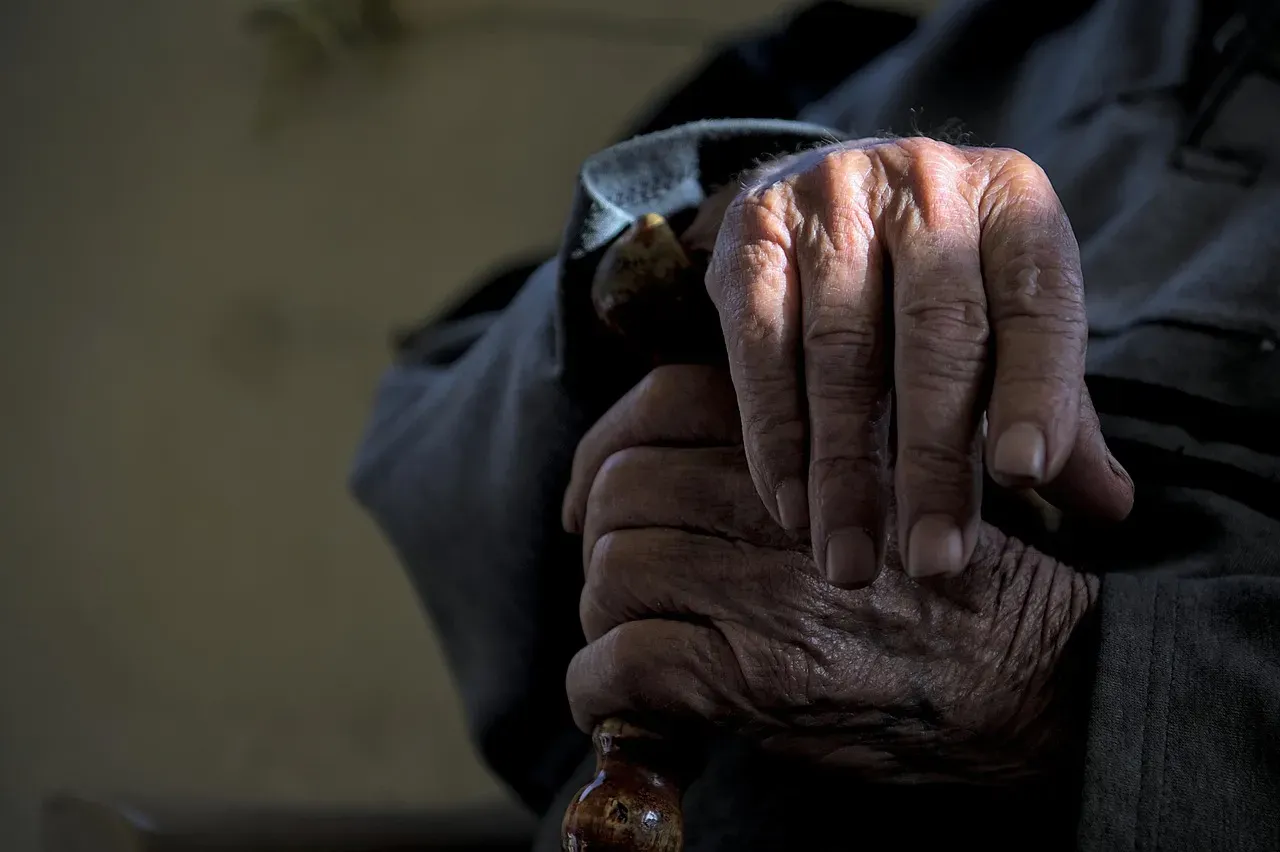
There’s a strange moment that hits most of us: you catch your reflection, or see an old photo, and realize time hasn’t just passed – it’s left fingerprints. Wrinkles, slower recovery, a little less energy in the morning; aging stops being an abstract idea and turns into something you feel in your bones, sometimes literally. It’s unsettling, a bit unfair, and yet completely universal.
Behind that very human experience is a web of biology that’s both brutally mechanical and oddly beautiful. Cells dividing, DNA slowly fraying, tiny molecular clocks ticking inside almost every tissue – aging is not caused by one single switch but by many intertwined processes wearing down together. Once you see how it really works, aging feels less like a mysterious curse and more like a story your body has been quietly writing since the day you were born.
The Many Theories of Why We Age
Why we age is not answered by a single neat explanation, and that itself is one of the most surprising truths. Scientists talk about aging as a “multifactorial” process, meaning lots of things go wrong at once, often slowly, sometimes invisibly. Some theories focus on damage – like a car collecting dents and rust – while others look at built-in biological programs that might limit how long our systems can reliably run.
On one side, there’s the wear-and-tear idea: over time, cells and tissues are simply used so much they lose their original precision. On another side, evolutionary theories suggest that nature doesn’t prioritize a body that lasts forever, only long enough to reproduce and raise offspring. Past that point, the protective systems aren’t as strongly favored, so problems accumulate more freely. None of these ideas fully explains aging alone, but together they sketch a picture of bodies that are powerful, adaptable, and ultimately temporary.
Cellular Damage: When Our Building Blocks Wear Out
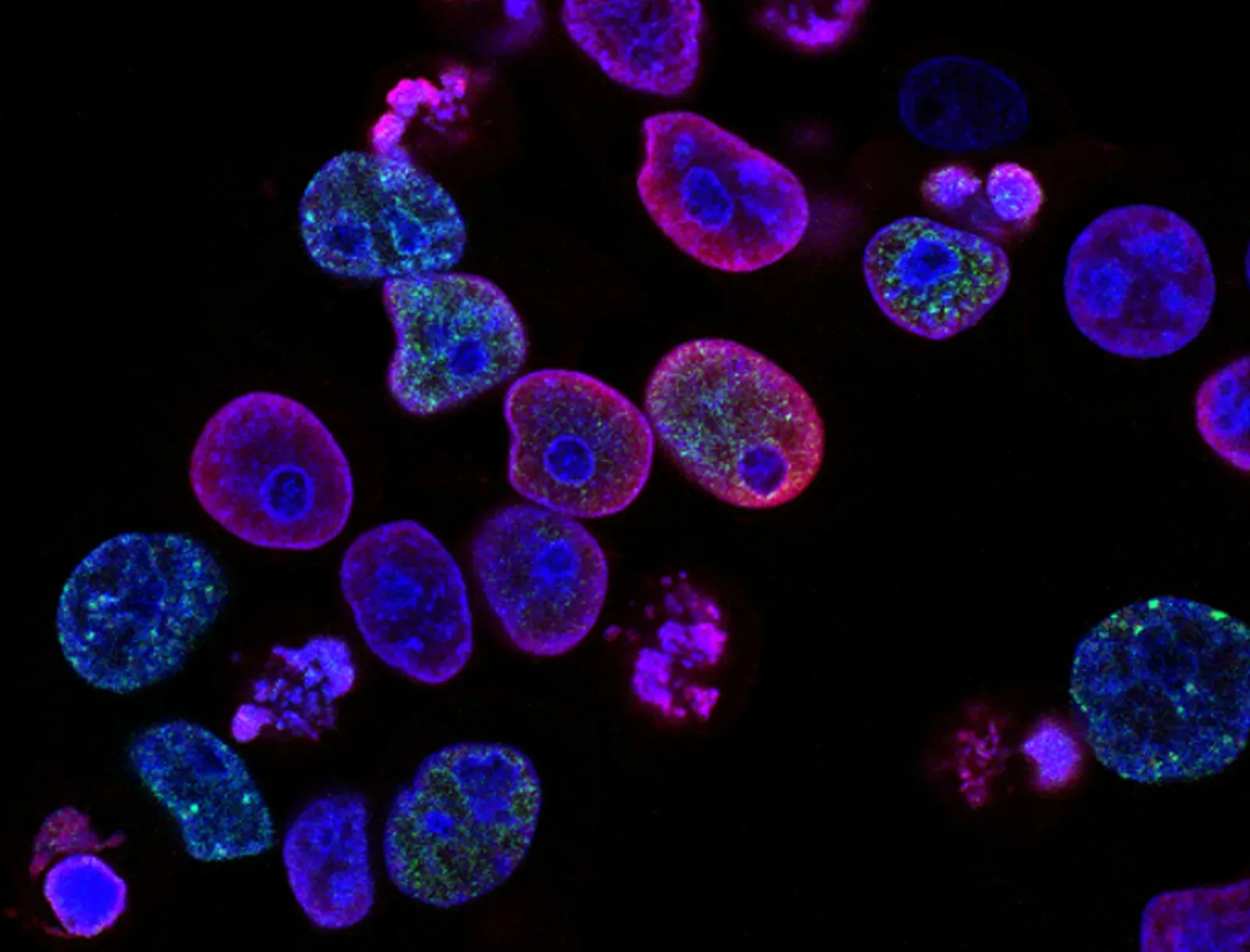
Every second, your cells are getting hit by tiny insults: chemicals from normal metabolism, bits of radiation from the environment, even minor errors when cells reproduce. Most of the time, your body is astonishingly good at cleaning up that mess, patching holes, recycling damaged parts, and keeping everything running. Still, a small amount of damage escapes repair, and over decades that leftover damage quietly piles up like junk in a garage no one ever fully cleans.
This damage shows up in different forms: broken proteins that clump together, membranes that don’t work as smoothly, or little “scar tissues” on a cellular level. As more cells falter, tissues lose their youthful flexibility and resilience – skin sags, arteries stiffen, joints complain. It doesn’t usually happen as a sudden collapse, but more like a slow dimming of functions that used to feel effortless. Aging, in this light, is the price we pay for being alive in a world that constantly chips away at our molecular perfection.
DNA, Telomeres, and the Limits of Cell Division
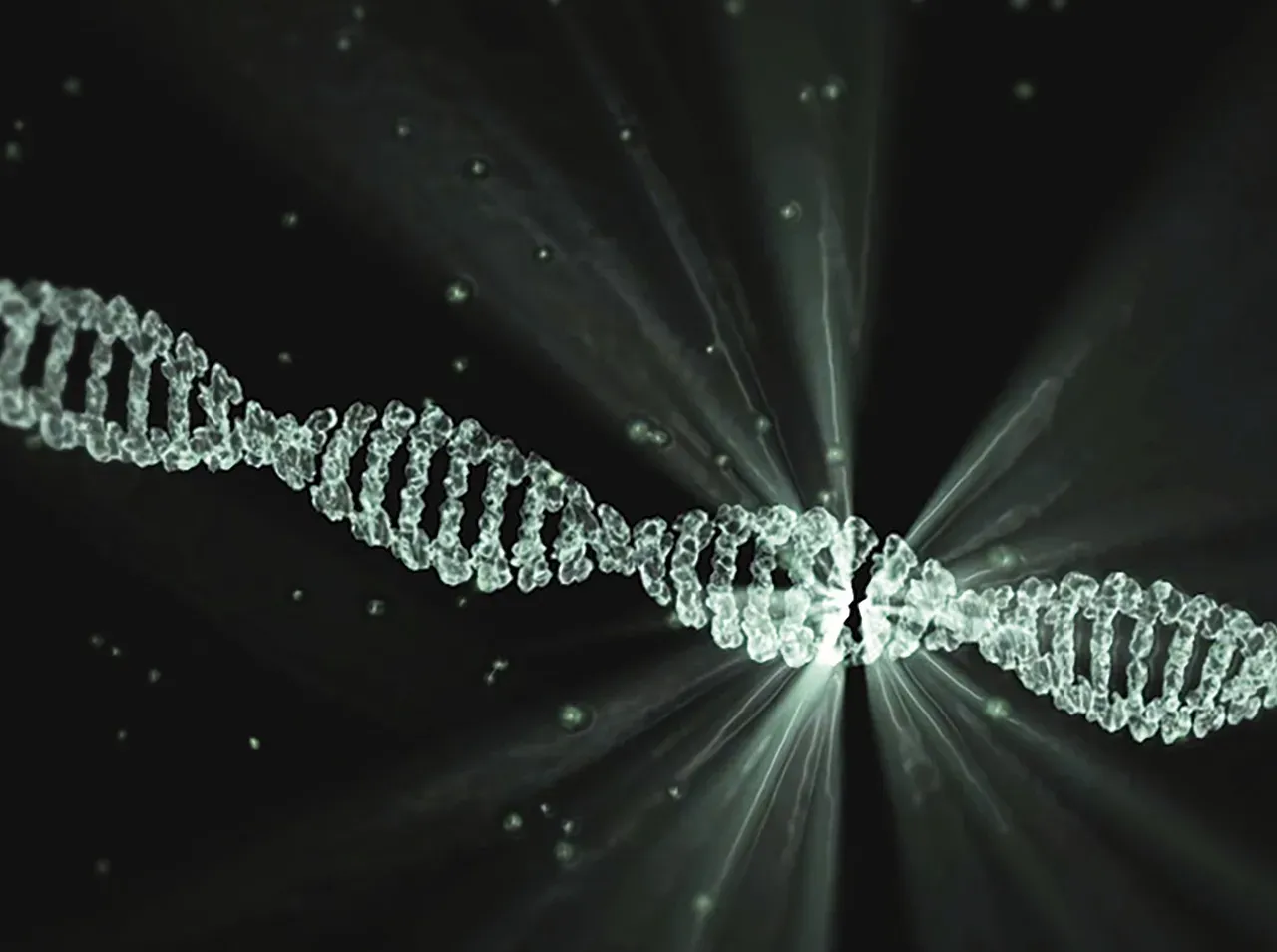
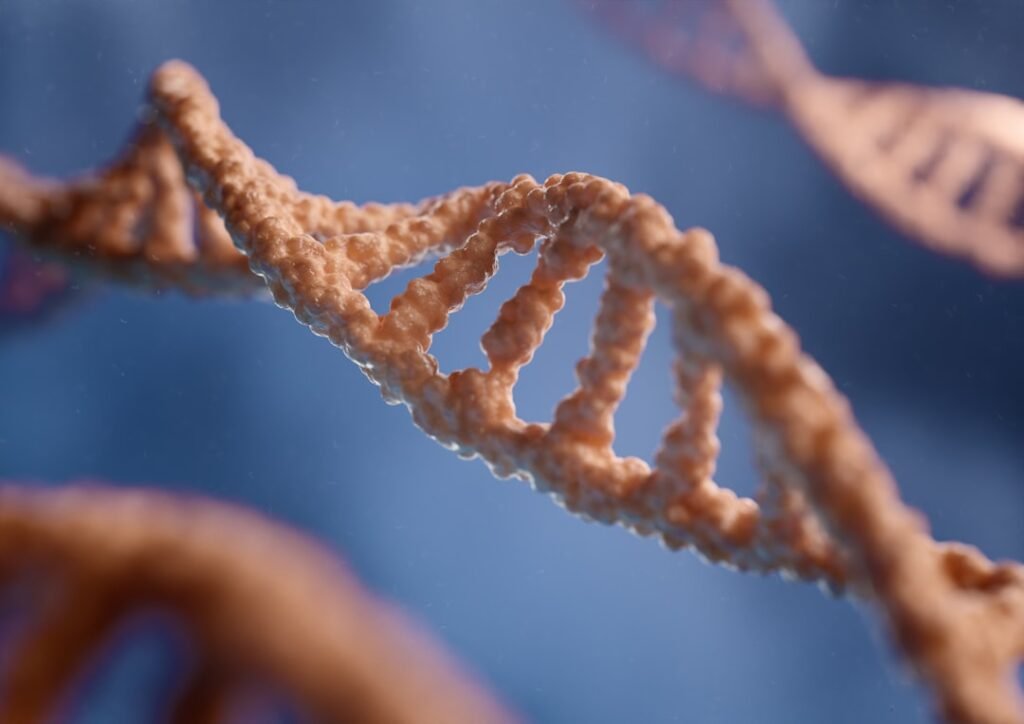
Deep inside the nucleus of your cells, DNA carries your biological instruction manual, but it’s not as immortal as we often imagine. Every time a cell divides, it needs to copy that DNA, and copying is never perfectly clean. At the ends of each chromosome sit telomeres – little protective caps that get slightly shorter each time a cell divides, like the burning end of a candle. Eventually, telomeres get too short, and the cell receives a clear message: stop dividing.
This limit on divisions protects us from chaos, especially from cells turning cancerous, but it also contributes to aging. As more cells hit their division limit, tissues struggle to renew and repair after injury or daily wear. You might notice cuts that heal slower or muscles that don’t bounce back after intense workouts the way they did in your teens. In a sense, telomeres act as a built-in counter of how many chances a cell gets, trading some potential longevity for safety against runaway growth.
Senescent Cells: Zombie-Like Cells That Refuse to Leave
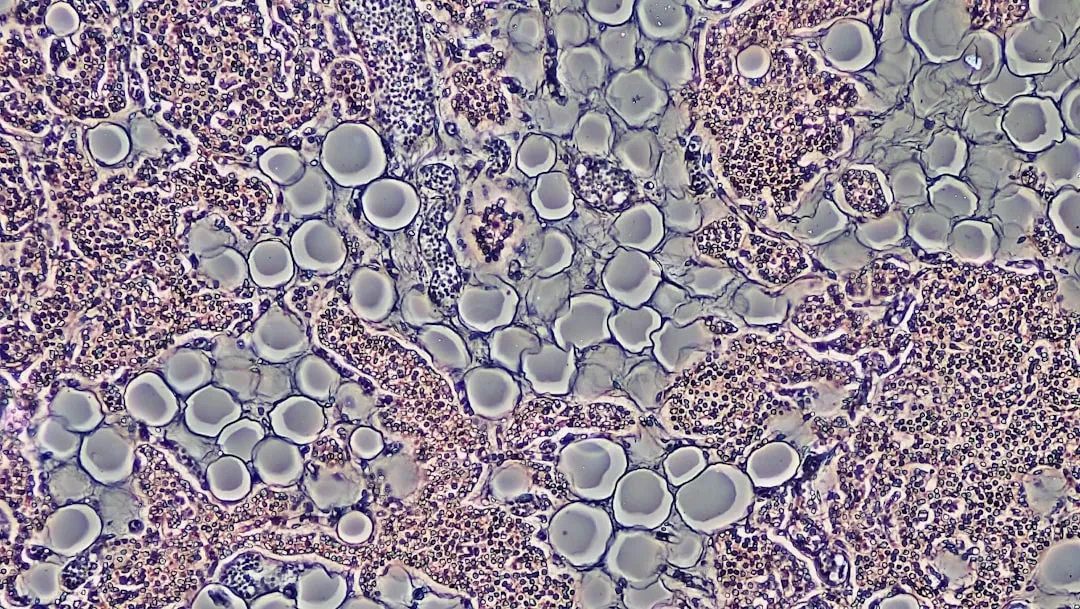
Some cells don’t simply die when they’ve reached the end of their useful life; they enter a state called senescence. Senescent cells are still alive, but they’ve stopped dividing, and they start releasing a storm of signaling molecules that can be surprisingly toxic to their neighbors. It’s as if they’re retired workers who hang around the workplace, not doing their job anymore but loudly disrupting everyone else. A few of these cells are normal and even helpful in short bursts, especially in wound healing.
The trouble begins when senescent cells accumulate with age, sitting inside tissues like biological clutter. They can promote chronic inflammation, interfere with normal cell function, and gradually weaken organs. Researchers have found that in animals, removing these “zombie-like” cells can improve health and even extend lifespan, which has triggered enormous interest in drugs called senolytics that selectively clear them out. The fact that a handful of stubborn cells can shape how old we feel is both alarming and oddly empowering, because it gives scientists a clearer target to work with.
Inflammation, Immunity, and the Slow Burn of Time
Inflammation is your body’s emergency response system, designed to fight infections and heal injuries. In the short term, it’s lifesaving – think of the redness and warmth around a cut as your body jumping into action. But with age, the immune system changes; it can become less sharp at attacking real threats and more likely to stay low-key activated in the background. This chronic, simmering inflammation has earned a telling nickname: “inflammaging.”
This constant low-level fire can damage blood vessels, joints, and even brain cells over the years. It’s linked to many age-related conditions, from heart disease to type 2 diabetes and certain neurodegenerative disorders. At the same time, the aging immune system can become weaker at fighting infections and less responsive to vaccines. The combination is rough: more friendly fire, less effective defense. Lifestyle choices like diet, movement, sleep, and stress do not magically turn back the clock, but they can meaningfully influence how intense that internal flame burns.
Hormones, Metabolism, and the Body’s Changing Rhythm

Our bodies run on chemical signals, and hormones are some of the most powerful of those messengers. As we age, levels of key hormones shift – sex hormones like estrogen and testosterone decline, growth hormone drops, and sensitivity to insulin can change. These shifts don’t just affect obvious things like fertility or muscle mass; they ripple through mood, energy levels, sleep quality, and even how hungry or full we feel after meals. It’s like the orchestra of the body starts playing the same song but in a slightly different key.
Metabolism, the way we convert food into energy, also subtly slows or becomes less efficient over time. Many people notice that weight creeps on more easily, or that big meals hit them harder than they used to. Muscles may require more effort to build and maintain, while fat is oddly stubborn. None of this is purely “willpower”; it’s biology adjusting its priorities as the body moves out of its peak reproductive, high-performance years. Understanding that shift can turn self-blame into strategy, encouraging more thoughtful choices rather than constant frustration.
Can We Slow Aging? What Science Is Actually Finding

The idea of slowing aging used to sound like science fiction, but serious researchers now treat it as a realistic goal – with careful limits. In animals, interventions like caloric restriction, certain drugs, and genetic tweaks have extended not just lifespan but healthspan, the years lived in relatively good health. Approaches that target specific pathways, like nutrient-sensing systems in cells or the removal of senescent cells, have produced striking results in lab settings. None of that translates perfectly to humans yet, but it proves aging is more malleable than we once believed.
At the same time, the fundamentals we already know matter still count: regular movement, enough sleep, nutrient-dense food, not smoking, and staying mentally and socially engaged. These habits do not freeze time, but they shape how your body travels through it, often delaying or softening many age-related problems. There’s a quiet power in realizing that while we can’t negotiate out of aging entirely, we’re not completely at its mercy either. The future will likely bring more targeted anti-aging therapies, but how we live today still writes most of our story.
Time, Meaning, and Making Peace With Aging
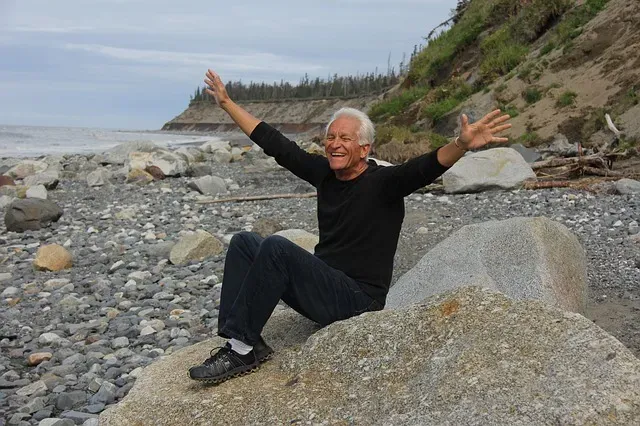
Underneath all the biology, aging forces a personal reckoning: time is moving, whether we approve or not. That realization can hurt, especially in a culture that worships youth and treats visible aging like a failure of discipline or money. But when you understand aging as the outcome of countless cellular processes doing their best for as long as they can, it starts to feel less like a moral verdict and more like a natural phase. Your body is not betraying you; it is simply running a program that was never designed to last forever.
There’s also something oddly freeing about that honesty. If the clock is always ticking, then the value of life is not in how long you can stretch the timeline, but in how fully you inhabit the parts you actually get. Paying attention to relationships, curiosity, and small daily joys suddenly looks less like a soft, sentimental idea and more like a rational response to limited time. We can fight for healthier, longer lives and still accept that every body has an endpoint. In the end, maybe the real question isn’t just why we age, but how we choose to live knowing that we do.