
Walk into a forest with a botanist and a pharmacist, and you’ll quickly notice something strange: where most of us see “just plants,” they see an entire pharmacy. For thousands of years, people have turned to leaves, roots, bark, and flowers for healing, long before there were pills in blister packs or antibiotics in glass vials. And sometimes, those humble plants don’t just match our most advanced drugs – they beat them.
It feels almost unfair that a wild shrub growing in poor soil can produce a chemical cocktail so powerful that modern labs struggle to copy it. But that’s exactly what’s happening. From cancer therapies inspired by periwinkle to malaria drugs born from sweet wormwood, plants occasionally step into the spotlight and outshine the pharmaceutical giants. The question is: why are some of them so astonishingly good at this?
Plants Have Been Running a Billion‑Year Chemistry Experiment
Imagine you’ve had to survive for hundreds of millions of years without the ability to move, fight, or run away. That’s the story of plants, and it forced them into a single strategy: become genius chemists. Instead of teeth and claws, they developed elaborate defensive chemicals to repel insects, fungi, bacteria, and hungry animals, and many of those chemicals are exactly what we now call “medicines.”
Over deep time, plants that produced slightly more effective protective compounds survived and spread, while less effective versions disappeared. This is evolution acting like a merciless quality-control lab, generation after generation, constantly tweaking molecular structures. Humans then stumbled in, noticed that some leaves reduced fever or pain, and began borrowing the tools plants created for their own survival.
Complex Plant Molecules Can Do What Simple Drugs Can’t
Many modern drugs are like precision screwdrivers: designed to hit one specific molecular target very cleanly. That’s incredibly useful, but biology isn’t always a neat, single-target problem. Plant molecules, especially the large, intricate ones like alkaloids, terpenes, and flavonoids, can interact with multiple pathways at once, nudging whole systems rather than flipping just one switch.
This “multi-target” action can sometimes be exactly what the body needs, especially for complex conditions like inflammation, chronic pain, or metabolic disorders. For instance, some plant compounds simultaneously act as antioxidants, anti-inflammatories, and immune modulators. A lab-designed single-action drug might hit one of those angles very hard, but miss the others completely, and the plant’s broader approach can occasionally be more effective and gentler at the same time.
Synergy: Whole Plants Are More Than the Sum of Their Parts
One of the most surprising things researchers keep discovering is that when they isolate just one “active ingredient” from a medicinal plant, the effect sometimes gets weaker, not stronger. The whole plant extract, with all its minor compounds and supporting chemicals, can work better than the purified molecule alone. This is synergy: several components working together to amplify or balance each other’s effects.
In some herbal preparations, one compound enhances absorption, another reduces side effects, and a third fine-tunes the activity at the target site, like a band playing in tune instead of a soloist shouting. Modern drugs are often built around one hero molecule, which is simpler to manufacture and regulate, but it can lose the nuanced teamwork that nature built into the original plant. That’s one big reason why a cup of a traditional medicinal tea can sometimes feel more effective than a flawlessly pure pill derived from the same plant.
Plants Sometimes Offer Fewer Side Effects – For a Reason
Most people don’t just care about whether a treatment works; they care how it makes them feel while it works. Some plant-based medicines, especially when used in traditional doses and forms, can be surprisingly well tolerated. The reason often lies in those same complex mixtures that pharmaceutical science sometimes views as “messy.” Supporting compounds in plants can cushion or counteract the harsher effects of the more potent ones.
Modern drugs, by design, tend to push one pathway very hard, which can produce both strong benefits and strong side effects. A plant might hit the same pathway more gently but also influence related systems in a balancing way, like a therapist who listens to the whole story instead of giving a single blunt piece of advice. That doesn’t mean all herbal remedies are safe – some are very toxic – but when a plant’s chemistry lines up well with human biology, the overall experience can feel smoother and more sustainable.
Traditional Knowledge Acts Like a Massive, Long-Term Clinical Trial
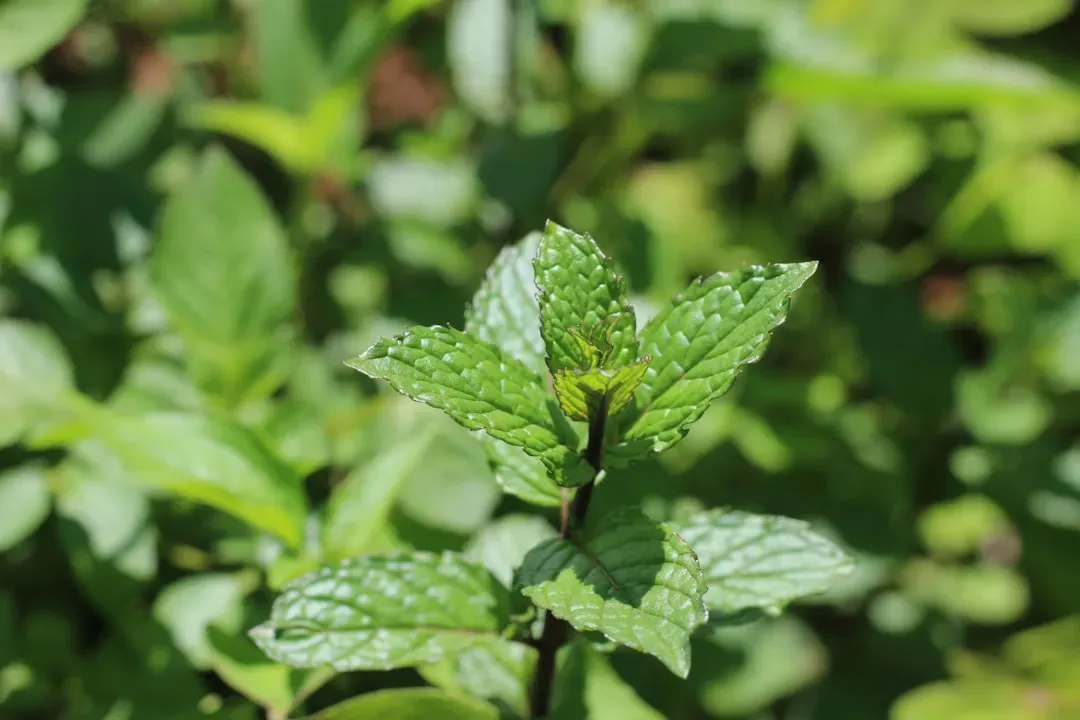
Long before randomized controlled trials, there was trial and error across entire cultures and generations. When you see a plant show up repeatedly in independent medical traditions around the world for the same kind of problem, that’s a loud signal that something real is going on. Humanity has been informally “testing” medicinal plants for centuries, quietly building an evidence base through lived experience.
In that sense, traditional medicine acts like a giant, messy, but powerful human experiment that stretches across time. People noticed which plants helped, which ones harmed, which combinations worked best, and which doses were tolerable. Modern science is now catching up, dissecting what those communities already suspected. Sometimes, when the lab data finally arrives, it confirms that the old remedies do not just match modern drugs – in certain cases, they actually beat them on effectiveness, safety, or both.
Modern Drug Development Has Blind Spots That Plants Slip Through
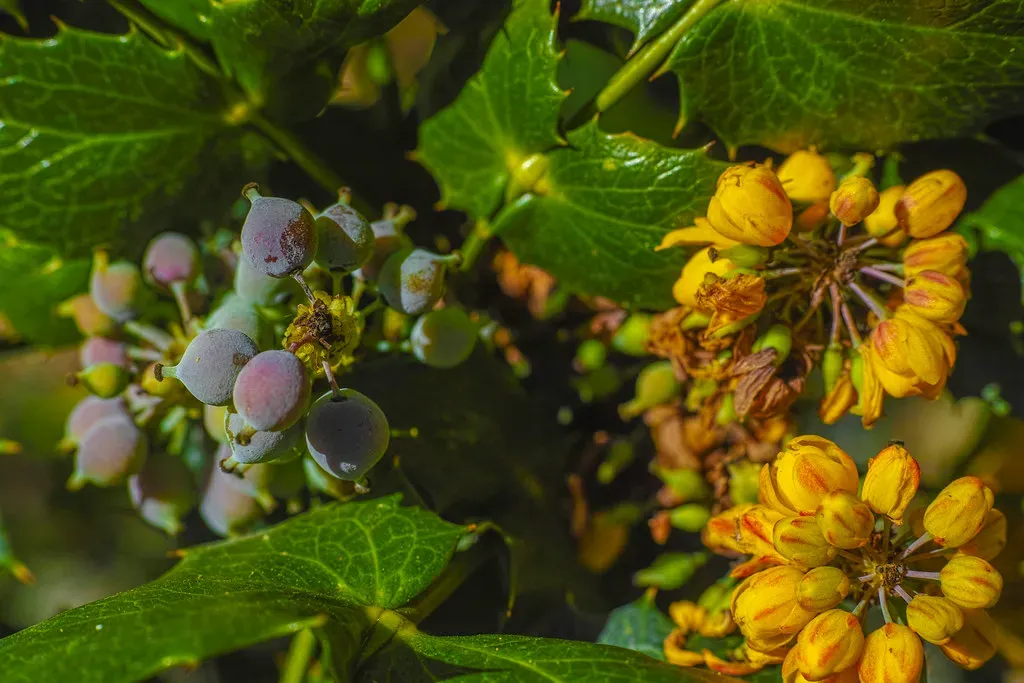
Pharmaceutical companies operate under brutal practical constraints: they need molecules that are patentable, manufacturable at scale, and easy to test in standardized ways. That means complex plant mixtures or difficult-to-synthesize natural compounds often get pushed aside, even if they work brilliantly in their raw form. The system is not optimized for “most helpful for humans,” but for “most feasible to develop and commercialize.”
This creates a strange gap where some of the best-performing plant therapies never make it into mainstream medicine simply because they’re awkward to fit into the current business and regulatory framework. A plant extract that cannot be patented, or that is chemically complicated, may never receive the investment needed to go through full clinical trials. So there are situations where the best available option for a patient is still a traditional plant-based remedy, while the officially approved drug is actually less effective or less well tolerated.
Our Bodies Evolved Alongside Plants – And It Shows
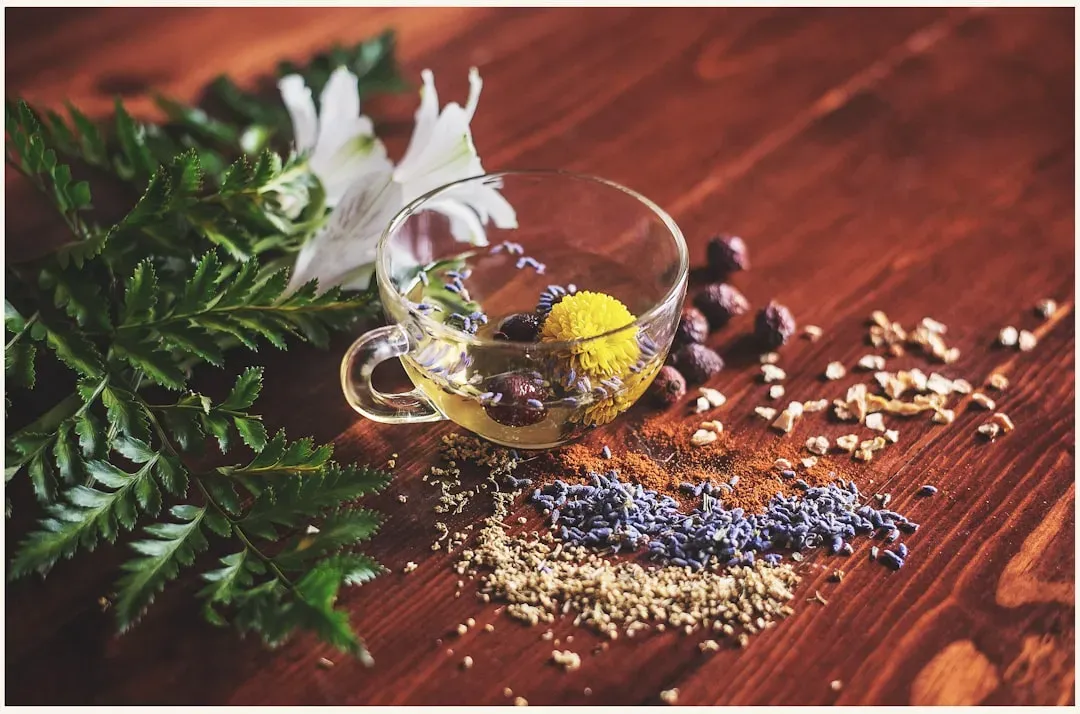
Humans and plants have literally grown up together on the same planet, exchanging chemistry the whole way. We eat plants, breathe what they exhale, and our bodies have been exposed to their compounds for so long that some of our enzymes and receptors are astonishingly well adapted to handle them. In a sense, our biology “expects” certain types of plant molecules in a way it does not necessarily expect brand-new synthetic structures.
That evolutionary familiarity can matter. Our liver may be better at processing plant-derived compounds without causing damage, and some receptors may fit plant molecules like a key in a well-worn lock. When a modern synthetic drug is dropped into the body, it can behave like an unpredictable stranger. When the right plant medicine is used, it can feel more like a conversation between old neighbors, full of recognition and subtlety rather than shock and confusion.
A Future Where Forests and Pharmacies Work Together

Some plants outperform modern drugs not because technology has failed, but because nature has had a vastly longer head start and a very different set of rules. Evolution has crafted dense, multi-layered chemical stories in leaves and roots, while our drug pipelines often favor clean, single-molecule headlines. When those worlds overlap, we see the most powerful examples: modern medicine refined from ancient plants, sometimes still unable to fully duplicate what the whole plant can do.
That doesn’t mean we should throw away our prescriptions and chew on random leaves; it means the smartest path forward is cooperation, not competition, between the forest and the factory. Using rigorous science to understand when a plant truly does better, when a synthetic drug is safer, and when a combination of both is ideal may well define the next era of medicine. In the end, it’s hard not to wonder: how many life-changing treatments are still hiding quietly in plain sight, growing between cracks in the sidewalk or deep in a forgotten patch of forest?