Every so often, someone walks into a room, glances at a crowded whiteboard, and later recites it back line for line as if reading from a hidden screenshot in their mind. Stories like these fuel the myth of photographic memory, a supposedly perfect mental camera that never forgets. But as neuroscientists keep probing this mystery, they’re finding something far stranger – and far more human – than a simple mental photograph. Behind those rare feats of recall lie unusual patterns of attention, perception, and brain wiring that stretch our understanding of what memory even is. And the deeper researchers go, the more they are forced to ask a bigger question: are these people extraordinary exceptions, or previews of what any brain might do under the right conditions?
The Hidden Clues: Is Photographic Memory Even Real?
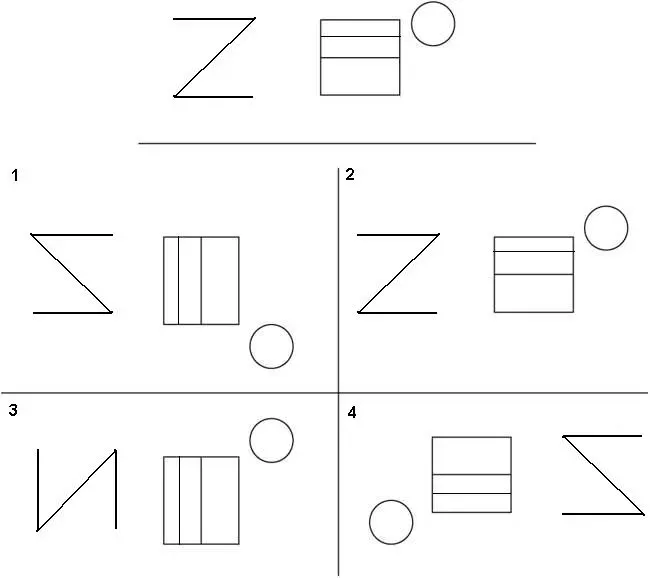
Ask memory scientists quietly, and many will admit they dislike the phrase “photographic memory.” It suggests a crisp, perfect snapshot stored forever, when real human memory is messy, reconstructive, and surprisingly easy to fool. Clinical studies looking for truly flawless, picture-perfect recall have consistently come up short, especially when experiments are tightly controlled. What we usually call photographic memory often turns out to be a mix of sharp visual encoding, intense focus, and clever mental strategies. In other words, the brain is not a camera; it is a storyteller that happens to be very good at some details.
There are, however, people whose recall looks so striking that it bends the rules. Some can glance at complex figures or printed pages and reproduce them with uncanny accuracy minutes later, a skill closer to eidetic imagery, which tends to be more common in children and usually fades with age. Others, like individuals with exceptionally detailed autobiographical memory, can relive specific days from decades ago with vivid sensory richness and emotional nuance. These cases are the breadcrumbs scientists follow, hinting that while a perfect mental photograph may be a myth, unusually powerful and stable memory traces are very real – and they may be built on mechanisms we all share, just turned up to an extreme.
Inside the Visual Mind: How the Brain Builds Razor-Sharp Memories
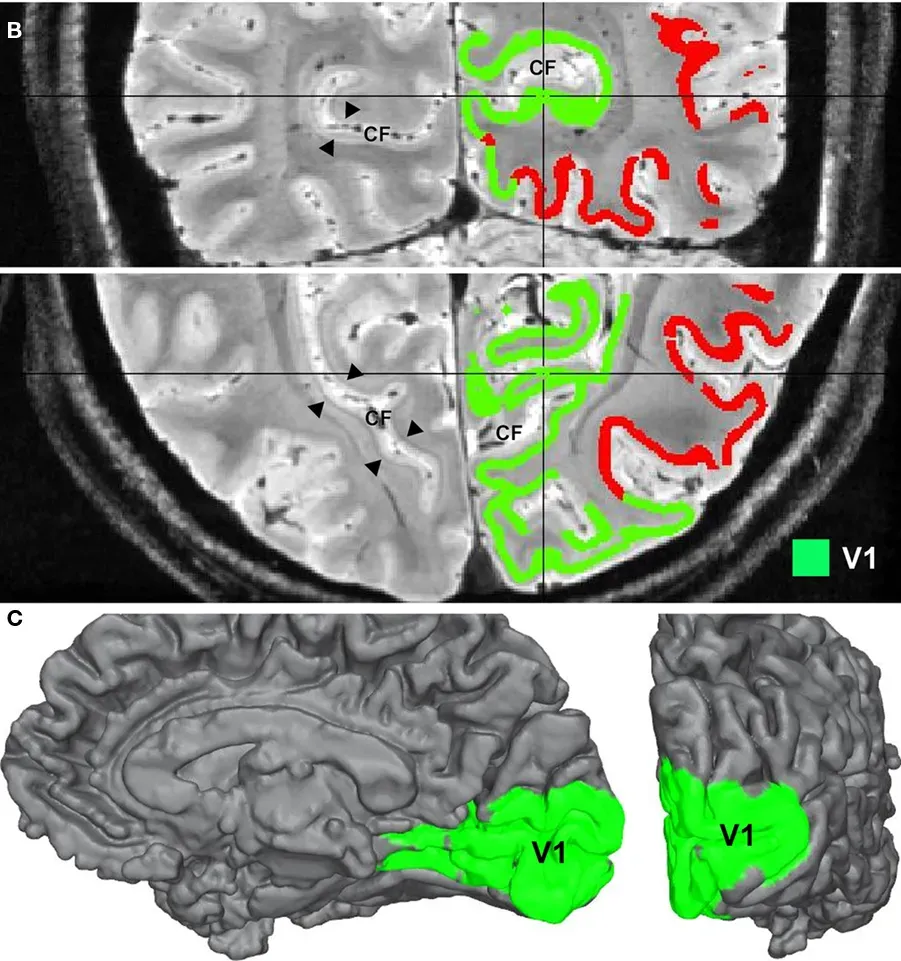
If you strip away the myths, what remains is a remarkably sophisticated visual system doing heavy lifting every second you are awake. Incoming information first hits the primary visual cortex in the back of the brain, gets unpacked into edges, colors, and shapes, and then flows forward into networks that recognize objects, faces, and scenes. When someone seems to “instantly” memorize a picture, what is really happening is a deep, coordinated burst of processing that binds visual details to context, emotion, and meaning. The hippocampus, a seahorse-shaped structure tucked in the temporal lobe, plays traffic controller, deciding which moments matter enough to consolidate into long-term storage.
In people with striking visual recall, brain scans often reveal stronger or more efficient communication between visual regions and memory hubs. Some show thicker or more active areas involved in imagery, suggesting they can replay internal pictures with unusual clarity on demand. Others appear to recruit additional networks linked to attention and executive control, allowing them to lock onto fine details instead of letting them fade into the background noise of daily life. It is less like having a high-resolution camera and more like having a team of meticulous archivists who tag, cross-reference, and file away what you see with obsessive care.
Extraordinary Cases: From Savant Memory to Everyday Super-Recall
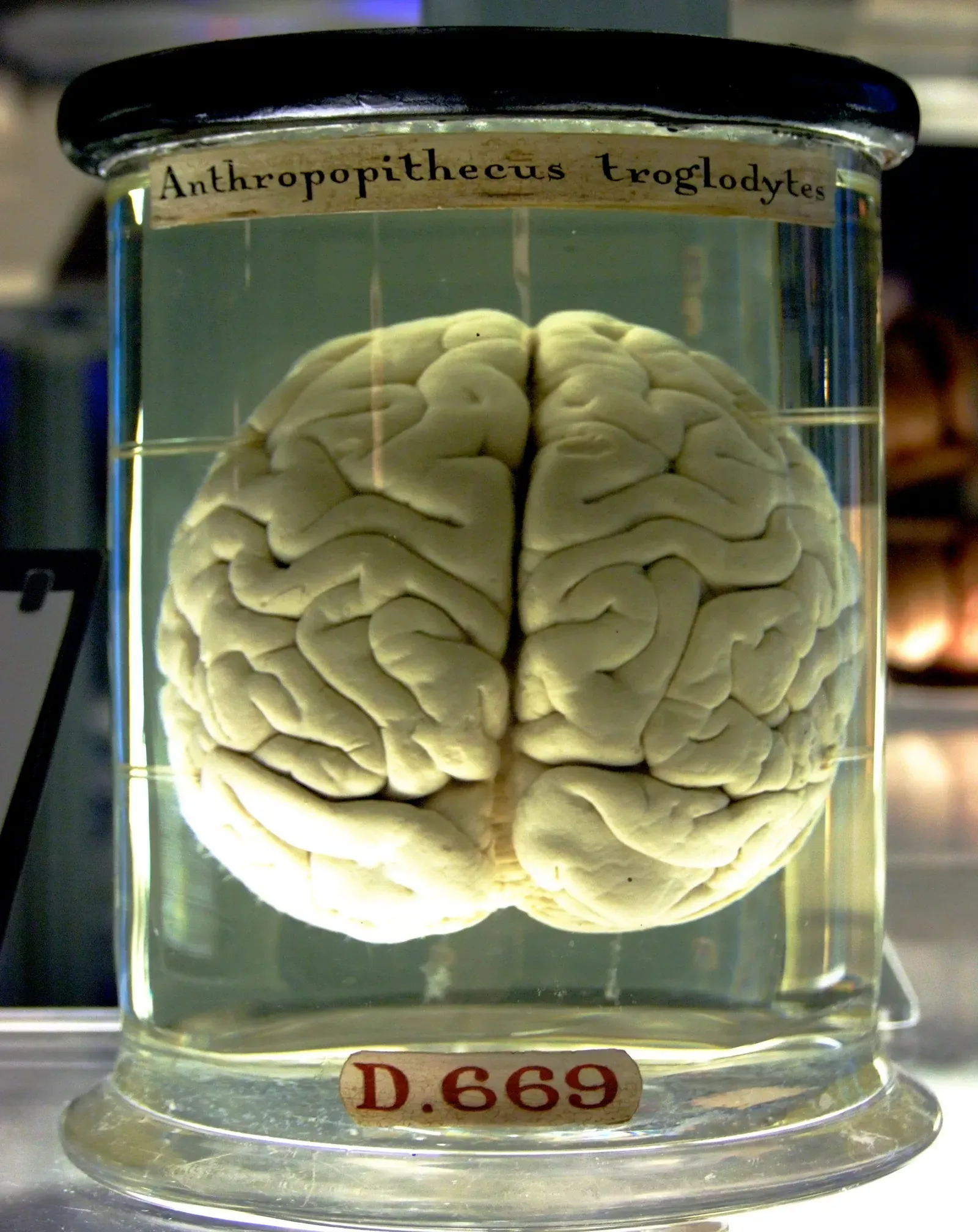
Every field has its outliers, and memory science is no exception. Some of the most famous examples involve savant syndrome, where individuals – often with autism or other developmental differences – display staggering abilities in specific domains like calendar calculation, musical reproduction, or visual recall. There are reports of people recreating city skylines after a brief helicopter ride, or copying intricate art after a single viewing, capturing tiny architectural and spatial details that most of us would never notice. These cases are rare, but they prove that under certain conditions, the human brain can encode and reproduce visual information at almost machine-like resolution.
Then there are people with highly superior autobiographical memory, who can summon the weather, clothes, and emotional tone of a random day twenty years ago as if it happened last week. Interestingly, their superpower is not just about pictures; it is about the fusion of time, place, feeling, and narrative that makes a memory feel alive. On the other end of the spectrum are competitive memory athletes, who start with ordinary brains and train themselves to pull off feats that look supernatural – memorizing shuffled decks of cards, long strings of numbers, or lists of abstract images in minutes. Their success is a powerful reminder that what appears innate and mystical might, at least partly, be built through practice and technique.
Tricks of the Trade: When Training Mimics Photographic Memory
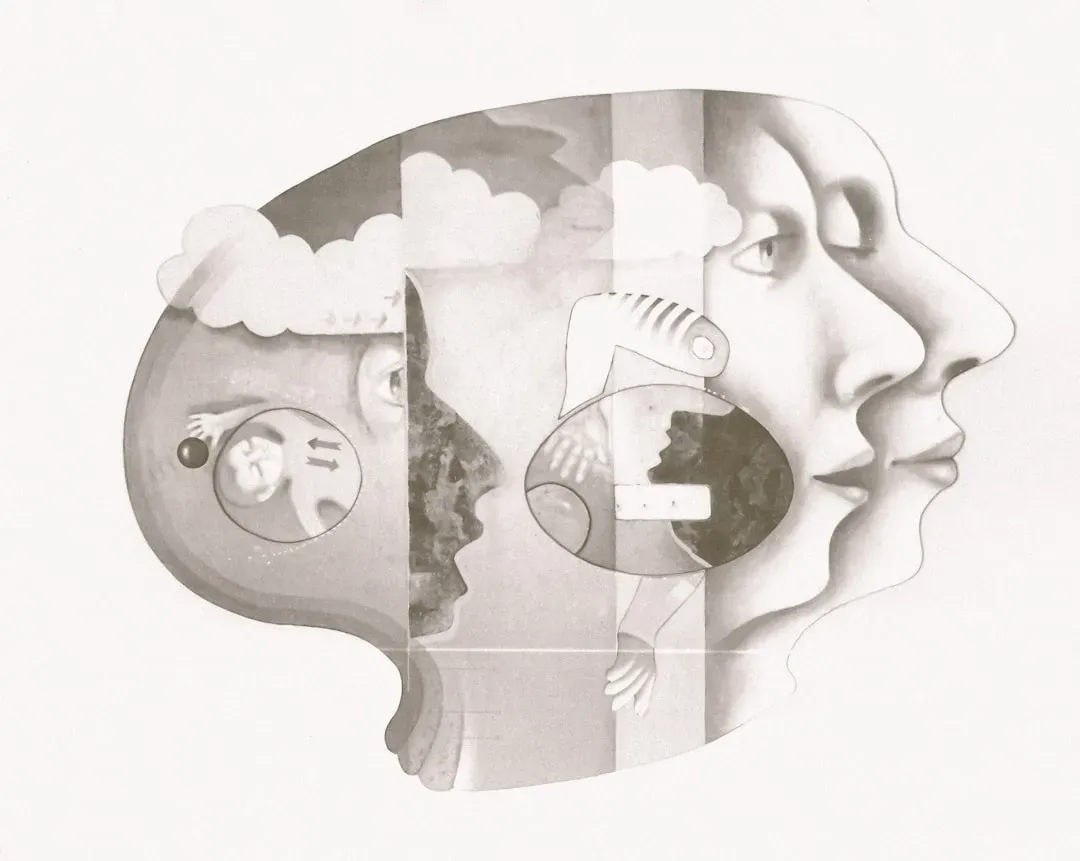
Talk to a memory champion and you will rarely hear them claim to have photographic recall. Instead, they talk about systems: the method of loci, where abstract information is placed along an imagined route through a familiar building; peg systems, where numbers are mapped onto memorable images; or stories that link unrelated items into quirky, unforgettable narratives. These techniques exploit how our brains evolved to remember locations, faces, and emotionally charged scenes, not naked digits or random words. By turning sterile data into vivid, bizarre mental pictures, they hack the natural strengths of visual and spatial memory.
Training can have measurable effects. Regular practice with memory palaces and imagery-based strategies has been shown to change activation patterns in the brain, making novices look more like seasoned experts on functional scans during recall tasks. After weeks or months of deliberate practice, many people can memorize what previously seemed impossible, suggesting a wide untapped potential in ordinary minds. Still, even the best-trained memory athletes do not store literal photographs; they rely on compressed, symbolic, and often playful representations. It is like learning to sketch a city map from memory rather than carrying around a flawless satellite image.
Why It Matters: What Photographic Memory Reveals About All of Us
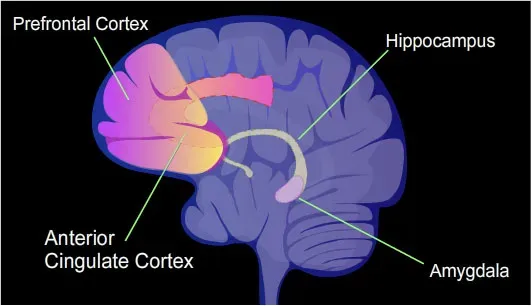
It might be tempting to relegate photographic memory to trivia-night curiosities, but that would miss the bigger picture. These rare abilities stress-test our models of how memory works and force scientists to refine theories that were built mostly on average performance. If a small number of people can recall at this level, it suggests our standard assumptions about capacity, durability, and precision are incomplete. By studying the extremes, researchers can uncover hidden knobs and dials – genes, brain structures, attentional styles – that may subtly shape memory in everyone else.
The stakes are not just academic. Insights from super-rememberers are already feeding into new approaches for education, rehabilitation after brain injury, and interventions for age-related memory decline. When scientists see which circuits are especially robust or flexible in these individuals, they can explore ways to nudge similar pathways in patients with Alzheimer’s disease, trauma, or learning difficulties. It also challenges our cultural obsession with perfect recall as the ultimate mental skill. In real life, the ability to forget, to generalize, and to edit is often more useful than storing every detail, and understanding that balance could reshape how we design tools, classrooms, and even workplaces around human memory rather than against it.
The Emotional Edge: Attention, Obsession, and the Cost of Never Forgetting

Behind the glamour of perfect recall lurks a quieter, more complicated reality. Many people with unusually powerful memory describe it as a mixed blessing, because remembering everything includes remembering the painful and the mundane in relentless detail. Emotional intensity often acts like a highlighter for memory, making certain moments stubbornly unforgettable, and some individuals with superior recall show traits of heightened rumination or anxiety. Their brains may bind emotion and detail so tightly that past events remain vivid, intrusive, and hard to file away as “over.”
This emotional edge hints at a trade-off. The same hyper-focus that helps someone encode a scene in razor-sharp detail can also make them less able to filter out noise, leading to sensory overload or mental fatigue. In some conditions, like post-traumatic stress, memories feel too photographic – unwanted images flash back with disturbing immediacy. Studying the overlap between extraordinary recall and emotional regulation is giving neuroscientists valuable clues about how memory and mood speak to one another. It also raises a sobering question: if we could switch on photographic memory in ourselves, would we actually want to live with it?
The Brain’s Blueprint: Genetics, Neurodiversity, and Unusual Wiring
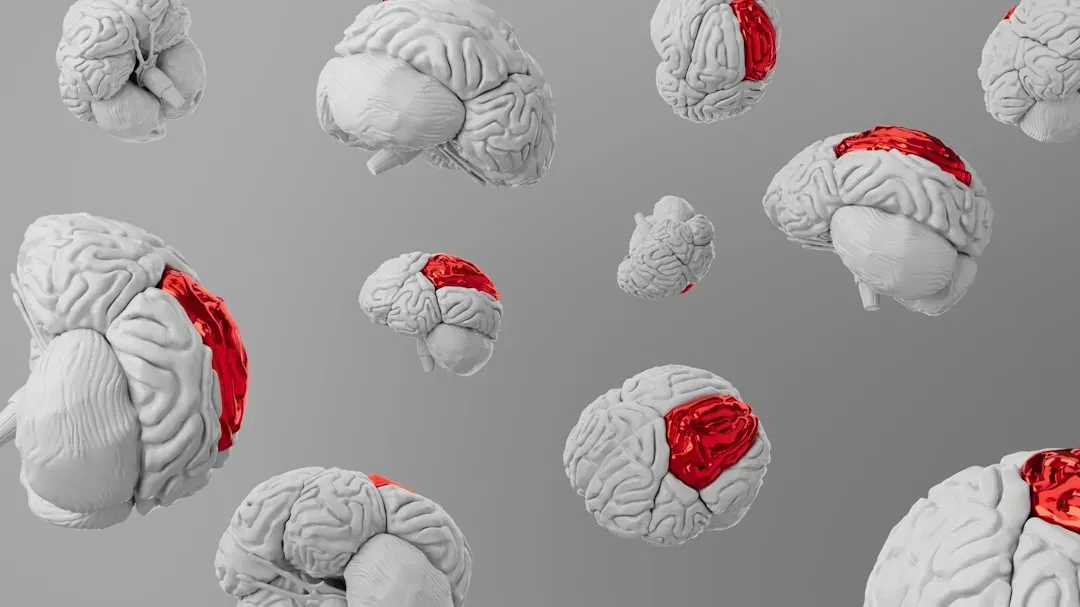
When researchers examine families with several strong rememberers, they often suspect a genetic thread weaving through the generations. Twin and family studies suggest that a sizeable portion of our memory capacity is heritable, influenced by combinations of genes that shape brain development, synaptic plasticity, and neurotransmitter systems. Certain variants appear to bolster how efficiently neurons communicate, or how readily synapses strengthen and stabilize after learning. If you add that biological foundation to an environment rich in practice, curiosity, and encouragement, the odds of extraordinary recall grow.
Neurodiversity adds another layer. Some autistic individuals, for instance, show exceptional pattern recognition and attention to visual detail, which can spill over into remarkable memory for certain types of information. People with synesthesia may literally “see” numbers or words in color, giving them an extra sensory hook for recall. Brain imaging often reveals structural and connectivity differences in these groups – not better or worse in a simple sense, but tuned differently, with some networks overdeveloped and others underused. Photographic-like memory may sometimes emerge from these nonstandard blueprints, reminding us that there is no single “normal” brain, only a wide landscape of possibilities.
The Future Landscape: Can We Engineer Better Memory?
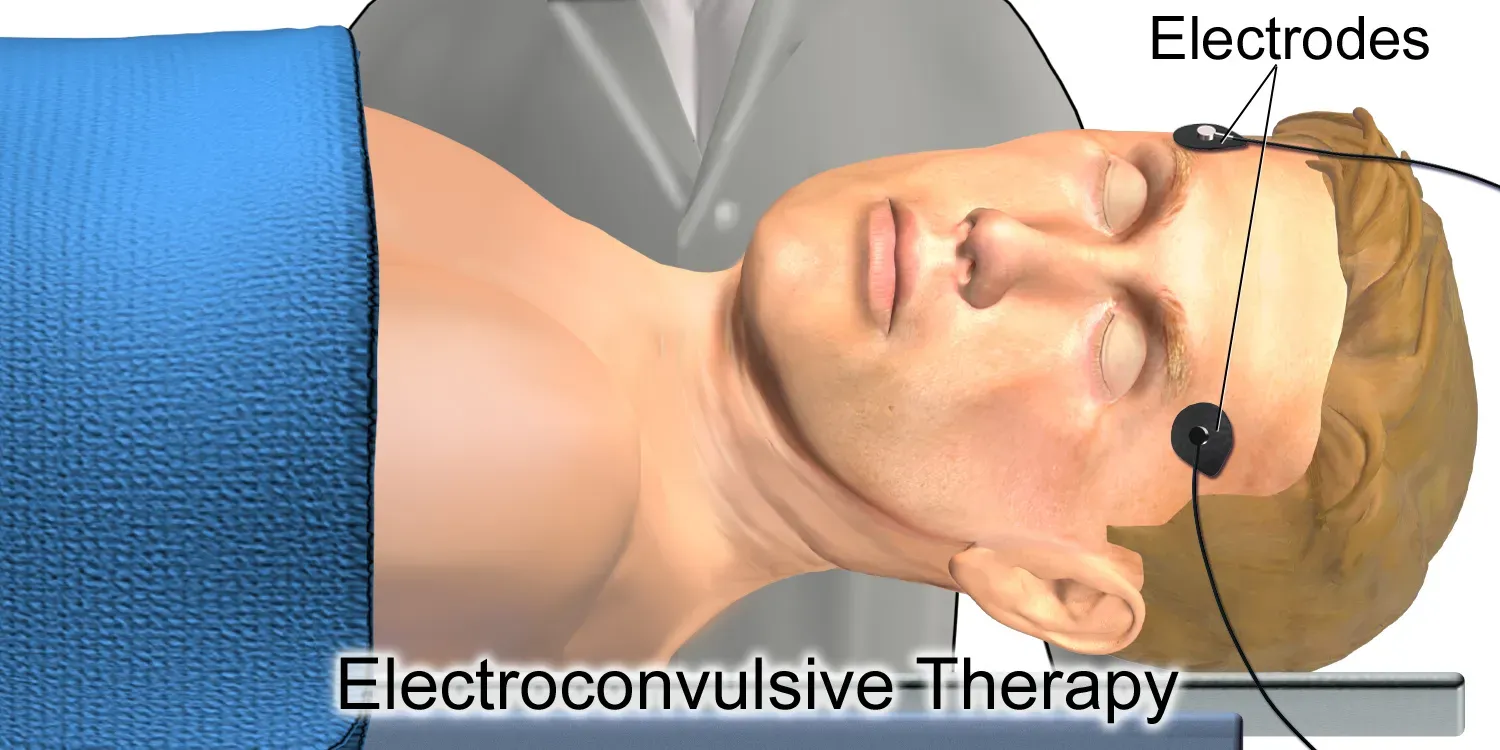
The dream of enhancing memory has migrated from science fiction to active research labs. Scientists are exploring brain–computer interfaces that record and stimulate neural activity in memory circuits, hoping to support people with severe impairments. Experimental drugs aim to boost plasticity, the brain’s ability to strengthen or weaken connections, potentially extending the window during which new experiences can be locked in. Noninvasive techniques, like targeted electrical or magnetic stimulation, are being tested to see if they can nudge specific networks into more memory-friendly states during learning.
But with each breakthrough comes a thicket of ethical dilemmas. If we learn to reliably enhance memory in healthy people, questions of fairness, access, and consent quickly arise, especially in education or high-stakes professions. There is also the risk of unintended consequences: increasing the durability of memories without improving emotional processing could worsen conditions like anxiety or trauma. Globally, these technologies could deepen inequalities if they are available only to wealthy countries or elites, effectively creating cognitive “haves” and “have-nots.” As we inch closer to nudging the brain’s recall systems at will, society will have to decide not just what is possible, but what is wise.
How You Can Engage With Your Own Memory Potential
Most of us will never sketch a cityscape from memory after a brief flyover, and that is perfectly fine. But the science of extraordinary recall offers practical tools anyone can borrow. Simple habits – like turning information into vivid images, linking facts into short stories, or placing ideas along a familiar mental route – can make everyday remembering feel easier and more reliable. Paying deliberate attention for even a few extra seconds at the moment of learning can significantly improve what sticks, because memory starts with what we choose to notice.
If you feel inspired to experiment, you can explore memory-training books, online courses, or local clubs that introduce techniques used by memory athletes, then adapt what fits into your own life. Supporting research on memory, aging, and brain health – whether through science communication, citizen science projects, or donations to research institutions – also helps move the field forward. Finally, there is value in simply rethinking how you judge your own mind: forgetting is not failure, but a crucial function that makes room for new experiences and flexible thinking. In a world obsessed with never losing a detail, perhaps the most empowering step is to work with your memory’s strengths rather than chasing a mythical internal camera.
Suhail Ahmed is a passionate digital professional and nature enthusiast with over 8 years of experience in content strategy, SEO, web development, and digital operations. Alongside his freelance journey, Suhail actively contributes to nature and wildlife platforms like Discover Wildlife, where he channels his curiosity for the planet into engaging, educational storytelling.
With a strong background in managing digital ecosystems — from ecommerce stores and WordPress websites to social media and automation — Suhail merges technical precision with creative insight. His content reflects a rare balance: SEO-friendly yet deeply human, data-informed yet emotionally resonant.
Driven by a love for discovery and storytelling, Suhail believes in using digital platforms to amplify causes that matter — especially those protecting Earth’s biodiversity and inspiring sustainable living. Whether he’s managing online projects or crafting wildlife content, his goal remains the same: to inform, inspire, and leave a positive digital footprint.