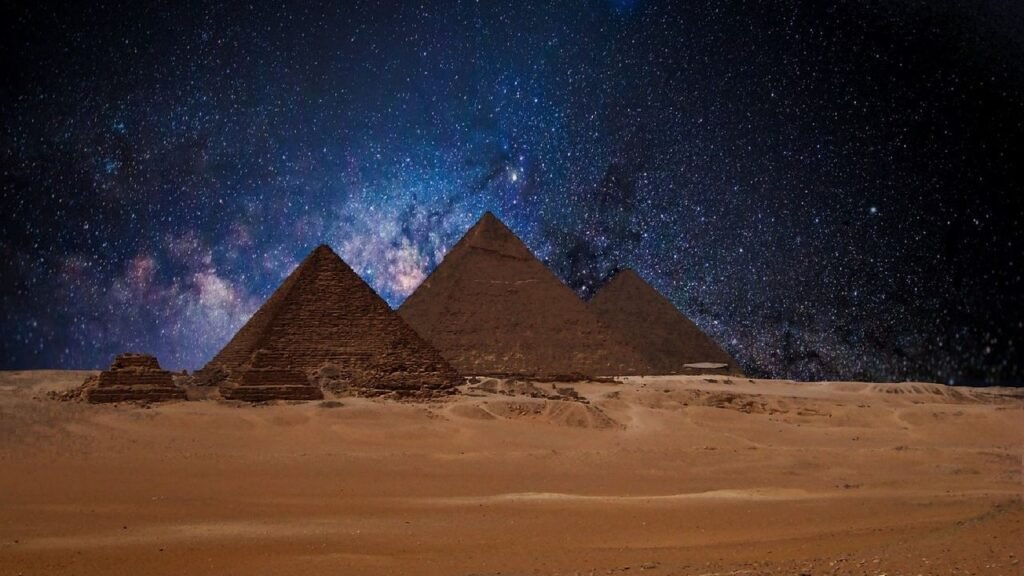

Imagine standing inside a 5,000-year-old stone chamber, completely cloaked in darkness, and then watching as a single golden beam of light slowly crawls down the passageway at the exact moment of winter solstice dawn. It sounds like something out of a fantasy novel. Yet this is precisely what happens at Newgrange in Ireland, every single year, without fail. Ancient builders, working without computers, without GPS, without anything we’d recognize as modern technology, managed to pin their grandest creations to the movements of the sky with startling, almost unsettling precision.
How did they do it? More importantly, why? The more you look into the field of archaeoastronomy, the more extraordinary it all becomes. You start realizing these weren’t accidents or happy coincidences. These were deliberate, carefully engineered cosmic connections, woven directly into stone, mortar, and mountain. What you’re about to explore will change the way you look at the night sky forever. Let’s dive in.
The Sky Was Their Calendar, Clock, and Compass
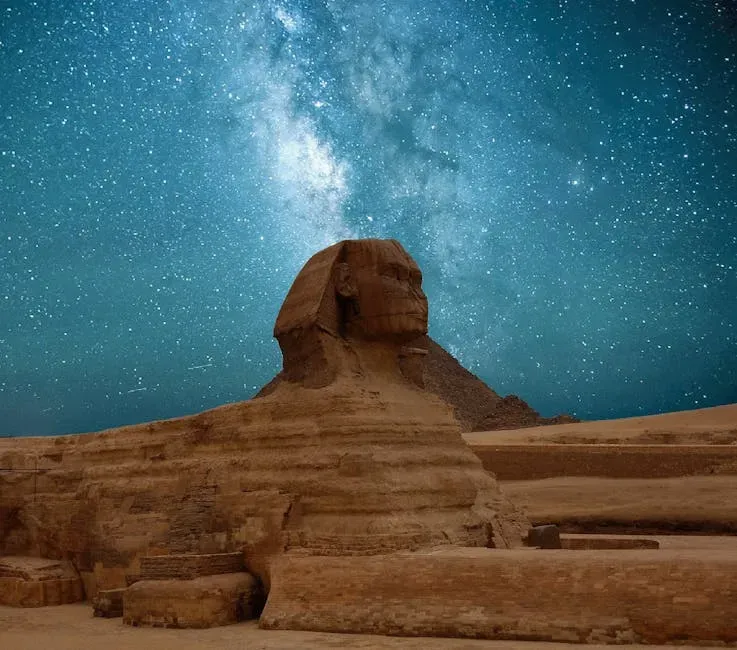
Here’s the thing that most people miss when they ask about stellar alignments: ancient people didn’t look up at the stars out of mere curiosity. They looked up because their lives literally depended on it. In societies that depended heavily on seasonal cycles for agriculture and survival, the sky provided the closest thing to a modern calendar. The timing of floods, harvests, and migrations depended on knowing when the seasons changed. As people lacked printed calendars or mechanical clocks, they looked upward where they watched the regular movement of stars and the sun, tracking the passage of time and predicting changes in weather and daylight.
Think about that for a moment. Every planting season, every flood prediction, every ritual ceremony was timed by the stars. Ancient civilizations relied on the Sun, Moon, and stars to develop celestial calendars that regulated agriculture, religious ceremonies, and daily life. These weren’t primitive superstitions. They were applied science, embedded in stone so that future generations would never forget when to plant and when to pray.
Stonehenge: The World’s Most Famous Cosmic Timepiece
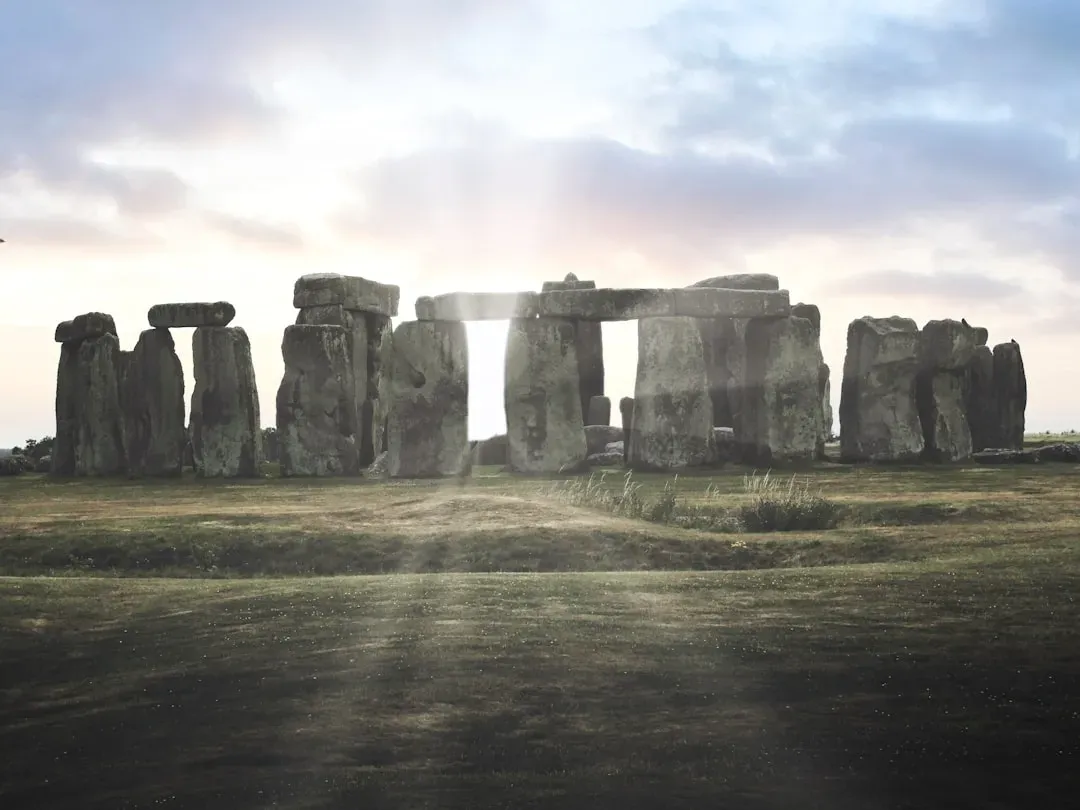
You’ve almost certainly heard of Stonehenge, but you might not fully appreciate how astonishing its alignment actually is. Stonehenge, located in Wiltshire, England, is one of the most remarkable examples of astronomical alignment. This prehistoric monument, built around 3000 BC to 2000 BC, is famous for its alignment with the summer solstice. During this time, the sun rises behind the Heel Stone, creating a captivating sight as its rays illuminate the heart of the circle.
What makes this truly jaw-dropping is the sheer duration of planning it must have required. The monument aligns with the summer solstice sunrise and the winter solstice sunset. Each year, sunlight pierces through the monument’s structure at specific angles during those events, which commemorated significant solar transitions. The alignment seems to indicate a detailed astronomical knowledge, which Neolithic communities must have developed through generations of observation. Honestly, when you realize people were tracking the sky with this level of discipline thousands of years before the invention of writing, it makes your jaw drop a little.
The Great Pyramids of Giza and Their Celestial Secrets
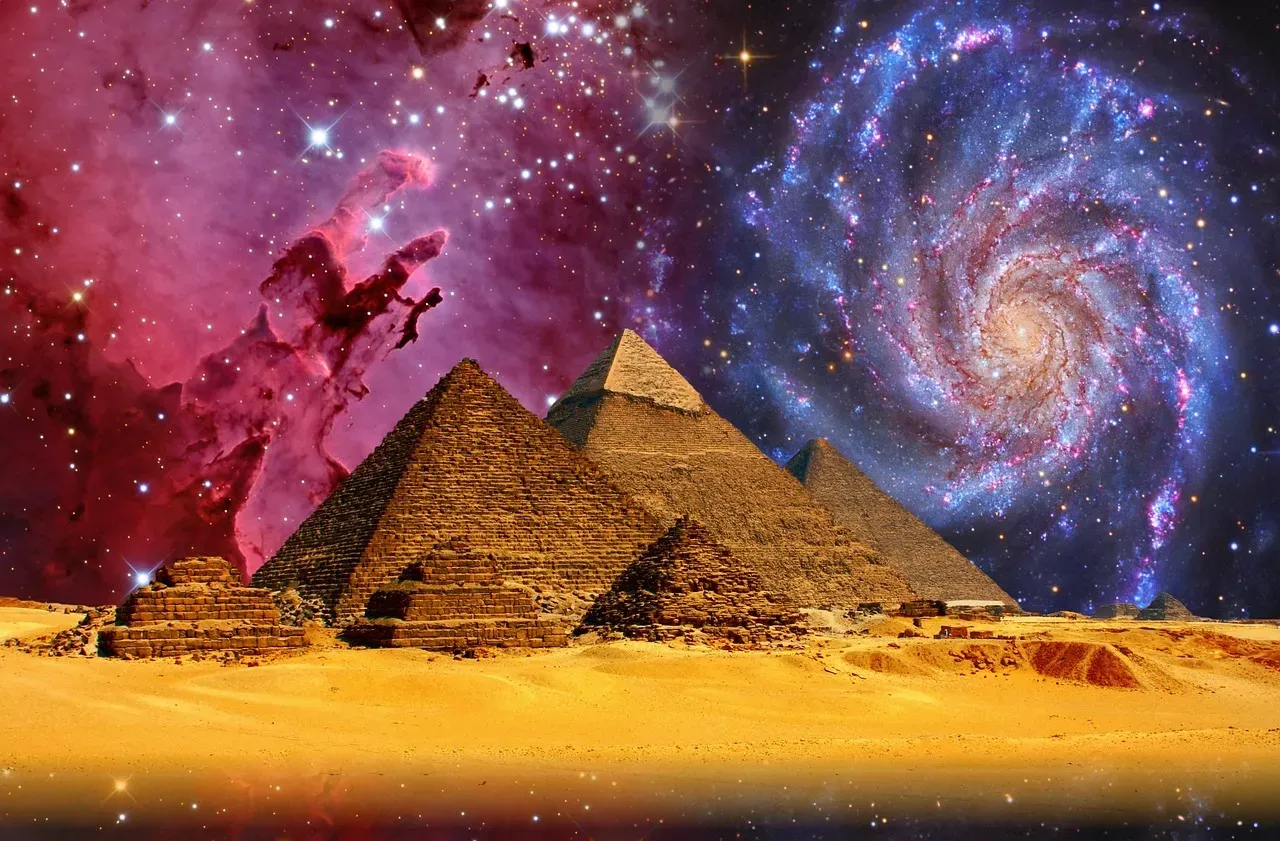
When you stand before the Great Pyramid of Giza, you’re looking at a structure so precisely oriented that it challenges every assumption you might have about ancient “primitive” cultures. The square sides of the Great Pyramid of Giza are aligned almost perfectly along the cardinal points, north-south-east-west. The builders aligned the great monument to the cardinal points with an accuracy of better than four minutes of arc, or one-fifteenth of one degree. That is genuinely absurd precision for any era, let alone roughly 2500 BC.
Researchers have long debated exactly how the Egyptians achieved this. Harvard archaeologist Glen Dash’s study of the pyramids suggested that, approximately 4,500 years ago, the ancient Egyptians might have used the autumnal equinox to achieve a perfect alignment. Although all three pyramids have minimal calculation errors, the precision comes specifically from the solar movement. Specialists explain that they were drawn from the shadow cast by the Sun during the autumn equinoxes on the Earth’s surface. It sounds almost too simple, yet the evidence is compelling. Sometimes the most elegant solutions are also the most ancient ones.
Newgrange: Older Than the Pyramids, More Precise Than You’d Believe
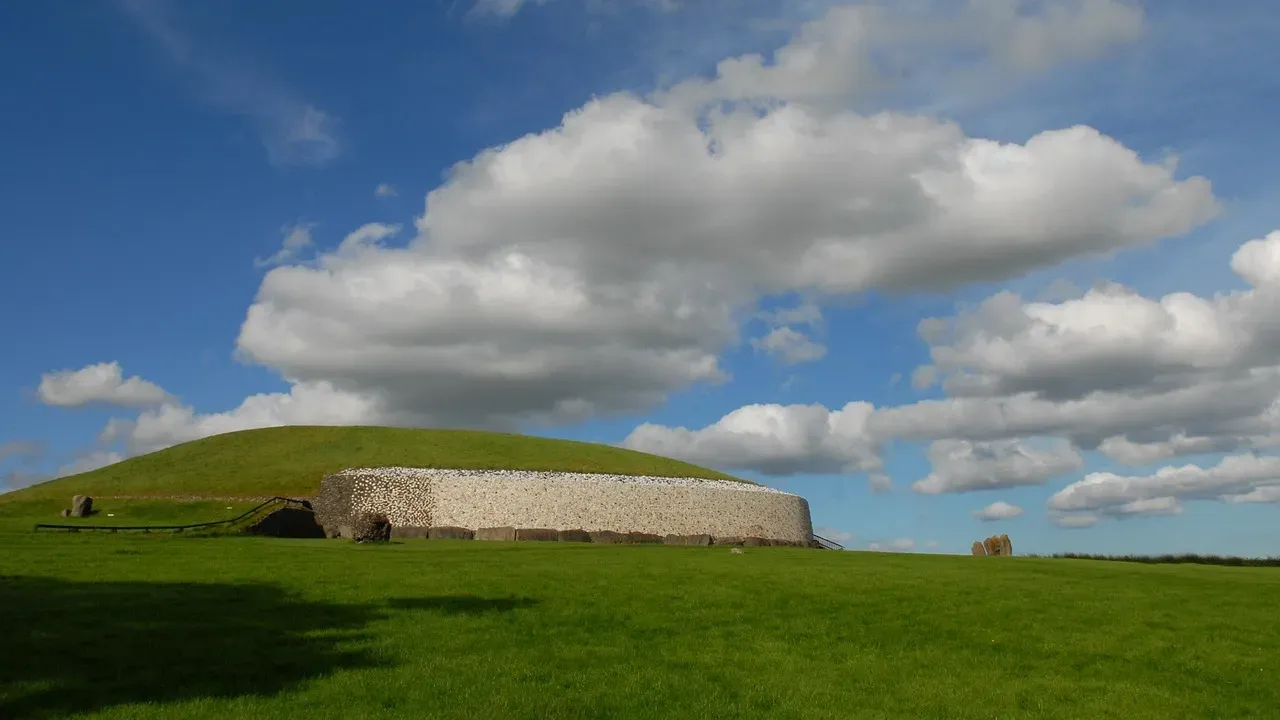
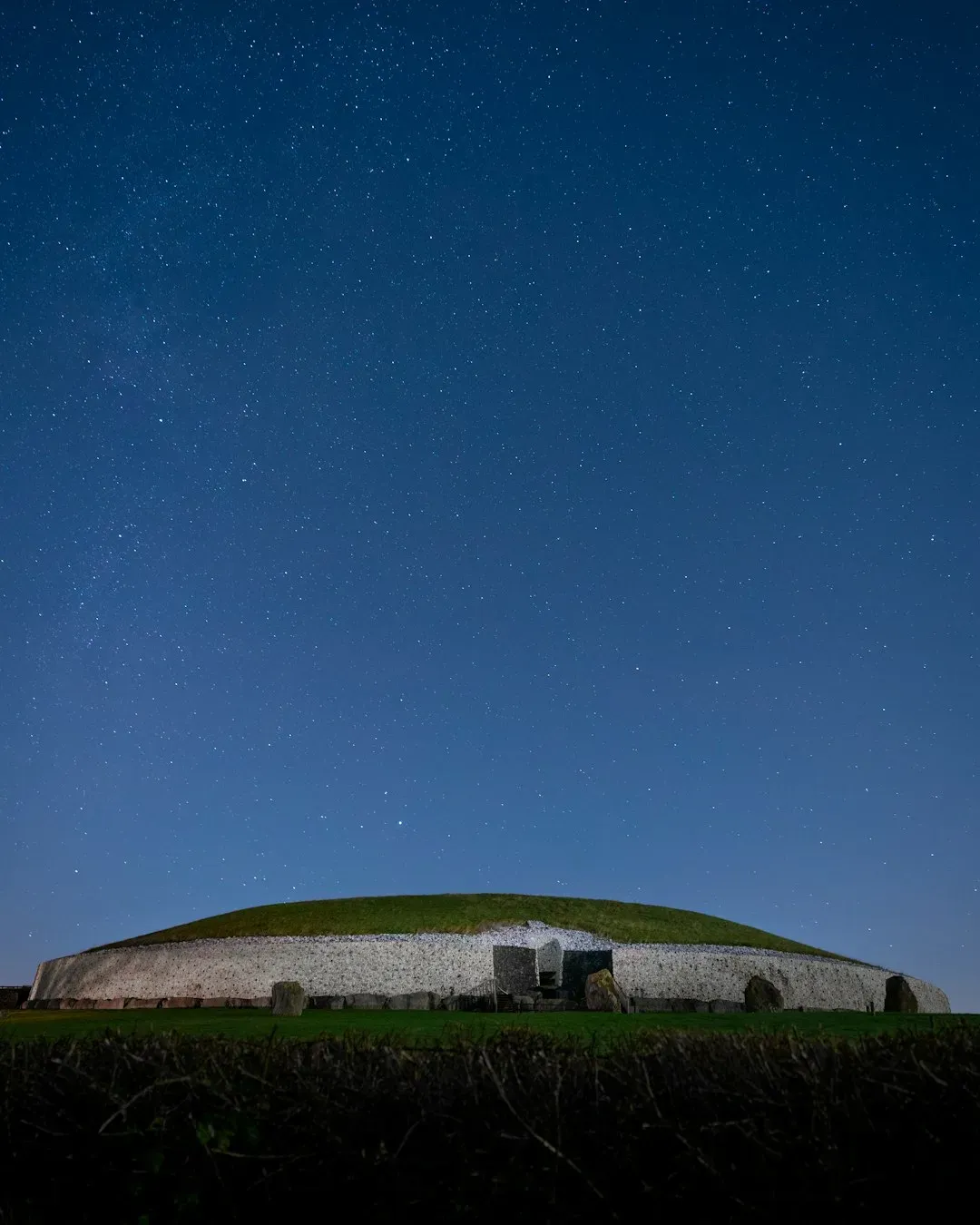
If Stonehenge grabs the headlines, Newgrange deserves far more attention than it gets. At Newgrange, once a year, at the winter solstice, the rising sun shines directly along the long passage into the chamber for about 17 minutes and illuminates the chamber floor. It was built during the Neolithic period, around 3200 BC, making it older than Stonehenge and the Egyptian pyramids. Let that sink in. A structure older than the pyramids, still working perfectly over 5,000 years later.
As the sun rises on the shortest day of the year, a beam of light enters through a specially designed opening known as the “roof box.” This beam slowly travels down the passage and illuminates the central chamber in a golden glow. For about 17 minutes, the heart of Newgrange comes alive with sunlight. The annual solstice event likely served as a powerful ritual symbol of death, rebirth, and the cycle of seasons for the ancient Irish people. Newgrange’s continued accuracy over more than 5,000 years stands as a testament to its builders’ deep mastery of astronomy and architectural planning.
Machu Picchu: The Inca Observatory in the Clouds
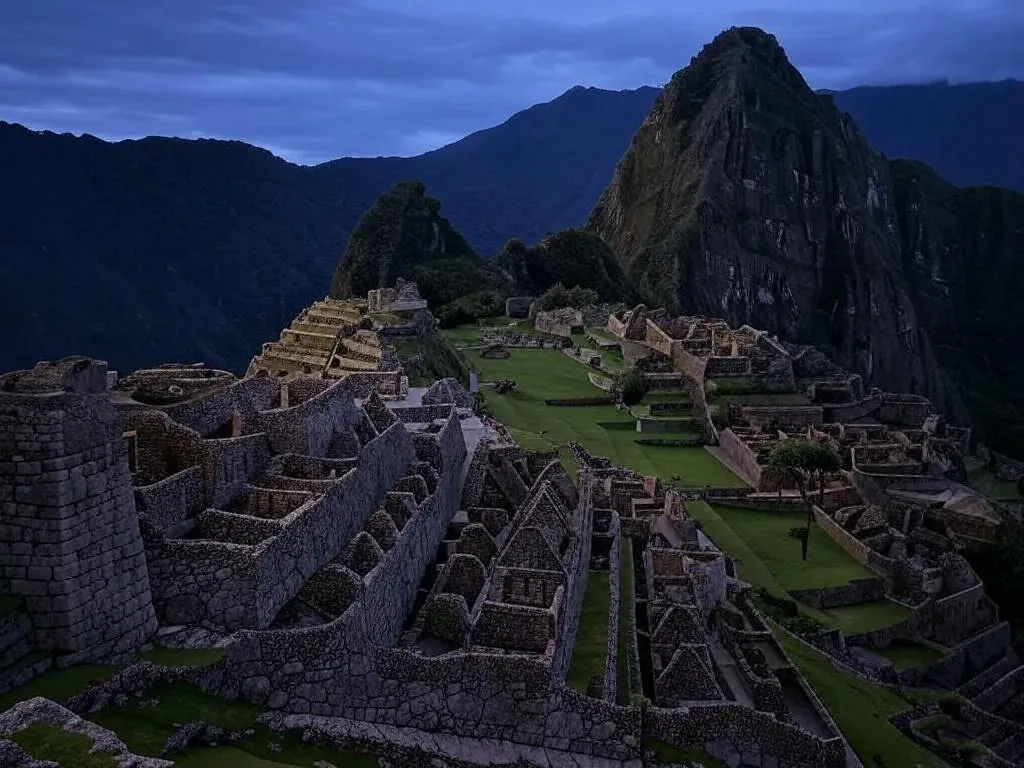
Perched high in the Andes, Machu Picchu is far more than a breathtaking ruin. It’s practically a three-dimensional astronomical instrument. Every major building, window, and sacred stone was positioned to capture specific celestial events, creating a three-dimensional calendar that guided agricultural activities, religious ceremonies, and administrative decisions throughout the vast Inca Empire. The Intihuatana stone, whose name translates as “hitching post of the sun,” represents the pinnacle of Inca astronomical achievement at Machu Picchu. This precisely carved granite pillar functions as a sophisticated sundial and astronomical computer, tracking solar movements throughout the year with remarkable accuracy.
The Inca didn’t separate science from spirituality. To them, it was one unified system. At Machu Picchu, the Temple of the Sun is built so that on the winter solstice, sunlight pours through its window and lands precisely on a carved ceremonial stone, illuminating it with deliberate accuracy. This alignment helped Inca astronomers track seasonal changes essential for agriculture and religious festivals. The temple’s curved walls, fine stonework, and precise orientation show how seriously the Inca regarded the connection between the heavens and their sacred spaces.
Angkor Wat: A Temple That Catches the Sun Like a Crown

In Cambodia, the Khmer Empire built something that still leaves astronomers shaking their heads. Angkor Wat was built with astonishing astronomical precision, including an overall layout that mirrors the Hindu cosmos and an axial alignment that frames the sun during equinox sunrises. On these mornings, the sun rises directly above the central tower, creating a dramatic display that would have reinforced the temple’s symbolic connection to divine order. Scholars believe the builders intentionally integrated cosmology, kingship, and solar cycles to express the unity of earthly and heavenly realms.
To build this, the Khmer architects needed serious technical skill. To align temples accurately to the four cardinal points of the compass, Khmer architects applied the ancient geometrical skills of Vedic rope-measuring specialists. With a wooden staff marking the centre-point of the intended temple, the shadows caused by a gnomon on a circle were bisected. Using this method, astronomers and architects reached accuracies to less than half a degree, suggesting the slight deviations from 90 degrees in the Angkorian temples were deliberate. The beauty of that is almost poetic. A staff, a shadow, and the sun were all they needed.
Stellar Alignment as a Language of Power and Divinity
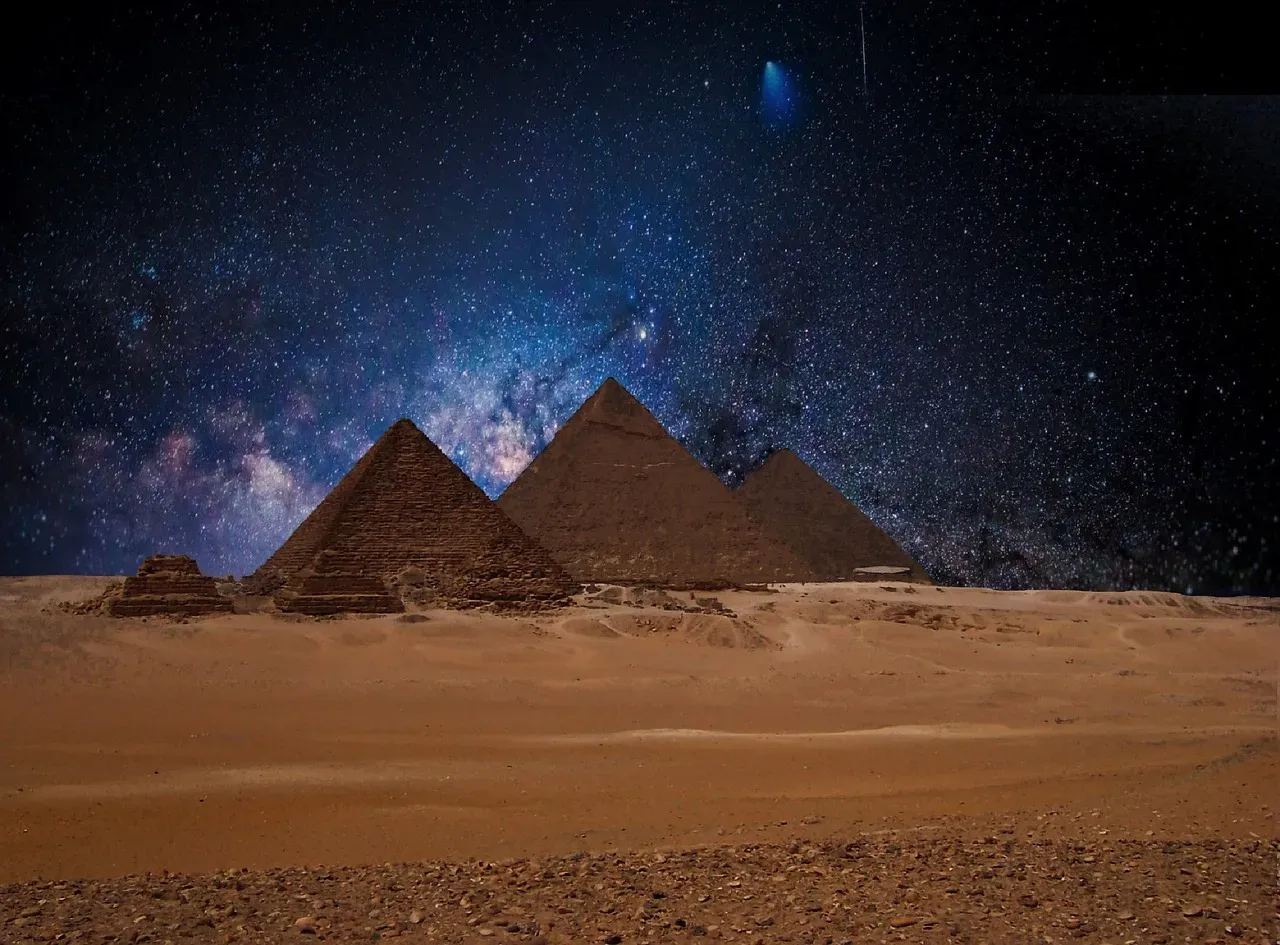
Let’s be real about something. These alignments weren’t purely practical. They were also deeply political. In Egypt, the alignment of the Great Pyramid held both practical and symbolic meaning. Pyramids aligning with stars represented divine connection and authority. This way, the rulers linked themselves with the cosmos, reinforcing their power. Controlling the calendar meant controlling the harvest, the ceremonies, and ultimately the people.
This pattern appears across cultures with striking consistency. The Inca emperor considered himself the son of Inti, the sun god. Monuments in his capital city of Cusco and throughout the empire aligned with solar events to strengthen the emperor’s spiritual legitimacy. In China, the emperor was the Son of Heaven, responsible for maintaining harmony between heaven and earth. As a result, astronomers employed by the imperial court used celestial data to affirm the emperor’s cosmic role. The sky was the ultimate source of authority, and whoever could “speak its language” held enormous influence.
How Modern Science Is Decoding These Ancient Alignments
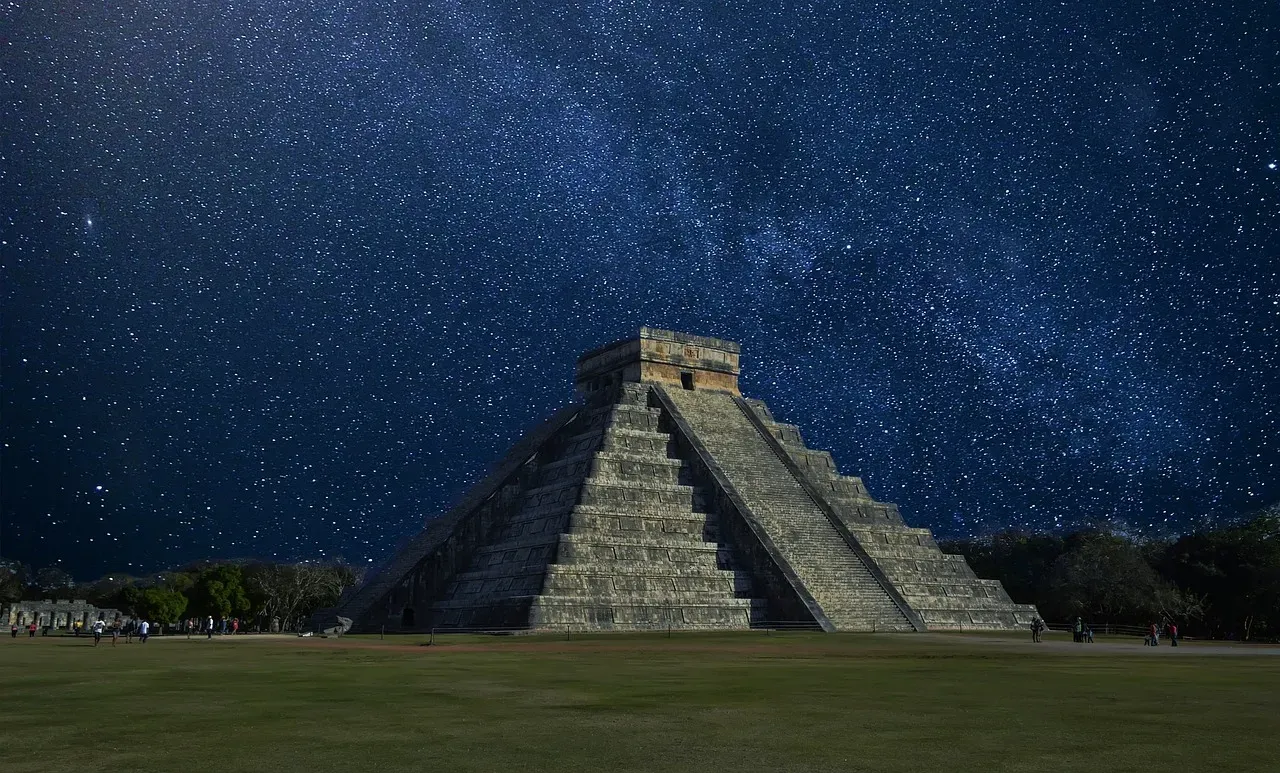
You might wonder how researchers today figure out what ancient builders intended. It’s harder than it sounds. Advances in satellite imaging, drone technology, and computational modeling allow researchers to construct celestial alignments of ancient sites with precision, revealing insights into how early civilizations observed and interpreted the night sky. This renewed focus has led to discoveries of previously unnoticed alignments in ancient structures, shedding light on their astronomical significance.
Still, the puzzle isn’t fully solved. The Egyptians, unfortunately, left few clues. No engineering documents or architectural plans have been found that give technical explanations demonstrating how the ancient Egyptians aligned any of their temples or pyramids. This is both frustrating and fascinating in equal measure. Over the past few decades, though, the tide has slowly begun to turn, as irrefutable evidence reveals that sophisticated astronomy, mathematics, and other higher sciences were indeed incorporated into many ancient structures. We’re still catching up to what our ancestors already knew.
Conclusion: The Stars Were Never Just Decoration
After exploring all of this, one thing becomes undeniably clear. The ancient builders who aligned their greatest monuments with the stars weren’t guessing. They weren’t stumbling into lucky coincidences. The alignments were not accidents. They required generations of observation, sophisticated architectural planning, and a worldview that saw no separation between science and spirituality. The sun’s journey was the heartbeat of time itself, and to capture that heartbeat in stone was to anchor human existence within the cosmos.
These structures were living tools. Calendars, observatories, ceremonial stages, and symbols of divine authority all folded into one. When ancient people encoded celestial patterns into physical structures, they wove the sacred into the physical world. Temples, tombs, pyramids, and ceremonial centres became both places of worship and tools for observing time. The next time you glance up at the night sky and spot Orion, or watch a solstice sunrise, remember this: someone, thousands of years ago, thought it was important enough to carve it in stone forever.
What does it say about us that we needed satellites and supercomputers to rediscover what they built with sticks, shadows, and centuries of patient watching? Think about that one for a while.