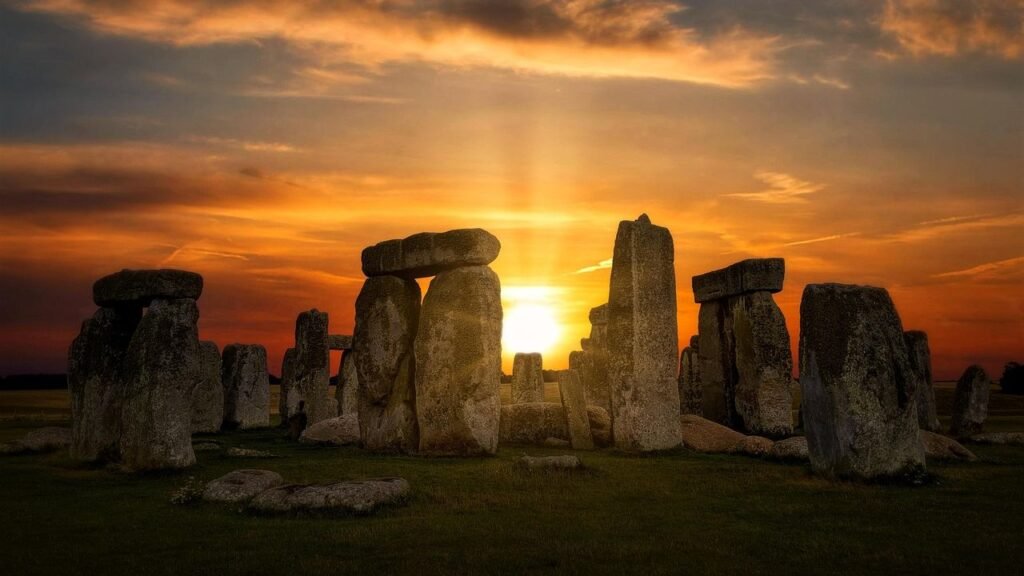

Stand in the heart of an ancient monument at sunrise on a solstice, and it can feel almost eerie: the light slips through a narrow opening, travels down a stone corridor, and lands on a single carved stone as if the building and the sky are sharing a secret. That kind of precision doesn’t happen by accident, and it raises a powerful question: how and why did people with no modern instruments manage this?
Across continents and cultures, from Egypt to Ireland to Mesoamerica, we keep finding the same pattern: old stones, carefully placed, responding to the movements of the Sun, Moon, and stars. Some alignments are so accurate that even professional astronomers are impressed. This isn’t just about pretty sunrises; for many ancient societies, the sky was a clock, a calendar, and a map of the sacred all rolled into one.
The Sky as the First Giant Calendar
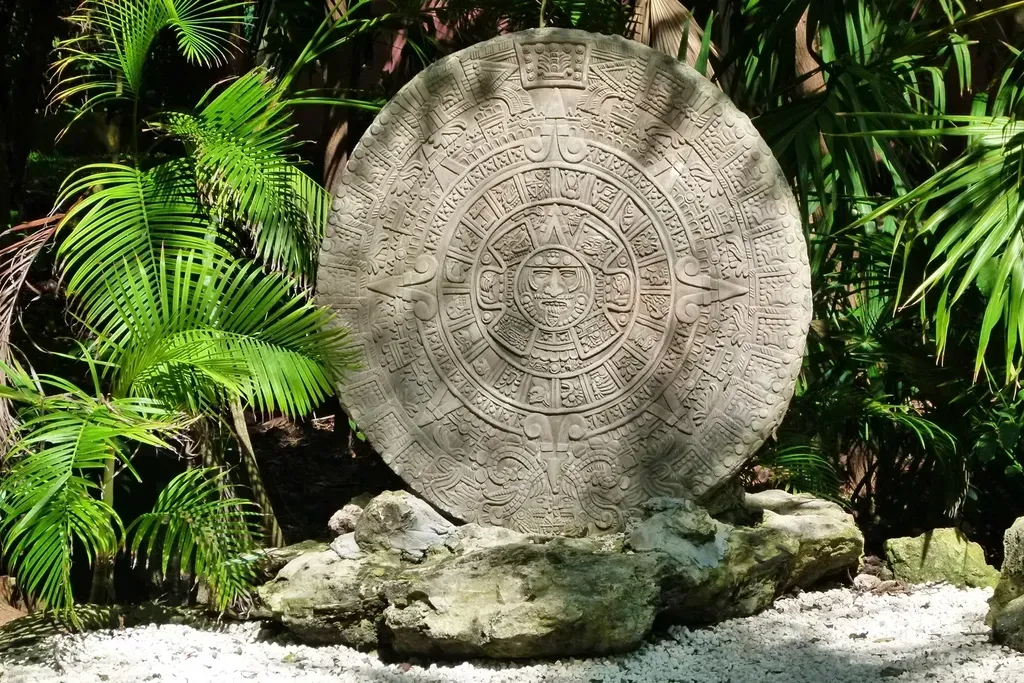
Imagine trying to farm, hunt, or navigate the year without a printed calendar, smartphones, or even a written date system. For ancient communities, the sky was the only reliable calendar they had. By watching where the Sun rose and set at different times of the year, they could track the changing seasons and know when to plant crops, expect floods, or prepare for lean times.
Many structures that align with solstices or equinoxes were essentially precision timekeepers in stone. When the Sun hit a specific point in a temple or lined up between two pillars, it wasn’t just beautiful – it was information. It signaled the beginning of harvest time or the return of the rainy season. In a world where missing the right planting window could mean starvation, getting those alignments right was a matter of survival, not decoration.
Solstices, Equinoxes, and the Drama of Light
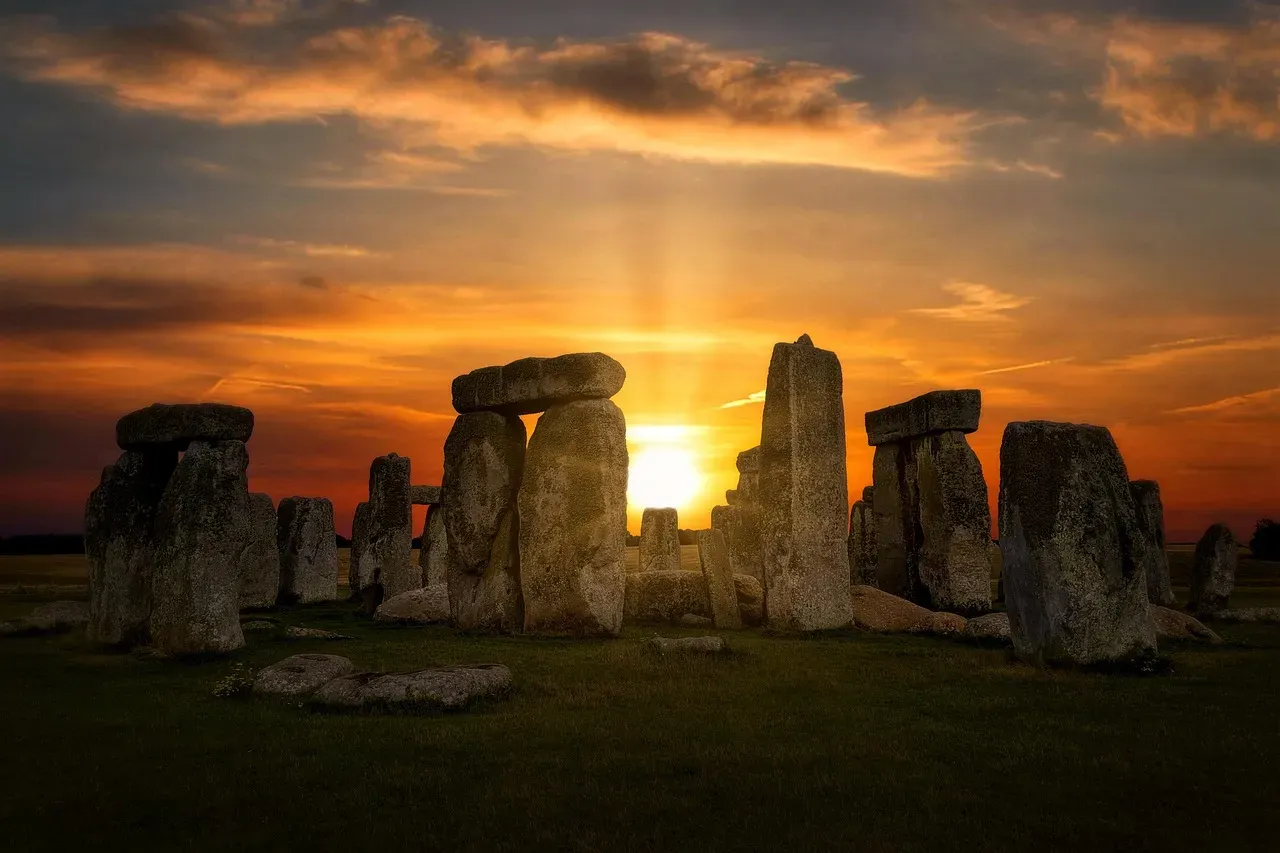
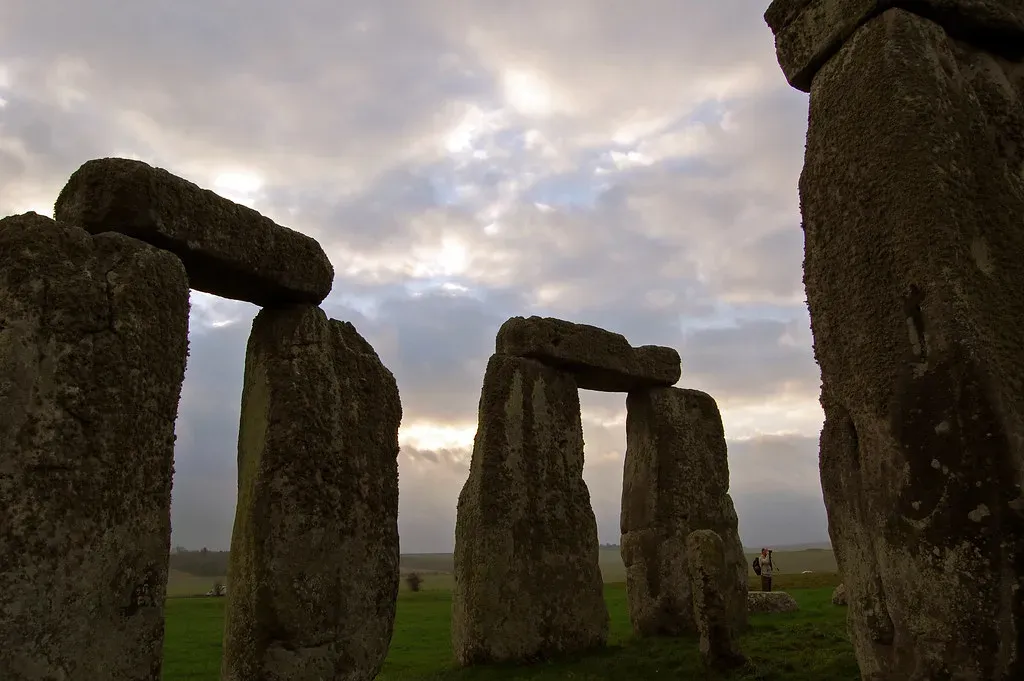
There’s something dramatically theatrical about a beam of sunlight slowly crawling along a wall and hitting a specific carving only once or twice a year. At places like Stonehenge in England or Newgrange in Ireland, the rising Sun on a solstice morning lines up exactly with passages or openings, turning the structures into living performances of light and shadow. The moment is so precise that a shift of a few inches would ruin the effect.
These alignments weren’t just clever; they probably felt like direct communication with the cosmos. When the Sun behaved exactly as expected and lit up the right spot, it confirmed that the world still made sense and that human rituals and timing were in sync with the universe. In that sense, the architecture wasn’t just stone and earth – it was a way of participating in a cosmic drama that only played twice a year.
Power, Religion, and Cosmic Legitimacy
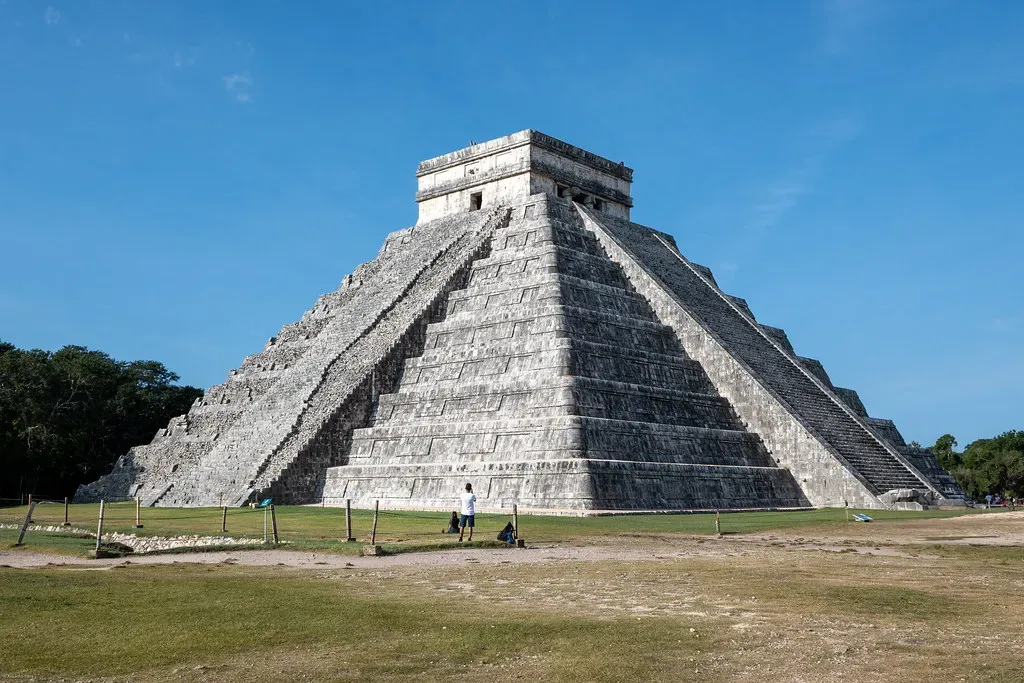
It’s easy to forget that for a lot of ancient rulers, political power and religious authority were completely entangled. If you were a king, pharaoh, or high priest, you wanted people to believe that you weren’t just managing the land – you were also in tune with the heavens. Designing temples or pyramids to align with cosmic events helped send that exact message: the leaders and their gods were synchronized with the universe itself.
When a temple courtyard lit up exactly on a holy day, or a shaft of light illuminated a royal statue only during a celestial event, it reinforced the idea that leadership had cosmic approval. People standing there, watching the sky and stone move together, would feel awe, fear, and devotion all at once. That emotional impact was a powerful political tool, even if no one at the time would’ve used that cold a word for it.
Careful Observation, Simple Tools, Surprising Precision
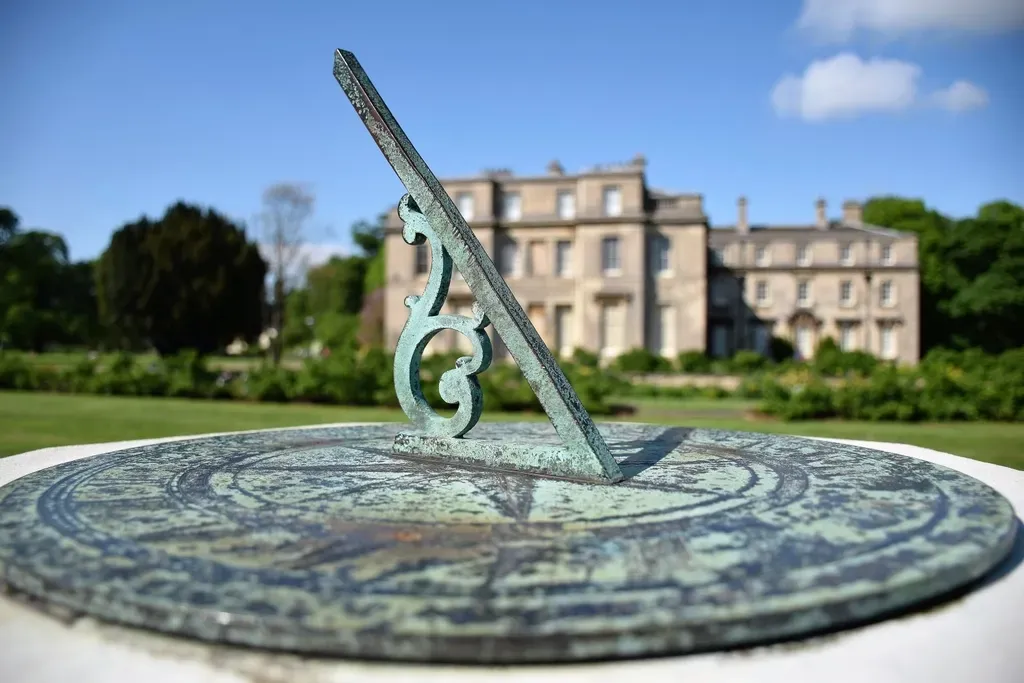
One of the most surprising things is that you don’t need telescopes or advanced math to align a building with the Sun or a bright star. With enough patience, simple tools like sighting poles, cords, shadows, and marked stones are enough. Watch where the Sun rises each day over the horizon, mark its positions, and over the course of years you can find the exact extremes – the solstices – and the midpoints – the equinoxes.
Many ancient cultures developed expert sky-watchers whose job was to do exactly that. Over generations, they passed down knowledge of when and where certain celestial objects appeared. The result is that some alignments in structures like the pyramids or Mesoamerican temples match cardinal directions or key star positions with impressive accuracy, even by modern standards. It wasn’t magic; it was method, patience, and an almost stubborn level of attention to detail.
Stars, Constellations, and Myths Carved in Stone
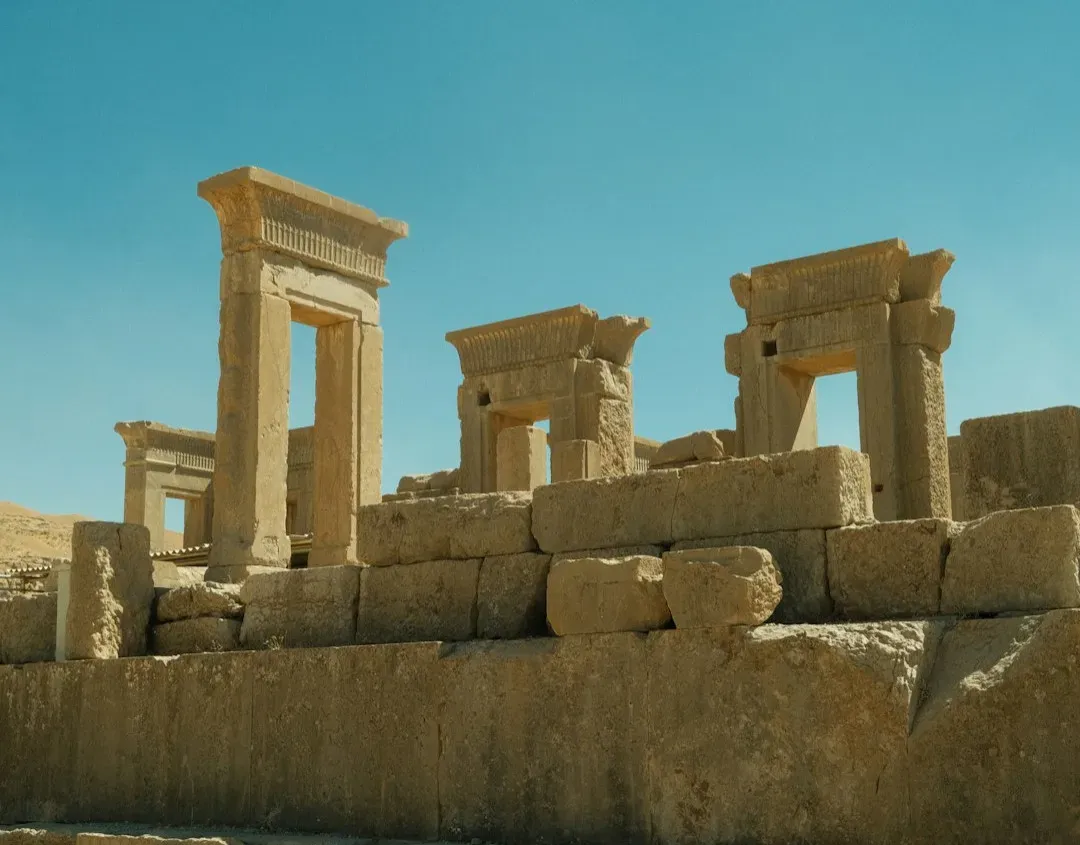
Not all alignments are about the Sun. In some cases, buildings or layouts seem to reflect important stars or constellations that had deep mythological meaning. Certain bright stars marked seasonal changes, while others were tied to stories about gods, creation, or the afterlife. Aligning a temple or tomb with a significant star could be a way of giving physical form to a myth or belief.
Think of it as building a permanent conversation between earth and sky. If your culture believed that the souls of the dead traveled to a certain star, then orienting a burial chamber in that direction made spiritual sense. Even when we can’t be absolutely sure of every intended connection, the repeating patterns of alignments to particular regions of the sky suggest that people weren’t just mapping practical needs, but also mapping their stories and hopes into stone.
Rituals, Festivals, and Shared Emotional Moments
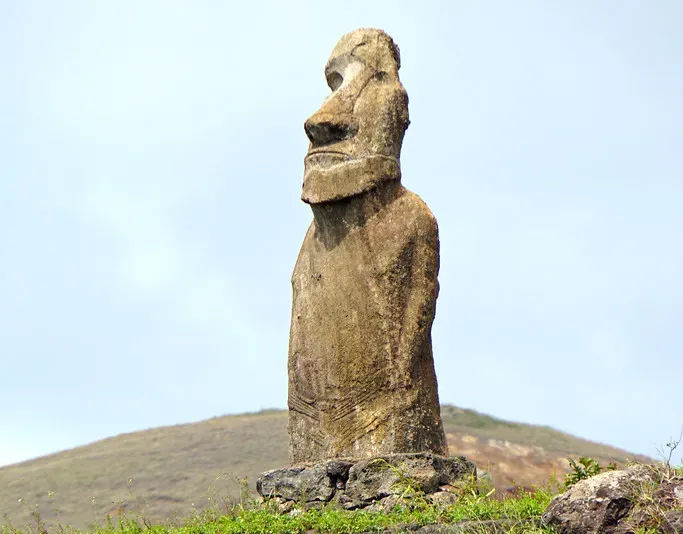
Imagine standing with your entire community, very early in the morning, waiting in silence for the first light of a solstice to pierce a temple doorway. Then, suddenly, the whole place glows. That kind of shared moment is emotionally overwhelming, even today. For ancient societies, such events were likely tied to festivals, offerings, and communal rituals that bound people together.
Architectural alignments gave these festivals a built-in schedule and a dramatic trigger. The structure itself told people when the holy day had arrived. Instead of a priest just declaring that it was time, the sky and the building did it together. That combination of human craft and celestial timing probably made rituals feel more real, more urgent, and more unforgettable – like the universe had shown up to the ceremony in person.
When Is It Real Intention – and When Is It Just Coincidence?
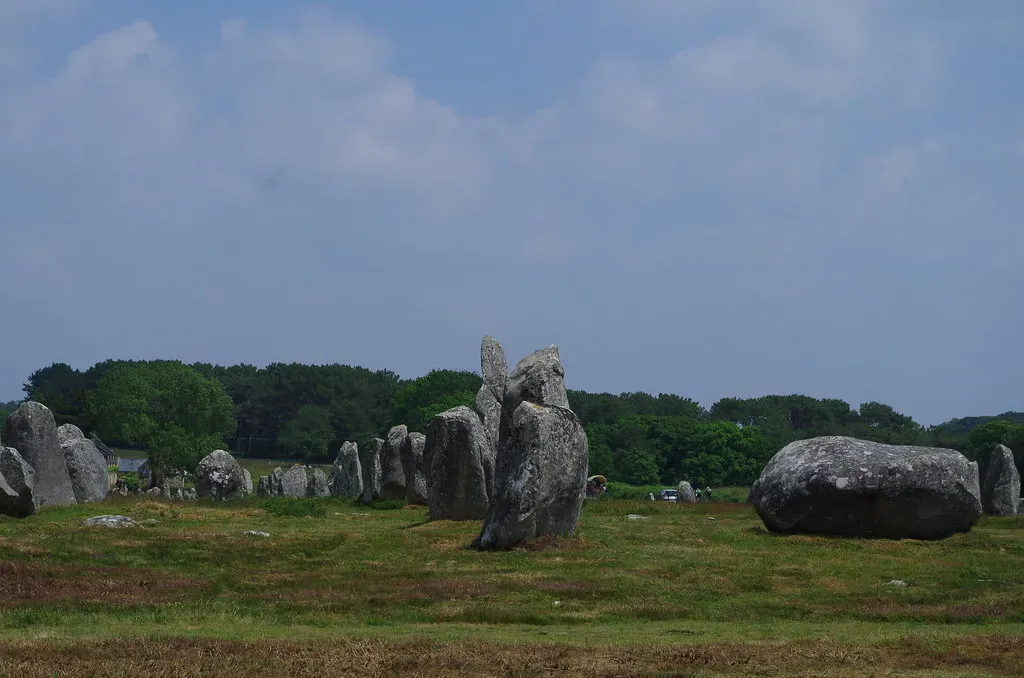
Of course, not every stone pointing vaguely toward the horizon means something deep. One of the hard parts for modern researchers is figuring out which alignments were intentional and which are simply chance. If you test enough directions on a complex site, you’ll eventually find something that lines up with a sunrise or star purely by accident. So archaeologists and archaeoastronomers have to be picky and skeptical.
The most convincing cases usually show a mix of factors: repeated patterns across many buildings, alignments that match major celestial events, supporting evidence from carvings or myths, and a clear practical or ritual purpose. When all of that lines up – no pun intended – the argument that it’s deliberate becomes strong. But there are still sites where the debate is very much alive, and honestly, that uncertainty is part of what keeps the mystery of these ancient structures so gripping.
What These Alignments Reveal About Us
Even with all our technology, there’s something deeply moving about watching the Sun rise in just the right spot or seeing a bright star appear where you expected it. The fact that ancient people built long-lasting monuments to those moments tells us a lot about what it means to be human. We don’t just live under the sky; we respond to it, organize our lives around it, and try to find meaning in its rhythms.
These cosmic alignments show that people long ago were not naive or disconnected from reality – they were observant, patient, and often incredibly sophisticated in how they blended science, religion, and daily life. When you stand inside one of these structures today and see the light fall exactly where it was meant to thousands of years ago, you’re sharing the same moment of wonder they did. How many other things from our time will still work that perfectly, and still feel that magical, thousands of years from now?