
There is something quietly unsettling about standing in front of a four-thousand-year-old structure and realizing that you cannot fully explain how it was built. Not in a vague, hand-wavy way. In a deeply specific, technically rigorous way. The math doesn’t fully add up, the tools don’t seem sufficient, and the precision defies easy explanation. You start to wonder whether we have been telling ourselves a slightly too simple story about human progress.
What if the ancient world was not a slow, linear crawl from cave paintings to civilization? What if knowledge surged, collapsed, and resurfaced in patterns far more complex than our textbooks suggest? Rather than a slow and linear climb from primitive tools to smartphones, history may be a series of waves, periods of innovation, collapse, and rediscovery. The evidence, scattered across deserts, jungles, and museum archives, is genuinely extraordinary. Let’s dive in.
The Great Pyramid’s Impossible Precision
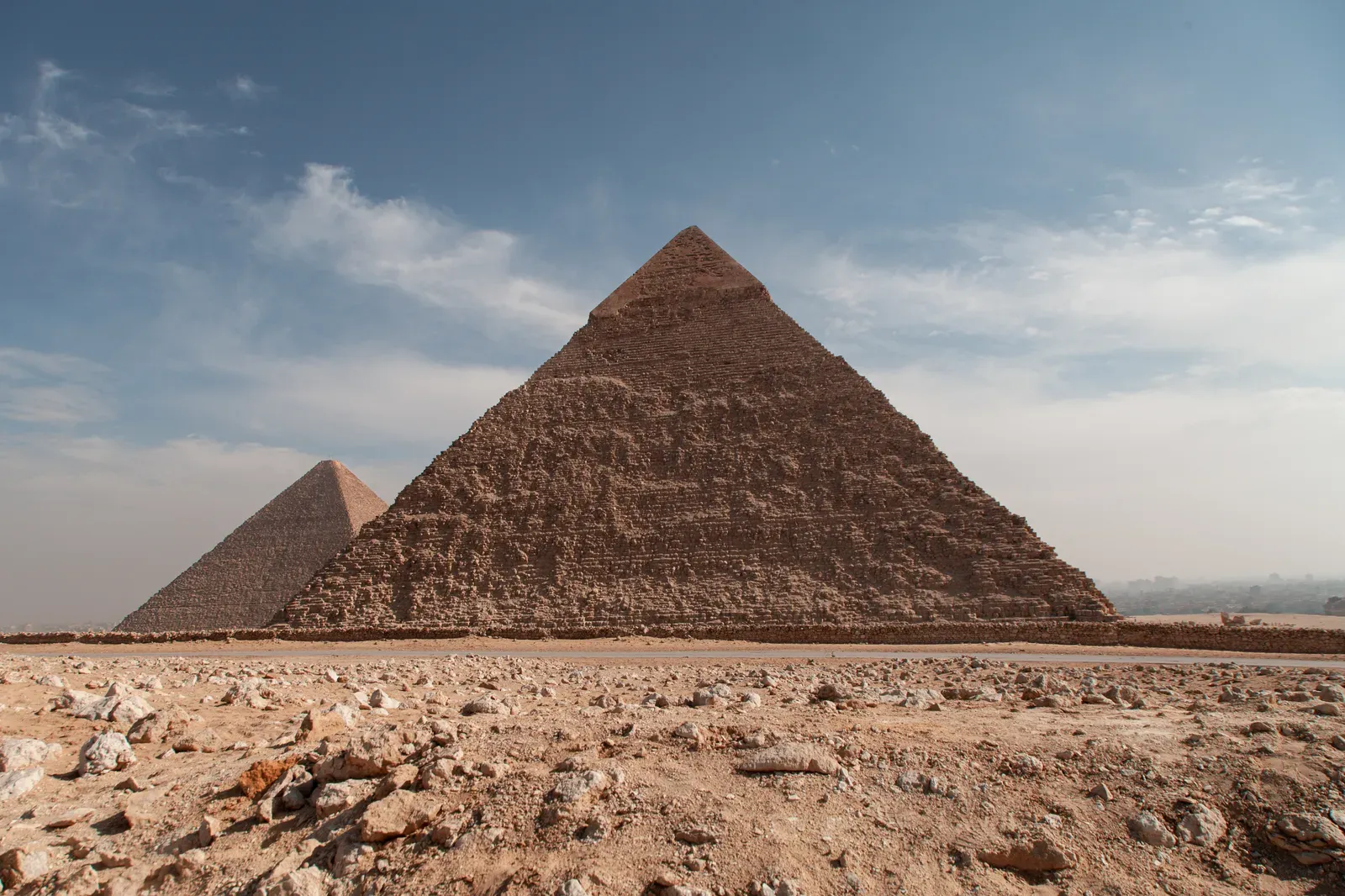
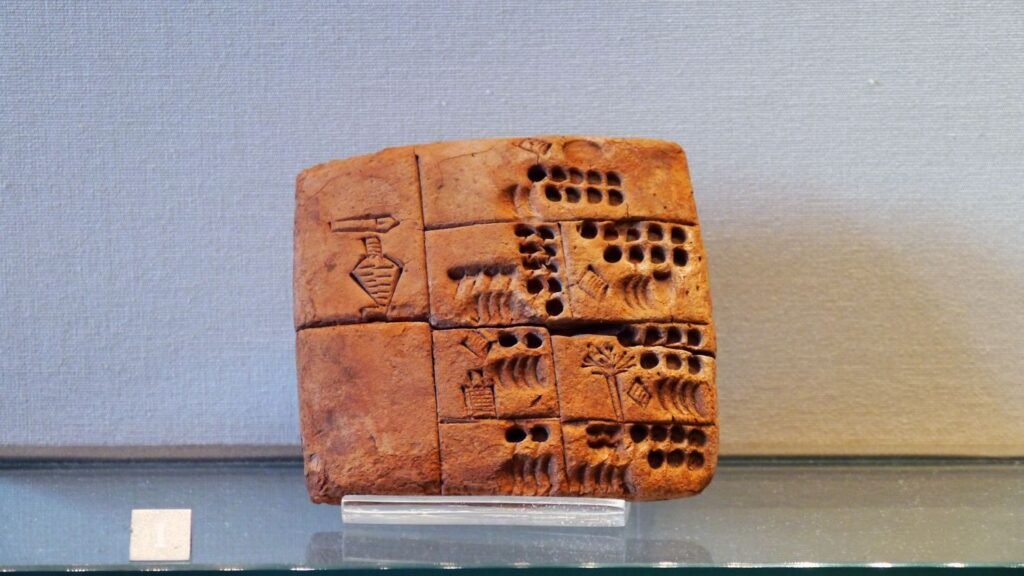
The dimensions of the Great Pyramid are extraordinarily accurate, and the site was leveled within a fraction of an inch over the entire thirteen-acre base, a level of accuracy comparable to what is possible with modern construction methods and laser leveling. Think about that for a moment. No GPS. No lasers. No steel tools of any kind. Yet the result rivals what today’s engineers achieve with million-dollar equipment.
The internal chambers of the Great Pyramid are aligned with an accuracy of a fraction of a degree to true north, something that would be difficult to achieve even today, and the King’s Chamber is constructed from giant granite blocks transported from Aswan, nearly six hundred miles away. There are no inscriptions on the pyramid, no diagrams, no written records detailing its construction. Instead, there is silence, an eerie void where an explanation should be. Honestly, that silence is somehow the most haunting detail of all.
Babylonian Mathematics That Should Not Exist
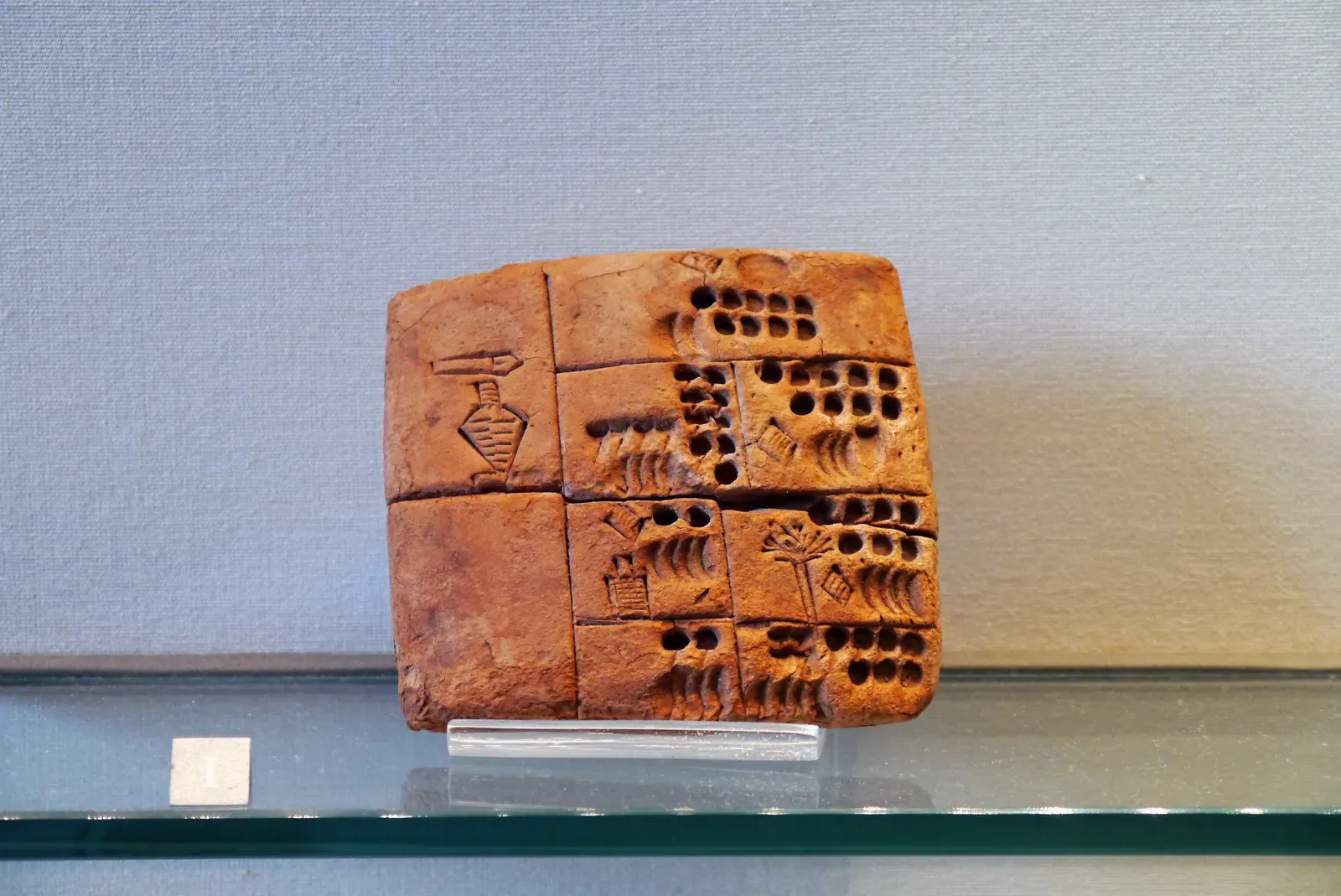
Here’s the thing about the ancient Babylonians. You probably learned that Pythagoras discovered his famous theorem. You were taught a clean, Greek-centric version of mathematical history. The reality, carved into a small clay tablet sitting in Columbia University, is far more complicated and far more impressive.
Plimpton 322, the most famous of Old Babylonian tablets dating to between 1900 and 1600 BC, is considered the world’s oldest trigonometric table, possibly used by Babylonian scholars to calculate how to construct stepped pyramids, palaces, and temples. The tablet suggests knowledge of essential geometric theorems about one thousand years before the birth of Pythagoras, the Greek philosopher generally credited with the discovery. A thousand years earlier. Let that sink in. It’s a bit like discovering that someone invented the smartphone in the 1800s.
The Antikythera Mechanism: A Computer from 100 BC
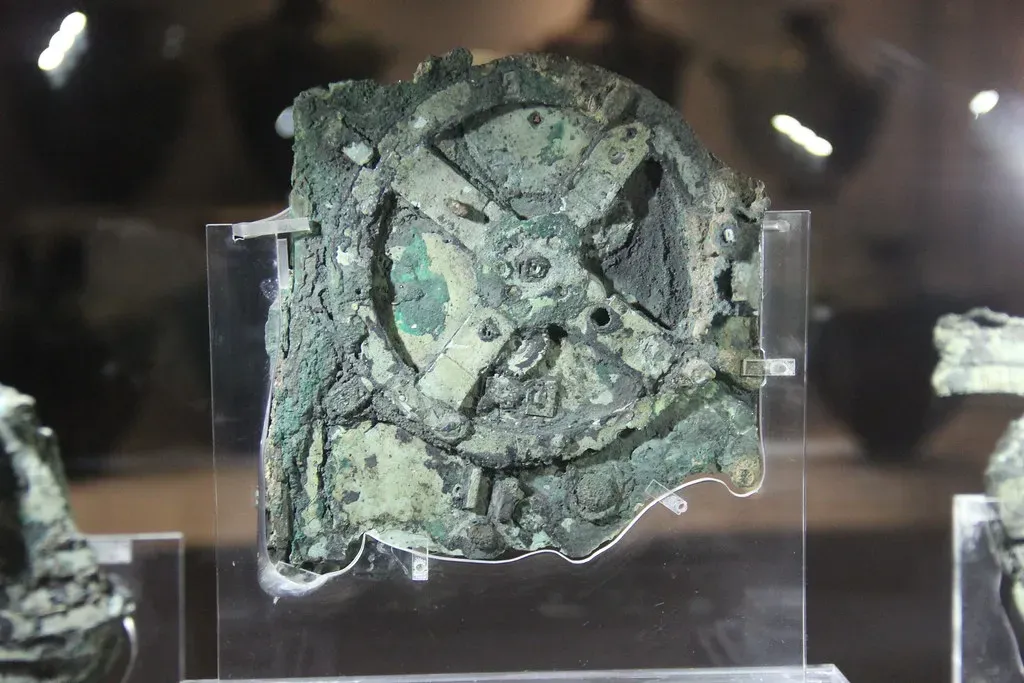
The Antikythera mechanism was discovered in 1901 by sponge divers exploring an ancient shipwreck off the Greek island of Antikythera, and initially appearing as corroded bronze fragments, its extraordinary nature was revealed only through careful analysis over subsequent decades. This intricate device features dozens of precisely crafted, interlocking bronze gears, wheels, and plates arranged in a complex mechanical system demonstrating a sophisticated understanding of gear ratios, mechanical engineering, and astronomical calculations.
Composed of more than thirty bronze gears housed in a wooden frame, this ancient computer was able to model the cycles of the solar system, track the movements of the planets, and predict lunar phases, and with mind-boggling accuracy, the mechanism was able to predict astronomical positions and eclipses. The most baffling aspect involves understanding how ancient Greek engineers achieved such a high level of mechanical complexity over a thousand years before similar technology reappeared in European clockmaking. It is not an overstatement to say this artifact rewrites the story of mechanical engineering entirely.
The Maya: Astronomers Who Read the Sky Like a Clock
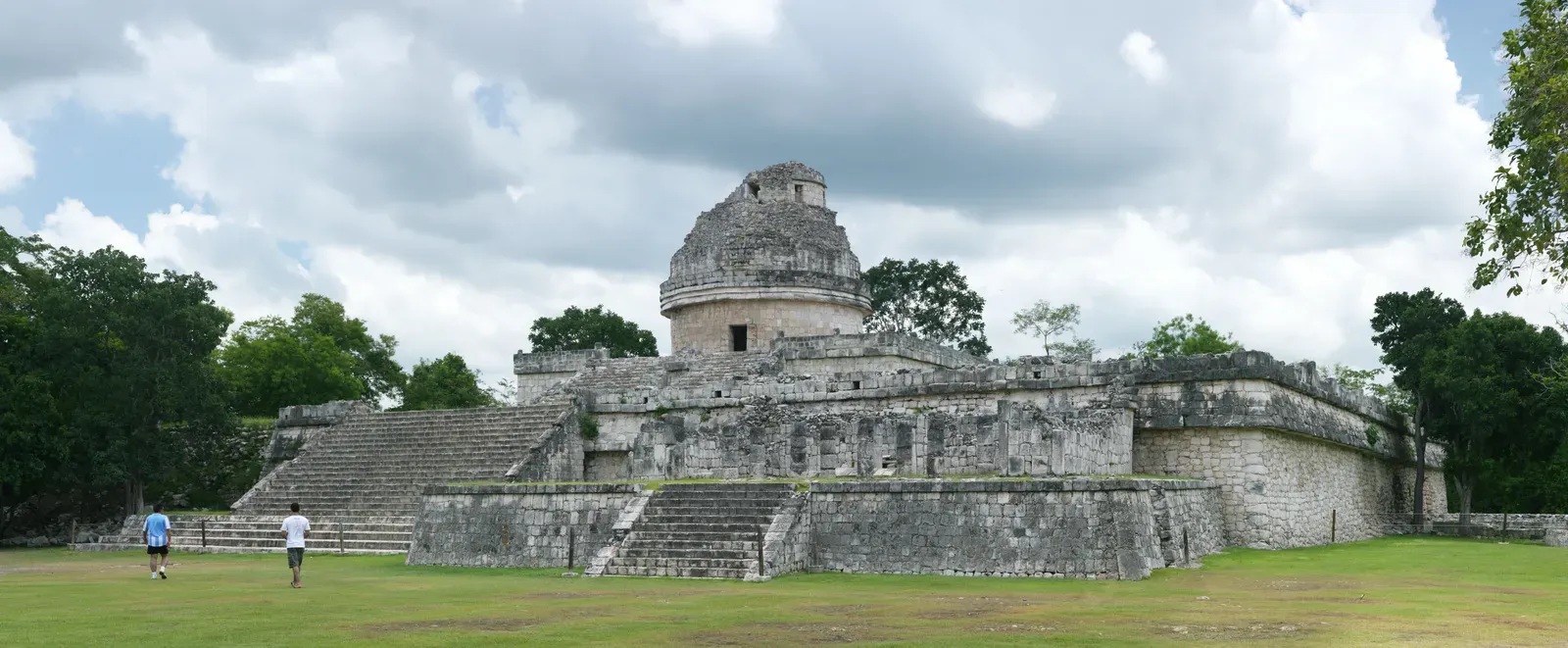
The ancient Maya are often romanticized in popular culture, sometimes reduced to a doomsday calendar and jungle temples. The truth is far more technical, and far more astonishing, than that. These were people who understood the sky with a precision that most modern observers cannot appreciate without serious study.
The Maya built cities and temples aligned to the movements of the Sun, Moon, and planets, as they observed, documented, and predicted astronomical events with great accuracy, and their sophisticated mathematical system also allowed them to develop a precise calendar system that fascinates the world to this day. The ancient Maya had the most advanced system of mathematics of any ancient civilization in the Americas, and possibly in Europe and Asia, and they were one of the first ancient cultures to use the concept of zero, which allowed them to write and calculate large sums. Zero. A concept so profound that its invention is considered one of humanity’s greatest intellectual leaps. The Maya had it.
The Indus Valley: A City Planner’s Dream from 2500 BC
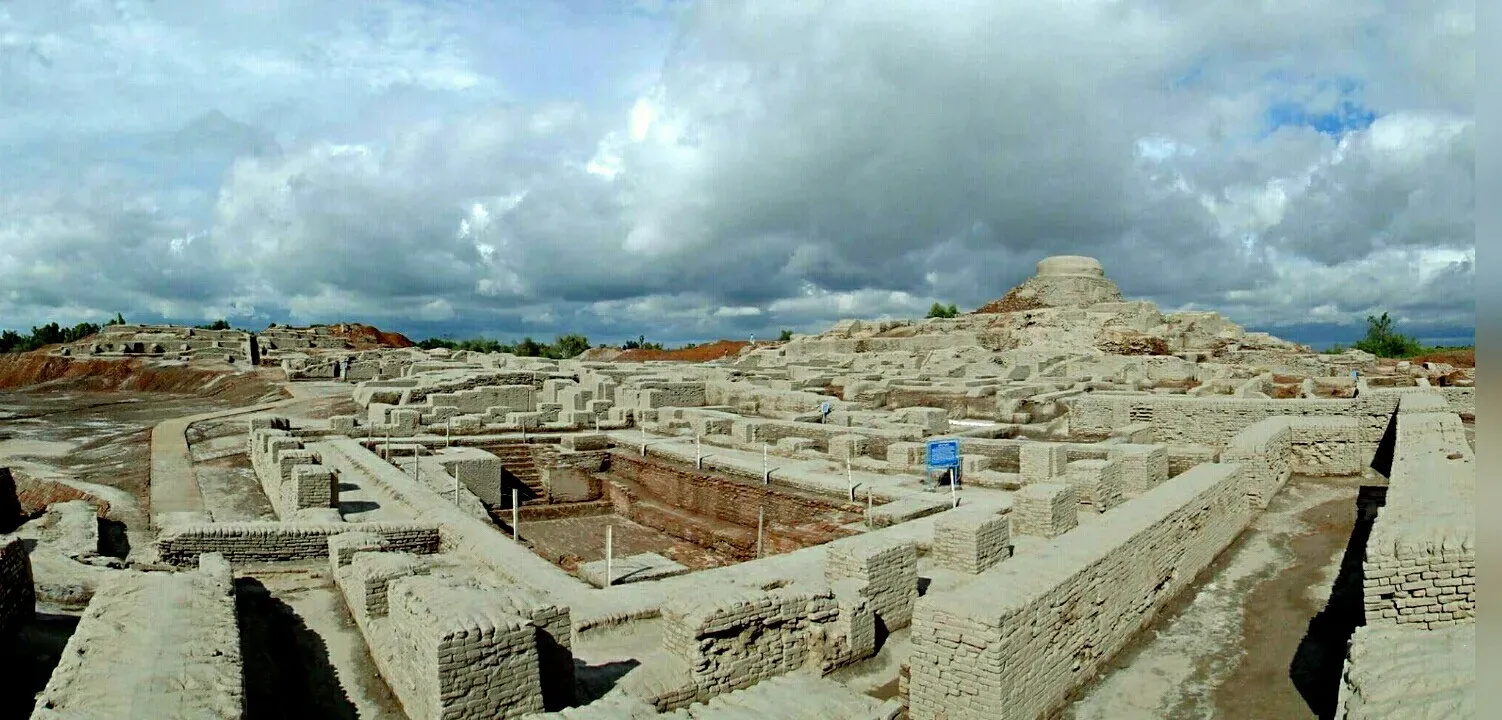
Most people can name Egypt and Greece when asked about ancient civilizations. Far fewer people know about the Indus Valley Civilization, which is a genuine shame because what archaeologists have uncovered there might be the most quietly revolutionary urban achievement in all of human history.
The cities of the ancient Indus were noted for their urban planning, baked brick houses, elaborate drainage systems, water supply systems, clusters of large non-residential buildings, and techniques of handicraft and metallurgy. The ancient Indus systems of sewerage and drainage developed and used in cities throughout the Indus region were far more advanced than any found in contemporary urban sites in the Middle East, and even more efficient than those in many areas of Pakistan and India today. Read that last part again. More efficient than some systems in use right now. That is not ancient history being politely impressive. That is ancient history being genuinely startling.
Although some houses were larger than others, Indus Valley Civilization cities were remarkable for their apparent egalitarianism, as all the houses had access to water and drainage facilities, giving the impression of a society with relatively low wealth concentration. A society that prioritized public health and equal access to clean water thousands of years ago. It almost sounds like modern urban planning theory, not Bronze Age reality.
Celestial Alignments Across Every Continent
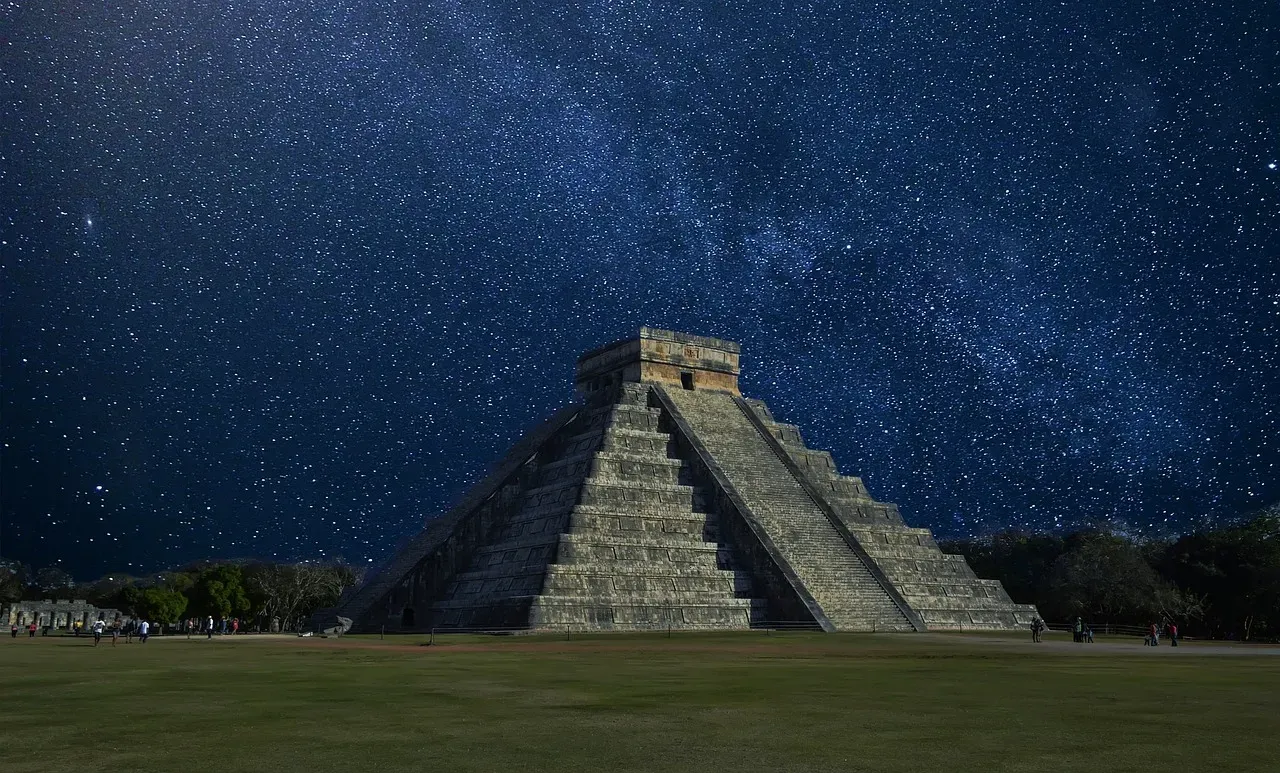
I think this might be the detail that shakes people most when they first encounter it properly. It is not just that one civilization seemed to know a lot about the sky. It is that civilizations on completely separate continents, with no documented contact, all seem to have built their greatest structures in precise alignment with celestial events.
Stonehenge in England, Chichen Itza in Mexico, and the Nabta Playa circle in Egypt all align with solstices, equinoxes, or important constellations, and at Teotihuacan the Avenue of the Dead is oriented with astronomical precision, with the megalithic observatories of ancient times suggesting not just passive observation but a deep understanding of celestial mechanics. Some sites even predict lunar standstills, events that require an eighteen-and-a-half-year cycle to observe and record, implying not only knowledge but long-term record-keeping and perhaps even a scientific tradition we have yet to fully appreciate. Think about the patience that requires. Generations of people watching, recording, and passing knowledge forward without ever fully knowing what the final picture would look like.
Lost Libraries and the Knowledge We Will Never Recover
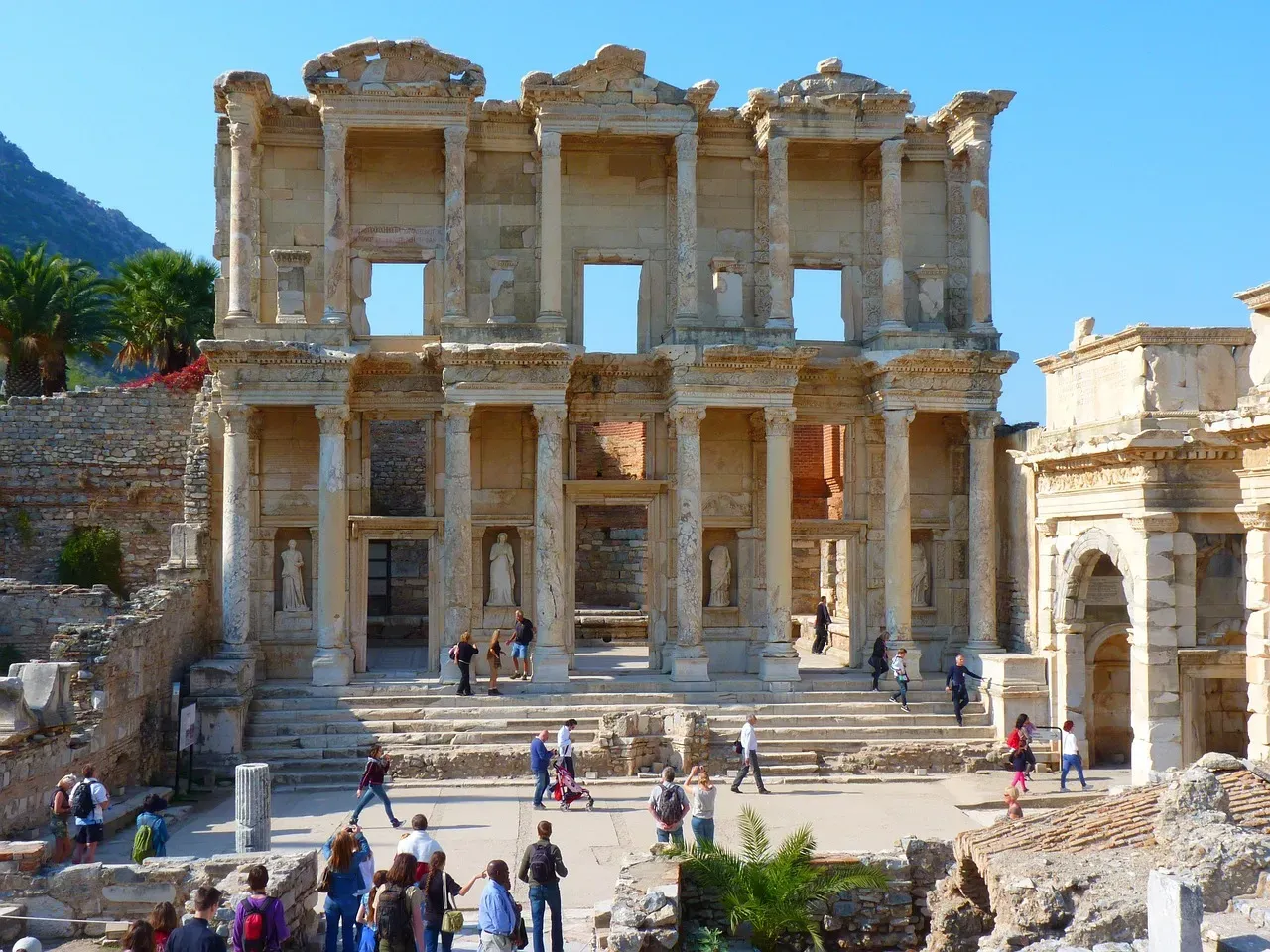
Here is a thought that keeps historians up at night. What we have found is almost certainly a fragment of what once existed. Ancient knowledge was never just stored in stone. Much of it lived in texts, scrolls, and books. The Library of Alexandria, once one of the most significant repositories of knowledge in the ancient world, was destroyed, leading to an irreparable loss of ancient texts, and many invaluable manuscripts were lost, potentially holding secrets to advanced technologies and scientific understanding.
Archaeological discoveries continue to reveal artifacts and structures that showcase an advanced understanding of mathematics, astronomy, metallurgy, and mechanical engineering, challenging conventional narratives about the linear progression of human technological development, and these discoveries compel modern scientists and historians to reevaluate their assumptions about the capabilities and knowledge of past cultures. Certain artifacts appear so advanced for their time periods that they have been labeled out-of-place artifacts by researchers struggling to understand how ancient peoples could have created such sophisticated devices without the industrial infrastructure and accumulated knowledge that modern technology requires. It is hard to say for sure how much has been lost, but the gaps in the record are telling. Every discovery raises more questions than it answers, and every destroyed library takes potential answers with it forever.
Conclusion: Rethinking What We Know About Human Intelligence
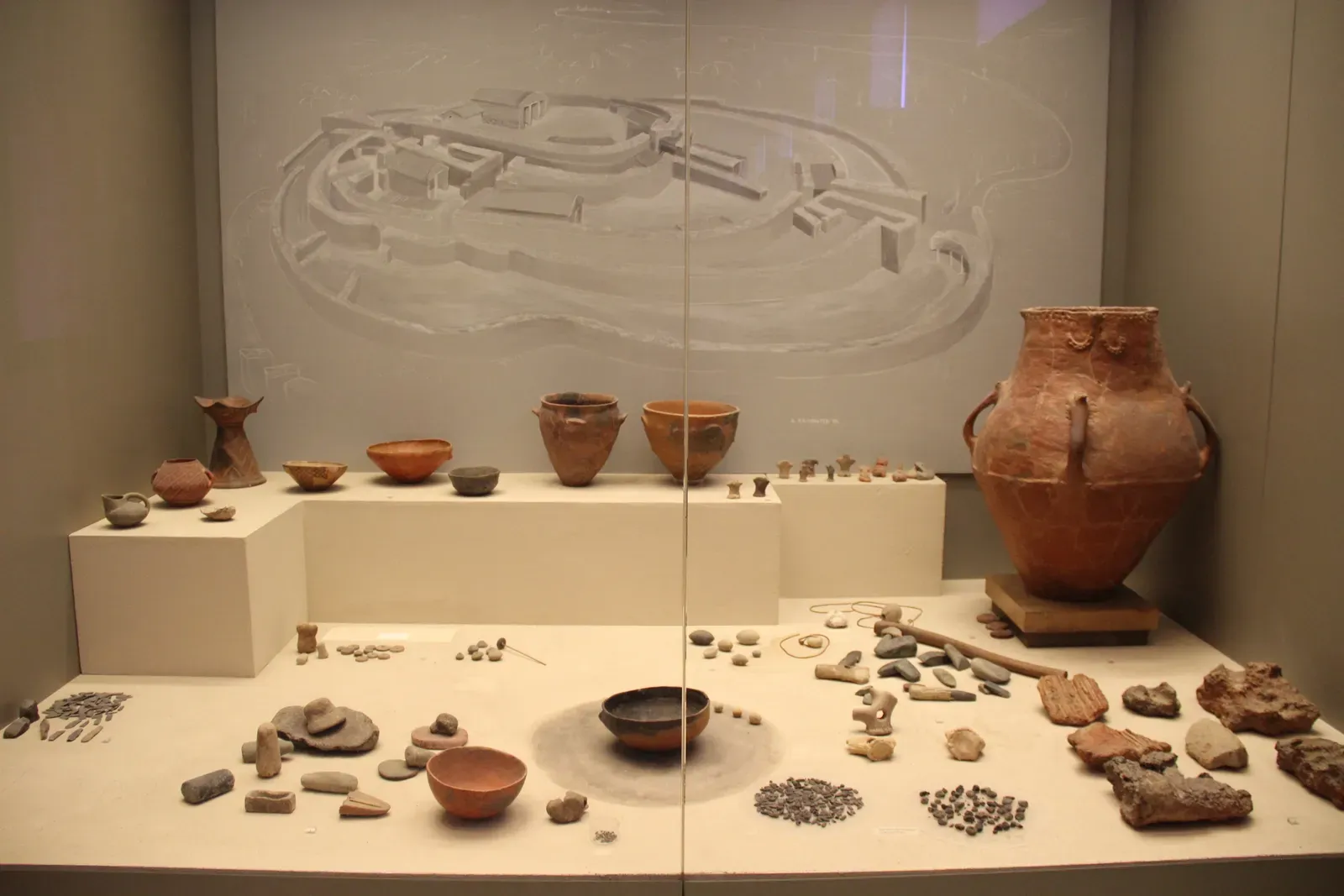
What all of this points to is a fundamentally important revision in how you should think about ancient people. They were not primitive. They were not stumbling in the dark. They were observing, measuring, building, and reasoning with a sophistication that modern civilization is only beginning to fully appreciate.
These artifacts represent far more than historical curiosities or mysterious anomalies. They demonstrate the sophisticated problem-solving capabilities, technical knowledge, and innovative thinking of ancient civilizations that challenge simplistic narratives about technological progress and human development, and each discovery forces reconsideration of assumptions about when specific capabilities emerged and how knowledge was transmitted across cultures and time periods.
The honest answer to why ancient civilizations seem to possess impossible knowledge is this: the knowledge was never truly impossible. It was earned, through centuries of careful observation, collective memory, and human ingenuity operating at full capacity. What feels impossible to us is really just a mirror held up to our own assumptions. We underestimated them because it made us feel more advanced. The evidence suggests we were wrong to do so. So here is the question worth sitting with: if civilizations this capable could rise and vanish, leaving only fragments behind, what does that tell you about the permanence of the knowledge we assume we will always have?