
Most of us try not to think about death until it barges into our lives and refuses to leave. Yet, quietly in the background, the awareness that our time is limited shapes almost everything we do: the risks we take, the art we make, the careers we chase, and the stories we tell ourselves at night. If you look closely, you start to notice a pattern: whenever humans obsess over their own mortality, creativity tends to explode.
This sounds dramatic, even a bit unsettling, but sit with it for a moment. Why do people suddenly write books after a health scare, start companies after funerals, or paint like there’s no tomorrow when they’re told their time is short? It is as if death is the ultimate creative deadline, pushing us to say, build, love, and transform more intensely than we otherwise would. Once you see that, you cannot unsee it – and the question becomes not whether death shapes creativity, but how deeply it has always been behind our most brilliant ideas.
The Psychological Shock Of Knowing We Will Die
One of the most striking things about being human is that we live with a kind of double vision: we experience ourselves as permanent from the inside, yet we know with cold clarity that we are not. Psychologists sometimes call this the paradox of mortality awareness. We can imagine our own nonexistence in vivid detail, and that realization lands like a psychological earthquake. Underneath the daily noise, there is a quiet understanding that the clock is always ticking, and that awareness generates a deep, often uncomfortable energy.
Instead of simply paralyzing us, that shock tends to demand a response: we want our lives to mean something, to add up to more than just a series of errands and emails. Out of that tension comes a drive to create – stories, songs, companies, families, social movements – that feel bigger and more lasting than our bodies. In a way, creativity becomes a coping strategy, a way of saying that while the body may end, something of us can continue in the world. When people talk about feeling a sudden urge to “do something that matters” after a funeral or a near-miss accident, they are putting words to this psychological jolt.
Mortality As The Ultimate Creative Deadline

Humans tend to procrastinate on almost everything that does not have a clear endpoint. Think about how many ideas live in notebooks and never become anything more. Death changes the equation because it sets a hard deadline, even if we do not know the exact date. That vague but unavoidable finish line makes certain questions impossible to ignore: If I am going to write that novel, when exactly am I planning to start? If I want to apologize, launch that side project, or move countries, what am I actually waiting for?
This looming deadline does not always show up as panic; often it feels like a sudden sharpening of priorities. People who come close to death often report that trivia falls away and what truly matters comes into focus. That shift naturally boosts creativity, because creative work thrives when we are forced to choose: this idea, not that one; this problem, not ten others; this risk, despite the fear. A firm deadline, even a cosmic one, pushes us to turn vague intentions into concrete actions, like finally sitting down at the piano or building the app we have been talking about for years.
How Fear Of Death Fuels Art, Storytelling, And Symbolic Immortality
Across cultures and centuries, the same themes keep crawling into our stories: heroes dying, lovers separated by fate, civilizations falling apart and being rebuilt. It is hard to find a myth, novel, or movie that is not haunted by death in some way. This is not by accident. Storytelling lets us rehearse mortality from a safe distance. When we watch a character confront loss, sacrifice, or their own end, we are secretly working through our fears. Art turns the raw fact of death into something we can look at without immediately turning away.
At the same time, creative work offers a kind of symbolic immortality. A painting, poem, building, or scientific theory can survive long after its creator is gone, carrying their ideas and personality into a future they will never see. Even small acts – a song uploaded online, a personal essay, a recipe passed down – can feel like a way of leaving fingerprints on the world. We know these things are not literal immortality, but they soften the edge of finality. When people say they hope to “leave a mark,” they are often expressing this quiet wish to outlast their own heartbeat through what they create.
The Science Of Terror Management And Creative Expression
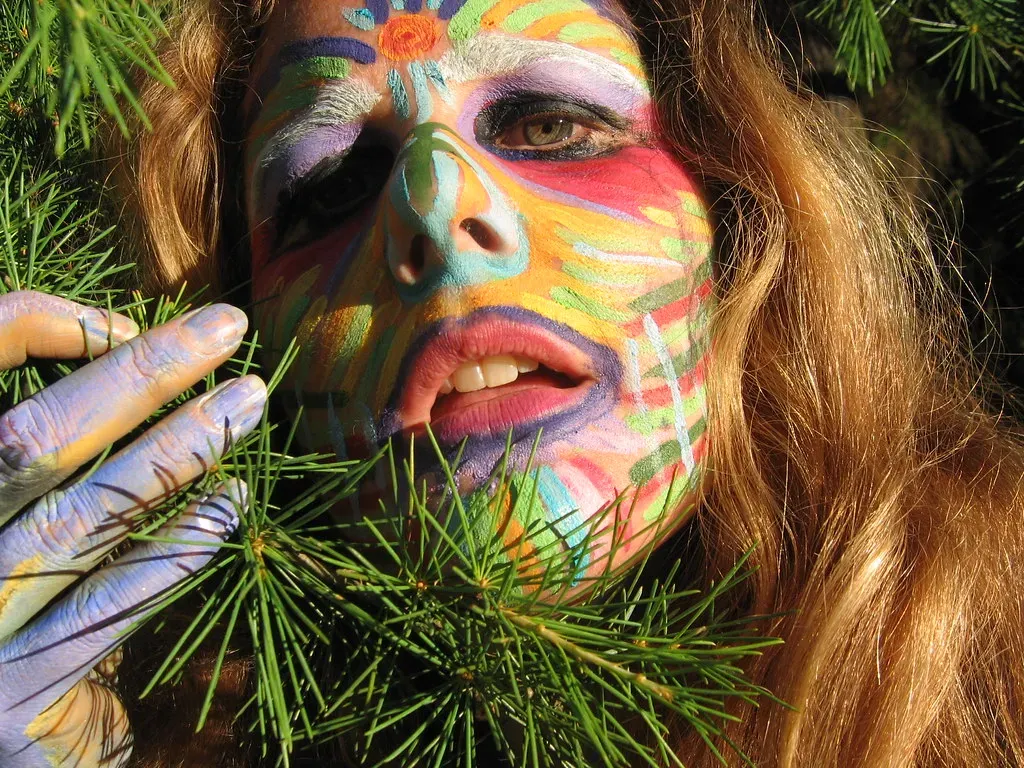
In psychology, there is a line of research sometimes called terror management theory that looks at what happens when people are reminded of their mortality. Studies have found that when the idea of death is subtly brought to mind – through a news article, a nearby cemetery, or certain questions – people often respond by leaning harder into their values, identities, and cultural worldviews. One of the ways that shows up is in greater motivation to do things that feel meaningful or lasting, including creative projects.
This does not mean that everyone paints a masterpiece the moment they think about death, obviously. The effect is more subtle and long-term. Mortality awareness seems to push people to prove, at least to themselves, that their lives are significant. Creative expression becomes one of the many tools for that: starting a social initiative, composing music, designing a product, or even curating an online presence that reflects a certain vision of self. In this sense, the fear of death is not just a dark cloud hanging over humanity; it is also a hidden engine encouraging us to build, express, and innovate.
Why Finite Time Makes Our Choices More Creative
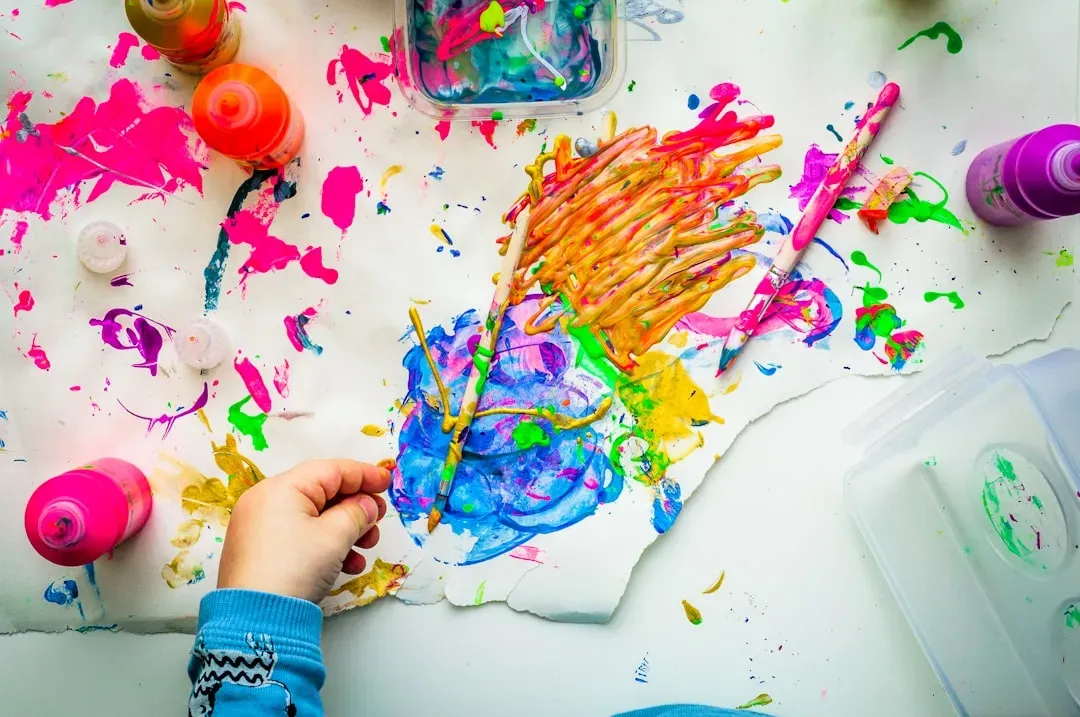
Paradoxically, the fact that we do not have unlimited time can expand our imagination instead of shrinking it. When you realize you cannot do everything, you are forced to ask deeper questions about what you truly want to do with the time you have. That pressure can be creatively liberating. It pushes us away from autopilot and toward intentional experimentation: changing careers in midlife, learning a new craft later than expected, or moving to a different country even when it feels socially risky.
There is also something about scarcity that sharpens creativity. Limited time works like limited resources: when you cannot have it all, you start mixing and matching in original ways. People combine skills, roles, and interests that do not usually go together – engineer and musician, parent and activist, coder and poet – because they want to squeeze as much meaning and variety as possible into one lifetime. Without the pressure of an ending, many of those unconventional, beautiful combinations might never be attempted.
Grief, Loss, And The Creative Rebuilding Of Identity
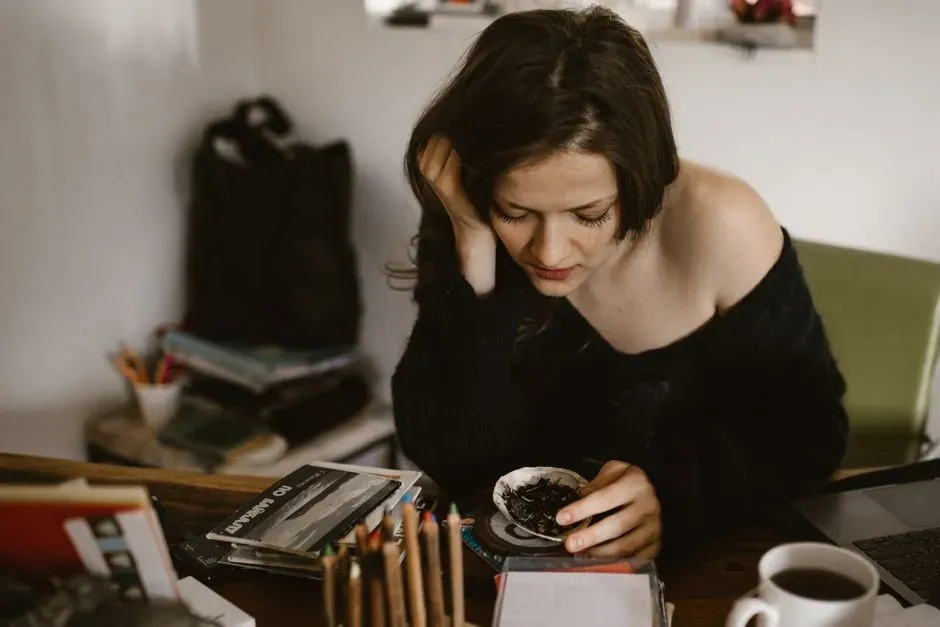
When someone close to us dies, it is not just their absence we have to cope with; it is the collapse of the version of reality that included them. That kind of grief often forces a complete renovation of our inner world. And in that painful renovation, creativity frequently becomes both a tool and a lifeline. People journal obsessively, write songs, start foundations, plant gardens, or create art to make sense of a world that no longer fits the old story.
On a psychological level, loss can shatter our previous identity: who am I without this person, this role, this future we planned? Crafting something new – whether it is a poem or a project – is one way of slowly weaving a different answer. Creativity lets us take fragments of memory and pain and reorganize them into something that, while not erasing the loss, gives it shape and voice. In that sense, death does not just end certain stories; it also compels the writing of new ones, often more honest and more deeply felt than what came before.
Culture, Ritual, And Collective Innovation Around Death
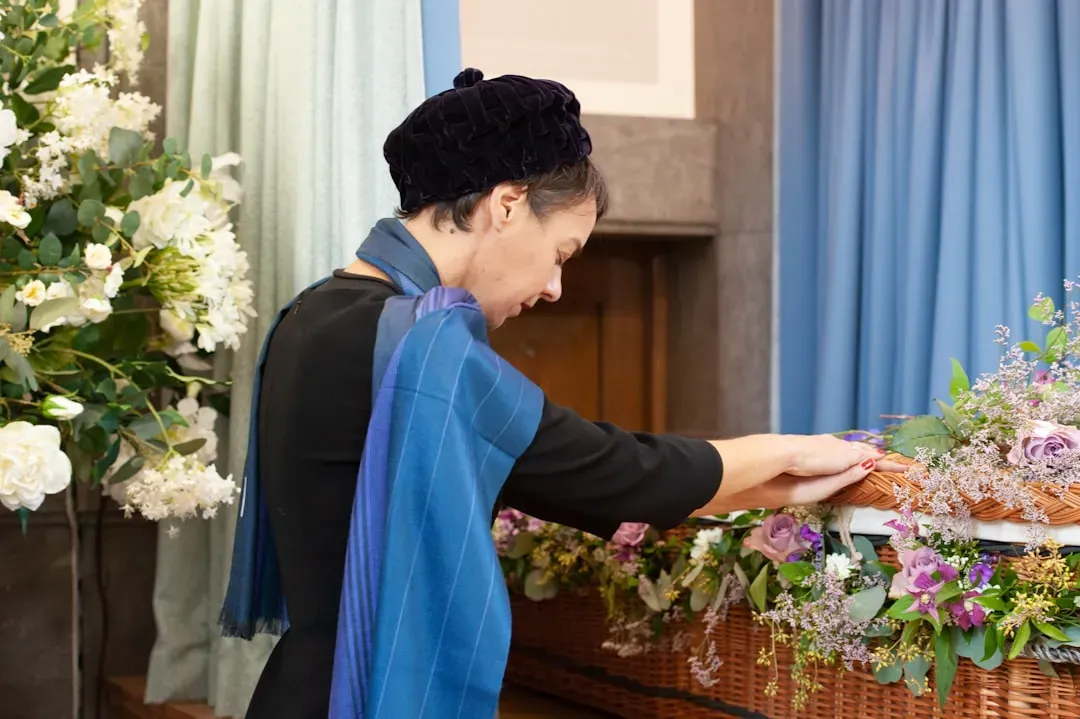
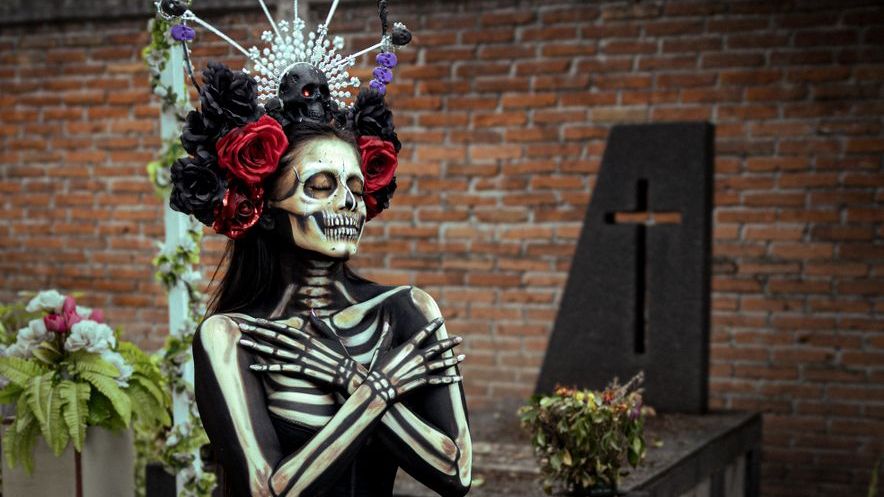
Death has not only shaped individual creativity; it has also driven collective innovation across societies. Funeral rites, mourning rituals, memorials, and religious ceremonies are all, in their own way, creative responses to mortality. Communities design architecture, music, clothing, and traditions specifically to honor the dead and comfort the living. Over generations, these practices evolve, blending old and new elements, and they become some of the richest cultural expressions we have.
Modern life continues this pattern in surprising forms. Digital memorial pages, online tribute videos, and even new ways of handling remains – such as eco-friendly burials or turning ashes into objects – show how societies keep inventing fresh responses to an ancient reality. These practices might seem purely practical or symbolic on the surface, but under them lies the same creative impulse: to make meaning out of something that otherwise feels brutally senseless. Death pushes cultures, not just individuals, to constantly reimagine how to face the unfaceable and still move forward together.
Living More Boldly Because There Is An Ending
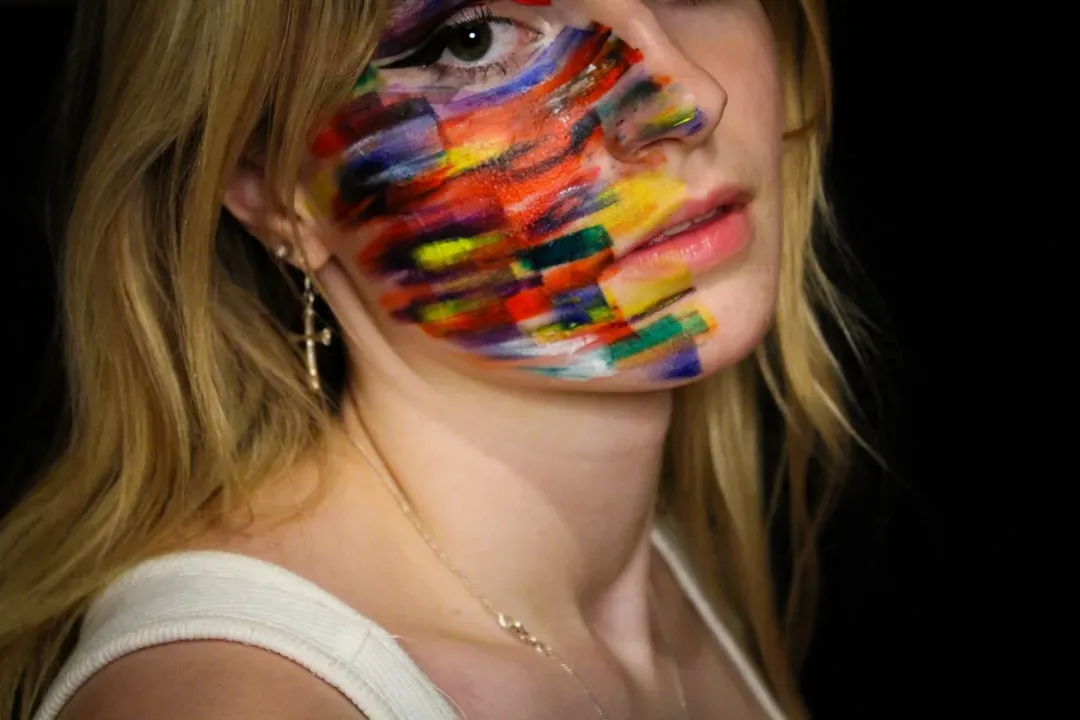
When people are asked what they regret near the end of life, they often mention the things they did not do rather than the mistakes they made trying. That pattern hints at a strange gift buried inside our awareness of death: the permission to be bolder. Knowing that time is short can make you more willing to write the risky book, start the weird business, make the unconventional art, or tell someone how you actually feel. Without the illusion of endless tomorrows, today’s chances suddenly feel more precious.
On a smaller scale, this shows up in everyday decisions: choosing to prioritize creative hobbies, saying no to draining obligations, or finally sharing your work publicly instead of keeping it in a private folder. Each of these choices is a quiet rebellion against the idea of wasting the time you have. In that way, the presence of death in the background does not just cast a shadow; it also throws a spotlight on what matters most, urging you to step into it, even if your hands are shaking.
Conclusion: Embracing Death As The Unlikely Muse Of A Meaningful Life
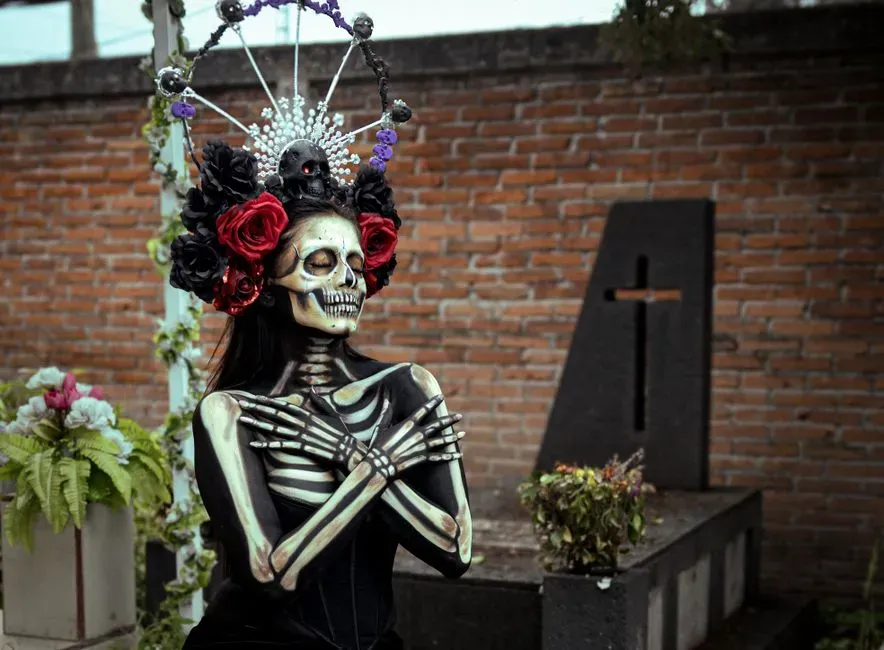
It is tempting to imagine that creativity springs only from joy, curiosity, or inspiration, but the truth is messier and more human. The knowledge that we will die sits behind so many of our boldest moves and deepest works, like a quiet producer in the shadows. It sets the deadline, sharpens our choices, shapes our stories, and pushes us to turn raw fear and grief into something shareable and, sometimes, beautiful. Without that pressure, many of the things we celebrate as the height of human achievement might never have felt urgent enough to pursue.
Personally, I find this both unsettling and strangely comforting. Unsettling, because it means that the most terrifying fact of existence is also deeply woven into what makes life rich; comforting, because it suggests that our anxiety about death is not a flaw to be fixed but a force we can channel. We do not get to choose whether we are mortal, but we do get to choose what we do in response. If death is, in a way, our greatest creative driver, then maybe the real question is not how to ignore it, but how to let it push us toward the work, connections, and risks that make our one wild, temporary life feel truly our own. What might you finally dare to create if you stopped pretending you had forever?