Have you ever wondered what it would be like if your gender could shift with the tides? In the bustling world beneath the waves, clownfish live this reality every day. With their vibrant orange bodies darting among sea anemones, these tiny fish have mastered a biology trick that baffles and amazes: they can change sex. This isn’t some rare anomaly—it’s a vital strategy for survival. Imagine a world where family roles aren’t set in stone, where nature itself decides who becomes mother or father. The story of the clownfish is one of resilience, adaptability, and the breathtaking creativity of evolution. Let’s dive into the hidden drama unfolding in the coral reefs and discover why clownfish change sex—a story that challenges everything we think we know about gender, life, and survival in the ocean’s mysterious depths.
The Secret World of Clownfish

Clownfish are more than just the charming stars of animated movies. Living in close partnership with sea anemones, they create vibrant underwater communities across tropical reefs. Their daily lives are filled with danger and drama—dodging predators, searching for food, and defending their homes. Yet, beneath their playful exterior lies a hidden complexity. Each group of clownfish follows a strict social order, with every member playing a specific role. This structure is key to understanding why their sex changes are not only possible but necessary. Within these tiny fish, nature has crafted a society both intricate and endlessly fascinating.
Understanding Sequential Hermaphroditism

Clownfish are sequential hermaphrodites, a scientific term that means they can change sex during their lifetime. Unlike humans, where gender is set at birth, clownfish begin life as males and have the potential to become females. This process is called protandry. The switch is not random or whimsical—it’s triggered by specific social cues within their group. Sequential hermaphroditism is a remarkable adaptation found in various marine species, but clownfish take it to an entirely new level. Their ability to fluidly move between genders challenges our traditional ideas about biology and identity.
The Role of Social Hierarchy

Within every clownfish group, there’s a social pecking order that governs daily life. At the top sits the largest, most dominant fish—the female. Just below her is the breeding male, followed by several smaller, non-breeding males. If the female dies or disappears, the breeding male undergoes physical and hormonal changes to become the new female. The largest non-breeding male then steps up to become the new breeding male. This clear chain of succession ensures the group’s survival, making the sex change a practical and necessary response to changing circumstances.
How the Sex Change Happens

The transformation from male to female in clownfish is nothing short of astonishing. When the dominant female is lost, the breeding male’s body begins to change. Hormones surge, triggering the development of female reproductive organs while male organs recede. This process can take several days to complete. During this time, the fish’s behavior and appearance may also shift. The change is irreversible—once a clownfish becomes female, it will never switch back. This biological flexibility is a testament to evolution’s ingenuity and the power of adaptation.
Why Change Sex? The Evolutionary Advantage

Why go through all this trouble to change sex? The answer lies in maximizing reproductive success. In the wild, large females can lay more eggs, increasing the group’s chances of survival. By ensuring that the biggest fish is always female, clownfish make the most of their limited resources. This system also prevents conflict—there’s no need for power struggles when roles are clearly defined and everyone knows their place. It’s an elegant solution to the challenges of life on the reef, honed by millions of years of evolution.
The Importance of Size in Clownfish Society

In the world of clownfish, size really does matter. The largest individual always takes on the female role, while the second largest becomes the breeding male. The rest remain smaller and non-breeding, waiting for their chance to move up the hierarchy. This size-based system keeps the group stable and ensures that only the fittest individuals reproduce. It’s a bit like a waiting game, where patience and growth are rewarded with greater responsibility. This orderly system reduces conflict and helps the group thrive in their unpredictable environment.
The Science Behind Hormonal Changes

The sex change in clownfish is driven by sophisticated hormonal shifts. When the female disappears, the breeding male’s body halts the production of male hormones and ramps up the creation of estrogen. This triggers the development of ovaries and the gradual loss of testes. The process is tightly regulated by the brain, responding to the social cues within the group. Scientists are still unraveling the details, but what’s clear is that clownfish possess an extraordinary ability to rewire their own biology in response to social needs.
Clownfish and Sea Anemone Symbiosis

Clownfish wouldn’t survive without their sea anemone partners. The anemone’s stinging tentacles provide a safe haven from predators, while the clownfish keep the anemone clean and bring in food. This mutually beneficial relationship makes the social structure of clownfish even more important. If the group loses its breeding female, it risks collapsing—and with it, the protection of the anemone. The ability to change sex ensures continuity, keeping both the clownfish and their anemone allies safe and sound.
Nature’s Gender Fluidity: Not Just Clownfish
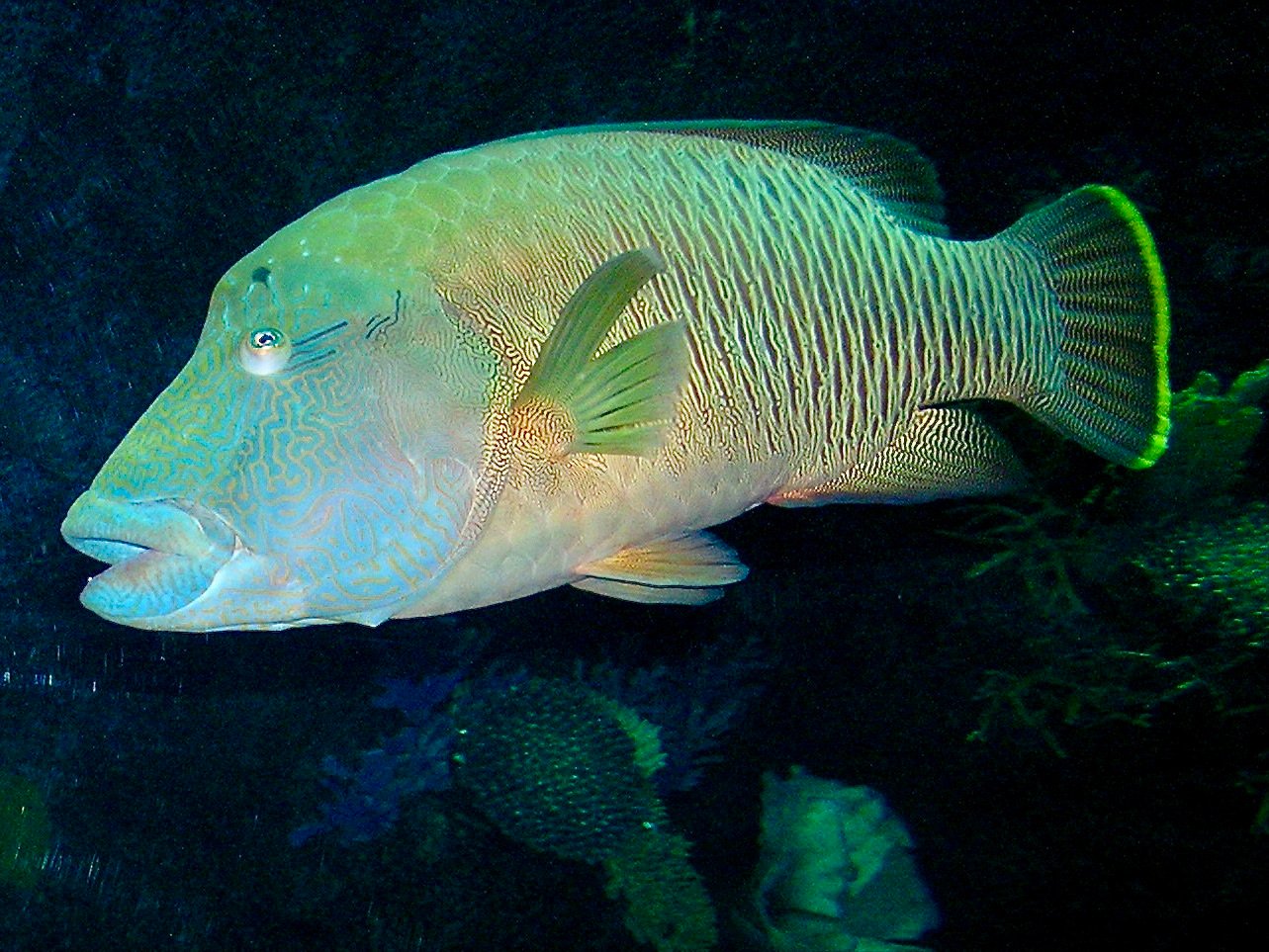
Clownfish aren’t the only creatures in the ocean to change sex. Other fish, like wrasses and groupers, also switch genders as a survival strategy. Some species even change from female to male, a process called protogyny. This widespread phenomenon shows that gender fluidity is a powerful tool in nature’s arsenal. In the unpredictable world beneath the waves, flexibility can mean the difference between extinction and survival. Clownfish are simply one of the most visible—and charming—examples.
The Impact of Climate Change on Clownfish

Rising ocean temperatures and coral bleaching threaten clownfish habitats worldwide. As reefs decline, the close-knit communities of clownfish and their anemones are at risk. Stressful environments can also disrupt social hierarchies, making it harder for clownfish to change sex when needed. Scientists worry that if these pressures continue, clownfish populations could decline. Protecting their habitats isn’t just about saving a single species—it’s about preserving the delicate balance that allows these amazing life cycles to unfold.
Clownfish in Popular Culture
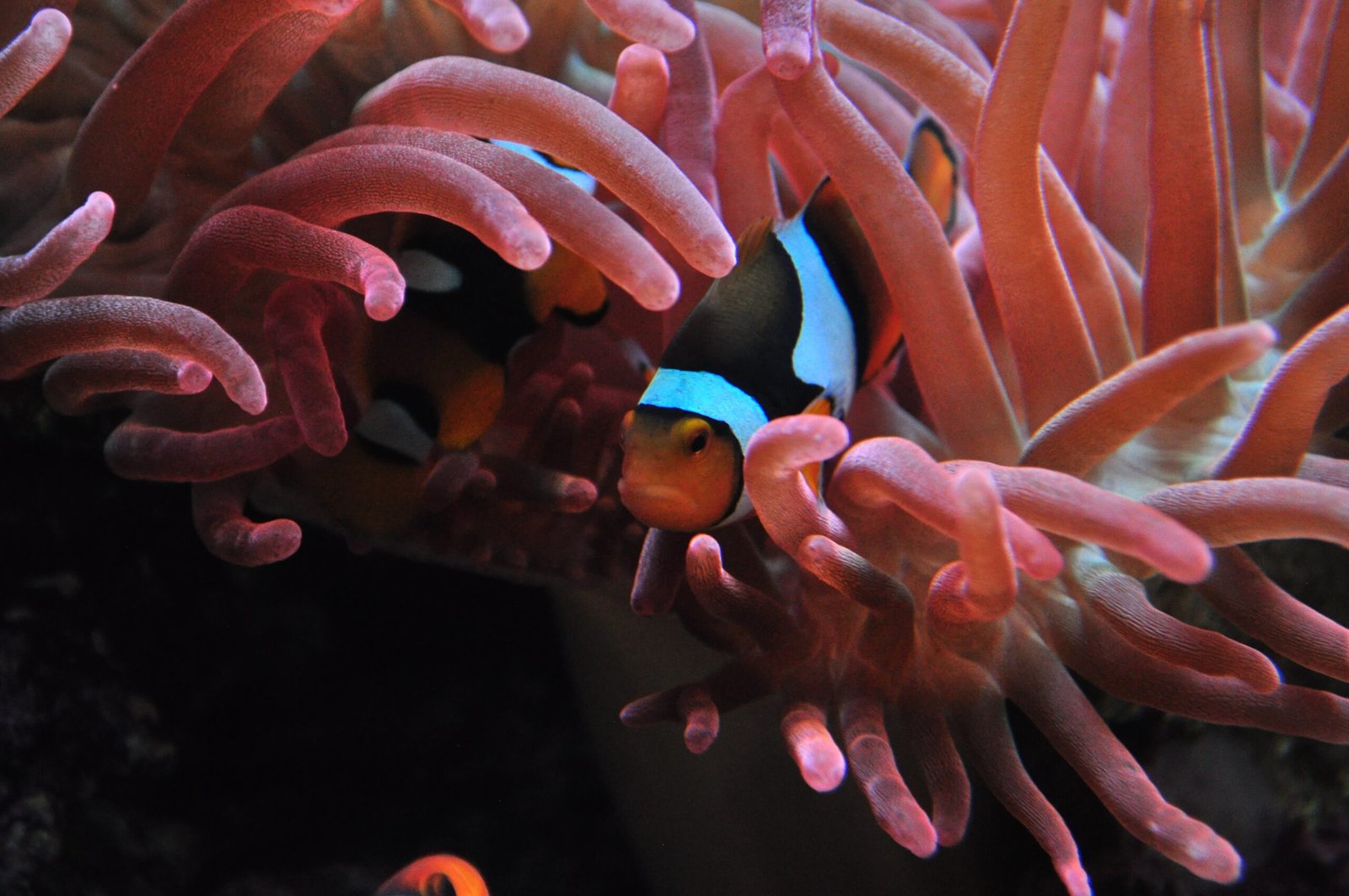
Thanks to movies and documentaries, clownfish have captured the hearts of people everywhere. Their bright colors and playful antics make them favorites in aquariums and classrooms. But beyond the cartoons, the real story of clownfish sex change is even more fascinating. When audiences learn about their gender fluidity, it often sparks a sense of wonder and surprise. Suddenly, these familiar fish seem a lot more mysterious—and a lot more impressive.
What Clownfish Teach Us About Adaptation

Clownfish remind us that nature rarely fits into neat categories. Their ability to change sex is a lesson in adaptation, showing how life can adjust to new challenges in creative ways. Whether it’s swapping roles or shifting bodies, clownfish demonstrate the power of flexibility. This trait helps them navigate a world filled with uncertainty, predators, and shifting alliances. In their own small way, clownfish are champions of change.
The Fascinating Life Cycle of Clownfish
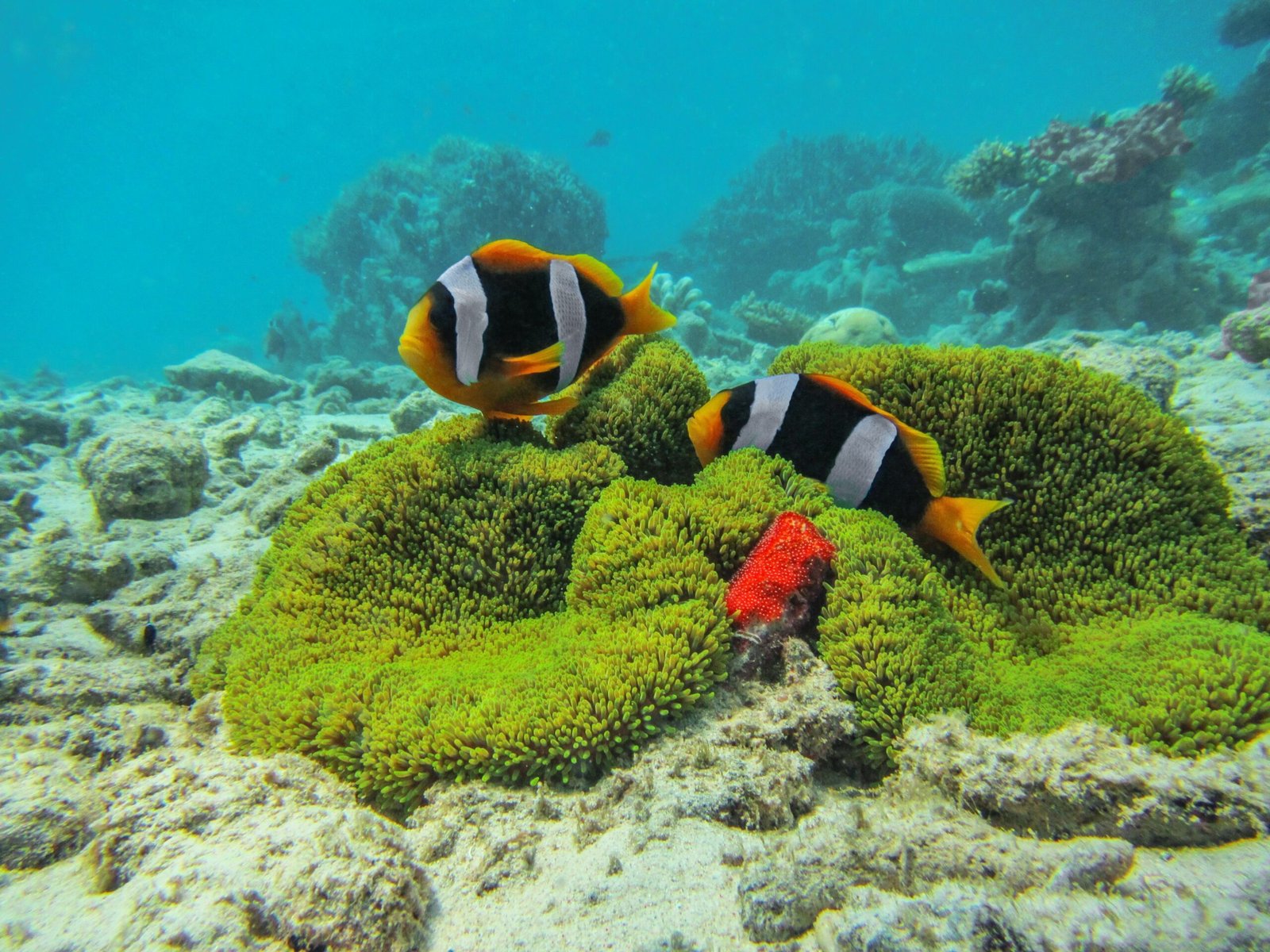
The journey of a clownfish begins as a tiny, drifting larva in the open ocean. After a perilous journey, the lucky few find a welcoming anemone to call home. Here, they join a group and settle into their social roles. Each stage of life brings new challenges and opportunities, from fighting for scraps to vying for dominance. The ability to change sex adds another layer of complexity, ensuring that the group always has a leader and a future. It’s a life shaped by both risk and resilience.
Research and Discoveries: What’s Next?

Scientists continue to uncover new details about clownfish biology. Advanced imaging and genetic studies are revealing how hormones and genes interact during the sex change process. Researchers are also studying how environmental stressors, like pollution and climate change, impact clownfish social structures. Every discovery adds another piece to the puzzle, helping us understand not only clownfish but the broader mechanics of animal adaptation. The more we learn, the more we realize just how intricate and interconnected life in the ocean can be.
Clownfish as a Symbol of Diversity

In recent years, the story of the clownfish has resonated beyond the world of science. Their ability to shift genders has inspired conversations about diversity, identity, and acceptance in human society. While we shouldn’t draw direct parallels, the lessons of clownfish remind us that fluidity and adaptability are strengths, not weaknesses. Their example encourages us to embrace difference and see value in flexibility—whether in nature or our own lives.
Conservation Efforts and the Future
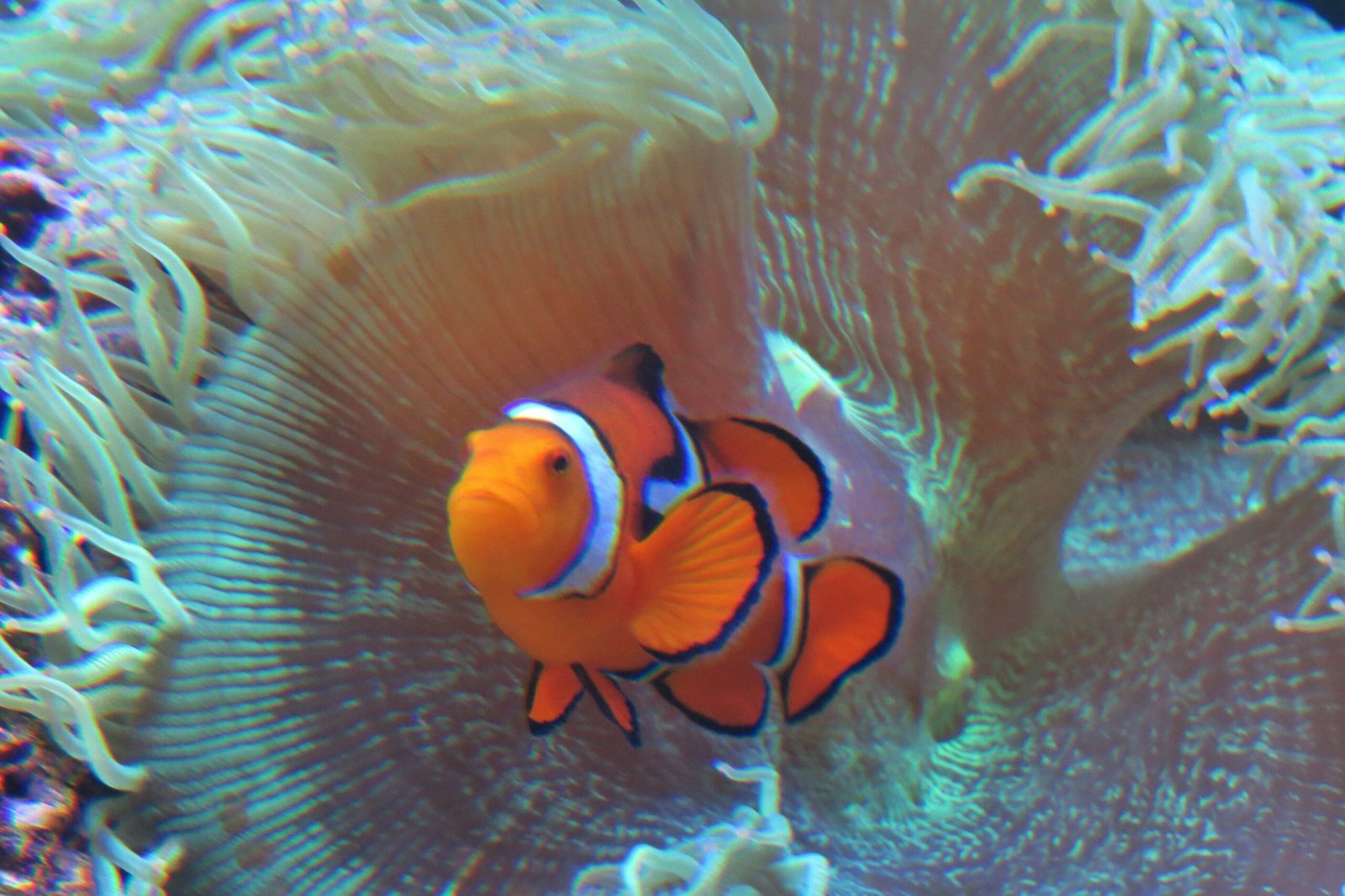
Protecting clownfish means preserving the health of coral reefs and their delicate ecosystems. Conservationists work to reduce pollution, combat climate change, and restore damaged habitats. Public awareness campaigns highlight the importance of these efforts, reminding us that every creature plays a role in the ocean’s story. By safeguarding clownfish, we help ensure that future generations can marvel at their remarkable biology and witness the wonders of gender fluidity in the wild.
What We Can Learn from the Clownfish
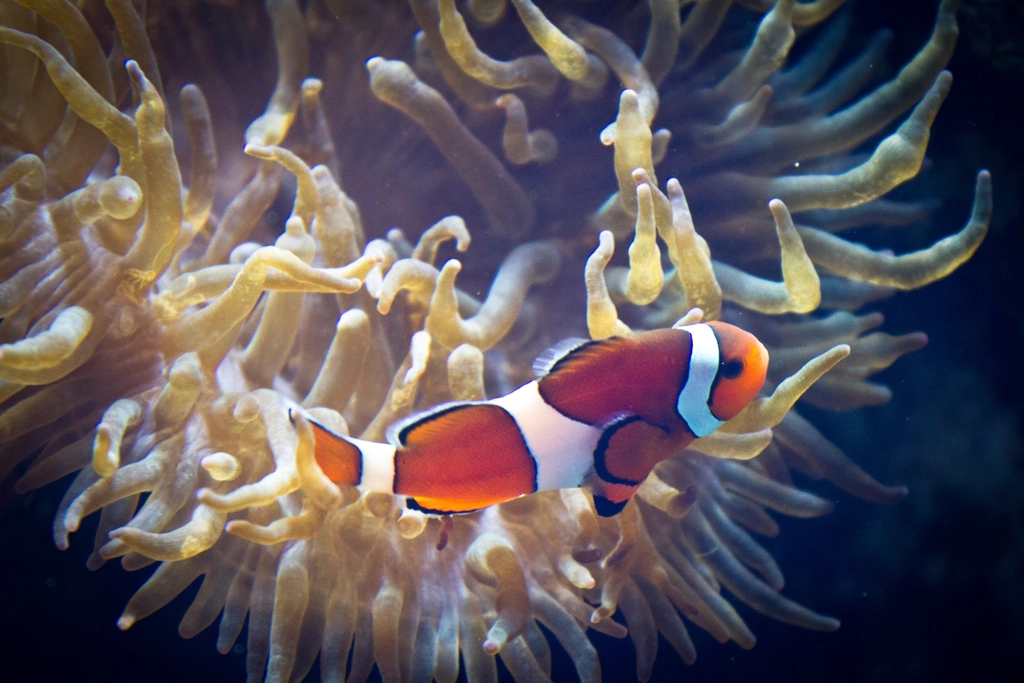
The next time you see a clownfish darting among anemones, remember the hidden world beneath its cheerful exterior. These fish are living proof that nature is full of surprises, and that adaptability can be the key to survival. Their story challenges us to rethink our assumptions about life, gender, and resilience. What other secrets might the ocean be hiding, just waiting for us to discover?