
Have you ever watched a chameleon and thought it was a living, breathing magic trick? For centuries, people have believed these reptiles are true masters of disguise, blending seamlessly into their surroundings like something out of a spy movie. But what if the real story is even more fascinating—and a little less like the movies? The truth is, chameleons don’t actually change color to match their backgrounds. Their color-shifting talents have a much deeper purpose, rooted in biology, emotion, and evolution. Prepare to be surprised, because what you think you know about chameleons is about to be turned upside down.
The Myth of Perfect Camouflage

It’s a classic scene: a chameleon perched on a green leaf, instantly turning as green as the foliage. Many of us grew up believing that chameleons are nature’s ultimate shapeshifters, able to become invisible by mimicking whatever they touch. This myth has been fueled by cartoons, movies, and even science textbooks. But in reality, chameleons rarely match their backgrounds with such precision. Their color changes are less about hiding from predators and more about communicating with each other and controlling their internal temperature. The idea of perfect camouflage is more legend than fact, but the real story is even more remarkable.
Biology Beneath the Skin: How Do Chameleons Change Color?
Chameleons have a layer of special cells in their skin called chromatophores and iridophores. These cells contain different pigments and tiny crystals that reflect light in various ways. By expanding or contracting these cells, chameleons can shift the wavelengths of light their skin reflects, resulting in dazzling color changes. Unlike an artist mixing paint, chameleons’ colors are manipulated by microscopic shifts in cellular structure. It’s a bit like a kaleidoscope built right into their skin. This ability is complex and highly evolved, and it’s controlled by the animal’s nervous system.
Communication: The True Purpose of Color Change
One of the most surprising facts about chameleon color changes is that they use color as a language. When two males face off, they often display dramatic colors to threaten or challenge each other. Males may turn bright yellow or orange to signal dominance, while more muted tones can indicate submission or peaceful intent. Females also use color to communicate their reproductive status, displaying specific patterns and hues when they are ready to mate or want to ward off suitors. In this way, chameleons’ color changes are more like a mood ring than a camouflage cloak.
Emotion on Display: Mood and Stress
Chameleons wear their hearts on their sleeves—or more accurately, on their skin. When stressed, frightened, or angry, these reptiles can darken their colors or flash vivid patterns. A chameleon confronted with a predator might not try to blend in but instead display bold, contrasting colors as a warning sign. This emotional coloring is a rapid and visible response to what’s happening inside the animal’s mind. It’s almost like watching a living emotion chart, with color shifts that can happen in seconds.
Thermoregulation: Colors for Comfort
Temperature plays a crucial role in a chameleon’s life, and color change helps them manage it. When a chameleon is cold, it may turn darker, absorbing more sunlight and warming up more quickly. On the other hand, if it gets too hot, it can become paler, reflecting sunlight and cooling down. This process, known as thermoregulation, is vital for their survival, especially since chameleons are cold-blooded and rely on external heat sources. Their color-changing ability is a natural thermostat, ensuring they stay comfortable in ever-changing environments.
Species Differences: Not All Chameleons Are Equal
Not all chameleons have the same flair for color change. Some species, like the famous Panther Chameleon of Madagascar, can display an astonishing rainbow of colors, while others may only shift between shades of brown, gray, or green. This variation depends on their habitat, evolutionary history, and lifestyle. For example, chameleons living in dense forests may have more dramatic color shifts for communication, while those in arid regions rely more on subtle changes for temperature regulation. The diversity among chameleon species is as colorful as their skin.
Camouflage: Sometimes, But Not Always
While chameleons can, on occasion, blend in with their surroundings, it’s not their primary strategy for avoiding predators. Some species do use camouflage, especially when they’re resting or feeling threatened, but it is not the main reason for their color-changing superpower. More often, young chameleons and less colorful species rely on staying still and matching their natural environment, rather than actively switching colors to mimic every leaf or branch. In nature, standing still is often the best way to go unnoticed.
Evolution’s Palette: Why Color Change Developed
The evolution of color change in chameleons is a story written over millions of years. Fossil records and genetic studies suggest that their ancestors may have started with simple, mood-based color shifts. Over time, those abilities became more complex, serving new functions like mating displays and temperature control. The pressure to communicate, attract mates, and survive changing climates drove the development of their unique color-changing cells. Evolution didn’t give them this ability for camouflage alone, but as a multi-functional tool for survival.
Chameleons in Popular Culture

Chameleons have become symbols of adaptability and stealth in movies, cartoons, and advertising. From animated films to superhero stories, they’re often depicted as sneaky creatures who can melt into any scene. While this image is fun, it doesn’t do justice to the real science behind their abilities. The myth persists because it’s captivating, but understanding the true reasons behind their color changes adds a new layer of wonder to these already amazing animals.
Real-World Observations: What Researchers See

Scientists studying chameleons in the wild notice that their color changes are most frequent during social interactions, not when hiding from predators. Field observations often record chameleons flashing their brightest colors when confronting rivals or attracting mates, while remaining relatively dull and static otherwise. Researchers use high-speed cameras and spectrometers to analyze these changes, revealing patterns and rhythms in color shifts that are invisible to the naked eye. These studies help unravel the mysteries of chameleon communication.
The Role of Light and Environment
The environment does play a role in chameleon coloration, just not in the way most people think. The quality of light, humidity, and even the color of nearby objects can influence how a chameleon’s colors appear. However, rather than copying the background, chameleons adjust their colors based on what’s happening internally—like mood or temperature. Their skin reflects and refracts light in unique ways, sometimes creating iridescent effects or subtle color shifts that are more about physics than camouflage.
Predators and Survival Strategies
Despite not being perfect mimics, chameleons have evolved other survival strategies beyond color change. Their slow, swaying movements mimic the rustling of leaves in the wind, helping them avoid detection. When threatened, some chameleons will puff up, hiss, or even change to stark, contrasting colors as a threat display. These tactics, combined with their keen eyesight and prehensile tails, make them resourceful survivors even without perfect background-matching abilities.
The Power of Perception: How Chameleons See
Chameleons have some of the most remarkable eyes in the animal kingdom. Each eye can move independently, allowing them to scan nearly 360 degrees around their body. Their vision is adapted for spotting prey and rivals, and they can see a wider range of colors than humans, including ultraviolet light. This enhanced perception helps them gauge the mood and intentions of other chameleons, making color-based communication even more effective.
Hormones and Color Change
The process of color change is closely tied to hormones in the chameleon’s body. Hormones like adrenaline and melanin-stimulating hormone can trigger rapid shifts in color, especially in response to stress, excitement, or environmental cues. These hormonal responses are automatic, happening within seconds, and are controlled by the animal’s nervous system. It’s a finely tuned process, balancing biology and behavior in a way that few other animals can match.
Chameleons as Pets: What Owners Notice
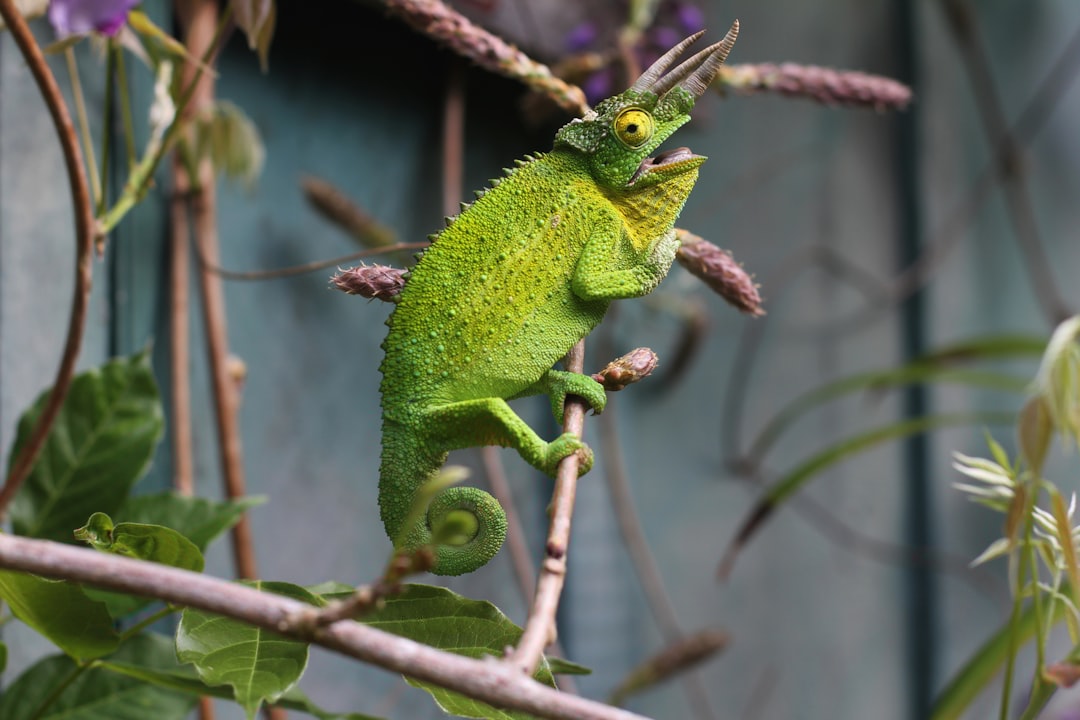
People who keep chameleons as pets quickly learn that their color changes are more about health, mood, and comfort than hiding. A happy, healthy chameleon shows vibrant, consistent colors, while a stressed or sick animal may become dull or blotchy. Pet owners often watch for these visual cues to judge their animal’s well-being. Watching a chameleon change color in captivity is a daily reminder that these creatures are far more expressive than most people realize.
Misconceptions in Education
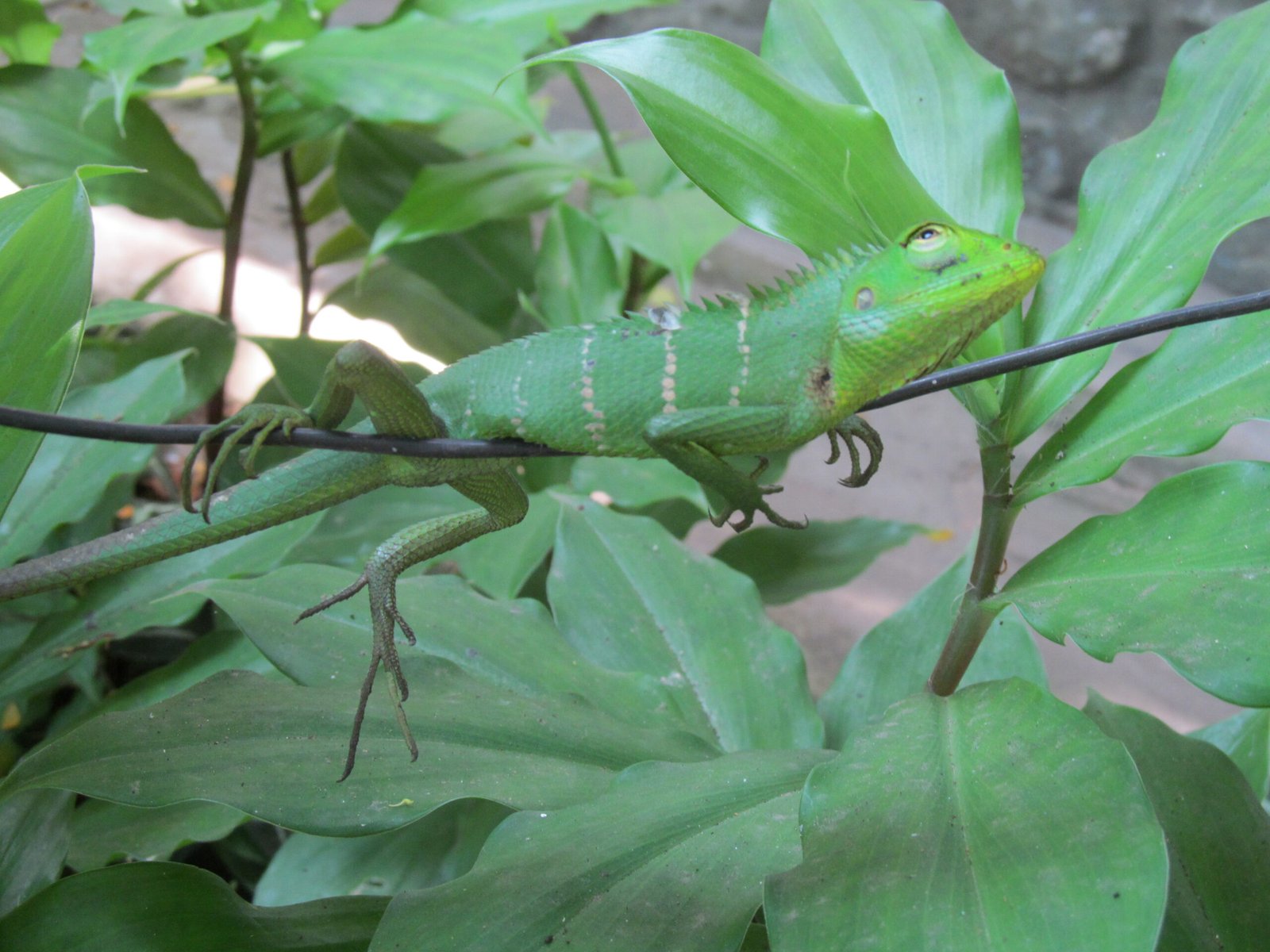
School textbooks and children’s books often repeat the myth that chameleons change color to blend perfectly with their surroundings. This oversimplification can lead to confusion and missed opportunities to teach about animal behavior, communication, and adaptation. Some educators are now working to update materials and share the real science behind chameleon color change, sparking curiosity and encouraging kids to ask deeper questions about the natural world.
Comparisons with Other Color-Changing Animals
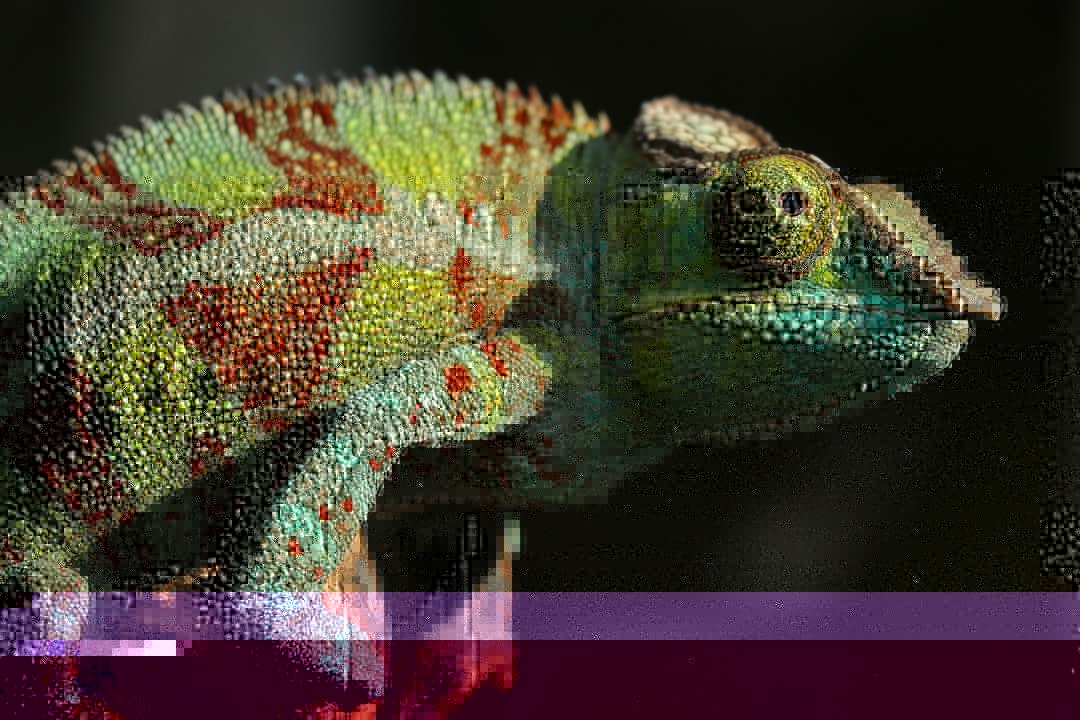
Chameleons aren’t alone in their color-changing abilities. Octopuses, cuttlefish, and some frogs can also shift their colors, but they do so for different reasons. For example, cephalopods are true masters of camouflage, using their skin to mimic textures and colors almost instantly. In contrast, chameleons mainly use their colors for communication and thermoregulation. Comparing these animals highlights the diversity of nature’s solutions to survival challenges.
Genetics: The Blueprint of Color Change

The genetic basis for color change in chameleons is a hot topic in scientific research. Genes control the development and function of chromatophores and iridophores, determining the range and intensity of colors an individual can display. Some chameleons are born with genetic mutations that limit their color-changing abilities, while others inherit vibrant palettes from their parents. Understanding these genetic mechanisms could unlock new insights into evolution and adaptation.
Fascination That Endures
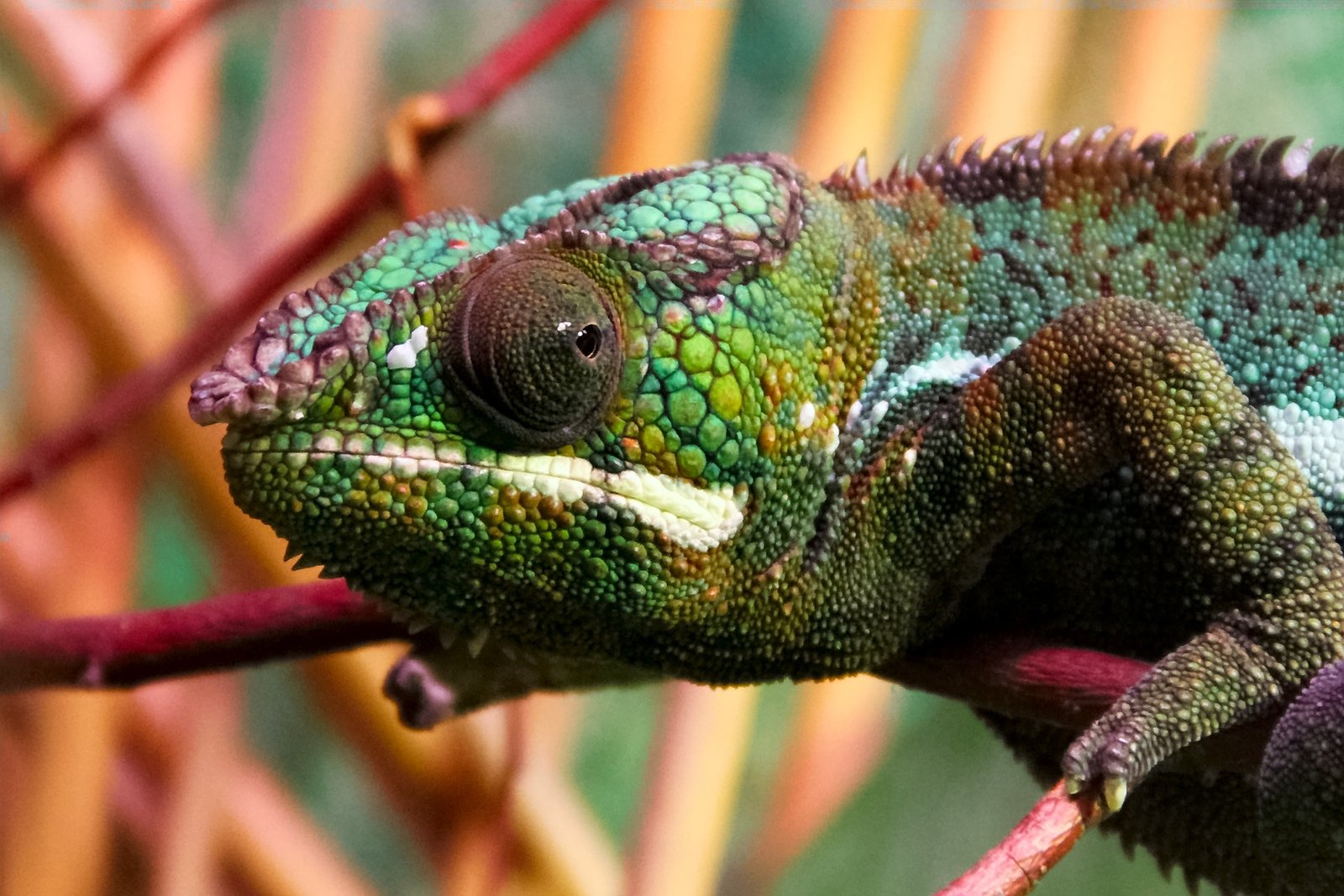
Even with the myths debunked, chameleons remain some of the most intriguing animals on the planet. Their vibrant displays, curious personalities, and otherworldly eyes capture the imagination of anyone who encounters them. Learning the real reasons behind their color changes doesn’t make them any less magical—in fact, it makes them even more amazing. Their story is a reminder that nature’s wonders are often more complex and beautiful than the legends we create.
The Lasting Lesson of the Chameleon
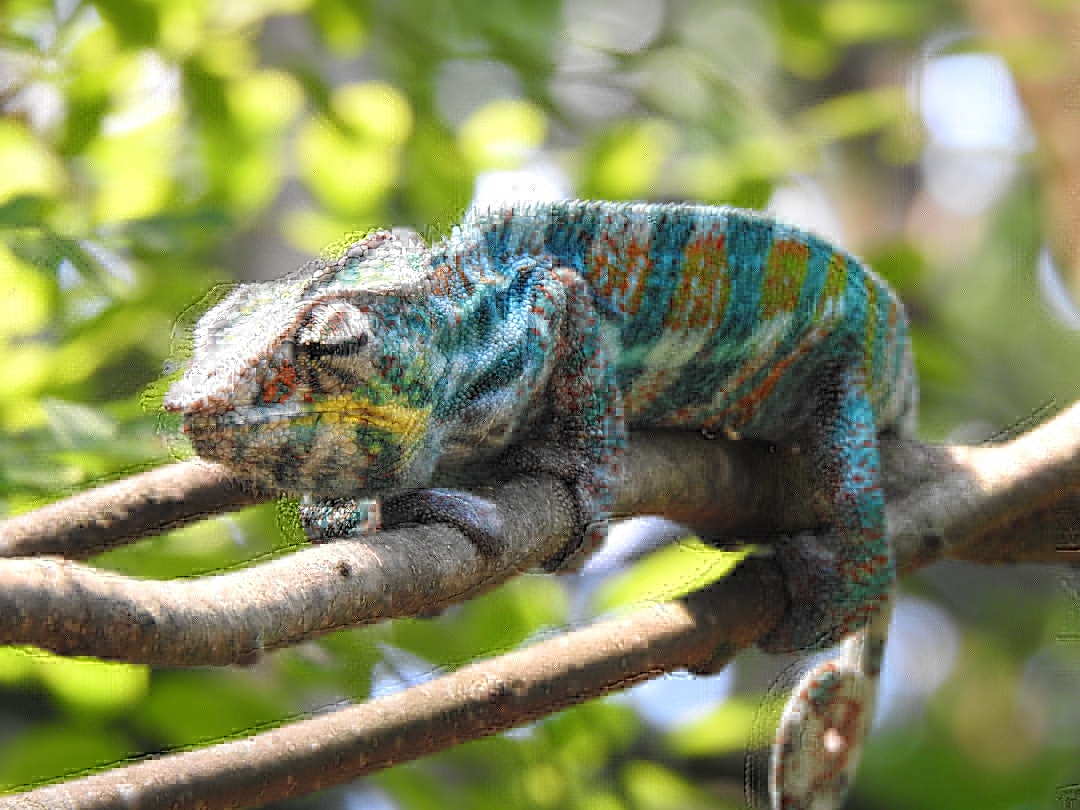
Chameleons challenge us to look beyond the obvious and question what we think we know. Their colors are not just about hiding, but about speaking, feeling, and surviving in a world full of change. Next time you see a chameleon, remember—it’s not just blending in, it’s telling a story written in shades of blue, green, red, and gold. Isn’t it astonishing how a little reptile can teach us so much about the art of being seen?