
California homeowners love their outdoor spaces, transforming backyards into beautiful sanctuaries for relaxation and play. Yet beneath this seemingly idyllic setting lurks a troubling reality that most pet owners never consider. Your well-manicured lawn, colorful flower beds, and sparkling swimming pool might actually pose serious threats to your beloved four-legged family members. From toxic plants like oleander and sago palm to pesticides and fertilizers, many common landscaping choices can be harmful—even deadly—to curious pets. Add to that the risk of snakes, coyotes, and other wildlife that slip into suburban yards, and the dangers multiply quickly. Pools and hot tubs, while inviting to humans, can become hidden traps for dogs and cats who can’t find their way out. Even decorative mulch, if made from cocoa husks, can poison an unsuspecting pup. The truth is, a backyard paradise for people can easily turn into a hazard zone for pets without the right precautions.
Toxic Plants Hide in Plain Sight

The most shocking danger in California backyards comes from something many owners consider decorative beauty. The “Sago palm” is a cycad that contains toxic compounds cycasin and B-methylamino-l-alanine, with ingestions as small as 1-2 seeds potentially fatal. This popular ornamental plant, resembling a miniature palm tree, can cause liver failure and death in pets.
Even more alarming is that the ASPCA Animal Poison Control Center reported that in 2022, approximately 3 percent of all calls were related to pets ingesting plants toxic to them. Your beautifully landscaped garden might contain several of these silent killers. Cats are particularly sensitive to the toxic effects of lilies, and just a small amount can be fatal.
Swimming Pool Chemical Nightmares

That refreshing backyard pool represents another hidden hazard for curious pets. While properly treated pool water poses minimal risk in small amounts, undiluted pool chemicals like algicide, pool shock and chlorine tablets are extremely corrosive, and if ingested will cause severe ulcers in the mouth, throat and esophagus that can become life-threatening. Dogs often mistake chemical storage areas as interesting places to explore.
If dogs start sniffing around where owners store their buckets of chlorine and pool sanitizers, there can be a big risk of accidental ingestion of highly concentrated chemicals, which may lead to burning in the pet’s mouth and throat, vomiting, comas, and even death. Even drinking too much treated pool water can cause serious health issues.
Deadly Sago Palm Threats

This seemingly innocent ornamental plant deserves special attention due to its extreme toxicity. The Sago plant contains cycasin, a toxic element that, if ingested, can induce vomiting, dark tarry stools, increased thirst, hemorrhagic gastroenteritis, bruising, coagulopathy, liver damage, liver failure, and even death. What makes this particularly dangerous is how commonly it appears in California landscapes.
It’s toxic to all pets, and while the leaves and bark will harm your pup, “the seeds or ‘nuts’ contain the largest amount of toxins”. Many pet owners don’t realize that this popular indoor and outdoor plant can kill their animals with just a small ingestion. The fact that it looks harmless only adds to its danger.
Lily Family Fatalities
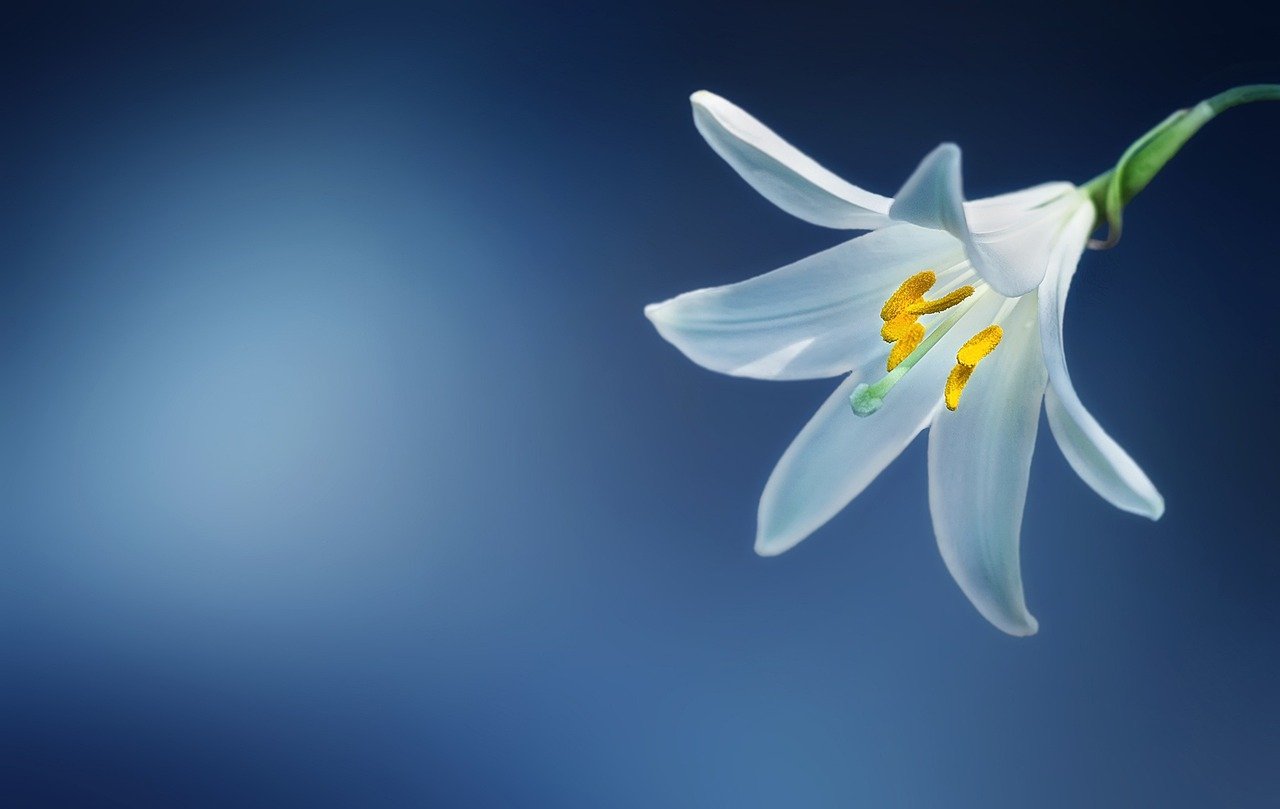
California gardens frequently showcase various lily species, but these beautiful flowers represent a particularly deadly threat to cats. What makes lilies so toxic is unknown, but ingesting any part of the plant can cause complete kidney failure in 36-72 hours, with even small ingestions, such as the pollen, potentially fatal. The speed at which lilies can kill makes them especially dangerous.
Even more concerning is that any exposure in cats, including leaves, bulbs, flowers, pollen or water that the flowers have been sitting in, can cause acute kidney injury and even death. This means even the water in a vase holding cut lilies becomes toxic to cats, making these popular flowers extremely hazardous to have anywhere near feline pets.
Pool Chemical Storage Disasters

Many California homeowners store pool maintenance chemicals in garages or sheds, often underestimating how attractive these areas can be to pets. Chlorine tablets, muriatic acid, brominating tablets, and similar products are poisonous and if swallowed, the acid can cause ulcers in your pet’s mouth and throat. The concentrated nature of these chemicals makes even small exposures extremely dangerous.
While most chemicals are safe for your pet once they are properly diluted in the pool, full strength chemicals can be fatal, requiring designated lockable shed or storage container to store all pool chemicals, cleaners and testing supplies. This simple storage mistake has led to numerous emergency veterinary visits across the state.
Coyote Encounters on the Rise
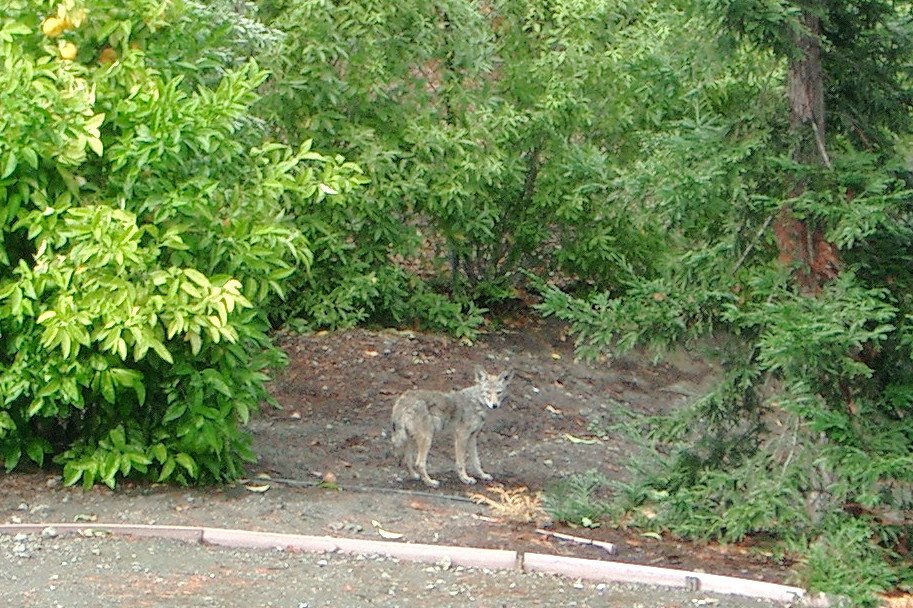
California’s expanding suburban development has brought humans and coyotes into closer contact than ever before. Coyotes, once denizens of the desert, are now as common in urban and suburban backyards as skunks and raccoons because irrigated landscapes, trash bins and bowls of pet food left out all night have attracted smaller animals to backyards, which in turn have attracted the predators that feed on those small creatures.
Coyotes mostly feed on rabbits, mice, insects, lizards and fruit, but they will prey on small dogs and cats as well. These adaptable predators have learned that residential areas offer easy hunting opportunities. Although coyote attacks usually happen at night, they can also happen during the day, making backyard supervision crucial for pet safety.
Venomous Snake Territories

Rattlesnakes are the only venomous snakes naturally found in California, but their presence in residential areas has increased as development encroaches on their natural habitats. Southern California’s diverse landscape provides perfect hiding spots for these dangerous reptiles. San Diego in particular is full of snakes, squirrels, raccoons, skunks, opossums, and more, so it’s not unusual for homeowners to find all manner of creatures in their yards.
These encounters can be particularly dangerous during warmer months when snakes are most active and pets spend more time outdoors. The combination of California’s year-round mild climate and abundant hiding spots in landscaping creates ongoing risk for unsuspecting pets exploring their familiar territory.
Tulip Bulb Poisoning

Spring gardening in California often includes planting colorful tulip bulbs, but these popular flowers hide a dangerous secret. The real danger lies when your dog digs up and eats the newly planted bulbs, which have the most toxins. Dogs naturally love to dig, making freshly planted bulb areas particularly attractive to them.
Tulips are another poisonous plant for dogs, with the usual gastrointestinal problems accompanied by central nervous system depression and even convulsions and death. What makes tulips especially dangerous is that pet owners often plant them without realizing the bulbs represent the most toxic part. The springtime planting season coincides with increased outdoor pet activity, creating perfect storm conditions for poisoning incidents.
Cocoa Mulch Garden Hazards
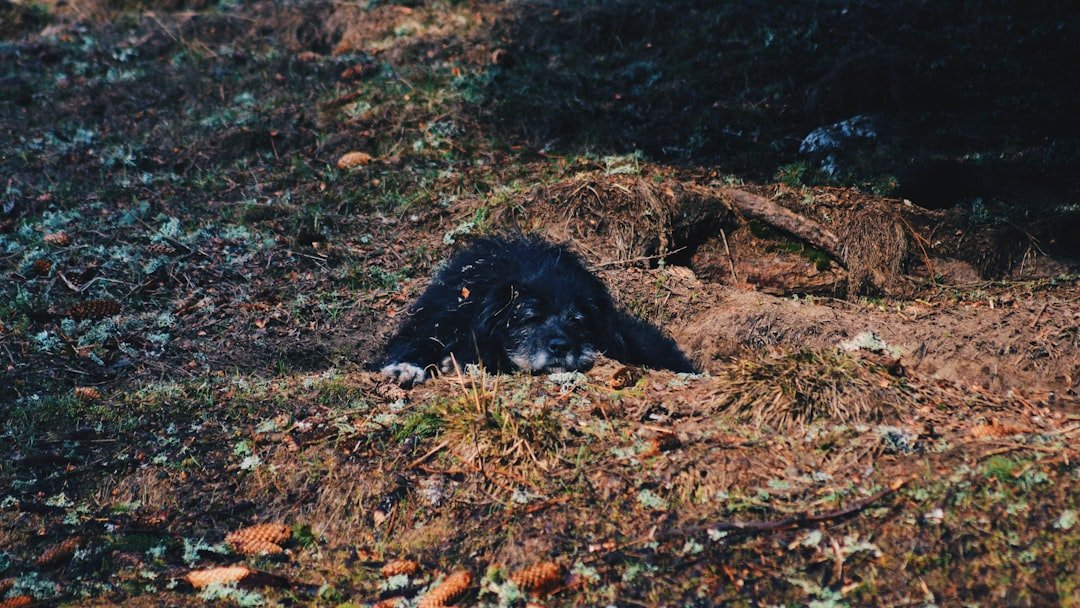
California gardeners frequently use decorative mulch to enhance their landscaping, but one popular type poses serious risks to pets. Cocoa bean mulch contains theobromine and caffeine, just like chocolate, and these chemicals are poisonous to dogs and when ingested, can cause vomiting, diarrhea, increased heart rate, tremors, and sometimes even death. This attractive mulch smells appealing to dogs, making it particularly dangerous.
Many pet owners choose cocoa mulch specifically because of its rich color and pleasant aroma, never realizing they’re essentially spreading chocolate-scented poison throughout their yard. The irony is that this garden enhancement, chosen for its beauty and natural appearance, can quickly turn a peaceful backyard into a medical emergency zone.
Water Intoxication Dangers

California’s warm climate encourages frequent pool use, but extended swimming sessions can lead to a lesser-known but serious condition. Water intoxication is when a dog swallows too much water and the sodium levels in the blood become too diluted, and while this is rare, it does happen and if not promptly treated, it can be fatal. Many pet owners don’t recognize the symptoms until it’s too late.
For saltwater pools, there is also an increased risk of salt poisoning if your pet drinks a large amount of the water. The combination of hot weather, excited pets, and easy access to pool water creates conditions where dogs may consume dangerous amounts of liquid without owners noticing the gradual onset of this potentially deadly condition.
Creating a Pet-Safe Backyard Paradise
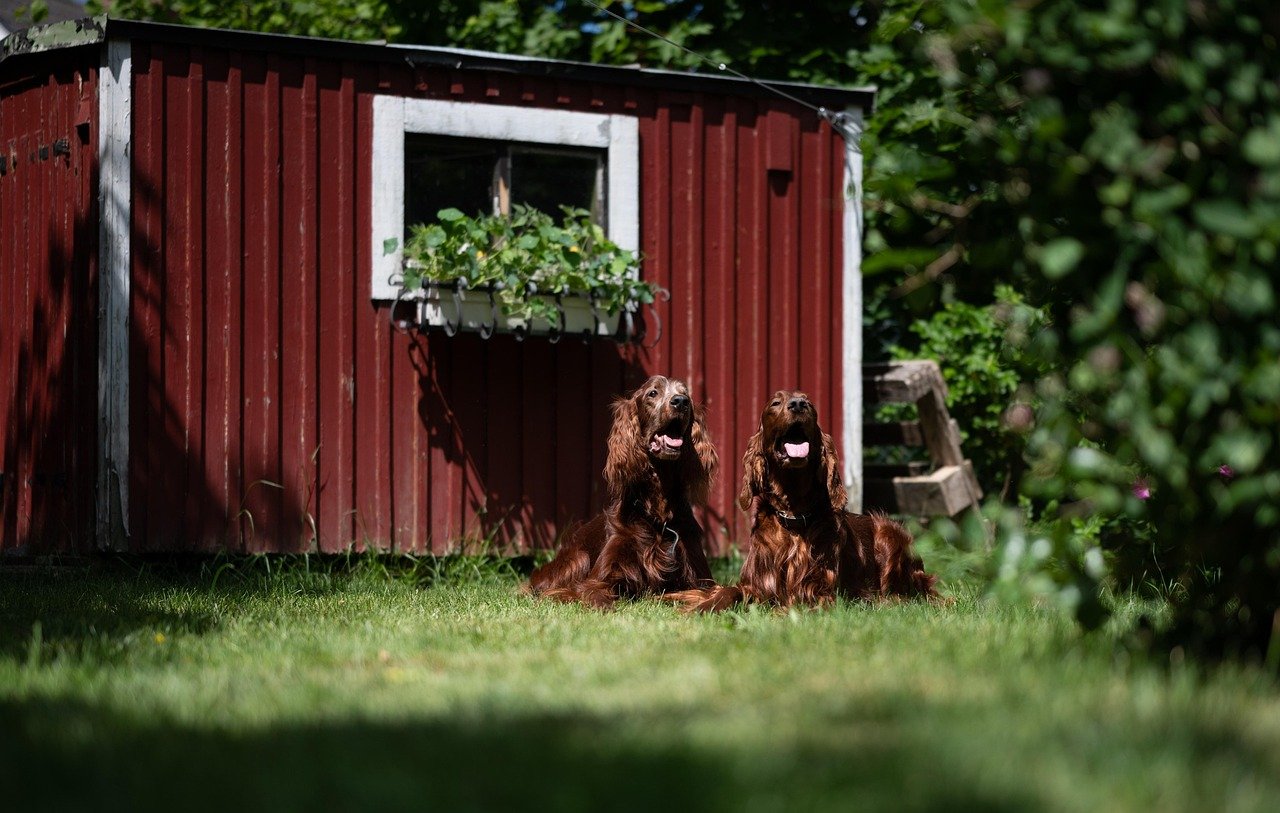
Understanding these hidden dangers is the first step toward creating a truly safe outdoor environment for your pets. Simple changes like storing pool chemicals somewhere secure and inaccessible to pets, like a locked shed, can prevent tragic accidents. Consider replacing toxic plants with pet-safe alternatives and installing proper fencing to keep wildlife at bay.
The goal isn’t to eliminate your backyard’s beauty, but rather to make informed choices that protect your beloved companions. Creating a beautiful garden doesn’t have to come with hidden dangers – knowing which plants to avoid is the first step toward a safer outdoor space. Regular inspection of your outdoor space and proper storage of chemicals can transform your backyard from a potential danger zone into the safe haven it should be.
Your California backyard doesn’t have to be a hidden minefield of pet dangers. With awareness, proper planning, and some simple modifications, you can create an outdoor paradise that’s both beautiful and safe for your furry family members. The key lies in recognizing that what appears harmless to human eyes might represent a serious threat to curious pets. Isn’t it worth a few changes to ensure your backyard remains a place of joy rather than a source of emergency veterinary visits?
Hi, I’m Andrew, and I come from India. Experienced content specialist with a passion for writing. My forte includes health and wellness, Travel, Animals, and Nature. A nature nomad, I am obsessed with mountains and love high-altitude trekking. I have been on several Himalayan treks in India including the Everest Base Camp in Nepal, a profound experience.