They start as quiet monsters, swallowing light and time, and end as the most honest questions in physics. For decades, black holes were places where our equations went to hide; now they’re where we go looking for answers. New observations of early, oversized black holes and crisp gravitational-wave signals have forced scientists to rethink what happens beyond the event horizon. The idea that black holes could spawn new universes sounds outrageous, yet it sits at the crossroads of serious theories in gravity, quantum mechanics, and cosmology. If there’s a doorway in nature, this might be it – and we’re finally learning where to knock.
The Hidden Clues
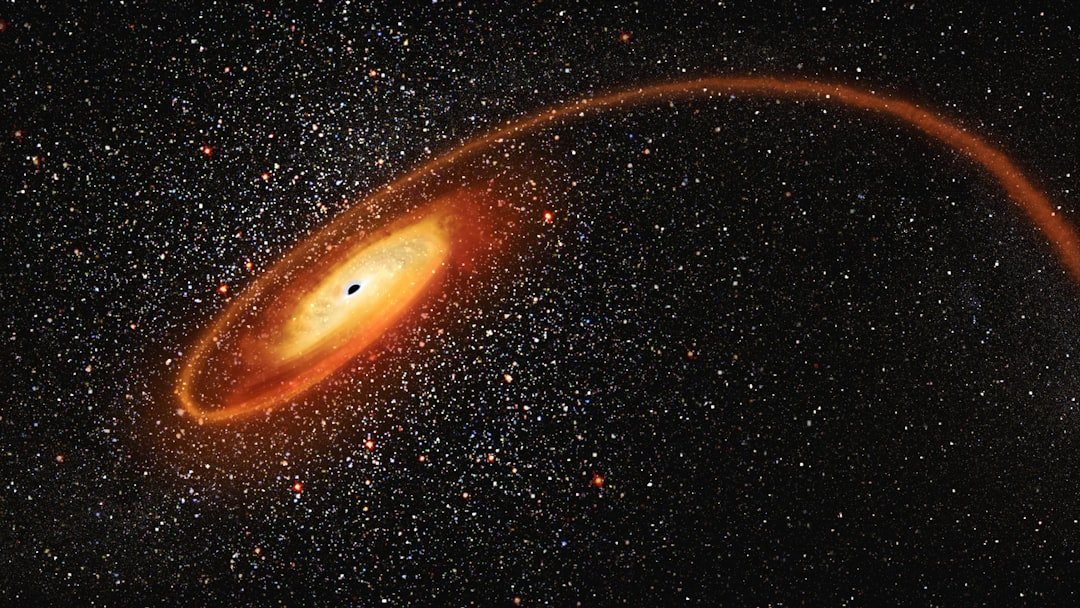
Clues arrive first as puzzles: supermassive black holes that already loom in the young universe, and stellar-mass black holes colliding so often that detectors hum with their echoes. The James Webb Space Telescope has found quasars powered by black holes that appear surprisingly mature when the cosmos was still in its cosmic childhood, pushing theories of how fast these objects can grow. Gravitational-wave observatories record mergers that ring like struck bells, revealing the sizes and spins of the participants with striking precision. Each signal tightens the leash on models that try to explain how black holes form, evolve, and possibly transform. When standard growth and merger histories struggle, more exotic pathways – like black holes collapsing into something new – edge onto the stage. The mystery deepens, but so does the map we’re drawing.
From Einstein to Today
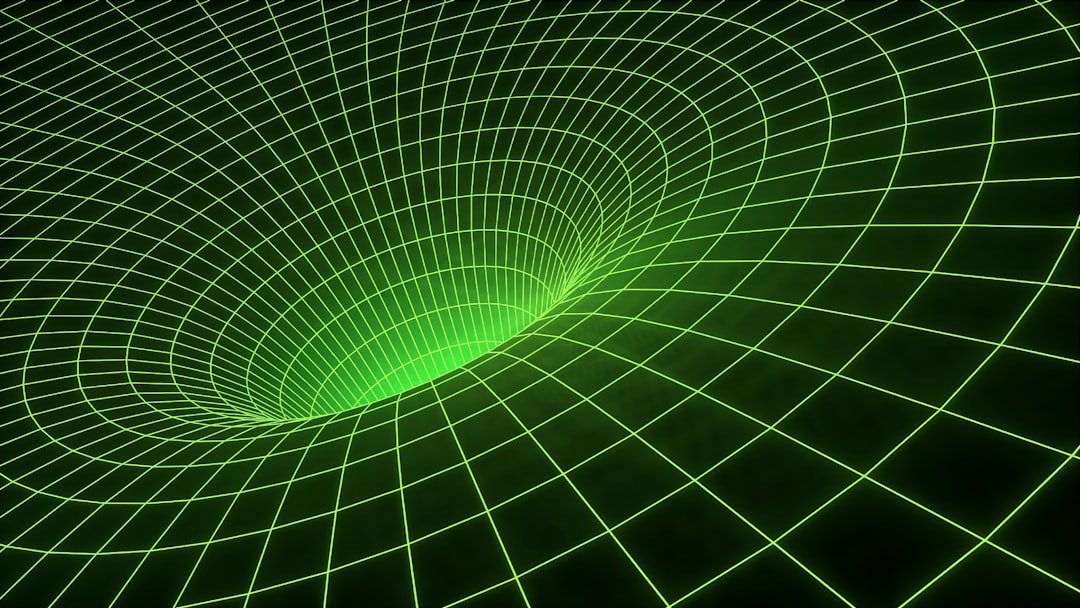
Einstein’s equations opened the door, but they also warned us: push matter hard enough and you get a singularity, a point where the math blows up. Early solutions described idealized, perfectly still black holes, then spinning ones, and finally the dynamic beasts we observe today. The singularity theorems told us that collapse under gravity is unforgiving, yet they also signaled the limits of classical physics. Quantum ideas stepped in, hinting that near unimaginable densities, space and time could become grainy or elastic rather than catastrophic. Several frameworks now explore a different ending to collapse – a bounce, a bridge, or an off-ramp into a separate cosmic region. None of these paths is proven, but they all offer a consistent way to dodge the paradox of infinities.
The Gravity of Information
Here’s the nerve center of the debate: what happens to information that falls into a black hole. Thermodynamics tells us black holes have entropy, and quantum theory insists information can’t just disappear, while classical gravity shrugs. This is the famous tension that turned a niche topic into a full-blown revolution across physics. If information is preserved, the endgame of a black hole must be more than a mute singularity; it needs a mechanism to encode, re-release, or pass that information on. Some models suggest black holes could seed new regions of spacetime with slightly tweaked physical constants, extending information forward rather than erasing it. The idea sounds bold, but it’s anchored in the same bookkeeping laws that keep your coffee cooling and stars burning.
Inside the Event Horizon
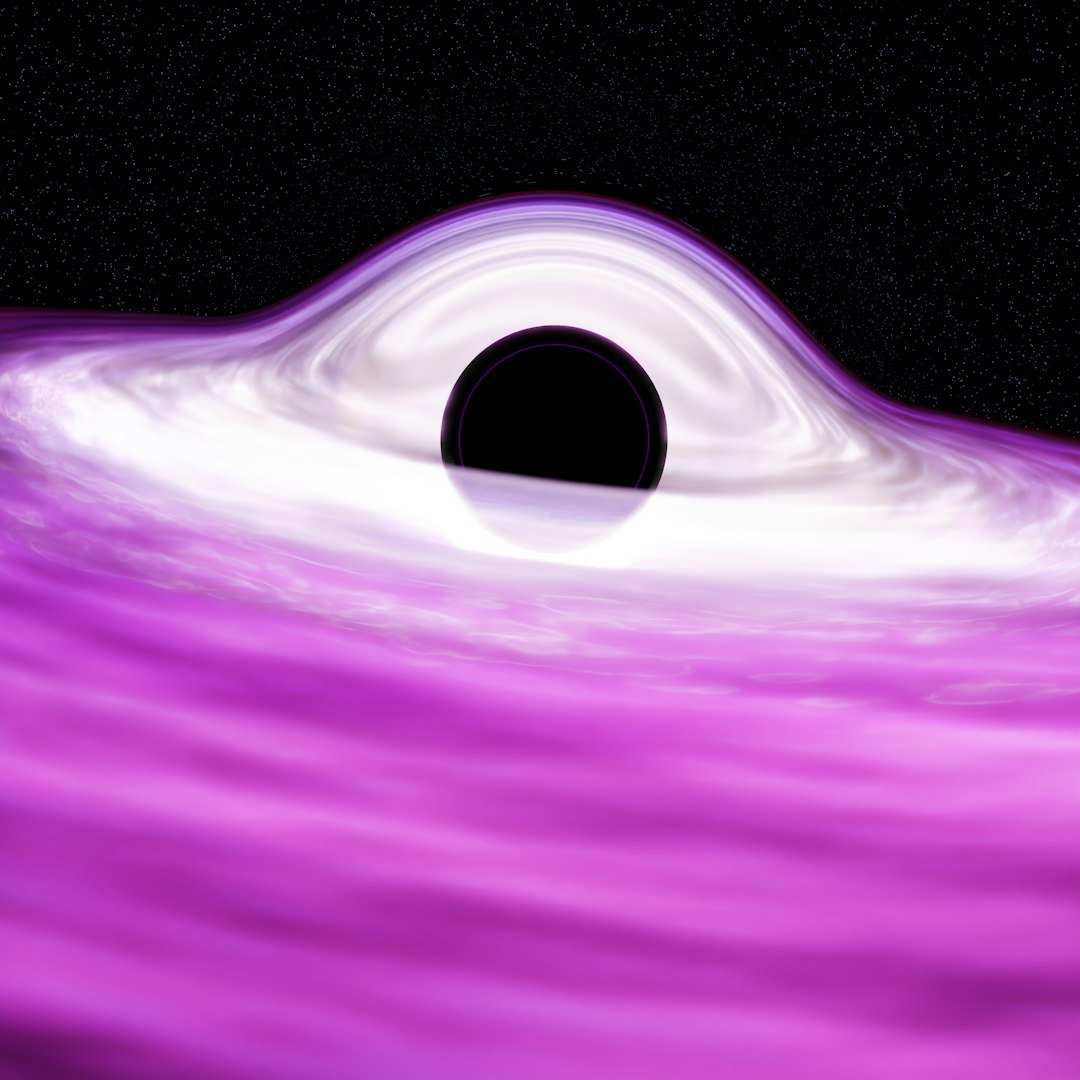
Cross the event horizon and cause and effect get rearranged, at least from an outside perspective, but physics doesn’t stop at the border. In rotating black holes, equations predict a more intricate interior with regions where trajectories behave in counterintuitive ways. Classical solutions even allow bridges – wormhole-like structures – that are unstable in our universe but suggestive of deeper links between geometry and quantum entanglement. The modern twist is that entanglement might stitch spacetime together, making these bridges a physical metaphor for quantum connections. If the interior avoids a true singularity thanks to quantum effects, it could re-expand as a new bubble of spacetime disconnected from ours. That bubble, to observers inside it, would look like a fresh Big Bang.
Quantum Bridges and Baby Universes
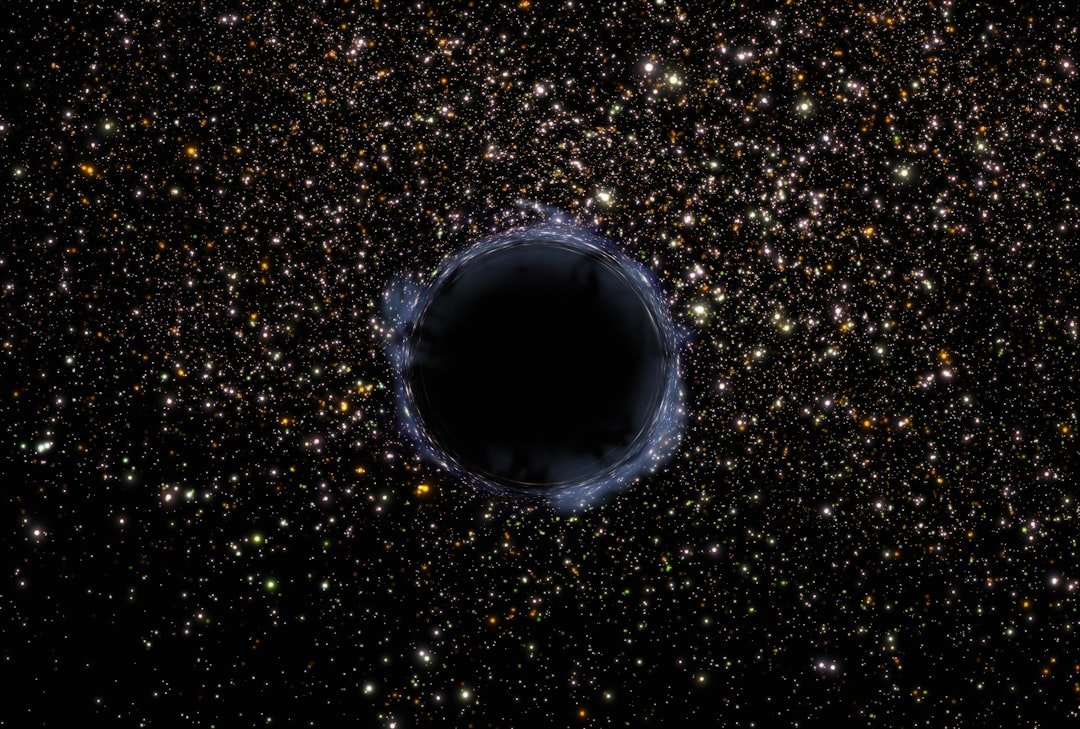
Several theories paint the same picture with different brushes: a collapsing star compresses to extreme densities, quantum gravity takes the wheel, and a bounce ignites a new spacetime region. In one family of models, the black hole interior tunnels into a “baby universe,” while the parent universe sees only a small, long-lived remnant and faint radiation. Other approaches imagine a bounce that rapidly expands, hidden from our view by the horizon’s one-way curtain. These scenarios don’t break known conservation laws; they reroute them into a separate cosmic ledger where the books still balance. Crucially, the constants of nature in the new region could differ slightly, which would make black holes not just endpoints, but engines of cosmic variation. It’s a radical but coherent way to spin universes out of stellar corpses.
Signals We Can Test
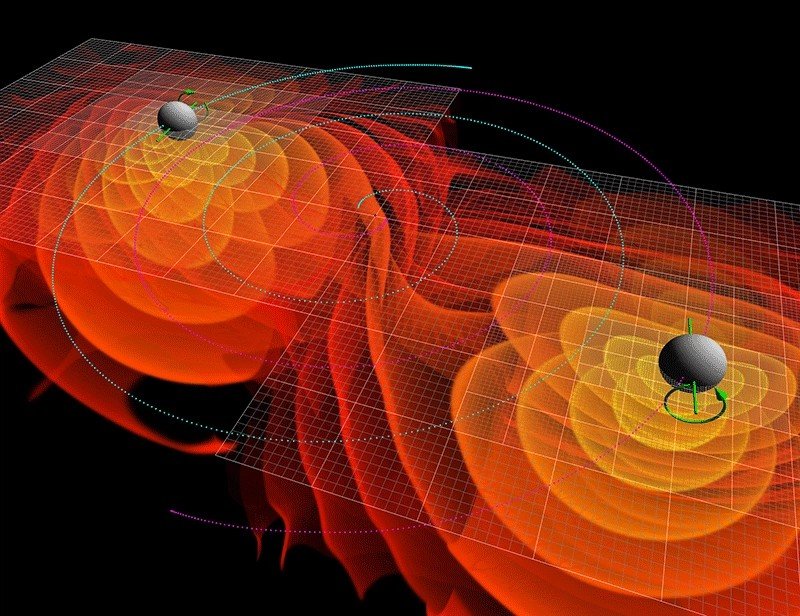
Ideas in physics don’t graduate until nature signs the paperwork, and that means predictions we can hunt. Gravitational-wave “ringdowns” encode the geometry near the event horizon; subtle deviations from the standard spectrum could hint at quantum structure or exotic interiors. Some teams search for late-time echoes in gravitational-wave data that would suggest reflections off a quantum surface rather than a perfect horizon. Evaporating black holes, if tiny ones exist, could leave patterns in gamma rays or cosmic rays that tell us how information escapes. On the imaging front, sharper views of black hole shadows and polarized light may reveal how magnetic fields and spacetime twist together near the brink. None of these tests is easy, but they’re the kind of bread-crumb trails physics loves to follow.
The Future Landscape
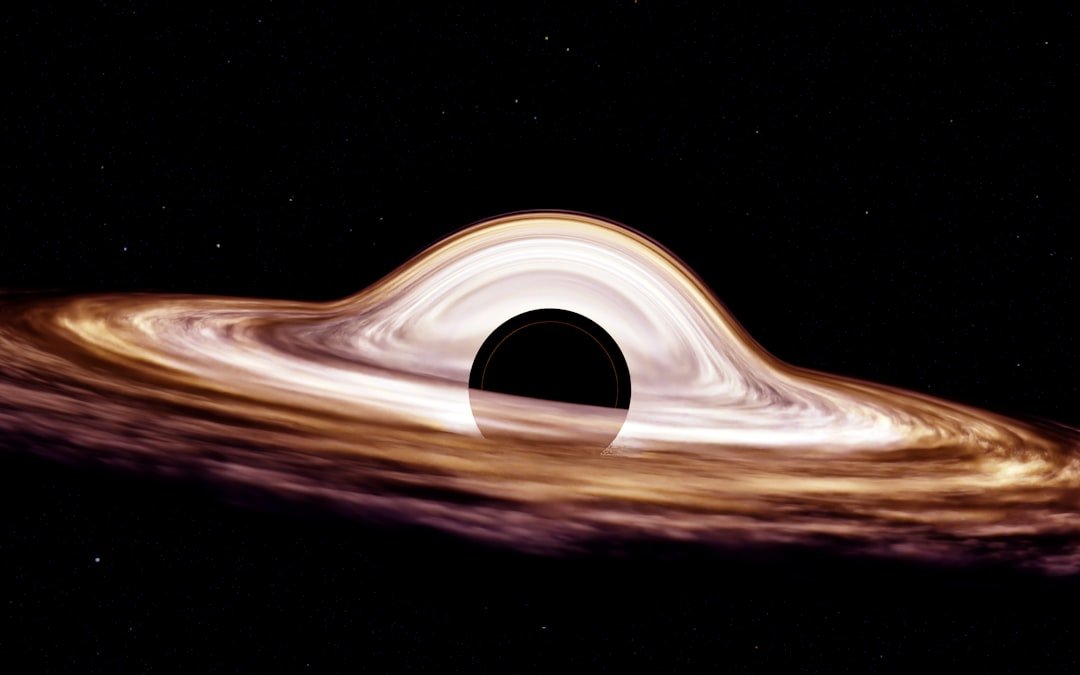
Within the next decade, new instruments aim to turn speculation into stress tests. Space-based detectors plan to tune in to low-frequency gravitational waves from monster black hole mergers, while ground-based observatories upgrade to catch fainter, farther signals with higher fidelity. Radio arrays will push for cleaner silhouettes of black hole shadows and richer polarization maps, tracing how matter whirls and glows at the edge of no return. On the theory side, quantum gravity researchers are building solvable toy models that capture the essential features of black hole interiors without the inscrutable math. Laboratory analogs – fluid flows, ultracold gases, and optical systems – offer controlled ways to probe horizon-like behavior and information flow. Piece by piece, a patchwork of evidence could converge on whether black holes are dead ends or birthplaces.
Why It Matters
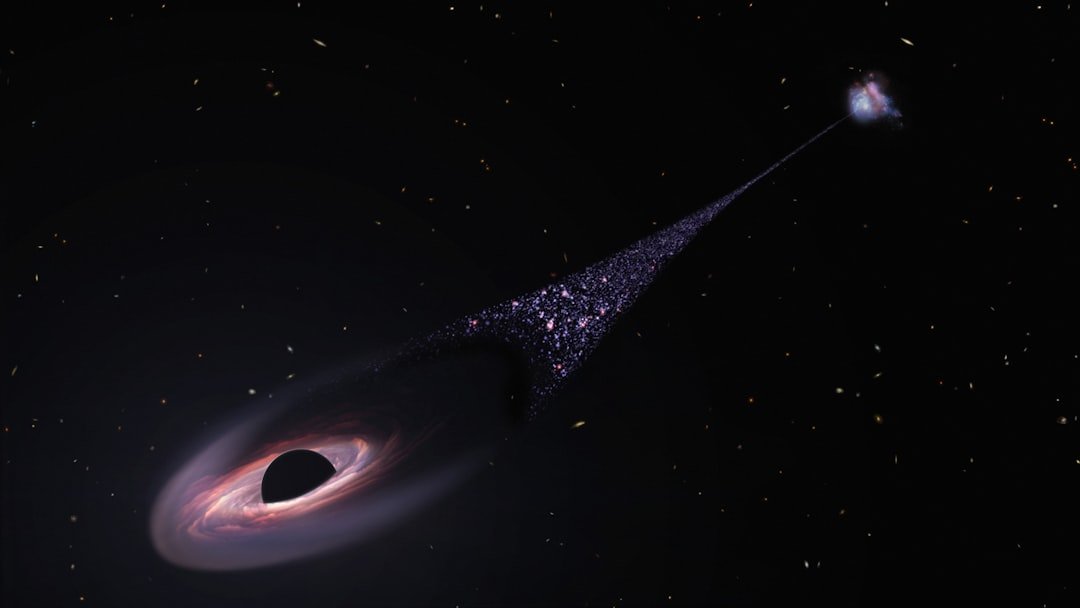
This isn’t just an esoteric guessing game; it changes how we think about beginnings, endings, and what counts as a universe. If black holes birth new cosmic regions, the Big Bang stops being a singular miracle and becomes a chapter in a longer family saga. That would reframe the fine-tuning problem, suggesting that the laws we measure are the survivors of a cosmic trial-and-error process rather than one-shot luck. Even if the baby-universe story fails, the chase sharpens our grasp of quantum information, spacetime, and thermodynamics – pillars that touch everything from materials science to computation. On a personal note, I still remember staring up from a cold trailhead, feeling the sky look back; the idea that stars could end by lighting new skies makes the night feel deeper, not darker. That’s why this question is worth the long haul.
How You Can Be Part of the Search
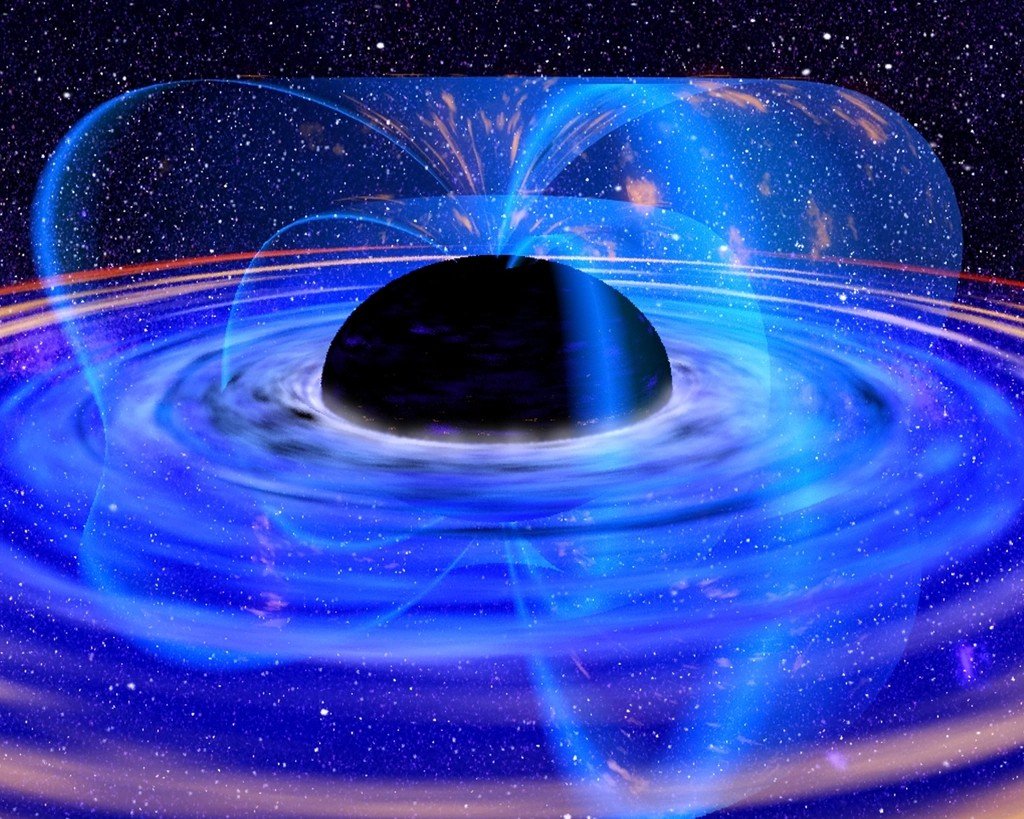
Start by following the data: when new gravitational-wave detections or black hole images drop, read the summaries and watch how predictions evolve. Support public observatories, science museums, and outreach programs that turn complicated results into tools people can actually use. If you’re a student or an early-career tinkerer, dive into open datasets from gravitational-wave catalogs or telescope archives and learn how analysts test models against noise. Citizen science platforms sometimes host projects related to transient events and classification, and they benefit from patient, curious eyes. Share clear, careful explanations in your circles – help set the tone that wild ideas are welcome, but evidence has the final word. Curiosity fuels the effort, and consistency pays the bills.
Suhail Ahmed is a passionate digital professional and nature enthusiast with over 8 years of experience in content strategy, SEO, web development, and digital operations. Alongside his freelance journey, Suhail actively contributes to nature and wildlife platforms like Discover Wildlife, where he channels his curiosity for the planet into engaging, educational storytelling.
With a strong background in managing digital ecosystems — from ecommerce stores and WordPress websites to social media and automation — Suhail merges technical precision with creative insight. His content reflects a rare balance: SEO-friendly yet deeply human, data-informed yet emotionally resonant.
Driven by a love for discovery and storytelling, Suhail believes in using digital platforms to amplify causes that matter — especially those protecting Earth’s biodiversity and inspiring sustainable living. Whether he’s managing online projects or crafting wildlife content, his goal remains the same: to inform, inspire, and leave a positive digital footprint.