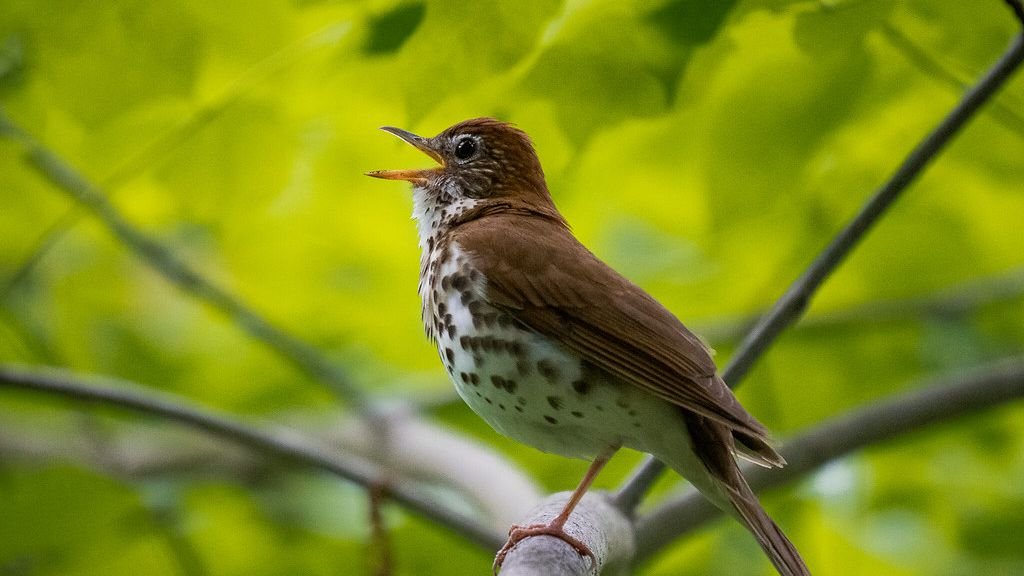

Have you ever stopped in your tracks when a bird’s melody drifted through the morning air? That moment when everything else fades and you’re just listening, caught in something timeless. Birds fill our world with sound, but what drives them to pour so much energy into these performances?
The truth is far more intricate than you might imagine. Every note carries purpose, every trill tells a story. Science has begun to unlock the mysteries behind these natural concerts, revealing a world where biology meets artistry in ways that challenge what we thought we knew about animal communication.
The Dual Purpose: Territory and Romance
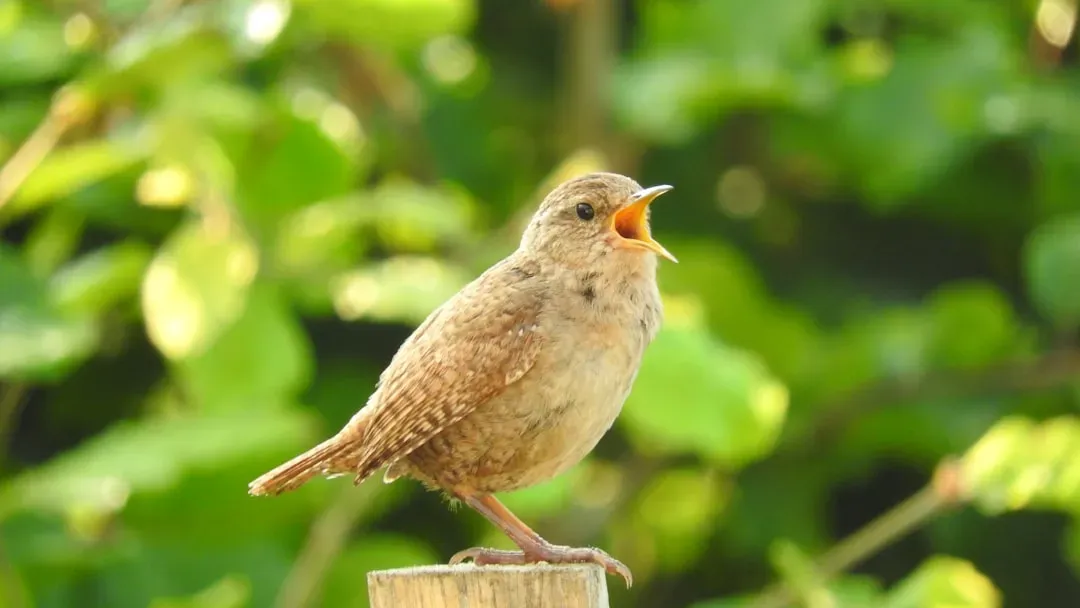
Birdsongs serve two main purposes for their singers: to defend territories and woo mates. Think of it as nature’s version of a “no trespassing” sign combined with a dating profile. When a male bird belts out his tune from a high perch, he’s essentially broadcasting to the world that this patch of forest belongs to him.
Songs often carry long distances and display the singer’s health and vigor, warning away potential competitors and attracting potential partners. The most robust, complex songs signal to other males that challenging this territory holder might not be worth the fight. Meanwhile, females listen carefully, assessing whether the singer has what it takes to be a good mate and father.
Songs are often loud and conspicuous, potentially attracting the attention of predators, not to mention it takes valuable energy to learn and produce the song. Here’s the thing: if singing were just for fun, evolution would have stamped it out long ago. The risks and costs are simply too high.
The Remarkable Syrinx: A Voice Box Like No Other
What makes bird vocalizations so extraordinary? Songbirds have specialized muscles around the syrinx enabling them to produce more complex sounds. Unlike our single voice box, their unique organ sits where the windpipe splits into two branches.
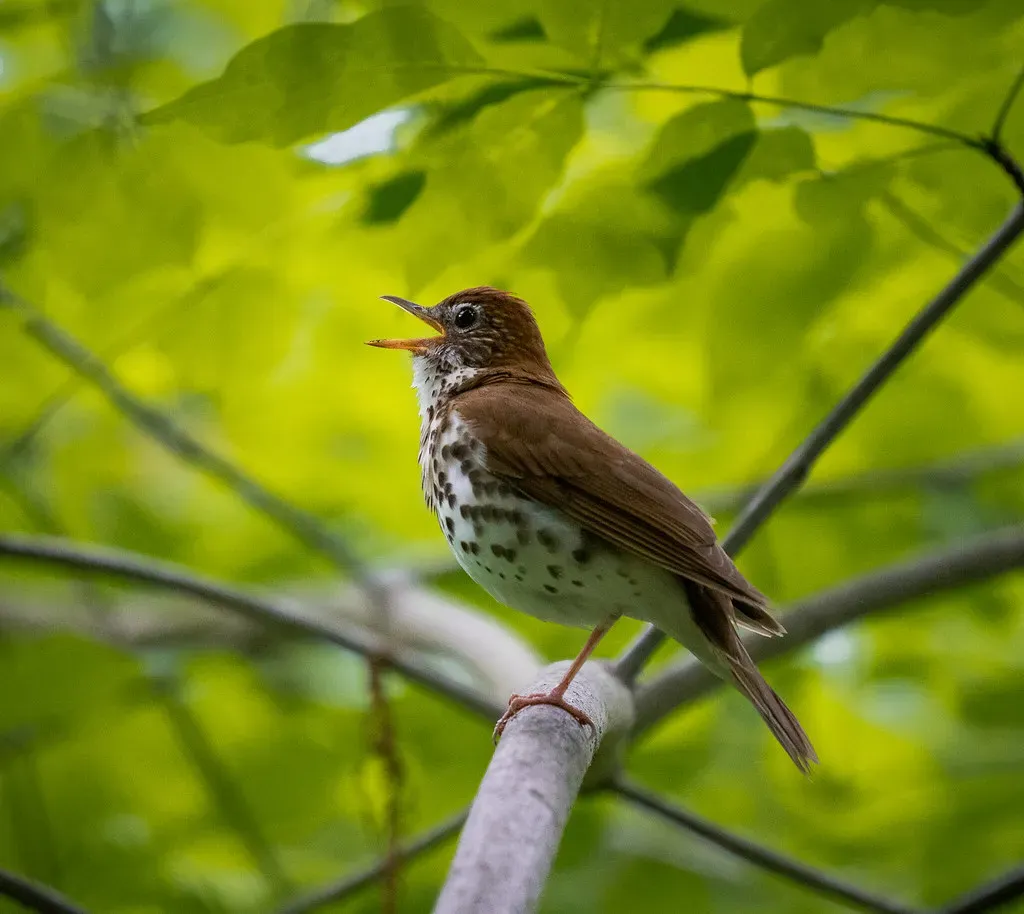
Birds can modulate the air flow separately in each half of the syrinx. Thus they can make two sounds at once – and some, such as the Wood Thrush, can even sing rising and falling notes at the same time. Imagine humming two different melodies simultaneously. Humans can’t do that, yet many songbirds manage this feat with apparent ease.
In the well-studied A syllable trill the male canary alternates between high and low notes by rapidly switching sides of the syrinx – all without taking a breath. This biological marvel allows birds to create sounds that would be physically impossible for mammals. The complexity and beauty we hear aren’t accidents – they’re the products of millions of years of evolutionary refinement.
Learning to Sing: A Journey From Babbling to Mastery
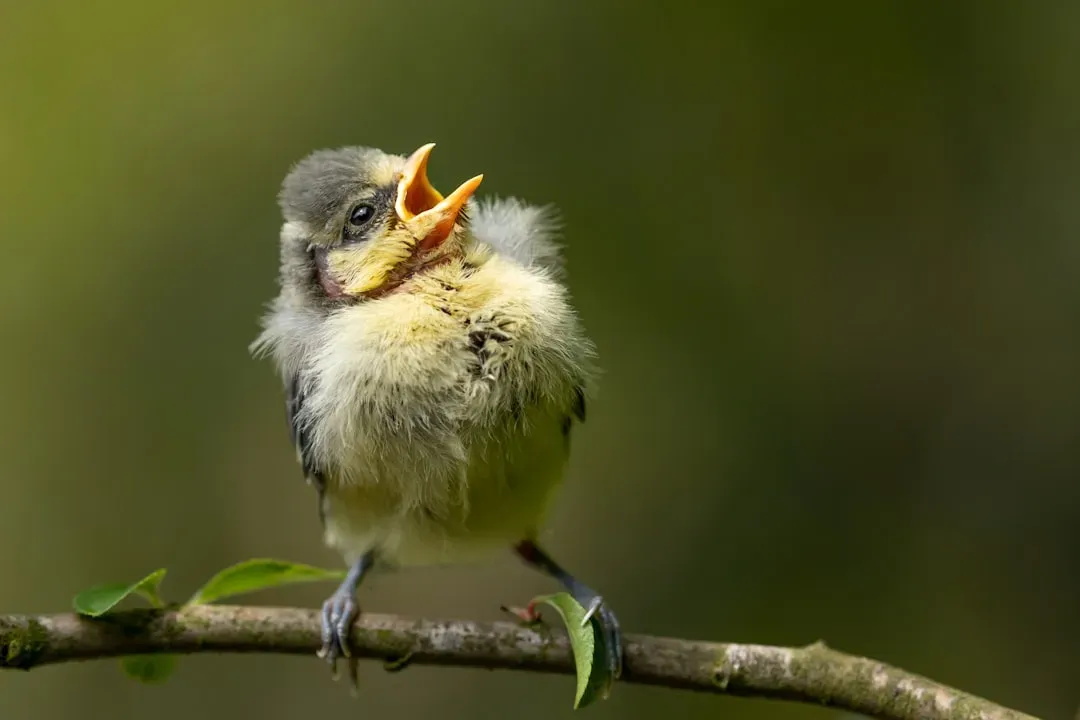
Young birds typically learn their songs by listening to and imitating adults. The process mirrors how human children acquire language, which is precisely why scientists find it so fascinating.
During the sensory phase, young birds (particularly males) listen to as many birds as they can, learning how adults of their species sing. During the sensorimotor phase, they try out bits of songs and calls, playing with them and seeing how they fit together, like words falling into sentences. Finally, the song and repertoire is set in the crystallized phase, allowing birds to “speak” fully.
Picture a young sparrow in its nest, absorbing every note its father produces. Weeks later, that youngster will begin practicing, producing clumsy approximations that gradually sharpen into the crystalline perfection of adult song. Some species, like zebra finches, learn their song once and lock it in forever. Others, such as canaries, continue learning throughout their lives, constantly updating their repertoire.
Because songs are passed down from one generation to the next, species can even have regional dialects, with noticeable differences between individuals’ songs depending on where they’re from.
The Dawn Chorus: Why Morning Songs Sound Different

Birds do most of their singing around dawn, a phenomenon that may start as early as 4 a.m. and is known as the dawn chorus. If you’ve ever been woken by enthusiastic robins before sunrise, you’ve experienced this firsthand.
The researchers found that early singing isn’t random joy, but a rebound from silence. During the night, darkness suppresses the birds’ urge to sing. When the first light appears, that urge bursts out. The silence builds tension; the sunrise releases it. Recent research on zebra finches revealed something remarkable about this biological drive.
Birds mainly feed during the day, so the early morning – when they are unfed and hungry – is when they are weakest. Singing at dawn is a technique used by males to prove their health and vigour to potential partners. Let’s be real – if you can deliver a spectacular performance on an empty stomach after hours of fasting, you’re advertising some serious stamina. Females pay attention to these details.
More Than Just Males: The Female Song Revolution
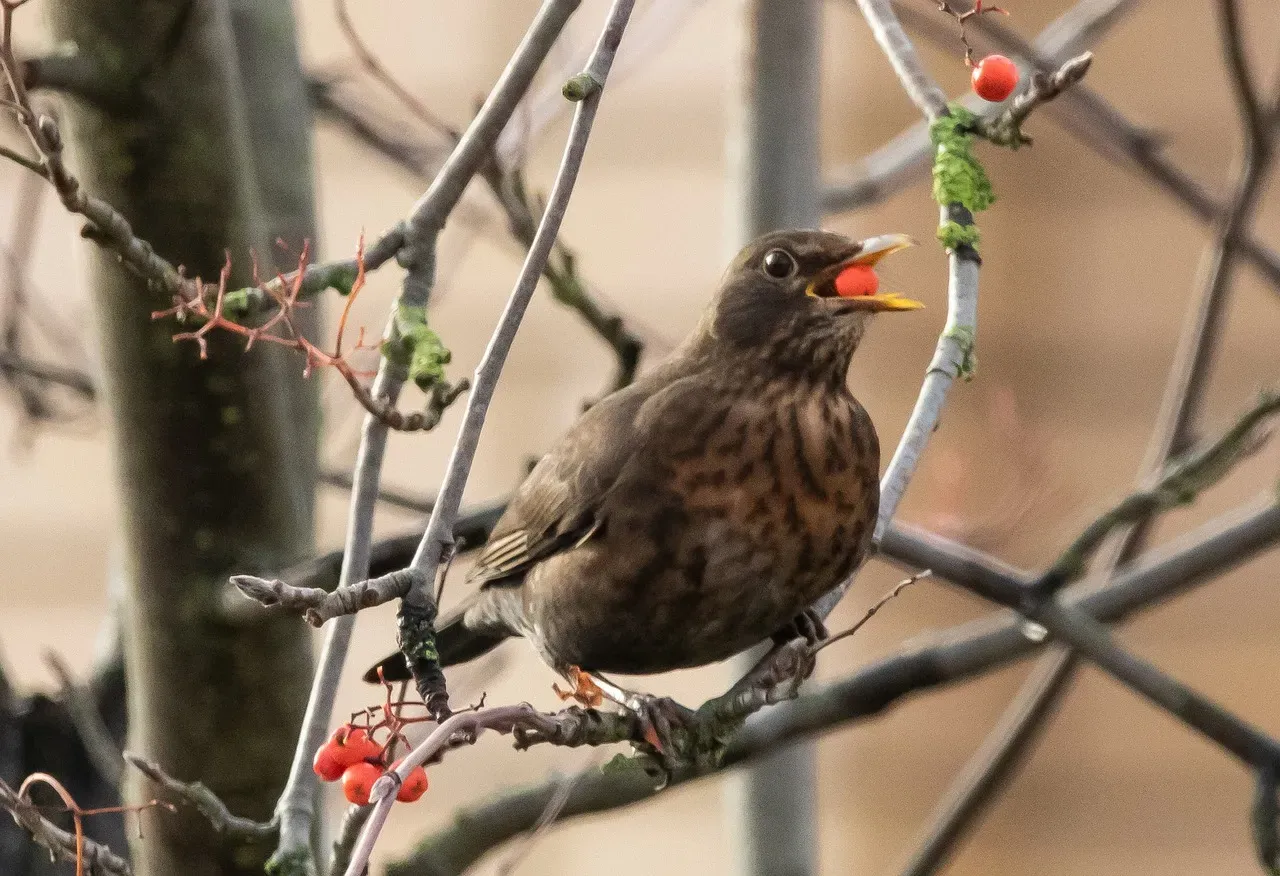
For decades, ornithologists assumed only male birds sang. Females sing for similar reasons to males, including to defend territories and communicate with mates. In fact, females probably sang in a common ancestor of all modern songbird species, meaning the real question might be why female birds don’t sing in some species today.
This revelation fundamentally changed how scientists approach birdsong research. Women have been the key drivers in this recent research on female song, showing how opening up science to underrepresented groups leads to challenging established assumptions and uncovering new ideas.
The oversight wasn’t biological – it was cultural. Male researchers simply weren’t looking for female song, perhaps because they assumed birds followed human patterns. Reality turns out to be far more interesting. Females in tropical species especially tend to be active singers, defending resources and coordinating with their mates through duets and solo performances.
Brain Power: The Neuroscience of Song
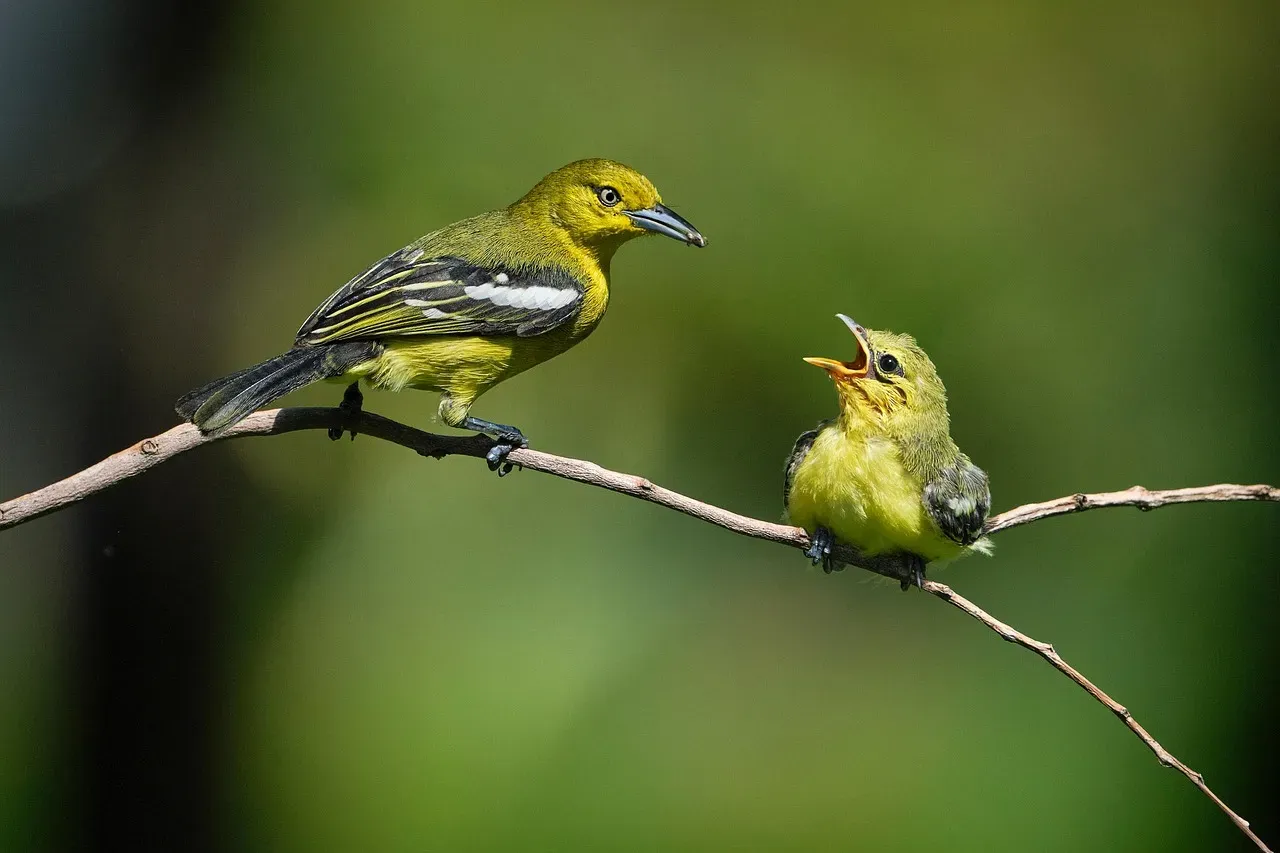
The species with the most complex vocal learning abilities were also the best problem solvers and had the largest brains relative to body size. This finding suggests something profound about the connection between communication and cognition.
Birdsong is a culturally transmitted behavior that depends on a juvenile songbird’s ability to imitate the song of an adult tutor. Neurobiological studies of birdsong can reveal how a complex form of imitative learning, which bears strong parallels to human speech learning, can be understood at the level of underlying circuit, cellular, and synaptic mechanisms.
Inside a songbird’s brain exists a network of specialized regions devoted entirely to vocal learning and production. When scientists map these circuits, they find striking similarities to the pathways humans use for language. Damage to certain areas in adult birds causes immediate vocal impairment, just as strokes can steal human speech. Yet remarkably, some birds can recover their songs over time, suggesting a plasticity that medical researchers find deeply intriguing.
Songs Versus Calls: Understanding the Difference
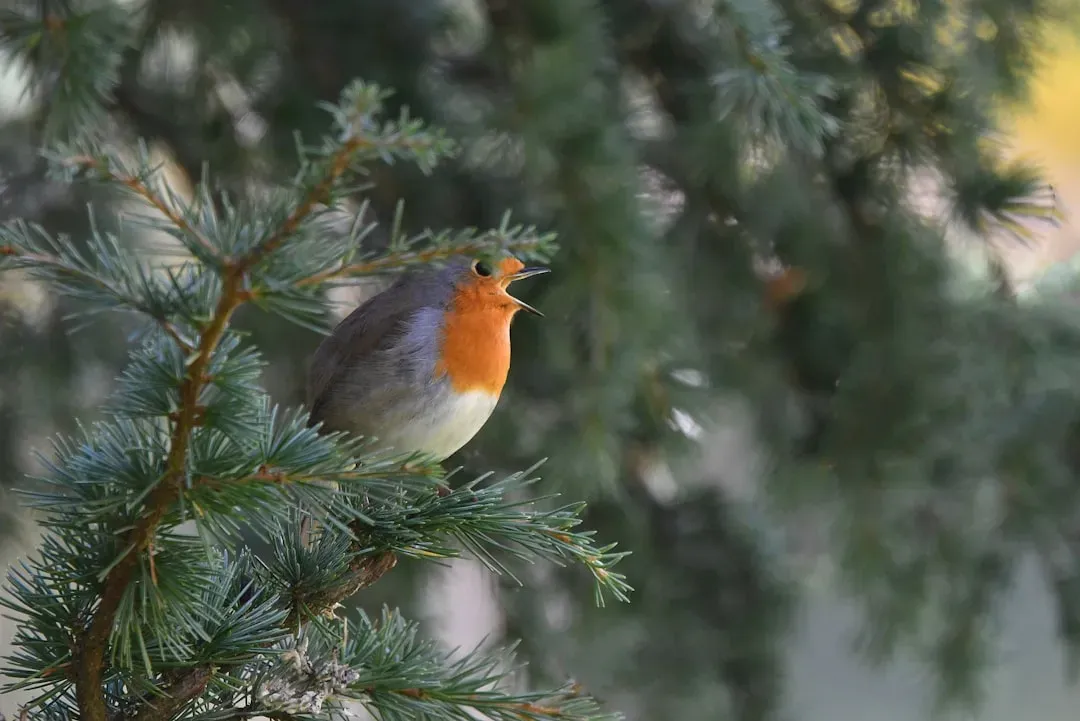
Many birds produce a variety of calls in addition to songs. These are usually shorter, simpler vocalizations – although there are a few species whose barebones songs are actually simpler than their calls. Calls are used for quick communication with other birds, like to signal one’s location or warn of danger.
Think of songs as formal presentations – carefully rehearsed, deliberately performed, meant to impress or intimidate. Calls, on the other hand, are everyday conversation. A sharp chip note might mean “I’m over here.” A frantic chattering warns “Hawk overhead!”
Birds communicate alarm through vocalizations and movements that are specific to the threat, and bird alarms can be understood by other animal species, including other birds, in order to identify and protect against the specific threat. The alarm calls of most species, on the other hand, are characteristically high-pitched, making the caller difficult to locate. Birds have essentially evolved a warning system that alerts everyone to danger without painting a target on the caller’s back. Pretty clever, honestly.
Environmental Acoustics: How Sound Shapes Song
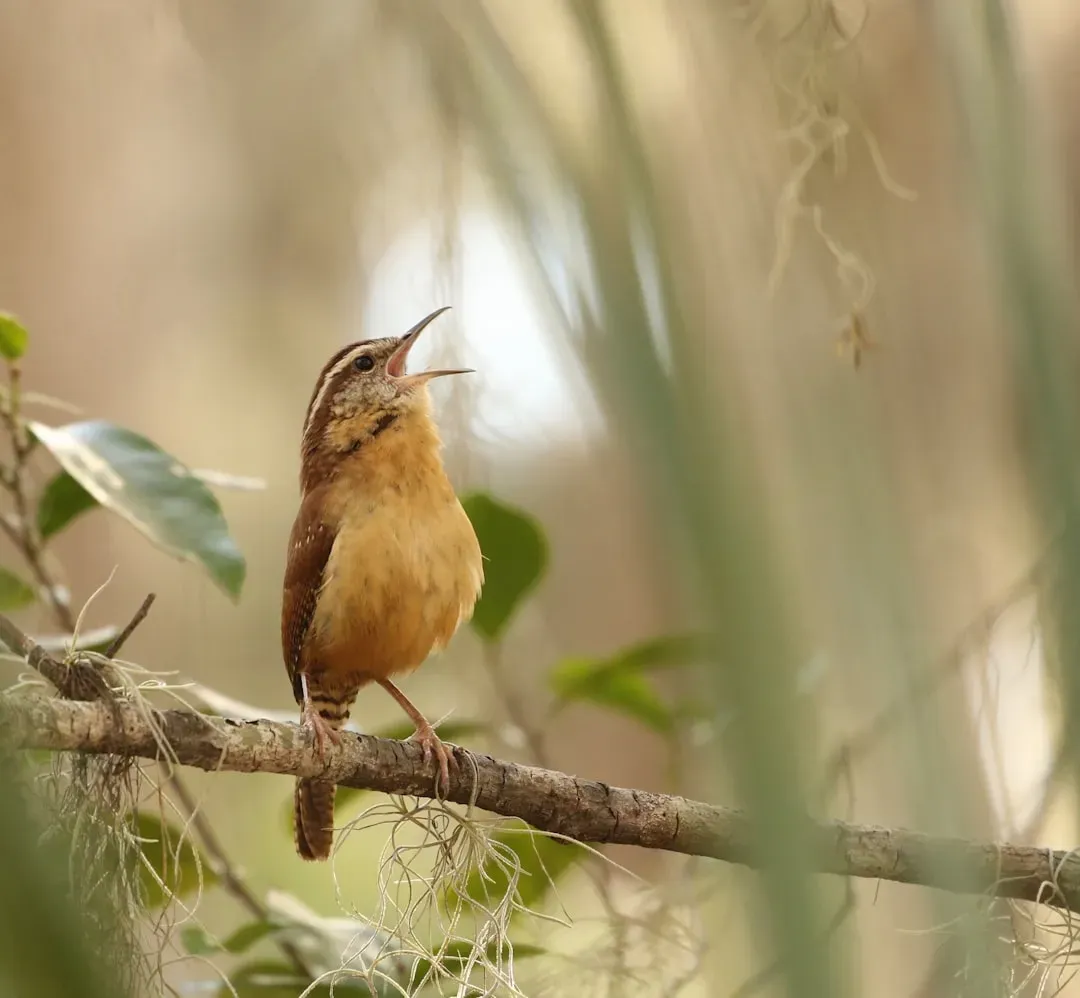
A bird’s beak shape and body mass are important. Generally, smaller birds create higher frequency sounds while larger birds create lower frequency sounds. Physics dictates these basic rules, but birds have found creative ways to work within and around them.
Smaller bird species tend to have a wider range of frequencies at which they can make sound as a protection mechanism. Smaller, more vulnerable birds can benefit from being able to make a range of sounds. Higher frequencies can help them communicate with fellow birds of the same species, while lower frequencies can serve as a camouflage, tricking potential threats into thinking they are larger and less vulnerable than they actually are.
Here’s where it gets interesting. Birds adapt their songs to their habitats. Forest dwellers tend to use lower, purer tones that carry well through dense vegetation. Open-country species might employ higher, more complex trills that cut through wind. Urban birds increasingly sing louder and at different times to avoid being drowned out by traffic noise.
The Evolution of Complexity: Why Some Songs Are Showstoppers
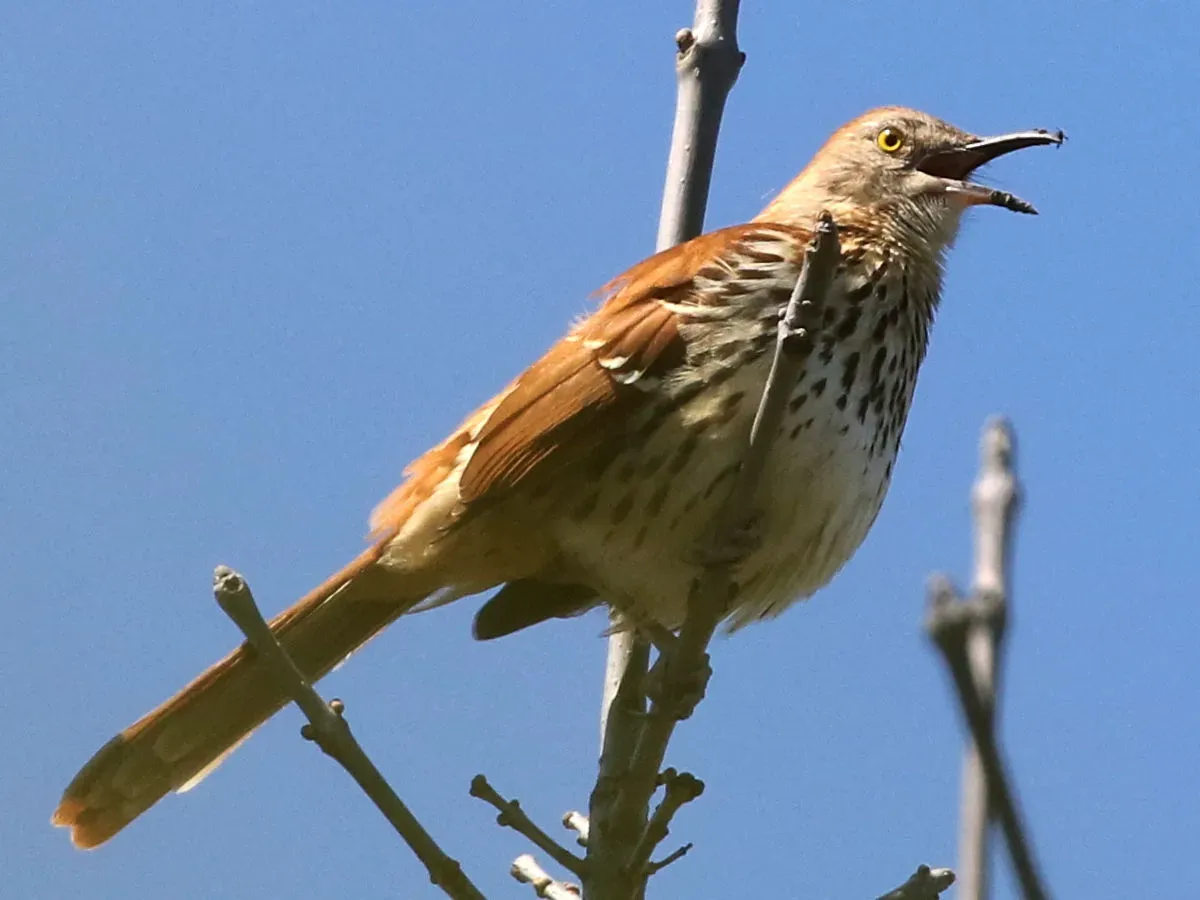
With over 1,000 song types, the Brown Thrasher has one of the largest repertoires in the bird world. Why would any bird need that many songs? Sexual selection provides the answer.
Large song repertoires are preferred by females of many avian species. In song sparrows, males with large repertoires had larger HVCs, better body condition and lower heterophil-to-lymphocyte ratios indicating better immune health. This supports the idea that song sparrows with large song repertoires have better lifetime fitness and that song repertoires are honest indicators of the male’s “quality.”
A large repertoire signals developmental success. Only birds who had good nutrition, avoided disease, and possessed strong genes can invest the brain power needed to master hundreds of distinct songs. Females reading these signals aren’t being shallow – they’re making informed decisions that will affect their offspring’s survival chances. Evolution rewards good choices, and over countless generations, this has driven some species toward ever more elaborate performances.
Conclusion: The Symphony Continues
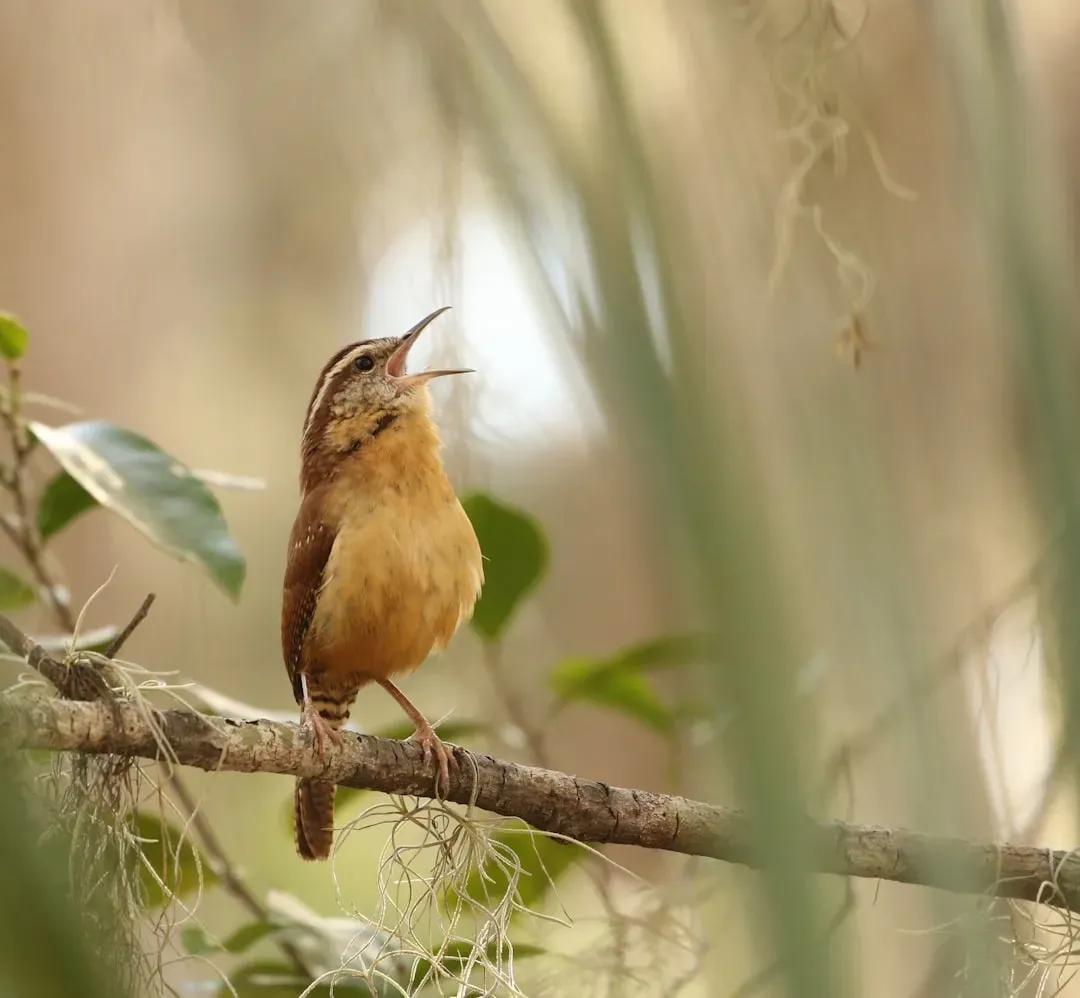
Every spring, when you hear that first robin singing in the pre-dawn darkness, you’re witnessing something extraordinary. You’re hearing the product of ancient evolutionary pressures, complex neurology, and individual learning all wrapped into a few seconds of melody.
Communication signals are, in essence, a glue that maintains the cohesion of bird societies, and a currency that mediates sophisticated relationships within. Songs aren’t mere entertainment – they’re survival itself, encoded in sound. They represent the intersection of biology and culture, instinct and learning, science and art.
The next time you hear a bird singing, pause for a moment. Consider the energy invested in those notes, the neural circuits firing in precise sequence, the evolutionary history stretching back millions of years. What sounds like simple beauty is actually one of nature’s most sophisticated communication systems, still revealing its secrets to those patient enough to listen. What surprises might scientists uncover next about these feathered virtuosos? Only time will tell.