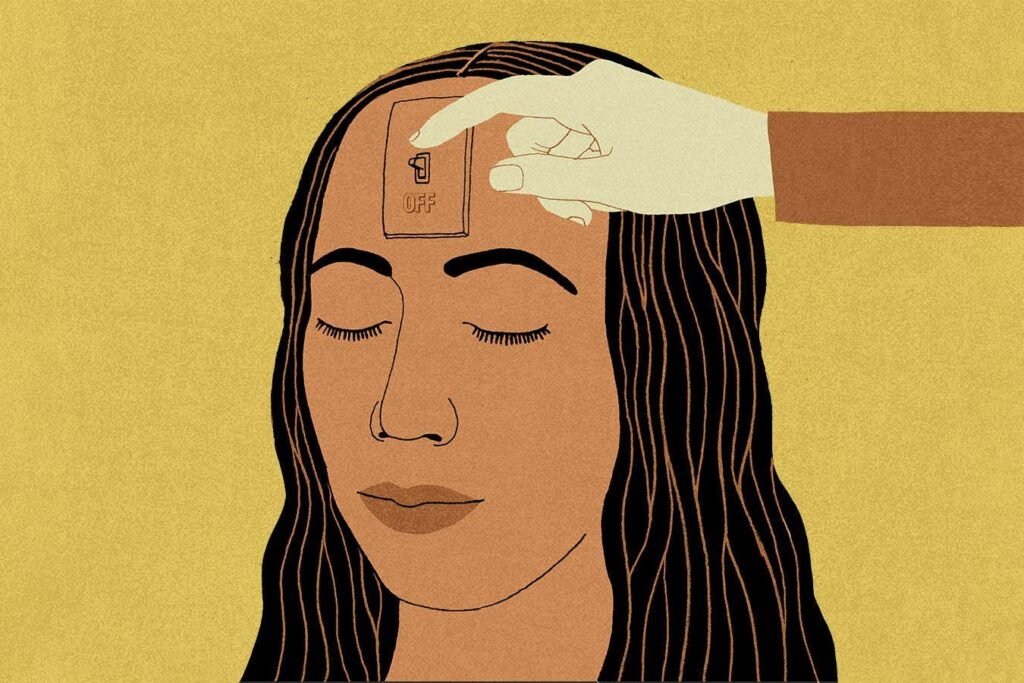

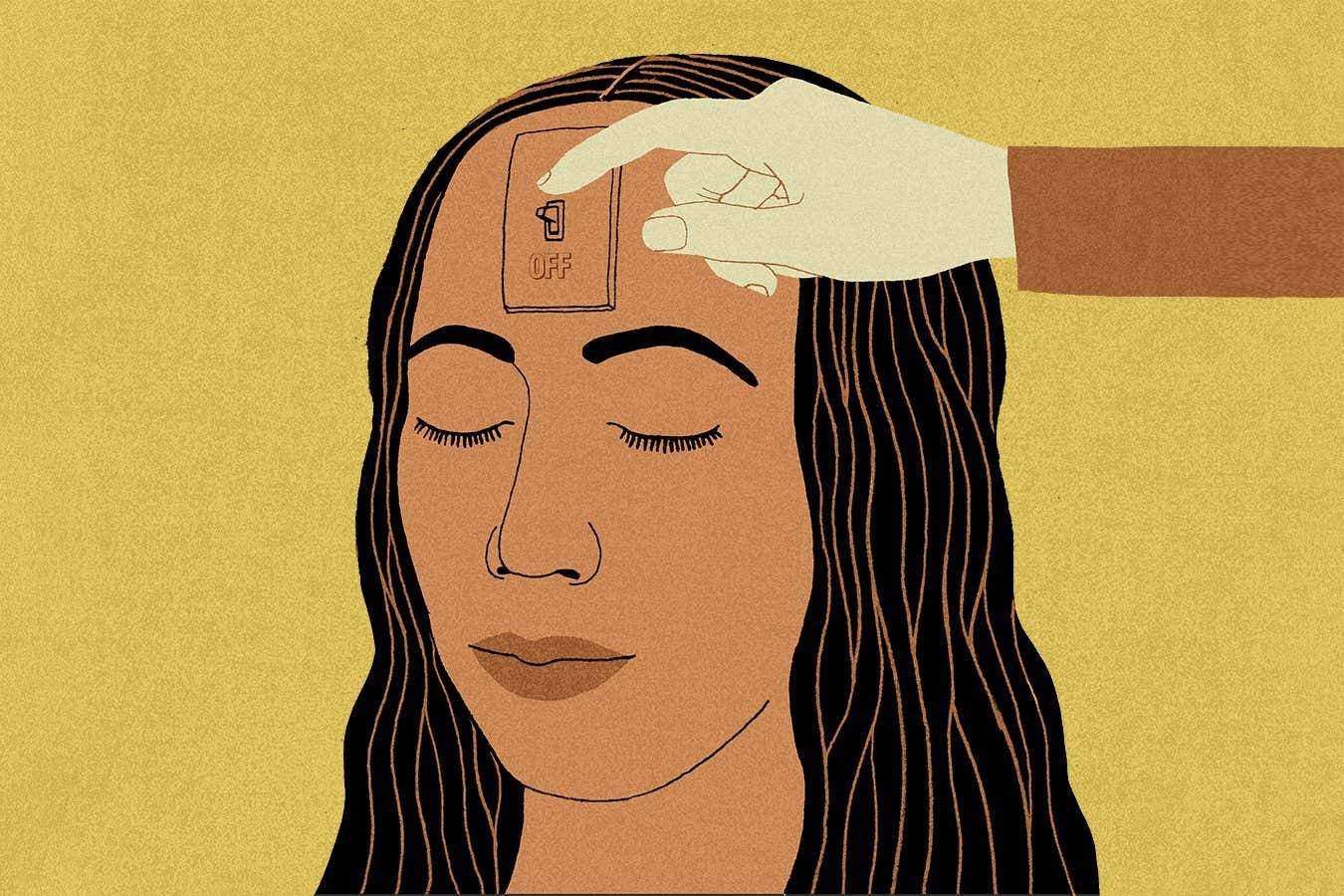
New Research Exposes Perception’s Dominant Role (Image Credits: Images.newscientist.com)
People often fixate on clocking eight hours of sleep each night, yet many still battle persistent daytime tiredness despite meeting that target.
New Research Exposes Perception’s Dominant Role
Scientists have uncovered a striking pattern: how individuals perceive their sleep exerts a stronger influence on next-day grogginess and mood than the precise amount of rest obtained.[1][2]
Researchers tracked 249 people with depression over 13 weeks using smartwatches and self-reports. Objective data frequently contradicted complaints of poor sleep, such as long times to fall asleep or frequent awakenings. Self-assessed sleep quality, however, better predicted performance on cognitive tests than actual sleep metrics.[1]
Similar findings appeared in a study of chronic fatigue syndrome patients. Subjective reports of sleep quality, efficiency, and feeling refreshed upon waking forecasted next-day fatigue levels. Actigraphy devices, which objectively measured sleep, showed no such links.
A meta-analysis reinforced this trend. Better subjective sleep quality and longer perceived duration correlated modestly with improved next-day positive affect and reduced negative mood.[4]
Placebo Experiments Prove Mindset Alters Brain Function
Controlled tests highlight the neurological impact of sleep beliefs. In a 2021 study, 16 adults slept eight hours one night and five the next. Researchers manipulated clocks to falsify sleep durations. Participants who thought they slept only five hours – despite actually getting eight – experienced slower reaction times, roughly 20 milliseconds worse, comparable to several nights of genuine short sleep.[1]
Brain scans revealed lower delta power during the day among those believing they rested well. This marker of sleep drive dropped, leaving them more alert. Simply holding a positive view of sleep triggered benefits akin to extended rest.[1]
“A few nights’ bad sleep doesn’t break us – unless we believe it does,” noted sleep researcher Nicole Tang.[1]
Daytime Experiences Frequently Override Nighttime Reality
Sleep judgments evolve beyond bedtime events. Tang’s team presented 100 participants with hypothetical scenarios varying sleep interruptions, awakenings, and daytime factors like mood and activity. Choices for “best sleep” heavily weighed post-sleep elements, such as clear thinking and social ease.[1]
A follow-up with 119 adults involved rating the previous night’s sleep every two hours from morning to evening. Over 90 percent revised their assessments at least once. Physical activity emerged as the strongest positive influencer, elevating ratings even after objectively poor nights.[1]
“When people were engaged in more positive physical activity, their sleep-quality rating tended to go up,” Tang observed.[1]
Actionable Steps to Reframe Your Sleep Outlook
Targeted habits can recalibrate perceptions for greater vitality. Researchers advocate incorporating daytime boosts alongside traditional hygiene practices.
- Prioritize exercise post-poor sleep. A gym session or brisk walk reframes the night as restorative, countering fatigue spirals.
- Practice mindfulness. Eight weekly sessions plus daily meditation reduced anxious awakenings in one EEG-monitored trial, enhancing overall sleep views.[1]
- Adjust expectations realistically. Review past tracker data for your average actual sleep time, not time in bed, and aim there. Pre-industrial groups thrived on 5.7 to 7.1 hours with high satisfaction.
- Expose yourself to morning light and limit evening screens to support natural rhythms.
- Track flexibly. Allow mood and accomplishments to positively color retrospectives throughout the day.
Key Takeaways
- Subjective sleep quality predicts fatigue and mood more reliably than objective measures.
- Belief in good rest lowers brain sleep drive, sharpening alertness.
- Daytime activity and mindfulness actively improve sleep perceptions.
Embracing a flexible sleep mindset unlocks energy reserves untapped by hours alone. Small perceptual shifts promise substantial gains in daily vigor. What strategies have you tried to rethink your rest? Share in the comments.