

Every once in a while, something jolts you out of your routine: a late-night walk, a random memory, or just staring at the ceiling, and suddenly you realize, in a sharp, almost eerie way, “I exist.” Not just that your body is here, but that there’s a conscious “you” looking out through your eyes. That feeling is strangely intense, almost too large for ordinary life, and yet most of the time we rush past it like it’s nothing.
When you pause on it, though, it’s genuinely bizarre. Out of all the possible arrangements of matter in the universe, you ended up as a self-aware mind that can notice the fact it’s alive. That’s not just rare in a poetic sense; it’s rare in a deep, physical, and evolutionary sense. To see how unusual this really is, we have to look at what consciousness costs, how rarely it appears, and how fragile and unstable that awareness actually is.
The Universe Mostly Doesn’t Know It Exists

Think about the sheer scale of the cosmos for a second: uncountable stars, immense galaxies, and enormous clouds of gas drifting in the dark. Almost all of it just is. It doesn’t feel anything, it doesn’t notice itself, it doesn’t sit around wondering what it all means. As far as we can tell, the default state of matter is total indifference; rocks don’t wake up in the morning and question their life choices.
On our own planet, the story is similar. There are countless bacteria, plants, and simple animals that respond to their environment without any evidence of reflective awareness. They react, they adapt, they survive, but they don’t sit there thinking, “I am.” When you realize that your experience of being a self is a tiny, flickering exception in a universe that is overwhelmingly unconscious, that sense of existence starts to feel almost absurdly improbable.
Most Life Gets By Without Knowing It’s Alive
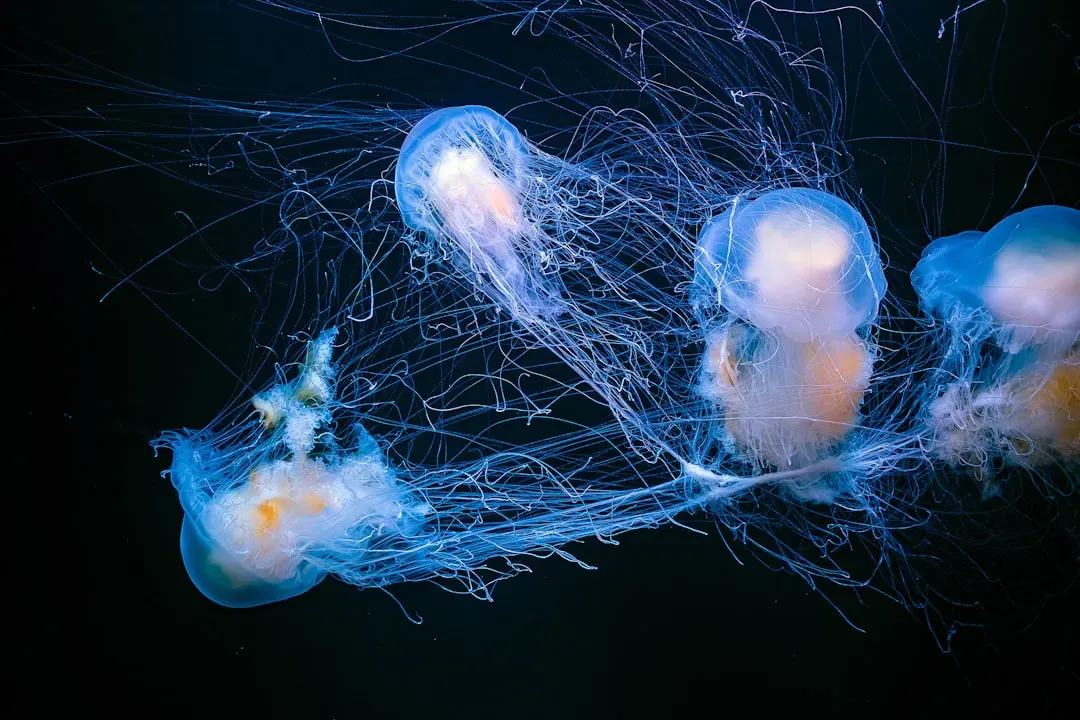
Evolution is ruthlessly practical. If something doesn’t help survival or reproduction, it usually gets trimmed away over time. From that angle, it’s striking that most life on Earth seems to operate perfectly well without any obvious form of self-awareness. Single-celled organisms navigate chemicals, plants track the sun, insects build complex structures, all with no clear sign of the kind of inner life humans obsess over.
That means being able to sit there and think, “I am alive, and one day I will die,” is not some basic requirement for life; it’s a strange, high-level luxury. It might even be a side effect of abilities that were useful for other reasons, like planning or anticipating danger. When I first really let this sink in, it hit me that awareness of existence is not the standard setting for life; it’s more like a weird bonus feature tacked onto a survival machine.
Consciousness Is Expensive and Fragile
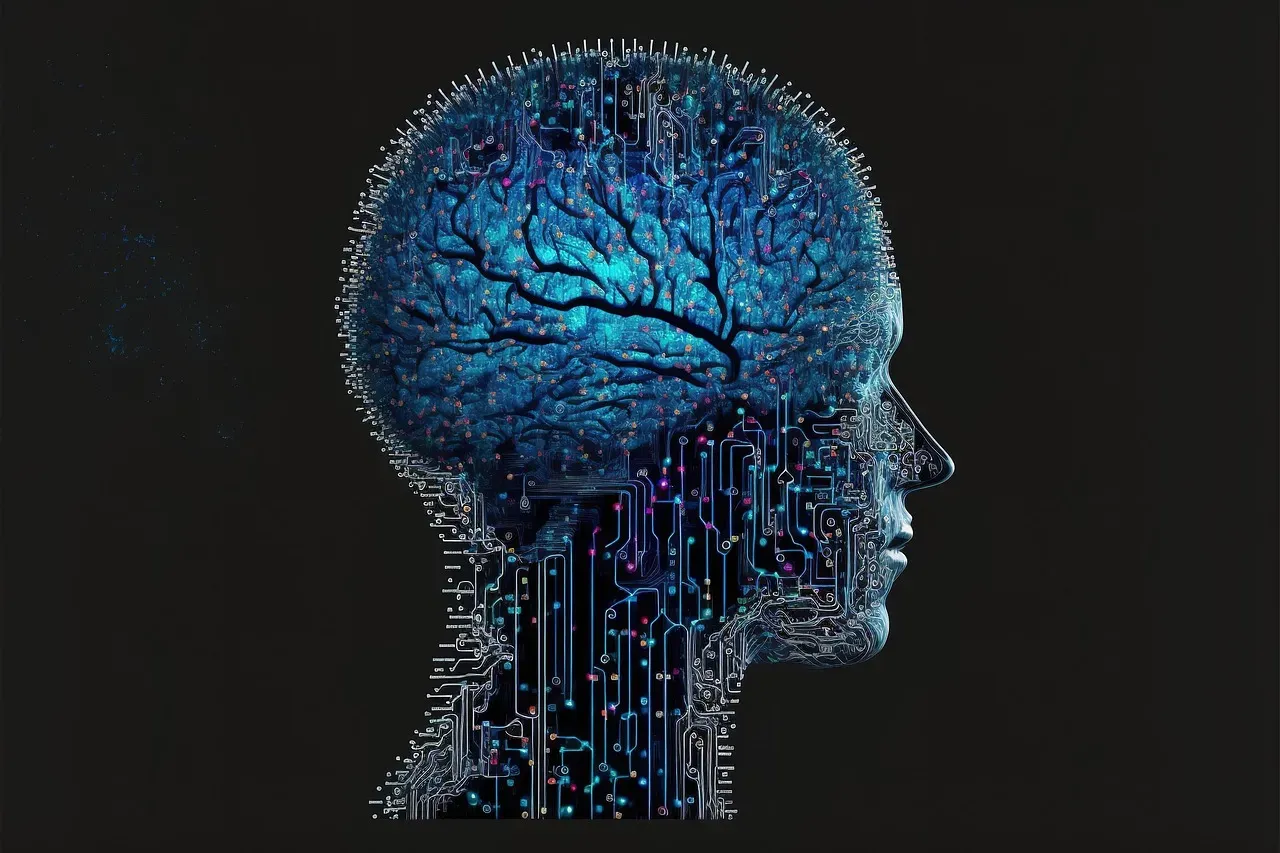
Your brain burns through a surprising amount of energy just to keep your conscious experience going. A huge fraction of your body’s fuel gets used upstairs, even when you’re doing “nothing.” That kind of investment suggests that the abilities tied to awareness – like complex planning, long-term memory, and flexible decision-making – bring serious advantages, but it also highlights how costly it is to maintain a mind like ours.
On top of that, our self-awareness is ridiculously fragile. A bit too little sleep, a strong emotion, a head injury, certain drugs, or late-stage illness can distort or even temporarily erase your sense of self. One moment you feel like a solid, centered person; the next, your awareness is foggy, scattered, or strangely detached. The fact that this precious sense of “I exist” can be shaken so easily makes it feel less like a solid platform and more like a narrow ledge we’re constantly balancing on.
Most of Your Life Runs on Autopilot
Even when you’re awake, you’re not always really “there.” Try to remember your last commute, routine shower, or scrolling session. A lot of it probably feels like a blur, as if someone else lived it and you only get a vague summary. Neuroscience backs this up: a vast amount of what we do is handled by habits, automatic responses, and unconscious processing that never reaches the spotlight of awareness.
In practice, that means the intense, clear feeling of “I am here right now” is not your default state; it’s more like a special mode that switches on occasionally. I’ve had moments – usually when traveling alone or after a major life change – where that mode suddenly kicks in and everything feels hyper-real, like existence just snapped into focus. Those bursts stand out precisely because so much of our time is spent operating in a kind of low-awareness drift.
Self-Awareness Emerges Late and Can Fade Away

Human infants are not born with a polished sense of self. They slowly piece it together: recognizing their reflection, learning their name, understanding that they’re a separate being from their parents. Psychologists often use simple tests, like mirror recognition, to show that even in humans, it takes time before a child can say, in effect, “That’s me.” Self-awareness arrives late to the party, not as a starting condition.
Later in life, that same sense of self can fray. Neurodegenerative diseases, severe mental illness, and certain injuries can chip away at memory, identity, and the continuity of who you feel you are. People can reach a point where their former sense of existence, with its history and stability, is barely accessible. Awareness of existence, then, isn’t just rare on a cosmic scale; it’s unstable across one person’s lifetime, making those clear, grounded stretches of self-awareness feel even more precious.
Being Aware of Awareness Is Another Level of Weird

It’s one thing for a brain to process information; it’s another thing entirely for that brain to notice that it’s processing information. Humans don’t just experience pain, joy, or fear – we can reflect on those experiences, question them, and even wonder why we’re capable of wondering at all. That loop, where consciousness turns back on itself, adds a level of strangeness that’s hard to make sense of.
When you step back and catch yourself thinking about your own thinking, it feels almost like a mental optical illusion. You become both the observer and the observed, the thinker and the thought. That kind of self-referential awareness seems unnecessary for basic survival, yet it shapes our art, our philosophy, our religions, and our deepest anxieties. The fact that you can not only exist, but know that you exist, and then question what that means, pushes your experience into a territory that most of reality never touches.
Knowing You’ll End Makes Awareness Hit Harder

Awareness of existence becomes even more unusual once you add in awareness of death. Most living things seem to behave as if they’re wired to avoid immediate threats, but humans carry a longer, heavier knowledge: not just that danger exists, but that one day, no matter what, our personal stream of experience will stop. That realization can be terrifying, but it also sharpens life in a way nothing else does.
There’s a strange twist here: the very thing that makes existence feel unbearably heavy at times – the knowledge that it’s temporary – is the same thing that can make ordinary moments feel deeply meaningful. A quiet coffee, a genuine conversation, a random song that hits just right: knowing you won’t always be here turns those small experiences into something almost luminous. Being aware of existence, in the shadow of its ending, is not just unusual; it’s the source of both our deepest fear and our richest sense of significance.
A Brief, Astonishing Flash of “I Am”

When you zoom out, being aware that you exist is like a tiny light turning on in an overwhelmingly dark universe. Most matter never lights up. Most life never pauses to notice itself. Even in your own body, most processes run without your say-so, and your moments of clear, reflective awareness are scattered, fragile, and temporary.
And yet, right now, you have this rare ability to step back, look at your own experience, and quietly acknowledge, “This is happening, and I’m here for it.” That may not solve any cosmic mystery, but it does reveal how unusual and strangely valuable your awareness already is, before you change anything at all. How often do you actually stop to notice that?