
Imagine standing under a sky not our own, peering down at a world shimmering with ice, hiding oceans deeper than anything found on Earth. Now imagine that beneath those alien surfaces, something extraordinary might be swimming, crawling, or perhaps just existing in a way we can hardly comprehend. This isn’t the stuff of science fiction; it’s the daily obsession of astrobiologists who dream big, chase hope, and sometimes lose sleep over three mysterious moons: Europa, Titan, and Enceladus. These worlds are not just cold rocks floating in the night—they’re cosmic puzzles, each holding tantalizing clues to one of humanity’s oldest questions: Are we alone?
The Allure of Alien Oceans
Ask any astrobiologist what gets them up in the morning, and chances are, the possibility of alien oceans is high on the list. Unlike Mars, which is dry and dusty today, these moons are believed to have vast reserves of liquid water, hidden beneath icy shells. Water is the universal solvent—where there’s water on Earth, there’s usually life. The idea that entire oceans might slosh beneath Europa, Titan, and Enceladus is nothing short of electrifying. It’s almost as if the universe is daring us to look closer, to reach beneath the surface, and see what secrets these cold, dark seas might reveal.
Europa: Jupiter’s Icy Enigma
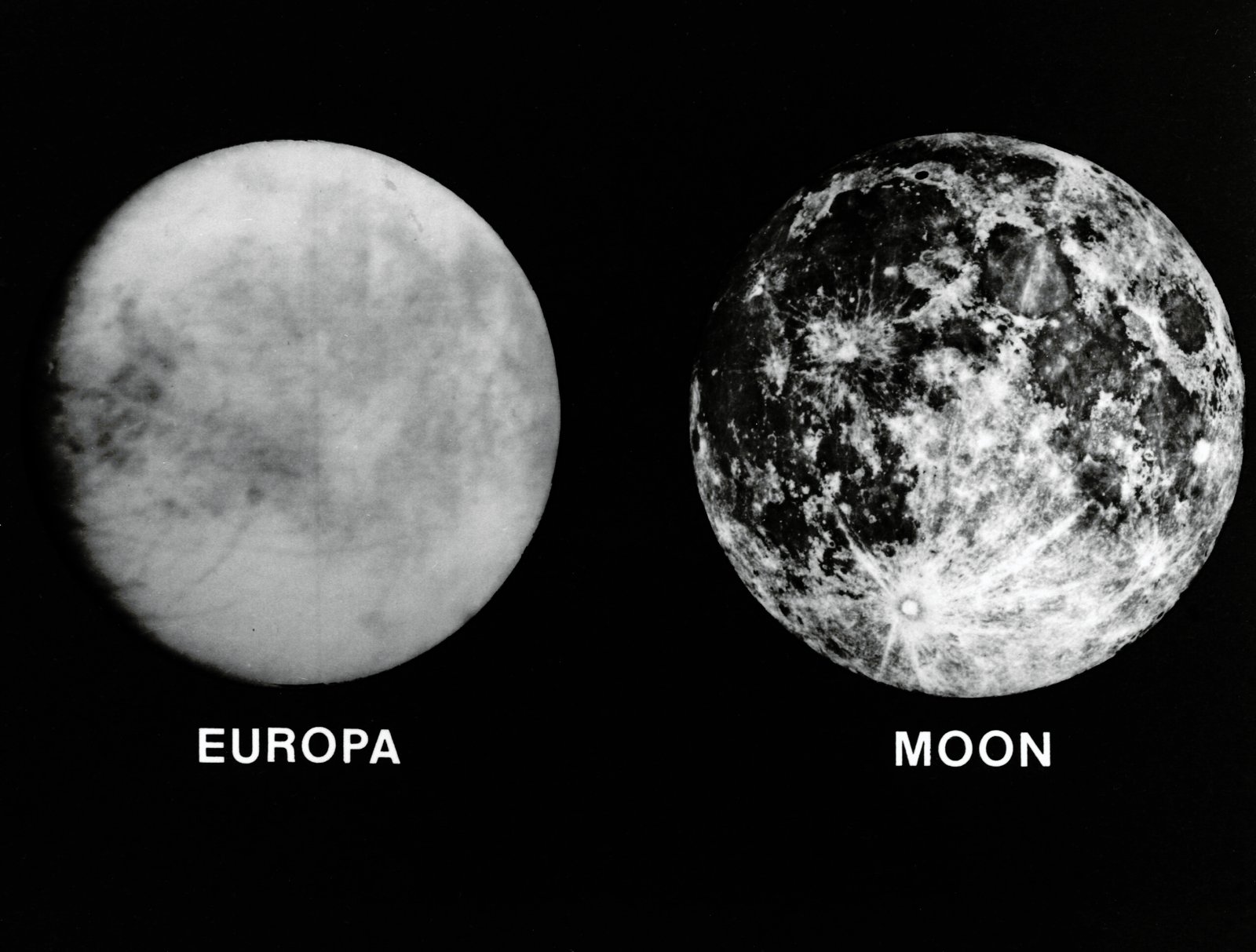
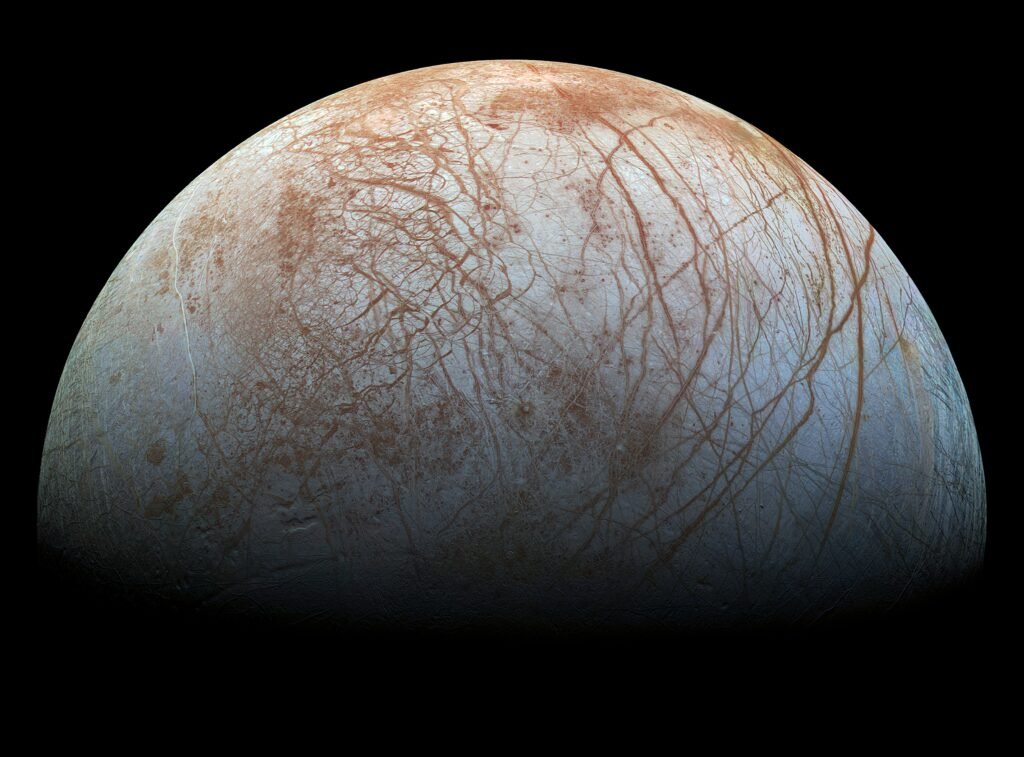
Europa, orbiting Jupiter, is arguably the most famous of the three. Its surface is a chaos of cracks, ridges, and ice rafts, looking like a gigantic cosmic jigsaw puzzle. Scientists believe that below this fractured ice crust—sometimes estimated at just 15 to 25 kilometers thick—lies a global ocean containing more water than all of Earth’s oceans combined. The gravitational tug from Jupiter creates tidal flexing, generating enough heat to keep this ocean liquid. That means even far from the Sun, Europa’s ocean could be warm enough to support life. For astrobiologists, this is like dangling a carrot in front of a hungry rabbit—irresistible.
Titan: Saturn’s Methane Wonderland
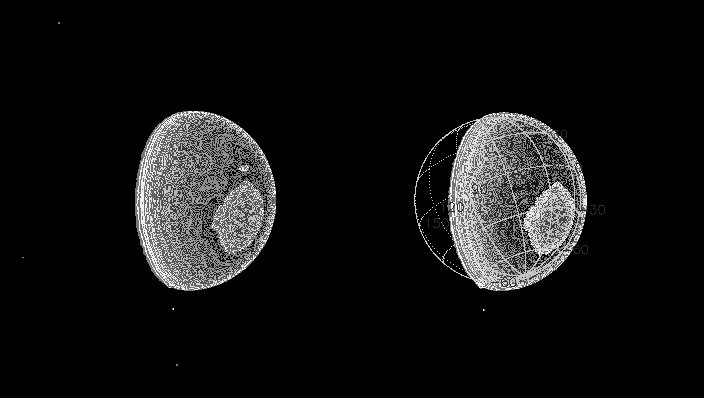
Titan, Saturn’s largest moon, is a world that feels equal parts familiar and utterly alien. It’s the only moon in the solar system with a thick atmosphere, rich in nitrogen and methane. Its surface is dotted with lakes and rivers—not of water, but of liquid methane and ethane. Despite its bone-chilling temperatures, Titan’s chemistry is wild and complex, resembling what Earth’s might have looked like before life evolved. Some scientists see Titan as a window into our own planet’s distant past—a place where the recipe for life’s building blocks might be brewing in slow motion. The allure is undeniable.
Enceladus: The Tiny Powerhouse
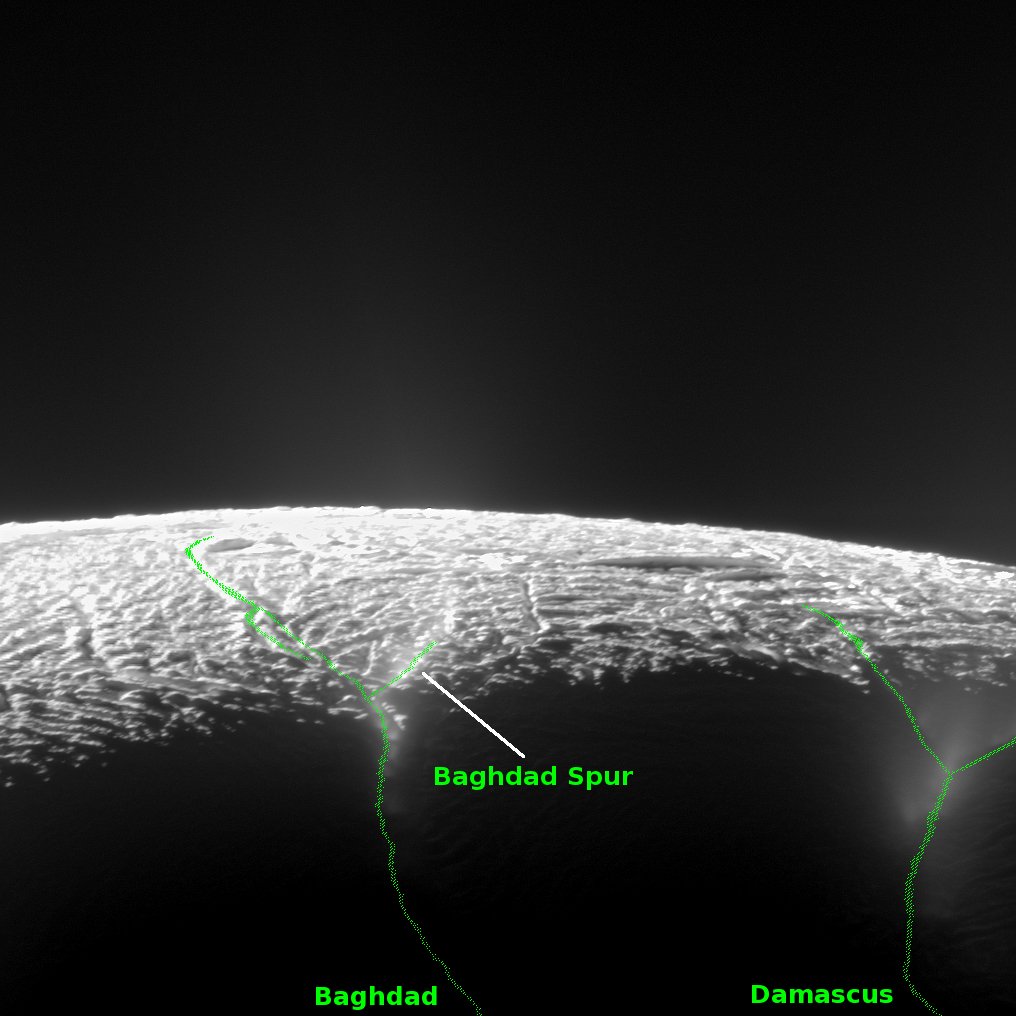
Enceladus might be small compared to Europa and Titan, but it’s a heavyweight in the search for life. This icy moon orbits Saturn and is famous for its dazzling geysers that shoot plumes of water vapor, ice, and organic molecules hundreds of kilometers into space. When the Cassini spacecraft flew through these plumes, it detected the basic ingredients for life, including water, organics, and even hints of hydrothermal activity. It’s like Enceladus is holding up a cosmic sign saying, “Hey, look here!” For astrobiologists, it’s almost impossible to resist the siren call of these icy jets.
What Makes a World “Habitable”?
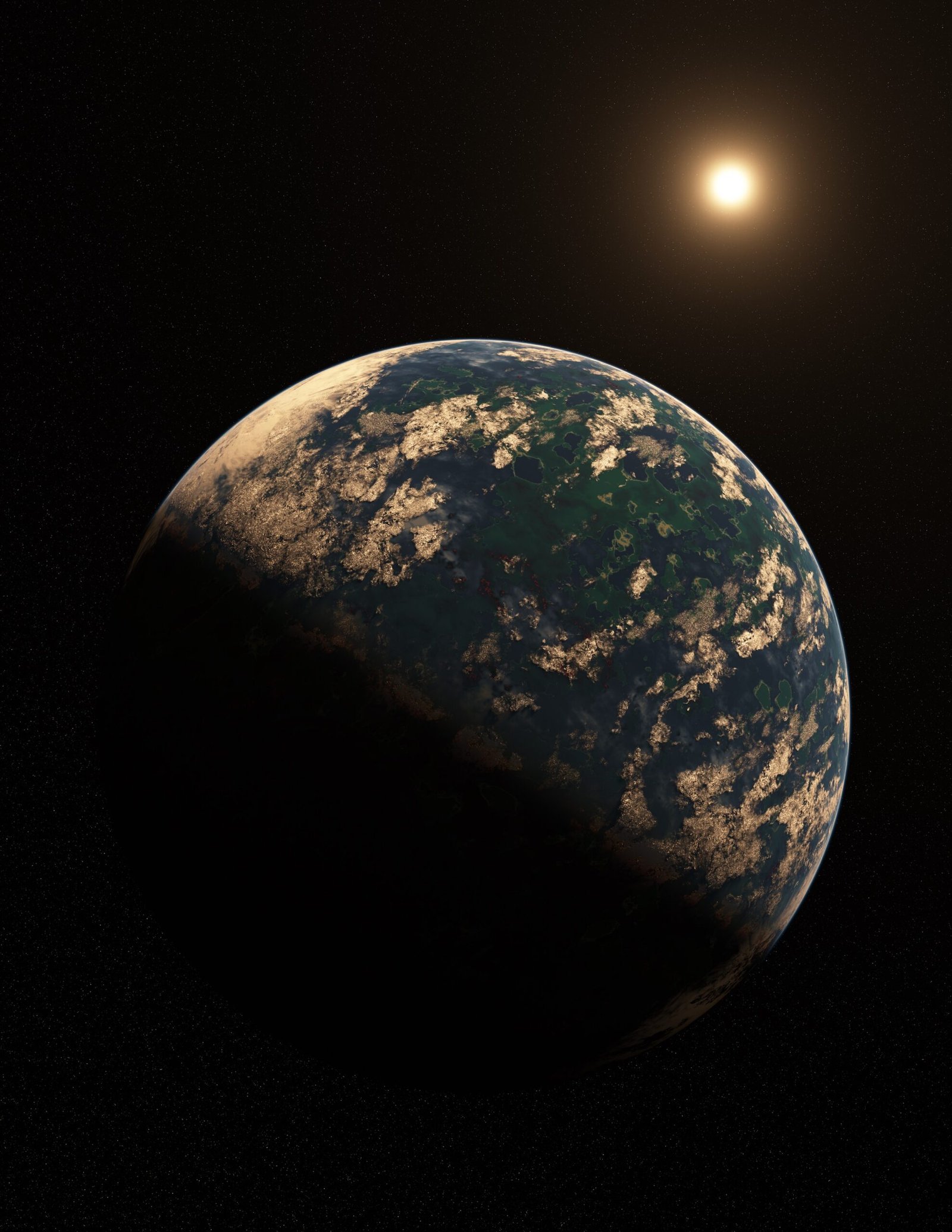
Astrobiologists aren’t just looking for any old planet or moon—they’re hunting for places where life, as we know it, could actually survive. To be considered “habitable,” a world needs liquid water, a source of energy, and a suite of basic chemicals. Europa, Titan, and Enceladus tick these boxes in spectacular fashion. Their hidden oceans, chemical-rich environments, and internal heat sources make them front-runners in the race to find extraterrestrial life. Every discovery, from salt in Europa’s surface cracks to methane rain on Titan, adds another layer of intrigue.
The Power of Tidal Heating
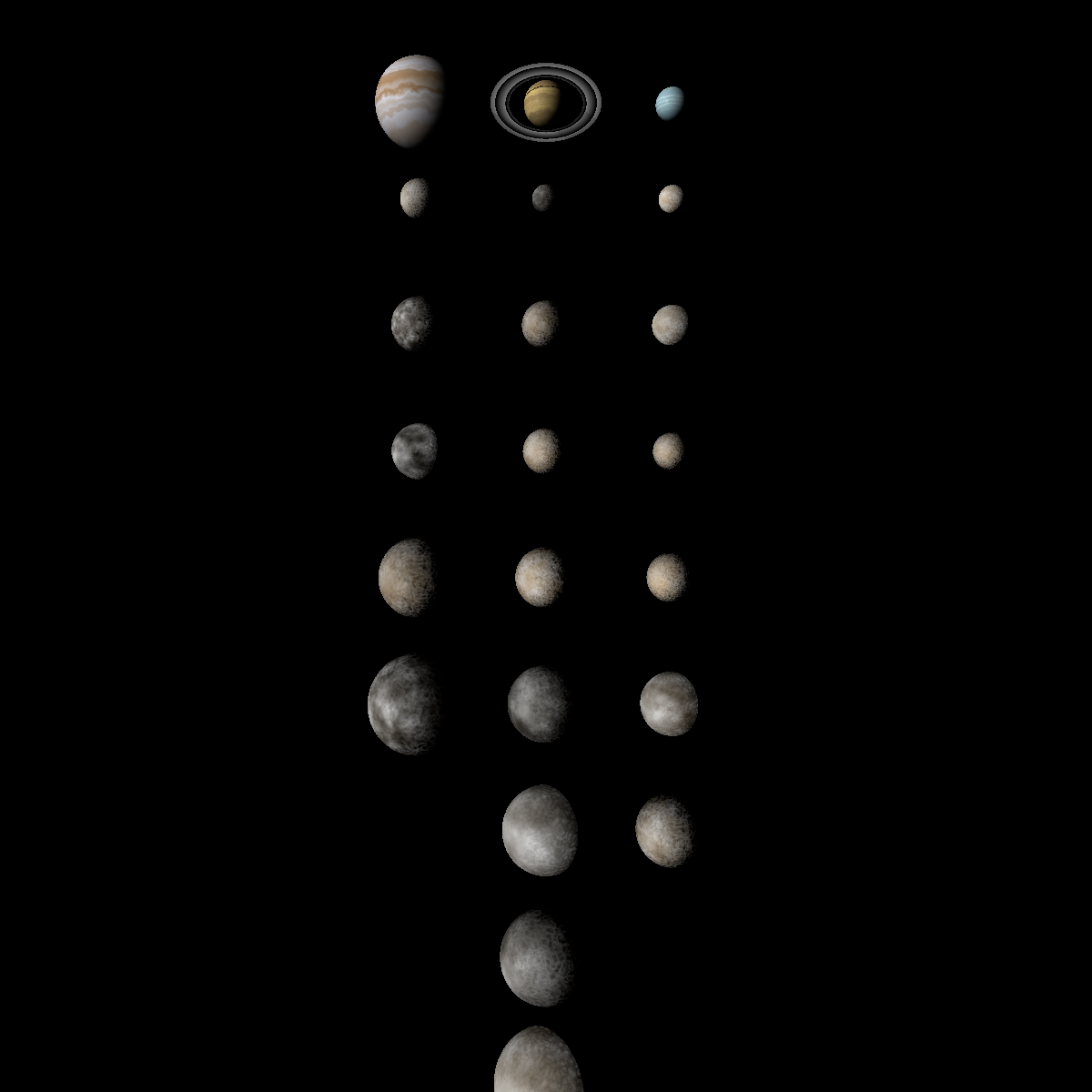
One reason these moons are so special comes down to tidal heating. Unlike Earth, which gets most of its warmth from the Sun, Europa and Enceladus are kept warm by being stretched and squeezed by their giant parent planets. This constant flexing generates enough internal heat to keep their oceans from freezing solid. It’s a wild, almost poetic process—gravity itself becomes an engine for possibility. This means that life on these moons doesn’t depend on sunlight, opening the door to entirely new ecosystems, perhaps similar to the deep-sea vents teeming with life on Earth’s ocean floor.
Organic Molecules: The Building Blocks of Life
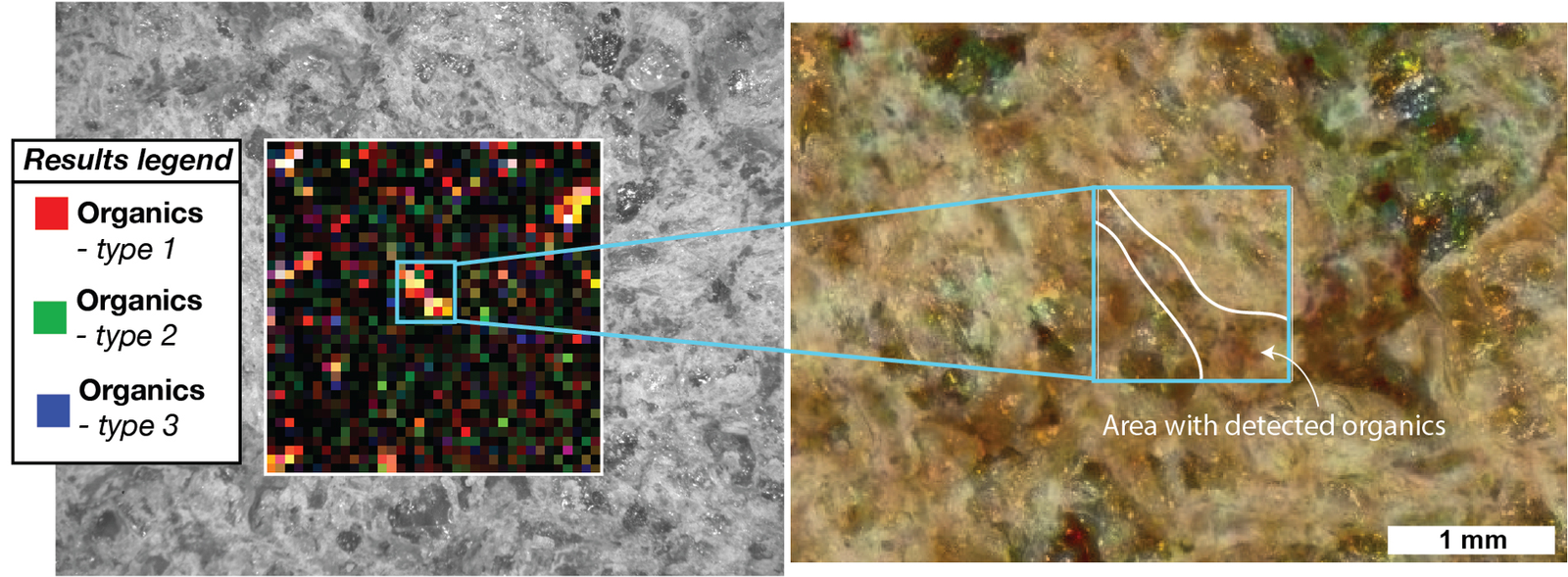
Astrobiologists get especially excited when they find organic molecules—carbon-based compounds that form the foundation of life. Cassini’s discoveries of organics in Enceladus’s plumes, and the complex chemistry brewing in Titan’s thick atmosphere, have set imaginations on fire. These aren’t evidence of life, but they’re crucial ingredients in the recipe. On Earth, organics plus water plus energy eventually led to biology. It’s not a stretch to wonder if the same could happen, or has already happened, on these distant worlds.
Europa’s Mysterious Surface Features
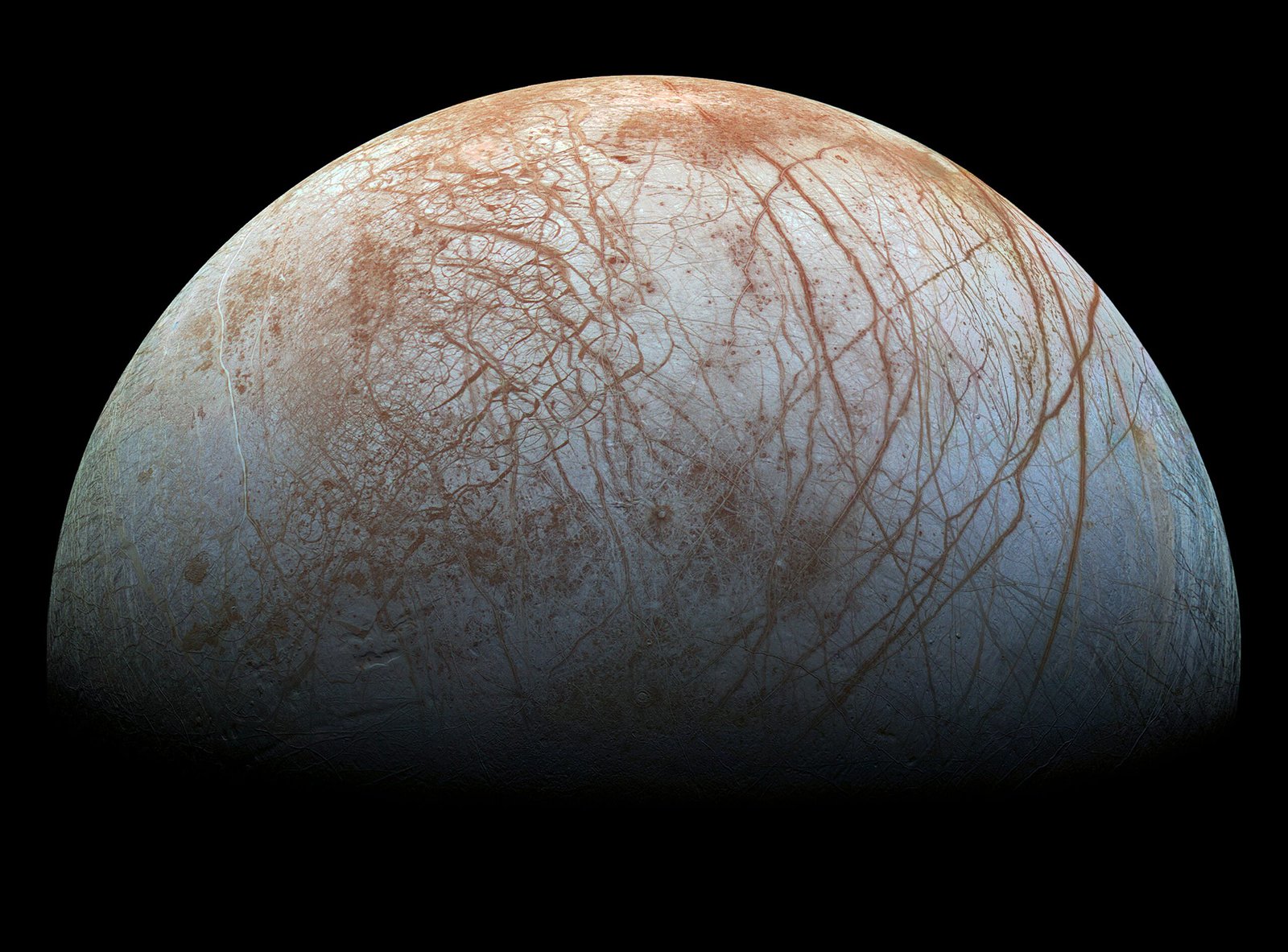
Europa’s surface is a riddle wrapped in ice. The moon is covered in long, dark streaks and chaotic regions where the crust appears to be broken and shifted. These “chaos terrains” might be places where the ocean beneath has melted through, bringing nutrients and energy to the surface. Some scientists even suggest these features could be hotspots for life, much like cracks in Earth’s ice where polar oceans teem with organisms. It’s a visual reminder that beneath the serene surface, something dynamic—and possibly alive—could be going on.
Titan’s Lakes and Methane Cycle
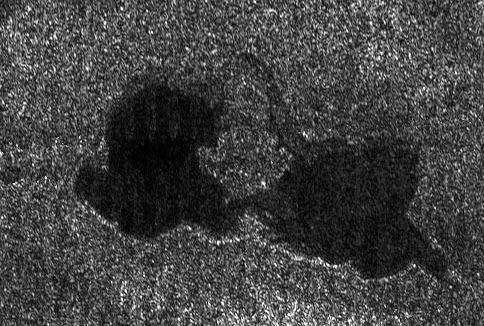
If you ever wanted to visit another world and see lakes and rain, Titan would be your destination—just don’t expect to go swimming. Titan’s lakes are made of methane and ethane, and the temperatures hover around -179°C. Yet, the moon has an active weather cycle, with methane clouds, rain, and rivers carving out the landscape. This exotic version of Earth’s water cycle hints at the rich chemistry happening below and above the surface. Could life adapt to such alien conditions? It’s a question that haunts astrobiologists and fuels endless debate.
The Plumes of Enceladus: Nature’s Gift
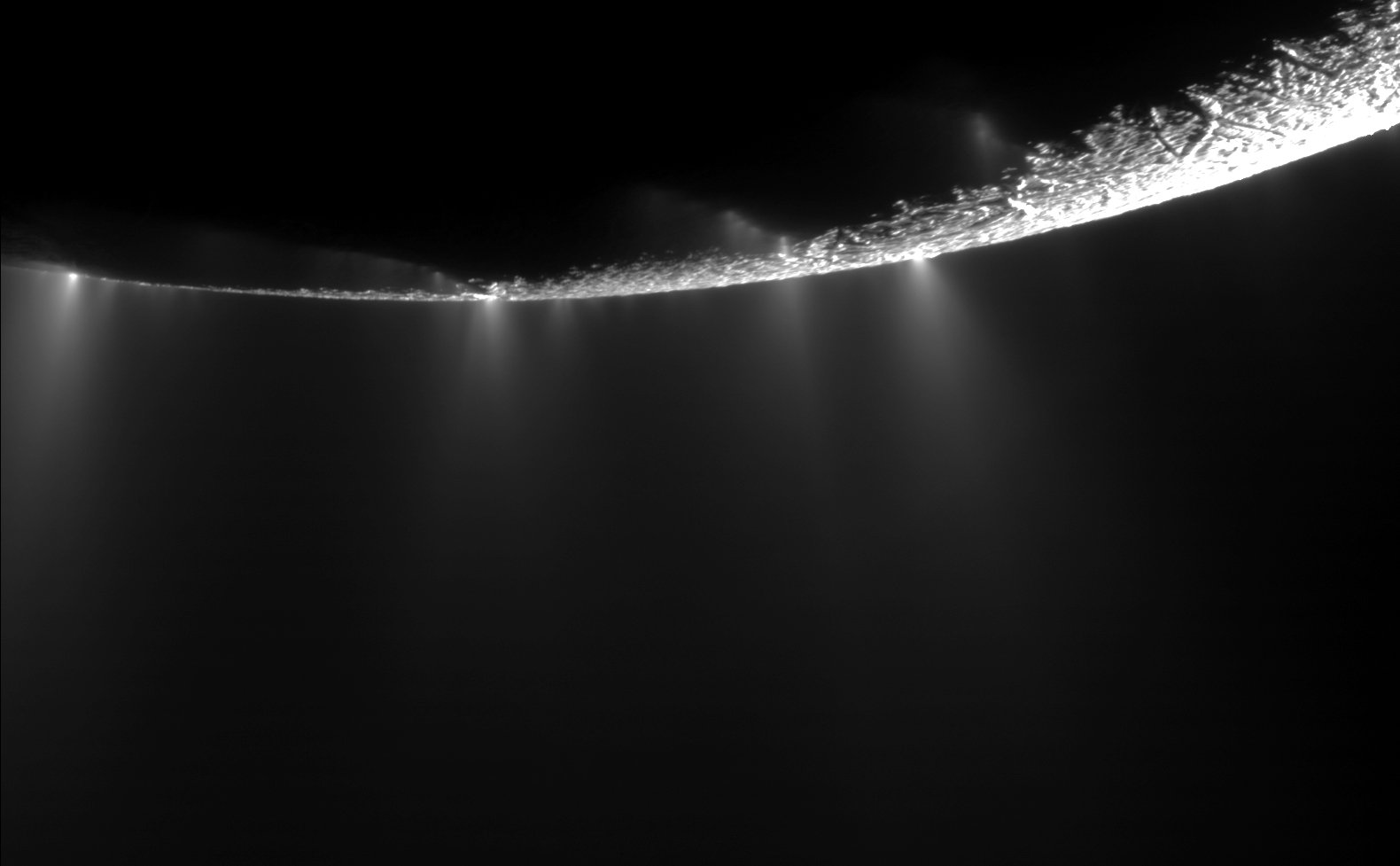
Enceladus’s geysers are more than just beautiful—they’re a scientific goldmine. By flying spacecraft through these plumes, researchers can directly sample material from the moon’s subsurface ocean without even landing. It’s like Enceladus is handing us a glass of its ocean to analyze. The discovery of salts, organic molecules, and even traces of hydrogen in the plumes suggests hydrothermal vents are active on the ocean floor, much like the ones supporting bizarre life forms on Earth. It’s a thrilling shortcut in the search for life beyond our planet.
Energy Sources Beyond Sunlight
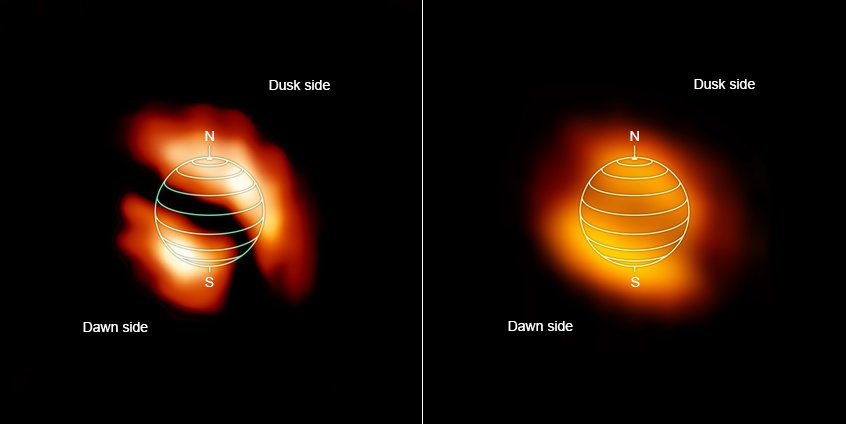
Many people imagine that life needs sunlight, but these moons challenge that assumption. On Europa and Enceladus, energy might come from chemical reactions at the ocean floor, where water meets rock, or from the constant tidal flexing. Even on Titan, chemical energy from sunlight breaking down methane in the atmosphere could power exotic forms of life. This opens up the possibility of life in places once thought impossible, expanding our definition of what’s “habitable” in the universe.
Earth as a Blueprint for Alien Life
We don’t have to look far to imagine what life on these moons might be like. On Earth, life thrives in the strangest places—inside Antarctic lakes sealed under ice, around hydrothermal vents in the pitch-black ocean, and even in clouds high above the surface. These real-world examples give astrobiologists hope. If microbes can survive boiling acid or freezing darkness here, why not on Europa, Titan, or Enceladus? Every new discovery on Earth becomes a spark for new ideas about life elsewhere.
The Role of Robotic Explorers
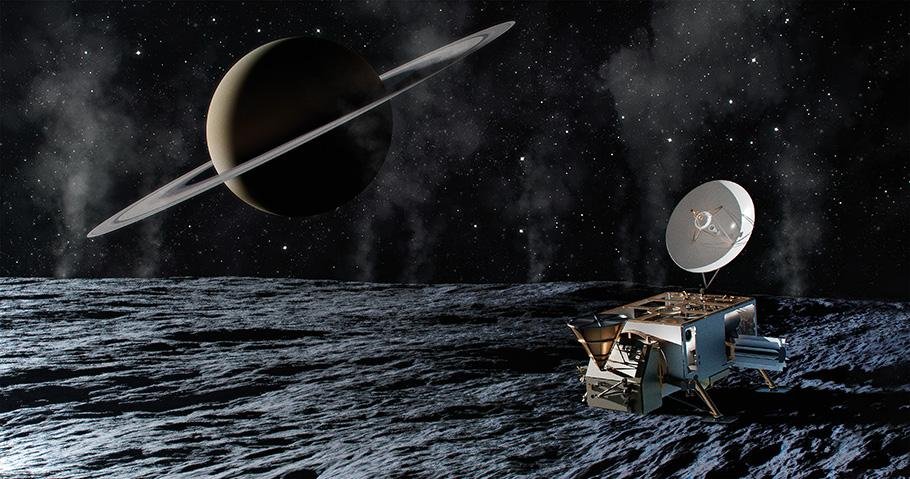
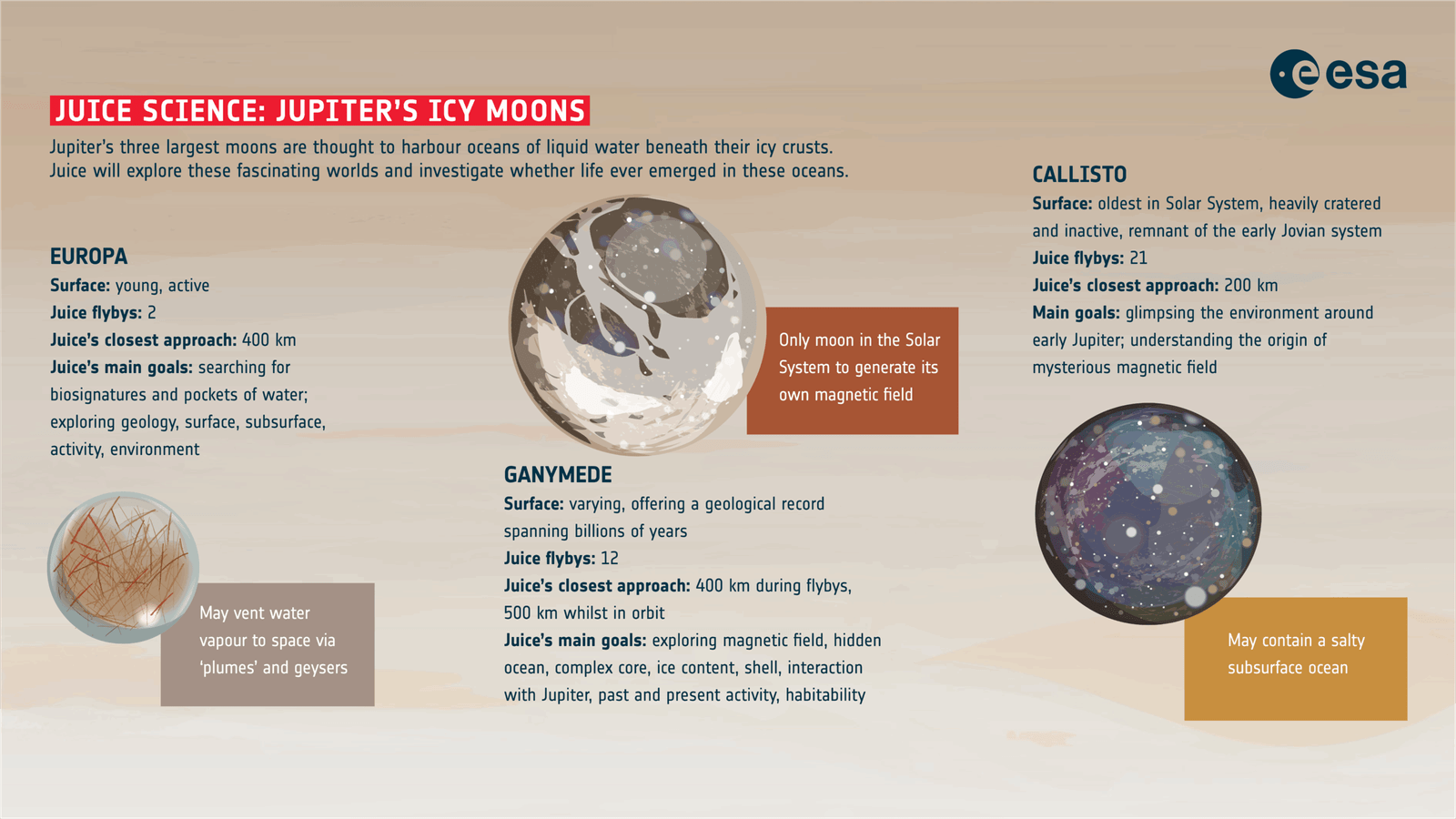
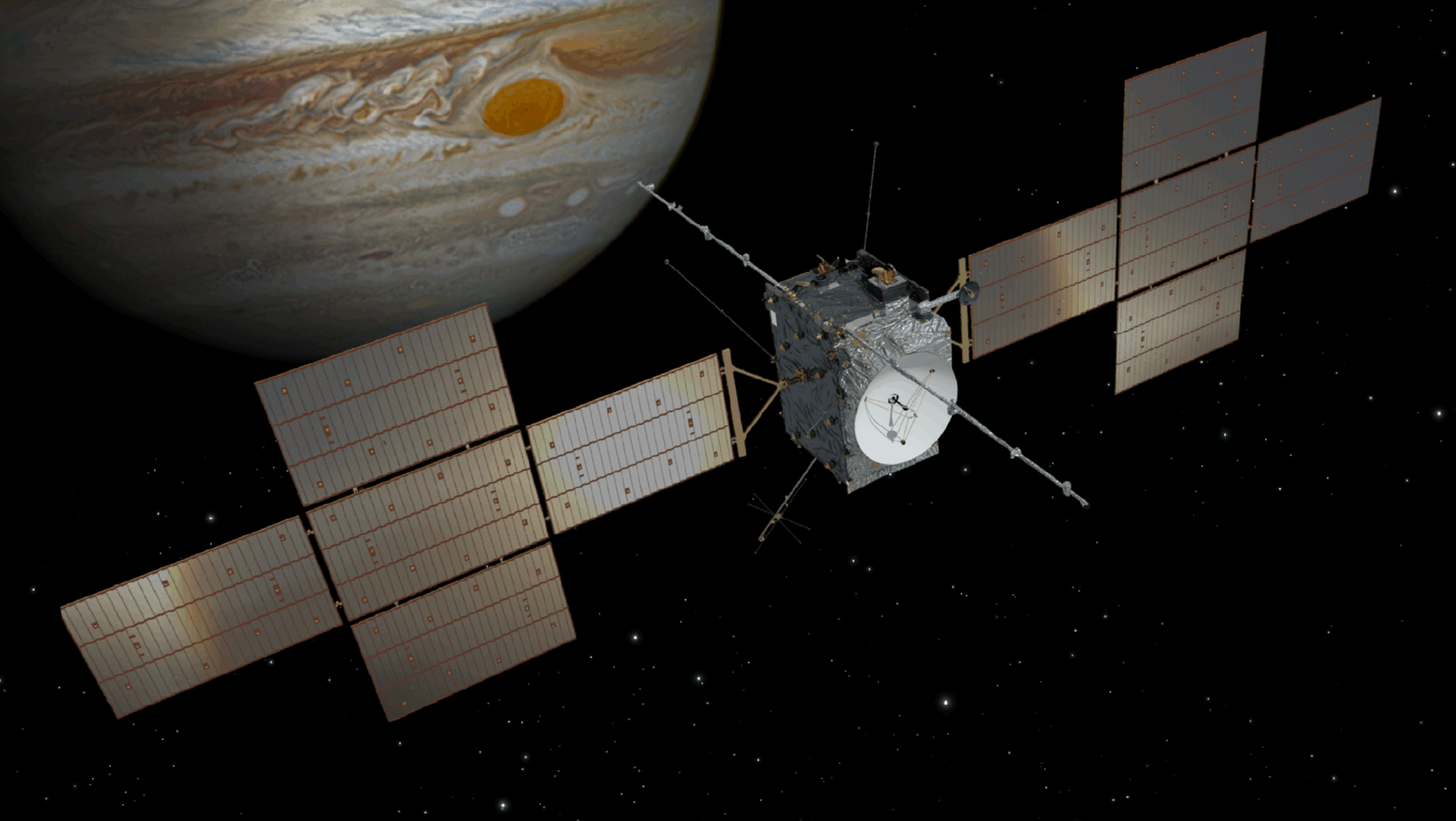
Getting to these distant worlds isn’t easy. So far, our eyes and instruments have been robotic: the Galileo orbiter, Cassini spacecraft, and Huygens lander have provided glimpses, but much remains unseen. Upcoming missions, like NASA’s Europa Clipper and ESA’s JUICE, promise to bring us closer than ever before. These robotic explorers are our first ambassadors, carrying our curiosity across the void. They’ll map surfaces, sniff for organics, and maybe even peek beneath the ice, bringing the dream of discovery within reach.
The Challenge of Contamination
Astrobiologists face a tricky ethical problem: How do we explore these worlds without accidentally contaminating them with Earth life? If microbes from our planet hitch a ride, we might ruin our chances of finding native life—or, worse, harm a pristine ecosystem. Strict sterilization protocols, careful mission planning, and international agreements all come into play. It’s a reminder that as we search for life, we must also protect it, wherever it may be found.
The Impact on Our Place in the Universe
Why do these moons matter so much to us? It’s not just scientific curiosity—it’s existential. Finding life elsewhere, even if it’s just a microbe, would change everything about how we see ourselves. It would mean we’re not unique, that life can emerge wherever the conditions are right. Europa, Titan, and Enceladus are like cosmic mirrors, reflecting our own hopes, fears, and endless drive to understand our place in the universe. Each discovery brings that dream a little closer.
Are We Ready for the Answer?
As we send more missions deeper into the solar system, the question looms: are we prepared for what we might find? Discovering alien life, even simple microbes, would shake philosophy, religion, and science to their core. It could unite or divide us, inspire awe or fear. The moons of Jupiter and Saturn don’t just tempt us with the possibility of life—they challenge us to think about what it means for humanity. Are we explorers, or just curious children peering into the night?
The Unending Pursuit of Discovery

The story of astrobiology is one of relentless curiosity. Europa, Titan, and Enceladus aren’t just places on a map; they’re chapters in a story that’s still being written. Every new clue, from a salty patch of ice to a puff of organic-rich vapor, is another piece in a cosmic jigsaw puzzle. The obsession with these distant moons is more than scientific—it’s almost poetic, a testament to the restless, hopeful spirit that drives humanity to keep looking up, and to never stop asking: what’s out there?
From Science Fiction to Science Fact
Not long ago, the idea of life on moons of other planets was the stuff of science fiction. Now, it’s a daily topic in labs, classrooms, and even living rooms. The line between imagination and reality is blurring, thanks to the incredible advances in space exploration and technology. As new missions launch and new data arrives, the wildest dreams of past generations inch closer to reality. Europa, Titan, and Enceladus are no longer just distant dots—they are the frontiers where science fiction may finally become science fact.
A Universal Longing for Connection
Deep down, the obsession with Europa, Titan, and Enceladus isn’t just about science—it’s about the human longing for connection. Whether we’re seeking microbes or marveling at methane lakes, we’re really searching for a sense of kinship, for proof that we’re not alone in the vast, silent cosmos. Every icy moon, every hidden ocean, is a reminder that the universe is full of possibilities. And as we reach further into the darkness, we bring a piece of ourselves—a mix of wonder, hope, and the stubborn refusal to stop dreaming.
Summary

Europa, Titan, and Enceladus have captured the imaginations of astrobiologists and the public alike because they represent our best chances to discover life beyond Earth. Their subsurface oceans, dynamic chemistry, and energy sources make them uniquely suited for the search for extraterrestrial biology. Robotic missions continue to reveal new clues, deepening our fascination and propelling us forward in this cosmic quest. The pursuit is driven by a profound curiosity, a desire to answer one of humanity’s oldest questions, and the hope that somewhere in those distant, icy seas, we may find evidence that we are not alone.