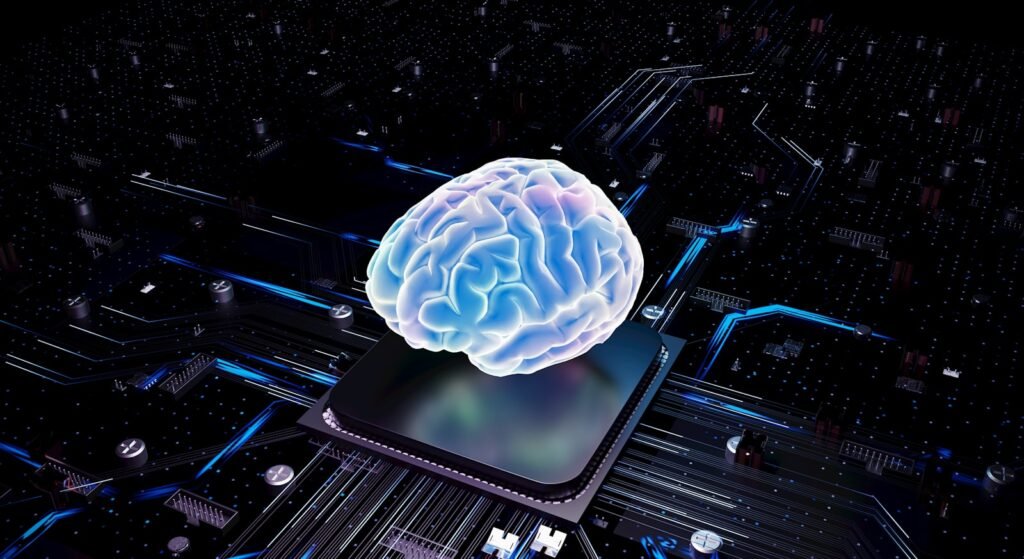

Some of the most intriguing advances in AI aren’t happening while systems are “awake.” They unfold off the clock, inside models that conjure make‑believe worlds and rehearse what might happen next. This isn’t sci‑fi flourish; it’s a practical response to hard problems like scarce data, expensive robots, and brittle algorithms that forget what they learned yesterday. A growing set of techniques let machines imagine, replay, and refine – much like a brain does during sleep. The surprising part is how quickly this quiet practice is reshaping what AI can do in the real world.
The Hidden Clues
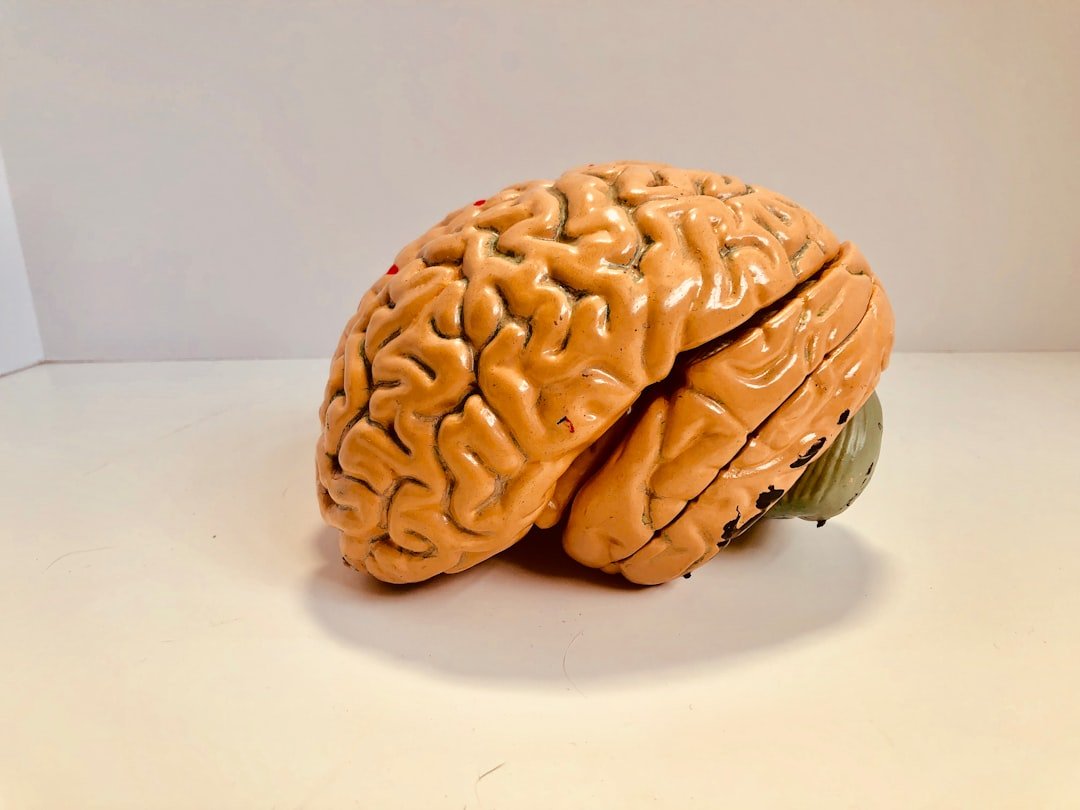
Here’s the twist: some of the most reliable gains in learning appear when nothing “real” is happening at all. Instead of grinding through endless new data, an AI can revisit its own memories, remix them, and generate fresh scenarios to practice on. That replay – sometimes noisy, sometimes guided – turns idle time into training time and helps protect old skills from being overwritten by new ones.
In research labs, sleep‑like replay has been shown to reduce the notorious problem of catastrophic forgetting, the way a neural network can master a new task and suddenly blank on the old. The method borrows inspiration from biology, where sleeping brains replay traces of recent experience to stabilize memory. Bringing that pattern into artificial networks is less romance than engineering, and it works.
From Ancient Tools to Modern Science
The roots go back decades. Early reinforcement‑learning work proposed Dyna, a framework that blends real experience with simulated experience from an internal model, letting agents learn by imagining as well as by doing. It was a bold idea for the time: plan with an imperfect model, and still get smarter.
Fast‑forward and the concept matured into world models and Dreamer‑style agents that learn compact internal simulators. In some cases, policies train almost entirely inside those “dreams” and then transfer into the actual environment with surprising skill. The lineage from Dyna to modern world‑model agents shows a clear through‑line: when models can practice in their heads, they move faster in the world.
What Dreaming Means for a Machine
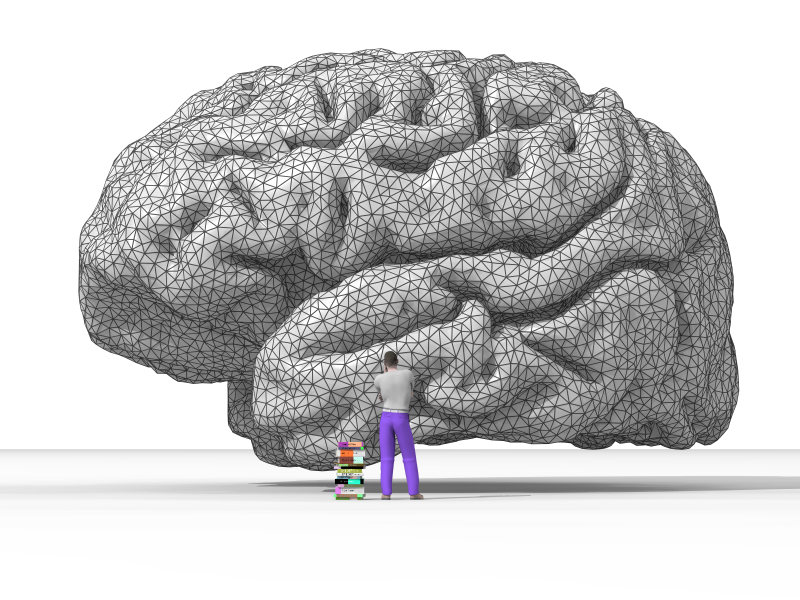
For an AI, dreaming isn’t about surreal imagery; it’s structured imagination. A learned world model rolls forward latent states – no pixels required – and forecasts rewards, dynamics, and what actions might pay off. The agent then improves by testing many what‑ifs cheaply before it touches reality.
In practice, that can mean a robot “practicing” thousands of grasps overnight without wearing out a single motor, or a drone simulating gusty crosswinds it hasn’t yet met. New variants extend these world models with context, allowing the same dreamer to adapt when the world’s parameters shift, like a heavier payload or slicker floor. I once watched a simulation run that looked uneventful; the next day, the real robot felt uncannily prepared.
The Hidden Workhorse: Generative Replay
Another flavor of dreaming tackles a different headache: how to learn new things without erasing old ones. Generative replay trains a model to synthesize samples of past tasks, then mixes them with new data so the network keeps its balance. It’s a clever swap – no giant archive of old data, but the network can still “remember” by imagining it.
Think of it like a musician rehearsing old songs between new tracks to keep the set tight. The approach has become a mainstay in continual learning toolkits and pairs naturally with world models that can already fabricate plausible experiences. It’s not glamorous, but it’s the type of maintenance that keeps AI useful outside the lab.
Why It Matters
Dreaming changes the economics and the ethics of machine learning. Training in imagination is cheaper than training on real robots, safer than trying risky maneuvers on live systems, and less hungry for proprietary datasets. It also offers a path to more transparent troubleshooting: when a model fails in its dreams, you can inspect the world it assumed.
Compared with brute‑force data scraping and bigger‑is‑better scaling, dream‑driven methods squeeze more value from each experience and reduce the temptation to hoard sensitive data. They align with how we already validate bridges and aircraft – simulate first, then test – and they give researchers a sandbox for probing edge cases. You don’t need to be romantic about the “sleep” metaphor to see the payoff.
Global Perspectives
Dream‑capable AI is landing in domains where experiments are costly or hazardous. In robotics, internal simulation accelerates grasping, assembly, and navigation; in climate and energy, agents can rehearse control policies before deployment. Healthcare planners can test triage strategies virtually, while disaster‑response teams can model scarce-sensor scenarios ahead of hurricane season.
There’s also a fairness angle: organizations without massive data troves can still advance by learning within compact models. I’ve seen small teams get competitive by investing in better simulators and replay, not bigger datasets. The world won’t be evenly simulated, but dreaming gives more labs a foothold.
The Brain Connection, Without the Hype
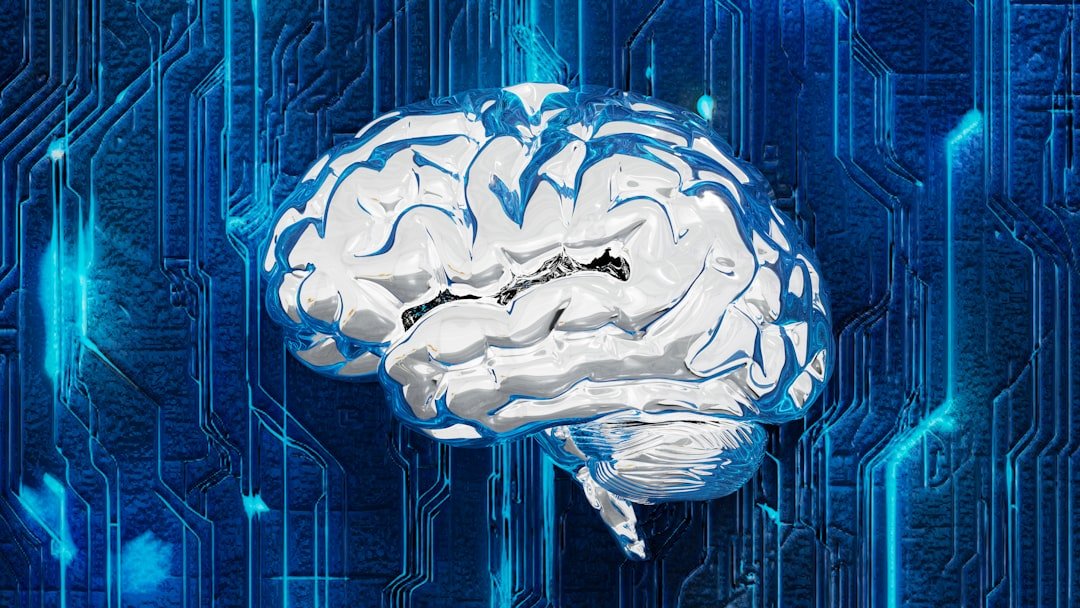
Brains replay; machines replay. The analogy is tempting, but researchers are careful: the similarities are useful metaphors and engineering hints, not proof that silicon sleeps like we do. Still, evidence from neuroscience about memory stabilization inspired algorithmic replay, and the correspondence has paid dividends.
Sleep‑like phases in artificial networks – noisy, unsupervised interludes – have measurably protected old skills in sequential learning studies. Reviews of replay research emphasize what today’s models still miss, such as richer neuromodulatory control and multi‑timescale dynamics. In short, we’re borrowing a few tricks from nature and leaving the rest for later.
The Future Landscape
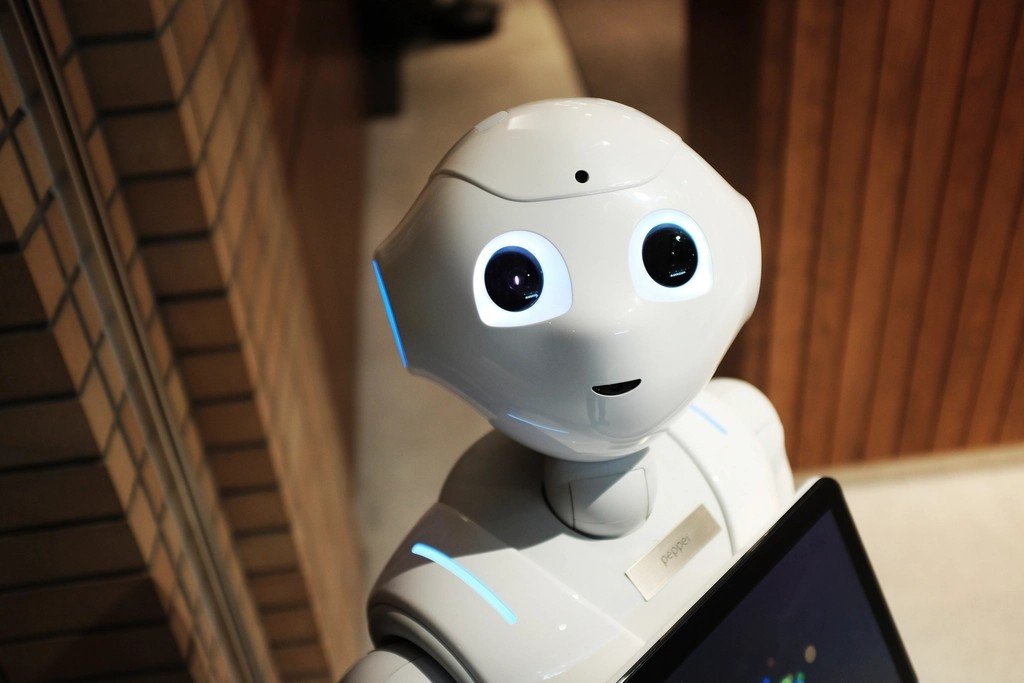
Next‑gen dreamers are getting pickier about what they imagine. New work focuses on predictive objectives that skip pixel reconstruction and instead learn just the bits of the world that matter for decision‑making, boosting robustness when backgrounds distract or sensors misfire. That leanness makes dreams faster and often more useful.
The challenges are real: imperfect models can teach bad habits, synthetic data can drift from reality, and closed‑loop agents need safeguards when transferring a dreamed‑up policy into a busy street or factory. Expect tighter evaluation protocols, confidence estimates on dream rollouts, and hybrid systems that cross‑check simulation against small bursts of real experience. If dreaming is the engine, calibration will be the brakes.
How You Can Engage
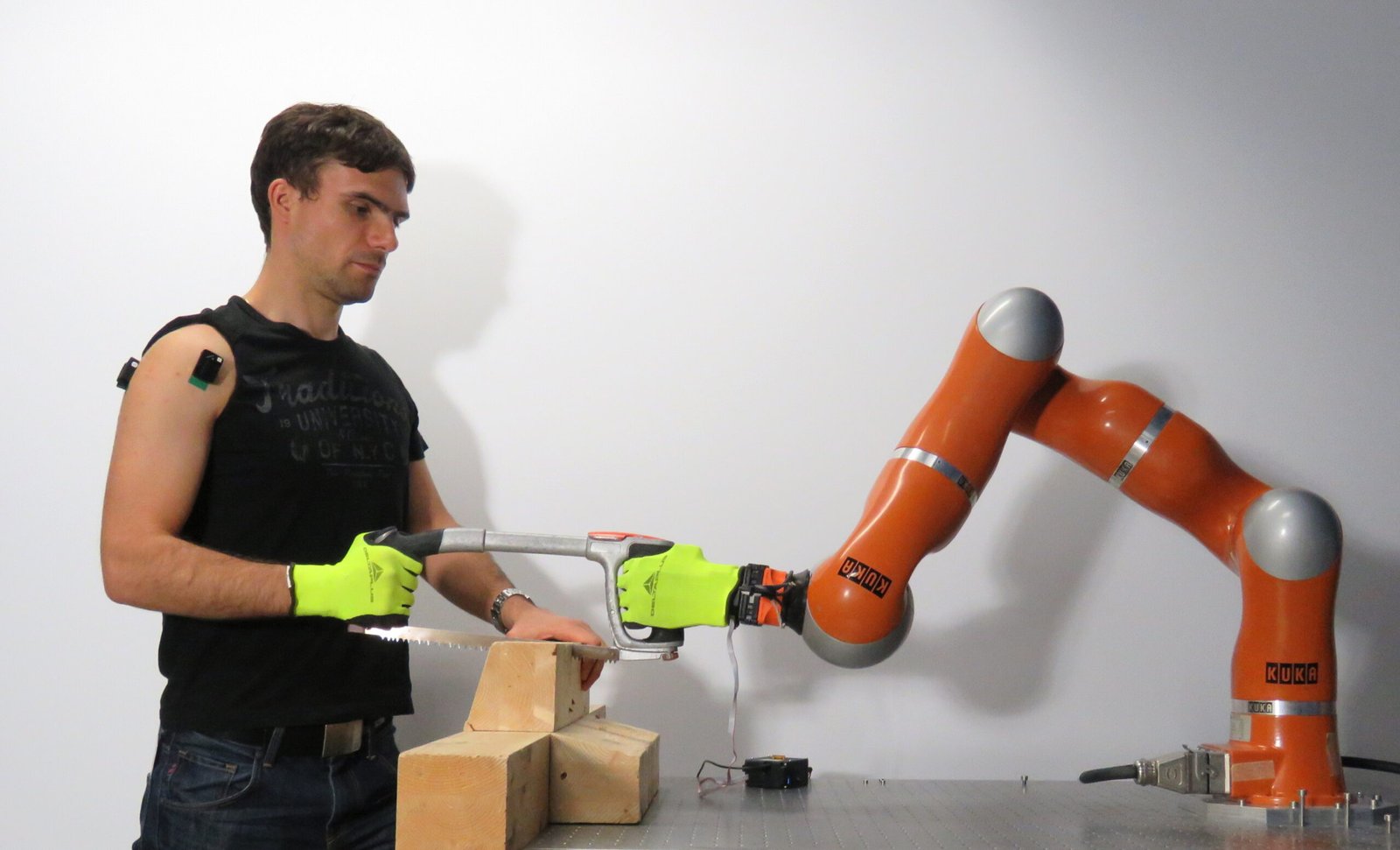
You don’t need a lab to lean into this shift. Ask vendors and research partners whether their systems use model‑based testing or replay, and how they validate dream‑trained policies before deployment. Support open simulators and datasets in your domain; they’re the raw material for safer imagination.
If you’re a student or tinkerer, start small: train a simple world model on simulator tasks, then test transfer to reality and document the gaps. If you’re a policymaker or funder, prioritize evaluations that stress‑test synthetic training and require transparent reporting of what was learned in simulation versus in the wild. The dream is only as good as the wake‑up plan.
Suhail Ahmed is a passionate digital professional and nature enthusiast with over 8 years of experience in content strategy, SEO, web development, and digital operations. Alongside his freelance journey, Suhail actively contributes to nature and wildlife platforms like Discover Wildlife, where he channels his curiosity for the planet into engaging, educational storytelling.
With a strong background in managing digital ecosystems — from ecommerce stores and WordPress websites to social media and automation — Suhail merges technical precision with creative insight. His content reflects a rare balance: SEO-friendly yet deeply human, data-informed yet emotionally resonant.
Driven by a love for discovery and storytelling, Suhail believes in using digital platforms to amplify causes that matter — especially those protecting Earth’s biodiversity and inspiring sustainable living. Whether he’s managing online projects or crafting wildlife content, his goal remains the same: to inform, inspire, and leave a positive digital footprint.