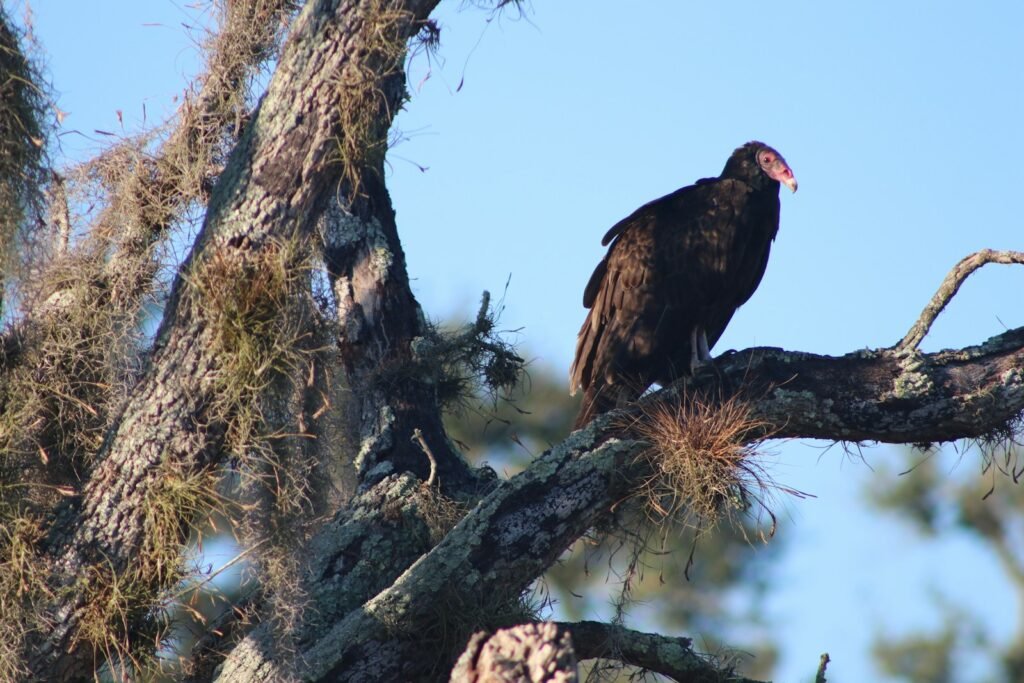

Across quiet Midwestern towns, a strange drama is unfolding in the sky: dark-winged vultures circling above freshly built homes, tearing at roof shingles, shredding pool covers, and leaving behind a mess that smells like a chemical weapons exercise. What once felt like a distant wildlife issue has become an urgent neighborhood problem, complete with insurance claims, frantic city council meetings, and frustrated homeowners waving their arms at birds that simply do not care. At the same time, biologists are warning that these same scavengers are providing services we cannot easily replace, quietly protecting us from disease by cleaning up carcasses before pathogens spread. In other words, the Midwest has stumbled into an ecological paradox: the birds doing vital public health work are the same birds residents are calling the police about. Untangling why vultures are suddenly such a disruptive presence – what has changed in their world and in ours – offers a window into how human landscapes, animal behavior, and climate are colliding in real time.
The Hidden Clues in the Sky
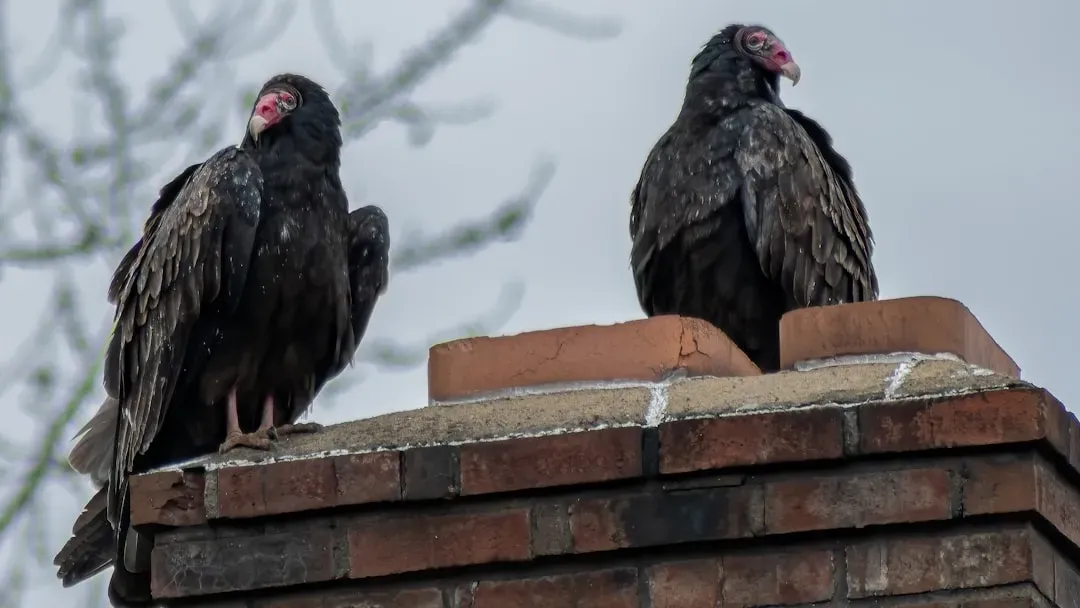
On paper, a vulture is the last bird you would nominate as an urban troublemaker: it does not hunt pets, it does not sing at dawn, and it prefers its meals already dead. Yet in parts of the Midwest, especially around exurban housing developments and rural communities, people are waking up to clusters of turkey vultures and black vultures loafing on rooftops like they own the place. The first clue that something is off comes not from science journals but from residents’ phones – photos of vinyl siding torn up, satellite dishes bent, and chimneys streaked with corrosive droppings. When these stories repeat from Missouri to Indiana to Ohio, it stops looking like a curiosity and starts to feel like a pattern. These local observations, however messy and emotional, are often the first data point that something in an ecosystem has shifted.
Wildlife scientists read these backyard complaints like a set of forensic clues. Are the vultures roosting in larger groups than before, or just more visible because trees have been cleared? Are they staying longer into the season, hinting at a climate-driven change in migration timing? And crucially, are turkey vultures, which are more shy and traditional scavengers, being joined or displaced by black vultures, which have a more aggressive reputation and are expanding northward? Each of these questions takes that initial “Why are they tearing up my roof?” and turns it into a deeper investigation about how human infrastructure looks from a vulture’s point of view.
From Pastures to Parking Lots: How Landscapes Rewired Vulture Behavior
To understand today’s havoc, you have to rewind a few decades, when large swaths of the Midwest looked different from above. What used to be continuous farmland, woodlots, and pastures have been increasingly chopped up into a patchwork of highways, distribution centers, suburban cul-de-sacs, and landfills. For vultures – animals that specialize in finding unpredictable food sources over huge areas – this new mosaic is effectively an all-you-can-eat buffet built on asphalt. Roadkill lines the interstates, large livestock operations generate occasional carcass dumps, and garbage sites provide a backup meal when natural carrion runs low.
As these resources concentrate around human structures, so do the birds. Roofs become convenient perches where vultures can warm up in the sun, dry their wings after rain, or safely digest a meal away from coyotes and feral dogs. A quiet cul-de-sac with a tall communication tower and a nearby highway underpass might check every box a vulture looks for in a roost site. Residents experience that as a sudden invasion, but from the vulture’s perspective, it is simply following the new rules of the reshaped landscape. The havoc on buildings is really a symptom of how completely we have redrawn the map of where food, shelter, and safety occur.
The Science of Destruction: Why Vultures Target Roofs and Hardware
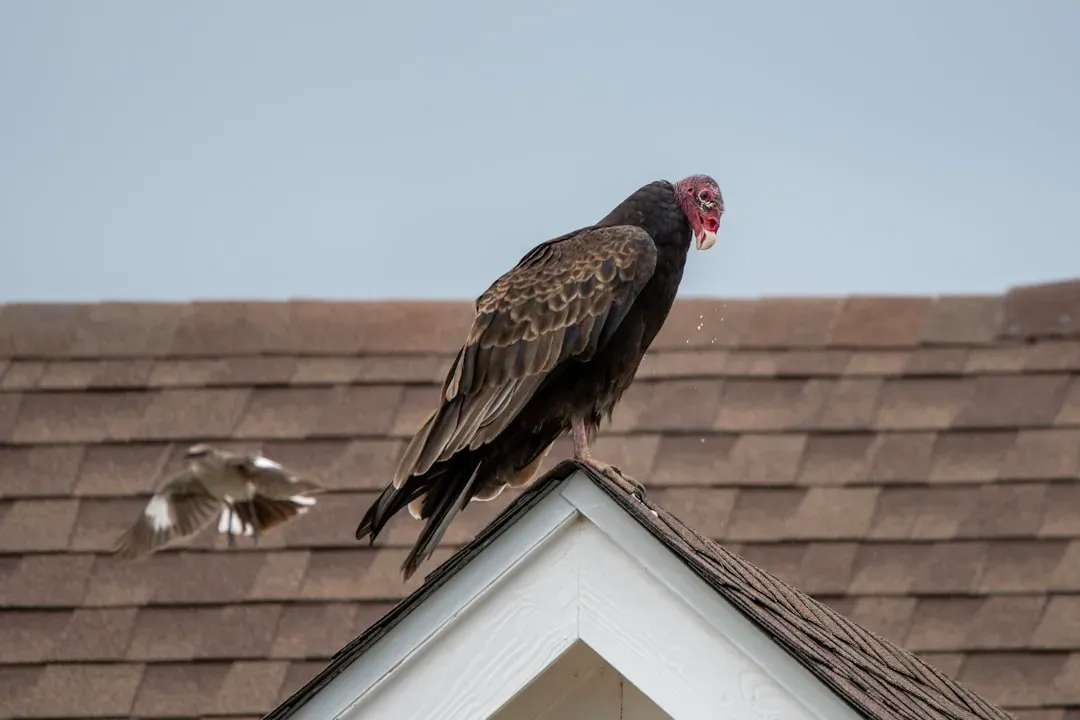
Once vultures arrive, their behavior veers from mildly unsettling to genuinely destructive, and the reasons are rooted in biology. These birds are intensely social, and communal roosting is part safety mechanism, part information network; a big roof or cell tower that can host dozens of birds becomes an information hub about where food was found that day. The apparent vandalism – pecking at rubber shingles, gnawing on caulking, pulling up vent seals – seems senseless to humans but may be an extension of exploratory foraging behavior on novel textures that mimic natural materials. Some researchers suspect that flexible synthetics feel a bit like skin, tendon, or hide when tugged, triggering the same tearing motions used on carcasses.
Then there is the chemical angle. Vultures have highly acidic digestive systems and powerful uric acid in their droppings, which is part sanitation tool and part microbial weapon. When dozens of birds use a single roof or tower, the concentrated droppings can corrode metal fixtures, accelerate wear on roofing materials, and create a smell that neighbors describe with unprintable language. Their defensive behaviors add more chaos: when threatened, vultures famously vomit or defecate to lighten their load and deter predators. Translate that into a residential setting where people clap, shout, or set off noise-makers, and you have birds literally spraying their frustration across siding, decks, and outdoor furniture.
Black Vultures on the Move: A New Player
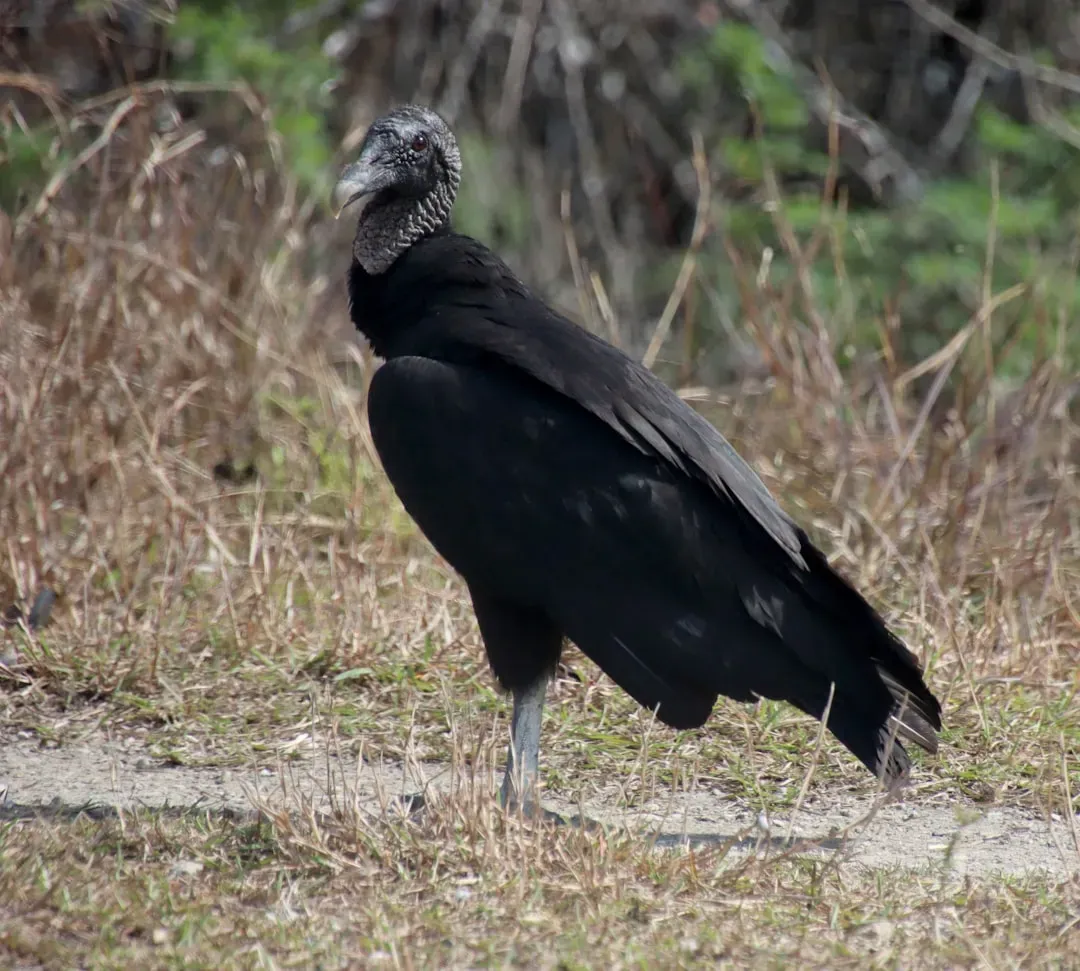
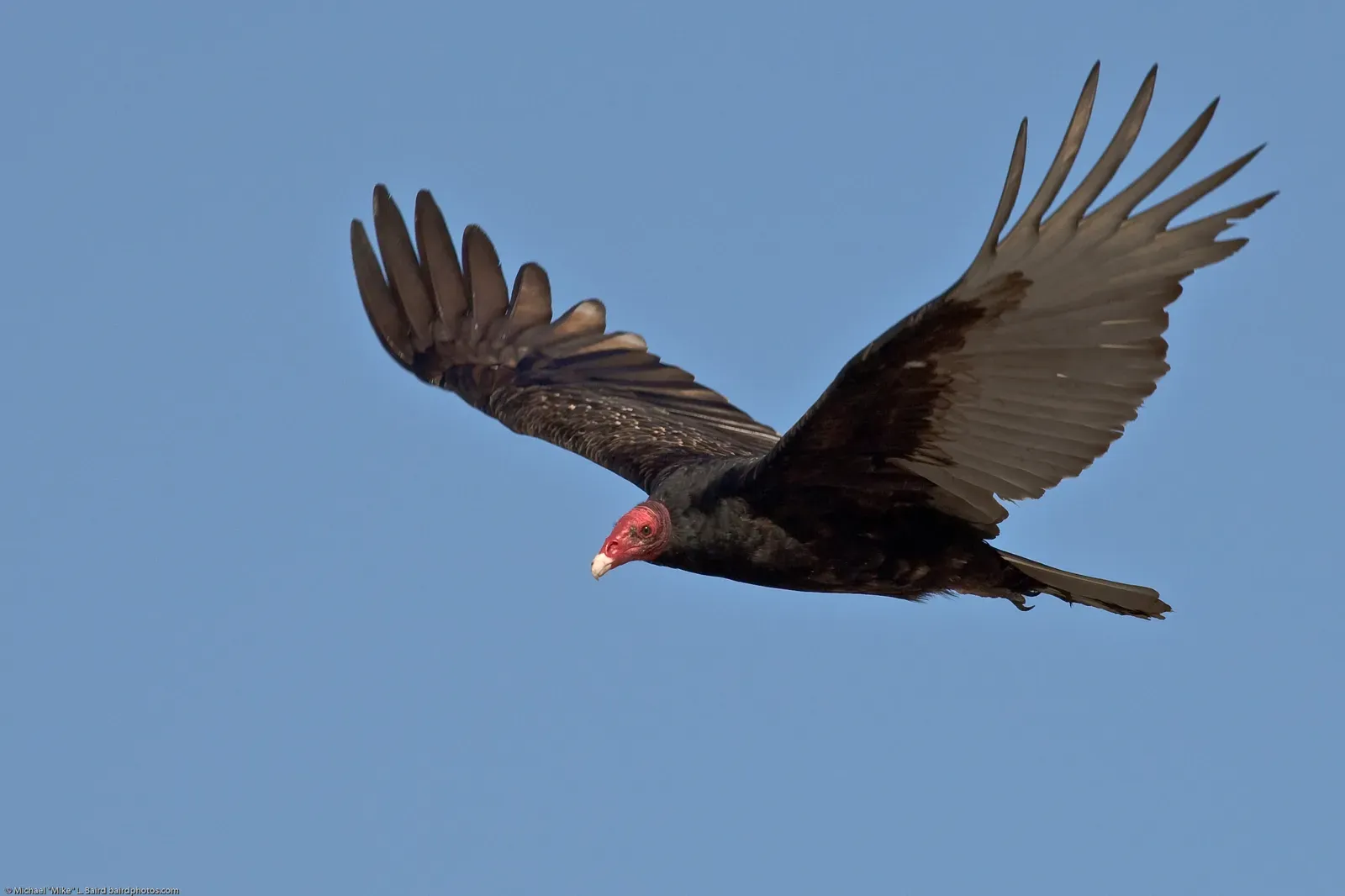
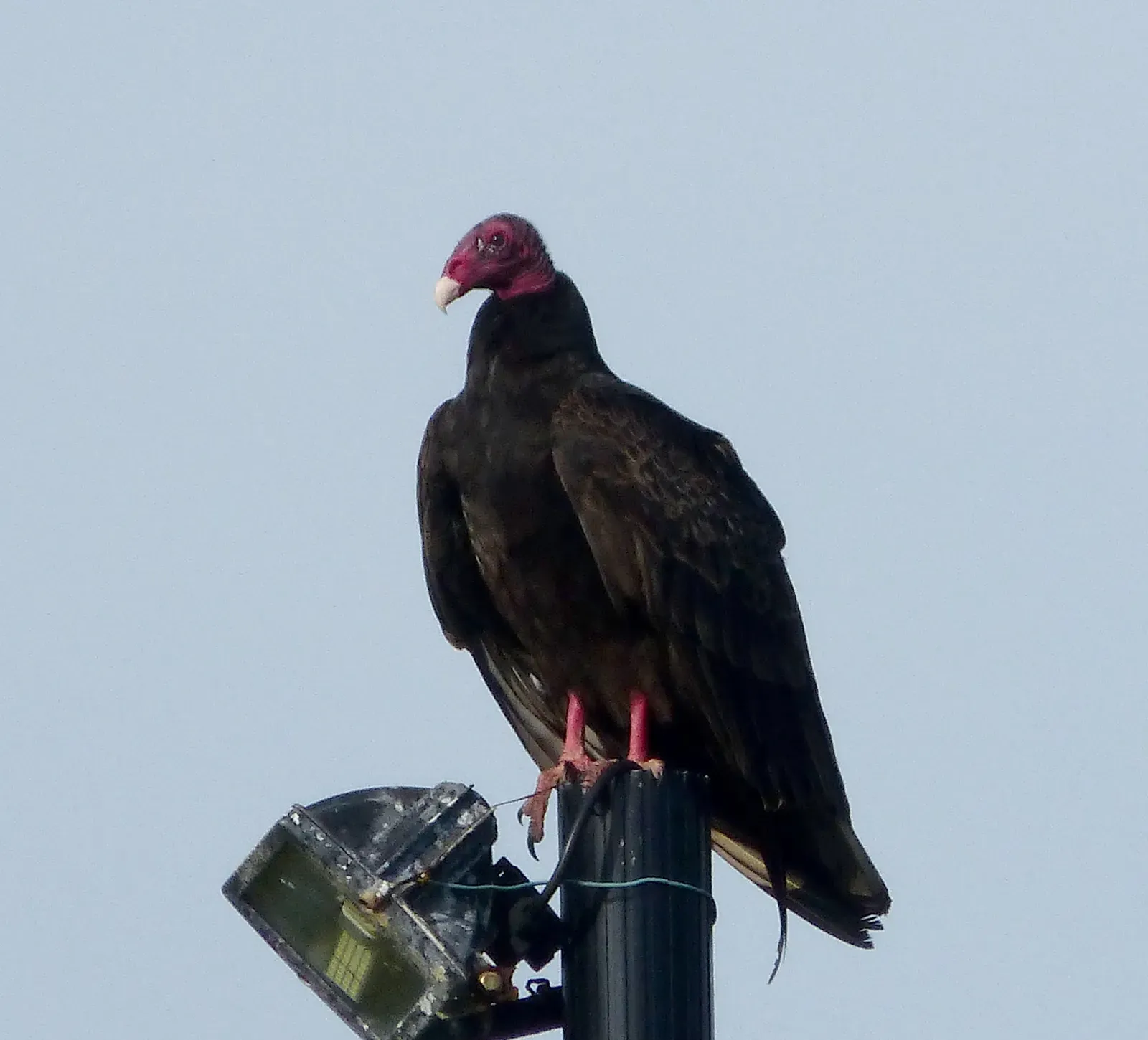
For many Midwesterners, the image of a vulture used to mean the red-headed turkey vulture, a native scavenger long woven into the region’s ecological fabric. Over the past couple of decades, though, a second species – the black vulture – has been marching north from the southern United States, taking advantage of warmer winters and human-altered habitats. Black vultures are bolder, more likely to roost in large, noisy groups, and in some contexts have been documented harassing or killing vulnerable livestock like newborn calves. When these two species overlap, residents may not distinguish them, but wildlife officers increasingly do, because the management calculus changes when black vultures enter the picture.
In parts of the Midwest, livestock producers are reporting incidents where birds harass birthing cows, pick at the eyes or soft tissues of downed animals, or congregate around calving areas in unnerving numbers. Even if actual attacks are relatively rare compared with overall vulture activity, the fear and economic risk loom large. At the same time, both turkey and black vultures remain protected under federal law, which means landowners often cannot simply “remove the problem” even if they feel provoked. This expanding black vulture footprint complicates the narrative: the sky is no longer just full of passive clean-up crews but a mixed cast of characters with different temperaments and impacts.
Why It Matters: From Disease Shield to Neighborhood Nuisance
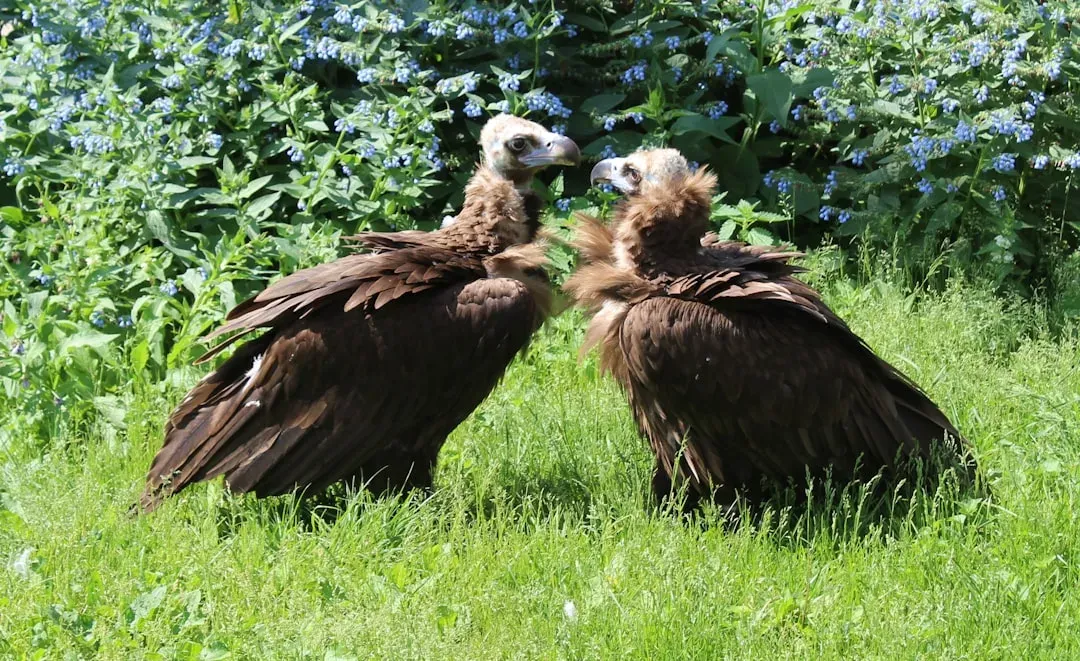
It is tempting to view these birds purely through the lens of inconvenience, but that misses their larger ecological and public health role. Vultures are highly efficient carcass disposal units, capable of finding and consuming dead animals that would otherwise rot in fields, ditches, and woodlots. Their digestive systems destroy many of the dangerous bacteria and pathogens that could thrive in decomposing carcasses, acting as a biological firewall between dead wildlife and human communities. In regions where vulture populations have collapsed – such as parts of South Asia in past decades – disease dynamics and feral scavenger populations shifted in worrisome ways. That sobering precedent suggests that driving vultures away wholesale could create problems that are less visible at first but more serious down the line.
At the same time, it is impossible to dismiss the costs being shouldered by residents and farmers. Repairs to damaged roofs, decks, and equipment can run into the thousands of dollars per property, and insurance coverage is inconsistent, leaving many people paying out of pocket. Livestock producers facing even a small number of calf losses may see thin profit margins vanish, compounding the stress of weather, markets, and labor. Beyond money, there is a psychological toll in feeling that your home is under siege by animals you are legally restricted from harming. The core challenge – and the reason this matters far beyond any one town – is figuring out how to keep vultures doing their essential work without turning them into unmanageable neighbors.
Inside the Toolkit: Managing Havoc Without Erasing Vultures
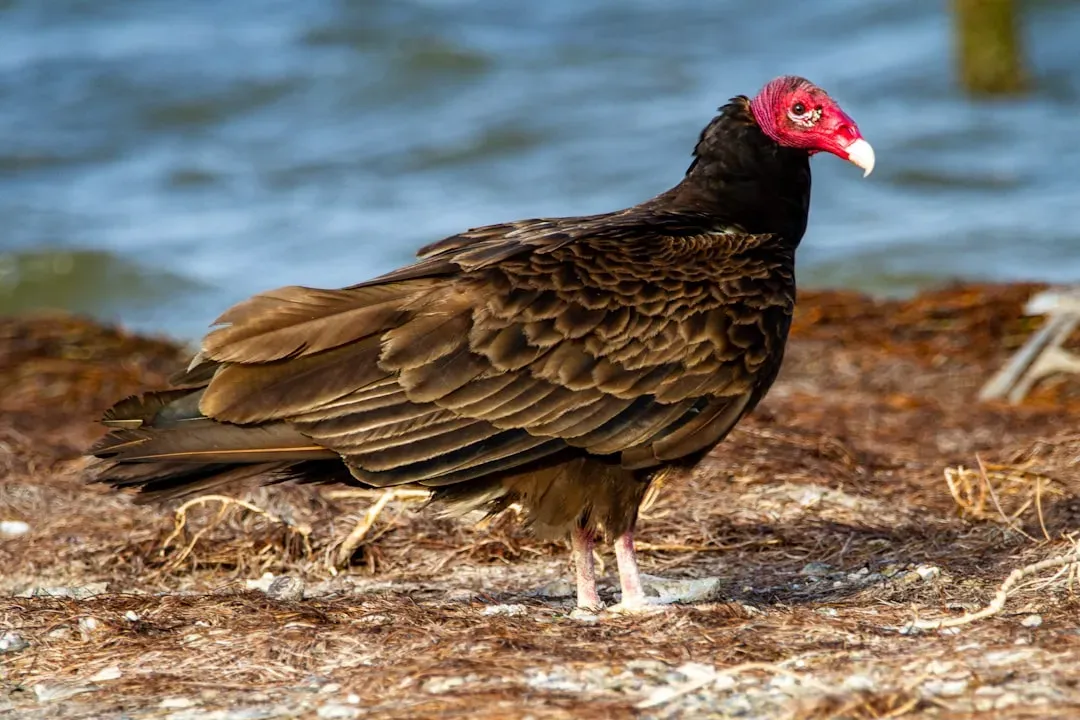
Because these birds are protected and ecologically valuable, wildlife managers are assembling a toolkit that looks more like creative problem-solving than eradication. Non-lethal deterrents are the first line of defense: lasers at dawn and dusk to disrupt roosting, noise cannons or pyrotechnics used carefully to avoid habituation, and visual scare devices like reflective streamers or predator effigies. In some cases, trimming or removing favored roost trees, or modifying towers and structures to make perching less comfortable, can encourage birds to relocate to less sensitive areas. A few communities have experimented with designating “sacrifice” roost spots away from homes, gradually nudging birds toward those sites with repeated, targeted harassment elsewhere.
The results are mixed but instructive. Vultures are intelligent and adaptable; deterrents that work for a few weeks may lose effectiveness if birds learn that the threat is not real. Coordinated action across neighborhoods – rather than scattered, individual efforts – seems to make a bigger difference, because it reduces the chance that birds simply hop from one roof to the next. Longer term, reducing attractants matters as well: managing carcass disposal on farms, cleaning up roadkill more quickly, and securing trash at sites near roosting areas can all alter the local reward structure. Managing havoc, in other words, means tinkering with both the birds’ behavior and the buffet we have unintentionally laid out for them.
The Future Landscape: Climate, Urban Sprawl, and Vulture Frontiers
Looking ahead, the vulture story is likely to get more complex, not less. Warmer winters and shifting climate patterns are already loosening the historic boundaries of where black vultures can comfortably live, and continued urban sprawl is adding more towers, warehouses, and residential roofs to the menu of potential roosts. If current trends continue, more communities that have never thought much about vultures may suddenly find themselves on the flight path of expanding populations. That could mean an uptick in calls to wildlife agencies, new lines in municipal budgets for deterrent programs, and more tension between conservation goals and property protection.
At the same time, new technologies and scientific tools offer a better way to see these changes coming. GPS tagging and satellite tracking can reveal migration shifts in near real time, allowing managers to anticipate where problem roosts might form rather than reacting after damage has escalated. Machine-learning models that integrate climate projections, land-use data, and carcass distribution could flag emerging hotspots for vulture-human conflict years in advance. On the design side, engineers are starting to think about “vulture-resistant” infrastructure – materials and shapes that are less appealing for perching or picking – baked into new builds rather than bolted on after the fact. The future landscape will not be vulture-free, but it could be one where their presence is less of a surprise attack and more of a known variable.
Living With the Scavengers: What Readers Can Do
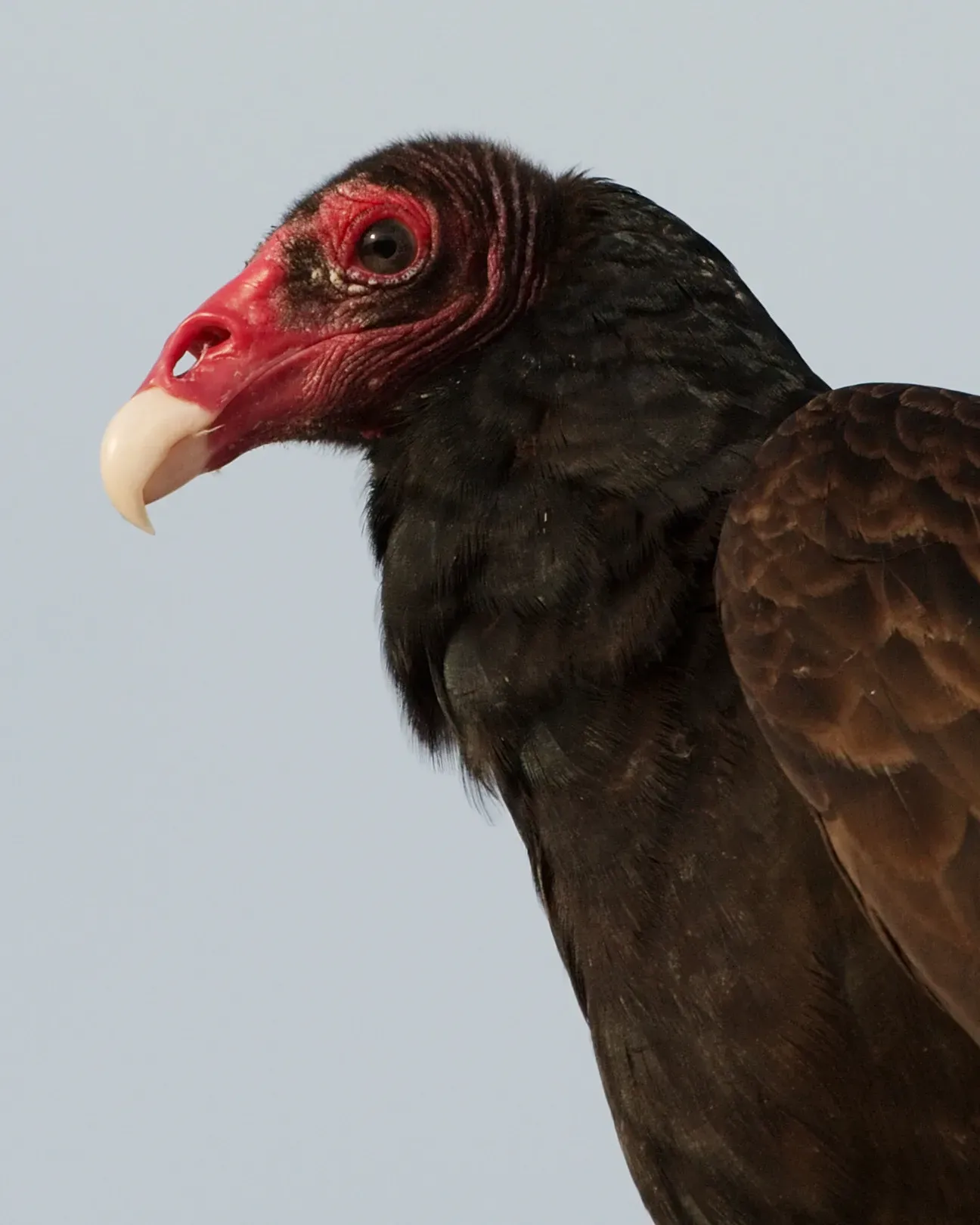
For all the satellite data and management plans, a surprising amount of this story comes down to how everyday people respond when the birds arrive. One practical step is simply learning to tell turkey vultures from black vultures; knowing which species you are dealing with can help wildlife officers choose the right tools and prioritize serious risks, such as threats to livestock. Communities can organize to share information, coordinate deterrents on a neighborhood scale, and work with local agencies rather than improvising potentially harmful or illegal tactics. On farms, reviewing carcass disposal practices, securing vulnerable birthing areas, and consulting extension agents about non-lethal deterrents can reduce the likelihood that vultures will become a chronic problem.
Readers who feel more curious than angry can support research and conservation projects that track vulture populations, study their disease-control benefits, and test better coexistence strategies. Even small actions – reporting roost locations to citizen science platforms, attending local wildlife workshops, or urging municipalities to consider wildlife in infrastructure planning – can nudge policy in a more informed direction. Vultures are not going away, and in a warming, more densely built world, their services may matter more than ever. The real question is whether we choose to treat them as enemies to be pushed out of sight, or as difficult but indispensable neighbors we are willing to understand.
Suhail Ahmed is a passionate digital professional and nature enthusiast with over 8 years of experience in content strategy, SEO, web development, and digital operations. Alongside his freelance journey, Suhail actively contributes to nature and wildlife platforms like Discover Wildlife, where he channels his curiosity for the planet into engaging, educational storytelling.
With a strong background in managing digital ecosystems — from ecommerce stores and WordPress websites to social media and automation — Suhail merges technical precision with creative insight. His content reflects a rare balance: SEO-friendly yet deeply human, data-informed yet emotionally resonant.
Driven by a love for discovery and storytelling, Suhail believes in using digital platforms to amplify causes that matter — especially those protecting Earth’s biodiversity and inspiring sustainable living. Whether he’s managing online projects or crafting wildlife content, his goal remains the same: to inform, inspire, and leave a positive digital footprint.