Walk into almost any office, group chat, or family dinner in 2025, and astrology will surface sooner or later – often with surprising conviction. People who can’t remember their blood type can recall their Sun sign, their Moon sign, and which Mercury retrograde “ruined” last summer. Yet psychology labs and astronomy departments tend to roll their eyes, pointing out the lack of solid evidence that stars and planets script our inner lives. Caught between these worlds is a fascinating question: why does astrology feel so accurate for so many, and why do certain signs seem to “fit” familiar personality types? Behind the memes and horoscopes, scientists are quietly probing a deeper story about pattern perception, personality, and the human hunger for meaning.
The Hidden Clues: Why Aries Sounds Like Your Loud Friend

Think about the classic description of an Aries: bold, impulsive, maybe a little hot-headed but great at getting things started. Odds are, you can immediately picture someone in your life who fits that vibe, whether or not they were born in late March or early April. This is one of astrology’s hidden tricks – traits are painted in broad, vivid strokes that are almost guaranteed to match someone you know. Psychologists call this the Barnum or Forer effect: people tend to rate very general, flattering statements as highly accurate descriptions of themselves, especially when they believe those descriptions are tailored.
When we read a zodiac profile, our brains start doing fast, quiet detective work, focusing on the parts that resonate and ignoring what does not. If you’re told you’re “independent but sometimes crave connection,” your mind can usually find memories that prove that true. Over time, this selective recall builds a sense that your sign is eerily accurate, even if the same traits would feel just as “spot on” to someone of a different sign. In this way, the apparent tendency of some signs to show certain traits may say less about the sky and more about how our minds latch onto narratives that feel familiar and flattering.
From Constellations to Coping Tools: How Astrology Became a Personality Map
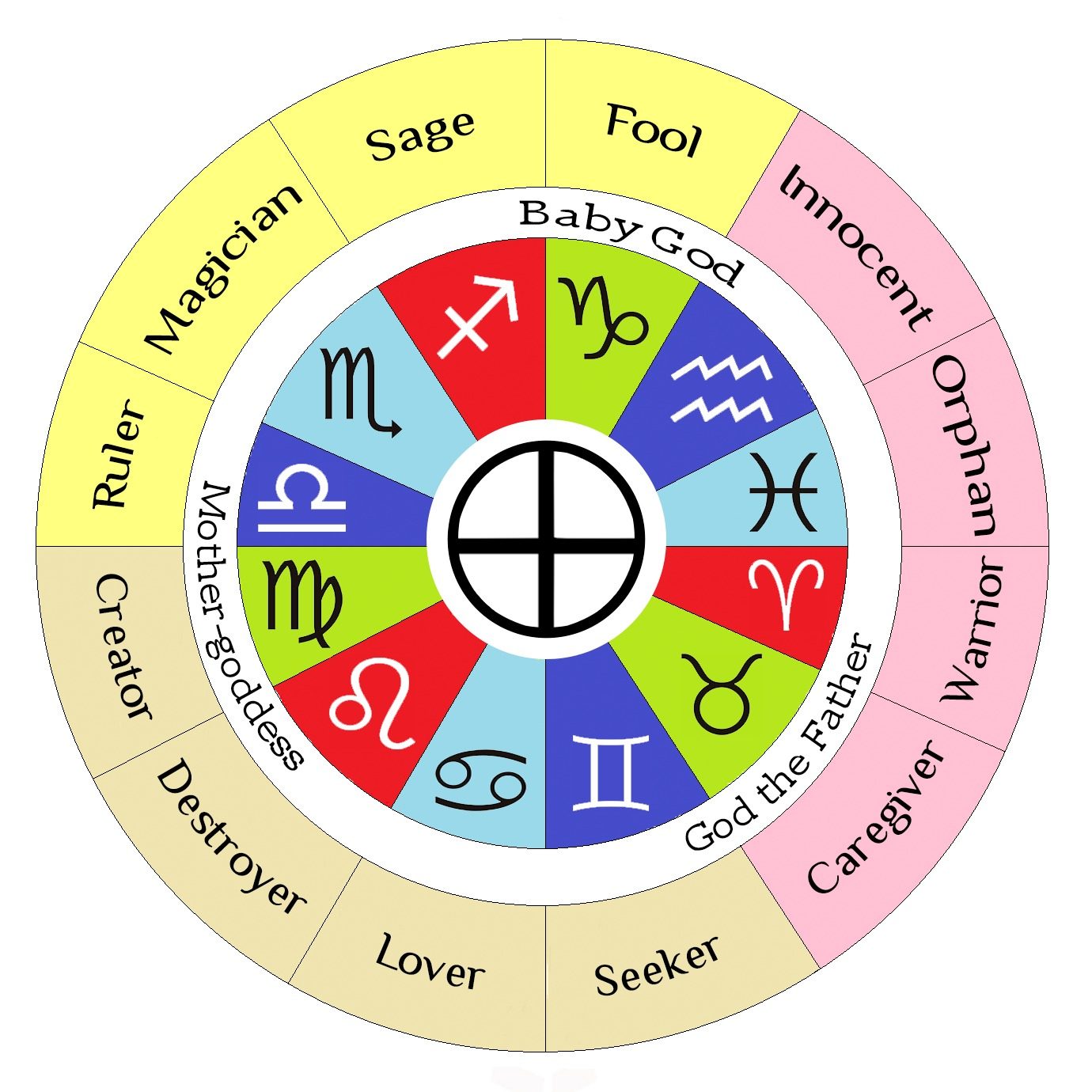
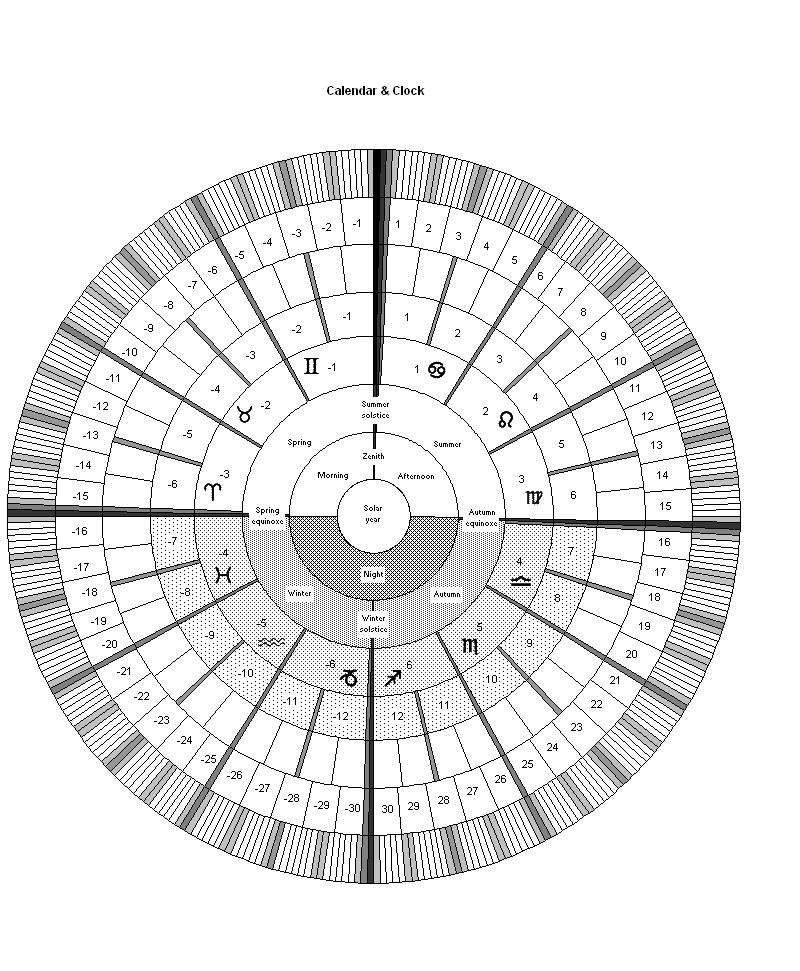
Astrology did not start as a personality quiz; it began as a way to track seasons, harvests, and political events in ancient Mesopotamia and later Greece and Rome. The sky was a calendar and a clock long before it was a personality chart. Over centuries, planets and constellations were woven into myths, and those stories started to shape assumptions about human nature. A constellation associated with warriors and battles became linked to courage and conflict, while one tied to fertility and abundance leaned toward nurturing and material comfort.
By the time astrology evolved into the familiar zodiac system used today, these symbolic associations had already hardened into a kind of cosmic character guide. When newspapers and magazines in the twentieth century started running Sun sign horoscopes, they distilled a complex system into twelve tidy personality snapshots. That simplification made astrology wildly accessible, but it also turned it into a cultural script: people were told what “a Scorpio is like,” and then many began acting that way, or at least noticing when they accidentally did. The result is a feedback loop where myth, culture, and expectation intertwine until it feels as if certain signs really are more prone to specific traits.
Patterns in the Stars – or in Our Heads? What the Science Actually Says
When researchers have put astrology to the test, the results have been consistently underwhelming for true believers. Large-scale studies comparing birth charts with standardized personality tests, such as the Big Five model of traits like extraversion and neuroticism, generally fail to find meaningful correlations. In controlled experiments, astrologers have struggled to match charts to psychological profiles at rates better than chance. From a strict scientific perspective, there is no solid evidence that the position of the Sun in your birth chart determines whether you are more creative, anxious, stubborn, or kind.
Yet the story does not end there, because what science does find is just as interesting, if less mystical. Astrology functions as a powerful narrative device, a way to organize messy inner experiences into digestible categories. A label like “Capricorn” can feel like a shortcut for “disciplined, responsible, maybe rigid,” helping someone articulate feelings they might otherwise struggle to describe. Some psychologists argue that the appeal of astrology is less about prediction and more about reflection; it serves as a kind of informal, low-stakes personality framework that people use to explore who they are. In this sense, the perceived accuracy of certain signs may emerge from how we use them, not from any measurable pull of the planets.
The Birthdate Effect: Real Seasonal Patterns That Muddy the Waters
Here’s where things get messy – in a good way. While astrology itself lacks evidence, science has uncovered what researchers sometimes call the “birthdate effect”: small but real links between the time of year you are born and certain health or developmental outcomes. For instance, some studies have found that people born in late winter or early spring have slightly higher rates of specific conditions, like seasonal allergies or certain mood disorders, while those born in other seasons show different patterns. These effects are not destiny, but they hint that early environmental exposures – like daylight, temperature, or infection risk – can subtly influence development.
Layer on top of that the social calendar. In many school systems, children born just before a grade cutoff date may be the youngest in their class, while those born just after are the oldest. Being several months younger or older than classmates can shape confidence, social roles, and opportunities in sports or leadership. Over years, these small differences can snowball, so that people born in certain periods end up, on average, more assertive, more anxious, or more academically driven. It is tempting to notice that and say, for example, “Leos are natural leaders,” when what might really be in play are subtle seasonal and structural factors that just happen to correlate roughly with chunks of the zodiac calendar.
Why It Matters: What Astrology Reveals About How We See Ourselves
It might be easy to shrug and say astrology is just harmless fun, but the stories we tell about personality have real-world consequences. When someone decides they are “naturally jealous because Scorpio,” they may be less motivated to question or change that behavior, chalking it up to fate instead of something they can work on. Stereotypes about signs can quietly morph into excuses, or even into biases: writing off a co-worker because they are a Gemini, or assuming a partner will be clingy because their chart says so. These assumptions can affect relationships, hiring decisions, and even how seriously someone takes their own mental health.
On the other hand, astrology’s popularity also highlights a gap that traditional psychology has not fully filled: people crave accessible, everyday language to talk about their inner lives. Clinical terms can feel cold or pathologizing, while zodiac archetypes feel playful and shared, like a common cultural shorthand. The challenge is not to shame people for enjoying horoscopes but to encourage a more reflective use of them. If astrology nudges someone to think more deeply about their habits, needs, and emotional triggers, it can complement, rather than compete with, evidence-based understanding of personality. The key is remembering that the stars can be a mirror, but they are not a map.
Global Perspectives: One Sky, Many Stories
Western Sun sign astrology is only one slice of a much larger global tradition of linking birth data to character. In Chinese astrology, for example, the year of birth cycles through twelve animal signs, each associated with particular traits and elements, creating a different rhythm and symbolism than the Western zodiac. In India, Vedic astrology uses complex calculations based on the sidereal zodiac and multiple planetary positions, which are often consulted for major life decisions like marriage or career timing. Across cultures, people turn to the sky – and to calendars tied to it – when wrestling with questions of identity, fate, and meaning.
Despite huge differences in technique and symbolism, these systems share recurring patterns: they sort people into a finite set of types, they offer narratives about strengths and weaknesses, and they give language to explain conflict and compatibility. You can see them as parallel experiments in human storytelling, each built on the same raw material of our need for explanation. When people in different parts of the world report that their sign “fits” them, they are tapping into this universal desire to feel seen and categorized. The fact that so many different astrological systems can all feel “right” is another clue that the main force at work is not the configuration of galaxies, but the way human minds construct convincing stories out of coincidence and culture.
Beyond Horoscopes: How Psychology and Neuroscience Reframe Personality
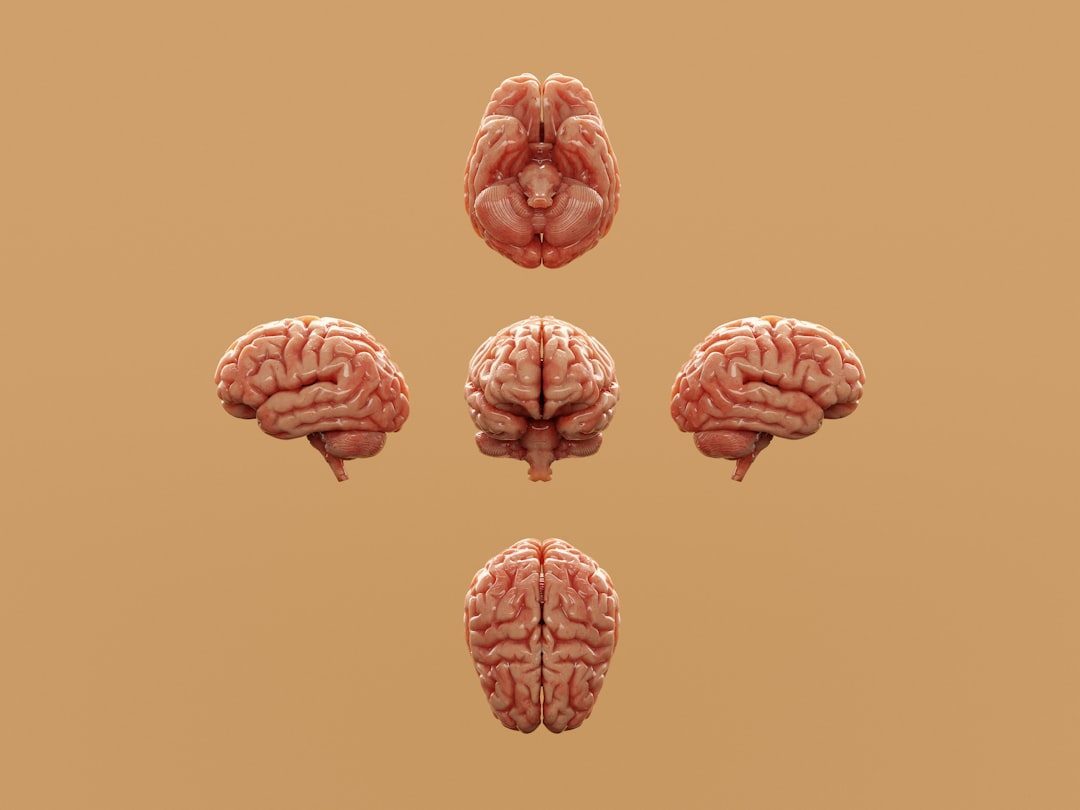
While astrologers map personality to constellations, psychologists and neuroscientists are mapping it to brain circuits, genes, and life experiences. Modern personality research often boils traits down to dimensions like openness, conscientiousness, extraversion, agreeableness, and emotional stability, each measured by standardized questionnaires across large populations. Studies suggest that some tendencies are moderately heritable, meaning they are influenced by a mix of genetic factors and environment, but not dictated by either. Brain imaging work has linked certain traits to differences in brain regions involved in reward, threat detection, and self-control, though these links are complex and far from deterministic.
What emerges from this research is a picture of personality as dynamic rather than fixed in the stars. People can, and do, change their behavior and even their characteristic patterns of thinking over time, especially in response to therapy, life events, and deliberate practice. Compared to astrology’s clean typologies, this can feel messier and less romantic. But it is also more empowering: instead of being “a classic Taurus who hates change,” you might begin to see yourself as someone with specific habits you can reshape. In this light, zodiac descriptions become one narrative among many – and not the one with the strongest evidence behind it.
The Future Landscape: Algorithms, Astro-Apps, and the Next Wave of Personality Hype
Astrology has not faded with the rise of science; if anything, it has adapted, going digital and data-driven in style if not in substance. Today’s astrology apps blend slick design with push notifications, sending users daily insights framed in zodiac language but delivered with the addictive cadence of a social feed. Some platforms experiment with combining birth charts and algorithmic matching for friendships or dating, promising cosmic-level compatibility scores. At the same time, tech companies and social networks are developing their own personality profiles based on online behavior, quietly classifying people into types for advertising and engagement.
This raises a provocative paradox: even as we dismiss astrological typing as unscientific, we increasingly accept algorithmic typing as neutral or objective, despite limited transparency about how it works. The future may see a convergence, where personalized content blends psychological insights, astrological symbolism, and behavioral data into ever more tailored self-narratives. That could help some people feel understood, but it also carries risks of pigeonholing and self-fulfilling expectations on a scale traditional horoscopes could never achieve. Navigating this landscape will require a critical eye, an understanding of cognitive biases, and a willingness to ask who benefits when we are told what “kind of person” we are.
What You Can Do: Using the Zodiac Without Letting It Use You
If you enjoy astrology, you do not have to abandon it to be scientifically minded – you just have to change how you use it. Treat your sign’s traits as prompts for reflection rather than rules written into the cosmos. When a horoscope feels accurate, pause and ask which parts genuinely resonate and which you might be stretching to fit; this simple habit can sharpen your awareness of confirmation bias. You can also balance star-based narratives with evidence-based tools, like taking a well-validated personality assessment or talking with a therapist or counselor about patterns you want to understand better.
In everyday life, you can gently push back when zodiac stereotypes start limiting people, whether it is a joke that goes too far or a relationship decision based solely on sign compatibility. Support science communication that explains how personality really works, including the complex interplay of genes, brain, and environment. And if you are drawn to the poetic side of astrology, let it inspire curiosity about astronomy itself – the actual physics of stars, planets, and galaxies moving through space. The sky can still fill you with wonder, even if you no longer believe it is quietly scripting your personality.
Suhail Ahmed is a passionate digital professional and nature enthusiast with over 8 years of experience in content strategy, SEO, web development, and digital operations. Alongside his freelance journey, Suhail actively contributes to nature and wildlife platforms like Discover Wildlife, where he channels his curiosity for the planet into engaging, educational storytelling.
With a strong background in managing digital ecosystems — from ecommerce stores and WordPress websites to social media and automation — Suhail merges technical precision with creative insight. His content reflects a rare balance: SEO-friendly yet deeply human, data-informed yet emotionally resonant.
Driven by a love for discovery and storytelling, Suhail believes in using digital platforms to amplify causes that matter — especially those protecting Earth’s biodiversity and inspiring sustainable living. Whether he’s managing online projects or crafting wildlife content, his goal remains the same: to inform, inspire, and leave a positive digital footprint.