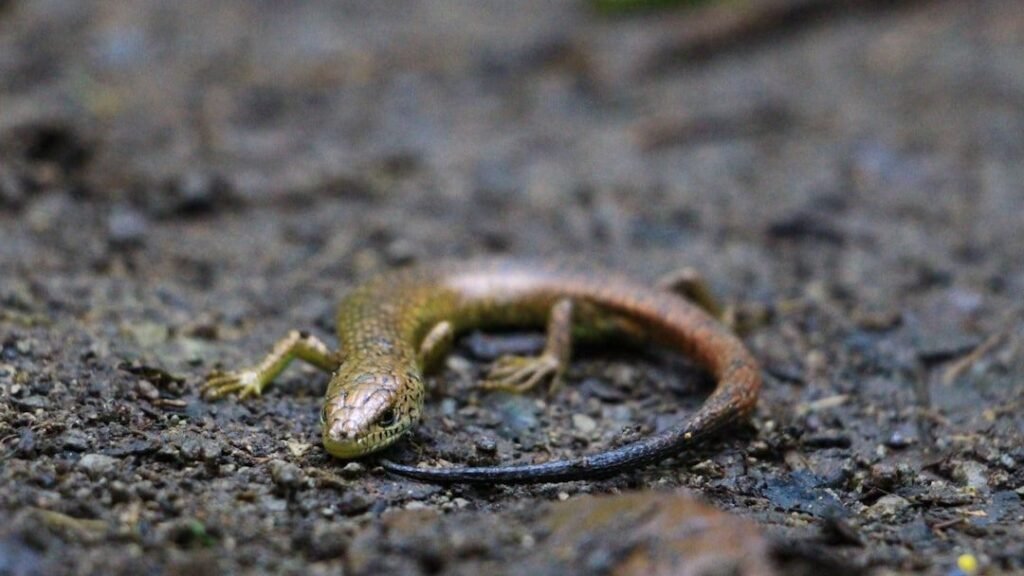

Imagine cutting your finger and watching an entirely new one grow back, bone, nail, and all. For humans, that sounds like science fiction, but for some animals, it’s just Tuesday. Salamanders regrow legs, some fish rebuild their hearts, and tiny worms can reconstruct their whole bodies from a sliver of tissue. The natural world is quietly doing biology’s version of magic tricks right under our noses.
When I first read about a salamander regrowing a whole limb in a matter of weeks, I had the same reaction most people do: why can they do that and we can’t? That simple question has grown into one of the most exciting areas of modern biology and medicine. To understand it, you have to zoom in past the skin and muscle, all the way to DNA, stem cells, and even the way an animal’s immune system reacts to injury.
The Strange Superpower of Regeneration in the Animal Kingdom
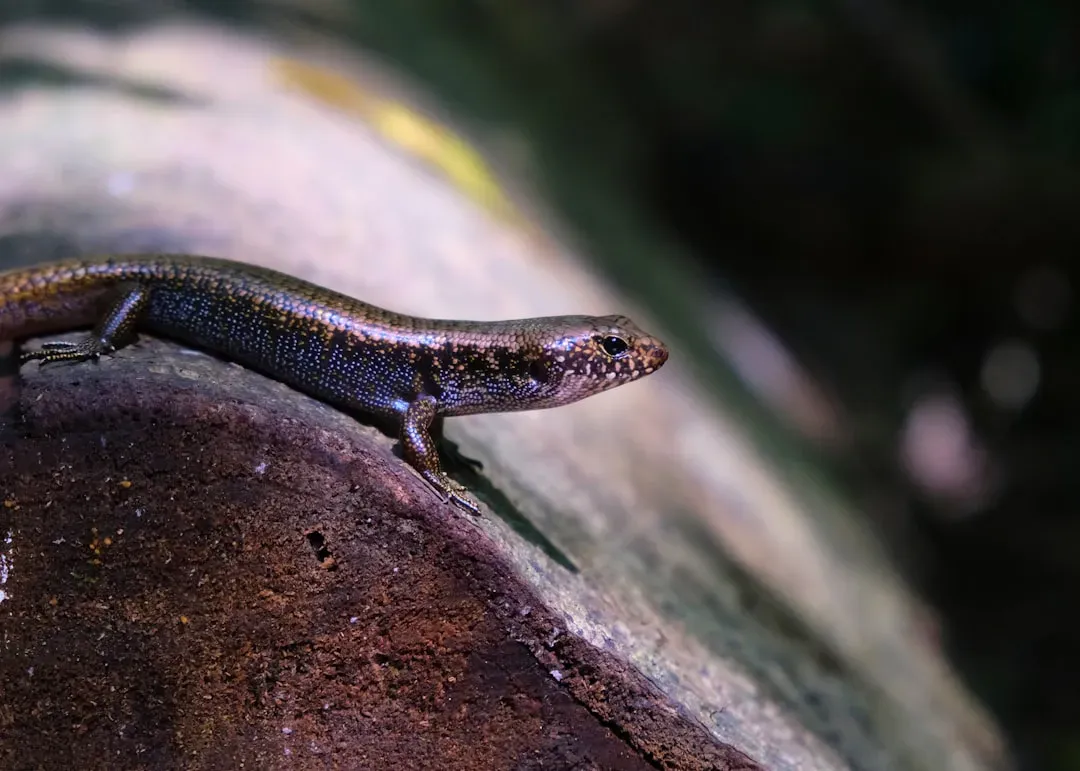
It’s easy to think of regeneration as a rare party trick, but it’s actually surprisingly common once you start looking. Salamanders can regrow legs, tails, parts of their eyes, even sections of their spinal cord. Zebrafish can rebuild damaged heart tissue that would leave a human with a permanent scar and weakened organ function. Planarian flatworms go even further, regenerating a complete animal from tiny fragments, like a living jigsaw puzzle that doesn’t mind being scrambled.
At the same time, not all animals are equally impressive. Mammals, including humans, can regenerate parts of the liver and, in children, even fingertips under very specific conditions, but that’s about where our obvious powers stop. This contrast is what makes regeneration so fascinating: it’s not that we’re totally incapable of repair, it’s that somewhere along evolution, certain animals kept the full toolkit and others lost or locked away large parts of it. That difference is the mystery scientists are trying to crack.
Cellular Reset: How Regenerating Animals Rewind Their Tissues
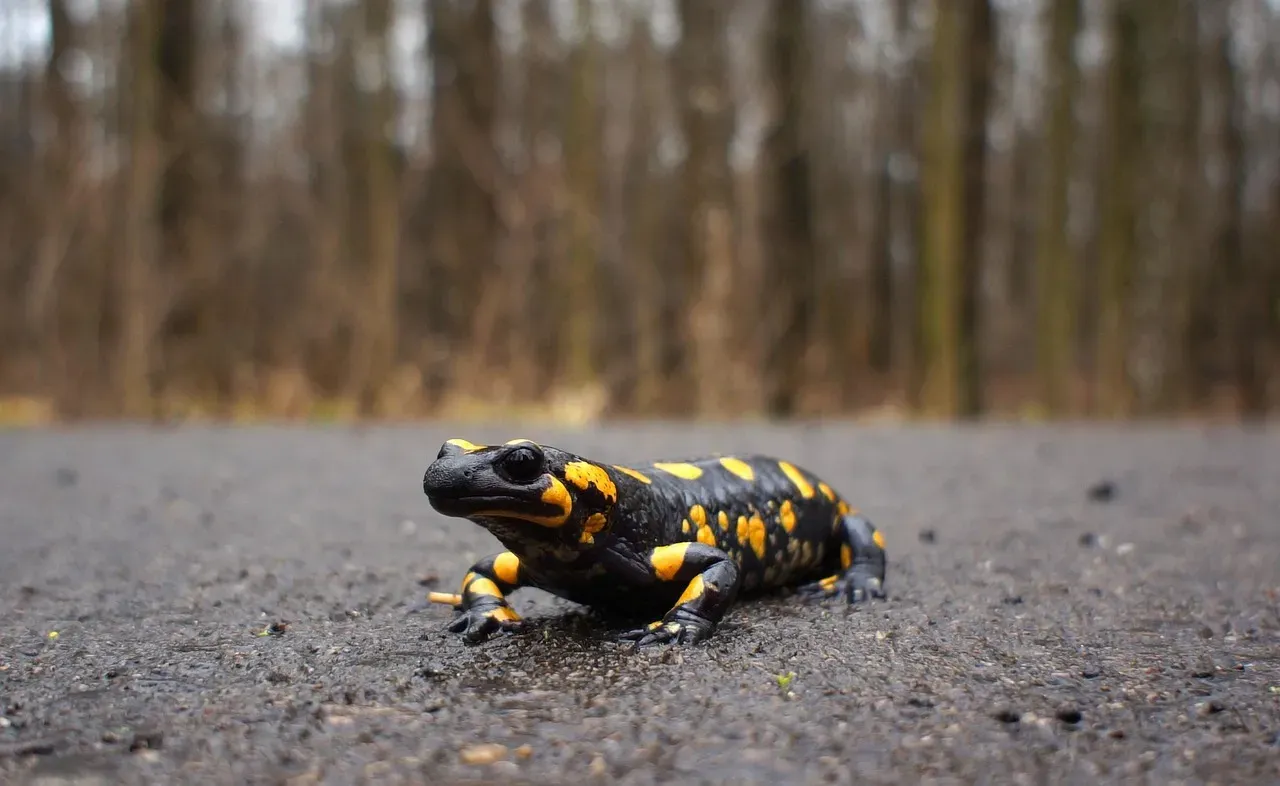
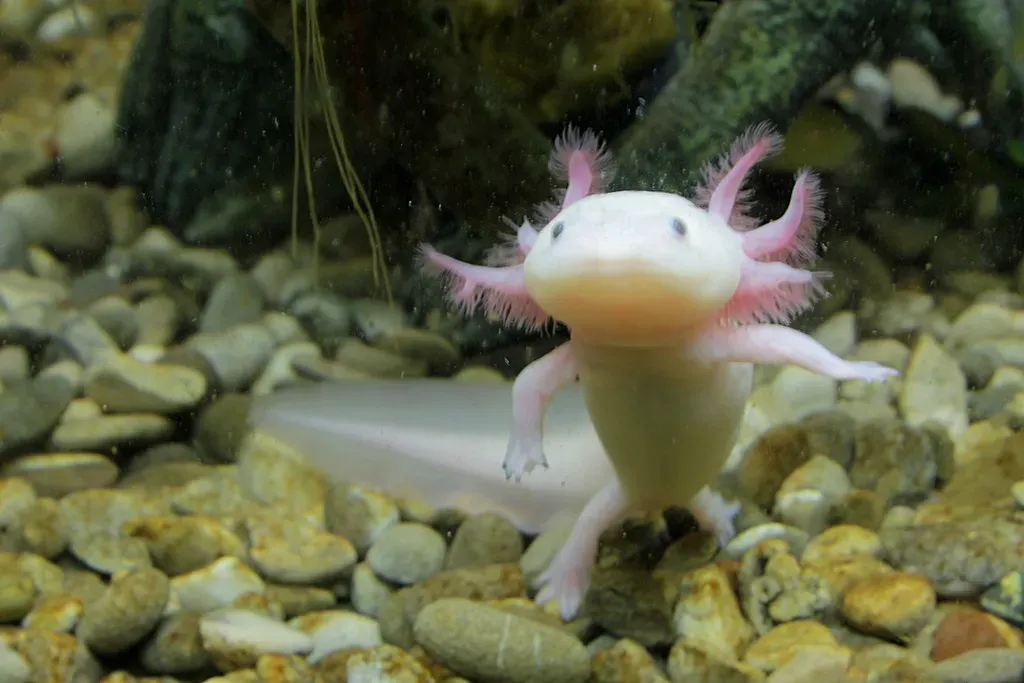
After a salamander loses a limb, the wound doesn’t just scar over like it would in a human. Instead, the cells at the injury site do something radical: many of them “dedifferentiate.” That means a mature muscle cell or skin cell can step backward in its identity and become more like a flexible, early-stage cell again. These flexible cells clump together to form a structure called a blastema, which acts a bit like an embryonic construction zone, ready to build new tissues from the ground up.
This blastema is the key engine of regeneration. Inside it, cells divide, specialize again, and carefully rebuild the missing structures in the right order and shape: bones, muscles, nerves, skin, and blood vessels all reappear in an organized way. It’s like a construction crew that can erase its training, return to apprentice mode, then retrain for whatever job is needed. Humans usually skip that stage and go directly to laying down scar tissue, which closes the wound quickly but permanently blocks this kind of deep rebuilding.
Stem Cells: Nature’s Spare Parts Warehouse
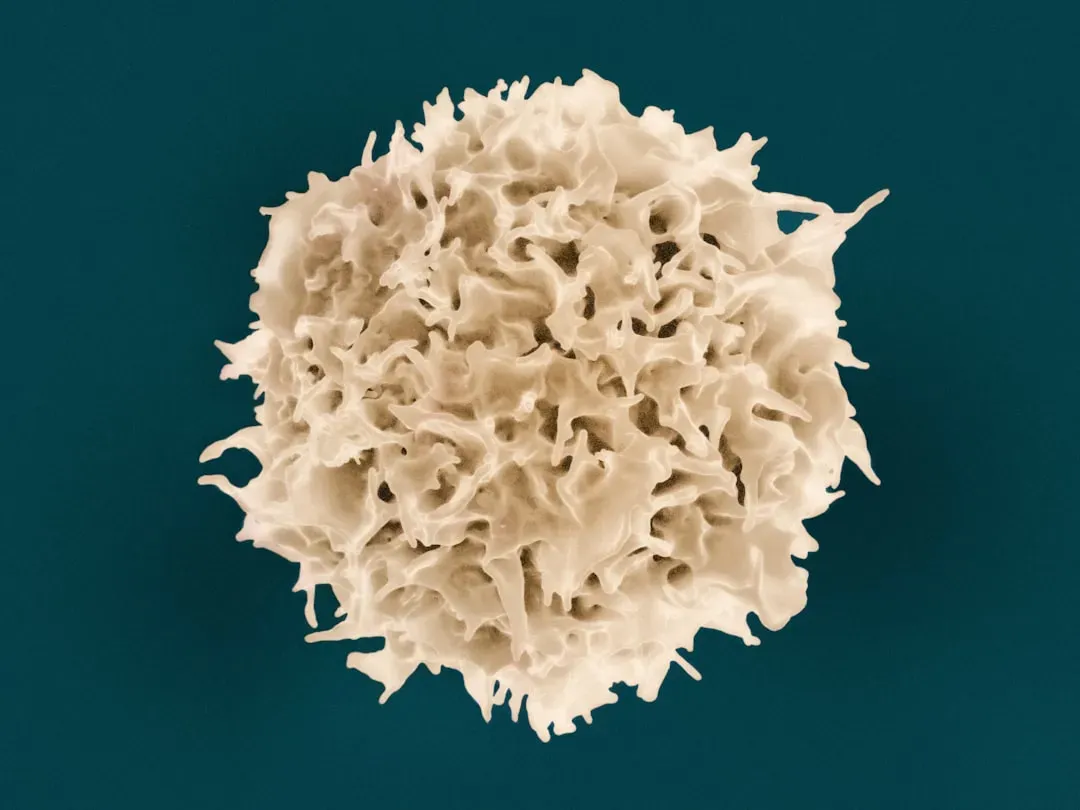
Stem cells sit at the center of the regeneration story because they’re nature’s “spare parts” makers. They’re distinguished by two huge abilities: they can keep dividing for long periods, and they can turn into more than one type of cell. In animals like planarian worms, there are abundant stem cells scattered throughout the body, ready to swarm into action if the animal is cut. That’s one reason a tiny fragment can regrow an entire worm, complete with brain and gut.
In humans and other mammals, stem cells are more restricted and more tightly controlled. We do have them in places like bone marrow, skin, and intestines, and they quietly repair damage every day, but they usually work on a smaller, more local scale. Some highly regenerative animals, by contrast, either keep more stem cells around or allow ordinary cells to become stem-cell-like when needed. The big hope in regenerative medicine is to safely coax our own cells into acting a little more like those of a salamander, without tipping over into uncontrolled growth.
Genes and Molecular Switches: The Hidden Blueprint
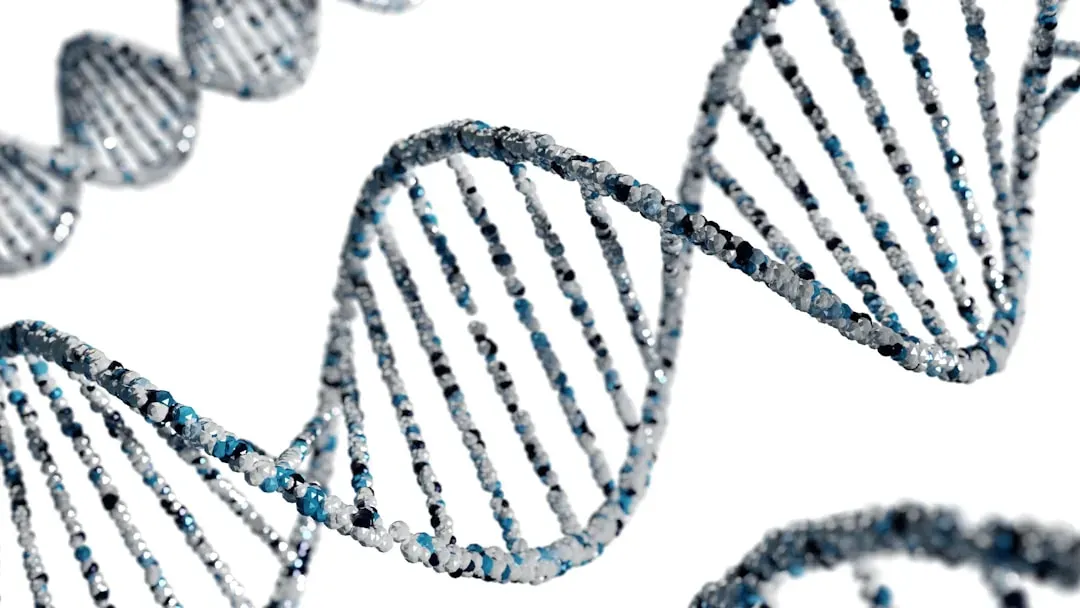
Regeneration isn’t just about having the right cells; it’s also about turning on the right genes at the right time. When an axolotl or zebrafish is injured, there’s a rapid spike in activity of certain molecular pathways that are mostly quiet in uninjured tissue. These include families of signals that guide growth during development, like Wnt, FGF, and others that act like biochemical traffic lights, telling cells when to divide, when to move, and what to become. In many regenerative animals, these pathways can be reactivated in adulthood without causing chaos.
Humans actually share many of the same genes; they’re not completely missing from our DNA. The difference is how they’re controlled and what happens downstream when they’re turned on. In mammals, some of these developmental programs seem to be locked down after birth or tightly limited to avoid the risk of tumors. In a way, evolution may have struck a cautious bargain: better protection against cancer, but at the cost of losing the dramatic ability to regrow lost parts that we see in other species.
The Immune System: Friend or Foe of Regeneration?
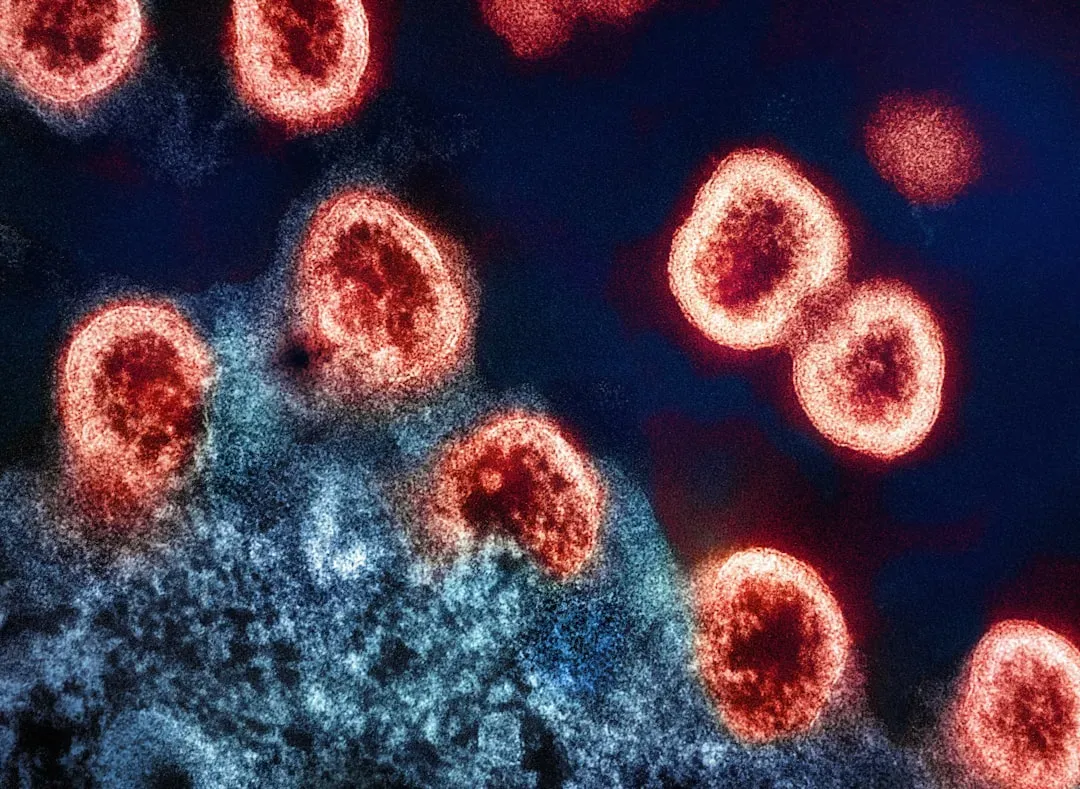
When you get hurt, your immune system rushes in like an emergency crew, clearing damaged cells and preventing infection. In many mammals, that early response tends to push the body toward quick closure and scarring. Once scar tissue forms, it’s like pouring concrete over a construction site; it stabilizes things but shuts down further remodeling. That’s efficient for survival, but not great if you’re hoping to regrow a limb instead of just patching a wound.
In animals that regenerate well, the immune response looks surprisingly different. Certain types of immune cells show up early but then quickly shift into a mode that supports regrowth rather than just sealing the damage. They seem to help shape the blastema, guide new blood vessels, and even influence which genes get turned on. Researchers studying salamanders and fish have found that tweaking immune signals can encourage or disrupt regeneration, which suggests the immune system isn’t just a side player; it’s one of the main directors of the entire process.
Body Plan and Evolution: Why Some Species Kept the Power
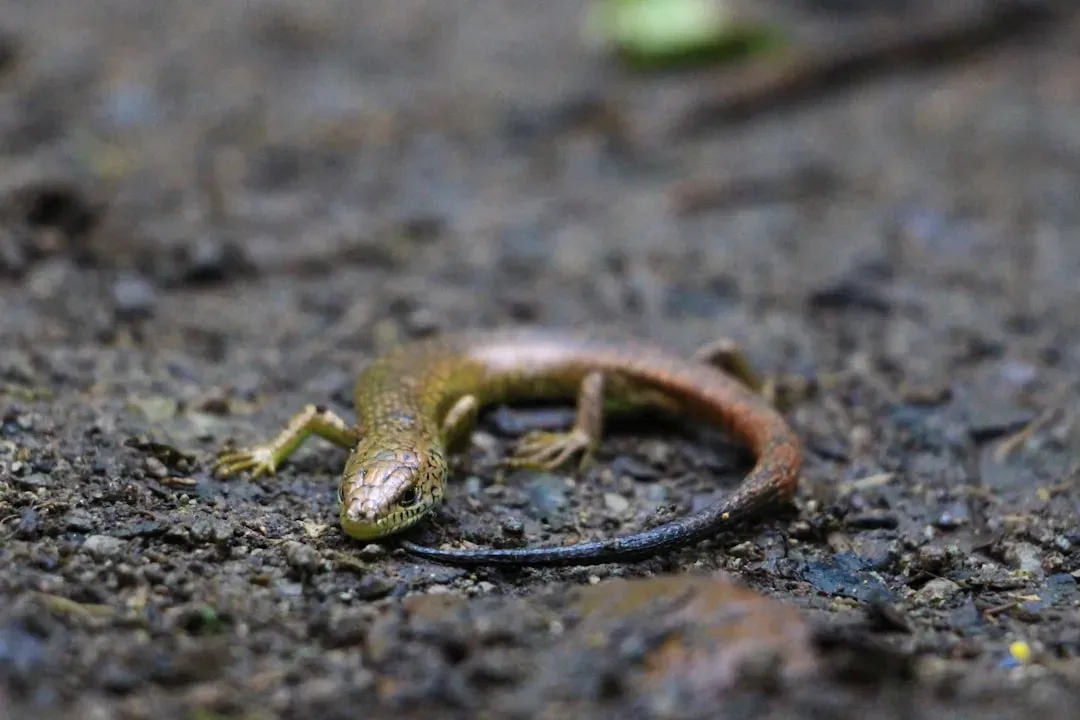
From an evolutionary point of view, regeneration is not free. It takes energy, time, and complex biological machinery. For a small salamander that’s often grabbed by predators, regrowing a tail or limb can be the difference between reproducing or disappearing from the gene pool. For larger mammals that rely more on speed, complex behavior, or social cooperation, quick wound closure and survival after injury might have been more important than slowly rebuilding a lost body part.
There’s also the matter of body complexity and scale. Rebuilding a small limb on a salamander is challenging but still manageable for a blastema and its instructions. Rebuilding a full human arm with all its bones, blood vessels, big muscles, and intricate nerve networks is like trying to rebuild a whole skyscraper instead of a single-story house. Over millions of years, different animals seem to have made different evolutionary trade-offs, and regeneration remained a top-tier priority only in certain branches of the tree of life.
What Regeneration Research Means for Human Medicine
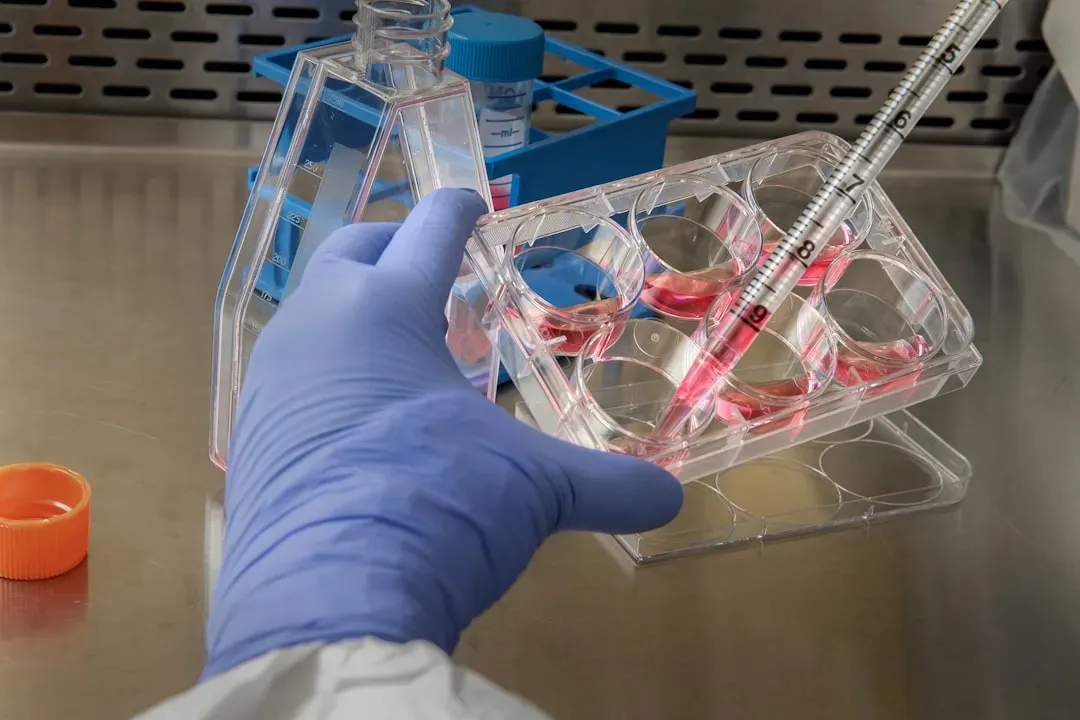
Even though we can’t grow back arms, the study of regenerative animals is already changing how we think about healing. Insights from salamanders and zebrafish are feeding into research on repairing human hearts after heart attacks, boosting nerve regeneration after spinal injuries, and improving skin healing without severe scarring. Learning how some animals awaken dormant genetic programs is inspiring strategies to gently “nudge” human cells into a more regenerative state in a controlled way.
Scientists are also experimenting with bioengineered tissues and organoids, trying to get human cells to organize themselves in lab dishes using some of the same signaling cues regeneration relies on in nature. The long-term dream is not to turn people into salamanders, but to borrow the smartest tricks from those species and apply them where they matter most. Every time researchers decode another step in how a limb or organ grows back in an animal, they gain another clue about what might one day be possible for us.
The Line Between Healing and Regrowing
The real difference between humans and animals that can regrow limbs isn’t that we heal and they regenerate; it’s that they have found a way to turn healing into a kind of organized rebuilding project. Their cells can rewind, their genes can switch back into growth mode, and their immune systems allow construction instead of just sealing off the damage. In contrast, our bodies usually choose speed and stability over full restoration, trading a perfect replacement for a decent scar and a chance to move on.
Studying those creatures that kept regeneration feels a bit like peeking at an older version of life’s instruction manual, one where repair was more ambitious and less afraid of risk. We may never grow back lost limbs the way a salamander does, but the more we learn, the closer we move to therapies that help our hearts, nerves, and organs heal in ways that once seemed out of reach. When you think about it that way, the real question becomes less “Why can they do it?” and more “How much of that ancient ability is still hiding inside us, waiting to be unlocked?”