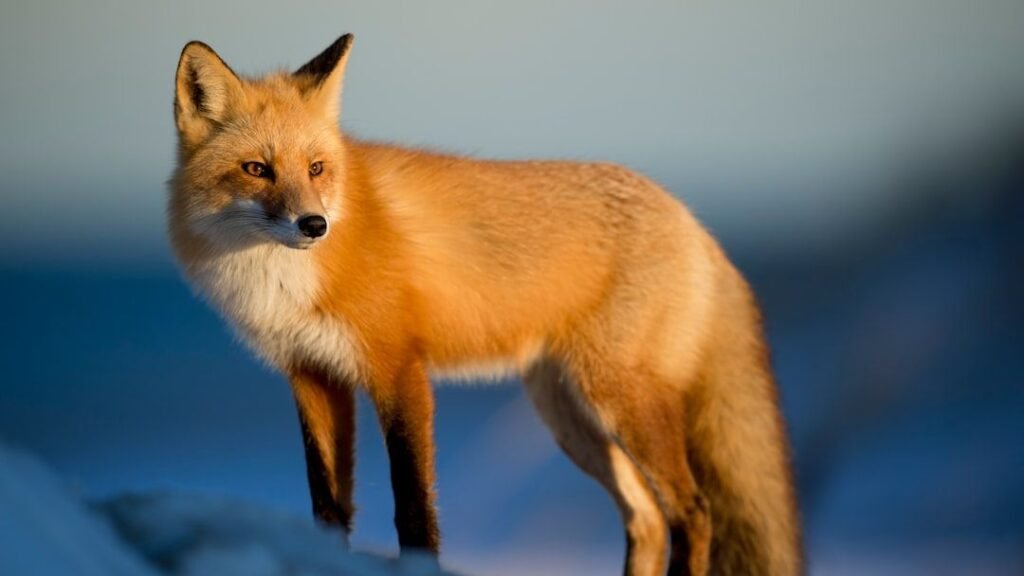

Something is going terribly wrong out there in the wild spaces of America. The creatures you grew up reading about in school textbooks, the ones plastered on national park brochures, the ones your grandparents swore were everywhere when they were young – they’re disappearing. Some quietly. Some dramatically. All of them irreversibly.
It’s not just one thing causing this. It’s never just one thing. It’s a tangled web of human choices, industrial habits, political decisions, and climate shifts all pulling at the same threads simultaneously. In 2026, the rate of extinction seems to be accelerating, with research suggesting that current extinction rates are over a thousand times faster than they were in pre-human times. That’s not a typo. A thousand times faster. Let’s dive in and unpack exactly why America’s most beloved wildlife is now in a race against time.
The Scale of the Crisis Nobody Wants to Talk About
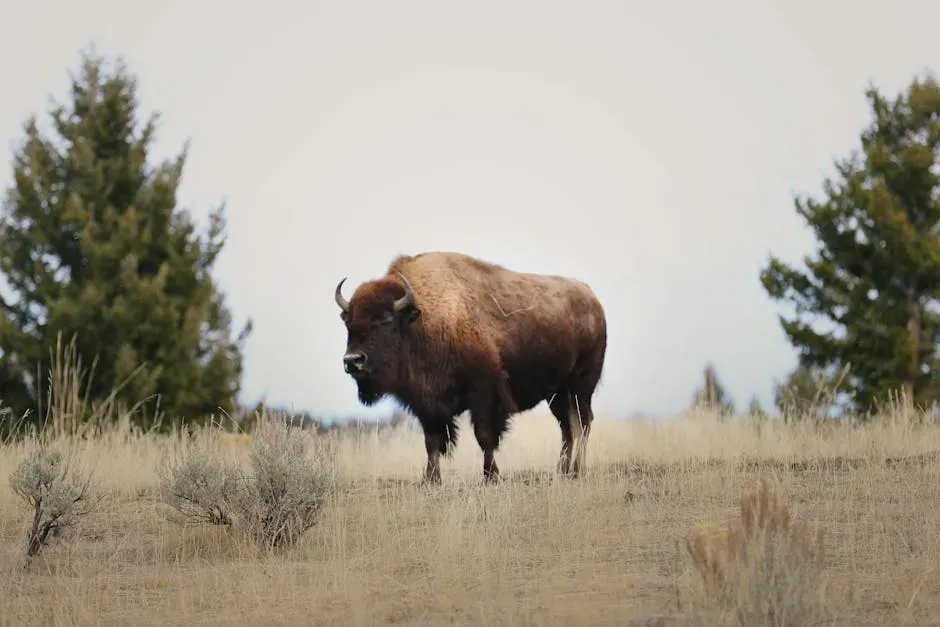
Here’s the thing – the numbers are almost too big to process. North America lost over roughly a fifth of its species in the past century, with over a thousand additional species in endangered or threatened status in the United States alone. Think about that for a second. These aren’t obscure deep-sea creatures nobody has heard of. Many of them are animals that shaped how Americans think about wilderness.
There are over 1,300 endangered or threatened species in the United States today. Endangered species are those plants and animals that have become so rare they are in danger of becoming extinct. Threatened species are plants and animals that are likely to become endangered within the foreseeable future throughout all or a significant portion of their range. The breadth of this crisis is staggering, touching everything from mighty predators to delicate wildflowers.
Some scientists are calling this acceleration the sixth mass extinction. Following mass extinctions that occurred millions of years ago, like the extinction of the dinosaurs, it seems that human actions are now causing extinctions at a much faster rate than they would naturally occur. Honestly, if that doesn’t send a chill down your spine, read it again slowly.
Habitat Loss: The Silent Bulldozer Crushing Biodiversity
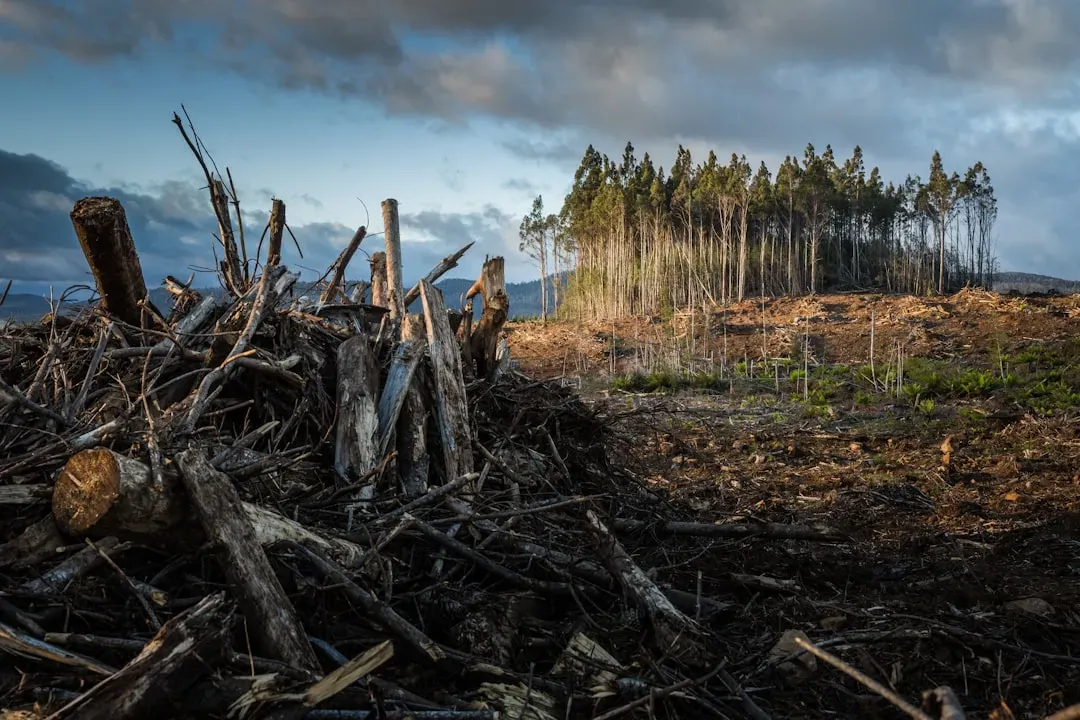
Habitat loss is the primary cause of higher extinction rates. You can think of it this way: imagine someone gradually shrinking your home, room by room, until you’re crammed into a single closet with no food and nowhere to go. That’s exactly what’s happening to wildlife across America every single day. The primary culprit is habitat loss, driven by the incessant needs of modern society that push wild residents into smaller and smaller patches of real estate.
Much of the habitat loss from agriculture was done long ago when settlers converted forests and prairies to cropland. Today, there is increasing pressure to redevelop conservation lands for high-priced food and biofuel crops. The conversion of lands that once provided wildlife habitat to housing developments, roads, office parks, strip malls, parking lots and industrial sites continues. The main driver of biodiversity loss is land conversion, mostly from forest or prairie or wetland to agriculture – humans have already altered roughly seven-tenths of land on Earth not covered by ice.
The Red Wolf: An American Icon on the Brink
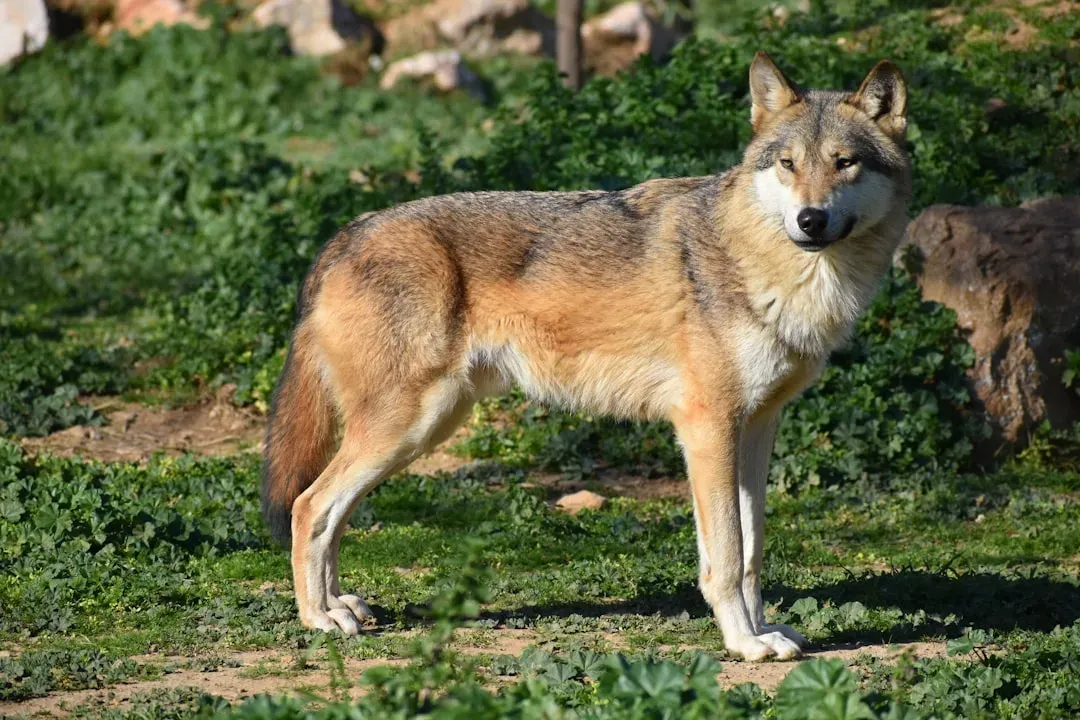
Identifiable by its reddish fur behind its ears, neck and legs, the red wolf is the world’s most endangered wolf, now categorized by the International Union for Conservation of Nature as critically endangered. The fact that the most endangered wolf species on the planet lives right here in the United States is something most people walk through life never knowing. That ignorance is part of the problem.
Once common in eastern and south central regions of the US, the red wolf was listed as a species “threatened with extinction” under the Endangered Species Preservation Act in 1967, after population numbers dropped significantly due to decades of human activity including gunshots and vehicle collisions. It’s hard not to feel a quiet outrage knowing that one of the leading killers of this critically endangered predator is simply a car on a highway. Conservation is often less glamorous than it sounds.
Climate Change: The Threat Multiplier That Changes Everything
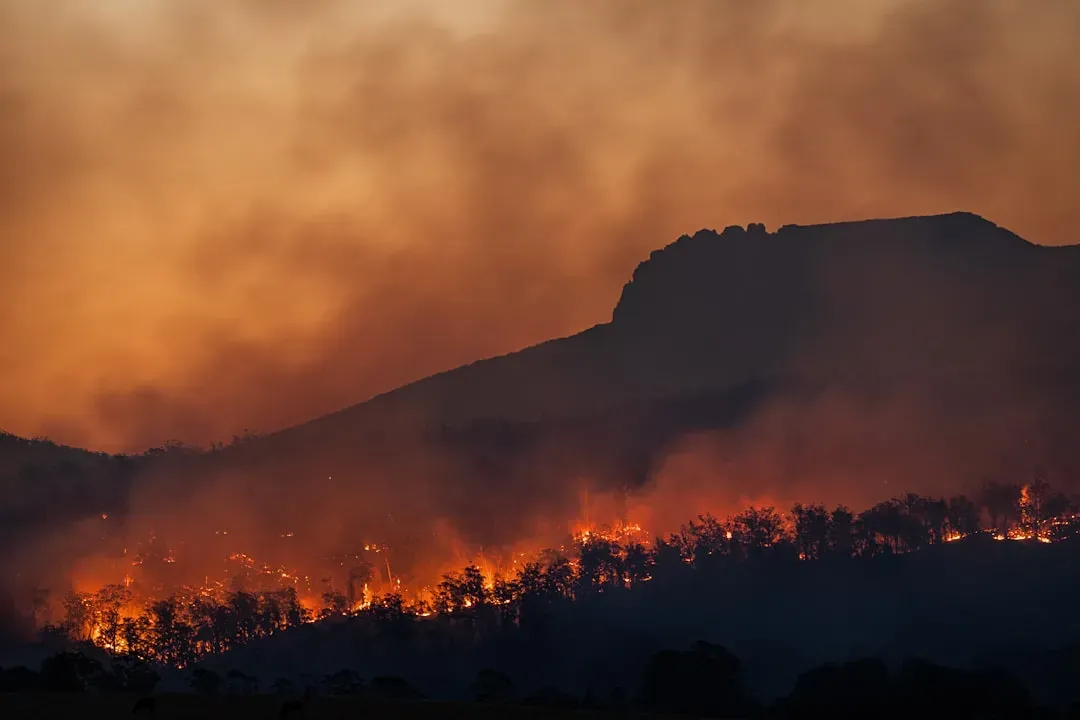
Climate change is the largest threat to ESA-listed species, surpassing other drivers like land use change, pollution and others. After studying nearly 2,800 imperiled species in the U.S. and its territories, researchers found that climate change affects more than nine-tenths of species listed under the Endangered Species Act. That figure is both remarkable and deeply unsettling. Nearly every imperiled species you can name is being squeezed by a warming planet.
Climate change impacts include warming oceans, the frequency and intensity of floods and droughts, rising sea levels, and ocean acidification. These impacts pose growing challenges for marine species and their habitats. They will continue to amplify existing threats, increasing the vulnerability of endangered species and their ecosystems. Climate change interacts with threats such as habitat loss and overharvesting to further exacerbate species declines. The decline of species and ecosystems can then accelerate climate change, creating a feedback loop that further exacerbates the situation. It’s a vicious cycle, and breaking it requires tackling both problems at once.
Freshwater Species: America’s Forgotten Extinction Emergency
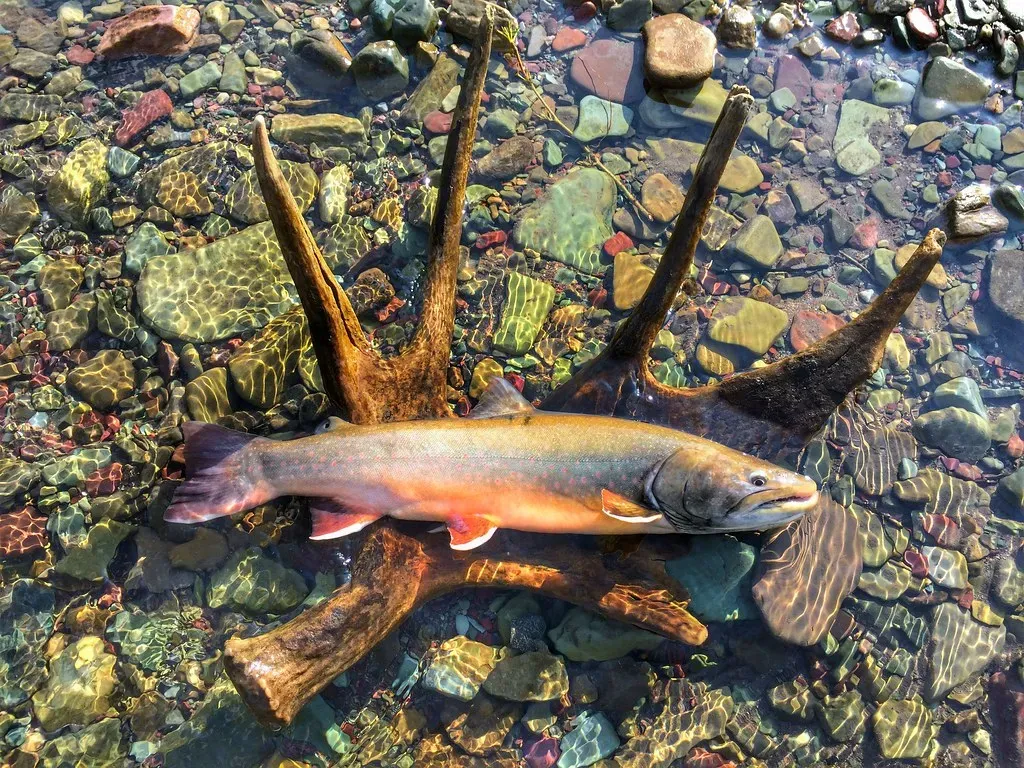
Most people picture large, charismatic mammals when they think about endangered species. But here’s a surprise: some of the most severe losses are happening in rivers and lakes, completely out of sight. According to the Endangered Species Committee of the American Fisheries Society, roughly four-tenths of North America’s freshwater fish species are imperiled or already extinct. Of 28 native species and subspecies of U.S. trout, three are extinct and 13 of the others occupy less than a quarter of their historic habitat.
Causes of freshwater fish declines include sediment runoff, water pollution, introduced species, stream fragmentation, dams, dredging and river channelization. Hellbenders, America’s massive native salamanders, rely on clean, cool fresh water that’s in increasingly short supply – so much so that at least roughly two-fifths of this species’ historical habitats can no longer support them. These are ancient creatures, survivors of millions of years of Earth’s turbulent history, now undone by pollution and warm water temperatures within just a few human generations.
Invasive Species: The Uninvited Guests Wrecking the Party
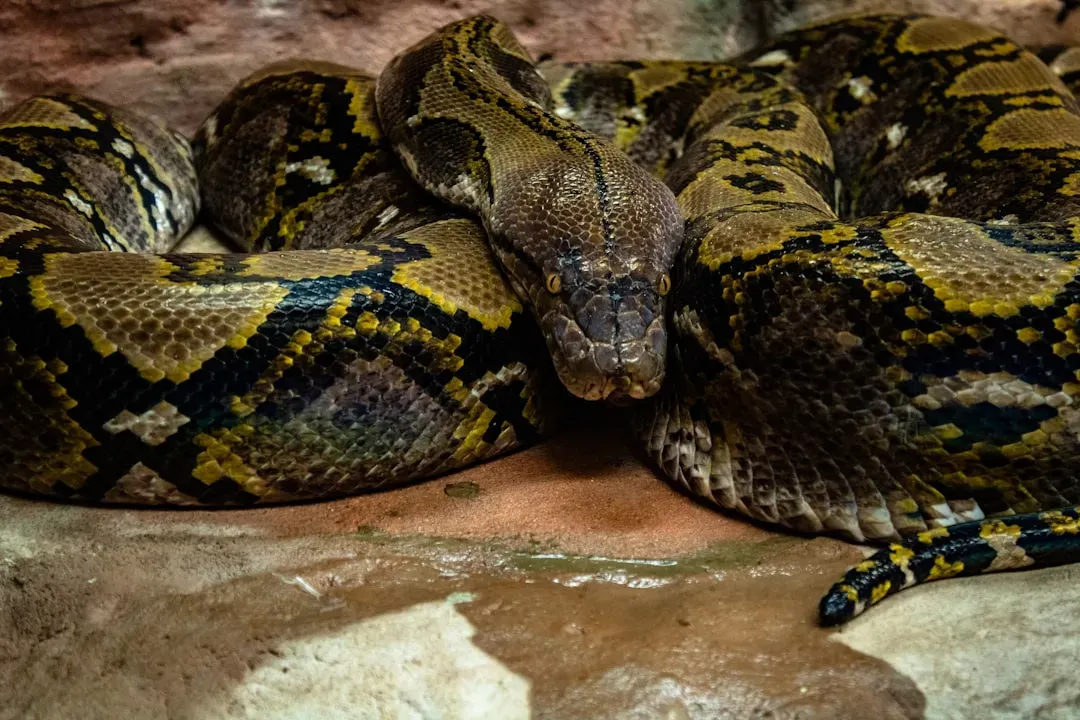
Invasive species – ones that have been introduced to an ecosystem due to human-related activities like trade, travel, or horticulture practices – are now common in the U.S. and compromising our nation’s biodiversity. Alarmingly, invasive species are a major factor in an estimated roughly two-fifths of endangered species listings and are one of the five main drivers of global biodiversity loss. It’s one of those consequences of globalization that rarely gets a headline but causes enormous damage.
Through predation, competition for resources like food and water and transmission of diseases, invasive species are causing the decline of native species and disrupting the important interactions that contribute to healthy native ecosystems. The northern long-eared bat, for example, now faces extinction due to the range-wide impacts of white-nose syndrome, a deadly disease affecting hibernating bats across North America. A single introduced fungal pathogen has devastated an entire group of native species. It’s a stark example of just how fragile these ecosystems really are.
Florida’s Manatees and the Chaos in Coastal Waters
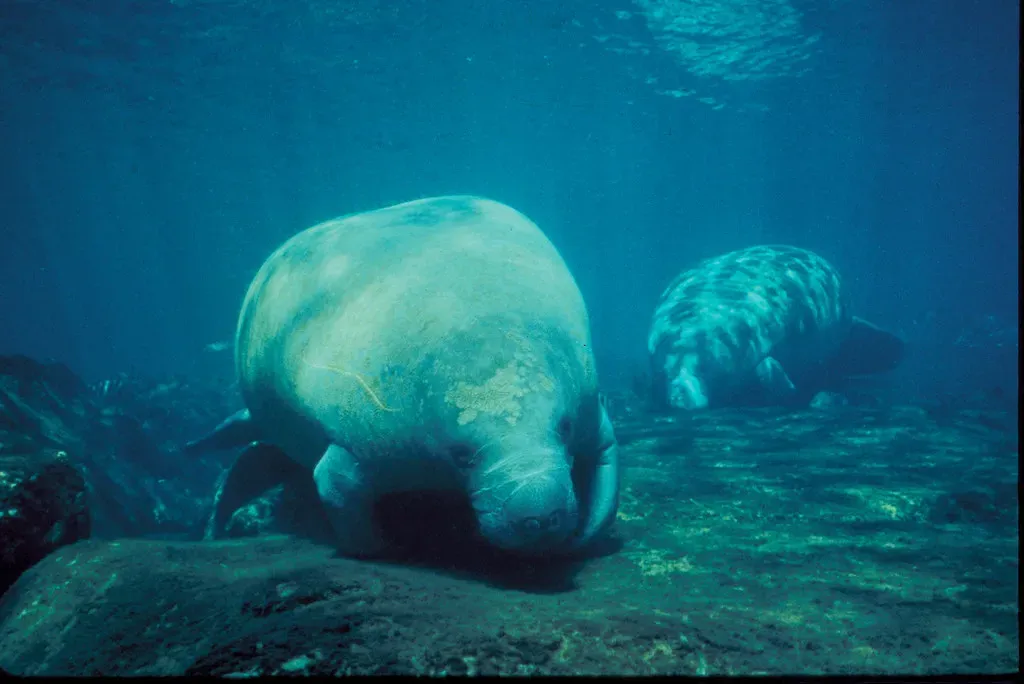
Florida’s iconic manatees have had a rough time lately. The most recent data suggests roughly 625 manatees died in 2025, up slightly from the previous year, though still nowhere near the mass mortality that took place in 2021 and 2022. Florida’s manatees are gentle, slow-moving creatures that are almost impossible not to love. They’re also caught in a perfect storm of habitat destruction, boat strikes, and collapsing seagrass meadows – their primary food source.
Most Hawaiian monk seals, similarly, live in a marine national monument where rising sea levels and intense storms erode necessary shoreline habitats of small islands and atolls. Monk seals haul out on sandy, protected beaches surrounded by shallow waters to give birth and nurse their pups. Two sand-dominated islets within Lalo, which were once primary pupping sites for the species, have disappeared due to climate effects. This sudden loss heightens concerns about the long-term viability of the mostly low-lying islands monk seals rely on. It’s a heartbreaking reminder that even protected marine monuments are not fully shielded from the consequences of a warming world.
The Endangered Species Act Under Siege
The Endangered Species Act has been a tremendous success. In the 50 years since its inception, it has saved roughly 99 percent of listed species from extinction, including some iconic American animals like the bald eagle and certain species of alligator. That record is extraordinary, arguably one of the most successful conservation laws ever enacted on Earth. Yet right now, in 2026, it is being dismantled piece by piece.
The Trump administration announced four proposed regulations rolling back protections in the Endangered Species Act in November 2025. These include rollbacks to threatened species protections, changes to interagency cooperation requirements, and revisions to the designation of critical habitat. These proposed rollbacks would make it easier for federal agencies to greenlight destructive projects, such as mining, drilling, logging, and overdevelopment, without fully assessing their impact on threatened and endangered species or their habitats. Conservation groups and scientists have sounded alarm bells, and more than 380,000 Americans publicly opposed these rollbacks in late 2025.
The Mountain Lion: A Wide-Ranging Predator Boxed Into Corners
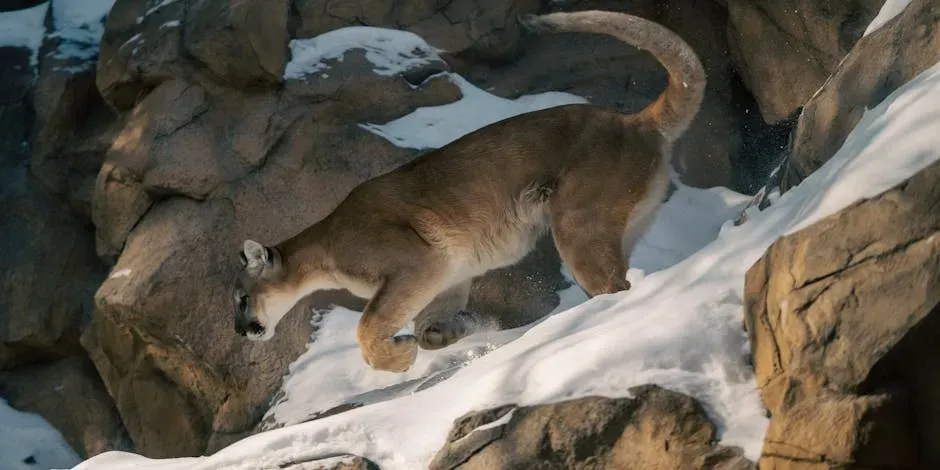
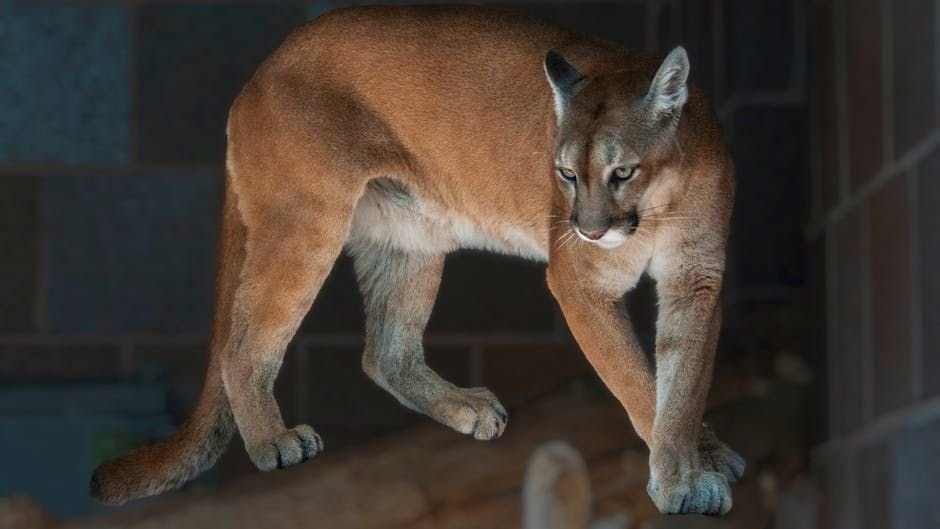
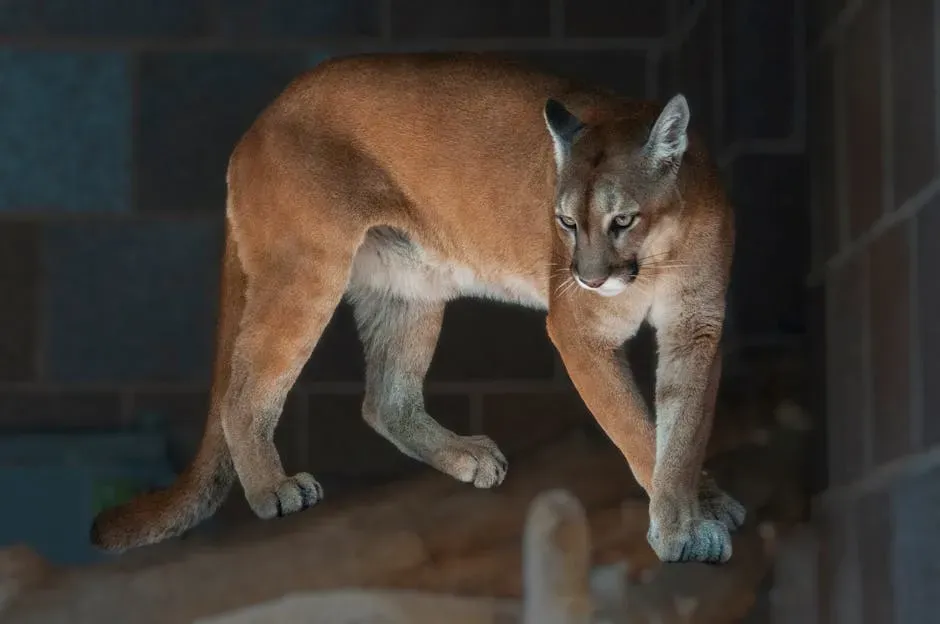
In the United States, vehicle collisions are now a leading cause of death for mountain lions. Expanding road networks divide their habitats, isolating them and limiting their ability to roam. In Southern California, some groups of mountain lions are so cut off that they are suffering from inbreeding and a lack of genetic diversity, which further compounds the pressures they face. Think about that for a moment. The same freeways you drive on every day are genetically isolating one of North America’s most powerful predators into slow extinction.
A landmark project offers hope. The Wallis Annenberg Wildlife Crossing, now under construction in Southern California, is designed to help mountain lions move safely across major roads. It’s a vital step towards humans coexisting with wildlife in a rapidly urbanising world. I think this crossing represents something genuinely hopeful – proof that when humans actually want to make room for wildlife, creative solutions do exist. The question is whether we will build enough of them, fast enough, before the populations that need them collapse.
What You Can Do – Because Silence Is Not an Option
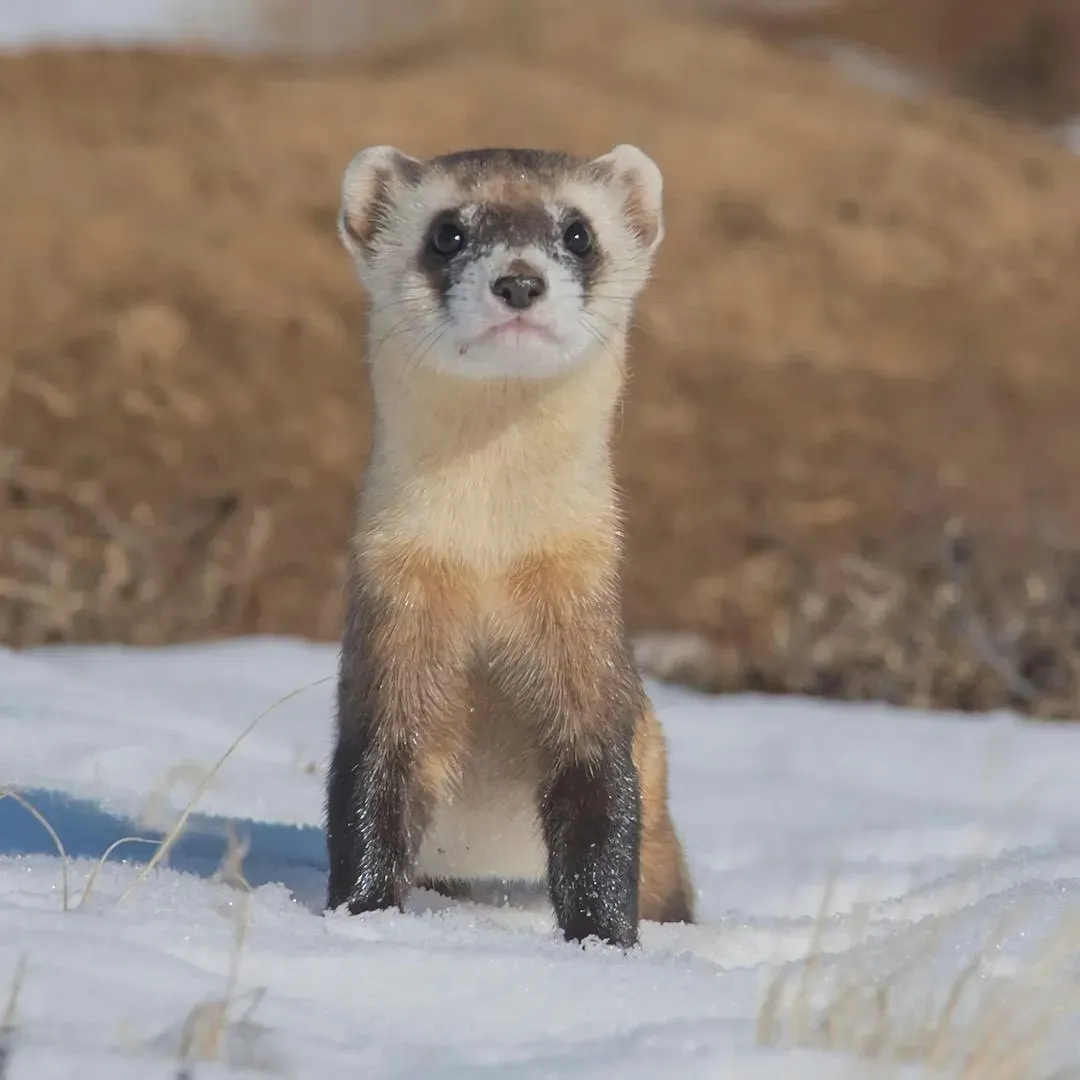
Throughout its history, the Endangered Species Act has proven to be incredibly effective in stabilizing populations of species at risk, preventing the extinction of many others, and conserving the habitats upon which they depend. All Americans can take pride in the fact that, under the protection of the ESA, the California condor, grizzly bear, whooping crane, and black-footed ferret have all been brought back from the brink of extinction. These recoveries are proof that action works – but they require consistent, science-based commitment.
For more than five decades, the Endangered Species Act has survived repeated political attacks because its mission is simple, powerful, and popular: prevent extinction of our nation’s most imperiled plants and wildlife. The combined impact of the current attacks could be devastating. Whether these proposals become law will shape not only the fate of wolves and grizzly bears, but the strength and integrity of the Endangered Species Act itself for years to come. Your voice in this conversation matters more than you might realize. Contact your elected officials, support conservation organizations, and choose to stay informed – because the species disappearing right now will not get a second chance.
Conclusion
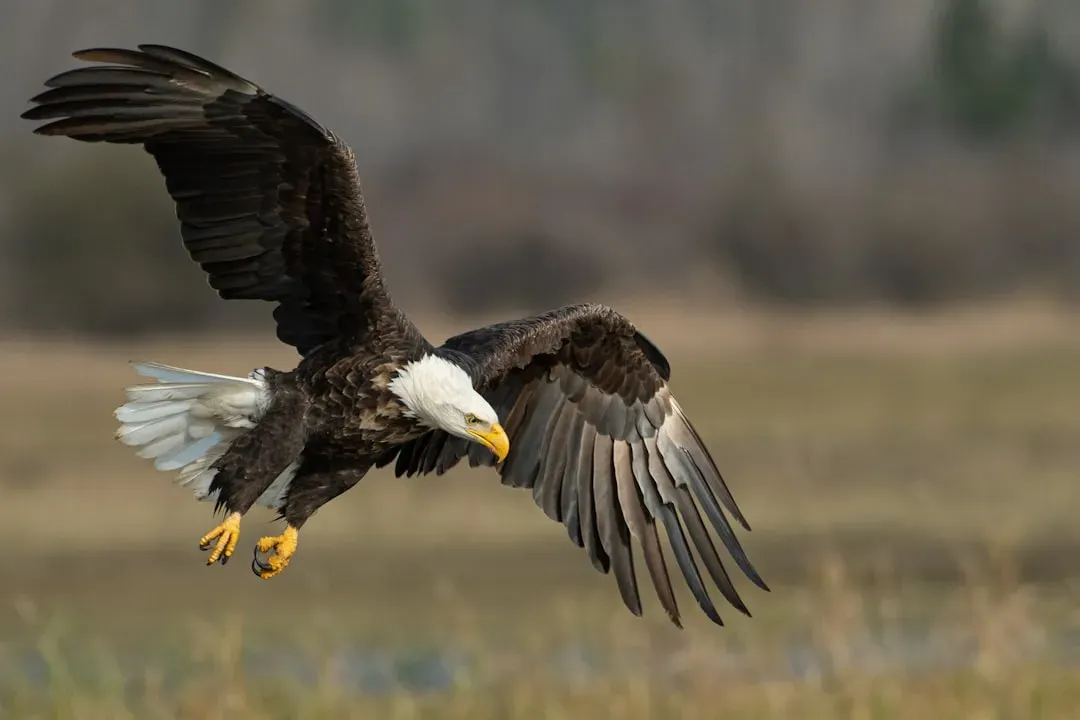
The extinction crisis facing America’s iconic species is not inevitable. It is a consequence of specific decisions, specific policies, and specific habits – which means it can be reversed with different decisions, better policies, and more thoughtful habits. The bald eagle came back. The California condor came back. These were considered miracles at the time, yet they happened because enough people cared deeply enough to demand change.
The animals standing on the edge today – the red wolves, the hellbenders, the manatees, the mountain lions – are waiting to see if this generation will show up for them too. Extinction is rarely a moment. It is a process that unfolds offstage, marked by missed sightings, thinning records, and the slow reassignment of hope to footnotes. The question is whether you’re paying enough attention to help write a different ending.
What would you do differently if you knew that the choices made in the next few years would determine which American species your grandchildren ever get to see? Tell us your thoughts in the comments below.