
Deep in the heart of ancient forests, towering giants stand as silent witnesses to cosmic events that occurred millennia before human civilization even began. These remarkable trees, some over 4,000 years old, carry within their wooden rings an extraordinary record of solar storms that erupted from our Sun thousands of years ago. While we often think of trees as simple living organisms focused on photosynthesis and growth, they’re actually sophisticated cosmic historians, recording the invisible fingerprints of space weather in their very DNA. Every ring tells a story not just of seasonal changes, but of the dramatic cosmic dance between Earth and the Sun that has shaped our planet’s history.
The Hidden Language Written in Wood

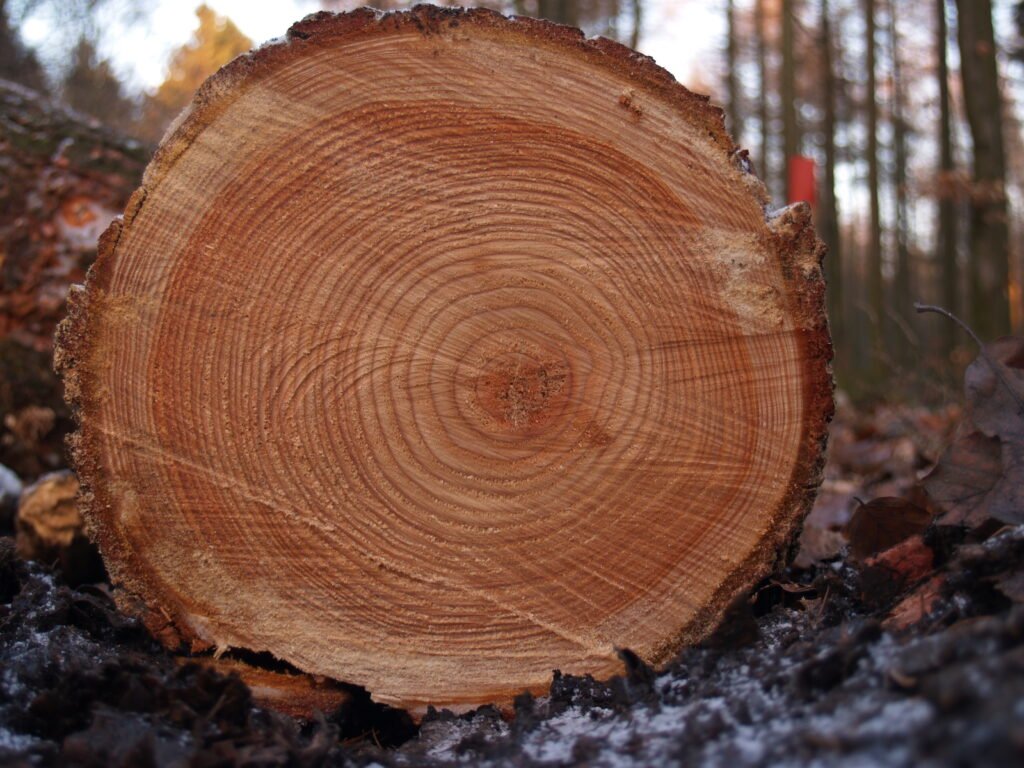
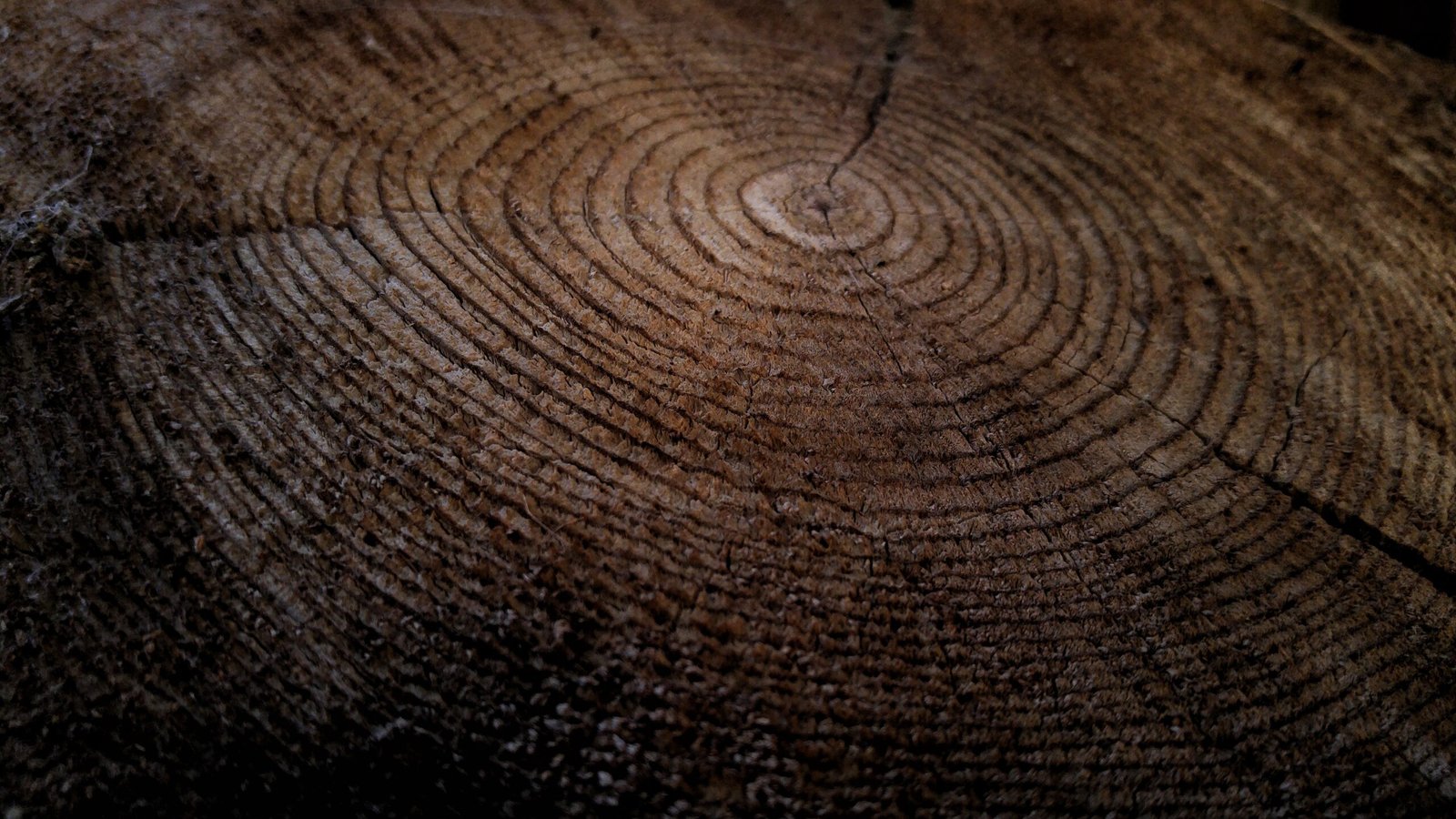
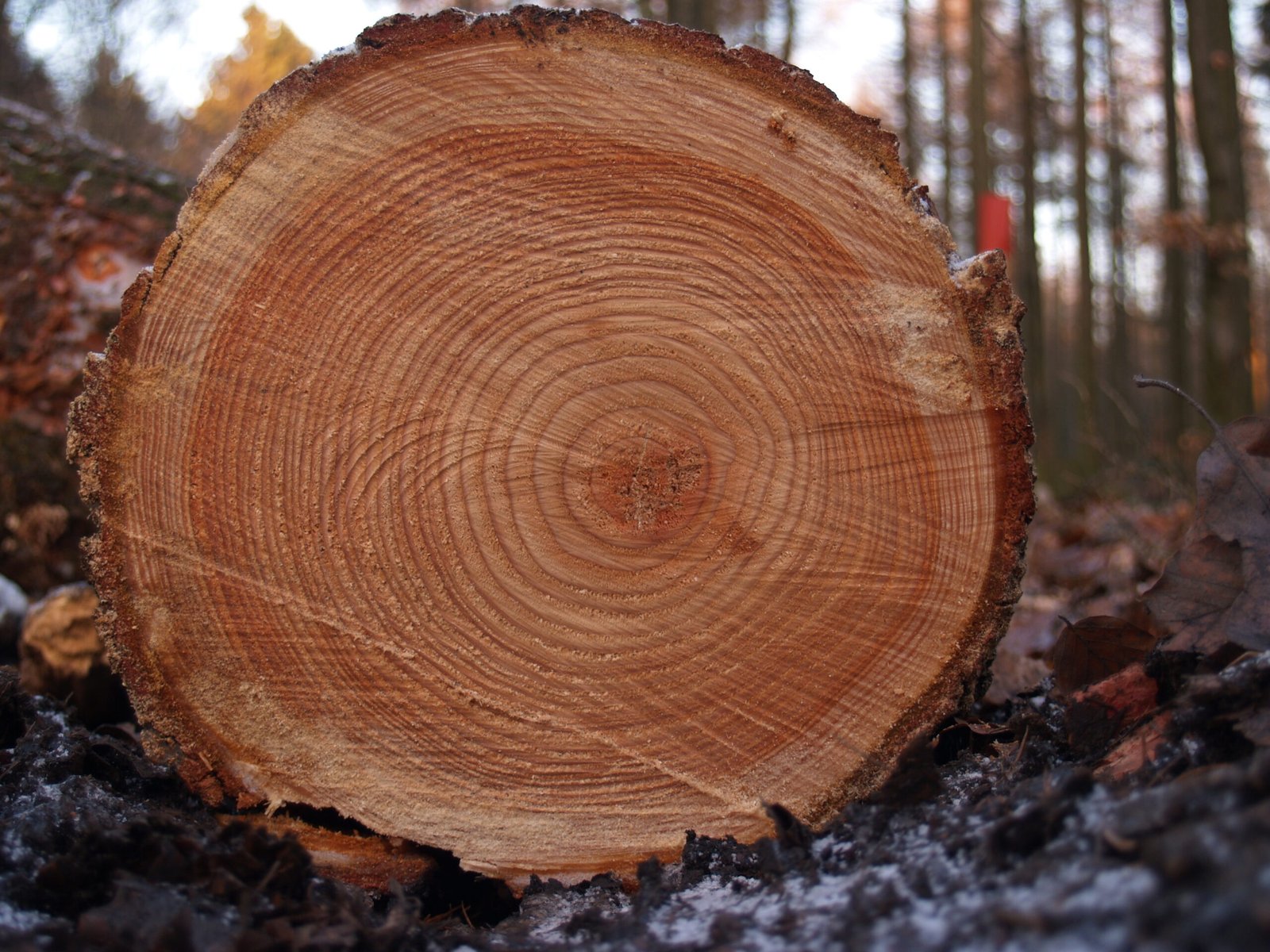
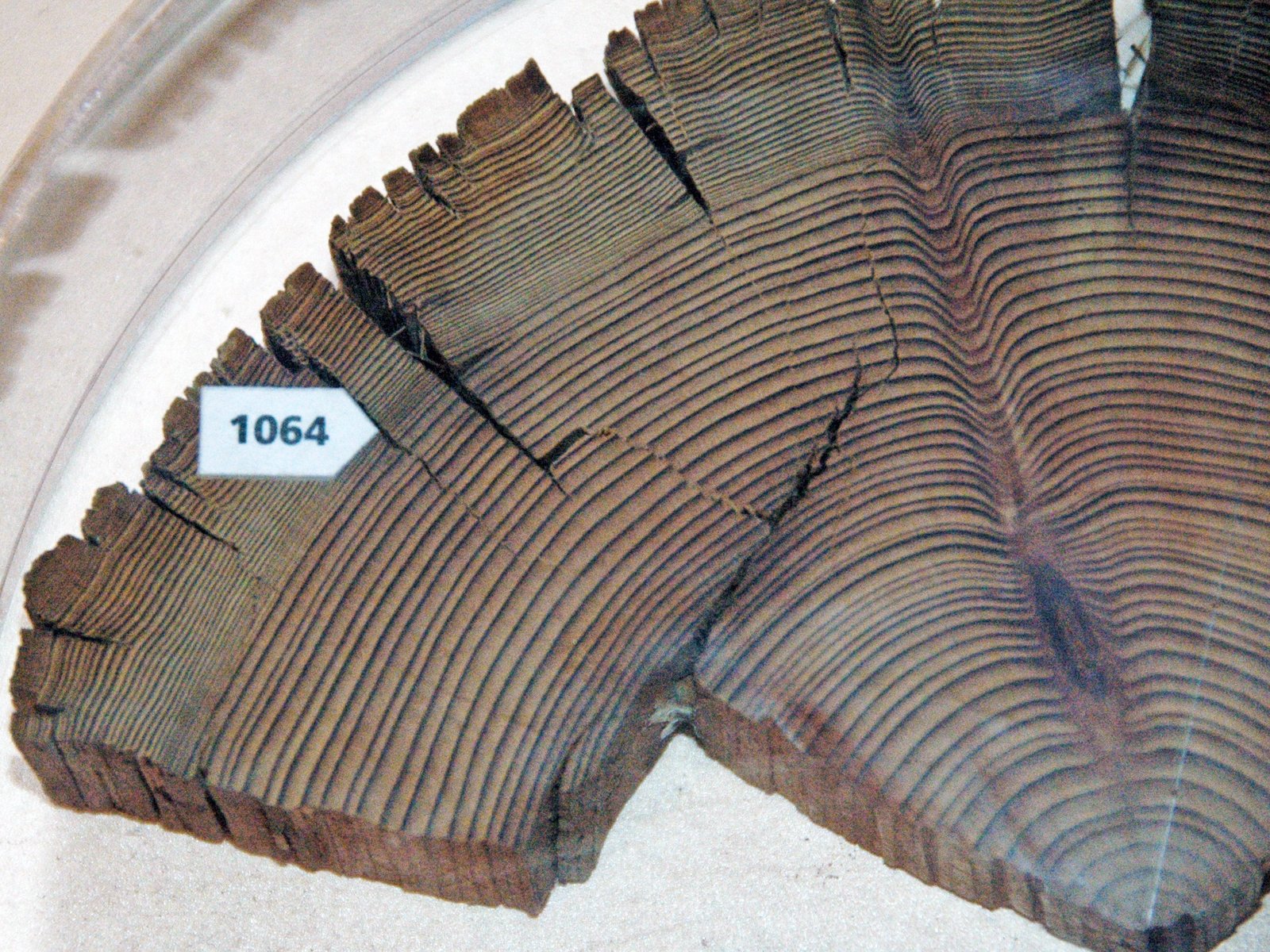
Tree rings aren’t just markers of age – they’re nature’s own data storage system, preserving information about cosmic events with stunning precision. When solar storms hit Earth’s atmosphere, they create cascades of high-energy particles that transform nitrogen in the air into carbon-14, a radioactive isotope that trees absorb during photosynthesis. This carbon-14 becomes permanently locked into the tree’s annual growth ring, creating a cosmic signature that scientists can read thousands of years later. The process is so reliable that researchers can pinpoint not just the year, but sometimes even the season when a major solar storm occurred. It’s like having a natural hard drive that never crashes, storing cosmic data in organic format for millennia.
When the Sun Goes Wild

Solar storms aren’t gentle cosmic breezes – they’re violent eruptions of charged particles and magnetic fields that blast through space at millions of miles per hour. These coronal mass ejections happen when the Sun’s magnetic field lines tangle and snap, releasing energy equivalent to billions of nuclear bombs. When this cosmic fury reaches Earth, it doesn’t just create beautiful auroras; it fundamentally alters our planet’s atmospheric chemistry. The most powerful storms can even penetrate deep into Earth’s protective magnetic field, reaching altitudes where commercial aircraft fly. Ancient trees living through these events experienced atmospheric conditions that were dramatically different from normal years, and their growth rings preserve this cosmic violence in exquisite detail.
The Miyake Events That Shocked Scientists

In 2012, Japanese physicist Fusa Miyake discovered something that revolutionized our understanding of ancient solar activity. By analyzing tree rings from Japanese cedar trees, she found sudden spikes in carbon-14 that were far more dramatic than anything in recorded history. These “Miyake events” represent solar storms so powerful they make our worst modern space weather look like gentle rain. The most famous occurred around 774 CE and 993 CE, creating carbon-14 spikes that were ten times larger than typical solar storm signatures. Scientists initially couldn’t believe trees could preserve evidence of such extreme events, but multiple studies from different continents confirmed these cosmic catastrophes actually happened. These discoveries forced researchers to completely rethink how violent our seemingly stable Sun can become.
Carbon-14: The Cosmic Fingerprint

Understanding how carbon-14 works is like learning to read the universe’s own handwriting. When high-energy cosmic rays or solar particles slam into Earth’s upper atmosphere, they collide with nitrogen atoms and transform them into carbon-14 through nuclear reactions. This radioactive carbon behaves exactly like normal carbon-12, so plants absorb it during photosynthesis without any difference. However, carbon-14 is unstable and decays over time with a half-life of about 5,730 years, making it a perfect cosmic clock. Trees that lived through major solar storms absorbed unusually high amounts of this radioactive carbon, creating permanent markers that modern scientists can detect with incredible precision. The beauty of this system is that it’s completely natural and automatic – trees can’t help but record these cosmic events.
Ancient Bristlecone Pines: The Ultimate Cosmic Historians

High in the White Mountains of California, ancient bristlecone pines have been quietly documenting solar activity for over 4,000 years. These gnarled, weathered trees grow so slowly that some add only a millimeter to their circumference each year, creating incredibly detailed records of atmospheric conditions. Their extreme longevity and precise annual growth patterns make them perfect cosmic libraries, with each ring representing a single year of space weather data. Some individual trees have lived through dozens of major solar storms, creating unbroken records that span entire civilizations. Scientists treasure these ancient witnesses because they provide continuous data from long before humans had any way to monitor solar activity, revealing patterns and cycles that would otherwise be completely unknown to us.
The Chemistry of Cosmic Memory

The process by which trees remember solar storms is surprisingly complex and involves multiple chemical reactions happening simultaneously in Earth’s atmosphere. When solar particles hit nitrogen molecules about 50 kilometers above Earth’s surface, they create a shower of secondary particles that continue the chain reaction downward. This cosmic cascade produces not just carbon-14, but also other isotopes like beryllium-10 and chlorine-36, each with its own story to tell. The newly formed carbon-14 quickly combines with oxygen to form carbon dioxide, which mixes throughout the atmosphere within about two years. Trees absorb this radioactive CO2 during photosynthesis and incorporate it into cellulose, the main structural component of wood, where it remains locked away for thousands of years.
Reading the Rings: Modern Detective Work

Extracting cosmic secrets from ancient wood requires sophisticated laboratory techniques that would amaze the trees’ original observers. Scientists carefully remove pencil-thin cores from living trees or collect samples from preserved ancient wood, then separate each annual ring under microscopes. The wood is then burned in specialized furnaces to convert the carbon into pure graphite, which gets analyzed by accelerator mass spectrometers that can count individual carbon-14 atoms. This process is so sensitive that researchers can detect cosmic events that lasted only a few months thousands of years ago. The precision is extraordinary – scientists can often determine not just the year of a solar storm, but whether it happened in spring, summer, or fall based on which cells within the ring show elevated carbon-14 levels.
The Great Storm of 774 CE
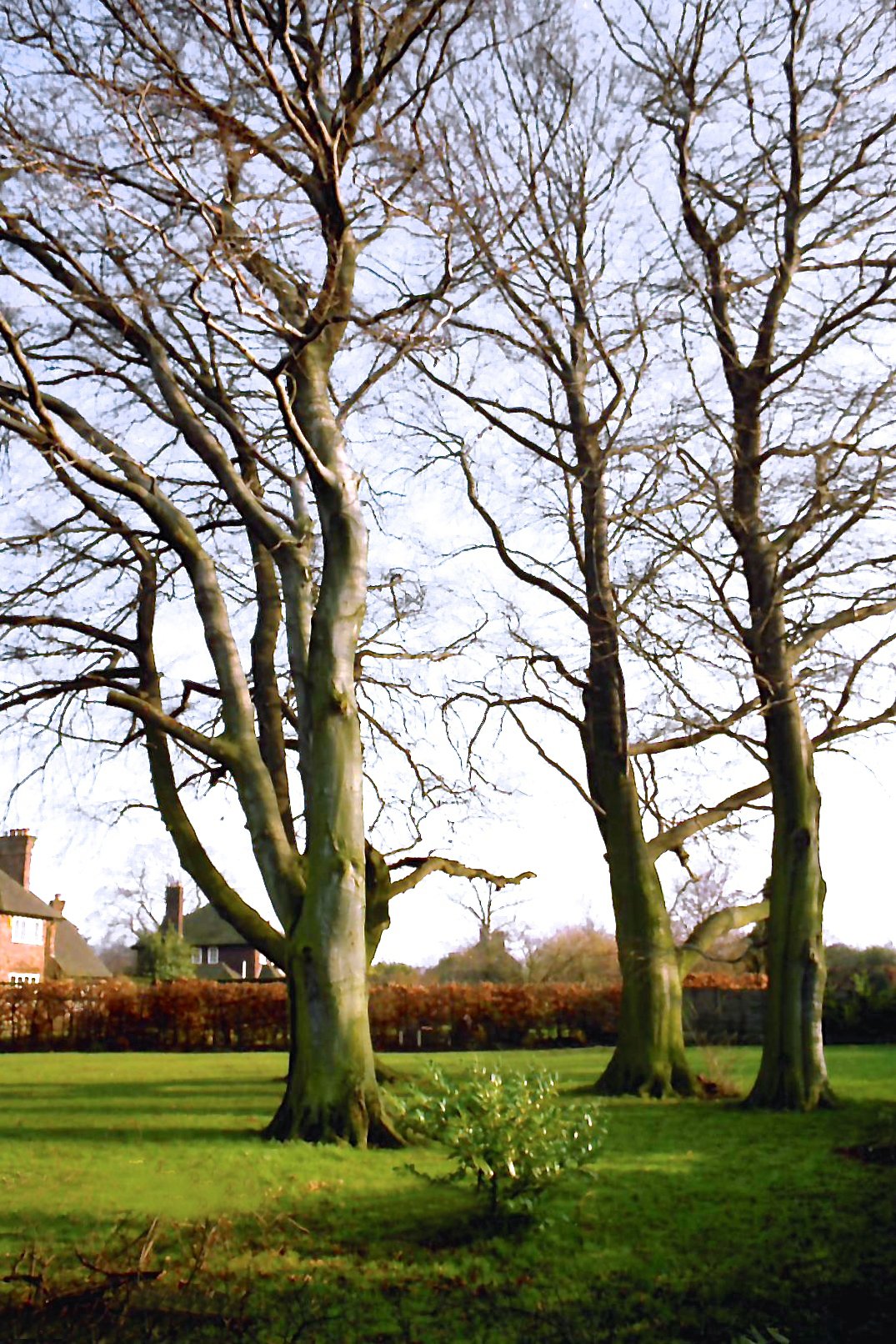
The solar storm of 774 CE was likely the most powerful cosmic event in recorded tree-ring history, creating a carbon-14 spike that still amazes scientists today. This cosmic catastrophe occurred during the reign of Charlemagne, and while humans of that era had no understanding of space weather, they may have witnessed spectacular auroras reaching far south of their normal range. The event was so powerful that it left its signature in tree rings across the entire Northern Hemisphere, from California to Siberia to Japan. Modern calculations suggest this storm was at least ten times more powerful than the famous Carrington Event of 1859, which knocked out telegraph systems worldwide. If a similar storm occurred today, it would likely cause trillions of dollars in damage to satellites, power grids, and electronic infrastructure, making these ancient tree records crucial for understanding our vulnerability to space weather.
Global Networks of Wooden Witnesses

Scientists have discovered that trees around the world all recorded the same major solar storms, creating a global network of cosmic witnesses that spans continents and cultures. Oak trees in Germany show the same carbon-14 spikes as kauri trees in New Zealand, proving that these were truly planetary events that affected Earth’s entire atmosphere. This worldwide consistency has allowed researchers to build incredibly detailed maps of ancient solar activity, comparing records from the Arctic to the tropics. The synchronization is so precise that scientists can use tree rings from different continents to cross-check their findings and eliminate any local environmental factors that might confuse the cosmic signal. This global perspective has revealed that major solar storms don’t just affect one region – they create worldwide atmospheric changes that every tree on Earth experiences simultaneously.
Ice Cores: The Frozen Cosmic Library

While trees provide the most detailed records of ancient solar storms, ice cores from Greenland and Antarctica offer complementary evidence that helps scientists piece together the complete picture. When cosmic rays hit the atmosphere, they produce not just carbon-14 but also beryllium-10 and nitrates that fall to Earth and get preserved in layers of ice. These frozen libraries extend back much further than even the oldest trees, providing glimpses of solar activity from tens of thousands of years ago. The ice core records generally match the tree ring data for known events, giving scientists confidence that both natural archives are accurately recording the same cosmic phenomena. However, ice cores have lower temporal resolution than annual tree rings, making trees the preferred source for precise dating of ancient solar storms.
What Ancient Storms Tell Us About Solar Cycles

The cosmic records preserved in ancient trees have revealed that our Sun follows complex cycles that are far more variable than modern observations suggested. While we know about the 11-year sunspot cycle from telescopic observations, tree rings show much longer patterns spanning centuries and millennia. Some periods in history show clusters of intense solar activity, while others appear remarkably quiet, suggesting that the Sun’s behavior changes dramatically over time scales much longer than human civilization. The Medieval period, for instance, shows evidence of unusually frequent solar storms, while the 17th century Maunder Minimum was a time of reduced solar activity that coincided with the Little Ice Age. These patterns help scientists understand that space weather operates on multiple time scales, from individual storms to multi-century cycles that can influence Earth’s climate.
The Carrington Event: A Modern Benchmark

The Carrington Event of September 1859 represents the most powerful solar storm in recorded human history, but tree ring evidence suggests it was relatively modest compared to ancient cosmic catastrophes. During this event, auroras appeared as far south as the Caribbean, telegraph systems worldwide failed, and some telegraph operators received electric shocks from their equipment. The storm was so intense that telegraph lines continued working even after their power sources were disconnected, running purely on induced currents from the magnetic disturbance. Tree rings from 1859 show a measurable but small carbon-14 increase, confirming that this famous storm was real but nowhere near as powerful as the ancient Miyake events. This comparison helps scientists understand that our modern technological civilization has never experienced the full fury of what the Sun can unleash.
Protecting Our Modern World
The ancient tree ring records serve as a crucial warning system for our increasingly electronic civilization, revealing that extreme solar storms are not just possible but inevitable. Modern society depends on satellites, GPS systems, power grids, and electronic communication networks that would be devastated by a storm like the 774 CE event. The tree ring evidence shows that such extreme events occur roughly once every thousand years, meaning we’re statistically overdue for another cosmic catastrophe. Scientists use these ancient records to model worst-case scenarios and develop protection strategies for critical infrastructure. The knowledge locked in tree rings has become essential for space weather prediction and disaster preparedness, proving that these ancient witnesses are more relevant today than ever before.
Climate Connections Hidden in Rings
Beyond recording solar storms, tree rings reveal complex connections between space weather and Earth’s climate that scientists are only beginning to understand. Major solar storms can temporarily alter atmospheric chemistry in ways that influence cloud formation, precipitation patterns, and even global temperatures. Some researchers suspect that the clustering of intense solar activity during medieval times may have contributed to climate variations that affected agriculture and human societies. The Little Ice Age, which lasted from roughly 1550 to 1700, coincided with a period of reduced solar activity that tree rings clearly document. While the connections between space weather and climate are still being studied, the tree ring records provide crucial data for understanding how cosmic events influence Earth’s environment over long time scales.
The Search for Even Older Cosmic Records

Scientists are constantly searching for even older tree specimens that might extend the cosmic record further back in time, with some remarkable discoveries pushing the timeline to nearly 10,000 years ago. Ancient wood preserved in bogs, lakes, and archaeological sites can provide snapshots of solar activity from the early Holocene period, when human civilization was just beginning. These older specimens are rarer and more challenging to analyze, but they offer tantalizing glimpses of cosmic events that occurred during the end of the last ice age. Some researchers are exploring whether wood from ancient buildings and artifacts might contain additional cosmic signatures, creating archaeological datasets that blend human history with space weather records. The goal is to eventually reconstruct a complete picture of solar variability spanning the entire period of human civilization and beyond.
Future Storms and Ancient Warnings

The cosmic memories preserved in ancient trees serve as both historical records and prophetic warnings about future space weather events that could reshape our technological civilization. Current solar monitoring systems have only existed for a few decades, providing a tiny window into the Sun’s true capabilities compared to the millennial records held by trees. As our dependence on electronic systems grows, understanding the full range of possible solar behavior becomes increasingly critical for national security and economic stability. The tree ring evidence suggests that extreme storms capable of causing worldwide technological collapse are not just theoretical possibilities but documented realities that have happened before. These ancient wooden witnesses remind us that the cosmic environment around Earth is far more dynamic and dangerous than our brief modern experience would suggest.
Technologies Born from Ancient Wisdom

The techniques developed to read cosmic secrets from tree rings have revolutionized multiple scientific fields, creating new technologies that extend far beyond space weather research. The precision required to measure carbon-14 in ancient wood has led to improvements in accelerator mass spectrometry that now benefit archaeology, climate science, and even medical research. Methods for analyzing annual growth patterns in trees have been adapted to study everything from pollution history to earthquake records preserved in wood. The interdisciplinary nature of tree ring research has brought together physicists, chemists, biologists, and climatologists in ways that have spawned entirely new scientific approaches. These ancient records have become testing grounds for analytical techniques that push the boundaries of what’s possible in laboratory science.
The Living Cosmic Archive
Today’s trees are continuing to write the cosmic story, absorbing carbon-14 from modern solar storms and nuclear weapons testing while adding new chapters to Earth’s space weather archive. Scientists monitor contemporary tree growth to calibrate their understanding of how cosmic events translate into wood chemistry, ensuring that ancient records are properly interpreted. The atomic bomb testing of the 1950s and 1960s created a massive spike in atmospheric carbon-14 that all living trees absorbed, providing a modern reference point for understanding how major atmospheric disturbances affect tree ring chemistry. Current trees are also recording the effects of modern space weather events, creating a continuous record that bridges ancient cosmic history with contemporary observations. These living archives ensure that future scientists will have even more detailed records to work with, extending the cosmic memory of trees into the distant future.
Beyond Earth: Cosmic Implications

The discovery that trees can preserve records of ancient solar storms has implications that extend far beyond our own planet, providing insights into stellar behavior that could apply to other star systems throughout the universe. The patterns revealed in tree rings help astronomers understand how sun-like stars behave over long time periods, informing theories about stellar evolution and the habitability of exoplanets. The extreme variability documented in Earth’s tree ring records suggests that other planets orbiting similar stars might experience even more dramatic space weather events that could sterilize their atmospheres or strip away protective magnetic fields. This research has become crucial for understanding the long-term stability of planetary environments and the likelihood of life surviving around other stars. The humble tree rings of Earth are thus contributing to our understanding of cosmic processes that operate throughout the galaxy.
These ancient wooden time capsules continue to guard their cosmic secrets, waiting for scientists to unlock more mysteries about our Sun’s violent past and turbulent future. The next time you see an old tree, remember that you’re looking at a living library that has witnessed cosmic storms powerful enough to reshape civilizations, carrying within its rings the memory of events that occurred when the pyramids were young and human writing had barely been invented. What other cosmic secrets might these silent witnesses reveal as our technology advances and our understanding deepens?