
The world’s greatest cities rise where the land whispers stories of thousands of years. Have you ever wondered why places like Rome, Istanbul, Mexico City, or Cairo became bustling centers of human life? It’s almost as if people through the ages were drawn by invisible threads to the same plots of earth. But while skyscrapers and highways now dominate these landscapes, beneath the concrete lies a hidden world—lost civilizations, forgotten treasures, and the deep roots of our shared human story. Imagine walking to your favorite coffee shop and treading right over the bones of kings, the ruins of temples, or the footprints of ancient traders. It’s a mind-bending thought: what have we gained, and what have we buried forever? Let’s travel back in time and dig through the layers—both literal and metaphorical—beneath our modern cities.
The Allure of Rivers and Waterways
Water has always called to humans like a song. Ancient people knew that settling near rivers and lakes could mean the difference between life and death. The Nile, the Tiber, the Thames, and the Yangtze—all home to thriving communities long before the first skyscraper touched the sky. Rivers offered more than just drinking water; they provided food, trade routes, and fertile soil for crops. Think of a river like an ancient superhighway, bustling with boats instead of cars. Even today, most major cities hug the banks of rivers, a testament to their enduring pull. The convenience and abundance provided by water made these spots irresistible for early settlers, laying the very foundation for future cities.
Natural Defenses and Strategic High Ground
Safety was as important to ancient peoples as it is to us now. Many ancient settlements rose on hills, islands, or behind natural barriers. Cities like Athens and Jerusalem took advantage of high ground, making it easier to spot enemies and harder for invaders to attack. Rivers, cliffs, or dense forests could serve as protective walls. These natural defenses reduced the need to build massive fortifications from scratch. The strategic placement of these early communities didn’t just keep people safe—it also shaped how cities would expand, sometimes trapping their modern descendants beneath layers of old walls and forgotten fortresses.
The Magnetism of Fertile Lands
Where the soil was rich, life could flourish. The world’s earliest civilizations, from Mesopotamia’s cradle to the Nile’s lush valley, were drawn to places where crops could grow abundantly. Fertile land meant food security, population growth, and eventually, the rise of powerful kingdoms. It’s no coincidence that places like modern-day Baghdad and Cairo stand where ancient farmers once tilled their fields. As cities grew, the need for farmland remained, leading to dense urban centers surrounded by agricultural belts. These fertile plains became cradles of innovation and culture, their bounty fueling both ancient growth and modern expansion.
Trade Routes: Where Worlds Collided

Trade is the heartbeat of civilization. Ancient peoples chose to settle at crossroads—places where paths, rivers, or coastlines met and mingled. Cities like Istanbul, at the meeting of Europe and Asia, or Tenochtitlan, on a network of lake islands, became melting pots of goods, ideas, and cultures. These vibrant hubs attracted merchants, craftsmen, and fortune-seekers. The constant exchange made these places wealthy and influential, and over centuries, the traffic only increased. Today, many of the world’s most cosmopolitan cities still sit at these age-old crossroads, where the echoes of ancient markets linger in the air.
Religious and Spiritual Centers
Sacred places drew ancient people like moths to a flame. Some cities rose around temples, shrines, or other holy sites. Jerusalem’s Old City, Varanasi on the Ganges, and Mecca in the Arabian desert all began as spiritual centers. These places were more than religious—they were gathering spots, sites for festivals, and focal points for trade and governance. For many, living near a sacred site meant being closer to the divine, and these settlements grew into cities as pilgrims and seekers arrived in waves. Over time, layers of faith, architecture, and tradition piled up, each era building on the bones of the last.
The Role of Climate and Microclimates
Climate shaped ancient choices in ways we often overlook. Mild winters, abundant rainfall, and gentle summers made life easier and more predictable. Some places, like the Mediterranean basin or the valleys of central Mexico, offered ideal growing seasons and comfortable living. Even small variations—like a south-facing slope that captured more sunlight—could tip the balance. These microclimates became magnets for settlement. As people clustered in these comfortable zones, their villages eventually merged into sprawling cities. Today, these ancient climate advantages still influence where people want to live, keeping old cities alive and thriving.
Access to Raw Materials
Ancient communities didn’t just need food and water—they needed resources to build and create. Stone, clay, timber, and metals like copper or iron drew people to certain areas. Mining towns and quarry sites often grew into bustling centers. Athens had marble, Rome had volcanic tuff, and ancient Londoners dug clay for bricks. Access to these materials allowed for monumental architecture and technological progress. Even when the original resource ran out, the infrastructure and population often remained, setting the stage for modern cities to rise atop ancient workshops and mines.
Social and Political Gravity
Sometimes, people settled where the action was. Ancient capitals, like Babylon or Thebes, became magnets for power, wealth, and talent. Rulers built palaces and governments convened in grand halls, drawing more people in search of opportunity or protection. Over centuries, these centers of gravity became almost impossible to abandon. Even as empires fell and rose, the cities endured, layer upon layer. The political pull of a capital city can last millennia, anchoring new governments on the same ground as their ancient predecessors.
Innovation and the Birth of Urban Life
Cities weren’t just collections of houses—they were laboratories of innovation. The first urbanites invented writing, money, and new forms of art and science. Ancient Uruk, for example, gave the world cuneiform script, while early Chinese cities developed irrigation systems that still amaze us today. As people clustered together, ideas flowed more freely and society advanced at a dizzying pace. These breakthroughs fueled population booms and attracted even more settlers, making it likely that future generations would rebuild in the same spot, over and over.
Navigating Natural Disasters
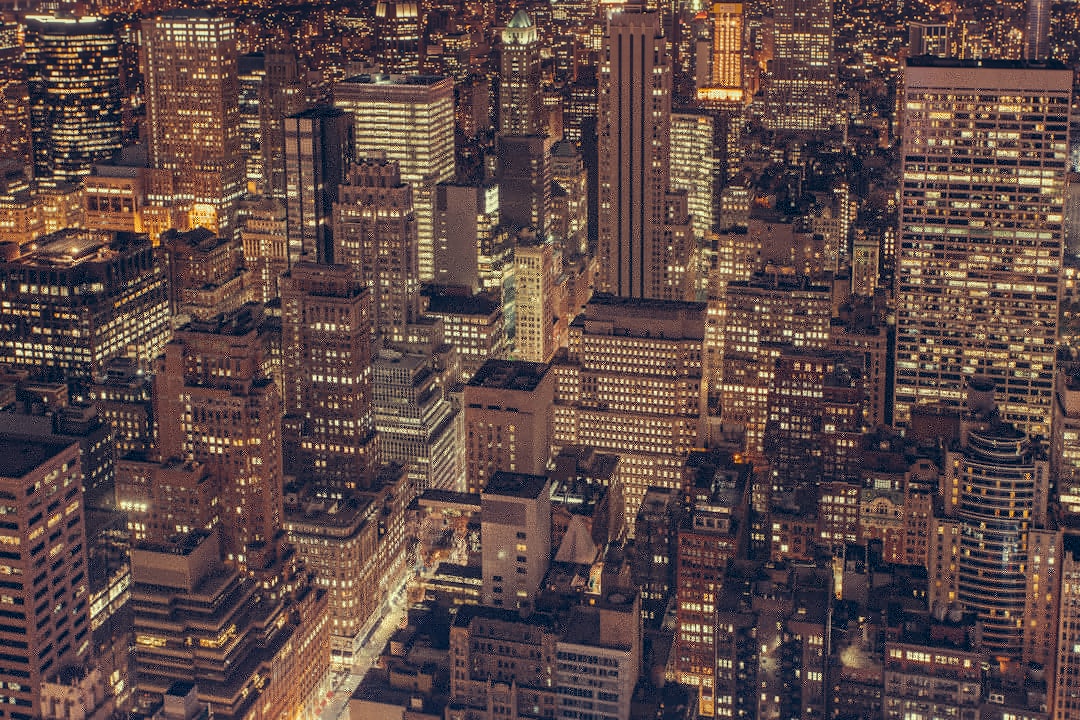
Ironically, some ancient cities were built in places prone to disaster—think of Pompeii, shadowed by Mount Vesuvius, or Mexico City, built on a former lakebed prone to earthquakes. Yet these risks were often outweighed by the benefits: fertile soils, abundant water, or strategic location. Over time, communities learned to adapt, building flood barriers or earthquake-resistant structures. While modern cities still face these dangers, they often stand right where ancient ones did, their people accepting risk for the rewards beneath their feet.
The Urban Palimpsest: Layer Upon Layer
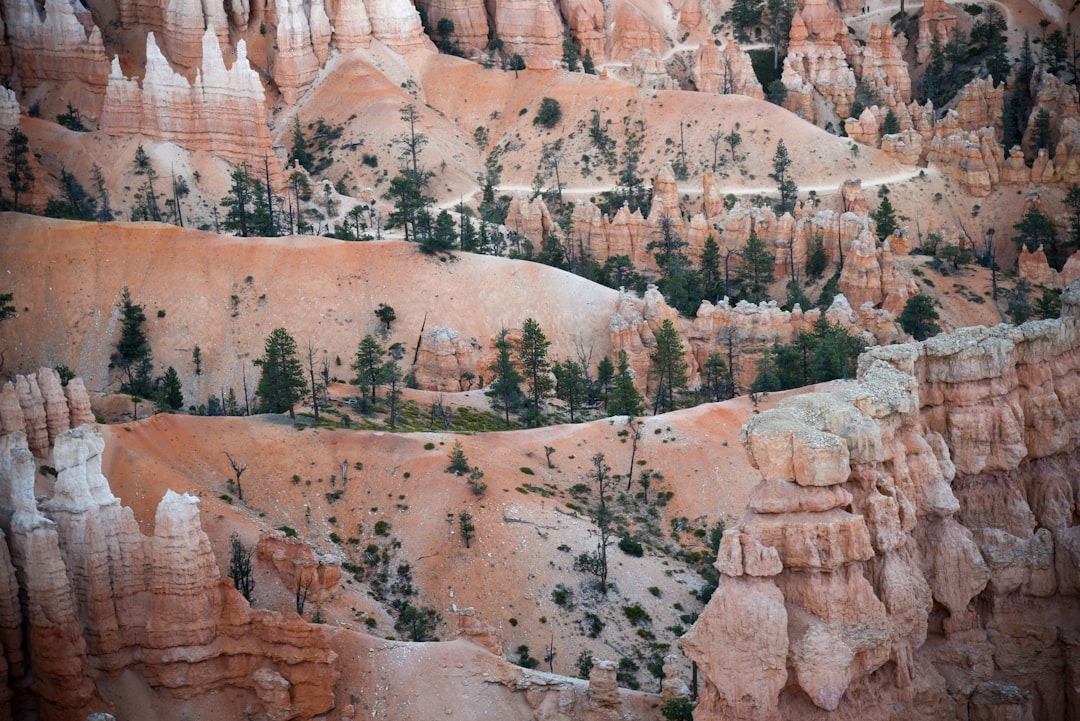
A city is like a book, rewritten again and again. Under every modern street, archaeologists find layers of older roads, buildings, and even entire neighborhoods. In places like London or Rome, subway construction regularly uncovers Roman villas, medieval walls, or prehistoric huts. Each generation builds atop the last, reusing stones, foundations, and sometimes even streets. The result is a complex palimpsest—a living document of human history, with stories hidden in every spadeful of earth.
The Cost of Progress: What Lies Buried
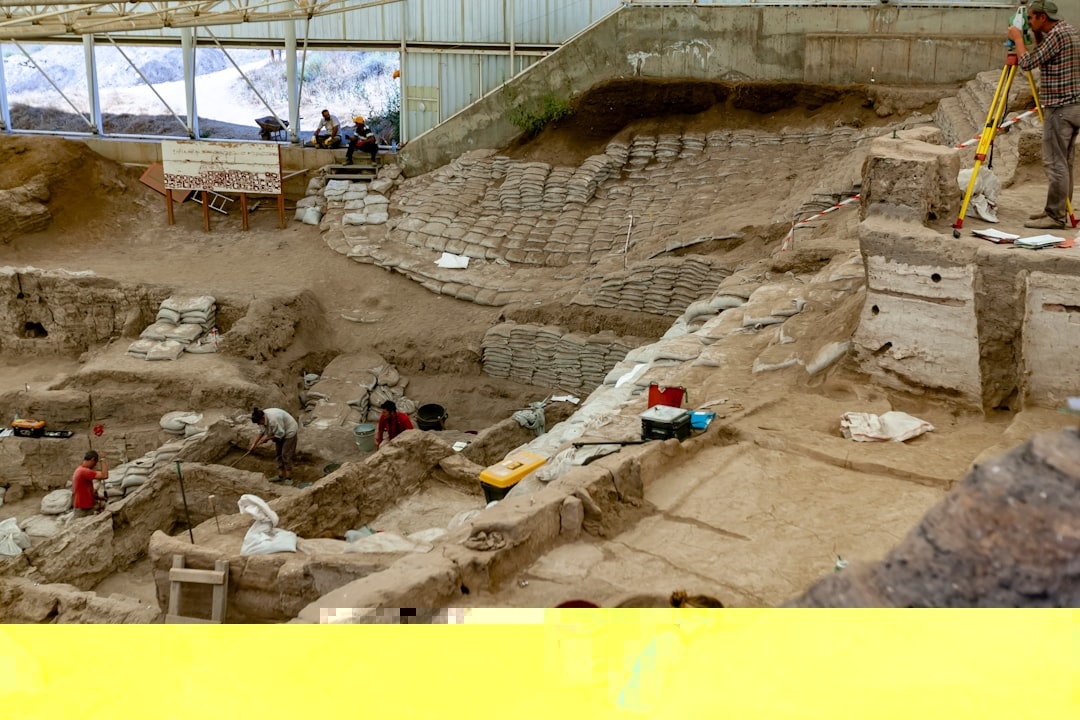
Modern life often comes at a price. To build new roads, skyscrapers, and subways, we dig through layers of history, sometimes destroying priceless archaeological remains. In the rush to modernize, entire ancient neighborhoods have vanished forever—bulldozed, reburied, or paved over. The relentless pace of urban expansion means new secrets are lost as fast as they’re found. For every ancient wonder unearthed, countless others remain hidden or destroyed, their stories silenced beneath the modern world.
The Lost Artifacts and Treasures
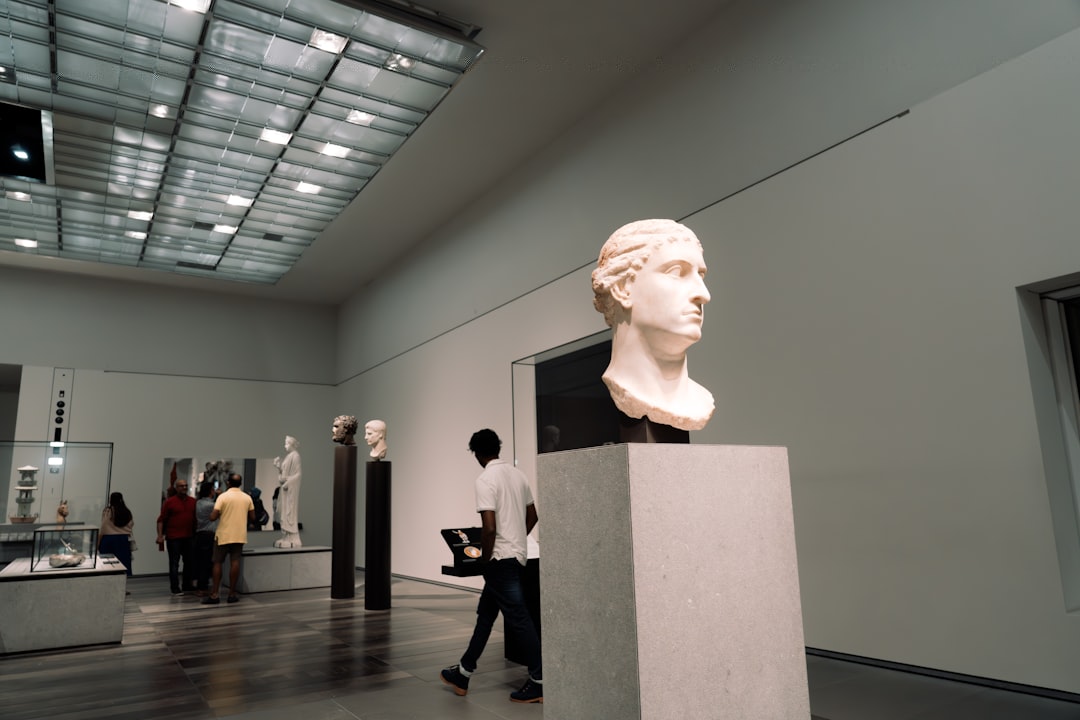
Beneath today’s cities lie untold treasures: pottery, jewelry, tools, and even entire tombs. Sometimes, ordinary people stumble upon these relics while digging in their gardens or renovating homes. In Paris, workers once found a medieval cemetery while building a supermarket. In Istanbul, the construction of a subway line revealed an ancient harbor, complete with ships and cargo. These discoveries remind us that the past is never far away—and that every city holds secrets just waiting to be uncovered.
Vanished Languages and Forgotten Stories
It’s not just objects we lose—it’s voices. The languages spoken by ancient peoples often vanish without a trace, their scripts undeciphered, their stories untold. Imagine all the poems, songs, and family histories lost beneath modern streets. Sometimes, archaeologists find inscriptions or scrolls, tantalizing glimpses of vanished worlds. But for every fragment saved, countless others dissolve into dust, leaving us with more questions than answers about the people who came before.
The Ghosts of Ancient Architecture
Every city is haunted by the bones of its former self. Ancient temples, theaters, and marketplaces lie buried beneath office towers and apartment blocks. In Athens, parts of the ancient Agora are hidden under modern neighborhoods; in New York, the remains of Native American villages lie beneath the city’s grid. Sometimes, the outlines of old streets or buildings influence the shape of today’s neighborhoods, creating odd angles or unexpected plazas. The ghosts of ancient architecture are everywhere—if you know where to look.
Urban Myths, Legends, and Local Lore
Every city has its legends—stories passed down through generations about lost cities, buried treasures, or haunted ruins. These tales often have a kernel of truth, inspired by real discoveries or forgotten places. In Rome, locals speak of hidden tunnels leading to ancient palaces; in Mexico City, tales of Aztec gold still stir imaginations. Urban myths keep the memory of ancient peoples alive, weaving their stories into the fabric of modern life and inspiring new generations to dig a little deeper.
The Challenge of Archaeological Preservation
Preserving the past beneath busy cities is a race against time. Construction crews and archaeologists often work side by side, trying to save what they can before it’s lost forever. Laws protect some sites, but limited budgets and the demands of modern life mean many discoveries are rushed or overlooked. Balancing progress and preservation is a delicate dance, requiring creativity, compromise, and sometimes heartbreaking choices. The question remains: how much of the past are we willing to sacrifice for the future?
Modern Technology: Unlocking Hidden Layers
Science is giving us new tools to see beneath the surface. Ground-penetrating radar, 3D scanning, and satellite imagery reveal buried structures without a single shovel of dirt. Recent advances have uncovered lost cities in the Amazon, Roman roads beneath London, and entire neighborhoods beneath Mexico City. These discoveries are rewriting history, showing that even the most familiar places can hold astonishing secrets. Technology is helping us map the invisible, connecting us to the people who walked these streets thousands of years before us.
The Emotional Power of Rediscovery
Unearthing the past can be an emotional experience. For archaeologists, finding a lost temple or forgotten grave is like meeting a long-lost ancestor. For city dwellers, learning that their home sits atop ancient ruins can spark awe, pride, or even a sense of responsibility. These moments of rediscovery remind us that we are part of a much longer story—a single chapter in the epic saga of human life on Earth. They encourage us to look at our cities with new eyes, imagining the countless lives that shaped the ground beneath our feet.
What We Stand to Lose—And Why It Matters
Every city is a time machine, and every lost artifact is a page torn from humanity’s story. When we build, we must decide what to leave behind and what to carry forward. The choices we make today will shape what future generations know about their past. As we pave our streets and raise our towers, the question is not just what we have gained, but what we have lost—and whether we are willing to protect the treasures that lie beneath our feet. The next time you walk through your city, will you wonder what’s hidden below?