
They stride through a few cryptic lines of ancient text like shadows cast across millennia, then vanish, leaving scholars, believers, and skeptics arguing in the dark. The Nephilim – sometimes called giants, sometimes fallen ones – sit at the intersection of myth, theology, archaeology, and now even speculative physics. Were they simply poetic symbols of human violence, or did they encode memories of real people, real events, and real catastrophes? As our tools for reading the past become more like forensic science than folklore, the question of who the Nephilim were is slowly shifting from legend toward testable hypotheses. And in the process, we’re being forced to confront a deeper question: how much of what we call “myth” is really just data from an earlier chapter of time, written in a language we’ve only just begun to decode?
The Hidden Clues: A Few Puzzling Lines That Refused To Die
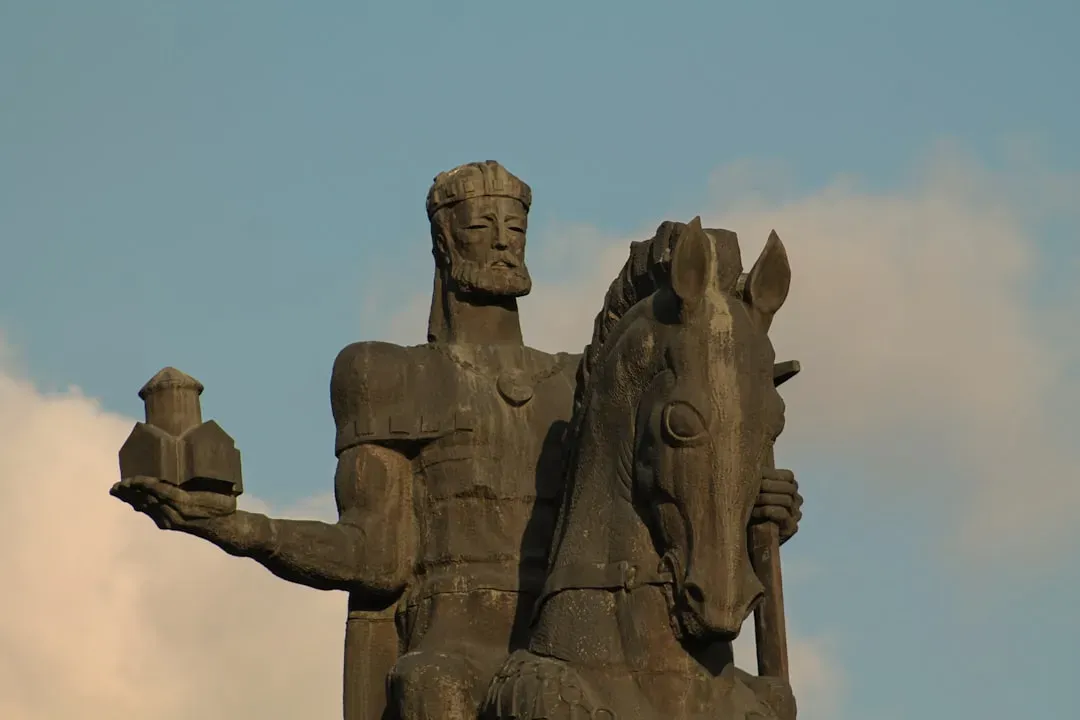
The Nephilim might have faded into obscurity if not for how little the ancient texts say about them. In the Hebrew Bible, they appear briefly in Genesis as mysterious figures present on Earth in the days “when the sons of God went in to the daughters of humans” and again in the book of Numbers as terrifying giants who make Israelite scouts feel like insects. That’s it – no family tree, no detailed biography, just fragments. Yet those fragments proved like splinters in the collective imagination, impossible to ignore and equally impossible to fully grasp.
Because the description is so thin, every word has been dissected for centuries. The term “Nephilim” has been translated as “giants,” “fallen ones,” or even “those who cause others to fall,” each pointing toward different stories about origin and purpose. Commentators in late antiquity spun out elaborate accounts linking them to rebellious heavenly beings or to the brutal warlords of pre-flood civilization. Modern readers, primed by fantasy novels and apocalyptic films, often picture titanic humanoids roaming a prehistoric Earth. The reality, whatever it was, sits behind layers of interpretation so thick that separating original memory from later imagination has become a scientific puzzle in its own right.
From Ancient Texts to Hybrid Theories: Children of Heaven or Kings of Violence?
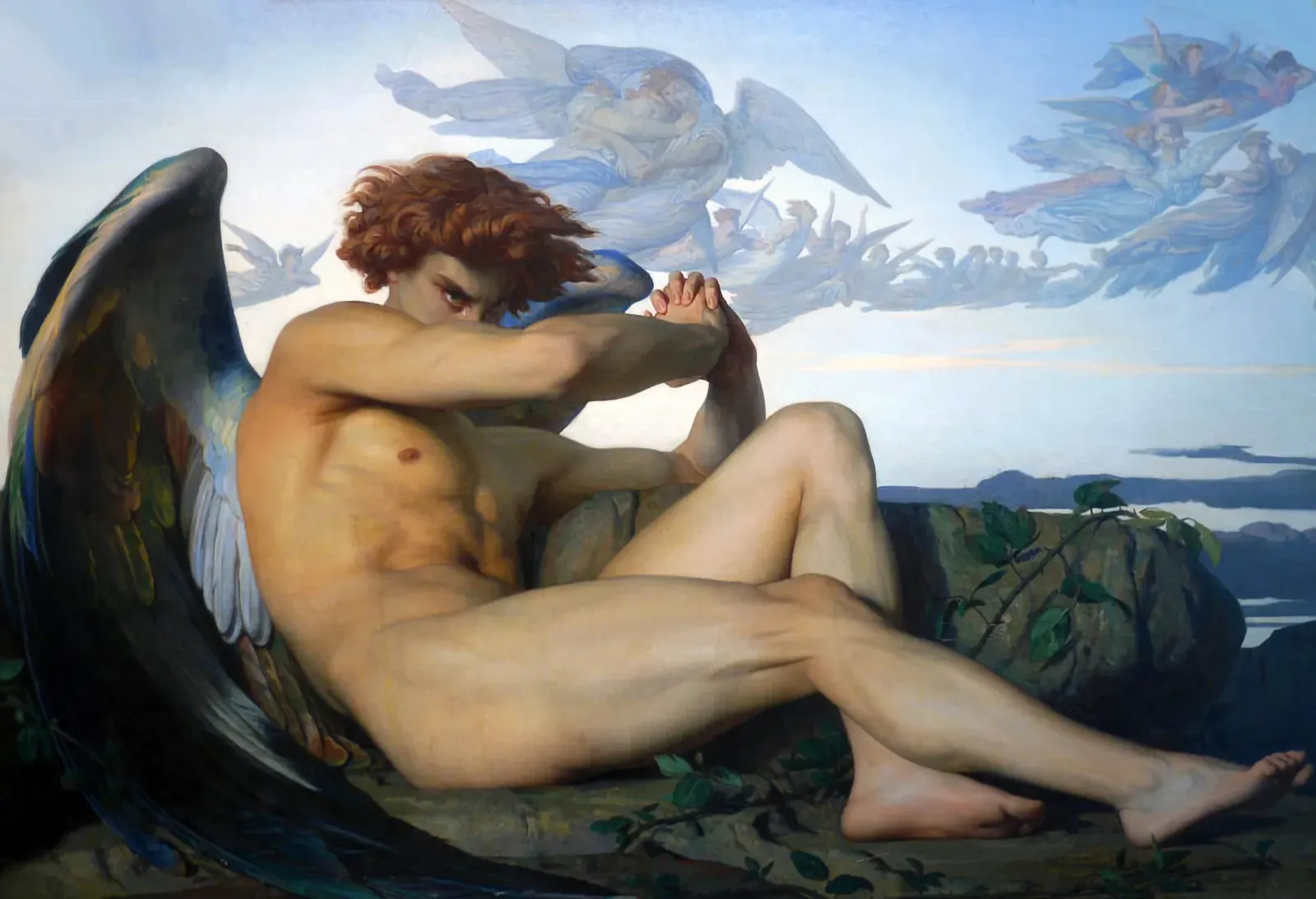
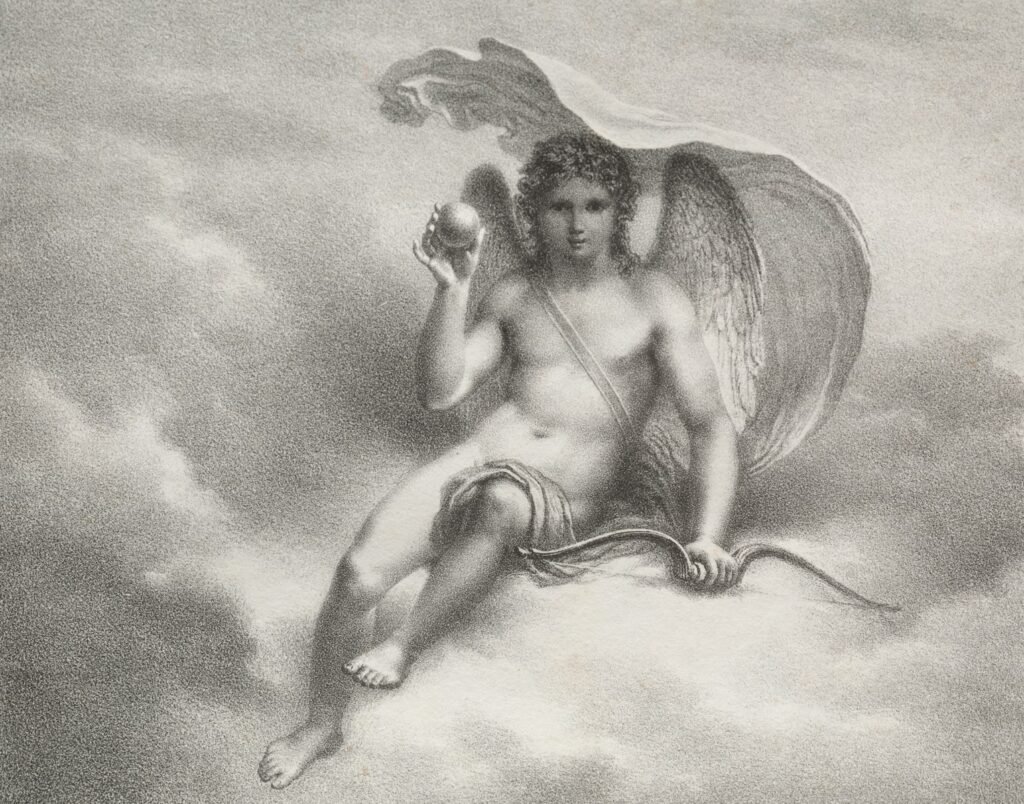
The earliest interpretive tradition to really run with the Nephilim comes from Jewish writings of the Second Temple period, like the Book of Enoch and the Book of Jubilees. There, the Nephilim become the offspring of heavenly “watchers” who descended, broke cosmic rules, and took human women, producing gigantic, voracious children who devastated the Earth. This narrative, which never made it into the canonical Hebrew Bible, reads more like a cosmic crime report than a simple fable. It turns the Nephilim into biological evidence of a spiritual rebellion, a literal cross-species hybridization between realms that were supposed to remain separate.
Later thinkers, especially in more rationalist eras, grew uneasy with this fusion of biology and angelology. They suggested instead that the “sons of God” were powerful human lineages – perhaps ancient kings or warriors – who exploited their status to claim any women they wanted, turning the Nephilim into a sort of super-elite caste. In this version, “giants” becomes less about physical stature and more about outsized power and cruelty. Personally, I find it revealing that both readings, supernatural and political, agree on one thing: the Nephilim mark a breakdown of boundaries, whether between heaven and Earth or powerful and powerless. That sense of transgression lingers even when the angels are stripped out of the story.
Giants in the Ground: Fossils, Tall Skeletons, and Misread Bones
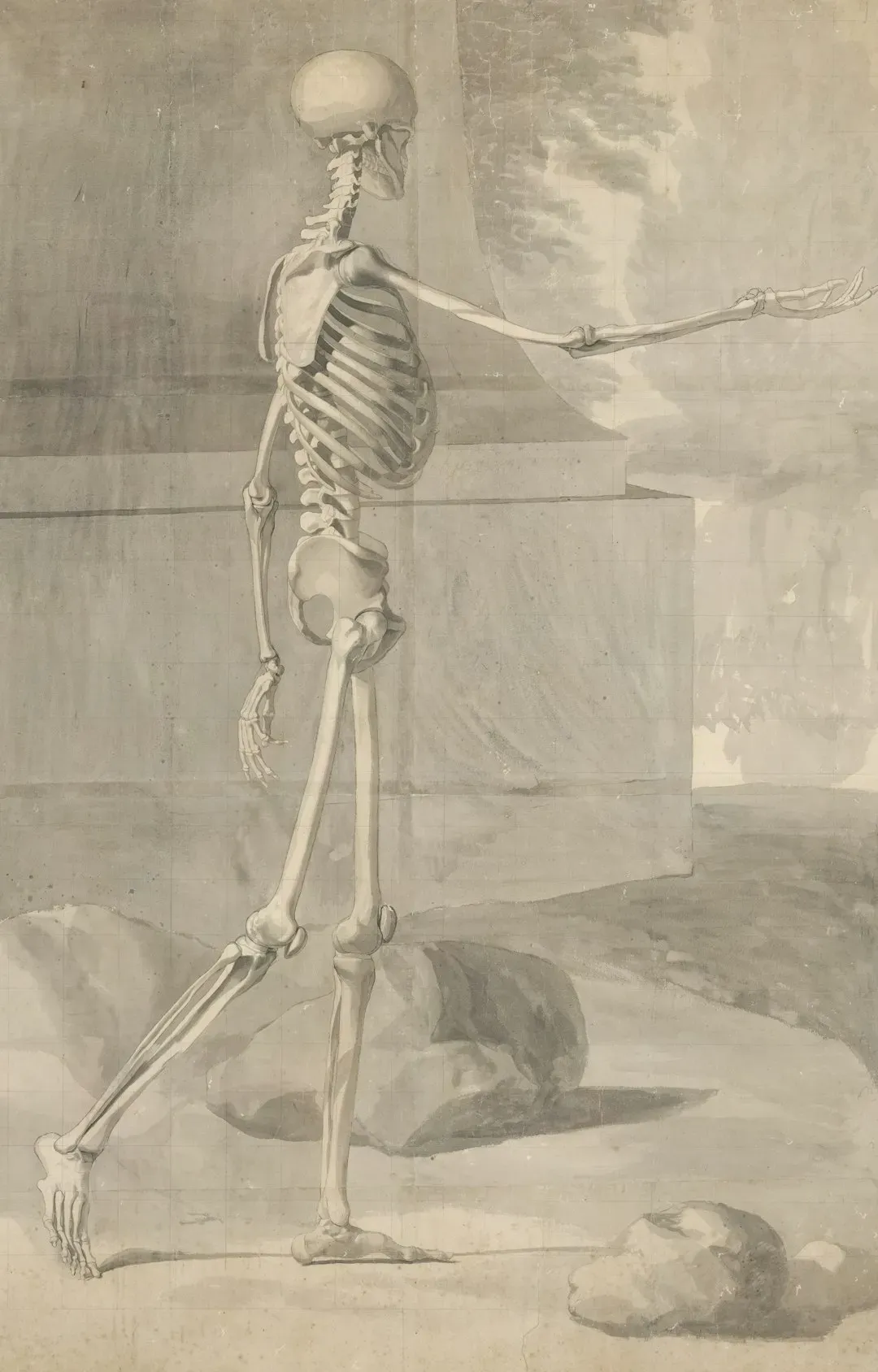
For centuries, people tried to match the legends of giants with literal bones, and sometimes they thought they had succeeded. In the early modern period, large bones uncovered in Europe and the Middle East were often paraded as proof of biblical giants before being quietly reassigned to mammoths, mastodons, or other extinct megafauna once comparative anatomy advanced. Even in the nineteenth and twentieth centuries, reports of unusually tall skeletons occasionally surfaced, usually with poor documentation, sensationalistic newspaper coverage, or blurry photographs that did more to stoke conspiracy theories than to build a credible case. The scientific record of human remains, by contrast, paints a much less dramatic but more consistent picture.
We do know that human stature has varied over time and geography, sometimes by striking amounts. Populations in the Upper Paleolithic, for example, could be quite tall, while early agricultural communities often saw average heights drop due to poor nutrition and disease. There have also been rare individuals with extreme height from conditions like gigantism and acromegaly. But when physical anthropologists survey well-dated, well-documented skeletons from the ancient Near East, they don’t find a lost population of three- or four-meter-tall humans. What they do find is variation – some tall, some short, some robust, some gracile – set against a backdrop of climate shifts, diet changes, and migration. In that landscape, the Nephilim look less like a vanished species and more like a symbolic label humans stuck onto the most intimidating figures they knew.
Echoes in Other Myths: Titans, Asuras, and the Memory of Deep Upheavals
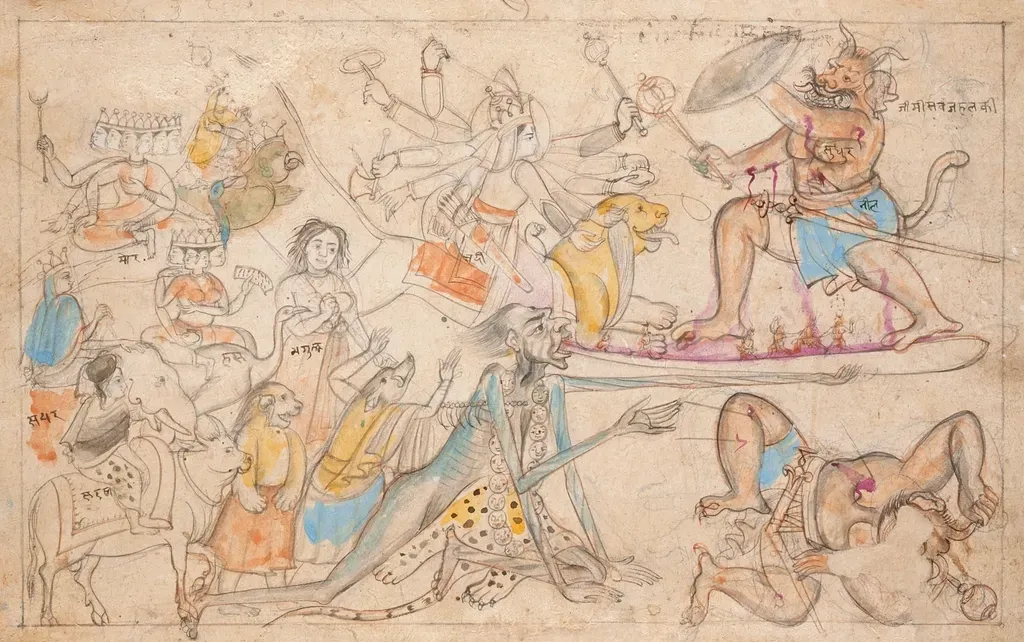
The Nephilim story does not stand alone. Across cultures, we meet strangely similar figures: Greek Titans and Giants overthrowing and then being overthrown, Mesopotamian warrior-kings with semi-divine ancestry, Hindu asuras battling gods across cosmic ages. Each tradition frames these beings differently, but patterns repeat with unnerving consistency. There is almost always a time “before,” populated by larger, wilder, more dangerous entities, followed by a cataclysm and the rise of a more ordinary human order.
One provocative line of thought suggests that these stories might preserve distorted memories of real upheavals: sudden climate shifts, megafloods from glacial meltwater, volcanic winters, or the collapse of early city-states. When environments change violently, the people living through it often read those changes as moral or cosmic verdicts. Their enemies, rulers, or legendary ancestors grow into larger-than-life monsters in hindsight. The Nephilim, in that sense, might be narrative fossils: compressed, stylized traces of an era when human societies were just beginning to scale up, experiment with hierarchy, and experience the full destructive power of organized violence. We may not be able to pinpoint which events inspired which myths, but the global chorus of giant stories suggests our species has long used exaggerated beings as a way to grapple with the trauma of civilizational growing pains.
The Science of the “Fallen Ones”: Genetics, Anomalies, and the Edges of Humanity
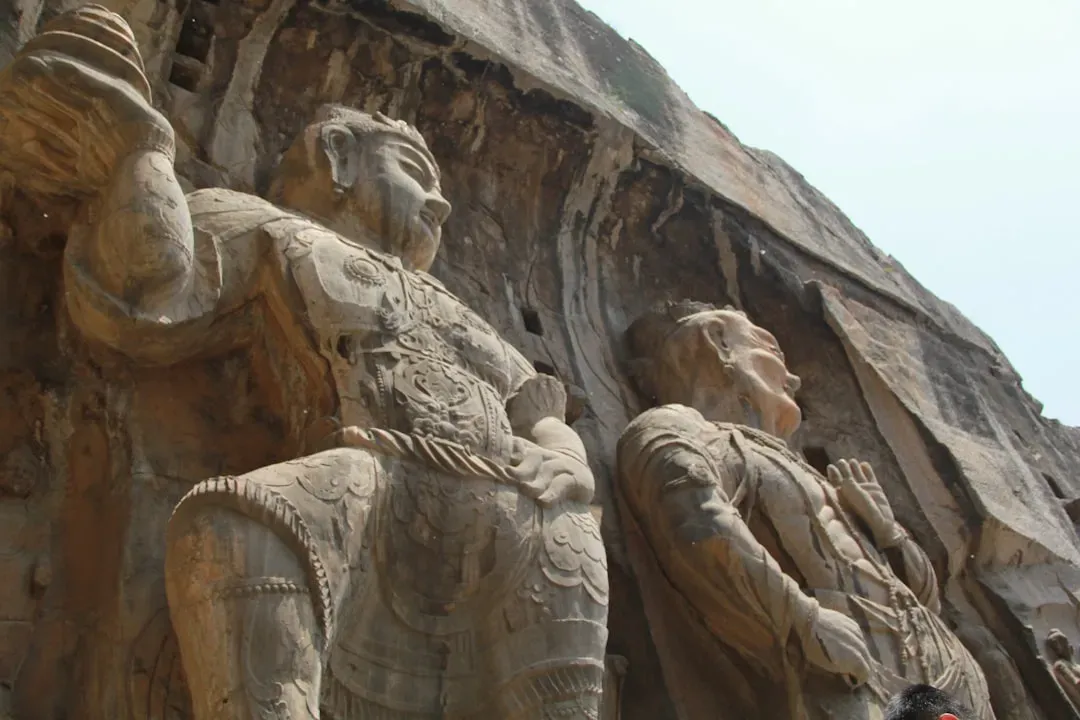
Modern genetics adds another twist to the question of who – or what – the Nephilim might have been. Over the last two decades, scientists have mapped traces of other hominin groups in our DNA, such as Neanderthals and Denisovans, revealing that Homo sapiens is already a hybrid story. People today carry genetic signatures of interbreeding that happened tens of thousands of years ago, even if no one at the time had a word for “species.” That discovery alone makes any clean boundary between “pure” humans and “others” feel far more fragile than earlier theologians assumed. It invites the question of whether ancient communities might have encountered remnants of other hominin groups and mythologized them as something between human and divine.
At the same time, we’re increasingly aware of how genetic and hormonal conditions can create rare individuals who look dramatically different from their peers. Extreme height, unusual skeletal proportions, or atypical physical strength can now be linked to specific mutations or endocrine disorders. Imagine how someone with such traits would have been perceived in a Bronze Age village: not as a medical outlier, but as a sign, a portent, maybe even a living boundary marker between worlds. While there’s no direct evidence tying the Nephilim to a distinct biological population, the combination of our hybrid species history and occasional striking anomalies in individuals makes the idea of “giants among us” less fantastical and more like an amplified echo of real, if rare, phenomena.
Why It Matters: Giants, Power, and the Stories We Tell About Ourselves
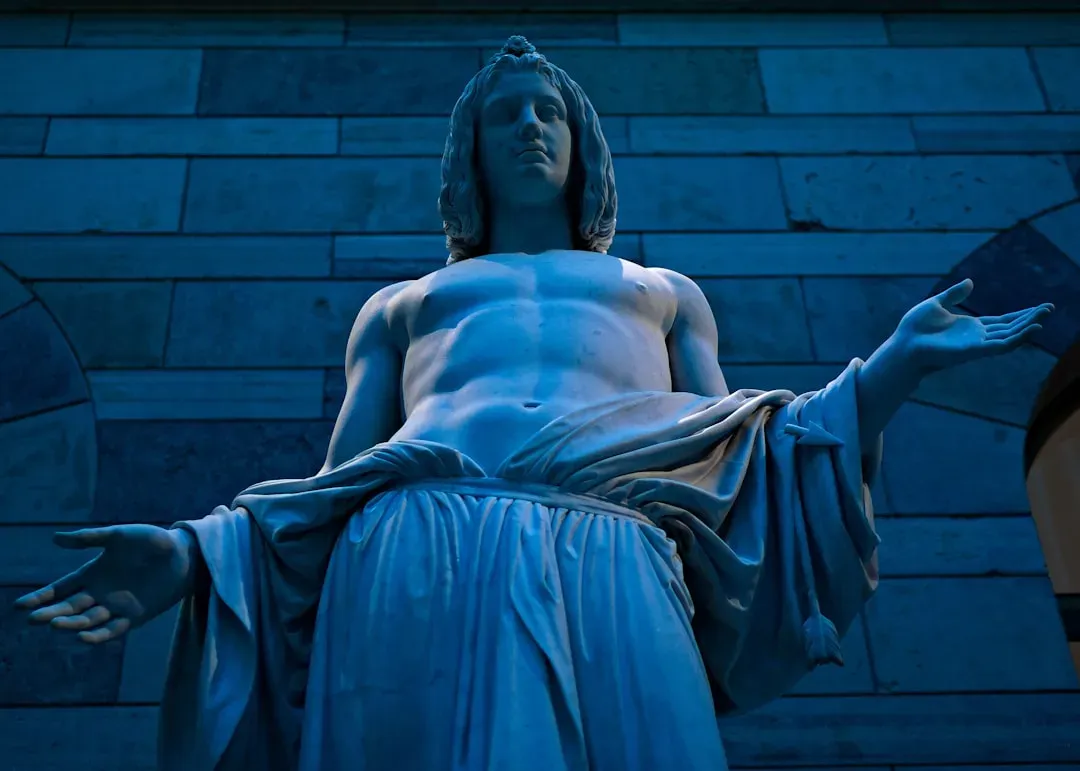
On the surface, asking who the Nephilim were might seem like an antiquarian obsession, the sort of question you only encounter in late-night forums or speculative documentaries. But what we decide about them says a great deal about how we interpret human history, human difference, and human violence. If we treat them purely as monsters, we risk ignoring that ancient authors might have been wrestling with very real abuses of power and the moral chaos of their age. If we over-literalize them as a lost race of superhumans, we open the door to pseudoscientific fantasies that have, in other contexts, been used to prop up harmful racial myths.
Personally, I think the Nephilim function like a pressure gauge for a society under strain. They appear in the text just as the narrative builds toward the flood, a story of total reset, almost like a cosmic hard reboot. In that light, they become a warning symbol: this is what happens when boundaries fail, when power turns predatory, when scale outpaces wisdom. Modern science encourages us to read those symbols alongside data from climate archives, archaeological layers of destroyed cities, and demographic shifts. The more carefully we do that, the more the Nephilim stop being a curiosity locked in ancient pages and start becoming mirrors – uncomfortable ones – for our own age of concentrated power and looming environmental tipping points.
The Future Landscape: New Tools for Reading the Deep Past
What makes the Nephilim feel suddenly relevant in 2025 is how fast our ability to interrogate deep time is evolving. Ancient DNA labs are extracting genetic material from bones so degraded they once seemed hopeless, revealing lineages and migrations that rewrite our maps of prehistory. High-resolution climate reconstructions from ice cores, cave formations, and ocean sediments are letting scientists track how rainfall, temperature, and sea levels changed within the time windows of specific legends. Meanwhile, satellite-based remote sensing is uncovering buried city grids and forgotten river channels beneath modern farmland and rainforest canopy. Together, these tools are turning the ancient world from a blur into something closer to a scene we can walk through with forensic precision.
In that expanding landscape, even a brief reference to Nephilim becomes a data point to triangulate against real-world events. Were there sudden spikes in warfare or social stratification in the regions and periods these texts describe? Do layers of ash or flood deposits align with eras remembered as morally catastrophic? Future advances – like improved techniques for recovering environmental DNA from sediments, or AI systems trained to correlate textual descriptions with material evidence – could tighten these links even further. None of this will “prove” that gigantic hybrids walked the Earth, but it may well show what kinds of people and crises inspired such stories. The more clearly we can see that interplay, the better equipped we’ll be to distinguish between myth as pure invention and myth as a transformed memory of things that really happened.
Living With the Question: How Readers Can Engage With Ancient Giants Today
You don’t need a lab coat or a theology degree to take the Nephilim seriously in a responsible way. One simple step is to hold legends and data side by side instead of letting one erase the other. Read the ancient texts carefully, then look at what archaeologists and historians say about the same regions and periods, noticing where themes overlap: sudden violence, ecological stress, technological leaps. Another step is to be wary of oversimplified answers – whether it’s dismissing everything as silly superstition or swallowing sensational claims about suppressed skeletons and secret bloodlines. Real understanding usually lives in the messy middle, where mystery and evidence are forced to talk to each other.
If this topic grabs you, you can support the people doing the slow, sometimes unglamorous work behind the headlines: museums preserving fragile artifacts, research projects documenting threatened archaeological sites, or open-access initiatives that put ancient texts and datasets online. You can also cultivate a kind of intellectual humility about the past, recognizing that our descendants may one day look at our own stories – about AI, climate change, or genetic engineering – the way we look at Nephilim tales now. The question is not whether giants once walked the Earth, but what our stories about giants reveal about who we were, and who we’re becoming. In the end, maybe the most important choice is to keep asking better questions rather than rushing to comfortable answers.
Suhail Ahmed is a passionate digital professional and nature enthusiast with over 8 years of experience in content strategy, SEO, web development, and digital operations. Alongside his freelance journey, Suhail actively contributes to nature and wildlife platforms like Discover Wildlife, where he channels his curiosity for the planet into engaging, educational storytelling.
With a strong background in managing digital ecosystems — from ecommerce stores and WordPress websites to social media and automation — Suhail merges technical precision with creative insight. His content reflects a rare balance: SEO-friendly yet deeply human, data-informed yet emotionally resonant.
Driven by a love for discovery and storytelling, Suhail believes in using digital platforms to amplify causes that matter — especially those protecting Earth’s biodiversity and inspiring sustainable living. Whether he’s managing online projects or crafting wildlife content, his goal remains the same: to inform, inspire, and leave a positive digital footprint.