
Imagine waking up tomorrow and remembering nothing about who you are. No childhood stories. No favorite songs. No heartbreaks or happiest days. Just a blank space where your life used to be. It’s a terrifying thought, but it also raises a strangely powerful question: if all those memories vanished, would you still be you?
This question isn’t just science fiction or a late-night shower thought. Neuroscientists, philosophers, and psychologists have wrestled with it for decades, especially as real people face memory loss from injuries, dementia, or trauma. Underneath all the complexity, there’s something intimate here for every one of us: how much of your identity is made of what you remember, and how much is deeper than that, quietly shaping you even when your past feels blurry?
The Fragile Bridge Between Memory and Identity
One of the most unsettling truths about being human is how dependent our sense of self is on a brain made of soft, vulnerable tissue. A small stroke, a bad fall, or a degenerative disease can wipe out entire chapters of your life. When this happens, people often describe feeling like strangers to their own stories, as if someone took a pair of scissors to their timeline and left frayed edges where memories used to connect. That fragile bridge between “who I was” and “who I think I am” can suddenly feel like it’s made of glass.
Yet, even when memories disappear, something strangely persistent often remains: ways of reacting, emotional patterns, gut-level likes and dislikes. Someone with severe memory loss might not recall a partner’s name, but still relax at the sound of their voice or light up when they enter the room. It’s as if identity leaves fingerprints even when the official record goes missing. That mix of loss and continuity shows that memory is a huge part of who we are, but it might not be the whole story.
Beyond Remembering: Traits, Temperament, and the Core You

Think about how you respond when someone accidentally bumps into you on a crowded sidewalk. Do you laugh it off, get annoyed, or apologize even when it wasn’t your fault? Those split-second reactions are shaped less by conscious memories and more by temperament and deeply rooted traits. Even in people who have lost large portions of their autobiographical memory, personality often stays surprisingly stable over time. Kind people tend to stay kind. Those who were cautious often remain cautious. There are exceptions, but the pattern is striking.
This suggests that there’s a “core you” beneath the storyline of your life, built from biology, early development, and repeated emotional patterns that sink below the level of conscious recall. You may not remember why you distrust authority or hate being the center of attention, but those tendencies still steer your choices. In that sense, who you are isn’t only what you remember about your past, but the emotional and behavioral groove your mind has worn over years, like a well-trodden path in the woods that your feet follow almost automatically.
When the Past Fades: What Amnesia Really Changes
Cases of amnesia offer a haunting real-world test of the question. People with profound memory loss can forget weddings, children’s births, entire careers, yet still crack the same types of jokes or react to stress in familiar ways. They may look in the mirror and see a stranger, but their body remembers certain habits: how to play piano, how to ride a bike, how to cook a favorite meal, even if they don’t recall learning any of it. The self-story is shattered, but behavior can still echo the person they once knew themselves to be.
At the same time, amnesia can hollow out the feeling of continuity, that sense that the person you were at age ten and the person you are now are linked by an unbroken thread. Without that thread, life can feel like a sequence of unrelated moments rather than a journey. That feeling matters more than we usually admit. Identity is not just what’s inside your head today; it’s the belief that you are the same “you” who has been walking through time all along. When that belief is shaken, even familiar faces and places can feel strangely distant, like a movie you walked into halfway.
The Stories You Tell Yourself (And Why They Might Be Wrong)

Memory is not a perfect archive; it’s more like a creative editor that keeps rewriting the script. You’ve probably had the experience of arguing with a sibling or friend about “what really happened,” only to realize that your confident memory doesn’t match theirs at all. Psychologists have shown that people routinely misremember details, merge separate events into one, or completely invent scenes that feel absolutely real. Yet those flawed memories still shape how we see ourselves: as the responsible one, the black sheep, the survivor, the screw-up.
If your self-image is built partly on distorted or incomplete stories, then who you think you are is already a kind of fiction. That doesn’t mean it’s meaningless, but it does mean identity is more flexible than it feels. When you challenge one of your core stories – like “I always fail” or “I’m bad at relationships” – you’re not erasing your true self; you’re editing a script that may never have been entirely accurate. In a way, asking who you are without your memories is also asking who you could become if some of your long-held stories loosened their grip.
The Body Remembers What the Mind Forgets
Even when conscious memories are gone, the body often carries a quiet record of what you’ve lived through. Someone who can’t recall a traumatic event might still tense up around certain sounds, smells, or places. A person who doesn’t remember learning to dance can still move with incredible precision when a familiar song plays. These are forms of implicit memory, stored not as clear images but as habits, reactions, and sensations etched into muscles and nervous systems.
This bodily layer of identity can feel mysterious, almost like being haunted by experiences you no longer see clearly. But it’s also a reminder that you’re more than your mental highlight reel. The way you flinch, laugh, lean in, or pull back in different situations is part of who you are, shaped by countless repetitions over time. Even if your life story were wiped clean, your body would still carry hints of your history in every posture and reflex, like a palimpsest where faded old writing still shows through beneath the new.
Relationships as Mirrors: How Others Hold Pieces of You

There’s another piece we often overlook: other people remember us in ways we can’t fully see ourselves. Friends, family, and even casual acquaintances store fragments of your identity in their own minds – your mannerisms, your sayings, your small acts of kindness or impatience. When someone loses their memory, it’s often the people around them who help rebuild a sense of self by retelling stories, showing photos, and reflecting back patterns of behavior. In a way, they act like living backup drives for your identity.
Even if your own memories faded, the impact you’ve had on others wouldn’t vanish. A joke you told years ago might still be repeated today. A hard conversation that changed someone’s path might still shape their decisions. Identity is not just an internal thing; it’s also the wake you leave behind in other people’s lives. Part of who you are is woven into conversations, shared rituals, and the quiet ways others think of you when you’re not in the room.
Freedom or Loss? The Strange Gift of Forgetting

There’s a darker, honest side to this question: if you lost your memories, you would lose a lot of precious things – loved ones’ faces, sacred moments, hard-won lessons. But there might also be an unexpected kind of freedom. Without certain painful memories, some fears, grudges, or self-limiting beliefs might loosen their hold. It’s unsettling to admit, but many of us carry versions of ourselves that are anchored to old stories we no longer need, like wearing shoes that are two sizes too small because we’re afraid to take them off.
Imagining yourself without your memories can be a way to ask a gentler, more practical question: if you weren’t so tied to your past, what kind of person would you choose to be right now? You can’t – and probably wouldn’t want to – erase your history, but you can decide which parts of it get to define you today. In that sense, you’re not just a product of what happened to you; you’re also the author of how much power those memories get in shaping your present and your future.
So Who Are You, Really?
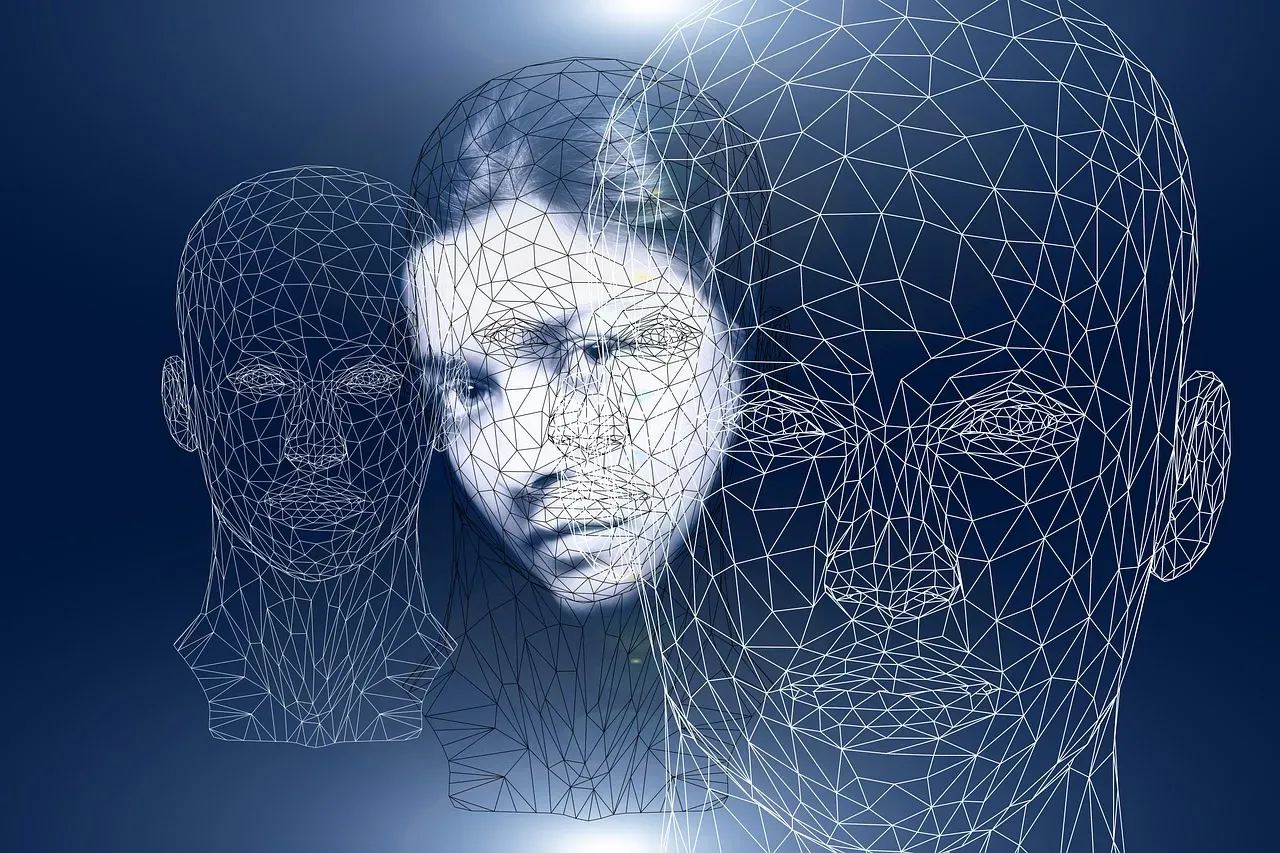
Stripped of specific memories, you’re still not an empty shell. You’re a mix of traits, tendencies, bodily habits, emotional patterns, relationships, and possibilities. Your memories give color and depth to that mix, but they’re not the only ingredient. You exist in the way you react under pressure, in what moves you to tears, in what you find beautiful or unbearable, in the quiet choices you make when no one’s watching. Those things don’t vanish the moment a particular scene from your past slips away.
Maybe the most honest answer is that you are both your memories and something deeper that holds them together: the ongoing process of becoming, moment by moment. You’re partly what’s happened to you, partly what you’re doing right now, and partly what you’re still capable of choosing tomorrow. So if you look at your life and ask who you’d be without everything you remember, maybe the more powerful question is this: given everything you’ve lived, who do you want to be today?