
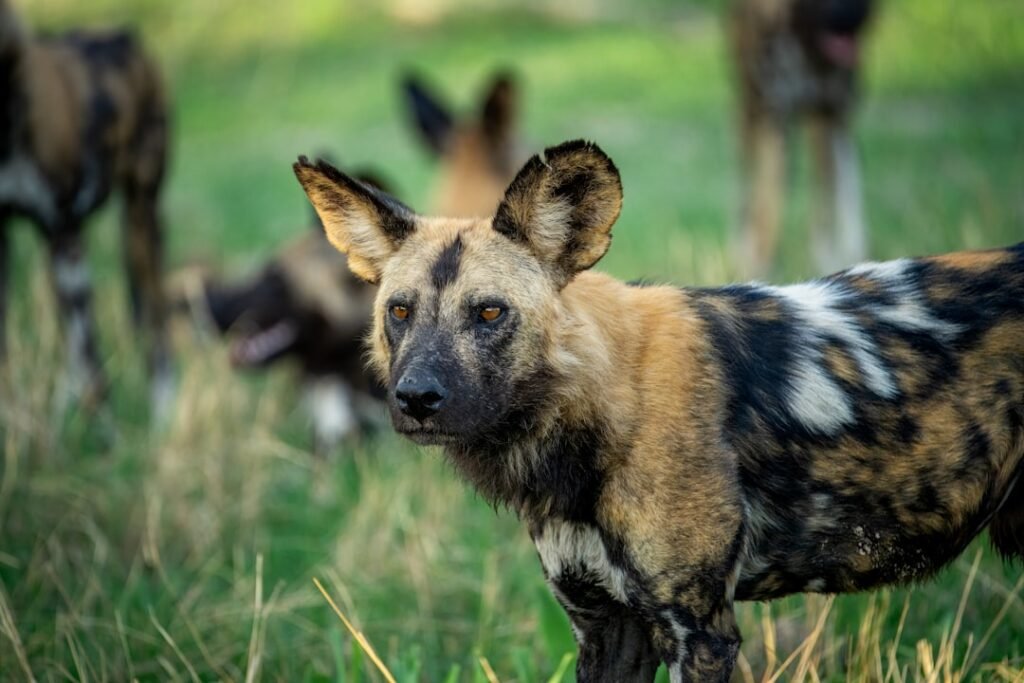

Across a planet of shrinking habitats and rising stakes, we keep searching for language that makes loss feel personal – and action feel possible. Astrology’s archetypes, as old as storytelling itself, offer an unexpected lens: familiar characters that mirror the grit, rarity, and survival strategies of animals on the brink. This isn’t star-chart science; it’s a bridge, translating complex conservation realities into everyday emotion and memory. In field stations and labs, biologists are mapping migrations, decoding calls, and rebuilding populations – work that thrives when the public stays curious and engaged. So let’s pair a few zodiac temperaments with endangered counterparts and explore how these living symbols can help us understand the fight to keep Earth’s wild chorus going.
The Hidden Clues
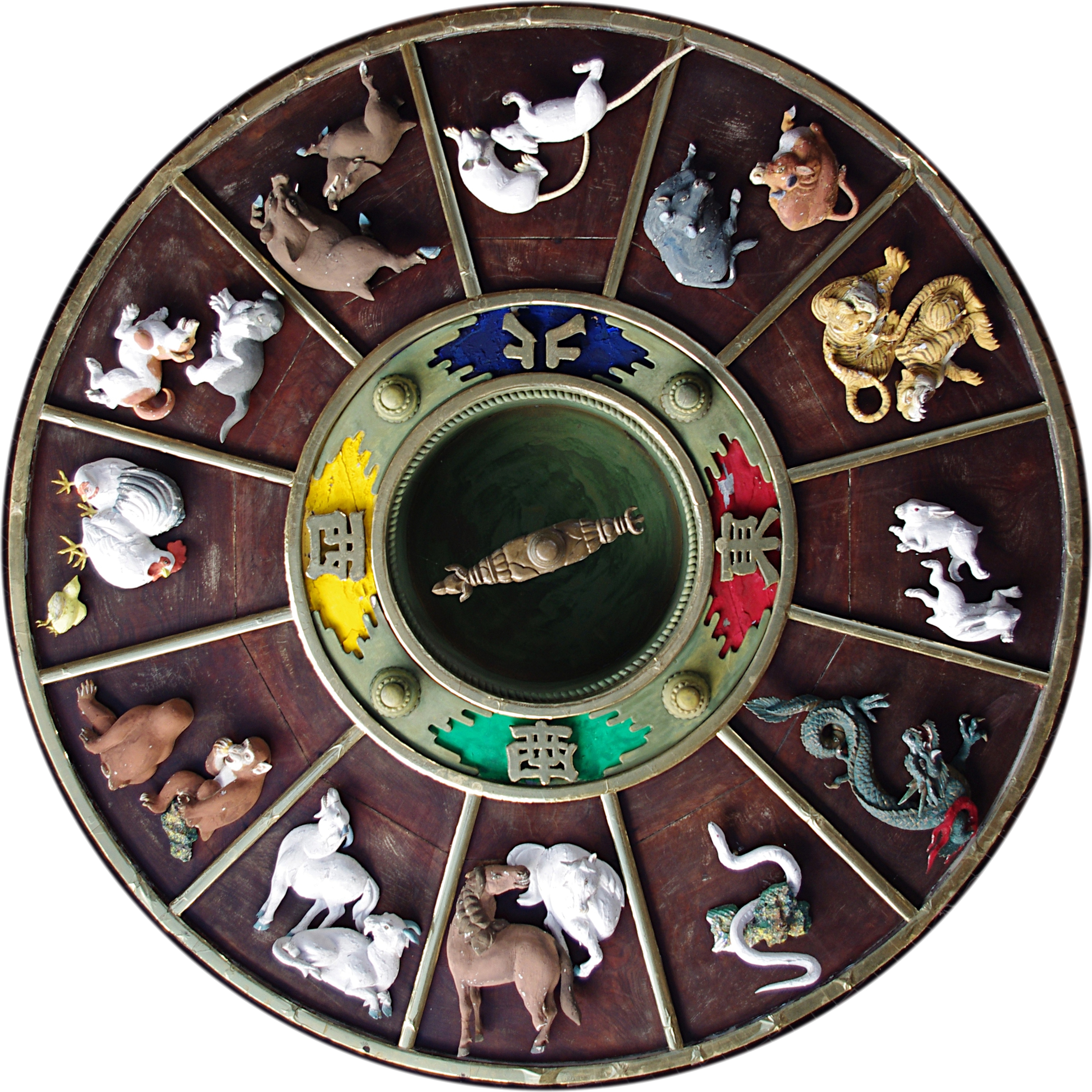
What if the clues to saving rare animals begin with the stories we already know by heart? The zodiac’s shorthand – bold, steady, quick, or fiercely loyal – can illuminate how wildlife endures drought, predation, and human pressure. By tracing these parallels carefully, we turn distant crises into relatable narratives that travel farther than a scientific report ever could.
In conservation, attention is oxygen, and attention follows stories that catch. When a sign’s temperament echoes a species’ survival strategy, we gain a sticky mental hook for real behaviors measured by biologists. The goal is simple: use wonder to open the door, then walk through with facts and practical steps.
From Ancient Symbols to Modern Science
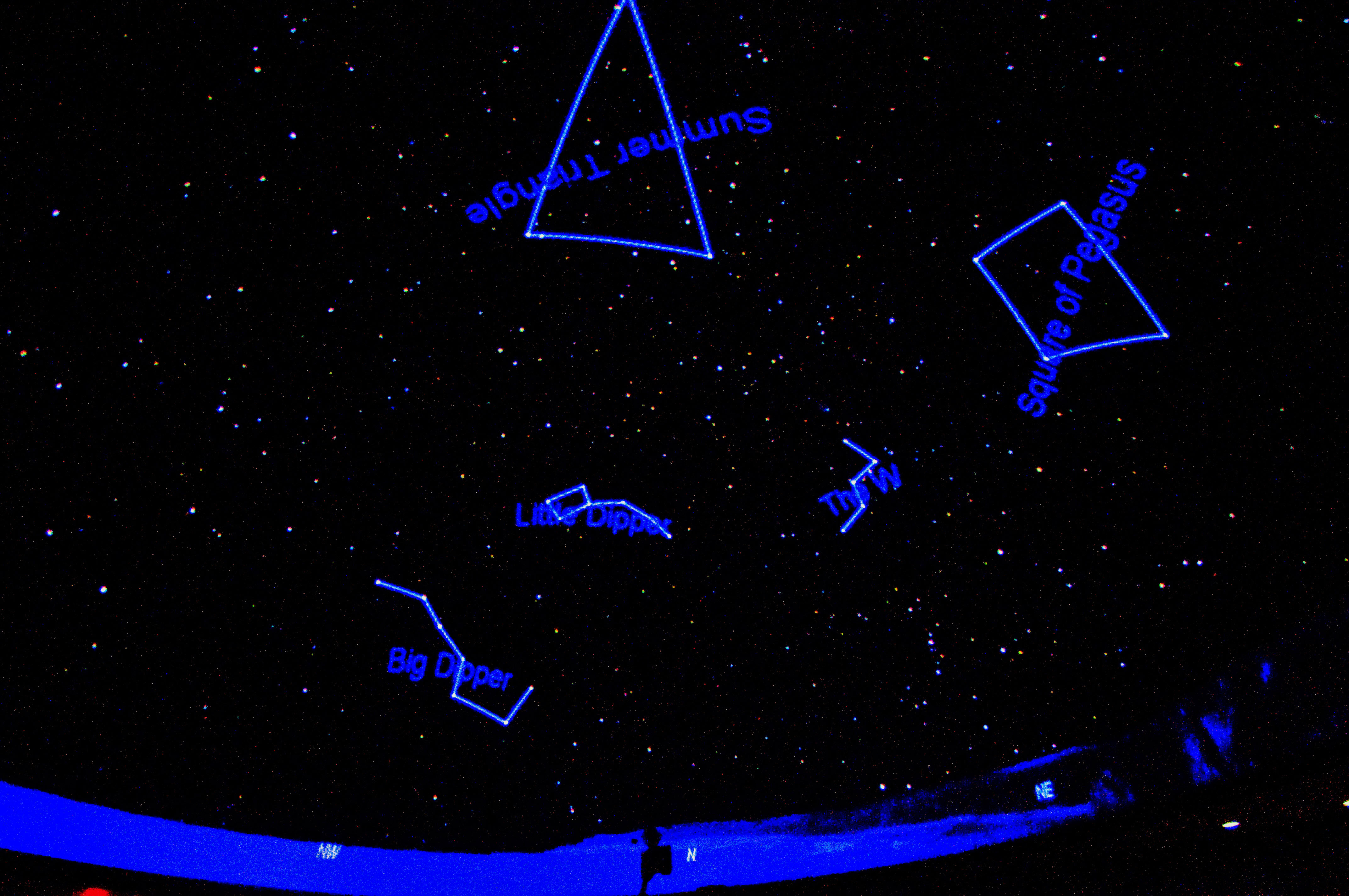
Ancient sky-maps once guided harvests and voyages; today, conservationists steer by satellites, acoustic sensors, and genetic traces in water and soil. The continuity is striking: humans have always sought patterns to navigate uncertainty, and endangered species are living case studies in adaptation under pressure. Pairing a sign with a species isn’t proof of cosmic causation – it’s a storytelling tactic that orients readers to real-world resilience.
Behind every metaphor sits hard data: migration arcs logged by GPS tags, camera traps tallying nighttime visitors, and bioacoustic recorders monitoring forests we rarely see. When we compare a sign’s archetype with a species’ measured behavior, we keep feet on the ground and eyes on the evidence. The result is a bridge between cultural memory and modern field science.
Fire and Grit: Aries and the African Wild Dog
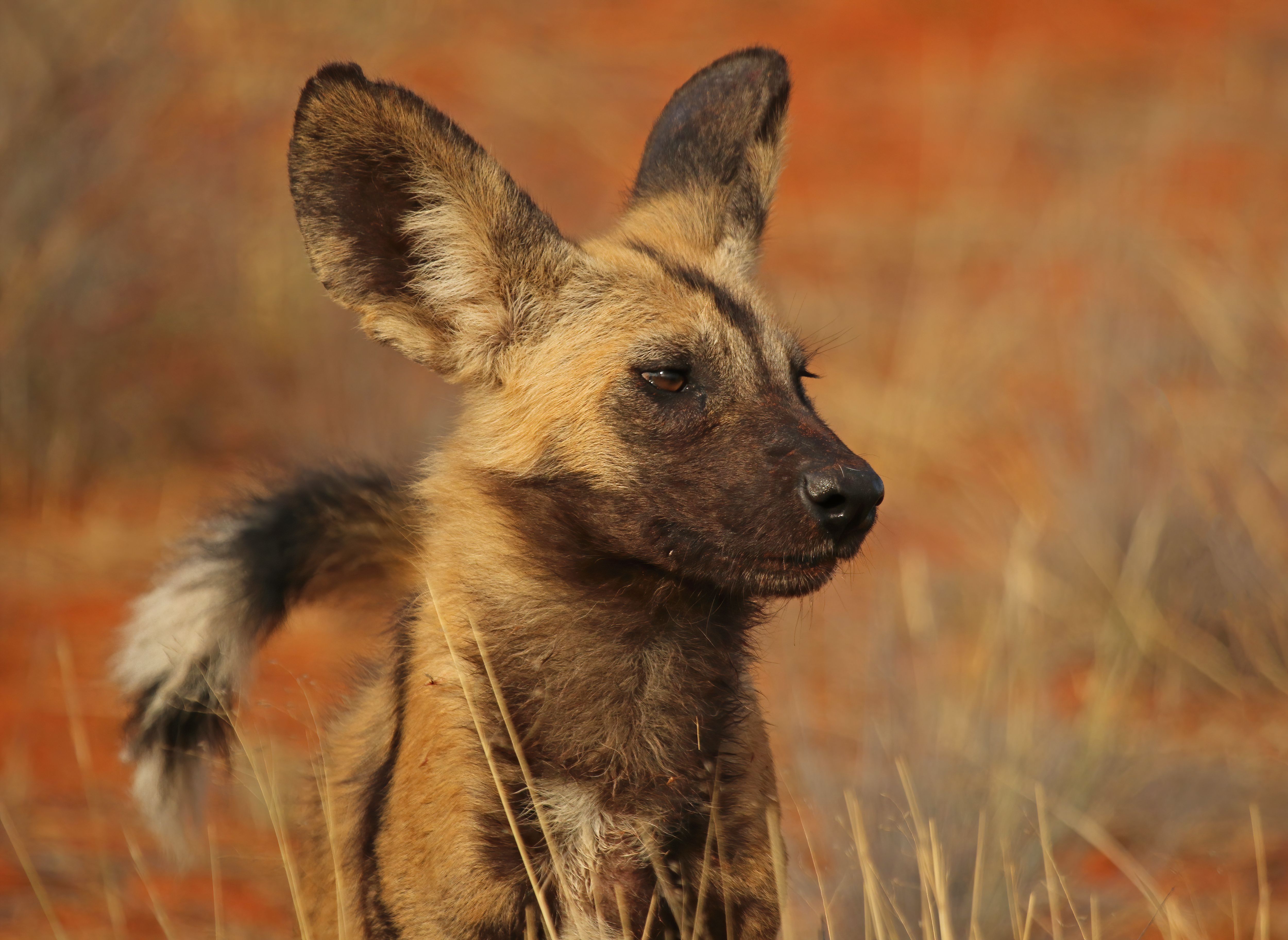
Aries is the spark that runs toward the challenge, and African wild dogs are endurance strategists built for relentless, cooperative pursuit. Their hunts are less about brute force and more about timing, trust, and long-distance stamina. Field teams have documented intricate social care for pups and injured adults, a kind of brave tenderness that mirrors Aries’ rally-the-crew energy.
These canids are threatened by shrinking ranges, disease spillover from domestic animals, and the fragmentation that breaks up their teamwork. Even so, packs rebound when corridors connect populations and vaccinations curb outbreaks. The lesson is quintessential Aries: momentum matters, and decisive protection can flip the script surprisingly fast.
Steadfast and Scarce: Taurus and the Black Rhino
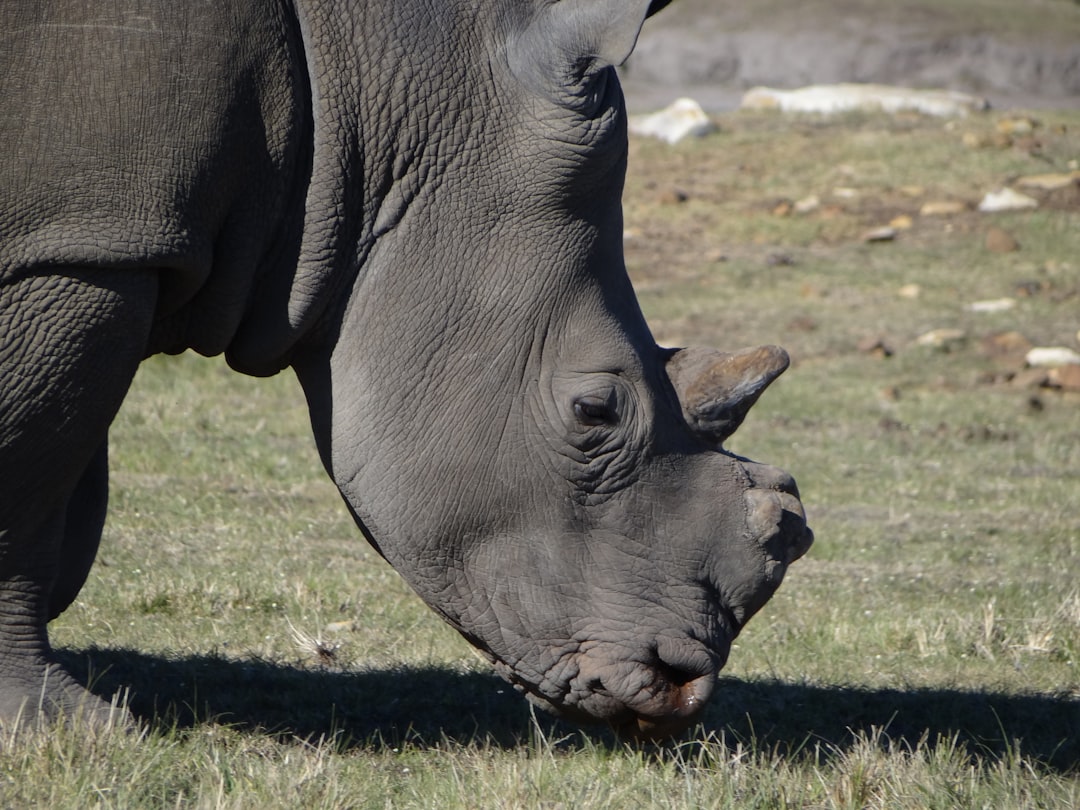
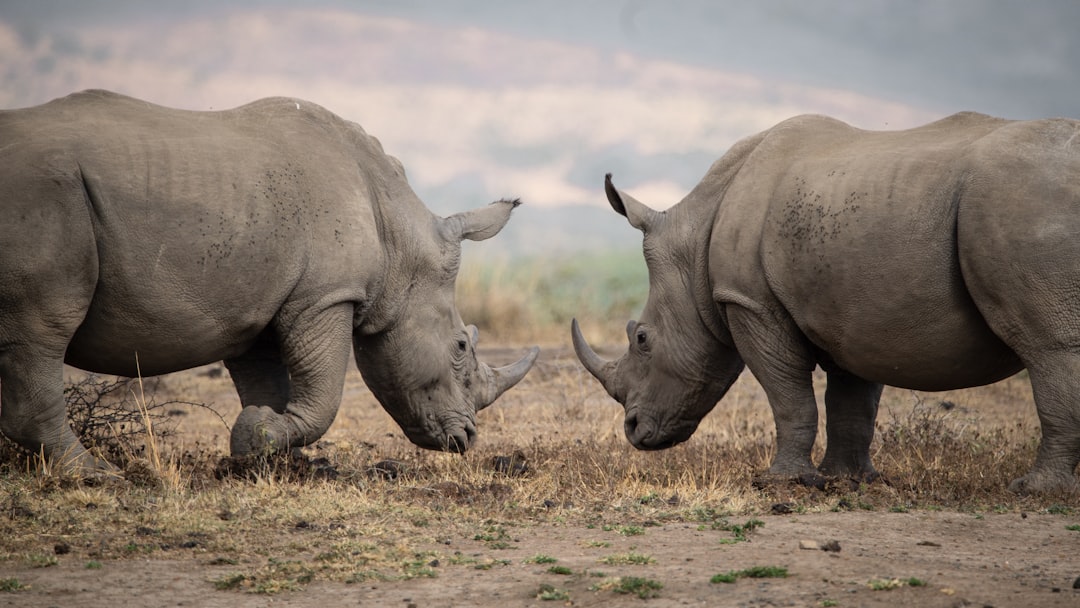
Taurus is grounded, deliberate, and stubborn in the best possible way – traits that echo the black rhino’s wary stride through thornbush and dust. Rhinos are living fortresses, but their defenses weren’t built for modern trafficking networks and the brutal efficiency of poaching. Conservationists counter with night patrols, community agreements, and translocations that quietly repopulate safer landscapes.
The work is patient and unspectacular by design, a Taurus rhythm of steady gains over headline shocks. In regions where protection holds, numbers inch upward and calves shadow their mothers along familiar paths. Persistence, not spectacle, is how heavy-footed hope takes root.
Voices on the Edge: Gemini and the African Grey Parrot
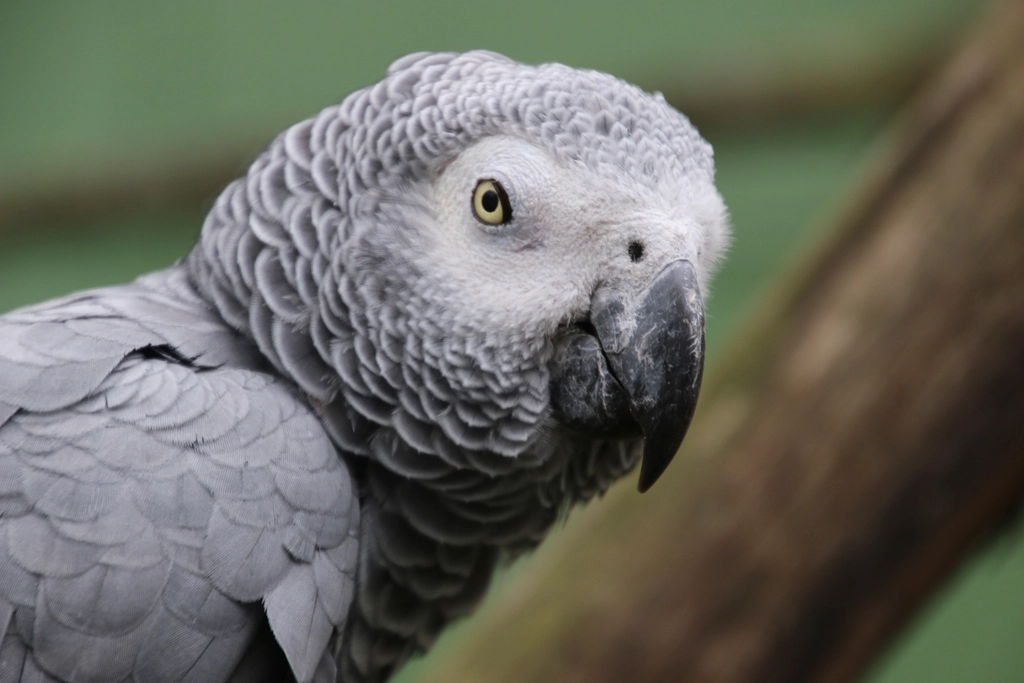
Gemini is the quicksilver communicator, and African grey parrots are virtuosos of vocal learning and social intelligence. Their mimicry gets the spotlight, but the real story is how they share information and navigate complex social worlds in the canopy. When forests thin and trapping pressures rise, those intricate social systems are among the first casualties.
Researchers and rangers track trade routes, bolster nest protection, and work with communities to reduce capture incentives. Rehabilitation centers turn chatter into a sign of recovery as birds relearn flock life before release. The Gemini parallel isn’t just clever; it’s a reminder that protecting communication networks – avian or human – keeps cultures alive.
Why It Matters: From Myth to Measurable Empathy
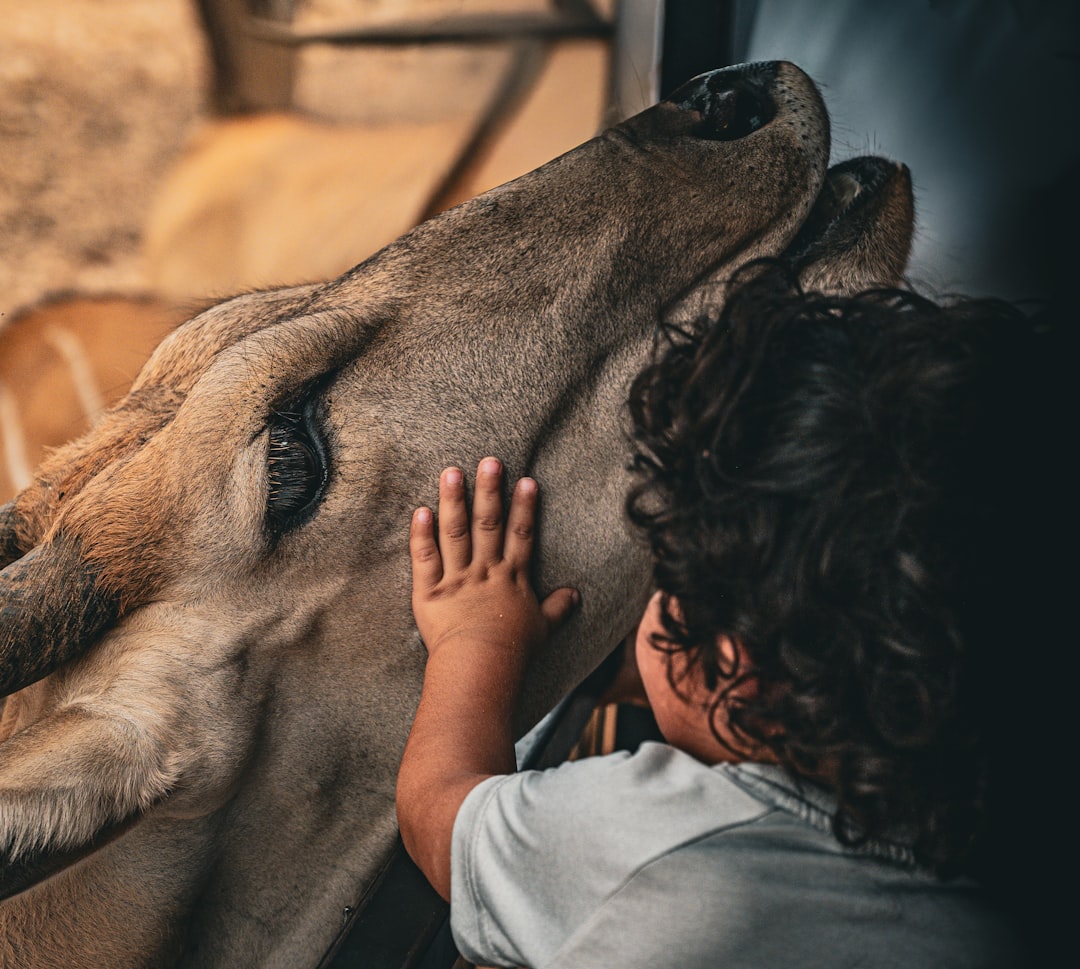
Many people care about wildlife in principle; fewer can recall species-specific facts when it counts. Archetypes create memory scaffolding, so when a reader hears “Aries energy” in a wild dog’s cooperative sprint, the behavior sticks. Conservation psychologists have long noted that relatable narratives can shift attitudes more effectively than raw statistics alone.
That doesn’t mean we trade rigor for romance. It means we use narrative as an entry point, then deliver verifiable details: how vaccination programs cut disease risks, how protected corridors reconnect gene flow, how local stewardship changes incentives. When empathy meets evidence, donations rise, policies harden, and field teams get the resources they need.
High-Stakes Charisma: Leo and the Amur Tiger
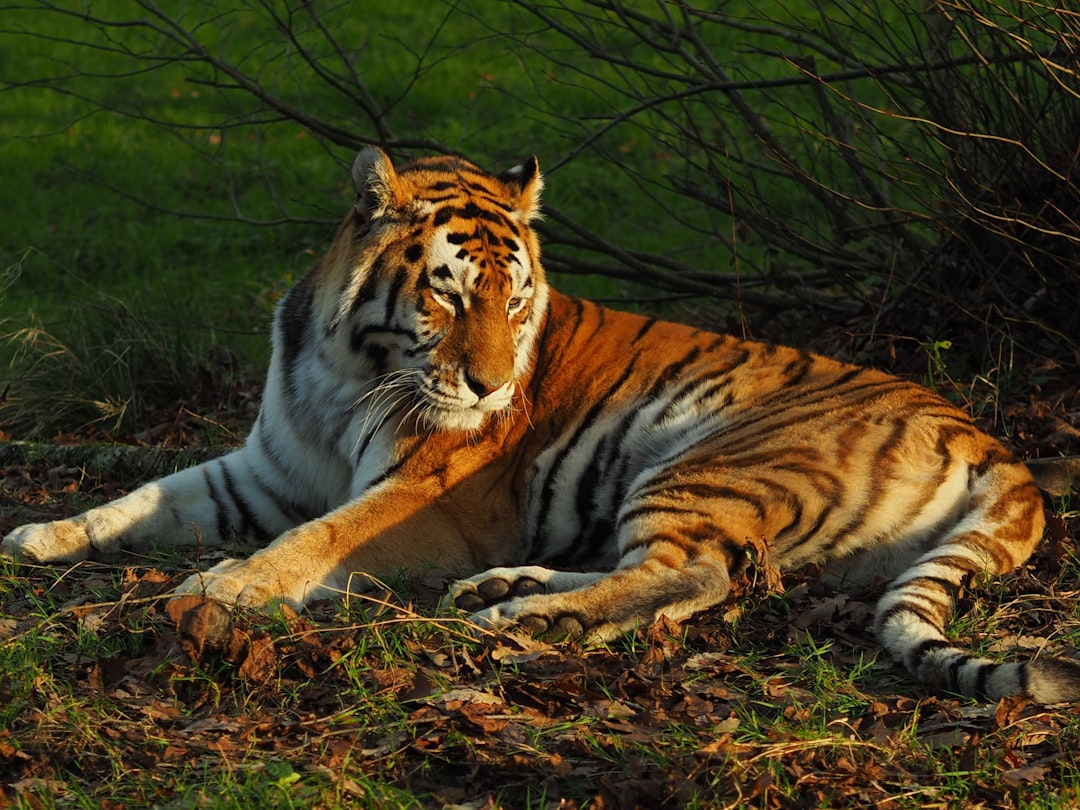
Leo’s stage is big and bright, and few animals draw the curtain like an Amur tiger stalking through snow-laced forest. This cat’s charisma isn’t superficial; apex predators regulate prey behavior and ripple stability through entire ecosystems. Lose the tiger, and the choreography of the forest tilts in ways that scientists can measure tree by tree.
Despite historic declines, targeted patrols, habitat restoration, and cross-border cooperation have carved out a fragile comeback in some strongholds. Every cub that survives is a quiet memo that enforcement and corridors work when politics hold. The Leo lesson is clear: star power is a tool – use it to keep the lights on for the whole cast.
The Future Landscape: Tech, Policy, and the Race for Time
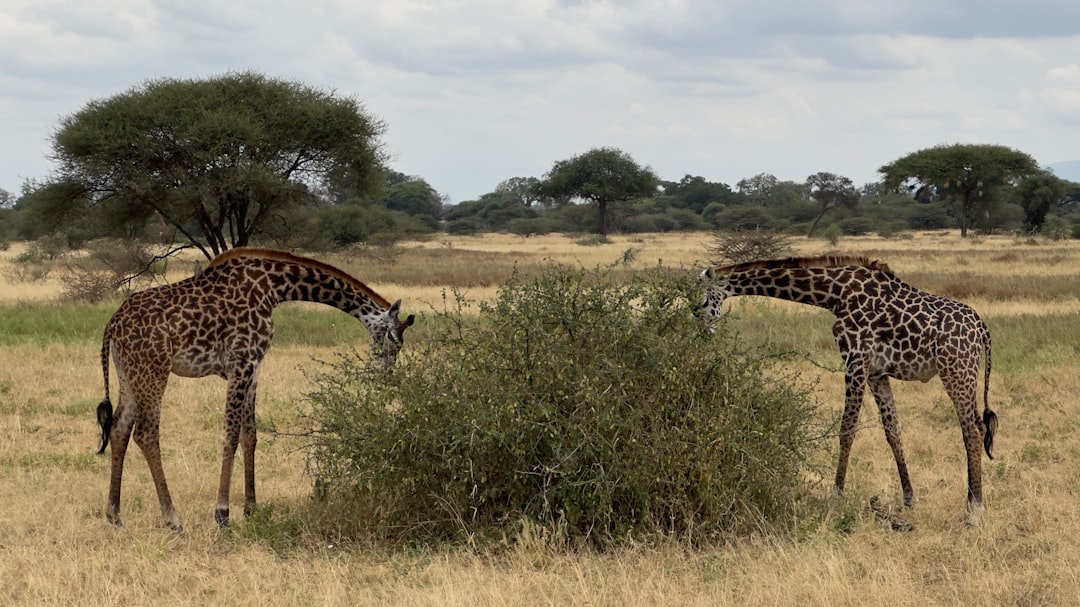
The next decade will be defined by speed: drones that scan vast savannas, AI that flags poaching risks in real time, and environmental DNA that finds rare species from a cup of water. None of this replaces boots on the ground; it supercharges them, turning scattered observations into actionable maps. Cross-border agreements will determine whether animals can move freely as climates shift and food belts redraw themselves.
Markets matter just as much as maps. Traceable supply chains, community-led tourism, and verified, wildlife-friendly commodities can flip incentives that once drove habitat loss. If technology is our compass, fair policy is the wind in the sails.
What You Can Do Today
Start by choosing one species that moved you here and learn its real status on reputable databases, then share that story with a friend. Support organizations that pair community livelihoods with conservation outcomes, and look for transparent reporting on how funds are used. If you buy wildlife-adjacent products, favor certifications that reduce habitat pressure and illegal trade.
Closer to home, join bioblitz events, log sightings in citizen-science apps, and back local habitat restoration – city pollinator strips add up across maps. Visit accredited zoos and aquariums that fund field projects and explain the science behind their breeding programs. Small decisions, multiplied, are how rare becomes resilient again – ready to begin?
Suhail Ahmed is a passionate digital professional and nature enthusiast with over 8 years of experience in content strategy, SEO, web development, and digital operations. Alongside his freelance journey, Suhail actively contributes to nature and wildlife platforms like Discover Wildlife, where he channels his curiosity for the planet into engaging, educational storytelling.
With a strong background in managing digital ecosystems — from ecommerce stores and WordPress websites to social media and automation — Suhail merges technical precision with creative insight. His content reflects a rare balance: SEO-friendly yet deeply human, data-informed yet emotionally resonant.
Driven by a love for discovery and storytelling, Suhail believes in using digital platforms to amplify causes that matter — especially those protecting Earth’s biodiversity and inspiring sustainable living. Whether he’s managing online projects or crafting wildlife content, his goal remains the same: to inform, inspire, and leave a positive digital footprint.


