Why do some people seem to lead from the front, command a room, and protect their circles with effortless force? Scientists studying animal leadership see patterns in how predators coordinate, defend, and succeed that mirror certain human temperaments. Astrology is not a scientific tool, yet it offers a playful lens to compare our social behavior to the wild’s most formidable hunters. When matched carefully with real ethology and psychology, these comparisons can reveal how dominance, cooperation, and care show up in everyday life. Here’s where the zodiac’s boldest signs echo lions, wolves, tigers, and orcas – without confusing myth for hard science.
The Hidden Clues
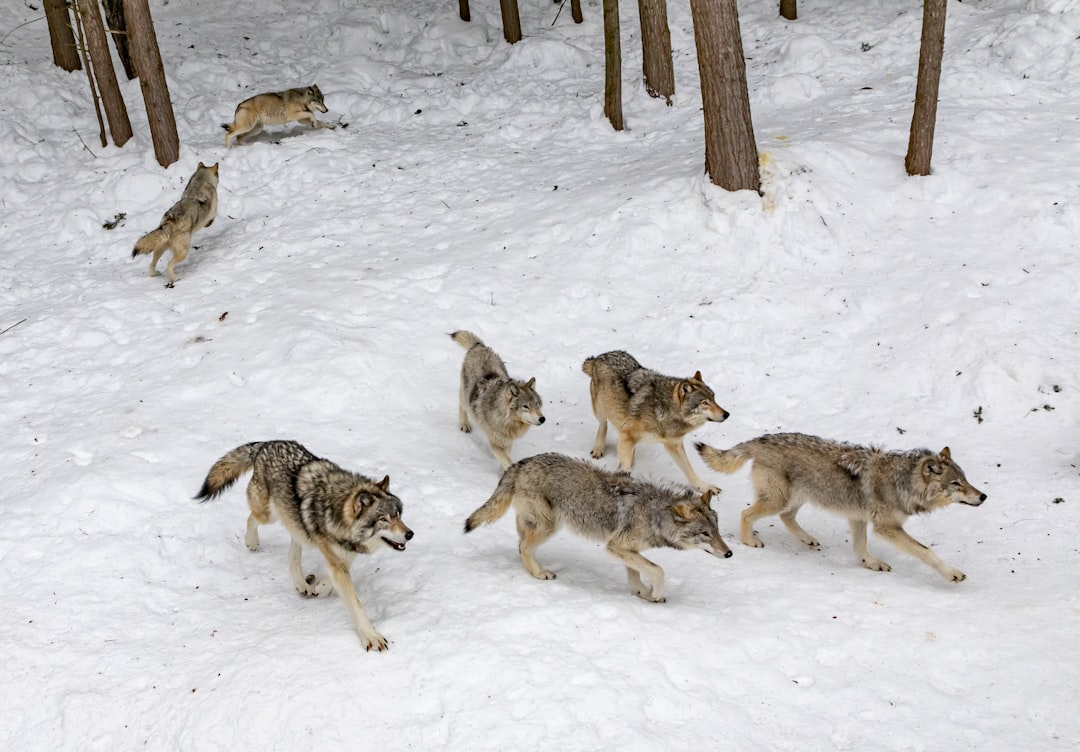
What makes one person move like a lioness on a mission while another guards the edges like a vigilant wolf? In animal societies, dominance is rarely about constant aggression; it is about stability, resource control, and predictable guidance. Field studies show apex predators rely on coordination and trust even more than force, because failed hunts are costly and injuries are catastrophic. That balance – authority paired with cooperation – creates the template we recognize in human teams and leaders. I still remember watching a remote wildlife camera as a wolf pack paused, regrouped, and then flowed across a snowy meadow like quicksilver strategy in motion.
Astrology gives names and symbols to these tendencies, but biology anchors the behaviors we’re pointing to. Think of the zodiac as a map legend, not the terrain itself: it helps decode patterns but never replaces the data. The interesting story lives at the overlap, where personality, status signals, and group needs intersect. In that overlap, a few signs consistently align with apex-predator playbooks. Let’s track the clearest matches and what they actually mean for real-world decisions.
Why It Matters
Talking about dominance too often slides into caricature, yet nature paints a subtler picture. In prides and packs, leadership protects the vulnerable, reduces conflict, and improves survival odds for the whole group. In human systems, similar dynamics can stabilize teams, speed up decisions, and create psychological safety when authority signals are clear and fair. The zodiac framing is a cultural metaphor, but the stakes are practical: understanding how power is earned and used can change outcomes at work, at home, and in communities. When people recognize their default style – directive, collaborative, or strategic – they can dial up the traits that serve the moment.
Comparing signs to apex predators also corrects a persistent myth: dominance is not just volume and muscle; it is timing, restraint, and reliable competence. Traditional top-down models miss how often real leadership is distributed and situational. Ethology shows that influence shifts with context – who knows the route, who reads danger fastest, who keeps the peace. That flexibility is a lesson we can borrow without romanticizing either astrology or the wild. Used carefully, the analogy becomes a tool, not a label.
Leo: The Pride Effect
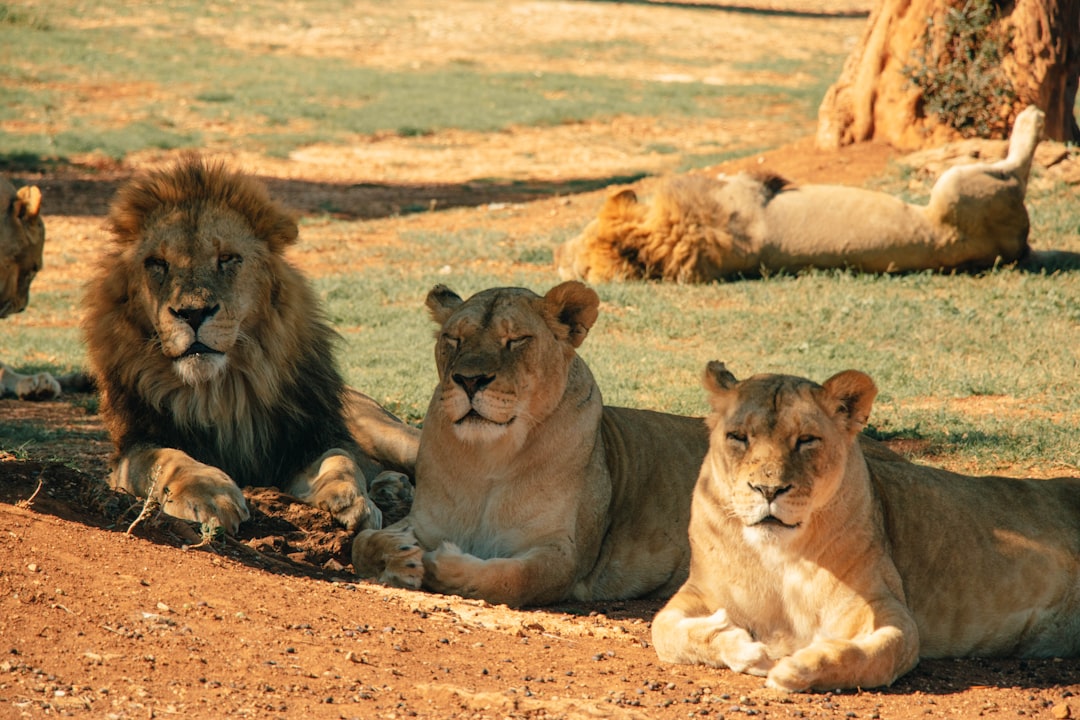
Lions organize around cooperation, with lionesses often leading hunts and males defending territory and cubs. Power shows as presence first – confident posture, bold signals, and the ability to rally others quickly. Leo channels that visible assurance, stepping into spotlight roles where morale and momentum matter. In a pride, success depends on coordinated surges and clean retreats; the best Leos know when to press and when to pull back. They can read the room like lions read wind and cover, setting tempo and tone.
Effective pride leadership also means credit-sharing rather than hero worship. Lionesses rotate effort, and males patrol boundaries to absorb risk so the group can rest. Leos who mirror that pattern protect their teams’ bandwidth, defend shared resources, and keep conflict from spilling into daily routines. They thrive when recognition is tied to contribution, not just charisma. That keeps the engine humming long after the first roar fades.
Aries: The Pack Vanguard

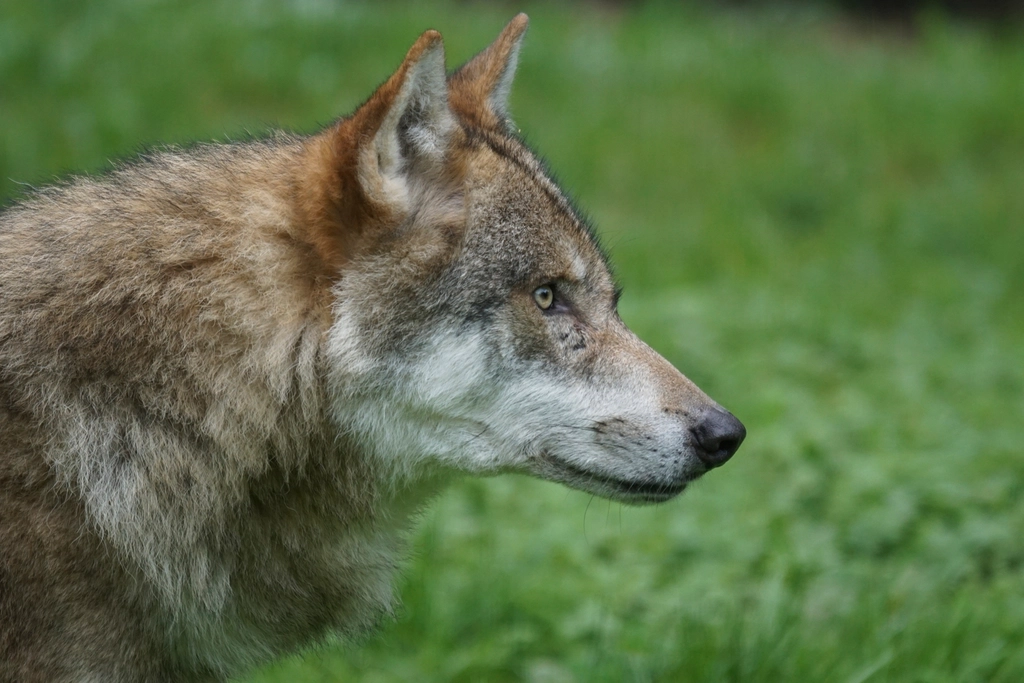
Modern wolf science upends the old “alpha” myth, showing packs as families led by experienced parents. Leadership looks like initiative plus teaching – starting the move, calling the regroup, adjusting tactics mid-chase. Aries carries that frontline energy, favoring speed, decisiveness, and the courage to test new routes. In hunting terms, they love the breakaway sprint that forces the opening. When conditions change, they pivot without apology and try again.
The best Aries learns the second half of the wolf lesson: endurance and cohesion win more than reckless charges. Packs succeed by synchronizing roles – flankers, trailers, closers – so individual flair supports a shared objective. That means listening for signals as much as sending them, and trusting the cadence of the group. With that calibration, Aries becomes the spark that starts the fire without burning the camp. It is initiation as service, not ego.
Capricorn: The Patient Strategist
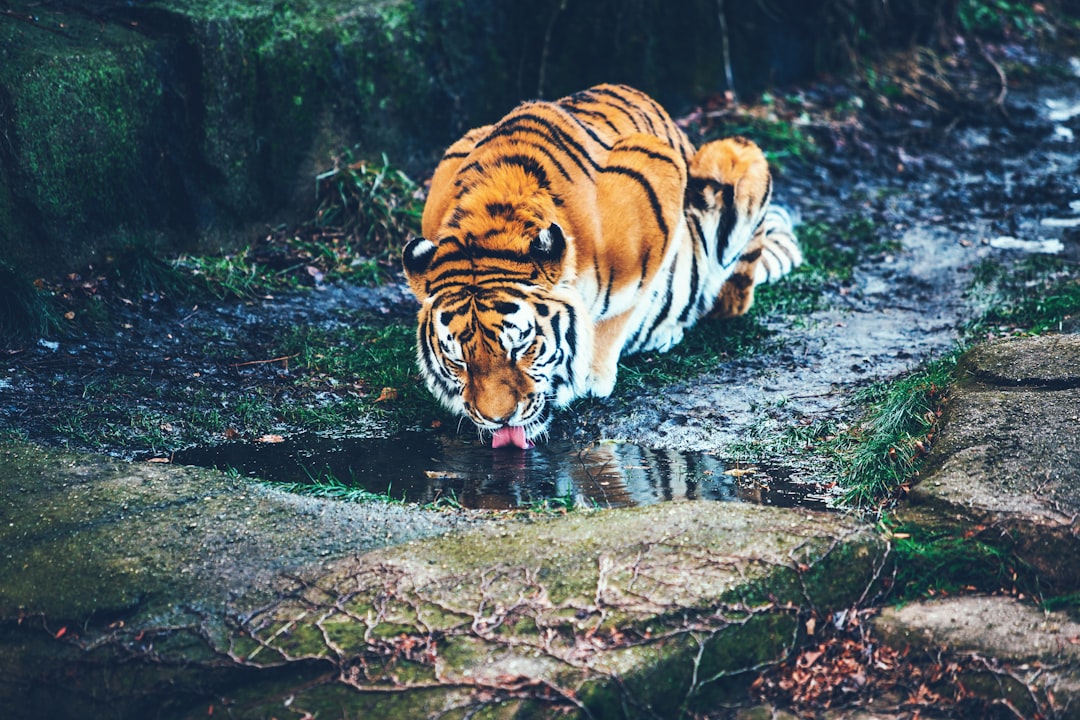
Tigers excel at measured ambition – mapping routes, memorizing cover, and spending energy only when advantage peaks. Their hunts look quiet until they suddenly are not, a masterclass in timing and terrain. Capricorn resonates with that discipline, preferring carefully stacked wins over loud gambles. They build durable structures, conserve attention, and accept slow compounding as a competitive edge. In pressure moments, they favor the clean strike that ends the chase quickly.
Like tigers, they rarely waste motion, which reads as calm authority in chaotic settings. They also maintain boundaries that protect long-term goals from short-term noise. When others lunge at every opportunity, Capricorn tends the strategy that outlasts weather and luck. Results may look inevitable from the outside, but the scaffolding is meticulous. It is patience that feels like power.
Aquarius: The Cooperative Orca
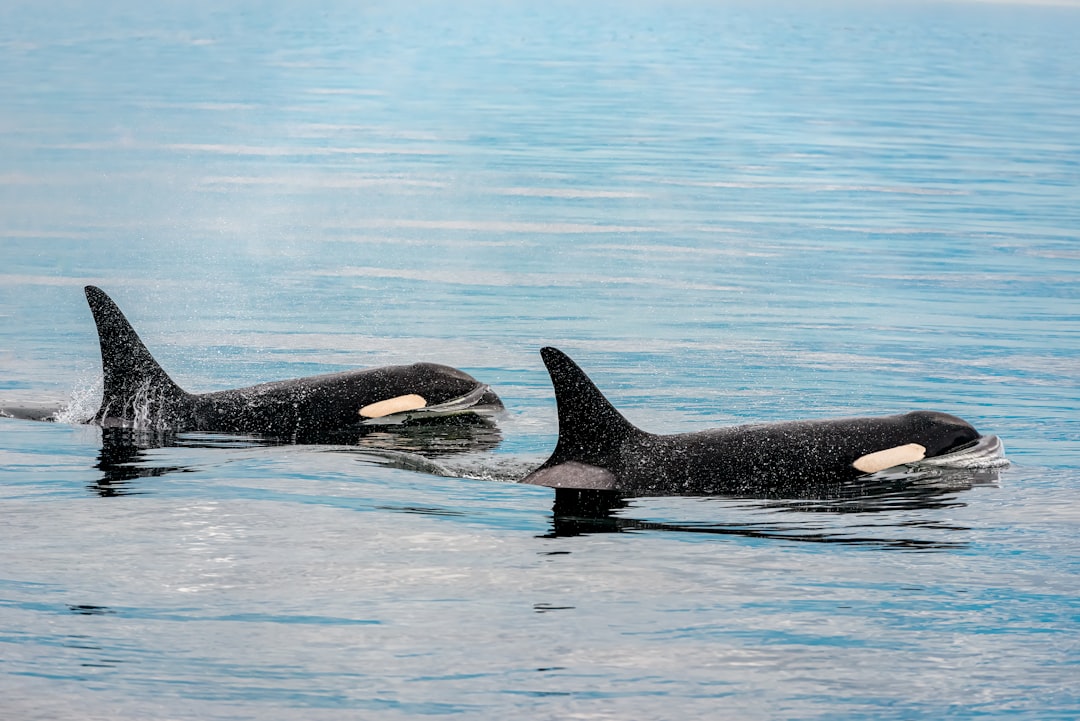
Orcas are apex predators with cultures – pods pass down distinct hunting methods and dialects through generations. Coordination is everything: wave-washing seals from ice, herding fish into tight spheres, and distributing meals with near-formal fairness. Aquarius mirrors that systems-thinking, thriving in networks where knowledge is shared and invention is celebrated. They care as much about the protocol as the prize, aiming to improve the whole pod’s resilience. Innovation here is not chaos; it is rehearsed choreography turned into advantage.
Matrilineal leadership in orcas highlights another Aquarius echo: intergenerational strength. Experienced females guide travel routes and risk decisions, a living memory bank for survival. Aquarius tends to champion those collective memory systems – archives, open data, cross-team mentoring. Their dominance is subtle but durable, embedded in norms and tools rather than personalities. When it works, the group gets smarter together.
The Future Landscape
Computational ethology is racing ahead, turning hours of animal footage into models of coordination and influence. Similar analytics are moving into workplaces, mapping communication patterns and decision bottlenecks to reveal where leadership truly lives. As those tools mature, expect a clearer picture of when to emulate lions’ surge leadership, wolves’ cohesion, tigers’ timing, or orcas’ choreography. The risk, of course, is algorithmic oversimplification that confuses correlation for cause. Guardrails will need to emphasize context, consent, and interpretability.
On the cultural side, astrology will keep evolving as a storytelling frame for personality and group roles. The healthiest version sticks close to what biology actually shows about power and care. Education can help by teaching both the science of social animals and the ethics of influence. If we treat metaphors as bridges, not destinations, we stay grounded and useful. That’s where insight turns into better leadership, not just clever labels.
Conclusion

Try a week of field notes on your own team: who sets pace, who guards resources, who teaches, and who coordinates? Look for lion moments when visible confidence lifted morale, or wolf moments when quiet synchrony saved the day. Notice tiger timing that avoided waste, and orca choreography that made everyone better. Use those observations to adjust your role on purpose, not by habit. Support wildlife science and conservation while you’re at it – protecting apex predators protects the lessons they teach.
Most of all, keep the metaphor humble and the science close. Choose leadership styles the way nature does: matched to terrain, season, and stakes. Practice dominance as protection, not intimidation. Share wins, absorb shocks, and leave the habitat stronger than you found it. That’s a legacy worth tracking.
Suhail Ahmed is a passionate digital professional and nature enthusiast with over 8 years of experience in content strategy, SEO, web development, and digital operations. Alongside his freelance journey, Suhail actively contributes to nature and wildlife platforms like Discover Wildlife, where he channels his curiosity for the planet into engaging, educational storytelling.
With a strong background in managing digital ecosystems — from ecommerce stores and WordPress websites to social media and automation — Suhail merges technical precision with creative insight. His content reflects a rare balance: SEO-friendly yet deeply human, data-informed yet emotionally resonant.
Driven by a love for discovery and storytelling, Suhail believes in using digital platforms to amplify causes that matter — especially those protecting Earth’s biodiversity and inspiring sustainable living. Whether he’s managing online projects or crafting wildlife content, his goal remains the same: to inform, inspire, and leave a positive digital footprint.