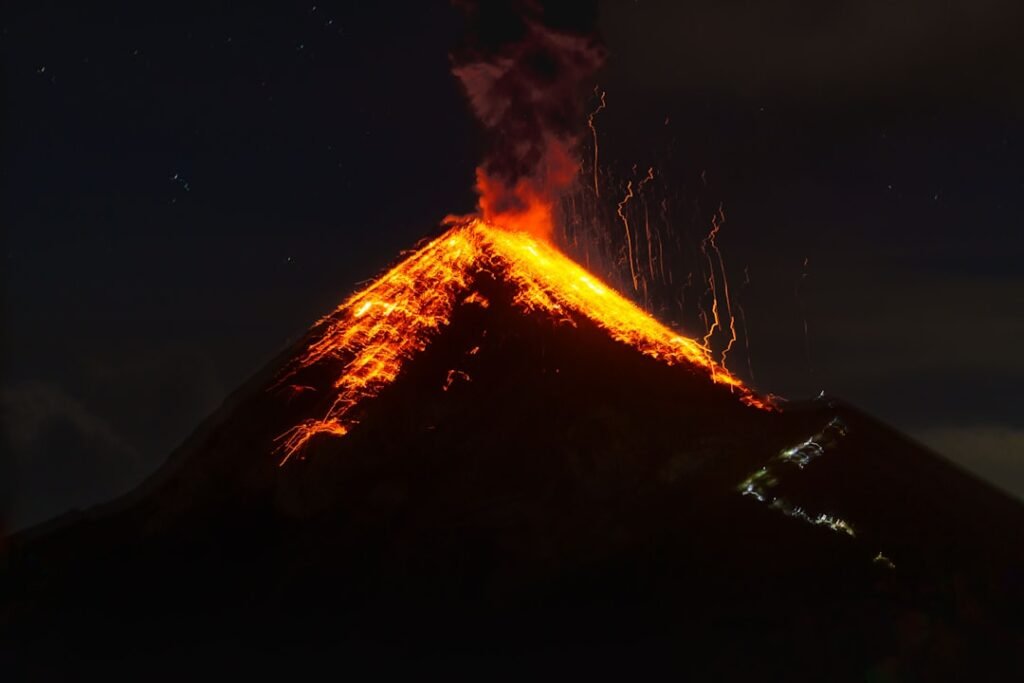

A few constellations seem to call to the people who can’t look away when a volcano wakes, who feel awe rather than fear at the red river of molten rock. This isn’t about fortune-telling; it’s about how ancient archetypes overlap with real geology and real human behavior in surprising ways. Psychologists have long studied why some of us chase heat and hazard, while volcanologists map the forces that build and unbuild landscapes in a single night. Put those threads together and a pattern appears: certain zodiac traditions celebrate traits that match the mindsets often found on the crater rim. The result is a story of personality, planet-shaping power, and the strange comfort some people find in destruction that births renewal.
The Hidden Clues
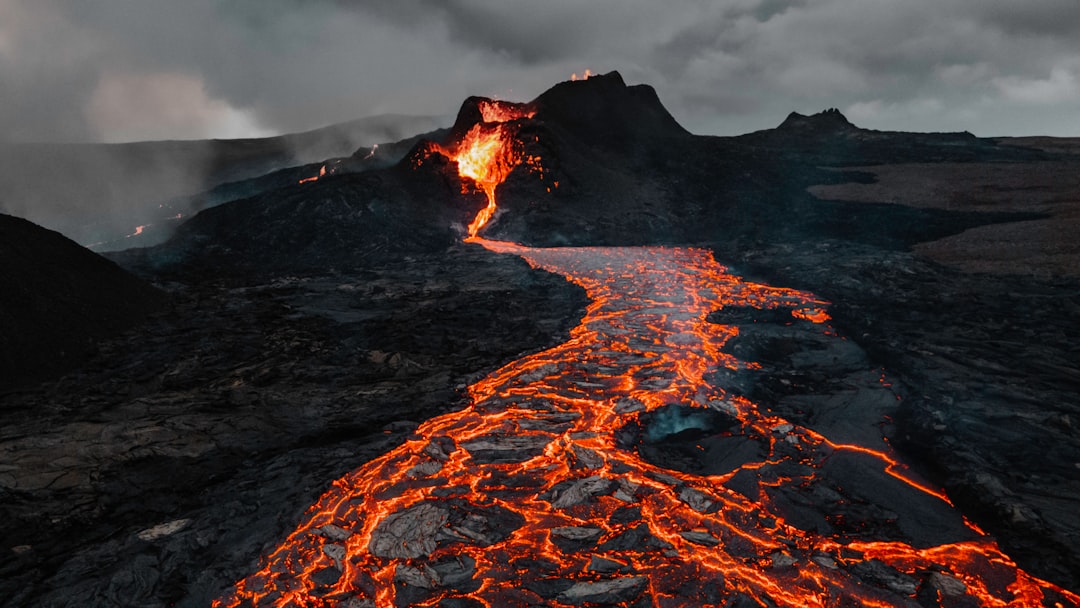
What makes one person linger near the lava line while another steps back? The hidden clues sit at the crossroads of temperament and terrain, where symbols meet sensors and seismic data. Fire-loving archetypes in astrology emphasize courage, action, and a taste for spectacle – traits that mirror the curiosity and controlled risk-taking needed to study volcanoes up close.
In the field, that draw isn’t reckless bravado; it’s fascination sharpened into observation. Heat shimmers, gases sting the nose, and the ground mutters in low rumbles that feel almost like a heartbeat. Those who are pulled toward that edge often talk about clarity in the glow, as if a world stripped to rock and fire makes decisions simpler.
From Ancient Tools to Modern Science
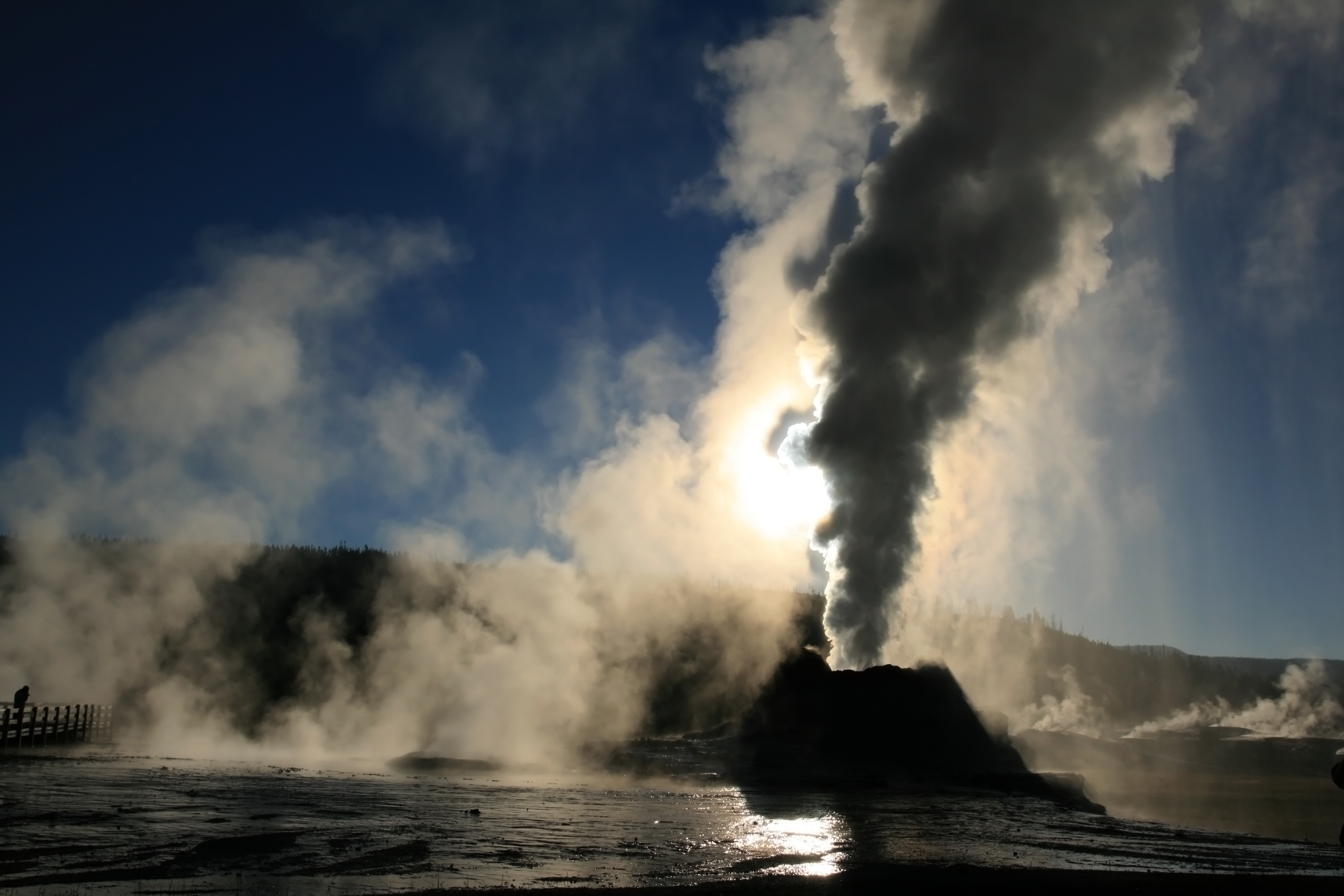
Long before satellites, people read ash in the air and cracks in stone, weaving stories of gods and underworlds to make sense of eruptions. Today, the toolkit is cooler but the wonder is the same: drones skim ash plumes, thermal cameras map flow fronts, and radar from orbit measures the volcano swelling and sinking as magma moves. Scientists pair gas sensors with seismographs like a detective pairing fingerprints with witness accounts.
Consider a few grounding facts that shape the conversation: – Lava commonly runs from roughly one thousand to roughly twelve hundred degrees Celsius, hot enough to turn rock into slow lightning. – The planet holds around one thousand three hundred fifty potentially active volcanoes on land, not counting the long mid-ocean ridges. – In a typical year, roughly fifty to sixty volcanoes erupt somewhere on Earth, a steady drumbeat rather than a rarity.
Aries, Leo, Sagittarius: The Fire Triad Near the Lava Edge
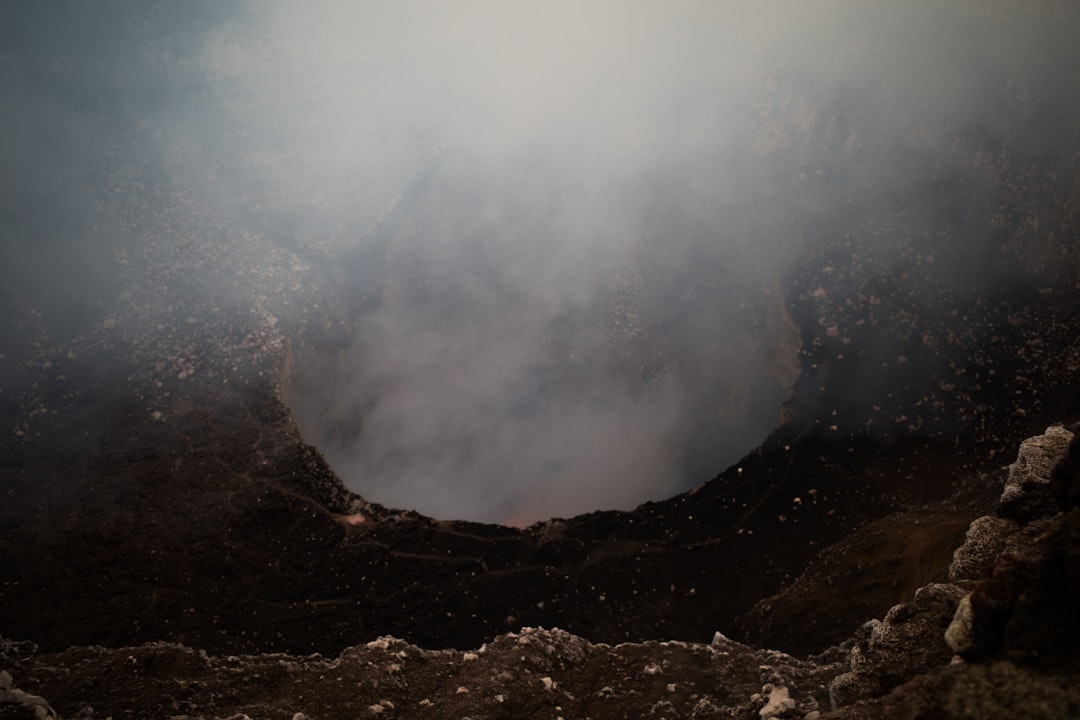
Astrology’s fire signs center on urgency, expression, and momentum, which happens to rhyme with the pace of a sudden vent opening or a fissure racing across a slope. Aries is the spark, comfortable with first steps when the ground is new; that matches the temperament of field teams who rush to deploy instruments the moment tremor patterns shift. Leo is the theater, the willingness to stand in the glow and communicate the awe, a trait that suits science communicators translating complex hazard maps into stories people remember.
Sagittarius is the quest, hungry for horizons and meaning, and I’ve seen that spirit on late-night ridgelines when the red river writes a line across the dark. On a research embed years ago, I watched a colleague’s face lit by Kīlauea’s glow as they sketched flow paths; the vibe wasn’t thrill-seeking so much as a mission to understand. In practice, that fire-triad energy maps onto a blend of boldness and discipline – the combination that keeps you close enough to see but far enough to live to tell it.
Scorpio and Capricorn: Power in Pressure and Transformation
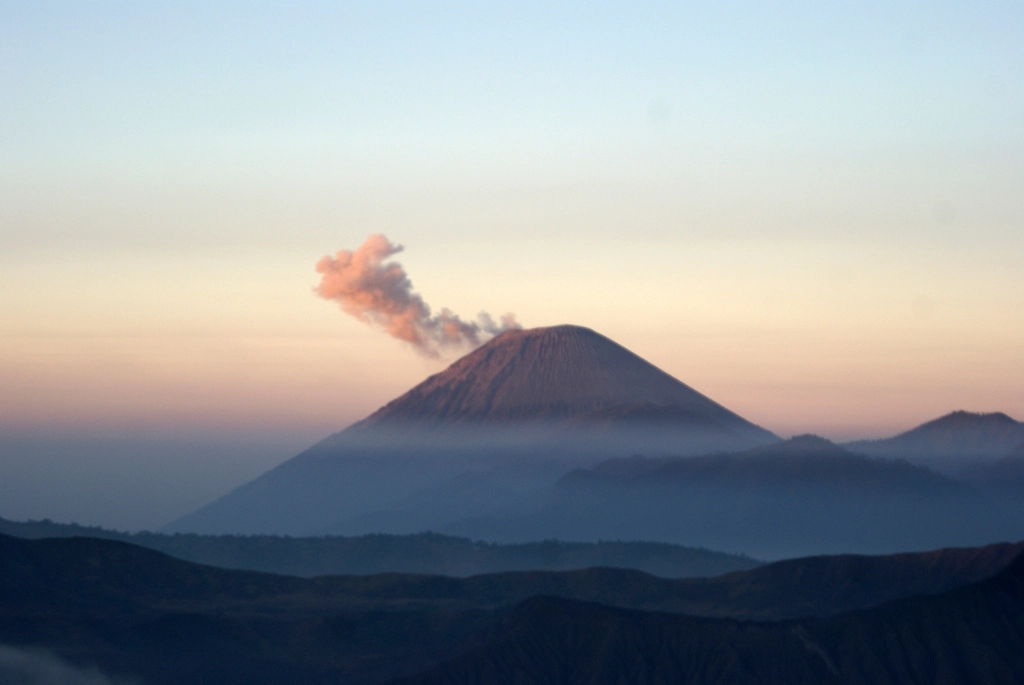
Scorpio isn’t a fire sign, but its symbolism lives in transformation under pressure, which is the essence of volcanoes reworking a landscape into something unrecognizable and somehow more true. People who resonate with that archetype often lean into research on extremes: volatile gas chemistry, deep magma plumbing, or the eerie calm after an eruption when life starts again. Capricorn brings the mountain, the long game, and the blueprint – an engineer’s frame of mind that turns a volatile system into a set of models, monitors, and evacuation timelines.
Together, these signs speak to endurance and structure, the quiet counterpoint to the blaze of the fire triad. They describe the personalities who build the hazard maps, argue through the uncertainties, and keep the monitoring stations humming through bad weather. If the fire signs carry the torch to the rim, Scorpio and Capricorn keep the walls from crumbling.
Human Chemistry: Why Some Brains Chase Heat

Step outside the zodiac for a moment and the neuroscience adds texture. Sensation-seeking traits correlate with a brain that craves novelty and can tolerate higher arousal, the kind of wiring that makes rapid change feel invigorating rather than terrifying. That doesn’t mean carelessness; in fact, many high-sensation individuals do best when rules and rituals are clear, as in field protocols that turn danger into a checklist.
There’s also the restorative paradox of catastrophe: destruction that makes room for new patterns, like a forest clearing after a lava tongue cools to fertile basaltic soil. People wired to appreciate that arc – from ending to rebirth – often describe eruptions not just as events but as chapters. The psychology and the geology meet in that story beat where a map goes obsolete and a new coastline appears.
Why It Matters
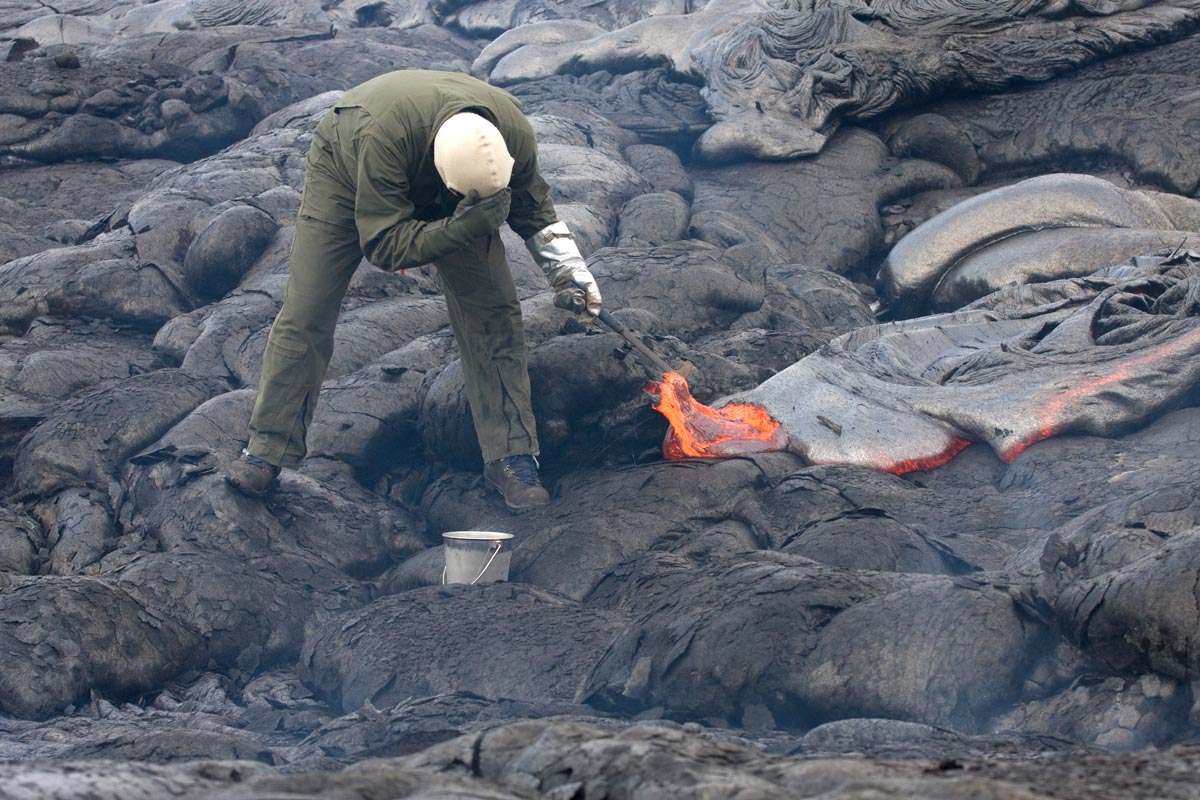
This subject isn’t just personality trivia; it touches how we recruit and train people for real-world hazard work. Traditional outreach sometimes leans on fear, but volcano-obsessed audiences respond better to competence and purpose, which means messaging that honors awe while foregrounding safety. Compared with older, top-down emergency campaigns, modern programs leverage community guides and local narratives, meeting that fire-inclined curiosity with clear, actionable steps.
There’s also a science gain: teams that include bold explorers, meticulous modelers, and patient communicators catch more weak signals before an eruption escalates. Pairing archetypal lenses with behavioral science can improve how we match tasks to temperaments, from drone piloting to public briefings. In short, understanding who’s drawn to the lava edge helps everyone stand a little farther from danger when it counts most.
Global Perspectives
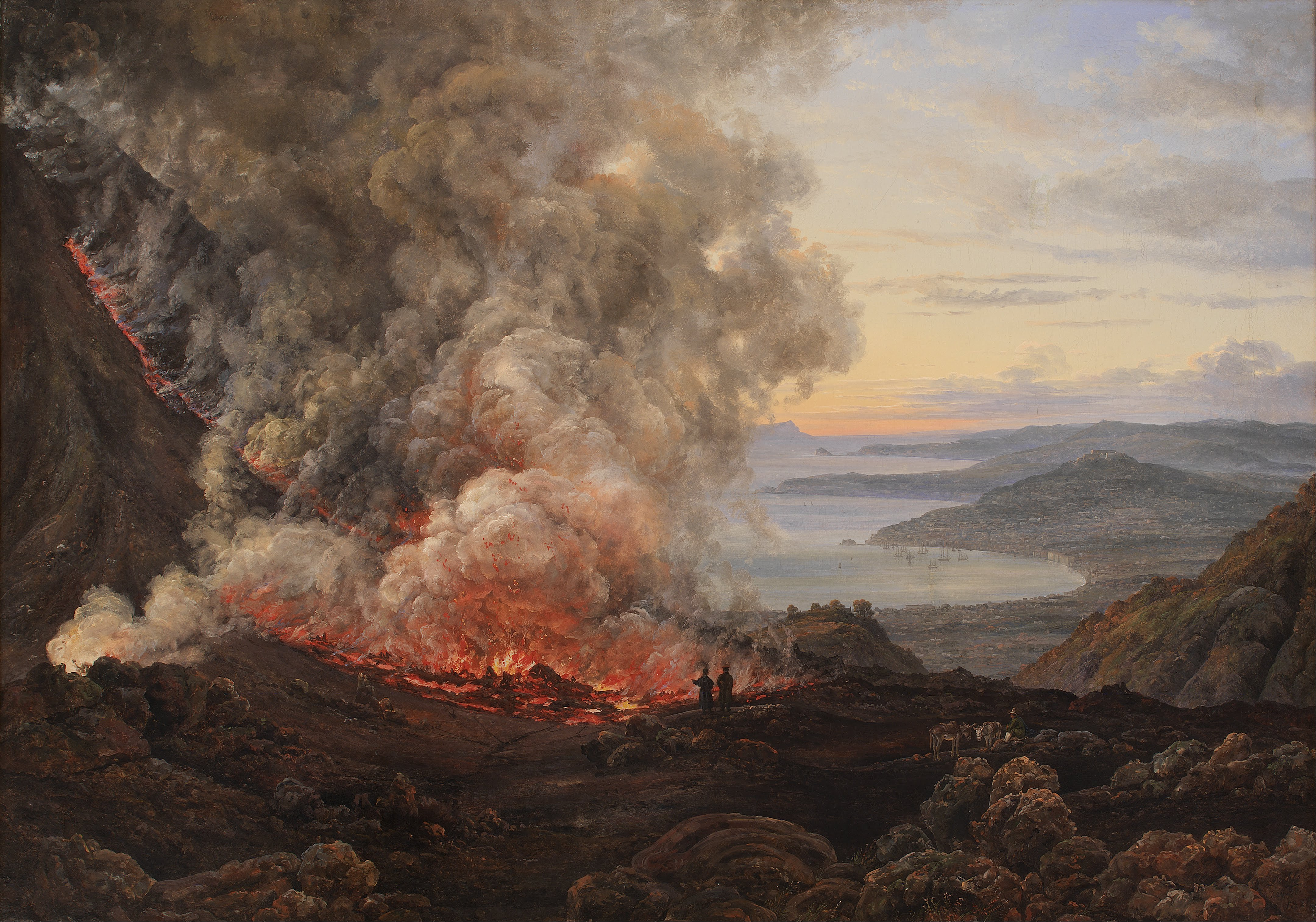
Across the world, cultures living with volcanoes have translated risk into ritual and resilience. In the Andes, the Pacific, the Mediterranean, and East Africa, communities weave seasonal patterns, evacuation routes, and sacred stories into everyday life, turning uncertainty into a kind of choreography. Those narratives often echo the same archetypes of courage, patience, and transformation that people see in their star lore.
Modern science now plugs into that wisdom, not to validate astrology, but to connect with the psychological frames people already use. When a new fissure opens, the most effective alerts respect local memory and identity, so instructions don’t fight the current of belief. In my experience, that cultural respect buys minutes, and in an eruption, minutes matter.
The Future Landscape
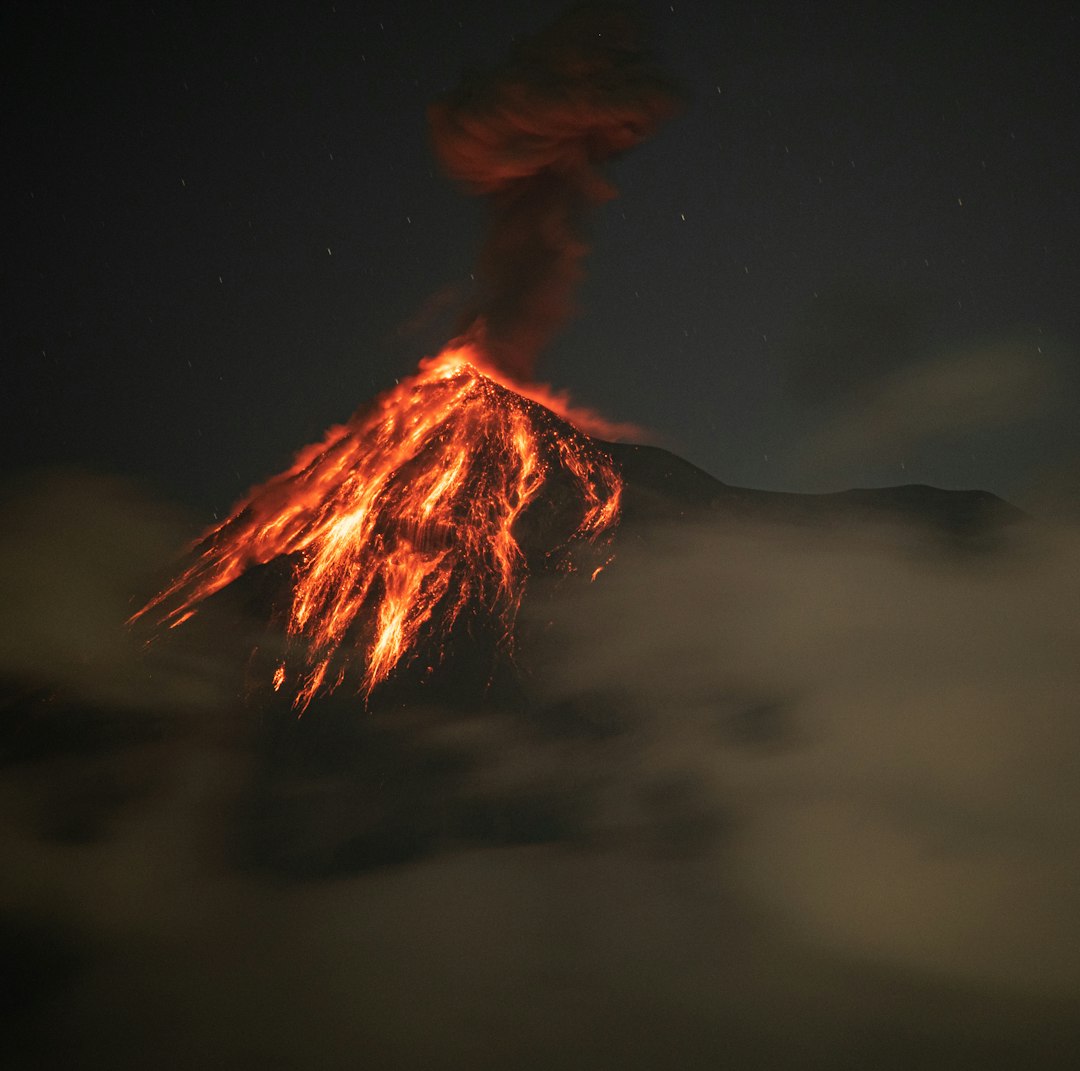
Technology is sprinting ahead, giving both scientists and the lava-curious public safer ways to witness and understand. Swarms of small satellites track ground deformation daily, machine learning sifts seismic noise for early whispers, and rugged drones carry gas sensors into places boots shouldn’t go. Virtual and augmented reality now let students and emergency planners rehearse evacuations inside accurate, living maps of volcanoes that might wake tomorrow.
The challenge is translating those advances into communities where bandwidth is low and trust has to be earned face to face. Funding cycles can be shorter than a volcano’s quiet period, and maintenance – not just flashy new instruments – decides whether alerts arrive on time. If we keep pairing better tools with better human understanding, the next generation will watch the glow from a safer distance and still feel the wonder.
What You Can Do Now
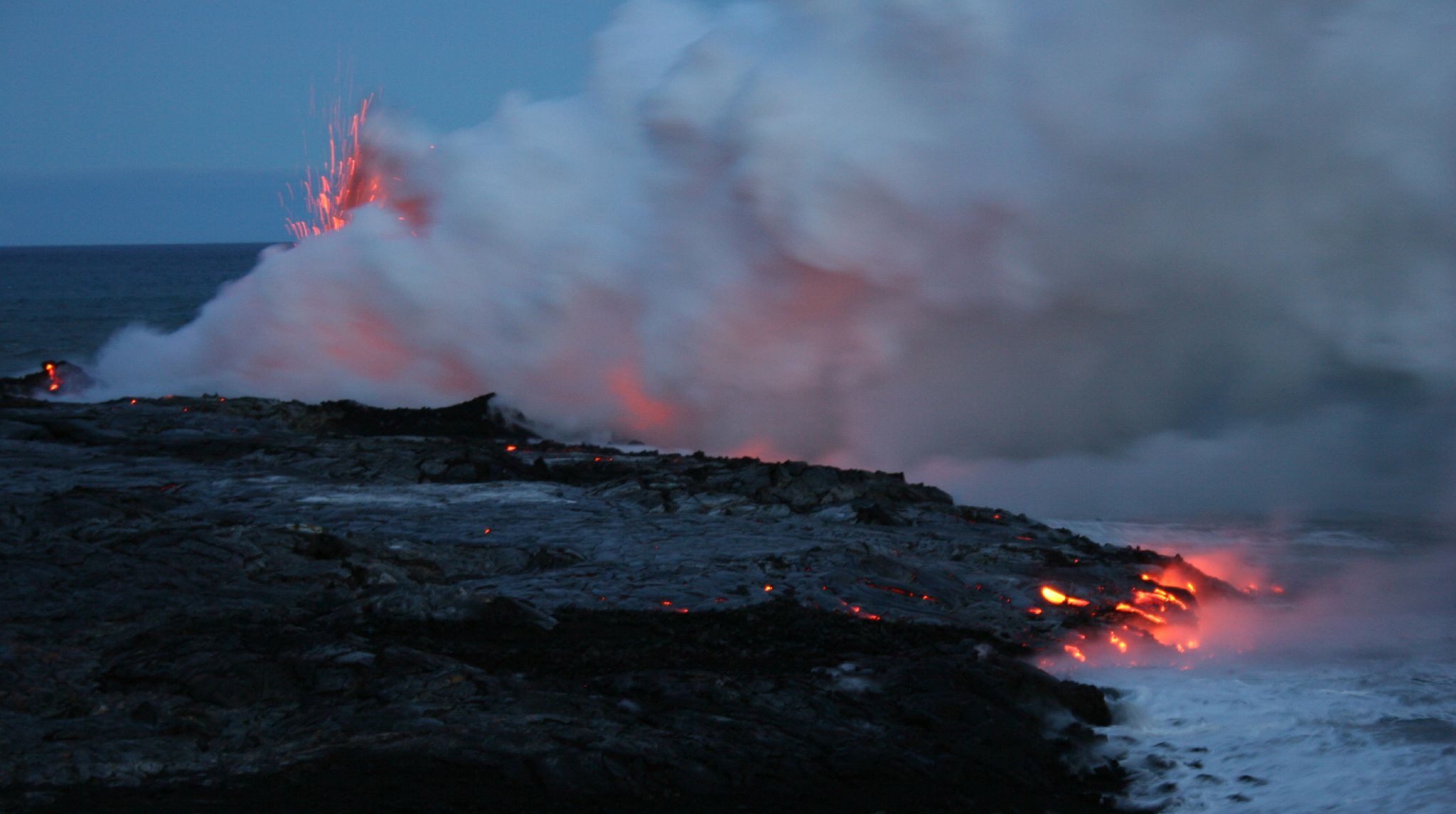
Start with curiosity anchored to facts: follow official volcano observatories, learn local evacuation routes if you live near a volcanic field, and treat viewing sites like laboratories, not theme parks. Support organizations that maintain monitoring networks and community drills, because the unglamorous work of calibration and training saves lives. If you’re one of those people who feels the lava’s pull, channel it into learning, volunteering, and boosting clear, science-based information when rumors flare.
Share stories that balance awe with agency so others see eruption footage as a lesson, not a dare. And if you chase a glow someday, keep your distance, wear the gear, and let the experts set the line. The planet is generous with wonder; we don’t have to get burned to feel it.
Suhail Ahmed is a passionate digital professional and nature enthusiast with over 8 years of experience in content strategy, SEO, web development, and digital operations. Alongside his freelance journey, Suhail actively contributes to nature and wildlife platforms like Discover Wildlife, where he channels his curiosity for the planet into engaging, educational storytelling.
With a strong background in managing digital ecosystems — from ecommerce stores and WordPress websites to social media and automation — Suhail merges technical precision with creative insight. His content reflects a rare balance: SEO-friendly yet deeply human, data-informed yet emotionally resonant.
Driven by a love for discovery and storytelling, Suhail believes in using digital platforms to amplify causes that matter — especially those protecting Earth’s biodiversity and inspiring sustainable living. Whether he’s managing online projects or crafting wildlife content, his goal remains the same: to inform, inspire, and leave a positive digital footprint.