
Every year, the same quiet clockwork plays out above and around us: solstices tilt the light, the Moon pulls at oceans, and migratory species surf invisible waves of timing. Yet people still ask a deceptively simple question – who among us actually feels those rhythms? Astrology offers a cultural map, while science traces real biological clocks that tick in skin, brain, and gut. The two aren’t the same, but together they reveal why some personalities are drawn to the calendar of nature more than others. What follows is a clear-eyed look at the signs most likely to lean into Earth’s cycles – and the evidence that keeps this story grounded.
The Hidden Clues
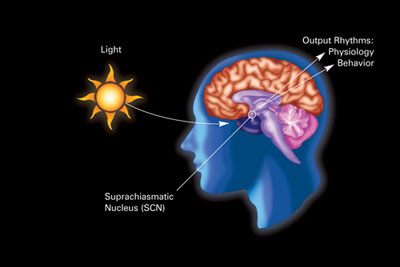
Have you ever noticed how some friends plan their lives around sunrise, tide charts, or the first cold snap, as if they’re tuned to a radio station you can’t hear? I’ve kept a small notebook for years to track the first fireflies, the earliest frost, and my own sleep during full moons – a habit that started as curiosity and slowly turned into a quiet compass. Those little records reveal something honest: our bodies notice light and dark, warmth and chill, more than our schedules admit. Astrology captures that impulse in mythic form, naming people who prefer soil under their nails or sea spray on their face.
Science, for its part, points to circadian and seasonal biology working in the background, timing hormones, mood, and sleep with changing light. The result is a Venn diagram: one circle of cultural archetypes, the other of measurable clocks, with a lively overlap where behavior and biology meet. That is the terrain of this investigation.
From Ancient Tools to Modern Science
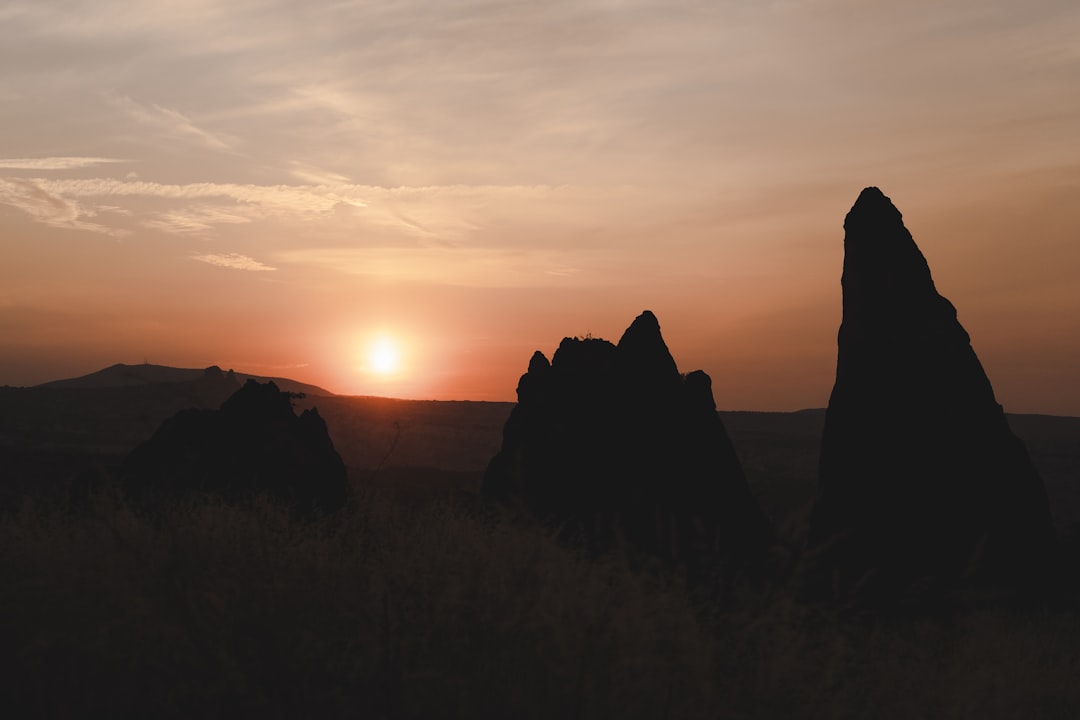
Long before lab instruments, stone alignments and horizon markers tracked the Sun’s extremes, turning solstices and equinoxes into reliable seasonal bells. Farmers mapped sowing and harvest to those bells, while sailors and fishers watched the Moon for tide windows that could make or break a voyage. These weren’t superstitions so much as early data systems, a way to stitch time and place together without electronics. Astrology grew in that same world, translating sky motion into stories that helped people remember when to plant, migrate, or trade.
Today, chronobiology widens the picture: cells run 24-hour cycles synced by light; some species run lunar or semi-lunar clocks tied to tides; and many organisms keep a year-long rhythm guided by day length. Satellites, wearable sensors, and global observatories follow these cycles at planetary scale, from coral spawning to bird migration. If the ancients listened with stones and shadows, modern science listens with photons and chips.
Earth Signs and Seasonal Rhythms
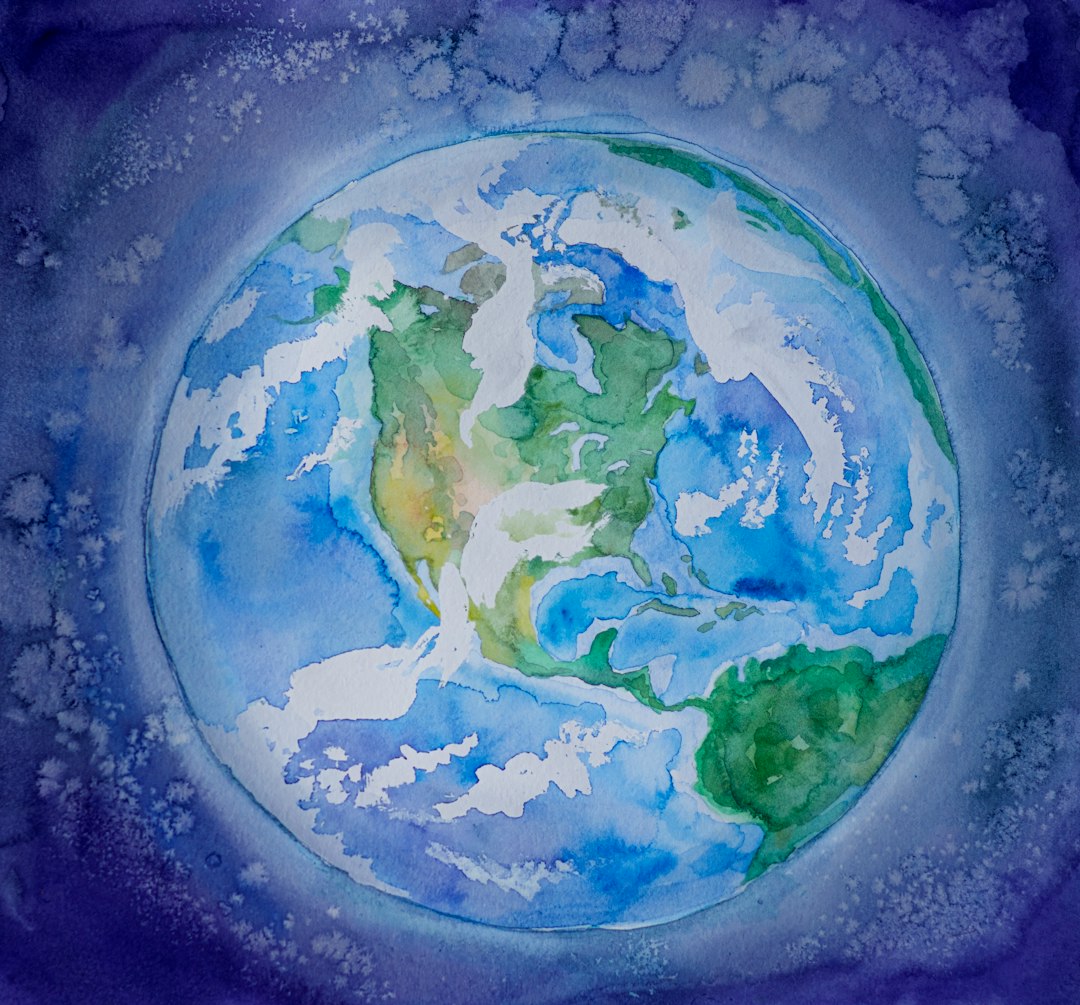
Taurus, Virgo, and Capricorn – the Earth signs – tend to be cast as patient, tactile, and loyal to routine. Whether or not birthdate confers that temperament, people who identify with these traits often build lives that track the year’s arc: garden beds in spring light, hiking rhythms in fall air, pantry projects as winter settles. The science that resonates here is circannual timing and photoperiod, the way plants and animals use day length to cue growth, reproduction, and dormancy. Humans still feel this, even in climate control, as shifts in light nudge mood, appetite, and motivation.
In practice, Earth-sign types often keep seasonal cues close – seed calendars, solstice traditions, slow food habits – so their choices amplify the cues nature offers. It’s not destiny so much as design: pick the routine that harmonizes with light and your body will usually sing along.
Water Signs, Tides, and the Pull of the Moon
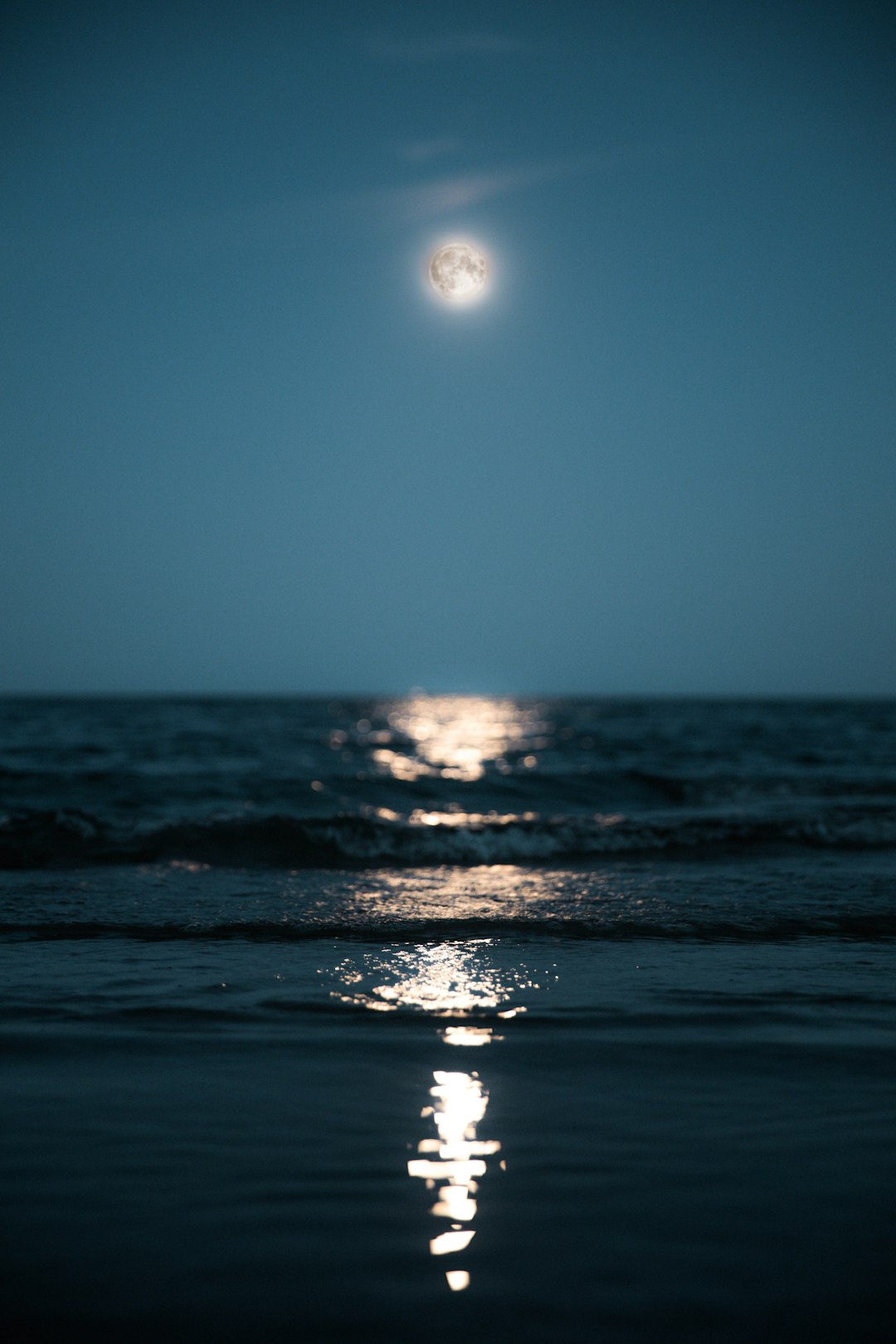
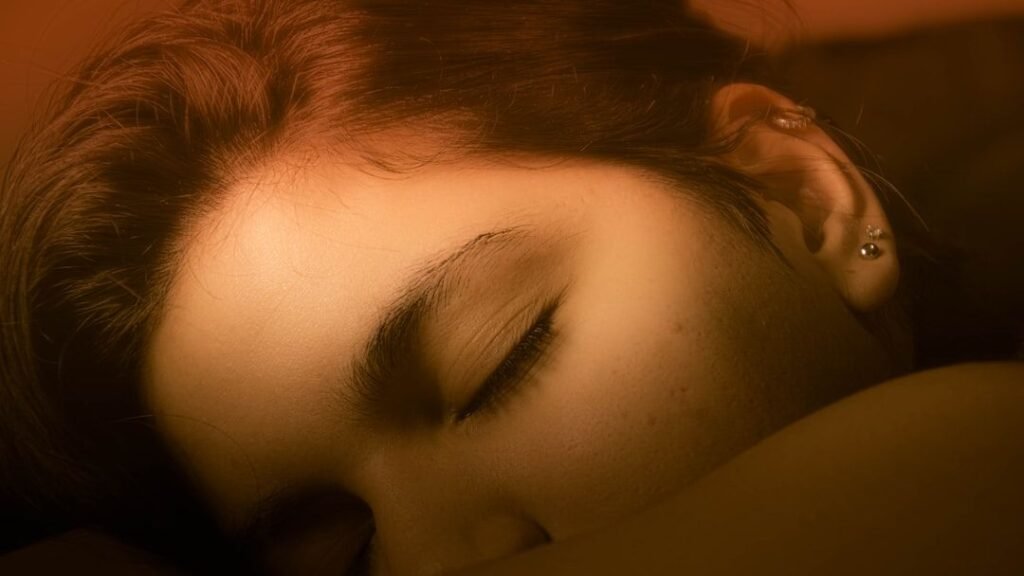
Cancer, Scorpio, and Pisces – the Water signs – carry the Moon’s imagery and the ocean’s language. The tangible physics is tide: when Sun, Moon, and Earth line up at new and full moons, coastal water levels swing wider, and whole ecosystems pivot around those windows. Fisheries, intertidal foragers, and night divers plan by this clock, and so do creatures famous for spectacle, like mass coral spawning and shore-spawning fishes timed to spring tides. Humans do not ebb and flow like bays, but we’re not immune to lunar light; small shifts in sleep have been documented around the bright half of the cycle.
For Water-sign-leaning people, the metaphor becomes method – moonrise walks, tidepool calendars, and travel plans keyed to bioluminescence or grunion runs. That lifestyle doesn’t prove a birth sign’s power; it proves that attention is a superpower when tuned to the right signal.
What the Data Actually Says
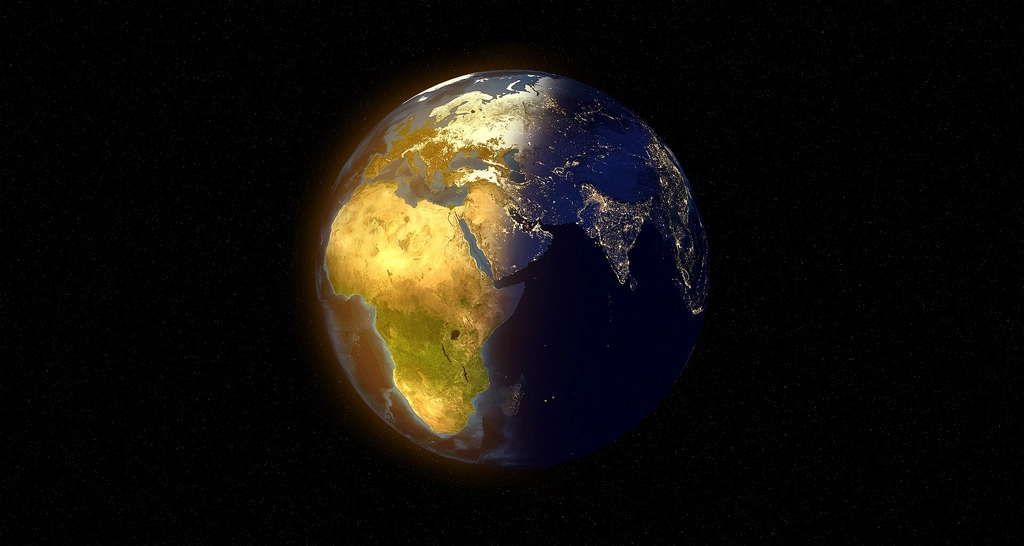
Here is the clear line: there is no robust scientific evidence that zodiac sign causes stronger biological sensitivity to solstices, tides, or lunar phases. Studies that do find lunar-linked changes in humans typically report small effects, like slightly later sleep onset or shorter duration before the full Moon, and results vary by environment. Large-scale analyses looking for moon-driven surges in crime, births, or emergencies generally find weak or no consistent patterns once biases are controlled. Where the signal is strong is in other species and settings – reef corals, certain fish, and countless coastal invertebrates whose clocks are tied to tide and moonlight.
So the honest reading is this: astrology offers vivid archetypes that can guide behavior toward nature’s calendar, while biology offers the mechanisms and limits. Personal alignment comes from habits and context, not from constellations alone. That view is both humbler and more empowering.
Why It Matters
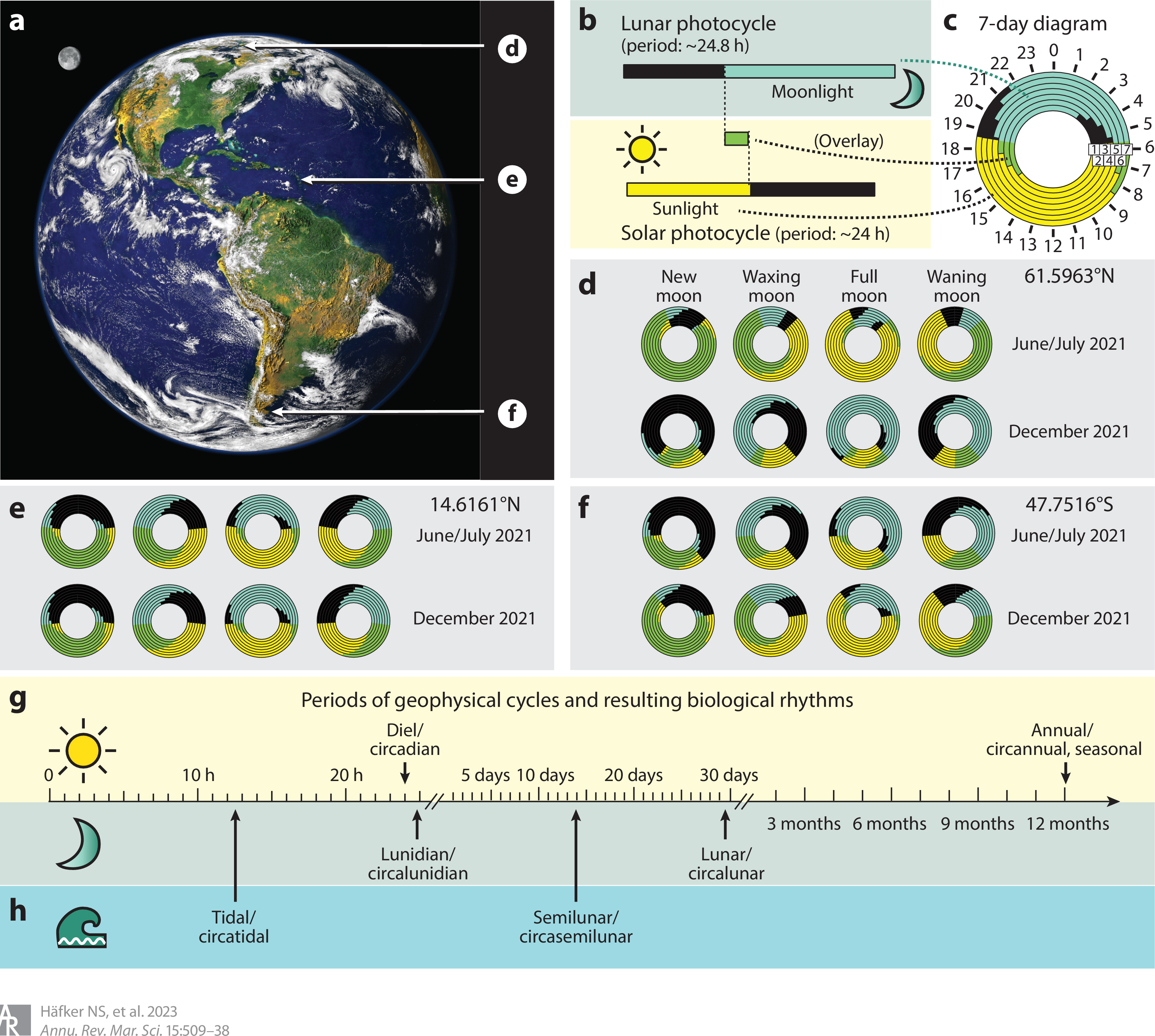
Aligning daily life with Earth’s cycles is not a romantic throwback; it is a practical health strategy. Sleep regularity tied to natural light, meals that respect the day’s clock, and outdoor time near solar noon can stabilize energy and mood far more than many realize. In conservation and food systems, timing is the difference between resilience and collapse – catch windows, pollination peaks, migration corridors. Astrology’s language can be a bridge here, pulling new audiences toward practices that science already supports, like dark-sky policies or seasonal eating.
Compared with the old farmer’s almanac approach – observation distilled into rules of thumb – modern chronobiology lets us personalize timing with data from wearables and local sensors. The destination is the same as it was centuries ago: live by the reliable metronomes of light and tide, not only by the jitter of notifications.
The Future Landscape
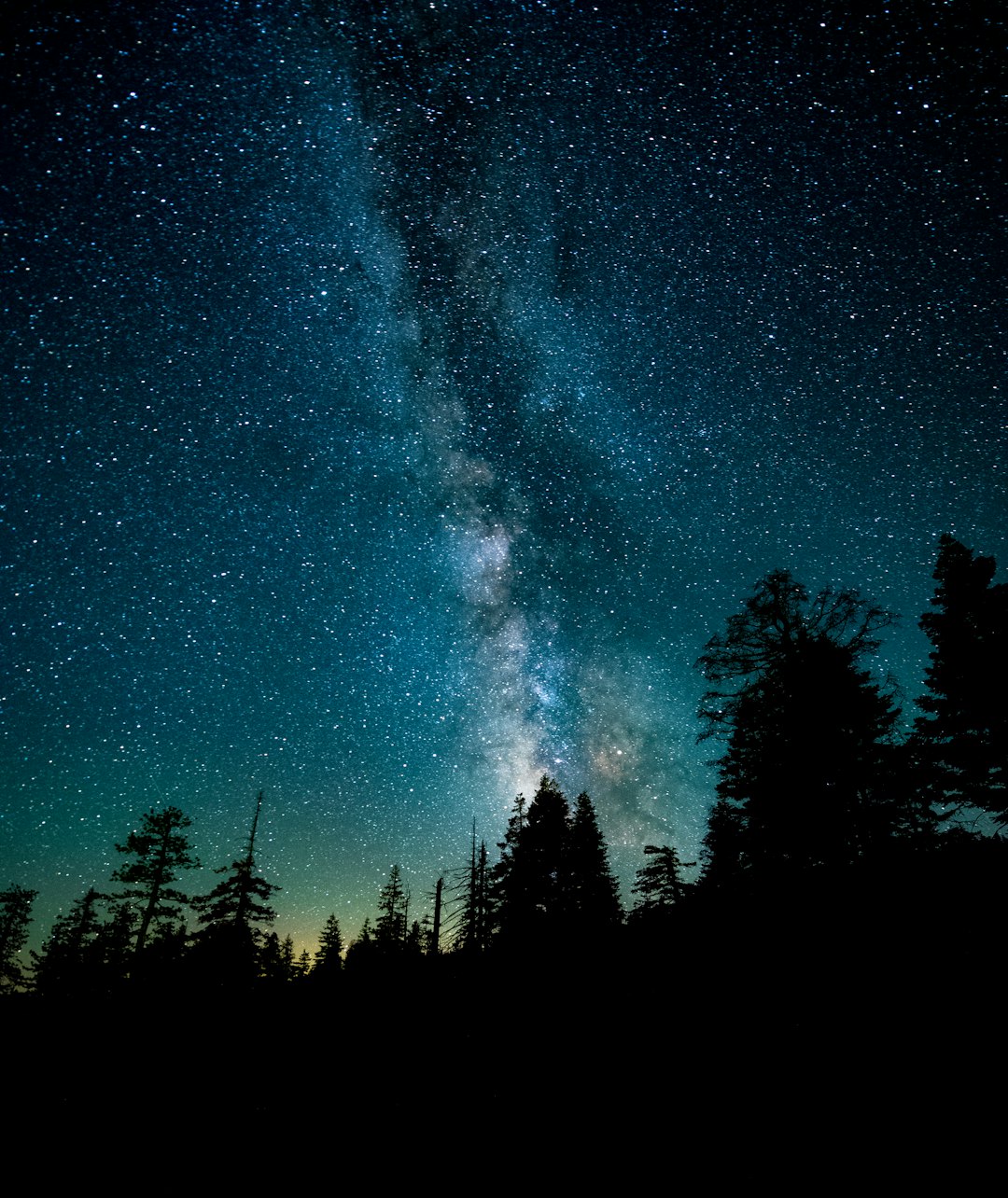
The next wave of tools will make Earth’s clocks harder to ignore and easier to use. Wearables already infer circadian phase; soon, they may factor in local moonlight, cloud cover, and even reflected city glow to suggest better sleep windows. Coastal planners and fishers are pairing hyperlocal tide forecasts with ecological models to time harvests in ways that protect spawning pulses. Phenology networks crowdsource the first blooms and bird arrivals, helping gardeners, farmers, and researchers map shifting seasons in near real time.
On the horizon, urban lighting policies guided by satellite data could restore darker nights, improving sleep while protecting nocturnal wildlife. Machine learning will likely blend personal chronotype with environmental timing into daily recommendations as ordinary as a weather alert. In that world, zodiac archetypes can serve as friendly on-ramps, while decisions ride on measurements.
Conclusion
Start a simple cycle journal for one month: sunrise and sunset times, moon phase, time outdoors, bedtime, and how you felt the next day. If you lean Earth-sign, add a weekly note on plant or animal cues you notice; if you lean Water-sign, layer in tide times and coastal observations. Reduce nighttime glare at home with warmer bulbs and dark curtains, and step outside at midday to anchor your internal clock. Support local dark-sky initiatives, tide-friendly coastal access, and community science programs that track seasonal change.
Finally, plan one activity by nature’s calendar this season – an early-morning walk at solstice, a low-tide shoreline visit, or a backyard stargaze near new Moon. The point isn’t what your birth chart says; it’s what your attention makes possible.
Sources: Proceedings of the National Academy of Sciences (2021 study on lunar-linked human sleep); NOAA Tides and Currents (fundamentals of tides and lunar-solar interactions).
Suhail Ahmed is a passionate digital professional and nature enthusiast with over 8 years of experience in content strategy, SEO, web development, and digital operations. Alongside his freelance journey, Suhail actively contributes to nature and wildlife platforms like Discover Wildlife, where he channels his curiosity for the planet into engaging, educational storytelling.
With a strong background in managing digital ecosystems — from ecommerce stores and WordPress websites to social media and automation — Suhail merges technical precision with creative insight. His content reflects a rare balance: SEO-friendly yet deeply human, data-informed yet emotionally resonant.
Driven by a love for discovery and storytelling, Suhail believes in using digital platforms to amplify causes that matter — especially those protecting Earth’s biodiversity and inspiring sustainable living. Whether he’s managing online projects or crafting wildlife content, his goal remains the same: to inform, inspire, and leave a positive digital footprint.