
Moonlight still sneaks into our nights, even when city glare tries to drown it out. People swear they feel restless before a full Moon, and modern sleep trackers sometimes hint at the same subtle nudge. The mystery sits at an unusual crossroads: cultural stories about lunar-sensitive zodiac signs meet careful measurements of melatonin, sleep cycles, and biology. As scientists test old claims with new tools, a sharper picture is emerging – one that’s more nuanced than myth, but more human than a spreadsheet. The big question isn’t just who feels the pull, but why the pull shows up at all.
The Hidden Clues
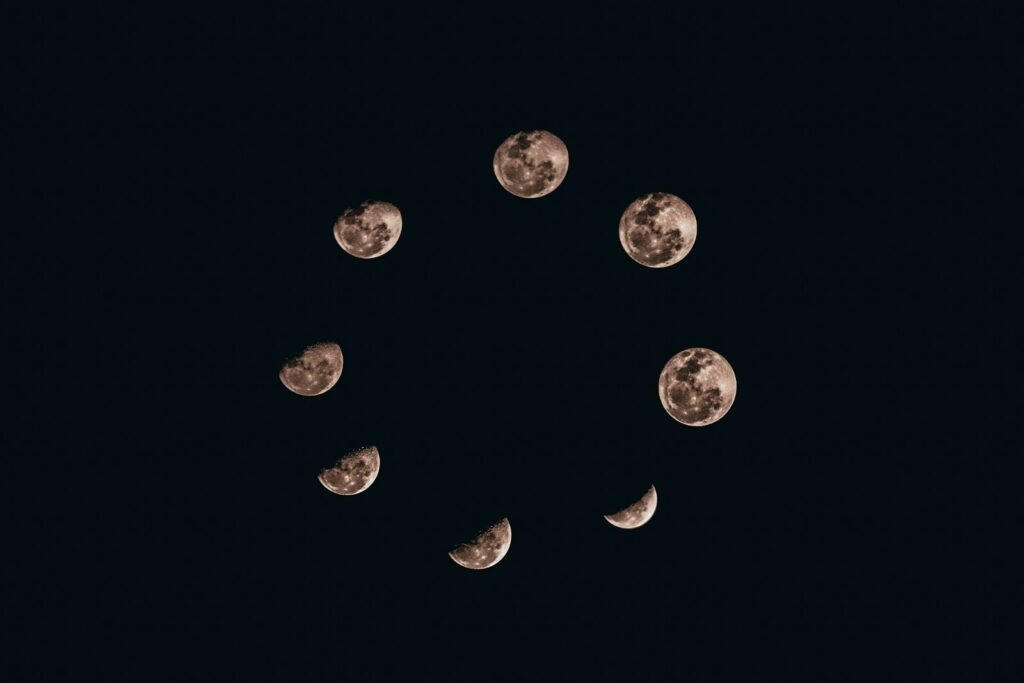
In large and small communities alike, researchers keep spotting delicate patterns around the lunar month. Bedtimes tend to drift a bit later in the days before a full Moon, and total sleep can shorten slightly, especially when outdoor evening light matters. The effect is modest, often measured in minutes rather than hours, yet it turns up across places with different levels of electrification. That suggests the cue isn’t wizardry, but something practical – extra natural light in the early night before the full Moon peaks. A pattern this small won’t upend your life, but tiny changes can accumulate in how alert or moody you feel.
Emotion follows sleep like a shadow, so even minor shifts can echo through the next day. People describe feeling a little wired, a little more talkative, or just a touch unsettled during brighter lunar evenings. Those self-reports can be colored by expectation, yet they often map onto objective sleep data surprisingly well. The Moon isn’t running the show; it’s brushing the set with a slightly brighter paint. And sometimes that’s enough to change the scene.
From Ancient Tools to Modern Science
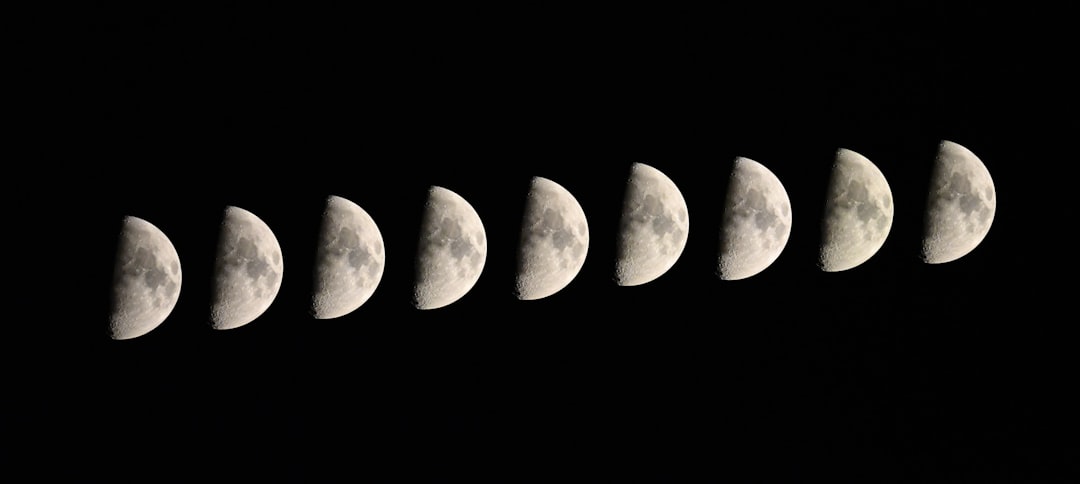
Long before telescopes, the Moon was a clock, a calendar, and a storyteller. Farmers planted by it, sailors timed tides with it, and healers watched patients under it, weaving practical knowledge with belief. Today, the tools look different: actigraphy bands capture micro-movements, lab studies track melatonin, and satellites measure night-sky brightness down to the neighborhood. Across these methods, scientists keep returning to one takeaway – the lunar signal in humans exists, but it’s small and easily swamped by electric light and modern schedules. That’s not disappointing; it’s informative, because it shows where biology ends and lifestyle begins.
Some famous lab findings report shorter sleep on full-moon nights, while others find the strongest changes just before the full Moon. Differences often come from study design, sample size, or how strictly light exposure is controlled. Replication has improved as researchers pre-register analyses and share raw data. The emerging consensus is cautious: lunar effects are real for some behaviors under certain conditions, but they’re not universal and not strong. In science, that careful phrasing is a win, not a hedge.
Lunar-Sensitive Signs: Cancer, Taurus, and the Water Trio
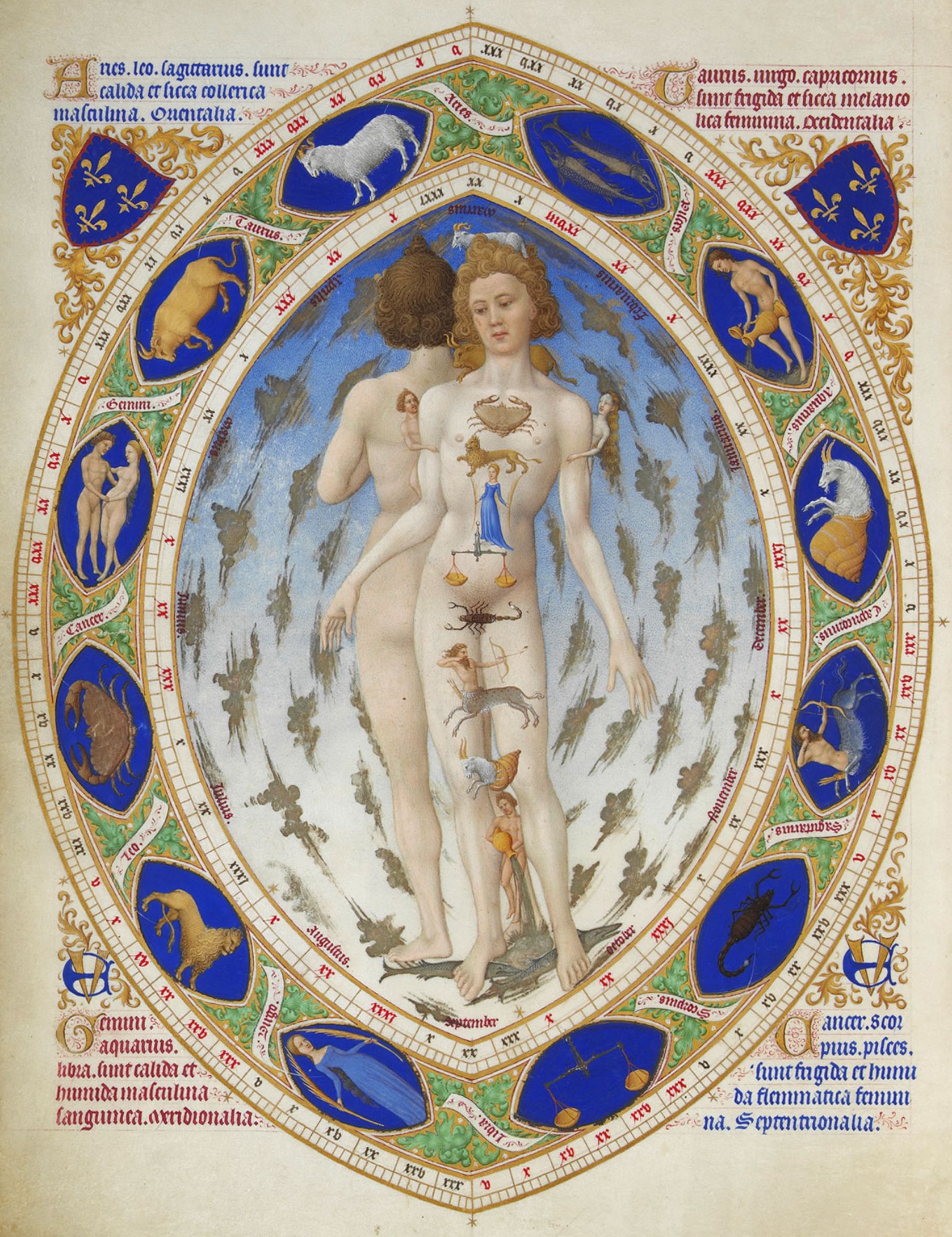
Astrology puts the Moon in the driver’s seat for Cancer, and gives it a place of honor in Taurus, framing both as highly lunar-attuned archetypes. Water signs – Cancer, Scorpio, and Pisces – are often cast as emotionally porous, the types who say they feel tides inside their chest. Anecdotally, many people who identify with these signs keep closer track of phases, which can amplify awareness of subtle shifts in mood or sleep. That doesn’t prove causation; it highlights how attention shapes experience. When you watch the shoreline, you’re the first to notice the wave.
There’s also a psychological angle that science can test: expectation effects. If you believe you’re lunar-sensitive, you may tune in more and adjust your behavior in ways that make small changes visible. Researchers call it a perceptual filter, and it interacts with measurable variables like evening light and routine. Cancer and Taurus might be the cultural avatars here, but anyone who tracks the sky closely could feel similarly. In other words, lunar sensitivity may be less about birth sign and more about habits, context, and noticing.
The Biology of a Pull: Sleep, Hormones, and Tides Within
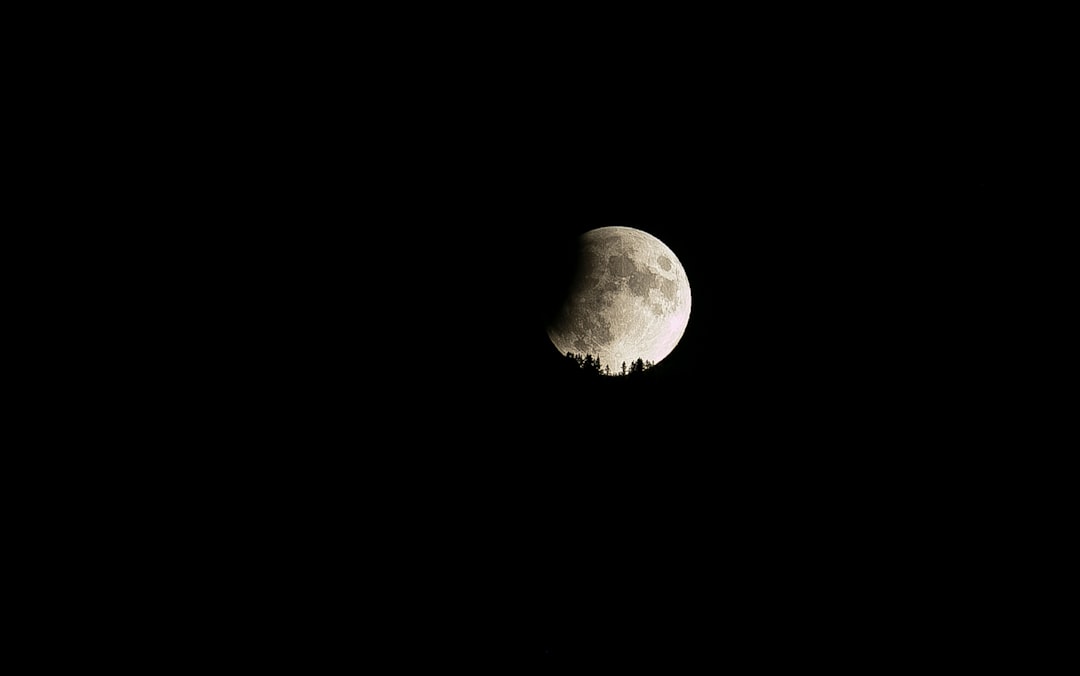
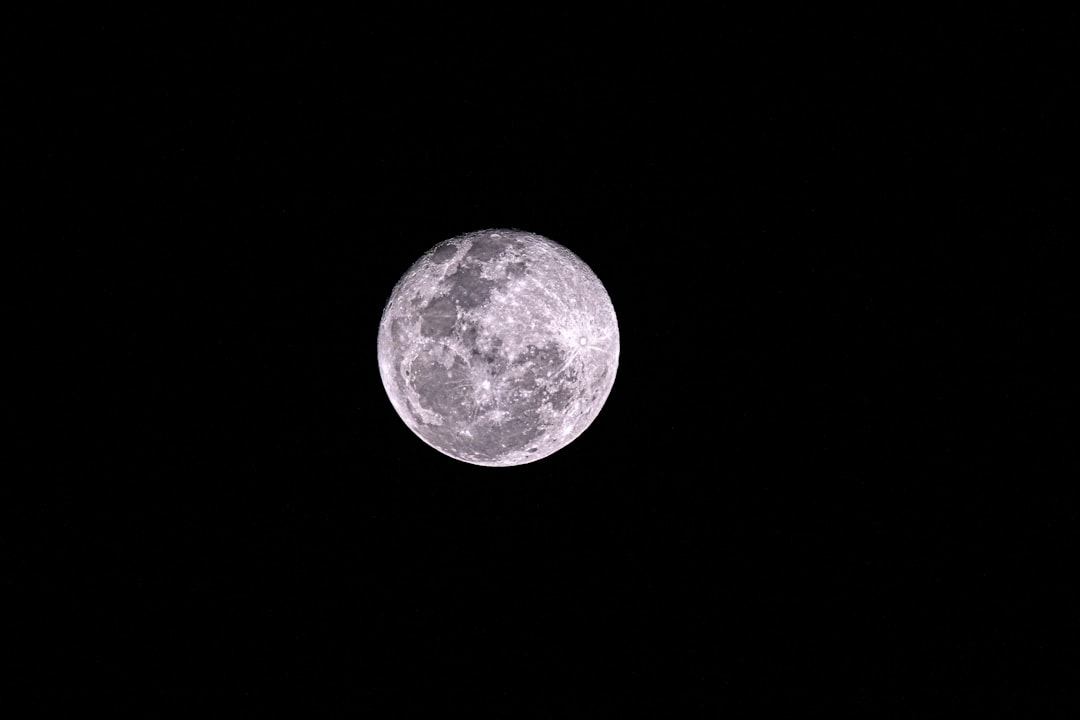
Our internal clocks are built to sync with cues, and light is the master signal. As the full Moon approaches, it rises closer to dusk, adding a sliver of natural light during the hours when our brains start gearing down. That extra glow can delay melatonin’s nightly rise, nudging bedtimes later and trimming total sleep. The shift is small, but even small delays can ripple into mood, hunger cues, and attention the next day. Think of it like a piano slightly out of tune – still beautiful, but a little off.
Gravitational pull makes ocean tides, but its direct effect on the fluid in your body is negligible compared with daily posture, movement, and blood pressure changes. Real lunar biology in humans likely lives in light-driven timing, not in cosmic tug-of-war. Meanwhile, other species give the Moon starring roles: corals mass-spawn by lunar cues, and some coastal worms keep a monthly rhythm even in constant lab light. Those examples show that circalunar clocks exist in nature, so the question for humans is how much we kept versus how much our cities replace. The answer so far points to a soft inheritance, not a hardwired metronome.
Global Perspectives: Rituals, Light Pollution, and Latitude
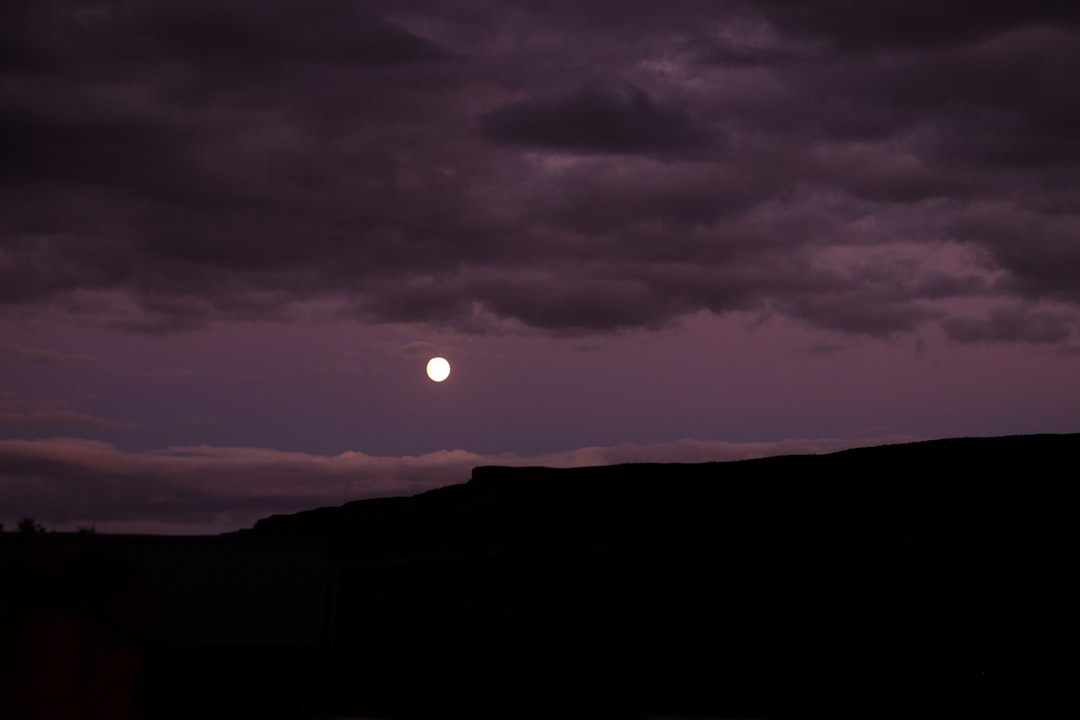
How strongly you notice the Moon depends on where and how you live. In rural settings with dimmer nights, lunar phases shape evening brightness more clearly, and people often report sharper mood or sleep changes. In dense cities, streetlights overwhelm moonlight, shrinking the lunar signal to a whisper. Cultural practices layer on top: festivals, night fishing, or community gatherings can cluster around bright nights, changing sleep for social reasons rather than biology alone. Real life rarely isolates variables, which is why diverse field studies matter.
Latitude matters too, because seasonal day length and twilight shape evening light far more than the lunar cycle. Near the equator, the Moon’s contribution can be steady and noticeable; in far northern winters, artificial light dominates everything after midafternoon. I grew up sketching the Moon from a porch where streetlights were absent, and those memories still color how I read the data. Geography writes context, and context decides whether the Moon whispers or speaks up. Any claim about lunar sensitivity needs that map in the margins.
Why It Matters
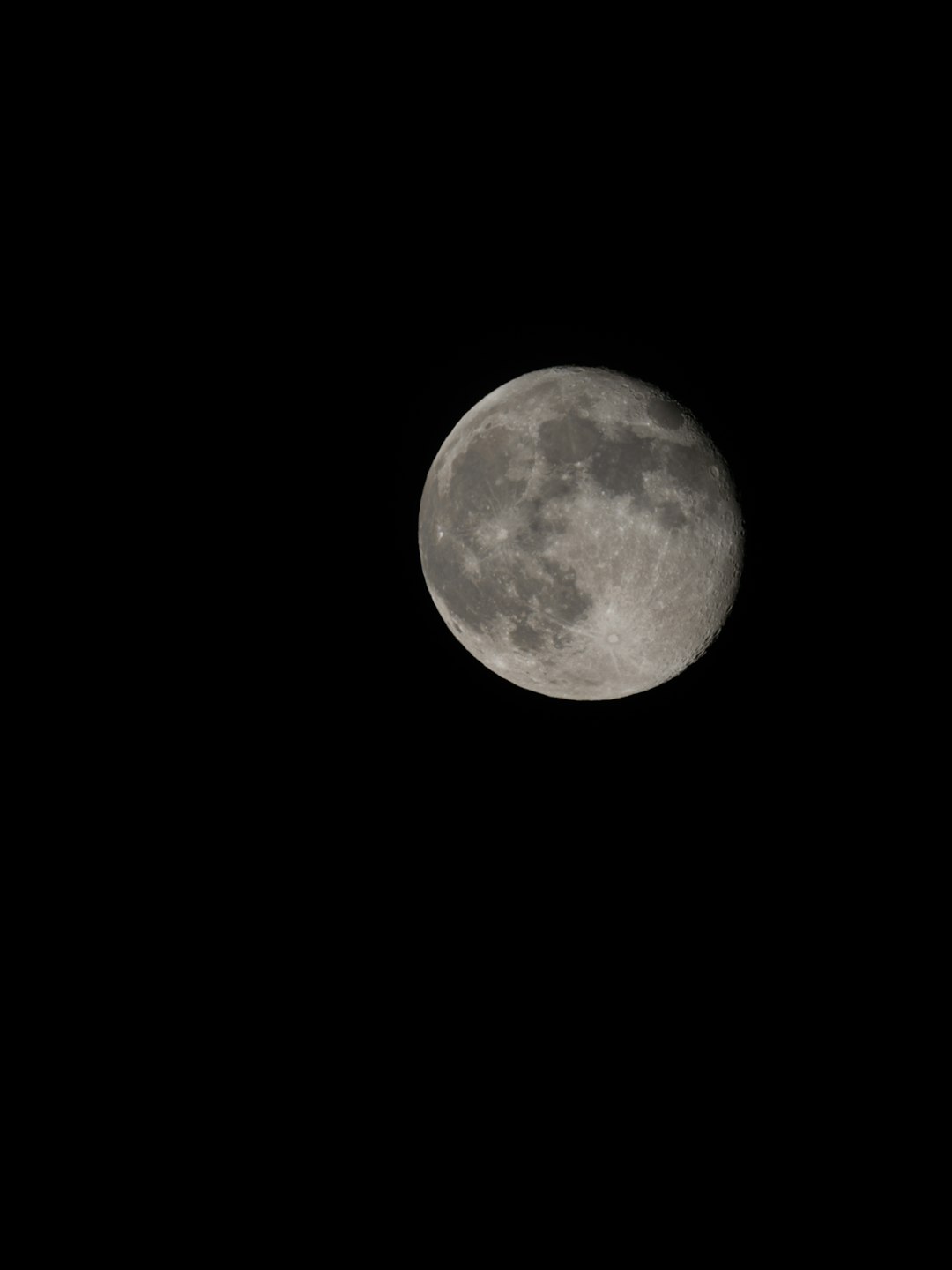
Understanding small lunar effects helps disentangle what’s biological from what’s behavioral. If a few evenings each month tend to push bedtimes later, clinicians and coaches can give better advice about light, screens, and routine. Compared with traditional sleep tips, a lunar-aware approach adds timing: plan earlier wind-downs in the days just before the full Moon, especially for teens and shift workers. That’s not superstition; it’s using an environmental forecast like you’d use a weather app. When biology and behavior point the same direction, habits get easier.
It also matters for public health and safety. Even small, predictable dips in sleep can nudge accident risk or reduce focus in classrooms the next morning. Schools, sports teams, and workplaces can test whether subtle lunar-aware scheduling improves outcomes in their communities. The broader scientific importance is methodological: the Moon is a natural experiment that teaches us to measure weak signals in noisy environments. Learning to do that well pays off across chronobiology, from jet lag to long-haul night work.
The Future Landscape
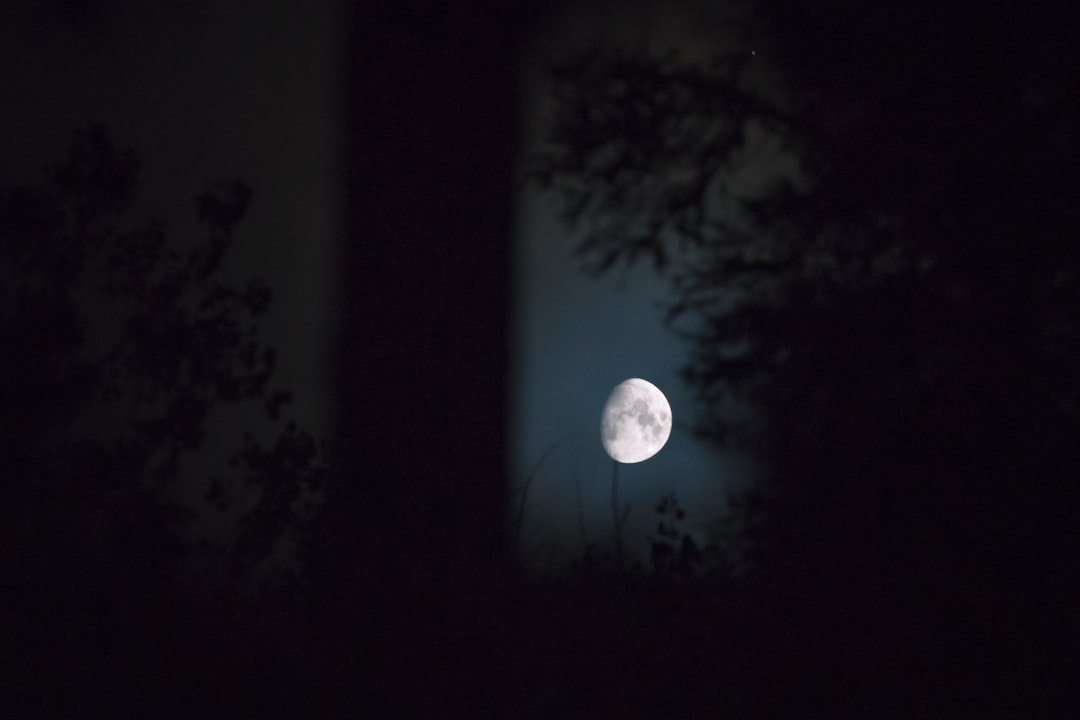
The next wave of answers will come from large, privacy-safe datasets that combine wearables, environmental light maps, and moon-phase timing. Machine learning can separate lunar effects from confounders like social events, weather, or power outages, letting researchers estimate what’s truly biological. Spectrally tuned home lighting may help people protect melatonin on brighter lunar evenings without turning their living rooms into caves. Clinical studies could test whether mood disorders with known light sensitivity show stronger lunar-linked fluctuations and whether tailored light hygiene helps. The goal isn’t to romanticize the Moon; it’s to make evenings work better for human brains.
Astrology can play a surprising role here as a cultural engagement tool. If people who identify with Cancer, Taurus, or the water signs are more motivated to track phases, they become ideal citizen scientists. With standardized logs, their observations can feed real datasets that probe expectation versus physiology. That partnership respects tradition while holding the line on evidence. It’s a bridge worth building.
Conclusion
Start a simple moon-and-sleep journal for one lunar month, noting bedtime, wake time, and how you felt the next morning. In the three evenings before the full Moon, dim household lights an hour earlier than usual and limit blue-rich screens to see if the change helps. If you already love lunar rituals, fold evidence-based steps into them: warm light bulbs, evening walks under natural light, and consistent wake times. Advocate for dark-sky practices in your neighborhood, since better night lighting helps wildlife, stargazing, and your melatonin alike. If sleep trouble persists, bring your journal to a healthcare professional and ask about light management strategies that fit your routine.
Suhail Ahmed is a passionate digital professional and nature enthusiast with over 8 years of experience in content strategy, SEO, web development, and digital operations. Alongside his freelance journey, Suhail actively contributes to nature and wildlife platforms like Discover Wildlife, where he channels his curiosity for the planet into engaging, educational storytelling.
With a strong background in managing digital ecosystems — from ecommerce stores and WordPress websites to social media and automation — Suhail merges technical precision with creative insight. His content reflects a rare balance: SEO-friendly yet deeply human, data-informed yet emotionally resonant.
Driven by a love for discovery and storytelling, Suhail believes in using digital platforms to amplify causes that matter — especially those protecting Earth’s biodiversity and inspiring sustainable living. Whether he’s managing online projects or crafting wildlife content, his goal remains the same: to inform, inspire, and leave a positive digital footprint.