Stranded by a washed-out trail, the phone dead, the wind switching directions – who keeps their head, conserves energy, and quietly finds water before nightfall? It’s the kind of wilderness moment that strips away pretense and spotlights instinct, grit, and judgment. Astrology isn’t a survival manual, but its archetypes offer a surprisingly vivid lens to talk about the real science of staying alive outdoors. By mapping zodiac traits onto evidence-backed skills – risk management, spatial navigation, thermal regulation strategies, and group dynamics – we can ask a playful question with serious undercurrents. The puzzle isn’t just who outruns a storm; it’s who plans, adapts, and endures when comfort collapses.
The Hidden Clues
What truly separates a survivor isn’t brute strength – it’s calm under pressure and smart energy budgeting. Wilderness medicine instructors often stress that panic burns precious calories and clouds judgment faster than cold air or steep terrain. In real rescues, people who pause, orient to landmarks, and set small goals tend to stabilize quicker than those who sprint in circles. That measured mindset sits at the heart of any zodiac sign’s outdoor fate.
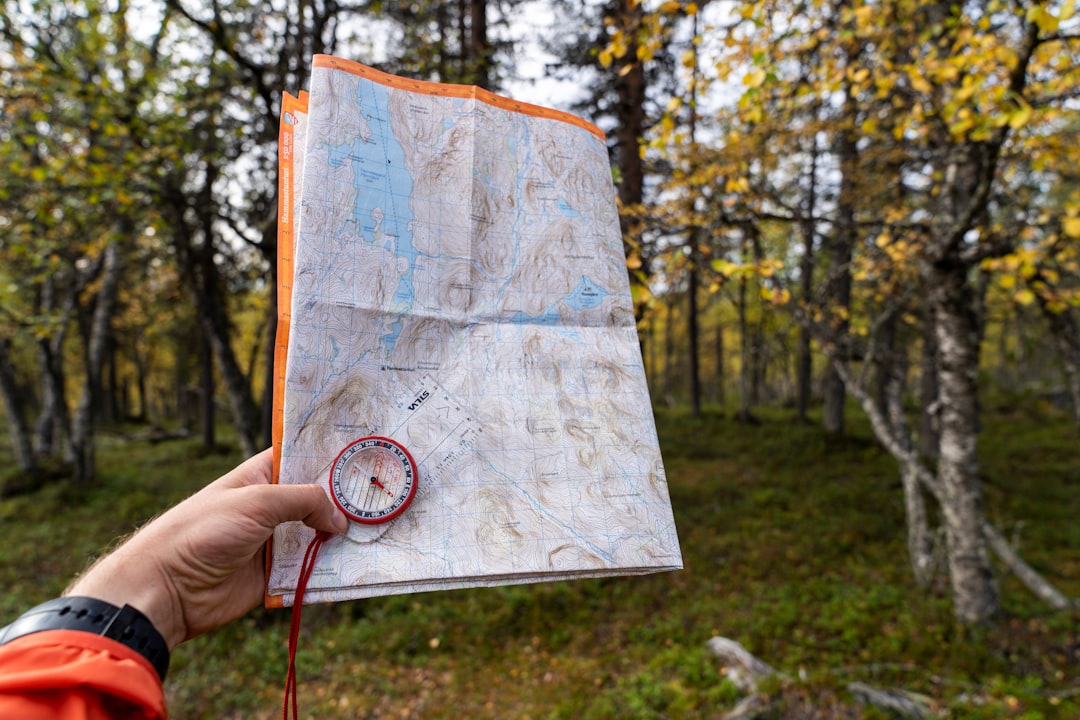
I learned this the hard way on a fog-thick ridge when a simple compass check saved an hour of backtracking and a lot of frayed nerves. The lesson felt painfully obvious: in the wild, attention is currency and patience is compound interest. Any sign that naturally defaults to assess-first, act-second earns an edge.
From Ancient Tools to Modern Science
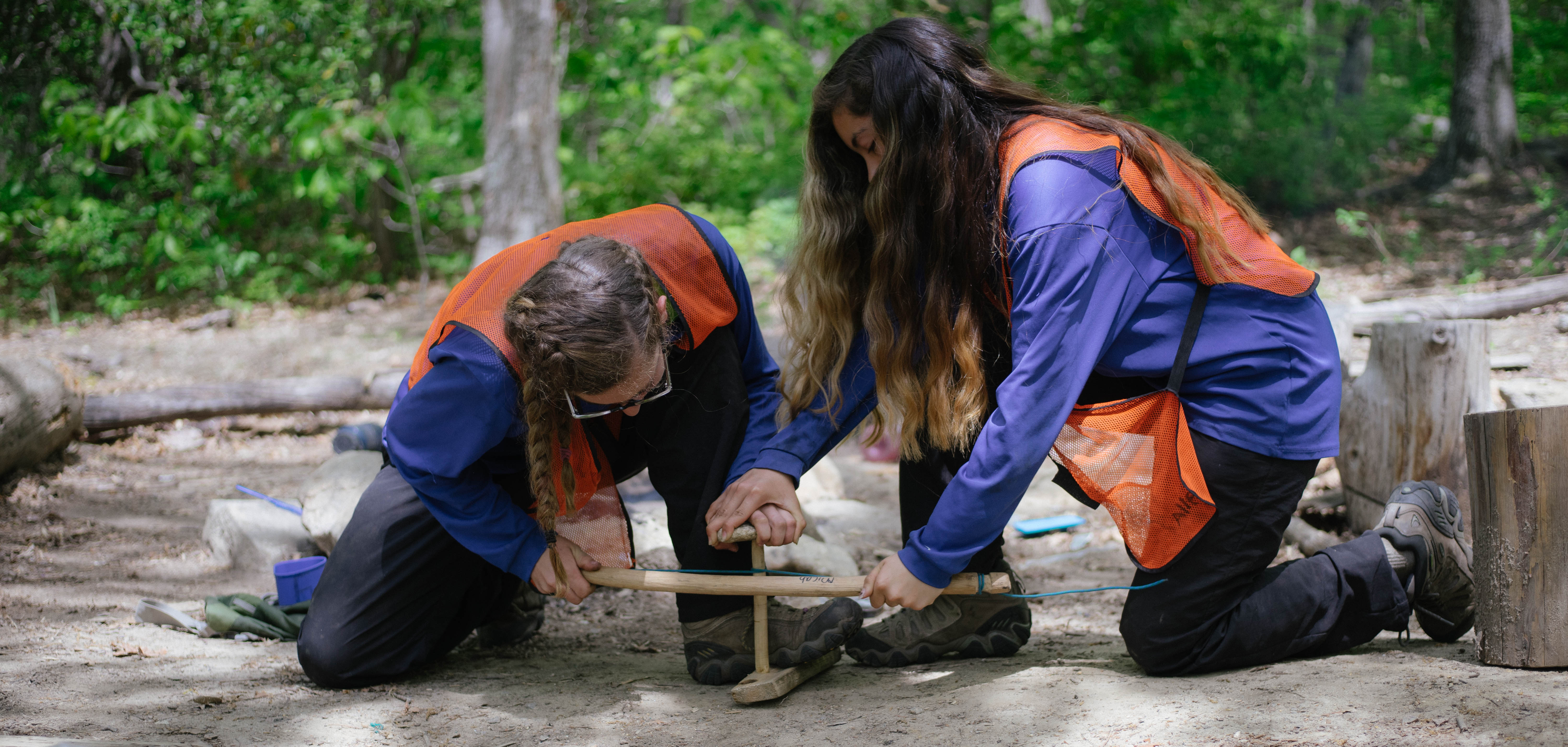
Strip survival to its basics and you get four pillars: find water, regulate temperature, avoid injury, and signal or self-rescue. Modern field studies add texture, showing how executive function, memory for routes, and risk calibration influence those pillars in the real world. Traits linked to conscientious planning support rationing, shelter-building, and systematic foraging, while cognitive flexibility helps when weather flips the script.
Meanwhile, comfort with discomfort – what some trainers call “embracing the suck” – helps people keep moving, even when wet, hungry, or cold. It’s the quiet endurance that lets someone reframe setbacks as signals, not stop signs. Across the zodiac, the archetypes that mirror these habits look suspiciously like the people who finish difficult expeditions intact.
Zodiac Archetypes, Measured Instincts

Astrology offers narrative shorthand: Scorpio as resourceful, Capricorn as disciplined, Virgo as methodical, Taurus as steady, Sagittarius as rover, Aries as bold. Psychology offers measurable anchors: planning, impulse control, novelty seeking, and stress tolerance. When you place the two side by side – carefully, and with the caveat that star signs aren’t science – you still get a usable framework for discussing survival tendencies without pretending horoscopes predict outcomes.
Think of it like a map overlay rather than a GPS fix. The archetype hints at a style; the science explains the mechanism. In the backcountry, that mechanism decides whether someone tests unknown berries or builds a debris shelter before dusk.
Field Tests and What They Reveal
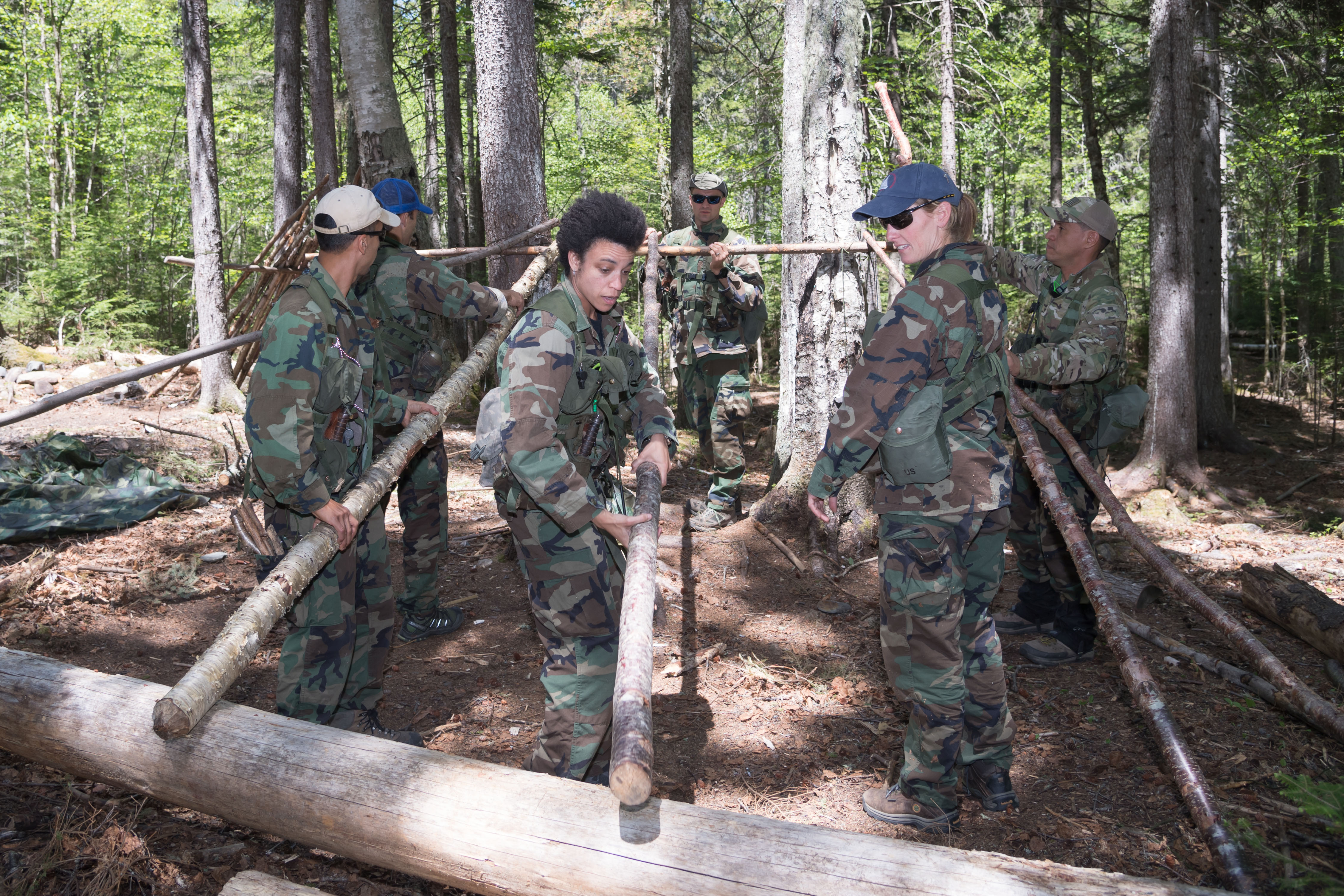
Simulated survival courses repeatedly show that small, disciplined actions pay outsize dividends: purifying water early, keeping layers dry, and logging landmarks as if each were a breadcrumb. People who externalize the plan – sketching a route, counting paces, noting wind direction – reduce surprises that spiral into emergencies. Consistent nutrition and heat management prevent errors that show up as “stupid-light” decisions when fatigue bites.
Group dynamics matter just as much. Teams that communicate clearly and assign roles – navigator, fire tender, lookout – waste less energy and argue less when conditions shift. In that ecosystem, a zodiac style that likes quiet leadership and steady delegation can keep everyone out of the red zone.
Risk, Grit, and Calm: The Shortlist
Give each archetype a survival scorecard and a pattern emerges. Capricorn’s discipline, Scorpio’s resourcefulness, Virgo’s systems-thinking, Taurus’s stamina, and Sagittarius’s navigation itch all look promising in different terrain. Aries brings decisive action that can save minutes when minutes matter, though it benefits from a partner who reins in overreach.
If I had to place a field bet, Scorpio edges ahead on composite survival value: strategic secrecy for food and water sources, cool crisis management, and a knack for reading shifting variables. Capricorn runs a close second by sheer planning, rationing, and grit over days, not hours. Virgo keeps gear and tasks ruthlessly organized, which quietly prevents the mistakes that sink otherwise strong contenders. In short: Scorpio by a nose, Capricorn breathing down its neck, with Virgo, Taurus, and Sagittarius as terrain-specific specialists.
Why It Matters
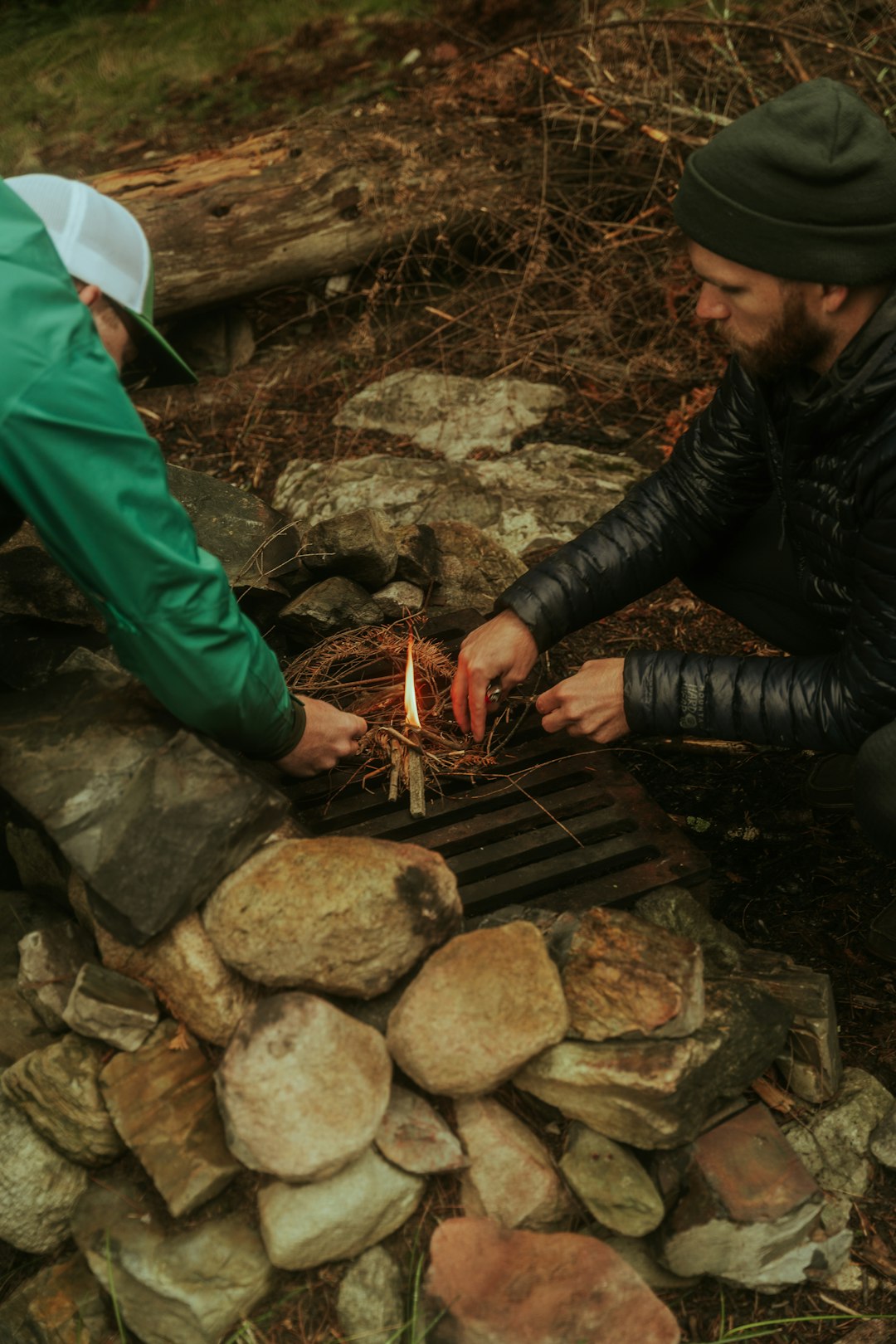
This isn’t about which sign is better – it’s about translating colorful archetypes into actionable skills the rest of us can learn. Traditional “be tough” advice often misses the invisible skills that truly stretch survival time: memory for routes, risk thresholds aligned to conditions, and the habit of pre-planning shelter. Framing the conversation through zodiac language brings more people into the tent, especially those who might tune out dry manuals.
The scientific angle keeps us honest. Preparation is teachable, not mystical; it’s checklists, rehearsed routines, and calm cognition under load. When astrology becomes a doorway to skills practice rather than a verdict, it serves the one goal that matters outside: getting home.
The Future Landscape

The wild is changing fast: longer fire seasons, sudden floods, and heat spikes that move the goalposts in a single afternoon. Advanced wearables that monitor metrics related to dehydration and hypothermia risk are beginning to emerge, giving real-time nudges to slow down, add layers, or rest in shade. Compact satellite communicators now fit in a pocket, shrinking rescue timelines when plans crumble.
But technology only multiplies judgment already in place. The survivor of 2025 blends analog skills – map, compass, shelter craft – with digital helpers to avoid brittle overreliance. Whatever your sign, the future favors the mindset that rehearses both, so adaptation feels like muscle memory when the weather turns.
From Ancient Tools to Modern Science, Revisited

Our ancestors carried a mental toolkit we still need: read the sky, track water by vegetation, and build fire from what’s at hand. Modern science refines those instincts, showing why dry fuel, airflow control, and heat reflection ramp efficiency when temperatures plummet. The same logic guides hydration and salt balance after long climbs, which protects decision-making when terrain starts to feel like a maze.
Here’s the quiet truth: the best survivors remove luck from the equation piece by piece. They do first things first – shelter, heat, water – and keep a margin for the unknown. In zodiac terms, that’s Scorpio’s poker face paired with Capricorn’s ledger and Virgo’s labels, carried by Taurus’s patience and Sagittarius’s horizon line.
Global Perspectives
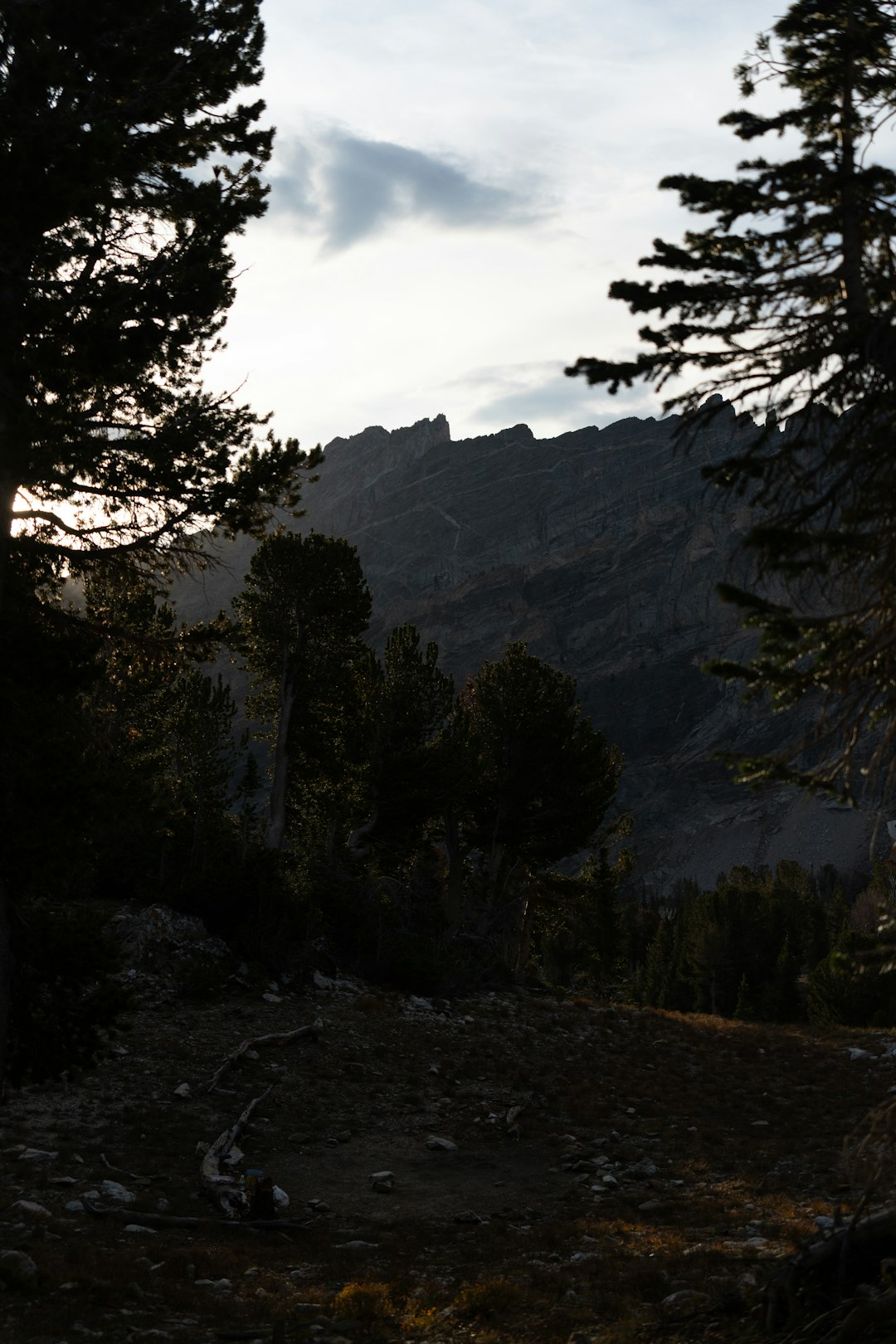
Deserts reward slow, shaded movement and a hawk’s eye for microclues like green shrubs or insect traffic near seep springs. Alpine zones flip the script, demanding windproof shelter and relentless heat management to outlast exposure. Coastal survival often turns on tides, signaling decisions about when to move, fish, or wait for rescue.
Cultural knowledge shapes the playbook too, from indigenous fire practices to local navigation heuristics anchored in stars, swell, and soil. The more diverse your mental library, the more routes you see under stress. In that sense, the “winning sign” is anyone who curates a global set of habits before stepping off the pavement.
Call to Action
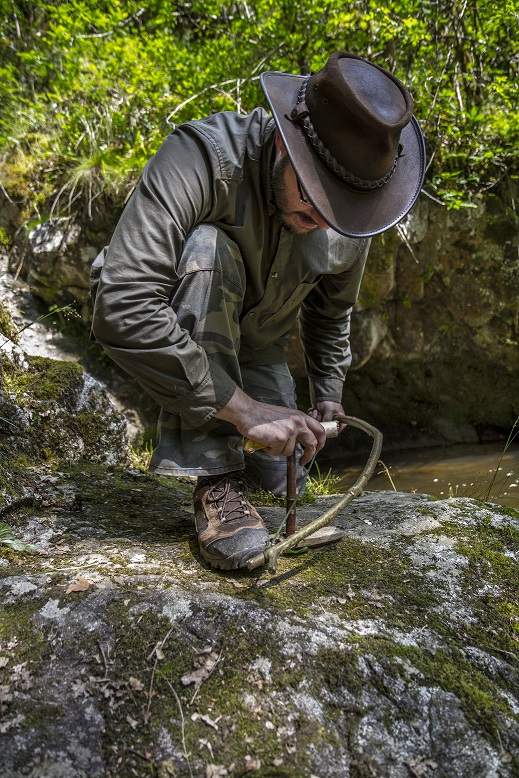
Turn the archetype into action this week. Pack a pocket survival kit, learn to start a fire three ways, and practice a five-minute shelter drill in your backyard. Walk your neighborhood with a map and compass, not a phone, and teach a friend how to triangulate a landmark.
Set a calm-first rule for yourself: stop, breathe, observe, plan – then move. Whether you feel like a Scorpio strategist or a Capricorn planner, you can train the habits that stretch survival time when comfort disappears. In the wild, the stars won’t pitch your tent, but the skills you practice will – so which instincts will you sharpen first?
Suhail Ahmed is a passionate digital professional and nature enthusiast with over 8 years of experience in content strategy, SEO, web development, and digital operations. Alongside his freelance journey, Suhail actively contributes to nature and wildlife platforms like Discover Wildlife, where he channels his curiosity for the planet into engaging, educational storytelling.
With a strong background in managing digital ecosystems — from ecommerce stores and WordPress websites to social media and automation — Suhail merges technical precision with creative insight. His content reflects a rare balance: SEO-friendly yet deeply human, data-informed yet emotionally resonant.
Driven by a love for discovery and storytelling, Suhail believes in using digital platforms to amplify causes that matter — especially those protecting Earth’s biodiversity and inspiring sustainable living. Whether he’s managing online projects or crafting wildlife content, his goal remains the same: to inform, inspire, and leave a positive digital footprint.