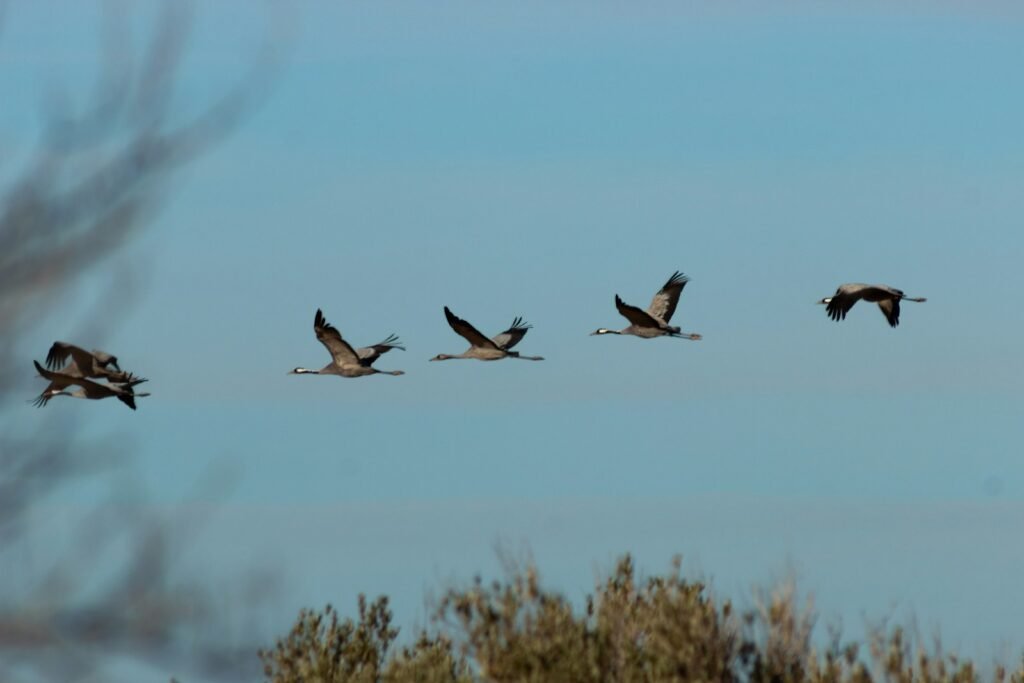

Every autumn and spring, the night sky above our cities fills with unseen travelers – feathered bodies skimming jet streams, threading the needle through storms, lights, and predators. The mystery that keeps biologists up late is simple to ask and hard to solve: what makes them go? And for those of us glued to the ground, which human spirit mirrors that sky-borne restlessness? The comparison is playful, but it points to something real: a temperament wired for horizons, not fences. That tension between myth and measurement is where this story lives, and it’s where science is moving fastest.
The Hidden Clues
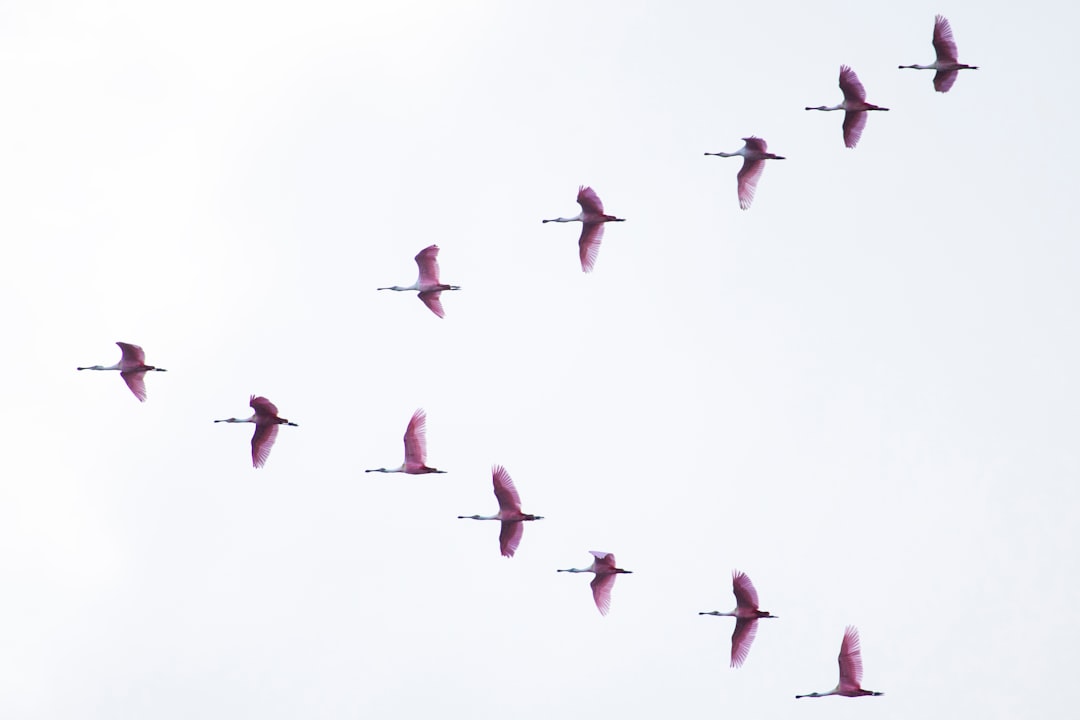
What drives a bird to launch into darkness and fly for hours, even days, without stopping? Scientists have a term – migratory restlessness – that shows up in captive birds right on schedule, as if their internal calendar refuses to sit still. I’ve watched that same jittery energy at a migration watchpoint: a sudden spill of warblers at dawn, as if the trees themselves were exhaling color. Weather radar catches it too, rendering the sky as a living map when cities dim and the air cools. Those shimmering rings over urban centers at midnight are not storms; they’re birds taking the night highway.
Under the feathers, bodies change dramatically before departure. Many species double their fat stores, their flight fuel, while muscles remodel for endurance like athletes entering peak season. The timing is precise enough to ride tailwinds and dodge headwinds, which can mean the difference between a smooth overnight hop and a lethal ocean crossing. Even the moon matters, nudging the night with extra light and bolder choices. Migration looks like chaos from below, but it’s choreography written in biology.
From Ancient Stories to Modern Science
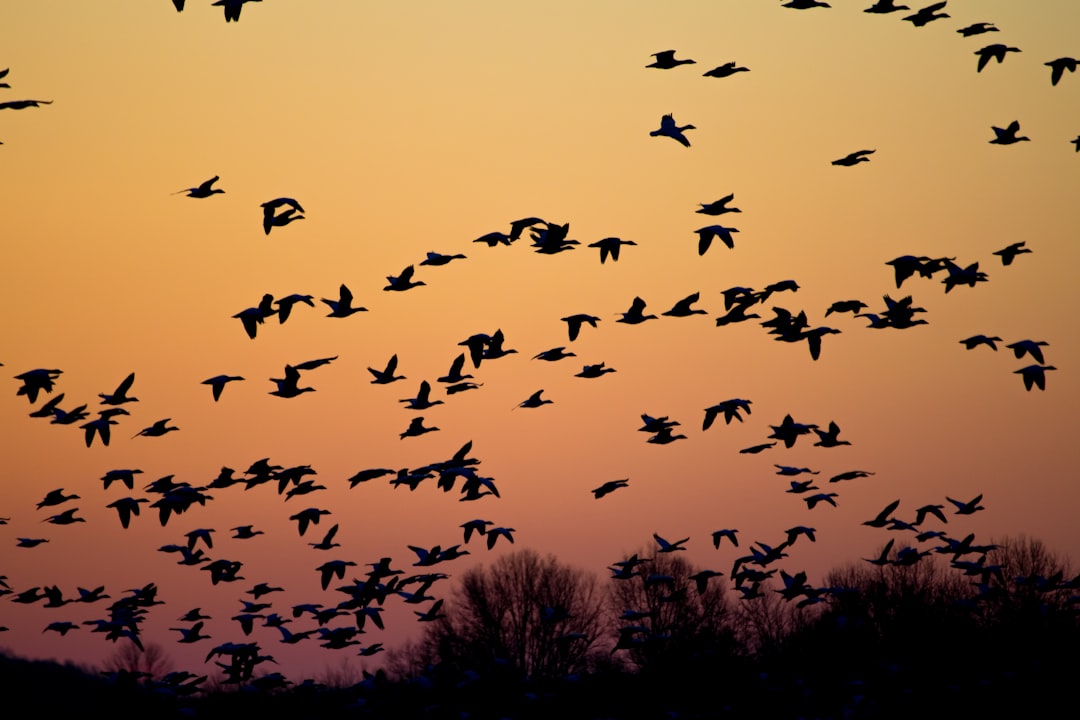
Long before radio tags, fishers and sailors treated migrating birds as living compasses, hinting at coasts long before land appeared. Early naturalists argued about whether swallows hibernated underwater or vanished to unknown continents – because the truth, seasonal intercontinental travel, sounded impossible. Then came banding, a humble metal ring that quietly turned anecdotes into maps. In the last two decades, the leap has been astonishing: satellite tags, nano-GPS, light-level geolocators, and continent-scale radio networks that can hear a warbler the size of a ping-pong ball. The result is a golden era of bird movement science.
Weather surveillance radar, designed for storms, now doubles as a migration observatory. Machine learning sifts through the nocturnal traffic, predicting heavy flight nights the way a commuter app forecasts rush hour. By blending ground observers, automated receivers, and satellites, researchers stitch together a journey from backyard shrubs to the edge of the world. That integration is cracking old mysteries – how young birds chart first routes, how adults fine-tune detours, and where the invisible bottlenecks truly are. It’s not magic; it just feels that way when the data finally lines up.
The Sagittarius Parallel
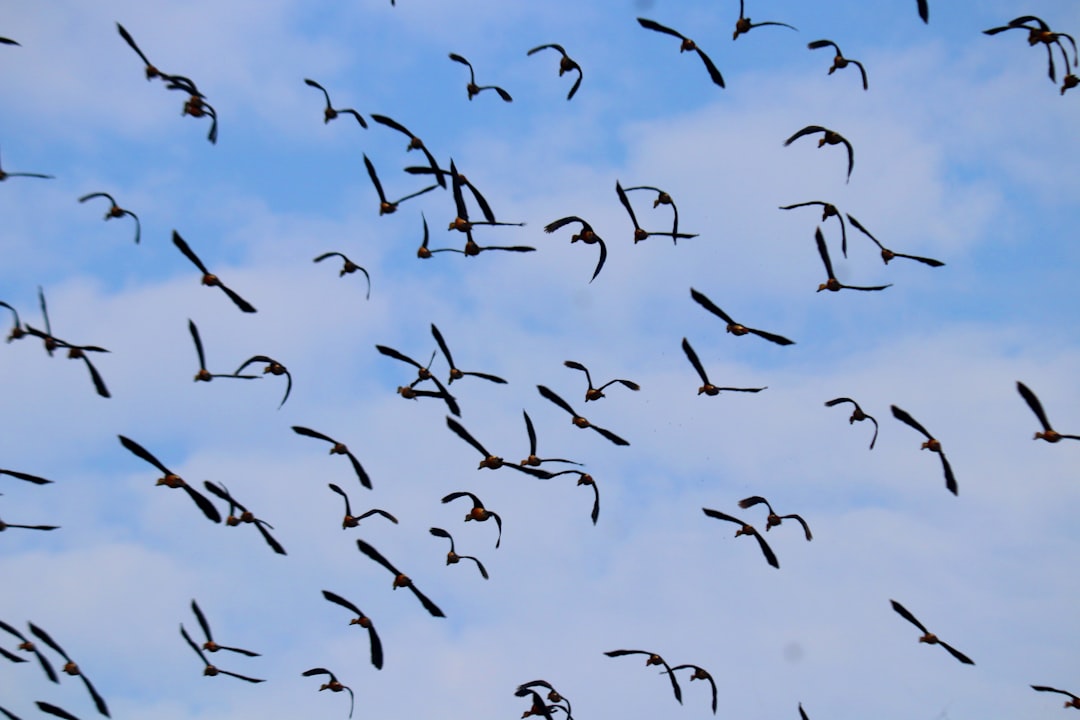
If the zodiac needs a migratory mascot, it’s Sagittarius – the archer known for chasing the far horizon rather than circling the same field. The fit is metaphor, not measurement, but it’s striking: bold departures, appetite for distance, and a stubborn belief that the next ridge hides a better view. Migratory birds carry that same forward tilt, spring and autumn, year after year, as if the map in their head is more compelling than the comfort behind them. Think of Sagittarius as the editor’s note on a scientific feature: a human shorthand for the wild urge to move. It frames curiosity as a virtue and restlessness as a tool.
That framing matters because it softens a false divide between myth and science. The zodiac gives us language for temperament; biology shows us the machinery underneath. When we talk about a sign that can’t sit still, we’re really talking about clocks, senses, and ecosystems snapping into alignment. The wonder is shared, even if the methods differ. Honest awe can come wearing a lab coat or a star chart.
Engines of Restlessness
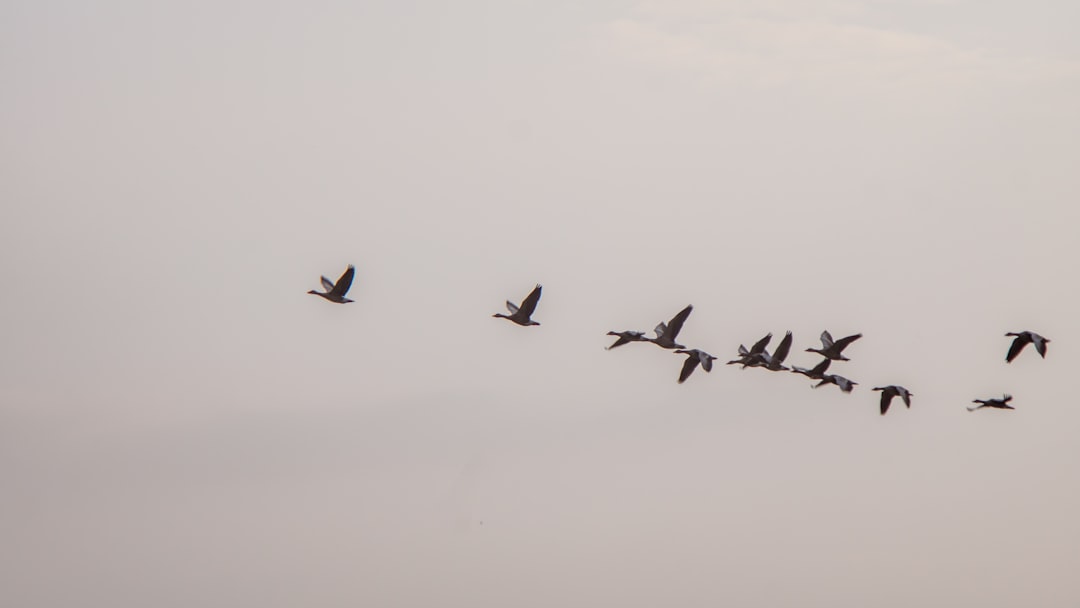
Inside a migrant’s body, timekeeping is everything. Specialized brain regions and hormonal cycles cue the season, while daylight length flips internal switches that ramp up appetite and drive. Fat becomes flight fuel, layered densely beneath the skin, and the gut speeds digestion before shrinking mid-journey to save weight. Genes nudge details like timing and distance; in some species, variants track with longer routes, hinting at heritable roadmaps threaded through DNA. That’s why captive birds still pace at midnight in spring and fall, as if tugged by an invisible string.
Physiology protects the engine during extreme efforts. Red blood cells shift oxygen-carrying capacity, and oxidative stress buffering kicks into higher gear to keep muscles from fraying. Heart and flight muscle hypertrophy slightly, primed to hum for hours without sputter. Even sleep changes, snipped into micro-rests while on the wing or banked before takeoff. Strip away the romance and what remains is still miraculous: a small body engineered for long-distance resilience.
How They Find the Way
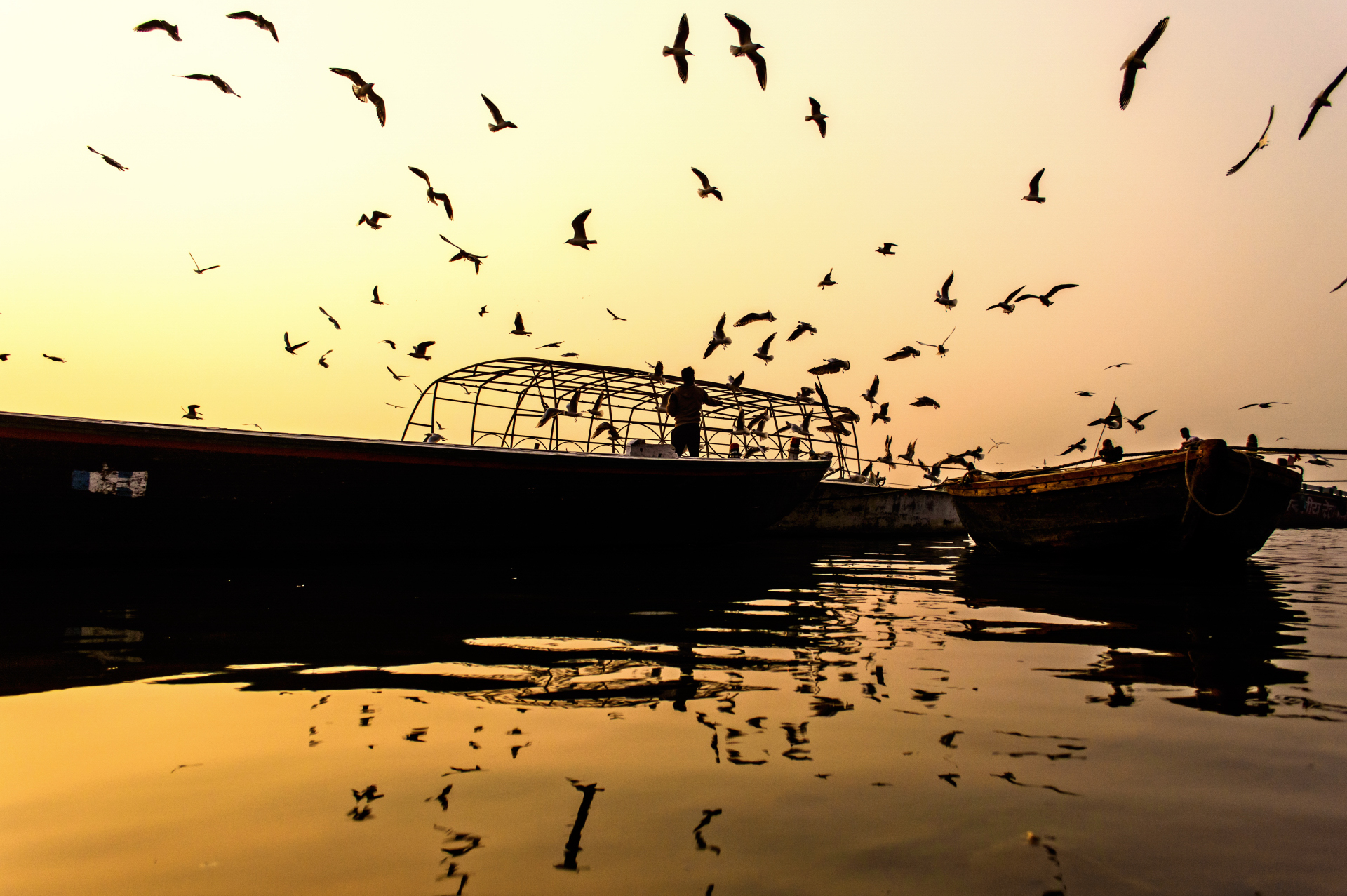
Navigation is a layered playbook, not a single trick. Birds sample the sun by day and stars by night, calibrate a built-in compass at dawn and dusk, and sense Earth’s magnetic field through specialized photochemical reactions in the eye. Landmarks, scents, and wind patterns fold in too, turning the journey into a running negotiation with the world. Young birds often fly a first draft of the route, guided by inherited bearings, while adults refine it year after year like seasoned pilots.
Some feats border on the unbelievable even after the instruments confirm them. Shorebirds stitched to lightweight trackers make nonstop ocean hops that would shame a small aircraft. Songbirds barely heavier than a few coins lift off from the Northeast and ride winds over open water to the Caribbean in a single push. Raptors surf thermals across deserts, hopping mountain ranges with the ease of a commuter clearing a turnstile. The skill is learned, inherited, and endlessly practiced across thousands of miles.
Global Perspectives
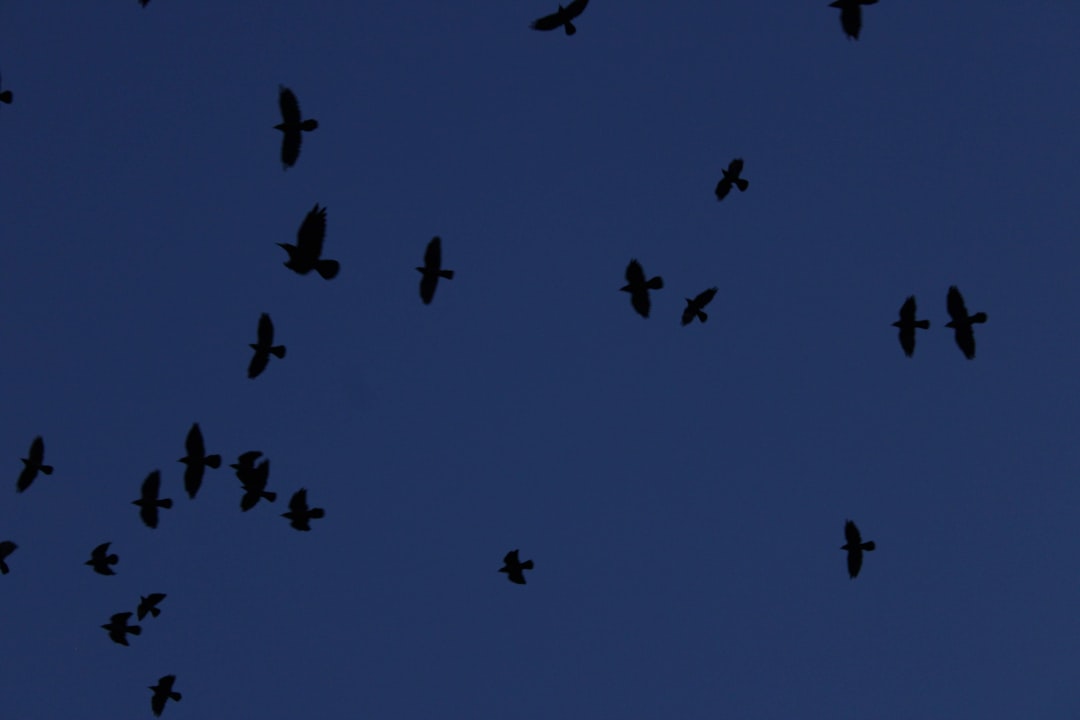
Migration is a planetary negotiation, routed along great flyways that link Arctic tundra, temperate forests, tropical mangroves, and open oceans. Decisions made in one bay ripple along the chain; a lost wetland in East Asia can echo as a missing shorebird in Alaska. Urban skylines complicate night travel, with glass and light pulling birds off safe paths the way neon pulls moths. Conservationists push lights-out nights during peak seasons, and it works – fewer distractions, fewer collisions, more birds making it to dawn. Each city that dims is a small correction to the map.
We’re also learning that timing is shifting as springs come earlier and autumns linger. Birds that once arrived into a well-set table may now hit mismatched peaks, like a traveler reaching a buffet after the trays are cleared. Agricultural cycles, insect blooms, and water levels are all moving targets. The winners adjust quickly; the stragglers shrink or vanish from familiar routes. Global change doesn’t erase migration – it rearranges it, sometimes brutally.
Why It Matters
Migration is one of Earth’s grandest flows of energy and nutrients, and breaking it breaks more than memories. Birds move seeds across continents, prune insect populations, and feed predators in punctuated pulses that shape entire ecosystems. For farmers, those pulses can mean quieter pest seasons; for coastal communities, they’re seasonal tourism and cultural touchstones. Measured against that, losing a stopover is like slicing pages from a shared family album. The science is not a hobby – it’s maintenance on a life-support system.
There’s also a deeper lesson about how we ask questions. Old-school field notes and new-school sensors are not rivals; they’re lenses that sharpen each other. Where we once guessed, we can now test; where we once generalized, we can now map. And that makes the Sagittarius analogy more than a clever line: curiosity, carried far enough, becomes infrastructure. We study because the answers keep the sky in motion.
The Future Landscape
Tiny tags keep getting tinier, and each gram shaved opens doors to species once considered untrackable. AI models already translate radar echoes into nightly migration forecasts, letting cities plan lighting and wind energy more intelligently. Satellites expand coverage over oceans and remote deserts, the blank spaces that swallow most of the story. The next frontier is integration – linking weather, habitat, genetics, and behavior into living maps that update in near real time. That’s how we’ll spot bottlenecks before they fail and intervene while fixes still matter.
Challenges remain stubborn. Data gaps are vast outside wealthy regions, and the birds don’t carry passports through geopolitical friction. Renewable energy must be sited with movement in mind, or we will trade one harm for another. Funding cycles are short; migrations are forever. The arc is hopeful only if we keep bending it.
Conclusion
There’s useful work for anyone willing to join the flock. Turn off or shield outdoor lights during peak spring and fall nights, and support bird-safe glass in local building codes. Plant native shrubs and trees that offer fruit and insects at the right times, then let leaf litter do the quiet work of feeding caterpillars. Check nightly migration forecasts and lend your observations to community science platforms; one careful checklist can anchor a thousand-sensor model. Back organizations protecting wetlands and coastal stopovers, the small hinges that swing long journeys.
The metaphor matters too. Keep the Sagittarius spirit alive by staying curious, by making room for movement in the places you live, and by treating restlessness as a signal to learn, not just to go. If we make the night sky a little safer and the map a little kinder, the travelers will handle the rest. Will you help keep the route open?
Suhail Ahmed is a passionate digital professional and nature enthusiast with over 8 years of experience in content strategy, SEO, web development, and digital operations. Alongside his freelance journey, Suhail actively contributes to nature and wildlife platforms like Discover Wildlife, where he channels his curiosity for the planet into engaging, educational storytelling.
With a strong background in managing digital ecosystems — from ecommerce stores and WordPress websites to social media and automation — Suhail merges technical precision with creative insight. His content reflects a rare balance: SEO-friendly yet deeply human, data-informed yet emotionally resonant.
Driven by a love for discovery and storytelling, Suhail believes in using digital platforms to amplify causes that matter — especially those protecting Earth’s biodiversity and inspiring sustainable living. Whether he’s managing online projects or crafting wildlife content, his goal remains the same: to inform, inspire, and leave a positive digital footprint.