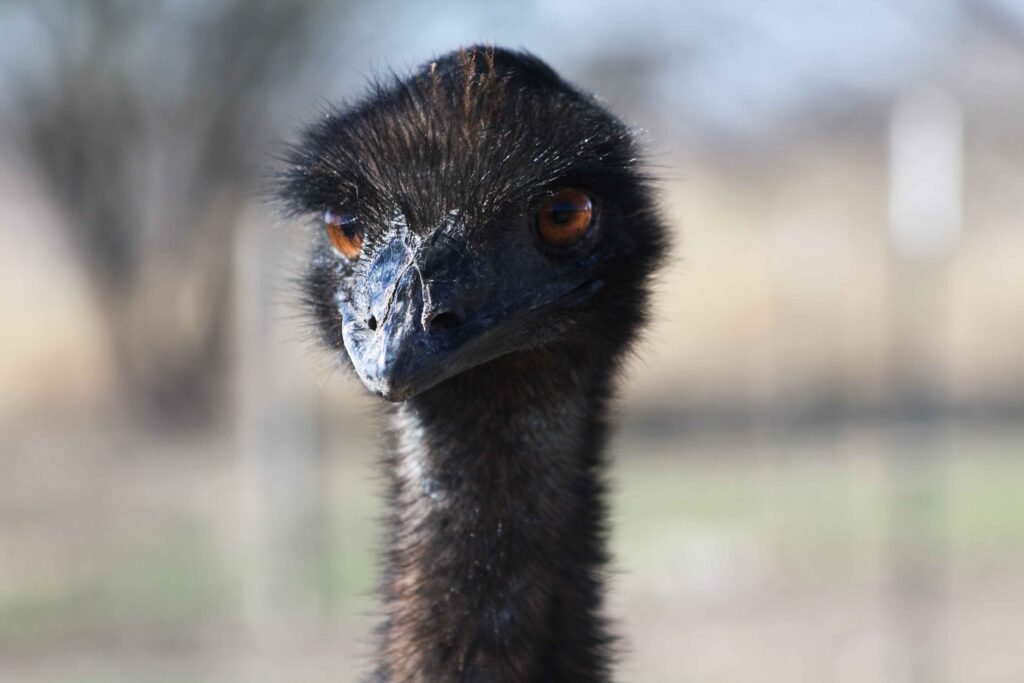

Music isn’t just background noise; it’s a mirror held up to our nervous system. Scientists studying personality and perception have long noted that the songs we return to again and again tend to echo how we process emotion, risk, and social connection. Biologists, meanwhile, watch animals move and signal in rhythms that keep groups together or prime hunters to strike. Put the two together and a surprising pattern emerges: your go-to genre points to an animal signature, not as superstition, but as a living metaphor grounded in behavior and brain science. The mystery isn’t whether music reveals us – it’s how far that revelation goes.
From Ancient Symbols to Modern Science

What if your playlist is a biological fingerprint hiding in plain sight? Long before psychology had surveys and brain scans, people mapped human temperaments onto animal figures to make sense of courage, caution, curiosity, and play. Today, researchers use personality inventories, acoustic analysis, and even heart-rate variability to link music preferences with traits like novelty seeking, empathy, and need for structure. Rhythms entrain movement; melodies steer attention; timbre colors mood. The step from mythic totem to measurable pattern isn’t a leap – it’s a dataset.
Consider how tempo and loudness influence arousal systems that lean on dopamine and norepinephrine, nudging us toward action or calm. Group singing and synchronized beats can trigger bonding hormones and trust, the same currencies that keep social animals coordinated. I once tried pairing my chaotic college playlist with animal behaviors for a class talk, and the matches were startlingly consistent. The more I dug into papers on rhythm, reward, and personality, the less those pairings felt whimsical and the more they read like signals. That’s the spirit behind the matches below – symbolic, yes, but anchored to how brains and bodies actually move.
Rock and Raptors: High-Intensity Seekers

Cranked guitars, double-kick drums, and a taste for crescendos often go hand in hand with comfort in high-energy environments. Studies of music preference frequently find that fans of intense, guitar-driven styles score higher on sensation seeking and gravitate toward novelty, complexity, or speed. In the wild, raptors embody that state: laser-eyed focus, explosive acceleration, and a tolerance for risk when diving on prey. Their success rides on sharp prediction and micro-timed adjustments – much like a listener who thrills at intricate riffs and unexpected breakdowns.
Biologically, faster tempos can heighten physiological arousal, nudging heart rate and attention upward, which some people find exhilarating rather than overwhelming. The sound becomes a training ground for precision under pressure, a soundtrack for the body’s ready mode. If your happiest place is a wall of sound where everything hits at once, the raptor’s edge is your signature. It’s not about aggression; it’s about control in the storm.
Pop and Dolphins: Social Synchronizers

Pop’s secret power isn’t just a catchy hook; it’s coordination. Lively tempos, bright timbres, and repeating choruses invite group movement and shared memory, key ingredients of social bonding. Psychologists often link this preference to higher sociability and reward sensitivity – the kind of wiring that lights up when everyone sings the same line at the same time. Dolphins capture that vibe in nature: they trade signature calls, synchronize turns, and plan hunts with split-second choreography.
Neurologically, tight rhythmic predictability reduces cognitive load, freeing space for connection, dance, and playful improvisation. The chorus becomes a gathering place, a sonic town square where belonging feels easy and immediate. If you live for songs that pull strangers into instant harmony, your spirit animal swims in pods – sleek, witty, and always listening for the next cue. Pop isn’t trivial; it’s social physics you can hum.
Hip-Hop and Foxes: Agile Storytellers
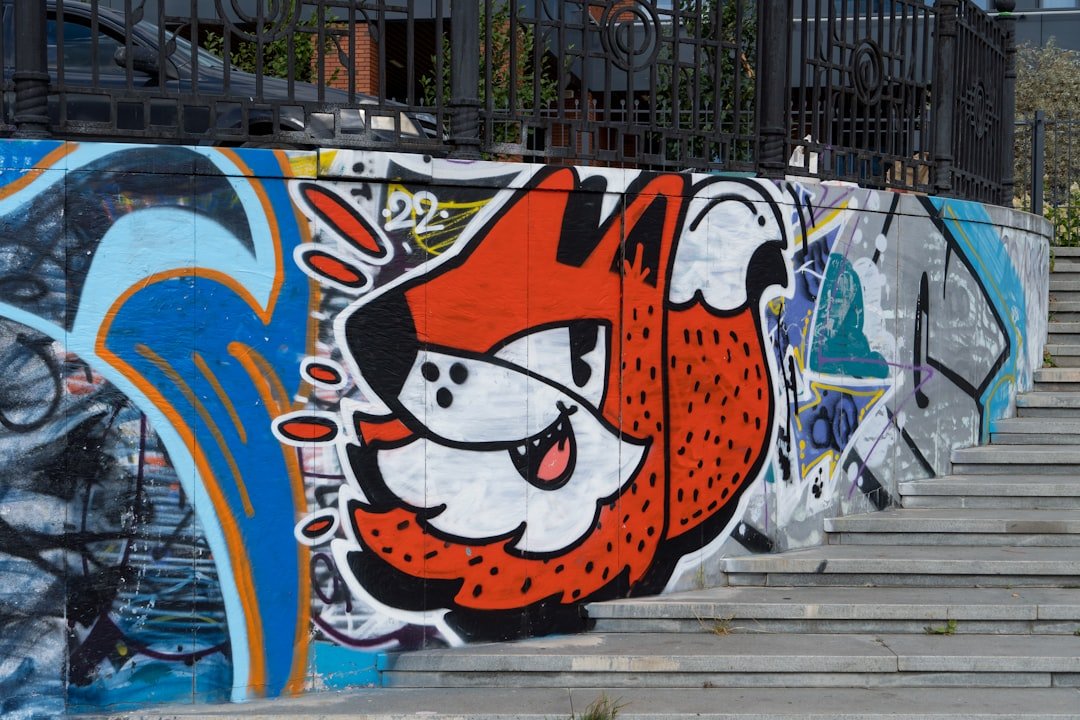
Hip-hop thrives on flow, narrative, and beat-driven ingenuity – music that flips constraints into creativity. Preference studies often associate rhythmic sophistication and lyrical focus with curiosity, verbal play, and comfort with ambiguity. Foxes mirror that energy in the field: adaptable, opportunistic, and quick to revise a plan when the environment changes. They succeed by noticing small patterns others miss, then threading a clever route through noise.
In cognitive terms, beat entrainment sharpens timing and speech-motor coupling, while word-dense verses reward attention and memory. The listener leans forward, tracking nuance and anticipating the pivot. If you love the snap of a snare that hits just late enough to swagger, you’re thinking like a fox – alert at the margins, ready to dart when the groove opens a lane. The hunt here is for meaning, and the prize is style.
Classical and Owls: Cognitive Explorers
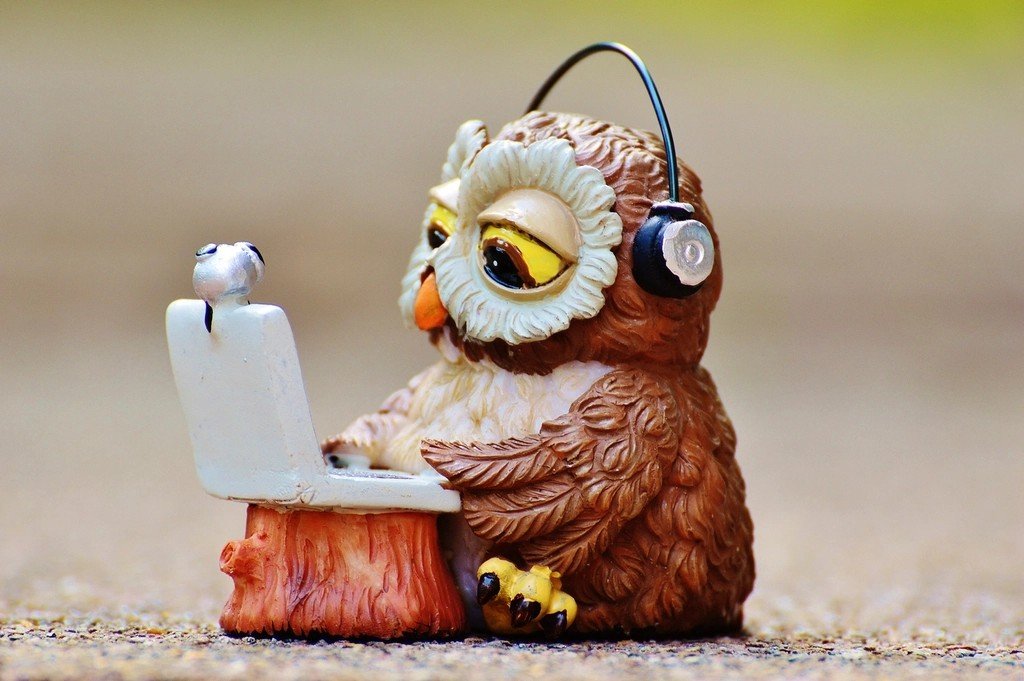
Classical fans often gravitate toward structure, long-form development, and timbral detail – the slow burn of themes morphing over time. Personality research regularly links these tastes with openness to experience and a comfort with contemplation. Owls don’t carry the world’s wisdom, but their hunting reveals astonishing selective attention: they isolate faint signals, lock in, and act with exquisite timing in the dark. That’s what complex forms invite – a patient ear that can hold a plan and savor the turn.
Biologically, extended arcs and dynamic shading encourage deep listening, which taps networks tied to prediction and error correction. The brain enjoys being right just as much as it enjoys being surprised, and symphonic writing deals both cards. If your favorite moments happen in the space between phrases, you share the owl’s calm precision. Quiet doesn’t mean empty; it often means everything important is happening underneath.
Why It Matters
Linking genres to animal signatures isn’t a party trick; it’s a framework for understanding how different nervous systems chase reward, avoid overload, and build community. Traditional personality tests can feel abstract, while music gives us a living, daily measure of preference under real conditions. This matters for mental health, education, and even teamwork, where soundscapes can be tuned to focus, creativity, or cohesion. Consider a few pragmatic signals embedded in the research-driven patterns:
• High-intensity tracks may suit tasks demanding urgency and sustained alertness, while gentler textures can support recovery and deep work. • Rhythmically tight, predictable music can reduce social friction and speed group coordination during collaborative efforts. • Complex, evolving pieces can train attention and patience, useful in learning environments that reward long-horizon thinking. In short, knowing your musical animal helps you choose the right habitat – workflows, spaces, and rituals that match your biology instead of fighting it.
The Future Landscape

Next-generation recommendation engines are already mixing acoustic features with mood check-ins, but the frontier is biofeedback: heart rate, movement, and even skin conductance adjusting playlists in real time. Imagine a wearable that senses overstimulation, then nudges you from raptor mode to owl mode before burnout hits. Cross-cultural studies will broaden the map, testing whether these animal metaphors hold across languages, cities, and sound traditions. There are challenges: privacy trade-offs, algorithmic bias that narrows taste, and the risk of turning art into mere data.
Still, the science is moving toward personalization that respects both agency and physiology. The goal isn’t to pigeonhole listeners; it’s to give them levers. When music, biology, and behavior talk to each other, we get tools that feel less like prescriptions and more like informed choice. That’s a future where playlists become adaptive habitats, changing as you do.
Conclusion
Try a weeklong listening experiment: keep a simple log of what you play, what you’re doing, and how your body feels ten minutes later. Build three short playlists that mirror the animals above – raptor for intensity, dolphin for social ease, owl for focus – and deploy them on purpose. Share the results with a friend or a classroom and test each other’s matches; the discussion itself will surface patterns you missed. Support community science by contributing anonymized listening data to projects that study music and well-being, and back local conservation groups that protect the real animals inspiring your metaphors.
Most of all, be generous with differences – someone else’s soundtrack might be the nervous system they need to feel safe or brave. Let your taste teach you about your biology, then let that knowledge make room for someone else’s. If you had to pick a habitat today, which playlist would you live in?
Suhail Ahmed is a passionate digital professional and nature enthusiast with over 8 years of experience in content strategy, SEO, web development, and digital operations. Alongside his freelance journey, Suhail actively contributes to nature and wildlife platforms like Discover Wildlife, where he channels his curiosity for the planet into engaging, educational storytelling.
With a strong background in managing digital ecosystems — from ecommerce stores and WordPress websites to social media and automation — Suhail merges technical precision with creative insight. His content reflects a rare balance: SEO-friendly yet deeply human, data-informed yet emotionally resonant.
Driven by a love for discovery and storytelling, Suhail believes in using digital platforms to amplify causes that matter — especially those protecting Earth’s biodiversity and inspiring sustainable living. Whether he’s managing online projects or crafting wildlife content, his goal remains the same: to inform, inspire, and leave a positive digital footprint.