
Every night, your brain runs a quiet experiment in timing, and the results decide whether mornings feel like rocket launch or mud. Scientists now track that timing – your circadian rhythm – with tools precise enough to spot patterns once dismissed as quirks. The surprise is how much those patterns mirror the animal world, from night-prowling owls to dawn-singing larks and vigilant dolphins that barely power down. Matching your rhythm to a creature isn’t just playful metaphor; it’s a way to translate biology into habits you can actually use. The mystery becomes a map: find your animal, and you’ll find when your body is primed to sleep, learn, move, and shine.
The Hidden Clues
Start with the obvious and the overlooked: what time do you naturally wake on days without an alarm, and when does your energy crest and crash. Many people notice a late-afternoon slump or a second wind after sunset, both reliable tells of their internal clock. Even your appetite and body temperature follow a daily dance, peaking and dipping on a schedule you didn’t set consciously.
Look for subtle markers like when bright light feels soothing versus intrusive, or how caffeine hits differently morning versus evening. If weekends drift hours later than weekdays, that gap hints at a nocturnal lean fighting weekday obligations. Track these patterns for two weeks, and your spirit animal starts to emerge from the brush.
From Ancient Tools to Modern Science
Humans once treated the sky as the master clock – sunrise for work, sunset for rest – yet villages still held night watch and fishermen rode the tides, proving diversity in daily timing is old. Today, wrist-based actigraphy and sleep-stage wearables collect thousands of data points as you go about your life. In labs, dim-light melatonin onset tests pinpoint when your brain’s night truly begins.
Genetic studies have linked clock genes to morningness or eveningness, while phone-use datasets reveal population-scale sleep behaviors across seasons and cities. Together, these tools show that chronotype is partly written in biology and partly molded by environment. The result is a more nuanced picture than early-or-late stereotypes.
The Lab Inside You
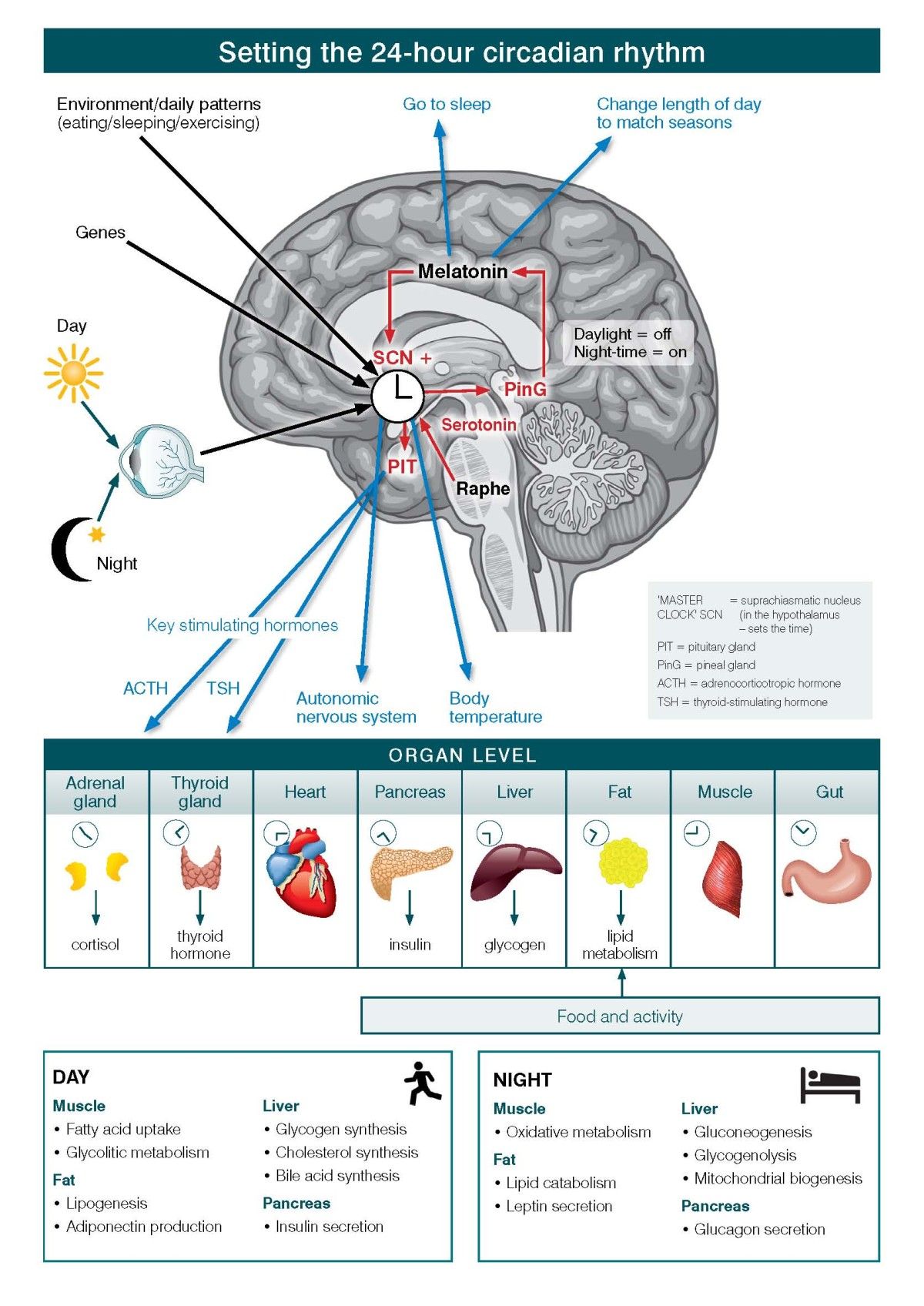
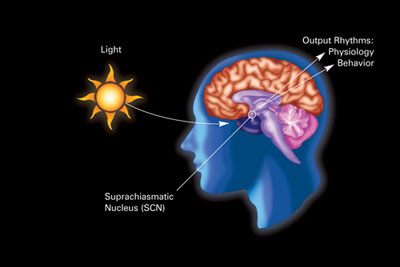
At the center of it all sits the suprachiasmatic nucleus, a tiny timekeeper in the brain that reads daylight and sets the pace for every cell’s internal clock. Specialized retinal cells sensitive to blue-enriched light send signals that reset this master rhythm, shifting hormone release, body temperature, and alertness. Melatonin rises as evening anchors, while cortisol nudges you toward morning readiness.
When light spills into the night – think phones in bed or bright streetlights – the clock can drift out of tune, a mismatch scientists call circadian misalignment. Add late meals or irregular shifts, and the system’s clean edges blur. That’s why the same person can feel like an owl during exam week and a lark on vacation.
Field Guide: Your Sleep Spirit Animals
Larks resemble songbirds that seize dawn, waking naturally early with a crisp surge of focus; mornings are prime time for deep work. Owls mirror the nighttime raptors, hitting stride after sunset with creativity and stamina that linger past midnight. Bears track the solar day, steady and adaptable, with a midday lull and reliable sleep anchored near societal norms.
Wolves echo late-evening hunters, socially sharp after dusk and happiest when mornings start slow. Lions carry the big-cat vibe of early power and early shuteye, ideal for front-loading workouts and decisions. Dolphins represent light sleepers with vigilant brains, prone to fragmented nights yet capable of precise bursts when others fade.
Global Perspectives

Latitude shapes sleep spirit animals in surprising ways, as people living far north or south wrestle with extreme daylength that stretches or compresses light cues. Cultures with siesta traditions smooth the midday dip that bears and lions often feel, redistributing alertness across two quieter arcs. Adolescents, biologically tilted later, clash with early school schedules and resemble wolves trapped in lark-shaped cages.
Urban light pollution pushes clocks later, while shift work in hospitals, factories, and logistics hubs forces abrupt flips that few bodies tolerate well. Seasonal shifts nudge chronotypes too, with winter light scarcity favoring later rhythms in many cities. Where policy supports flexible start times, more people can live closer to their true animal, and performance tends to follow.
Why It Matters
Sleep timing isn’t just preference; it’s performance, safety, and long-term health riding on the same rails. Research links chronic misalignment to higher risks for mood symptoms, metabolic strain, and impaired attention, especially when late chronotypes are locked into predawn routines. Accident statistics repeatedly show that fatigue is a quiet amplifier of errors in transportation, medicine, and manufacturing.
Traditional advice often treats everyone like a bear – lights out by ten, up by six – ignoring larks who could finish early and owls who do their best work after dark. The chronotype lens reframes the problem as fit, not fault, aligning tasks with the times your biology is already trying to help. In practice, that shift can mean fewer mistakes, better learning, and steadier health biomarkers.
The Future Landscape
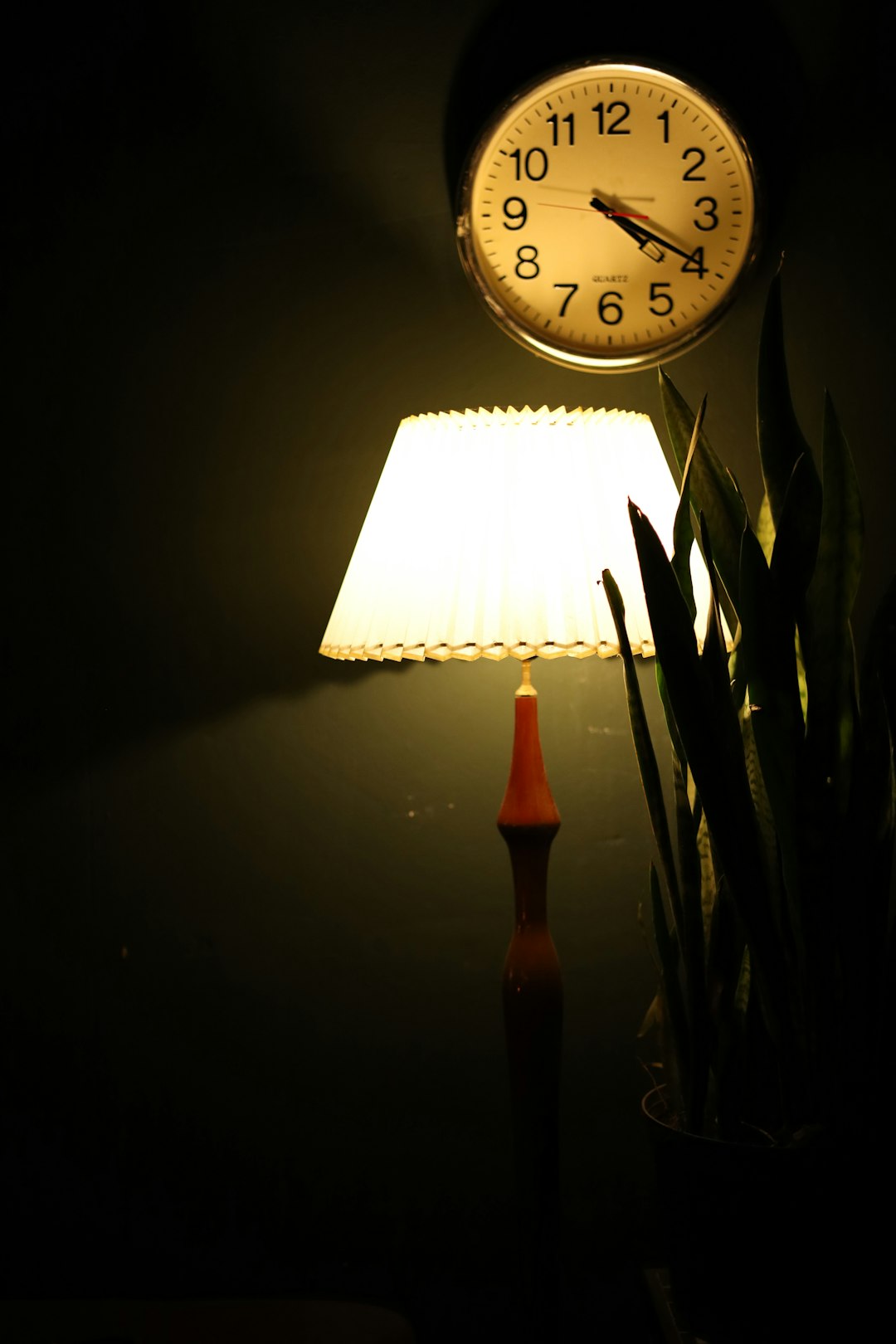
Smart lighting that changes spectrum and intensity through the day is moving from offices into homes, nudging melatonin gently instead of shocking it. Wearables are beginning to estimate circadian phase, helping people time workouts, meals, and study sessions to take advantage of their animal’s peak. Algorithms already parse shift schedules to minimize jet-lagged swings, and flexible work policies are quietly becoming a public-health tool.
Challenges remain, including privacy concerns around biometric data, inequities for workers who can’t choose their hours, and cities that glow too bright at midnight. Expect hospitals, airlines, and 24-hour industries to adopt lighting and rostering that respect human clocks while meeting demand. As evidence grows, school start times and zoning for night-sky protection may be the next frontier.
The Hidden Clues, Applied
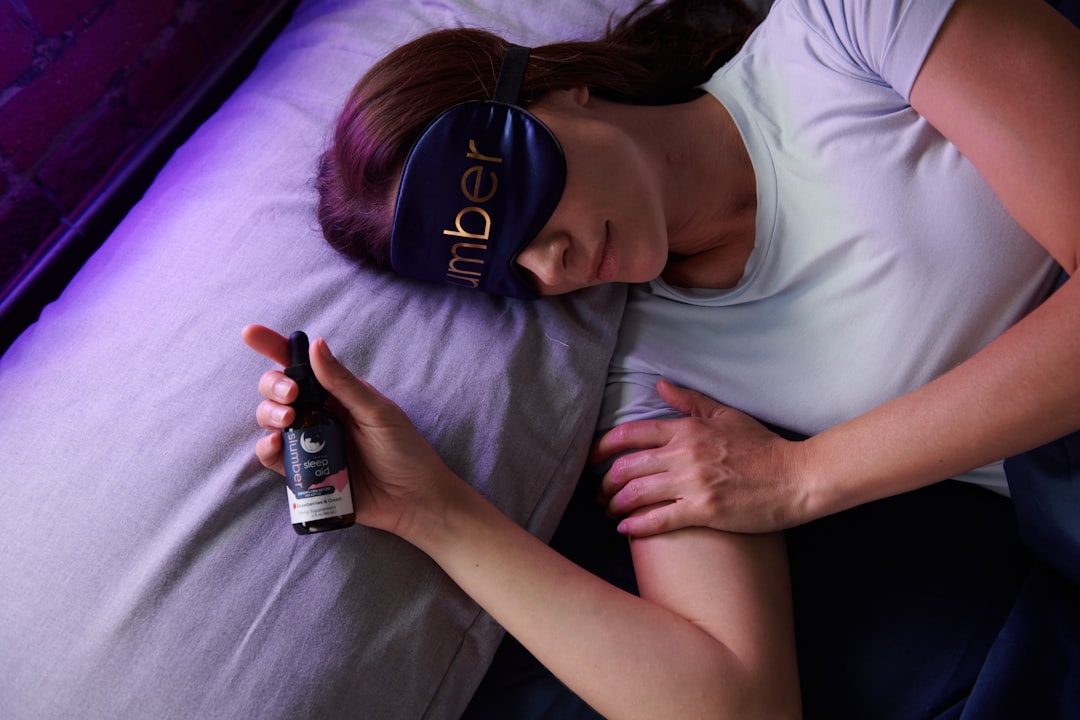
To test your sleep animal, keep a two-week log noting natural wake times, energy peaks, caffeine timing, and when light feels comfortable or harsh. Pair that with consistent morning daylight – five to twenty minutes outdoors – and dimmer, warmer light two hours before bed. Many owls find that delaying caffeine and late-night heavy meals unlocks deeper sleep without changing who they are.
Larks often thrive by front-loading demanding tasks and protecting an early bedtime from social creep. Bears gain from a short, regular midday break that avoids long naps, while dolphins benefit from predictable wind-down rituals that calm a hyper-alert brain. Small shifts, repeated, can move the needle more than heroic weekend resets.
Conclusion
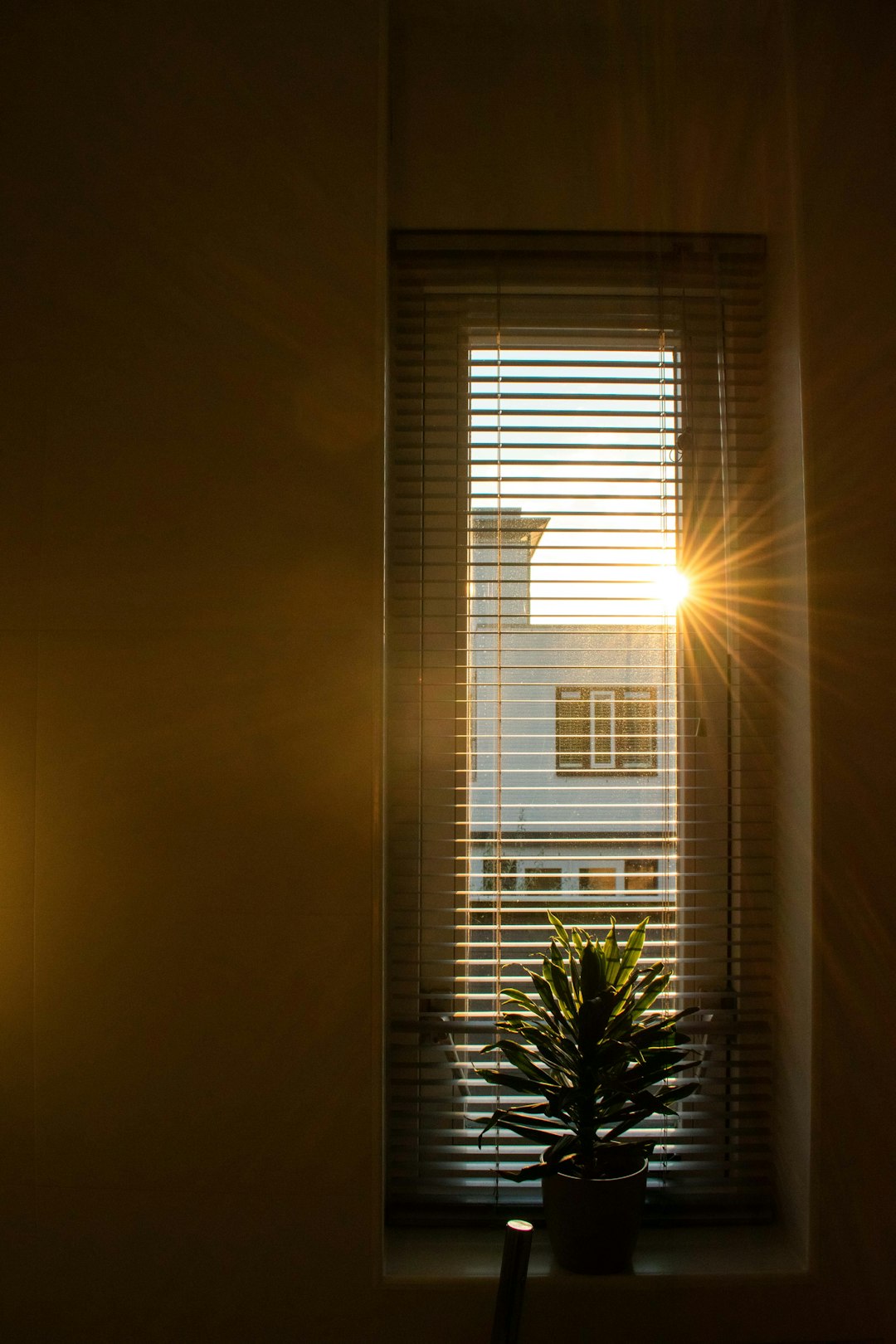
Start simple: chart your rhythms, step into morning light, and choose an evening routine that dims screens and bright bulbs on purpose. Advocate for flexible start times at work or school when possible, and support neighborhood efforts to reduce unnecessary nighttime glare. If shifts are nonnegotiable, rotate forward, cluster nights, and use bright light strategically to anchor your clock.
Stay curious about the wildlife your habits resemble, and protect the real animals sharing our nights and dawns by supporting dark-sky initiatives and habitat conservation. Your sleep, like theirs, is an ecological story – light, food, movement, and community woven into time. So, which spirit animal are you waking up as tomorrow?
Suhail Ahmed is a passionate digital professional and nature enthusiast with over 8 years of experience in content strategy, SEO, web development, and digital operations. Alongside his freelance journey, Suhail actively contributes to nature and wildlife platforms like Discover Wildlife, where he channels his curiosity for the planet into engaging, educational storytelling.
With a strong background in managing digital ecosystems — from ecommerce stores and WordPress websites to social media and automation — Suhail merges technical precision with creative insight. His content reflects a rare balance: SEO-friendly yet deeply human, data-informed yet emotionally resonant.
Driven by a love for discovery and storytelling, Suhail believes in using digital platforms to amplify causes that matter — especially those protecting Earth’s biodiversity and inspiring sustainable living. Whether he’s managing online projects or crafting wildlife content, his goal remains the same: to inform, inspire, and leave a positive digital footprint.