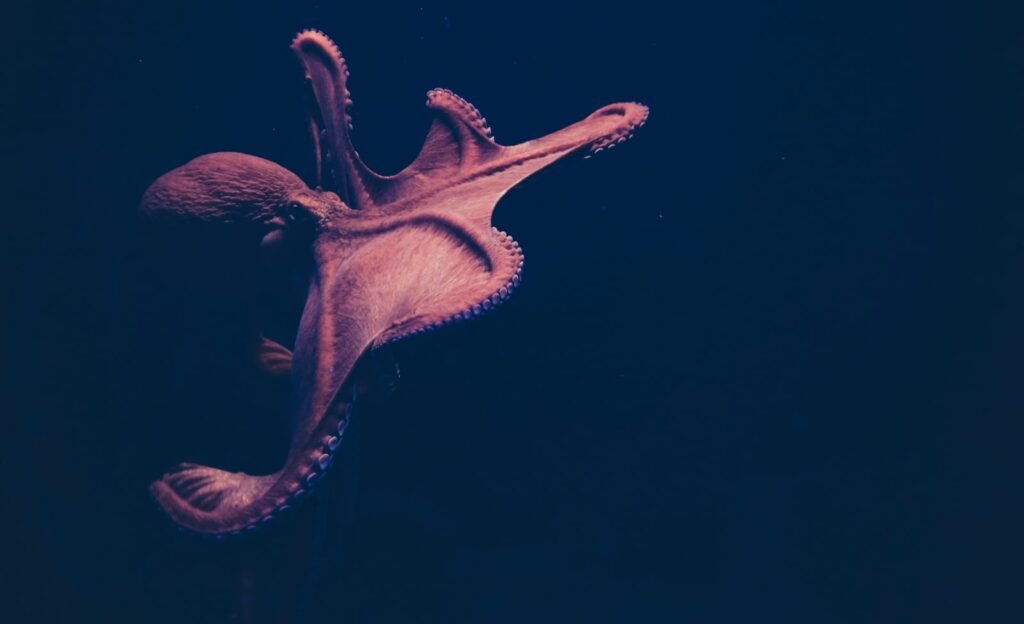

Every age has its emblem of curiosity, and in 2025 the crown quietly belongs to a creature with three hearts, color-shifting skin, and a habit of testing everything it touches. Aquarius, the rule-bending water bearer, isn’t content with simple answers; it wants puzzles that push back. That restless, inventive streak finds a mirror in the octopus, the ocean’s consummate tinkerer whose life is one long experiment. From coconut-shell toolkits to stealth escapes that would impress any magician, octopuses keep showing us new ways to think about intelligence. The mystery meets the discovery, and together they point to a future where curiosity is not just a trait but a survival strategy.
The Hidden Clues
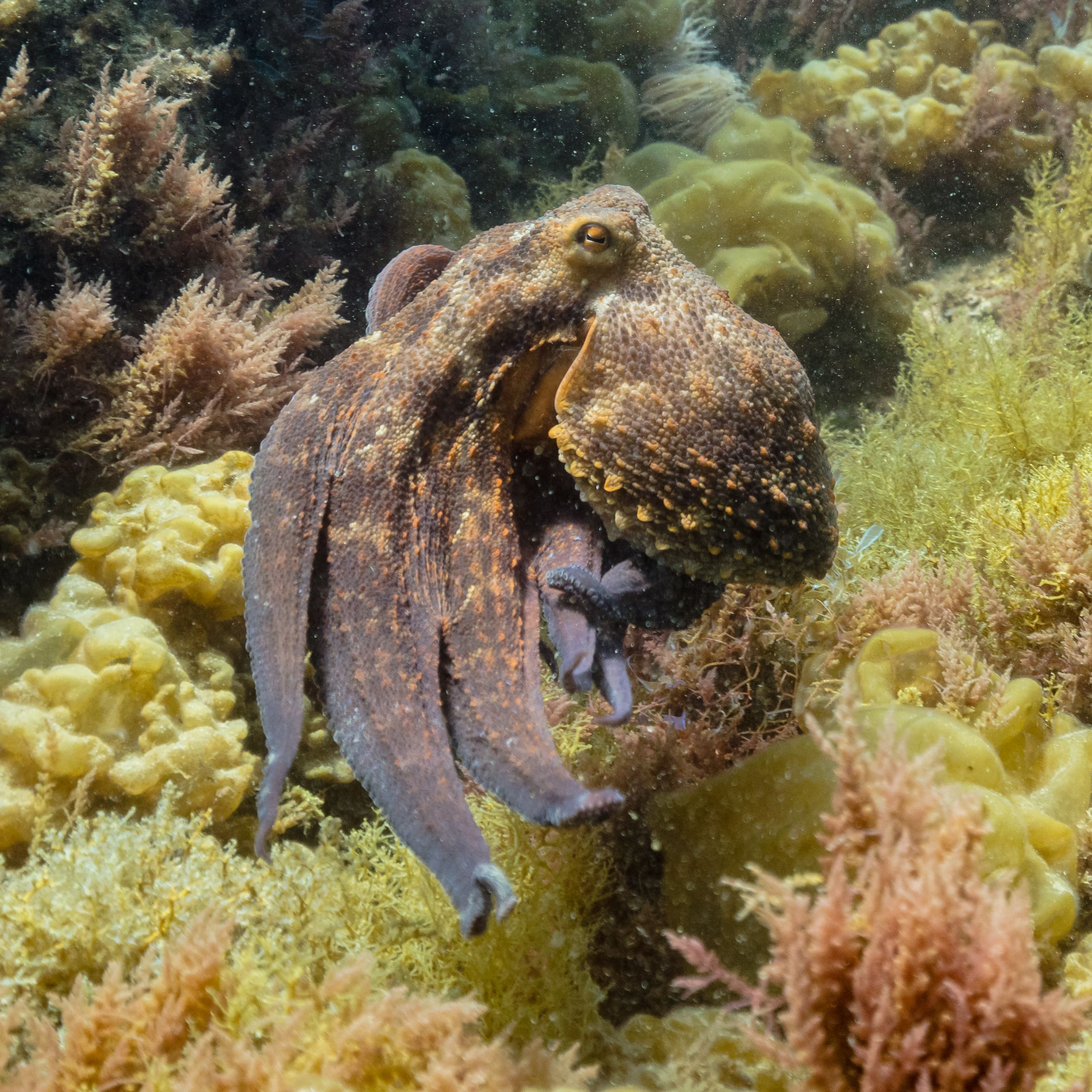
What animal can unscrew a jar underwater and then vanish in a puff of color? The octopus turns curiosity into muscle memory, probing valves, prying lids, and sampling textures with thousands of sensitive suckers. Each arm tests hypotheses the way a lab student tests reagents, nudging, pulling, and learning from tiny differences.
I remember leaning over a Pacific aquarium tank and watching an octopus sneak a thermometer from its clip like a burglar with a soft-touch toolkit. It didn’t look chaotic; it looked systematic, as if it had a checklist only it could read. That same investigative patience is the heartbeat of Aquarius – hands-on, unafraid, and thrilled by the unknown.
From Ancient Tools to Modern Science
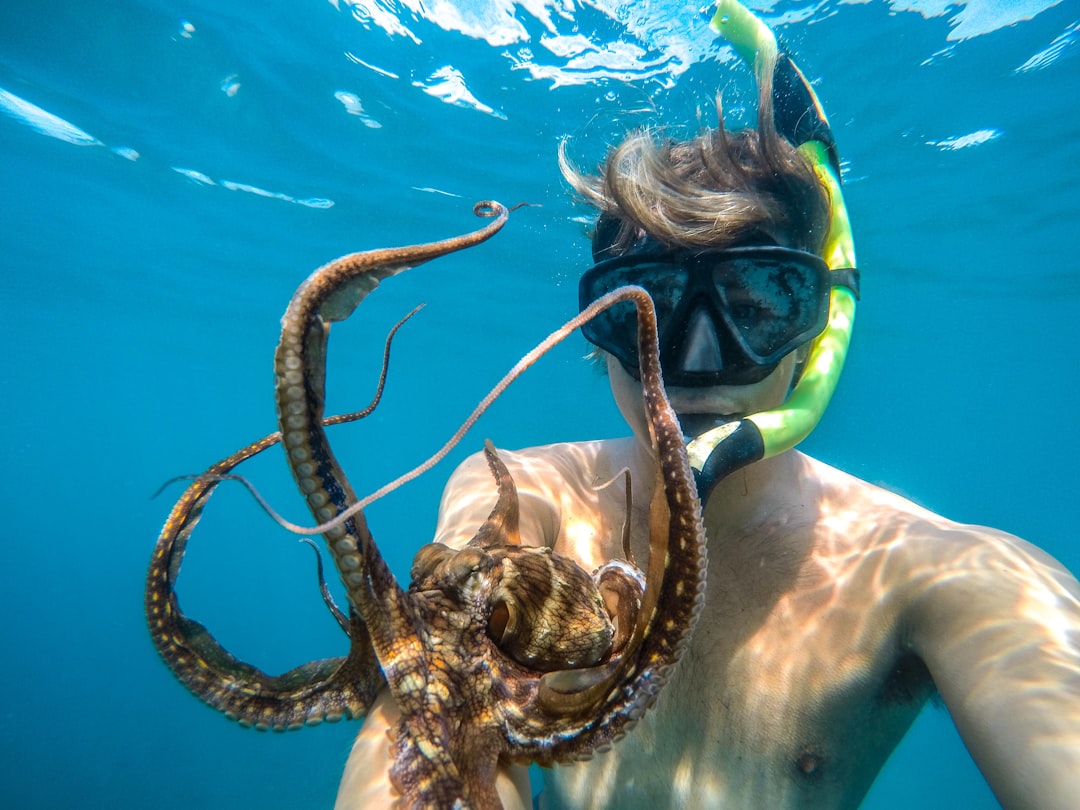
Ancient skywatchers imagined Aquarius pouring knowledge into the world; modern biologists see an animal pouring questions into its world and refusing to stop. Field observations revealed octopuses collecting coconut shells and assembling portable shelters, a behavior that sits comfortably beside our idea of tool use. The difference is that their tools travel with them, like a backpack designed on the fly.
In laboratories, octopuses learn mazes, remember solutions, and adapt when the maze changes, the way a coder debugs a program rather than scrapping it. They do this without the centralized brain architecture we expect, distributing much of their problem-solving power into their arms. That trick – decentralize to move faster – feels almost like a note passed from ocean to engineer.
Tools, Tricks, and Daring Escapes
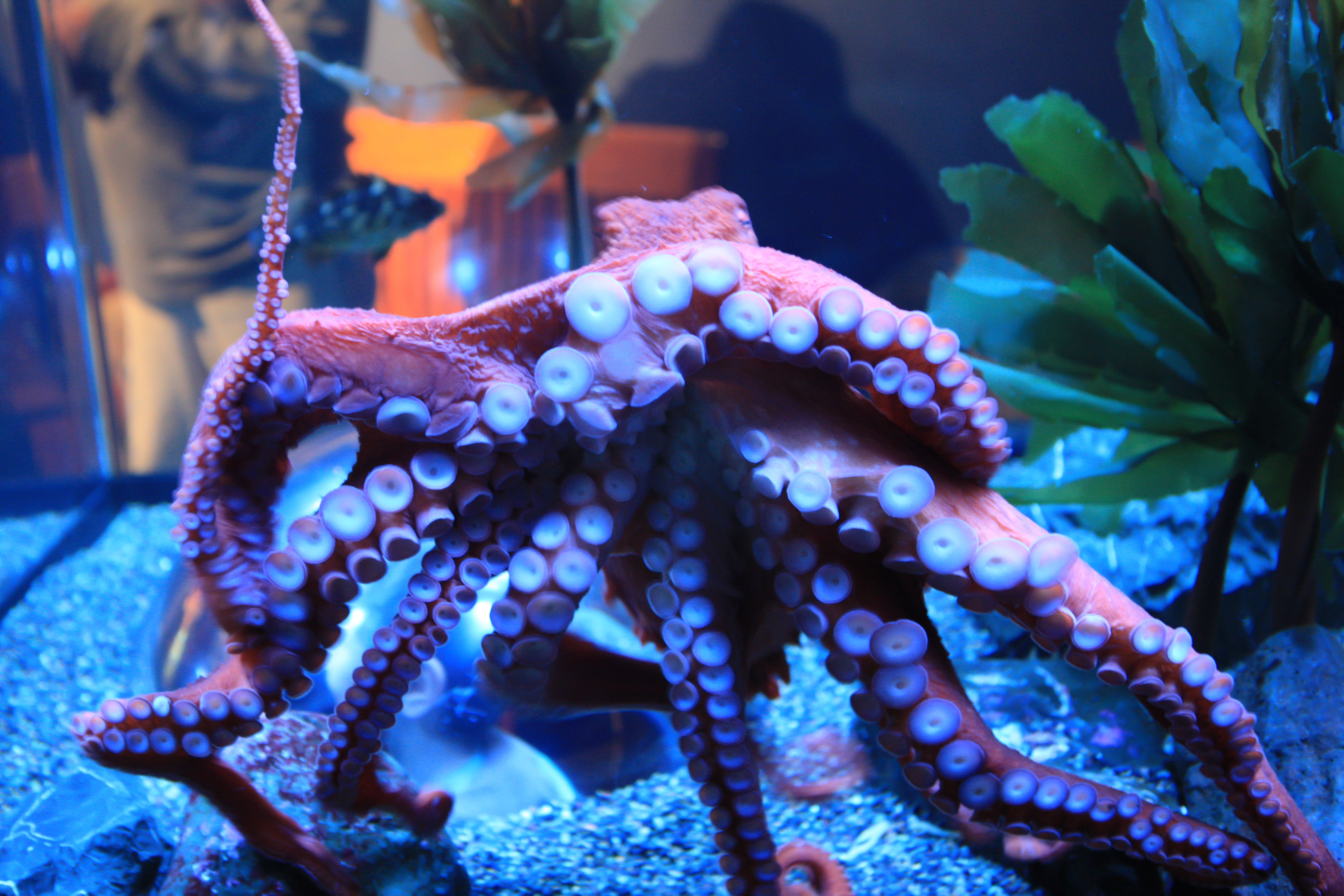
Stories of octopuses slipping through inch-wide gaps sound exaggerated until you watch an animal compress, rotate, and thread its way past a seal like living liquid. Curiosity is the engine behind those escapes: they map every bolt and seam over time, then act when the moment is right. Many keepers describe night-time raids, where lids are tested, hinges learned, and navigation remembered on the way home.
That same curiosity powers foraging strategies that look like improvisational theater, from blind probing in sand to coordinated arm sweeps that flush hidden crabs. Even play turns up – tossing objects into a flow, catching them again, and altering the routine as if boredom were the real enemy. Aquarius would recognize the motive: the thrill isn’t just the prize, it’s the method.
The Octopus Mind in the Lab and the Wild
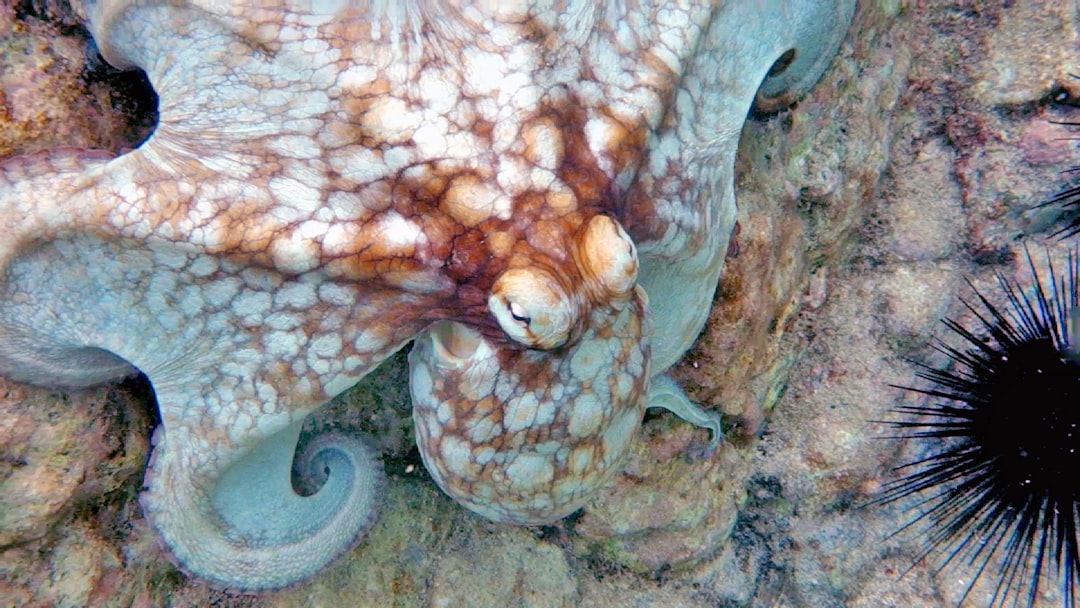
With hundreds of millions of neurons and the majority embedded in its arms, the octopus solves problems in parallel, a living proof-of-concept for distributed computing. Touch a valve with one arm and you get data; loop in another arm, and you’ve launched a small committee. The central brain trims noise, integrates sensation, and updates strategy almost continuously.
Researchers who track learning curves see quick improvement followed by tinkering, the biological version of a software patch. Long-term memory shows up in repeated success across days or weeks, which is remarkable for a short-lived animal. The lesson is simple: intelligence is not a monolith, and the octopus has built a different architecture to reach the same summit.
Signals and Social Nuance
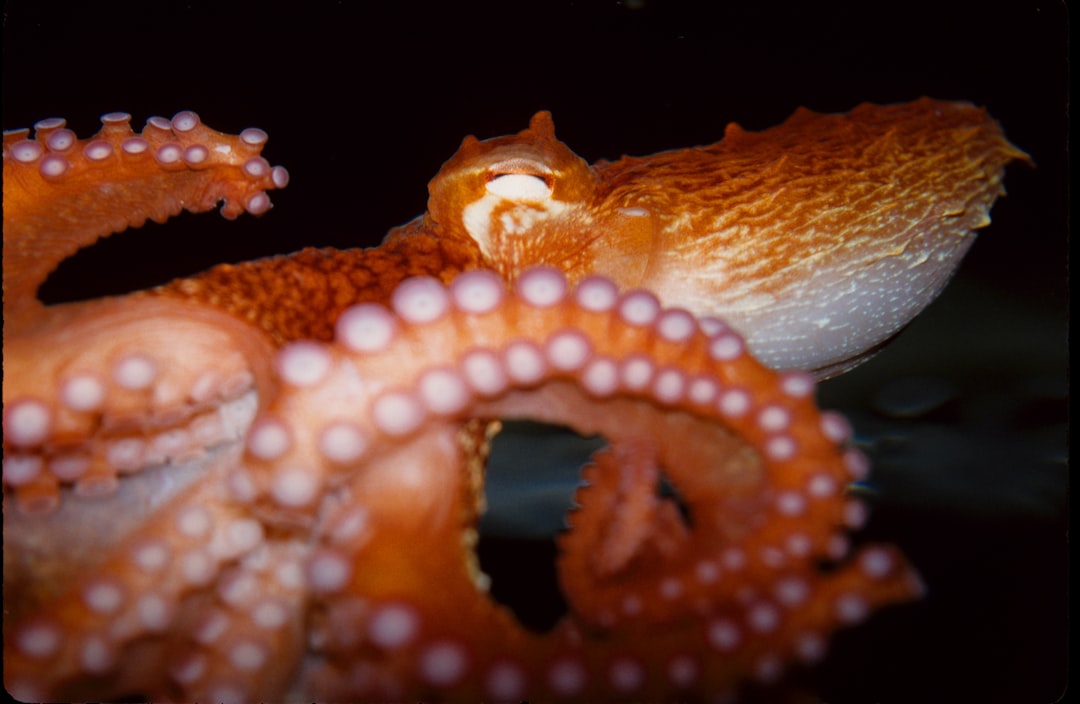
Octopuses are not famous for social lives, yet their bodies broadcast layered messages through waves of color and texture. Chromatophores expand and contract like pixels, with patterns that can signal warning, camouflage, or intent to investigate. In some coastal sites, neighbors seem to tolerate one another, creating brief, uneasy communities.
Those interactions are revealing because curiosity needs a language, even if it is a flicker rather than a voice. Skin reads the room, arms get the data, and the brain decides whether to approach, retreat, or pretend to be a rock. For Aquarius, that’s a familiar triad: sense widely, analyze honestly, and move boldly.
Why It Matters
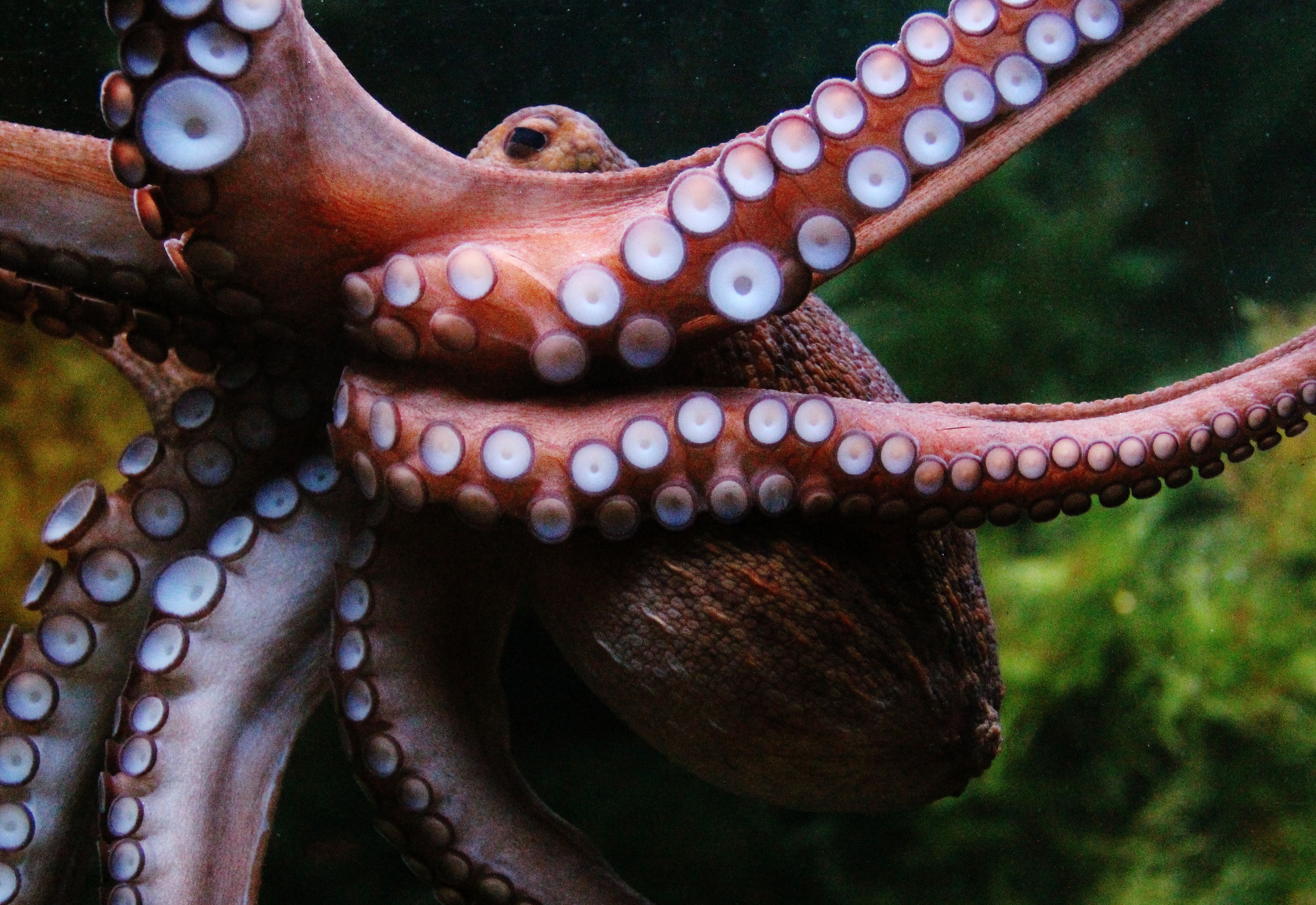
For decades, animal cognition leaned on a small roster – primates, corvids, dolphins – while invertebrates were sidelined as simple. Octopuses forced a rewrite by delivering complex behavior without a mammal’s blueprint, reshaping debates about sentience, welfare, and the roots of intelligence. The ripple reached policy when cephalopods gained formal recognition in animal-welfare frameworks, including the UK’s 2022 Animal Welfare (Sentience) Act, a shift grounded in accumulating evidence.
Comparing octopuses to traditional lab models clarifies the stakes: where rodents offer predictability, octopuses offer creative variability. That variability is not noise; it is a feature that helps us test hypotheses about problem-solving, memory, and pain in a radically different nervous system. If we care about curiosity as a scientific tool, we should care about the animals that have perfected it.
Global Perspectives
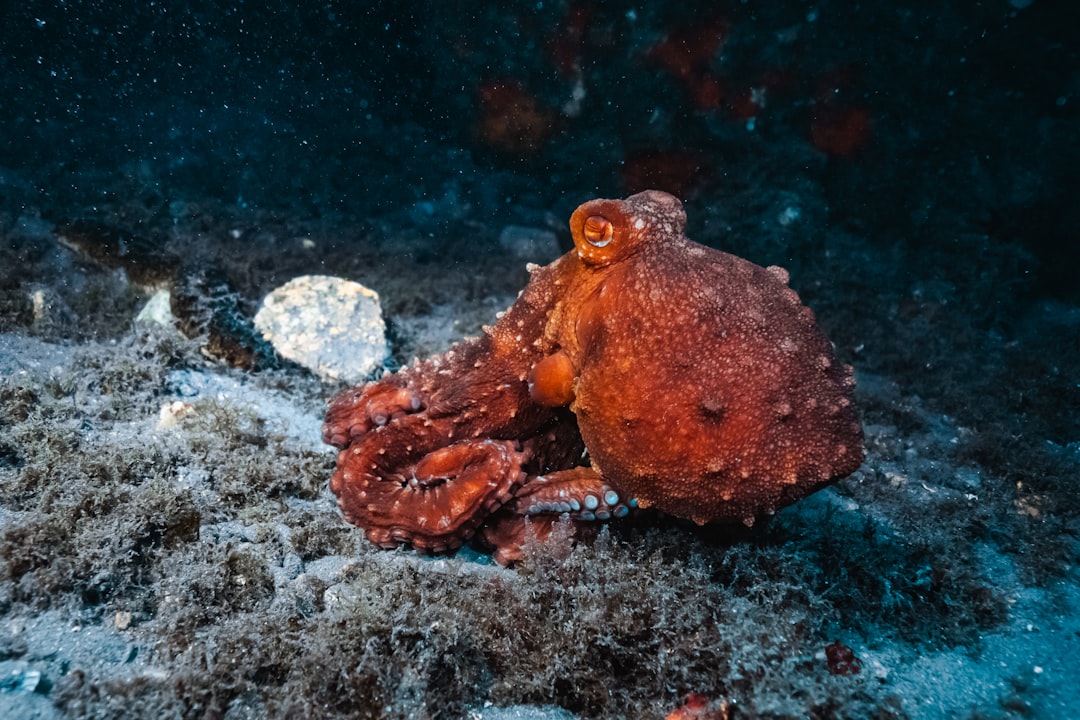
Across warm and temperate seas, octopus fisheries support coastal livelihoods, which means our fascination intersects with dinner plates and balance sheets. Some regions report booms and busts tied to climate variability, prey cycles, and local management, reminding us that curiosity unfolds inside an economic web. Proposals for intensive farming promise steady supply, but they raise ethical and environmental questions that science cannot dodge.
Public sentiment is shifting as people learn more about cephalopod cognition, placing pressure on regulators and companies to demonstrate humane standards. Meanwhile, ecotourism ventures that prioritize low-disturbance observation turn curiosity into conservation funding. The global picture isn’t tidy, but it’s honest: every choice refines, or dulls, the edge of discovery.
The Future Landscape
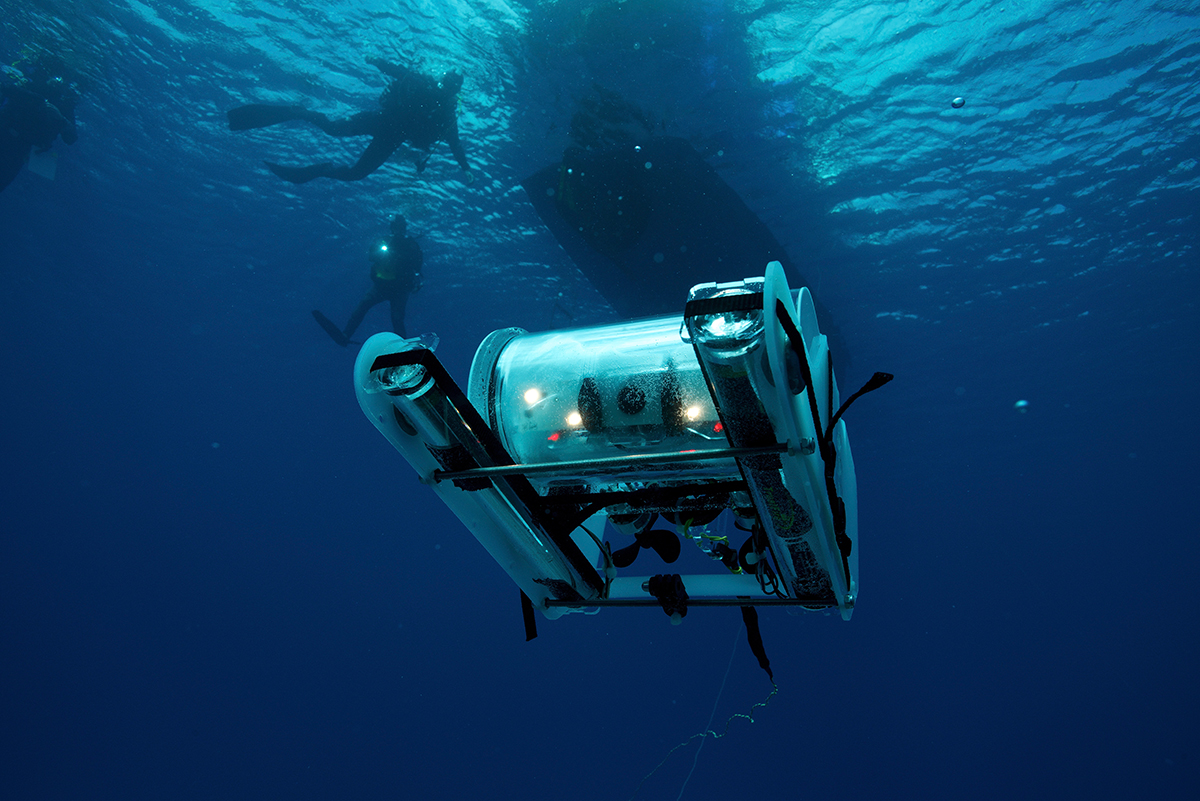
New tools are accelerating the science: high-speed cameras decode instant skin patterns, and machine-learning models link those patterns to behavior in real time. Soft robots inspired by octopus arms are translating suction, flexibility, and gentle grip into surgical tools and underwater manipulators. Tagging technologies and minimally invasive sensors are opening windows into nocturnal hunts we could only guess at before.
The toughest challenges are ethical and climatic. We need research standards that respect sentience while still asking hard questions, and we need to understand how warming, acidification, and deoxygenation will reshape cephalopod life cycles. If Aquarius stands for progress, then progress here means precision, restraint, and the humility to pause when the data say pause.
Conclusion
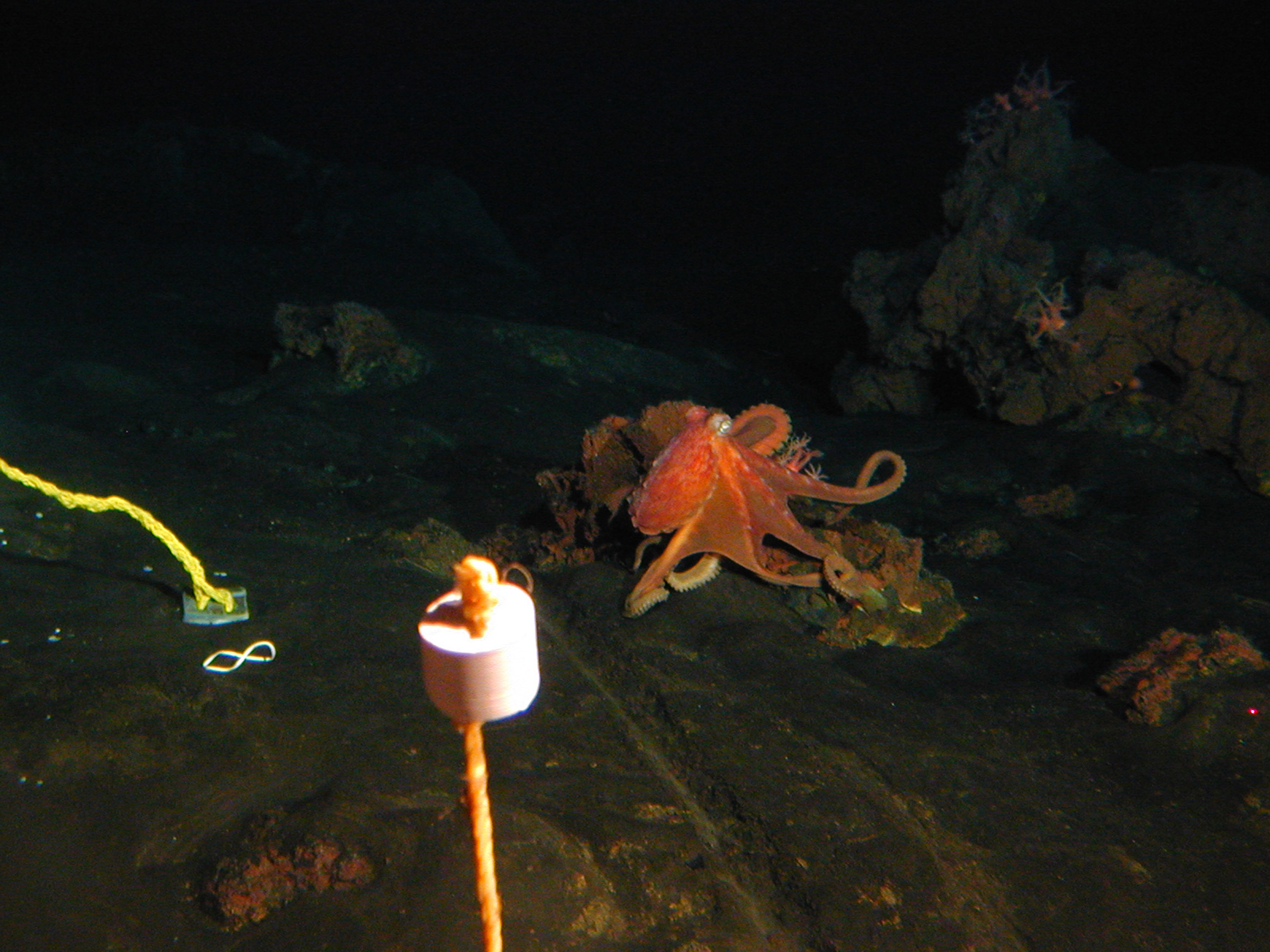
Stay curious in ways that help: support aquariums and research groups that prioritize enrichment, welfare, and open data sharing. If you eat seafood, choose sources with transparent catch methods and credible sustainability ratings, or pivot to dishes that ease pressure on vulnerable stocks. Citizen science projects increasingly welcome underwater video and shoreline observations, turning casual encounters into usable records.
Most of all, treat your own curiosity like an instrument, not a spotlight. Ask better questions, reward patience, and celebrate small, repeatable breakthroughs – the same habits that make octopuses such relentless explorers. The water bearer’s spirit thrives when discovery is shared, and the ocean still has room for new hands and new eyes.
Suhail Ahmed is a passionate digital professional and nature enthusiast with over 8 years of experience in content strategy, SEO, web development, and digital operations. Alongside his freelance journey, Suhail actively contributes to nature and wildlife platforms like Discover Wildlife, where he channels his curiosity for the planet into engaging, educational storytelling.
With a strong background in managing digital ecosystems — from ecommerce stores and WordPress websites to social media and automation — Suhail merges technical precision with creative insight. His content reflects a rare balance: SEO-friendly yet deeply human, data-informed yet emotionally resonant.
Driven by a love for discovery and storytelling, Suhail believes in using digital platforms to amplify causes that matter — especially those protecting Earth’s biodiversity and inspiring sustainable living. Whether he’s managing online projects or crafting wildlife content, his goal remains the same: to inform, inspire, and leave a positive digital footprint.