
In the midnight ocean where light dissolves and sound carries like a rumor, a quiet rivalry plays out between the predators that own the dark. Scientists have spent decades piecing together their lives from scraps: a crescent bite on a tuna, a beak found in a whale’s belly, a few seconds of jittery ROV footage. The puzzle is irresistible because it reads like myth yet lands squarely in hard science. If Scorpio symbolizes depth, secrecy, and relentless focus, the deep sea is its laboratory, and its fiercest hunters are the test subjects. The question isn’t whether a creature matches that intensity – it’s which one wears it best right now.
The Hidden Clues
Here’s the jolt: some of the largest eyes ever measured belong to animals that may never see daylight, yet they track motion in near-absolute darkness with unnerving precision. Those eyes, those weaponized tentacles and telescoping jaws, tell a single story about living where pressure crushes and food is scarce. Down there, intensity isn’t a mood; it’s the operating system. Every adaptation functions like a secret kept just long enough to strike first.
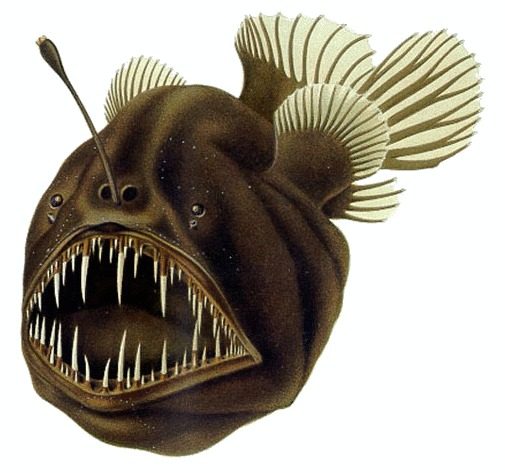
When biologists tease apart stomach contents or tag deep-diving whales, patterns emerge that feel uncannily Scorpio: patience, stealth, and a flare of decisive violence. The result is a shortlist of predators that could double as a zodiac allegory. It includes colossal squid, dragonfishes, fangtooths, goblin sharks, and the unassuming but ruthless cookiecutter shark. Each has its case. But one, the colossal squid, keeps pulling the spotlight as if the abyss itself wanted a mascot.
Predators in the Dark
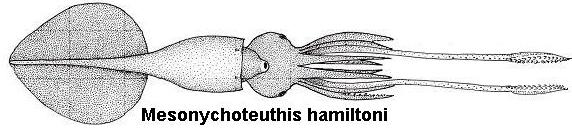
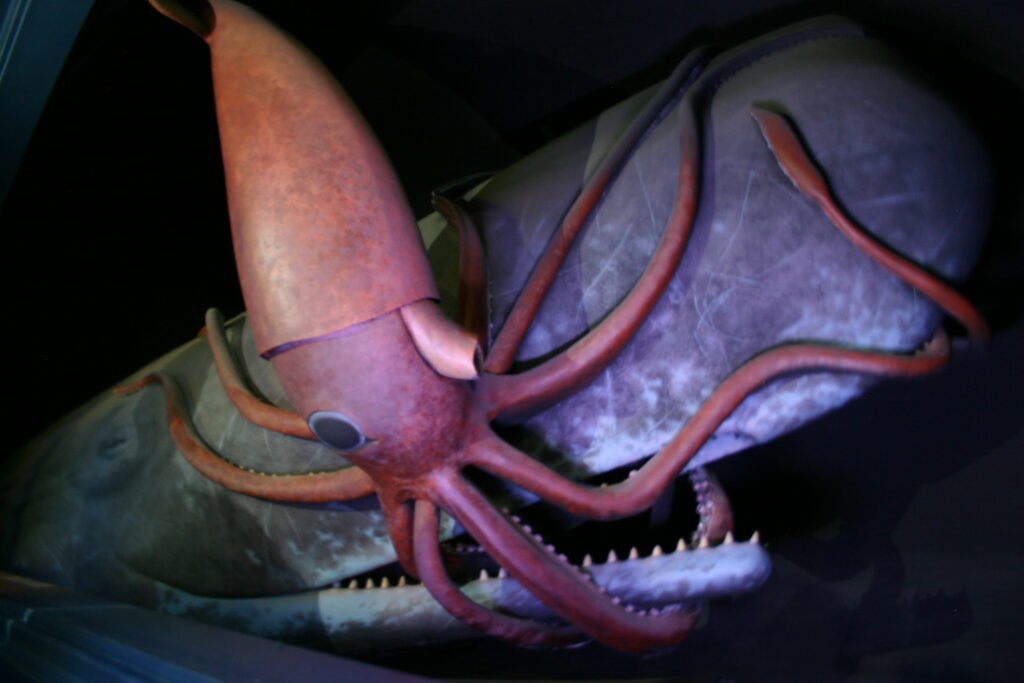
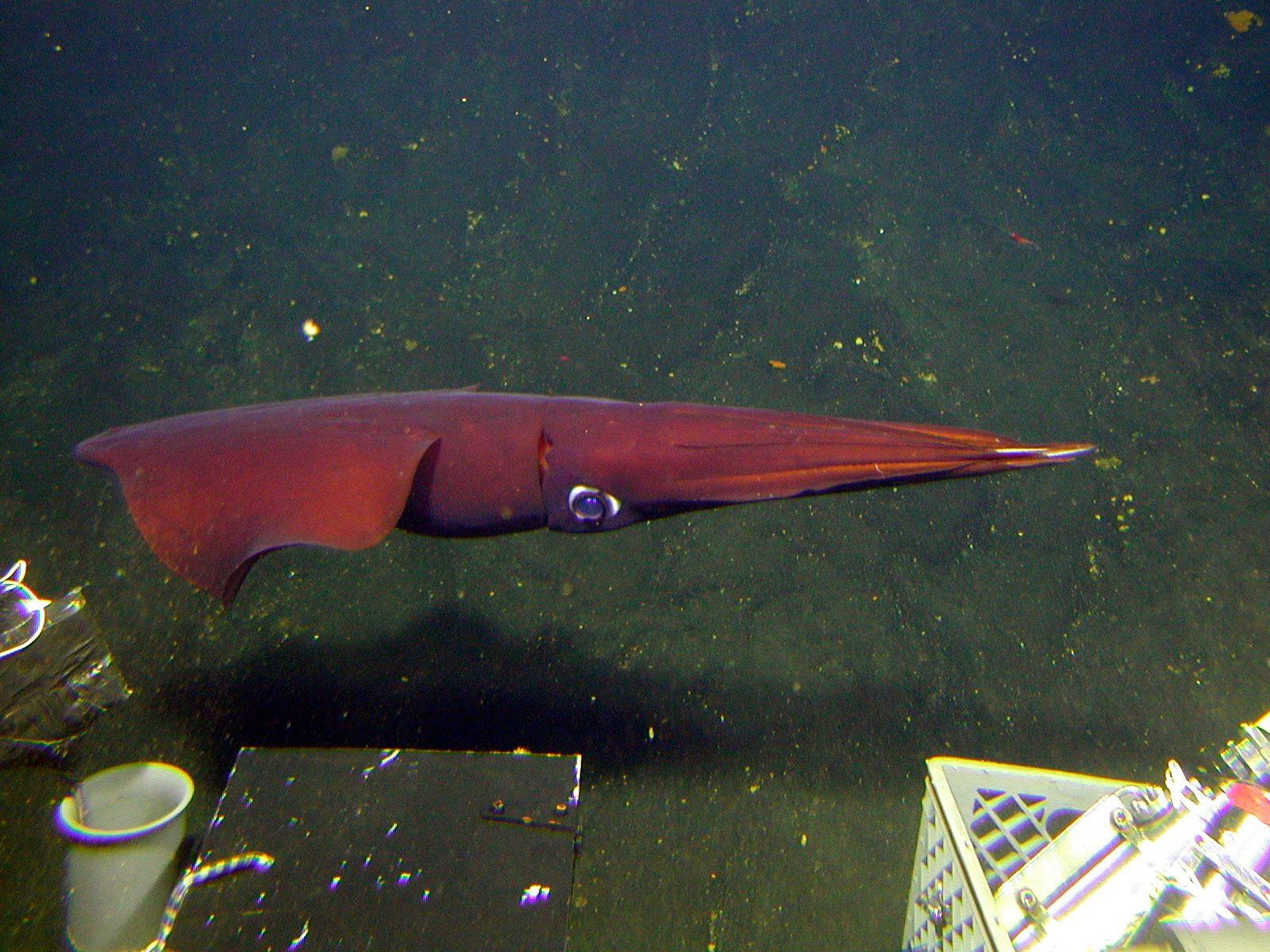
The colossal squid doesn’t just live in the deep; it rules the vibe of the deep. Thick, muscular, and armed with swiveling hooks on its tentacles, it hunts where sunlight fails and calm nerves matter more than speed. Its eyes – vast, low-light collectors – detect the silhouette of a distant whale or the blink of a bioluminescent alarm like a camera catching a flash. Viewed on a research deck, it looks less like an animal and more like a machine engineered for singular purpose.
Yet the giant’s legend rests on whispers: scars on sperm whales, rare net hauls, glimpses on polar cameras. That mystery is part of its power, and very on-brand for an intensity defined by what it withholds. We see outcomes more often than events, the way detectives know a chase happened from the skid marks. If Scorpio needs a flagship, this is it – an apex strategist built for silence and decisive control.
From Ancient Tools to Modern Science
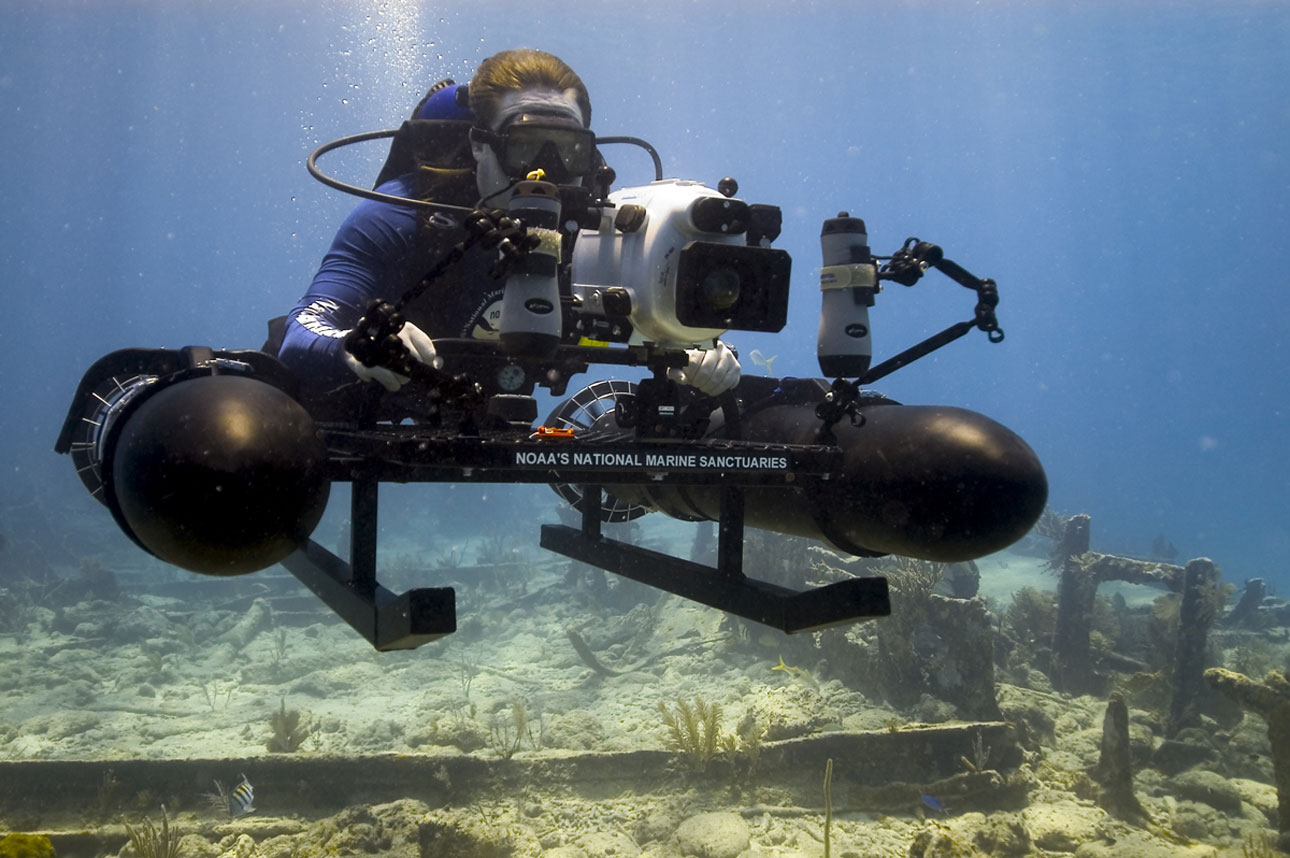
Our window into these animals began with sailors’ stories and whale-borne souvenirs, crude tools that muddied facts with superstition. Today the toolkit looks nothing like that. Remotely operated vehicles hover with steady hands, environmental DNA traces a creature’s presence from a few molecules, and high-pressure aquaria simulate a world we can’t enter. When acoustic tags ride along on predators or prey, they sketch a three-dimensional diary of hunts unfolding miles below.
I still remember the first time I watched a live feed from a cabled seafloor observatory: the darkness wasn’t empty, it was crowded with signals we barely understood. In the years since, machine-learning models have begun sorting that visual noise into behaviors – approach, strike, evade – that used to live only in rumor. What was folklore becomes data; what was data becomes pattern. The story evolves from maybe to measurable.
The Physiology of Obsession
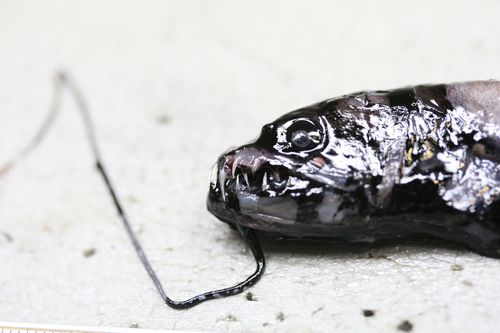
Intensity turns out to be physical. Squid jet-propel with startling efficiency, then downshift to slow-motion patience that conserves energy when every calorie matters. Sharks wire their faces with electroreceptors, feeling the heartbeat of prey the way we feel a phone buzzing in a pocket. Dragonfishes bend the rules of visibility, emitting dim red light that most animals can’t see, then watching through eyes tuned to that secret wavelength. Fangtooths carry teeth so oversized they must slot into special grooves to close their mouths.
These are not random flourishes; they are targeted investments. Low-light optics, pressure-proof proteins, and oxygen-binding strategies are all negotiations with a harsh economy. Spend too much energy and you starve; spend too little and you miss the moment. The animals that win are those that bank patience and spend it with precision.
The Psychology of the Hunt
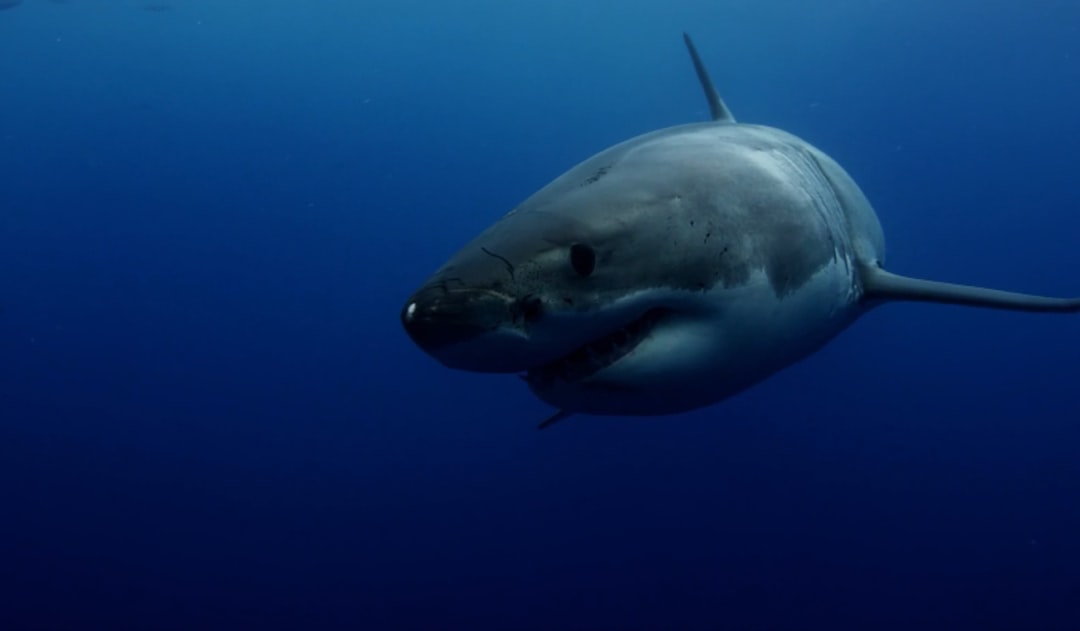
For deep-sea predators, restraint is not passive – it’s tactical. The goblin shark’s jaws launch forward like a sprung trap, a move so sudden it feels almost mechanical. Cookiecutter sharks patrol with a faint glow that mimics smaller fish, then remove perfect discs from larger animals with a twist built for leverage. Dragonfishes hang like ghosts, barbel lights barely flickering, turning the water itself into a decoy.
All of it reads like a manifesto on focused intent. When the strike comes, it’s over before the viewer blinks, and the camera often misses the act. The lesson is consistent: obsession is efficient, not frantic. Scorpio wouldn’t sprint; it would wait, then erase the distance in a single, definitive move.
Why It Matters
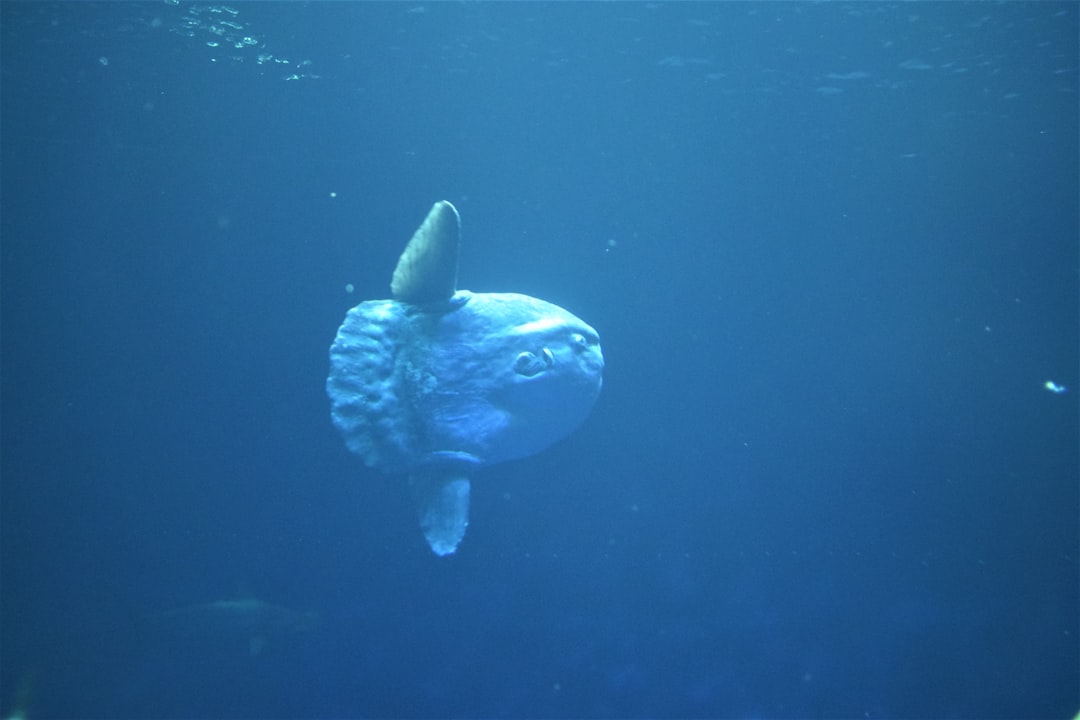
The deep sea is not a stage for exotic curios; it is Earth’s largest biome and a major engine for carbon storage. Understanding its hunters helps decode how energy and nutrients move upward through the food web, how prey populations pulse, and how the ocean locks away carbon that would otherwise warm the air above our cities. Compared with older methods that leaned on sporadic trawls and chance strandings, today’s continuous sensors and eDNA time series reveal dynamics we kept missing. They show when predators arrive, how long they stay, and what cues flip them from waiting to hunting.
That knowledge scales beyond biology. Materials engineers study squid beaks for ideas about tough, gradient composites; roboticists borrow from soft-bodied propulsion to build quiet, efficient submersibles. Policy makers, facing pressures from high-seas fishing and prospective deep-sea mining, need maps of life before the footprint widens. The stakes are practical, not poetic: protect what functions, or accept unexpected shocks. This is surveillance for stewardship.
Global Perspectives
Deep-sea intensity isn’t confined to one ocean, and neither are the pressures that threaten it. Colossal squid haunt Antarctic waters, while goblin sharks slope along the Pacific rim and dragonfishes span basins like itinerant sparks. International collaborations now dominate the field because no single nation owns the abyss, and the abyss does not respect borders. Shared databases knit together scattered sightings into coherent atlases of behavior and risk.
That global lens matters when management decisions ripple across fleets and supply chains. If bycatch climbs in one region, predators that mature slowly may thin out across an entire basin. If mining tests stir sediments, the light and chemical signals these animals depend on could blur for years. The only strategy that scales is collective caution backed by open data and verifiable metrics.
The Future Landscape
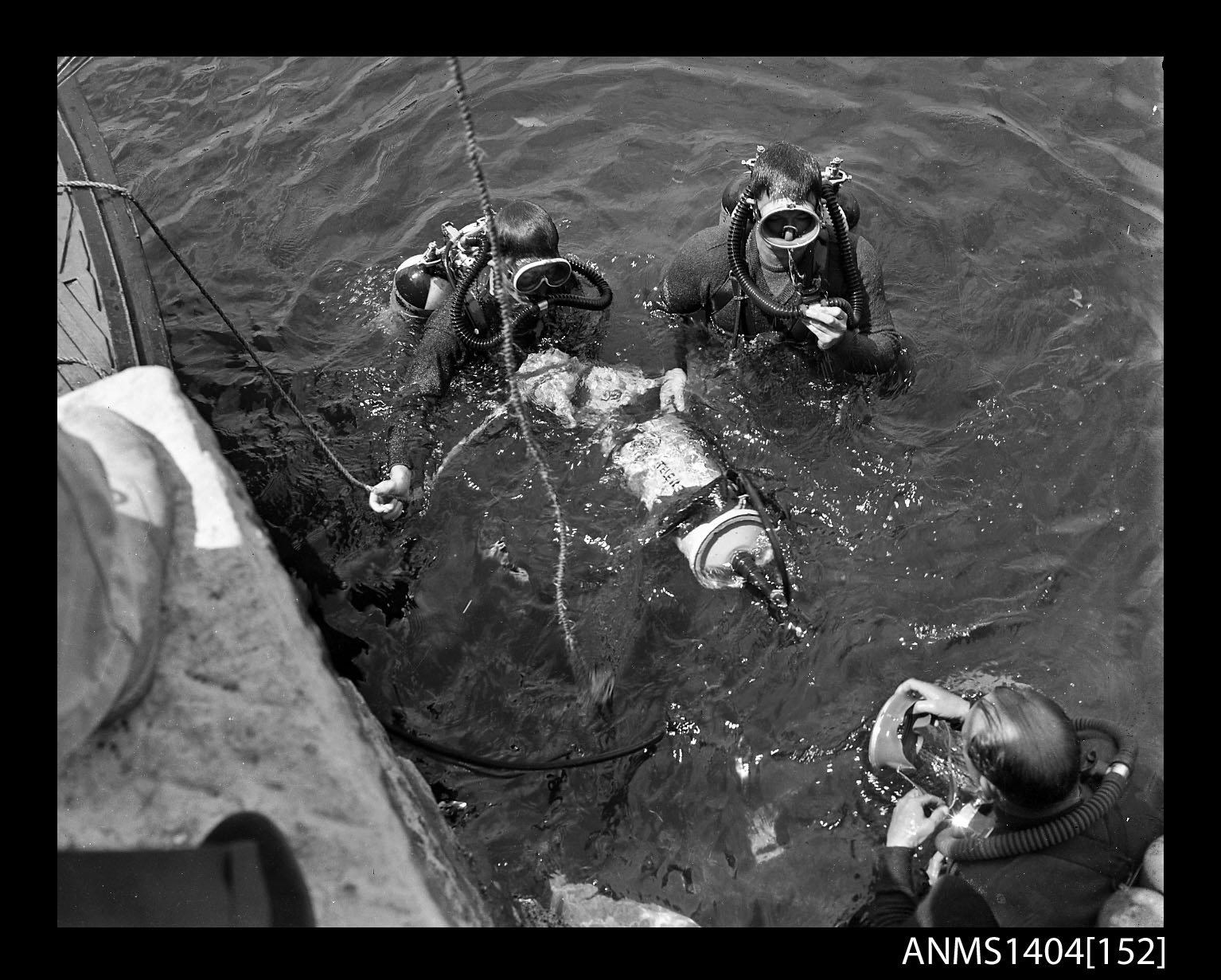
Next-generation observatories promise something close to continuous presence: cabled networks, long-duration gliders, and autonomous robots that learn patterns and improvise paths. High-pressure labs are starting to test how vision, muscles, and nerves behave at depth, reducing our guesswork about performance limits. Environmental DNA samplers mounted on drones will map who passed through a water mass hours ago, not just who appears on camera. Combined, these tools could turn rare encounters into routine monitoring.
Challenges remain, and they’re not small. Funding cycles move slower than technology; mining proposals move faster than safeguards; and data standards lag behind both. The path forward looks like this:
– Expand cabled observatories into under-sampled basins.
– Pair eDNA with video to cut false positives.
– Require baseline biodiversity surveys before industrial activity.
– Train AI on public datasets to avoid opaque black boxes.
With that, we might finally watch intensity transition from spectacle to system.
Conclusion
If Scorpio’s spirit has a habitat, it’s the world below the last blue photon – a realm that survives by staying unknown. Helping it doesn’t require a submarine; it starts with small, boring, powerful choices. Choose seafood from fisheries that report bycatch and honor science-based limits. Support institutions that stream open deep-sea data and fund student cruises, because new eyes change what gets seen. When public comment windows open on offshore projects, add your voice and ask the only question that matters: what’s the baseline, and what are we willing to lose?
As for the mascot of intensity, the colossal squid holds the crown today, and it earns it without fanfare. But the abyss is crowded with contenders, and the next camera drop could rewrite the headline in seconds. Stay curious, keep the pressure on decision-makers, and remember that restraint is the deepest kind of power. Which hunter would you have guessed before you looked below the light?
Suhail Ahmed is a passionate digital professional and nature enthusiast with over 8 years of experience in content strategy, SEO, web development, and digital operations. Alongside his freelance journey, Suhail actively contributes to nature and wildlife platforms like Discover Wildlife, where he channels his curiosity for the planet into engaging, educational storytelling.
With a strong background in managing digital ecosystems — from ecommerce stores and WordPress websites to social media and automation — Suhail merges technical precision with creative insight. His content reflects a rare balance: SEO-friendly yet deeply human, data-informed yet emotionally resonant.
Driven by a love for discovery and storytelling, Suhail believes in using digital platforms to amplify causes that matter — especially those protecting Earth’s biodiversity and inspiring sustainable living. Whether he’s managing online projects or crafting wildlife content, his goal remains the same: to inform, inspire, and leave a positive digital footprint.