
Scientists are quietly uncovering a flavorful truth: the foods we crave can mirror the way ocean animals hunt, graze, and feast. This isn’t a party quiz; it’s a serious, data-backed lens into ecology, physiology, and culture, wrapped in something every reader understands – taste. By mapping human food preferences onto marine feeding strategies, researchers hope to make complex ocean science feel personal and urgent. The twist is that our go-to meals can reveal patterns about energy, texture, and risk in the sea, and that insight could help predict how marine life copes with change. If you’ve ever wondered why you love crunchy snacks or silky soups, there’s a sea creature out there living your culinary vibe.
The Hidden Clues
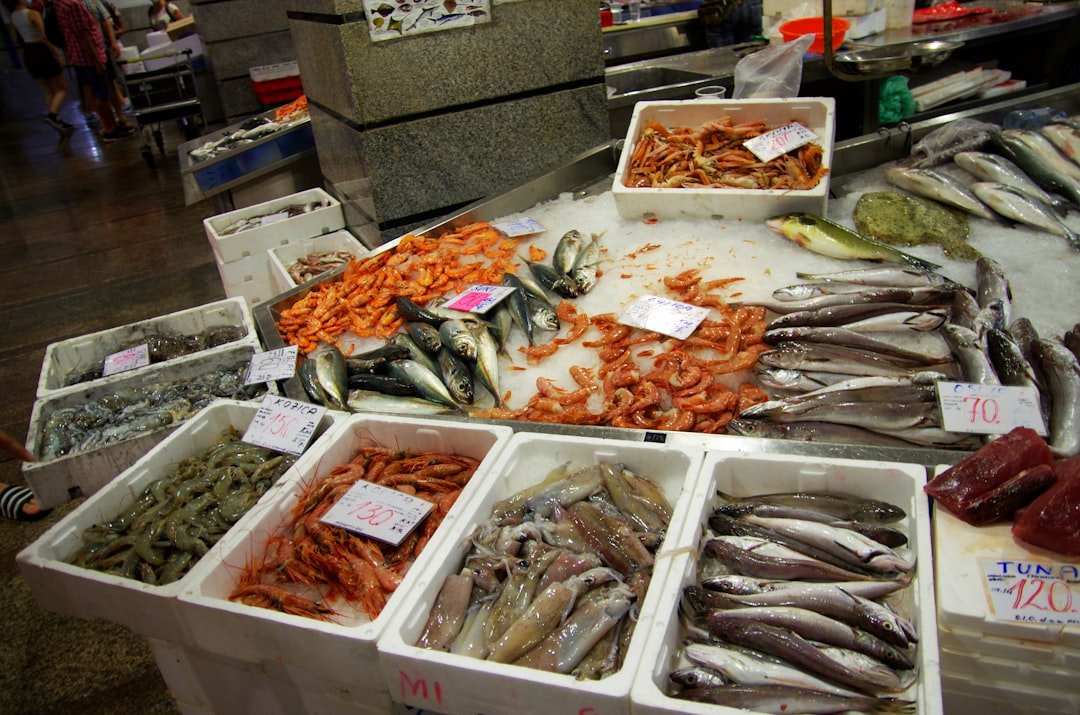
What if your love for hearty, savory dinners lines up with a shark’s high-energy hunting strategy, or your salad habit rhymes with a manatee’s seagrass routine? This isn’t about pretending people are predators or grazers; it’s about using simple food instincts to decode how life survives underwater.
Taste is physics and biology dressed up as preference, after all. Fat equals dense energy, crunch hints at structure, and tender textures often mean easy digestion – signals the ocean has refined over millions of years. When we read those clues in our own diets, we start to see patterns that make the underwater world feel strangely familiar.
Taste Maps of the Sea
Marine animals fall into broad “taste maps” that line up with our plates: protein powerhouses, plant-forward grazers, texture-chasers, and smooth sippers. Carnivores invest big energy to capture calorie-rich prey, while grazers nibble constantly on abundant greens.
Filter feeders finesse the buffet, straining billions of tiny morsels like living sieves, and omnivores play the improvisational menu. These maps don’t flatten the biodiversity; they make it legible. Think of them as the legend on a complicated chart, where your appetite becomes the compass.
From Ancient Tools to Modern Science

Humans have long read oceans by reading diets: shells in middens, fish bones in hearths, and pigments in cave art. Today, researchers go deeper using stable isotope analysis to reveal long-term diet patterns, DNA metabarcoding of scat to identify recent meals, and microchemistry in ear bones or teeth to track lifetime changes.
Paired with satellite tags and accelerometers that log dives and lunges, these methods turn feeding into a data-rich storyline. The result is a layered picture of who eats what, where, and how hard they work for it. Your preferences don’t prove anything on their own – but they make the science instantly relatable.
Method Behind the Match
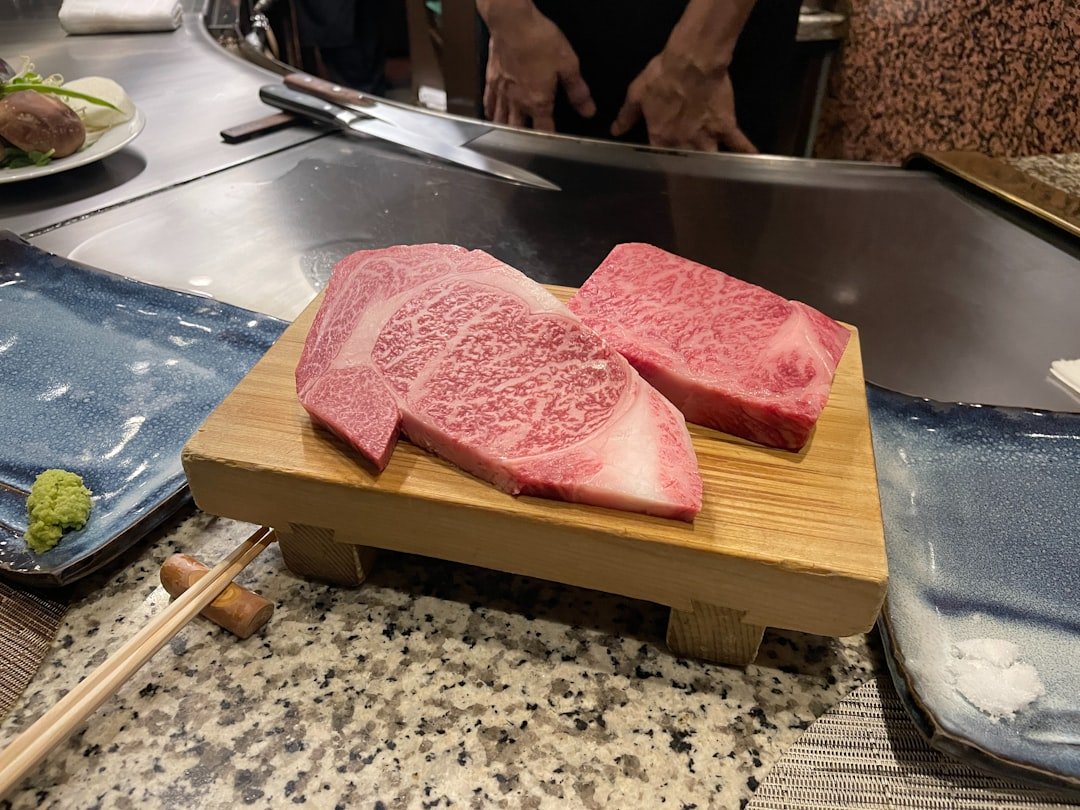
To build a playful but useful “match,” scientists compare the energy density, texture, and variability in human foods with those in marine diets. Steak-night lovers mirror predators that favor fatty, protein-rich prey; salad devotees track with herbivores that rely on fiber-rich greens.
Crunch seekers line up with hard-shelled or calcareous diets, while smoothie fans echo filter feeders that lean on consistent, soft fare. Omnivore enthusiasts – people who love mixing flavors and cuisines – tend to map onto opportunists like octopuses that sample widely across habitats. It’s a heuristic, not a horoscope, but it can illuminate how different strategies stand up to a changing ocean.
Carnivore Cravings: Sharks, Seals, and Steak-Night Appetites
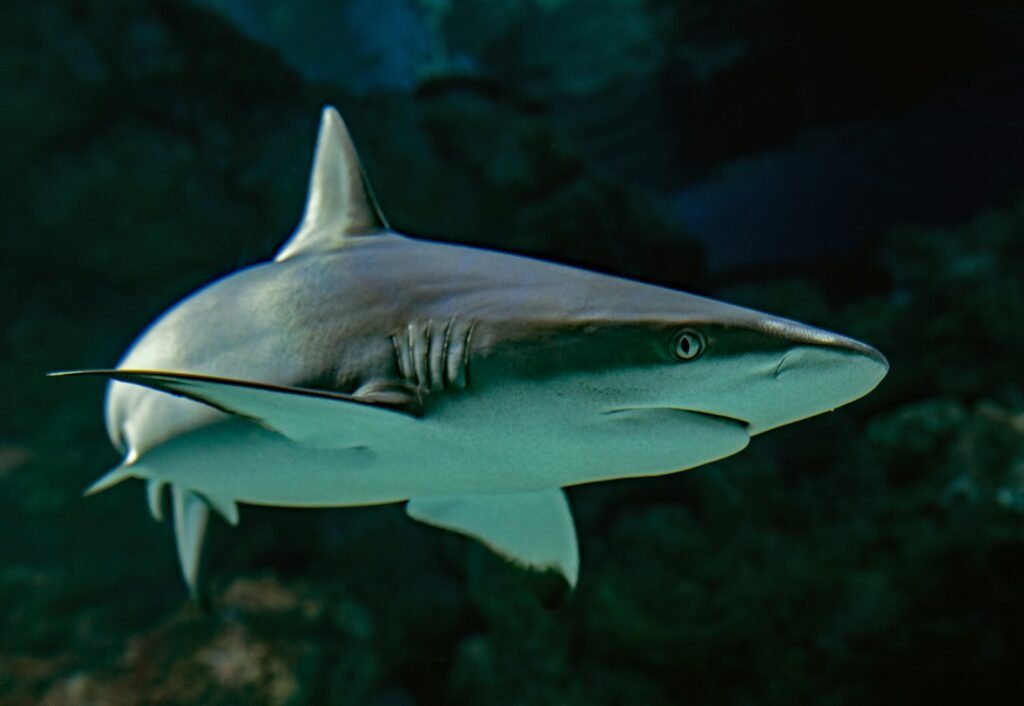
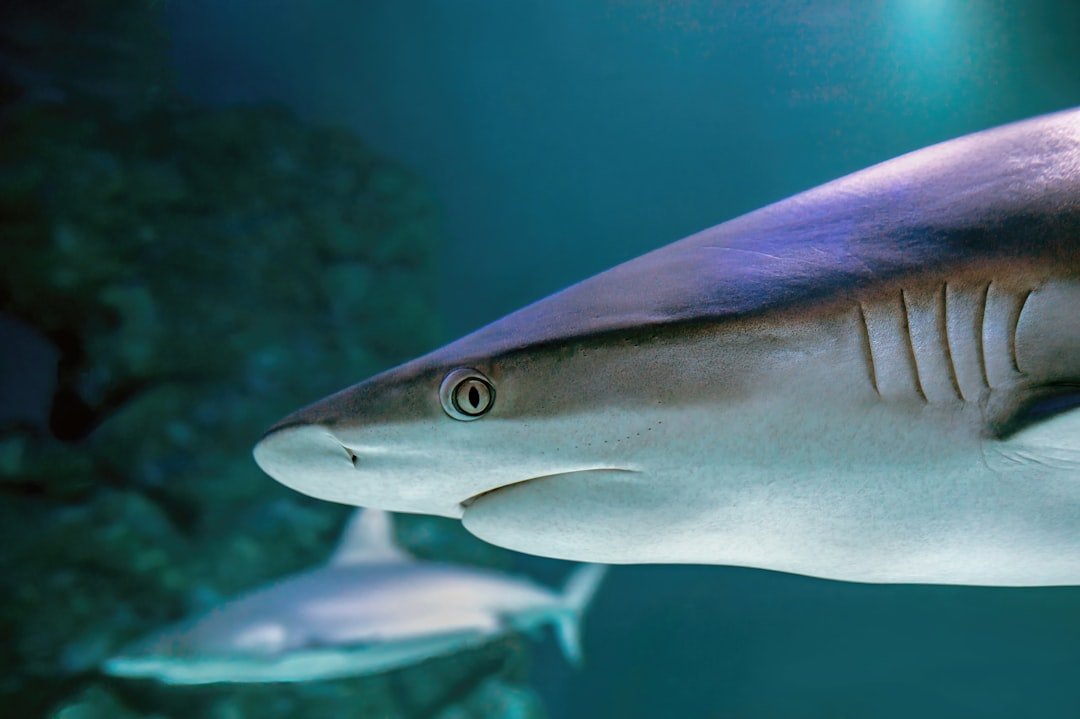
If you gravitate toward rich, savory meals – think grilled fish, roasts, or deeply umami dishes – your ocean counterpart skews carnivorous. Many sharks, large tuna, and seals chase concentrated calories, trading speed and risk for big payoffs.
This strategy thrives where prey is plentiful and predictable, but it falters if food webs get disrupted. I’ve felt that same calculation scanning a menu after a long day: invest in the big, satisfying choice, or conserve energy and go simple. In the wild, that decision is survival math, not comfort food.
Plant-Forward Palates: Manatees, Green Turtles, and Salad Lovers
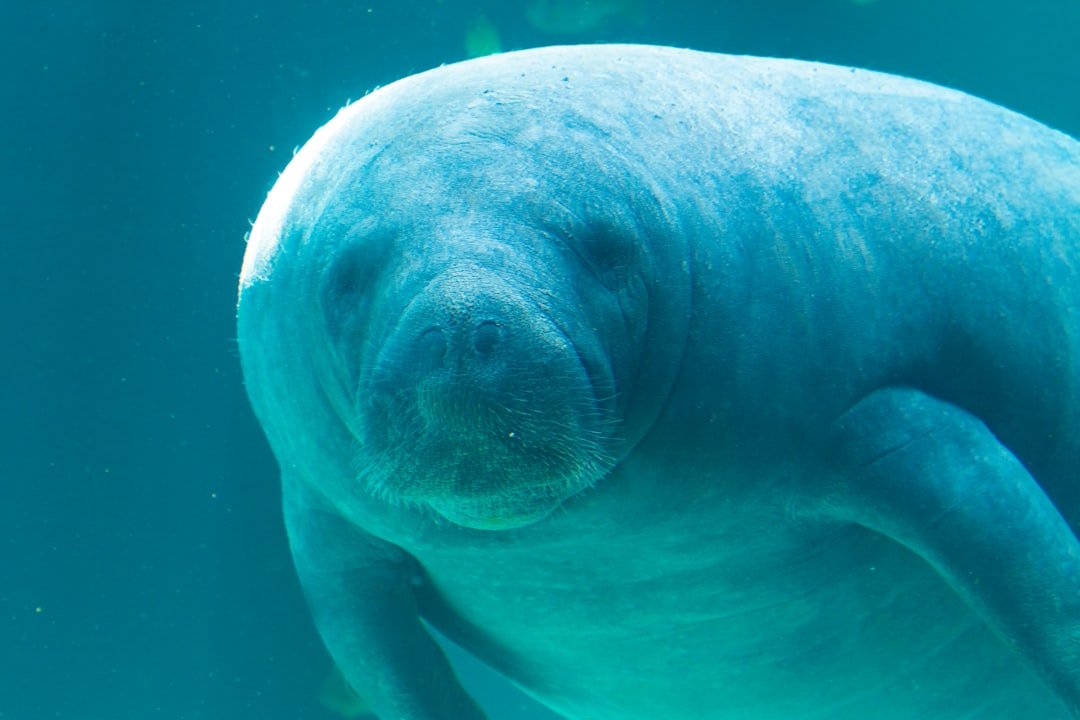
Fans of crisp greens, grains, and plant-centered bowls resemble marine grazers that prize abundance over intensity. Manatees browse seagrass meadows, and adult green turtles often favor algae and grasses, turning steady, low-risk foraging into a lifestyle.
Fiber demands time and gut prowess, but it offers resilience when conditions fluctuate. Plant-forward eaters know the rhythm: frequent, balanced meals that deliver steady energy. In a warming ocean, grazers can be surprisingly sturdy if meadows and algal beds persist.
The Adventurous Bite: Octopuses, Dolphins, and Fusion-Food Fans
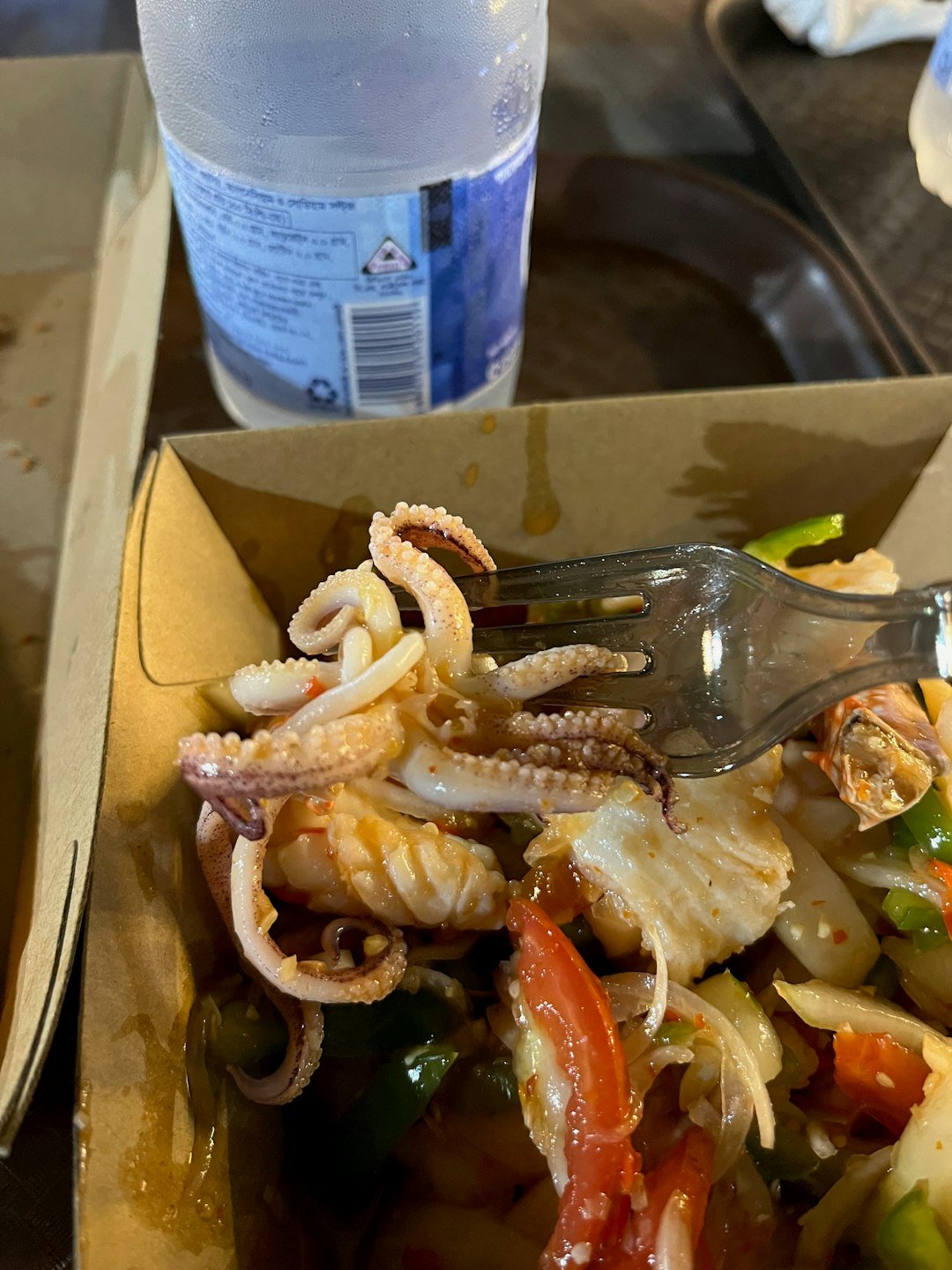
Do you love mixing cuisines, sampling new textures, or building meals from whatever’s fresh? That curiosity fits the opportunist guild – octopuses that switch from crabs to clams, or dolphins that toggle between fish and squid depending on the season and currents.
Flexibility is a superpower when ecosystems shift, but it takes intelligence, exploration, and sometimes tools. It’s the culinary equivalent of a market wanderer: scouting, testing, and improvising. When I travel, I eat like this – hands-on, curious, and a little restless – and it always feels like fieldwork with a fork.
The Texture Test: Otters, Parrotfish, and the Crunch Crowd
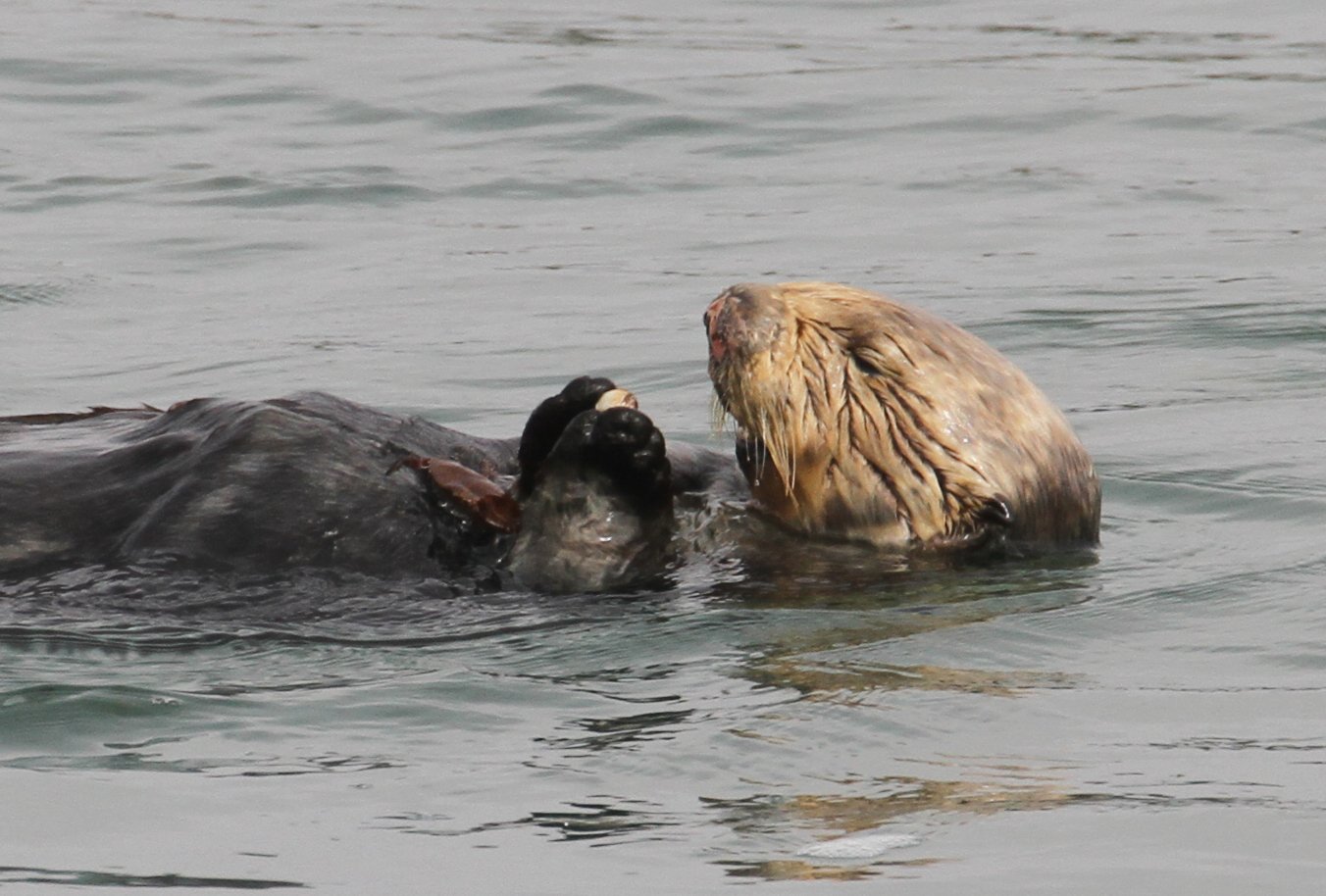
If you crave crunch – the snap of fresh veg, the crack of nuts, the bite of toasted bread – meet the texture specialists. Sea otters wrestle shellfish and crack them open, while parrotfish grind tough coral and algae with beak-like jaws, transforming reefs into fine sand over a lifetime.
Crunch signals structure, minerals, and work. These animals often engineer their habitats through what they eat, the way a baker reshapes dough by kneading. Your affection for crispness might echo that transformative appetite: effort rewarded by texture.
Silky and Simple: Whales, Jellies, and the Smoothie Crowd
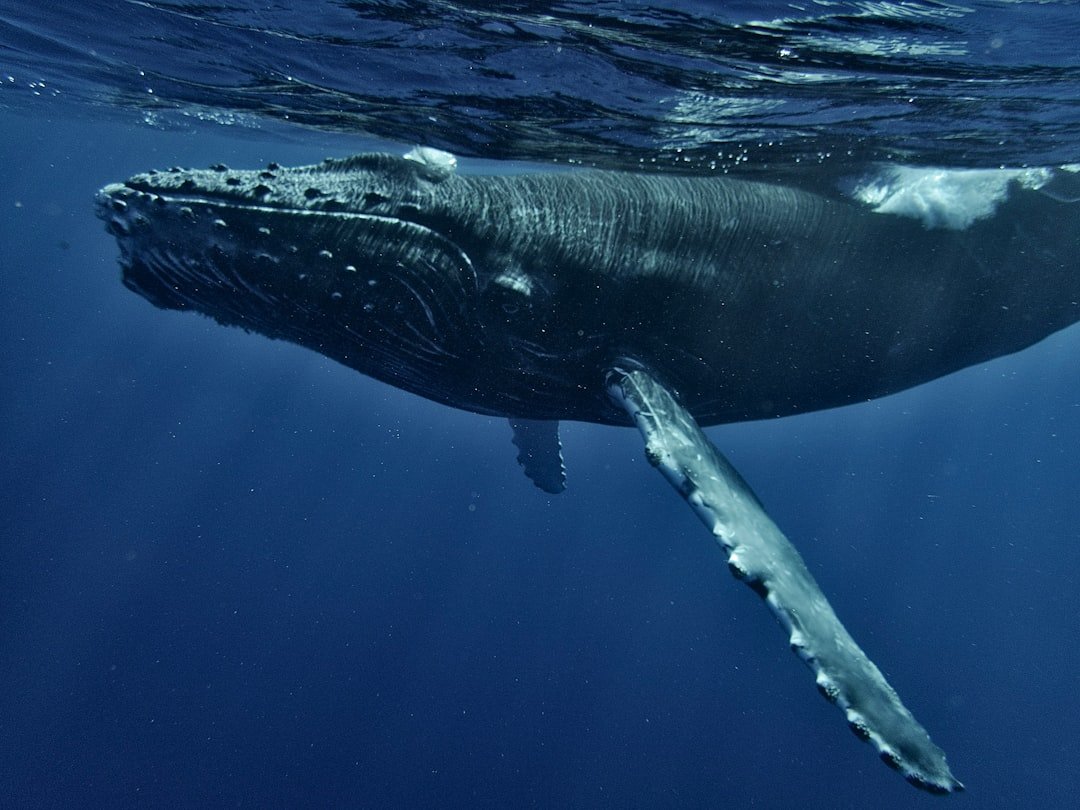
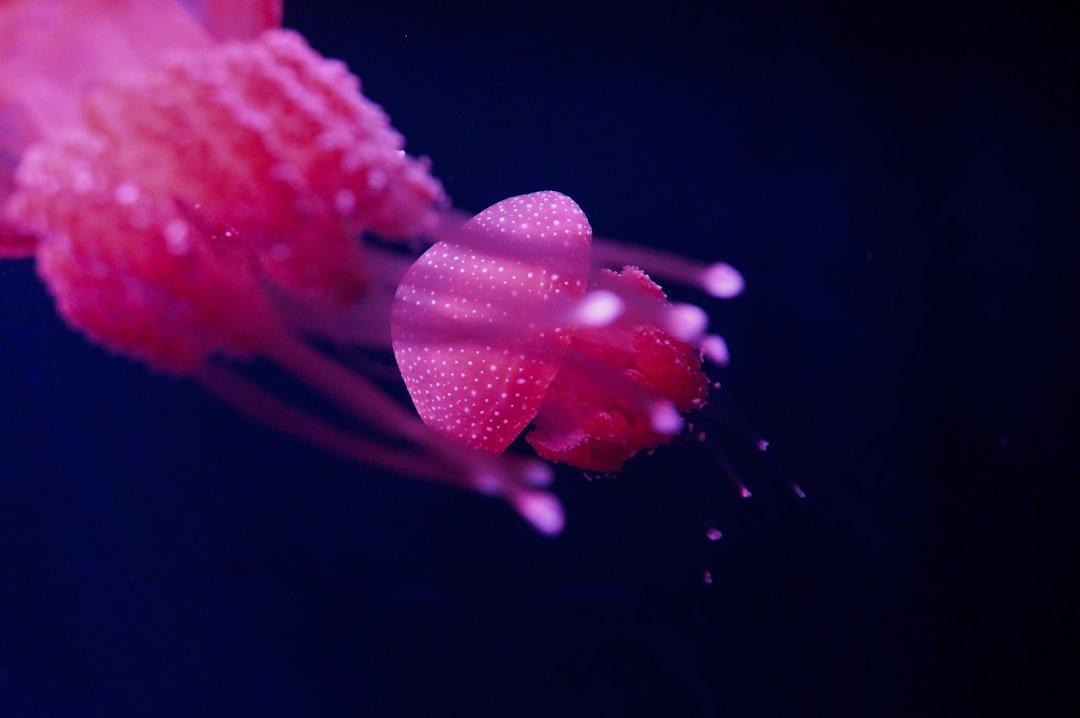
Smooth soups, porridge bowls, and blended shakes align with the ocean’s masters of efficiency. Baleen whales filter dense clouds of krill and small fish, sipping vast numbers of tiny bites through elaborate mouth combs, while jelly specialists like ocean sunfish go for soft-bodied prey when the season peaks.
These strategies minimize chewing time and maximize flow. It’s elegance through scale: small bites, massive throughput. If you adore food that slides, not crunches, your match is the quiet power of the filter and the drift.
Why It Matters
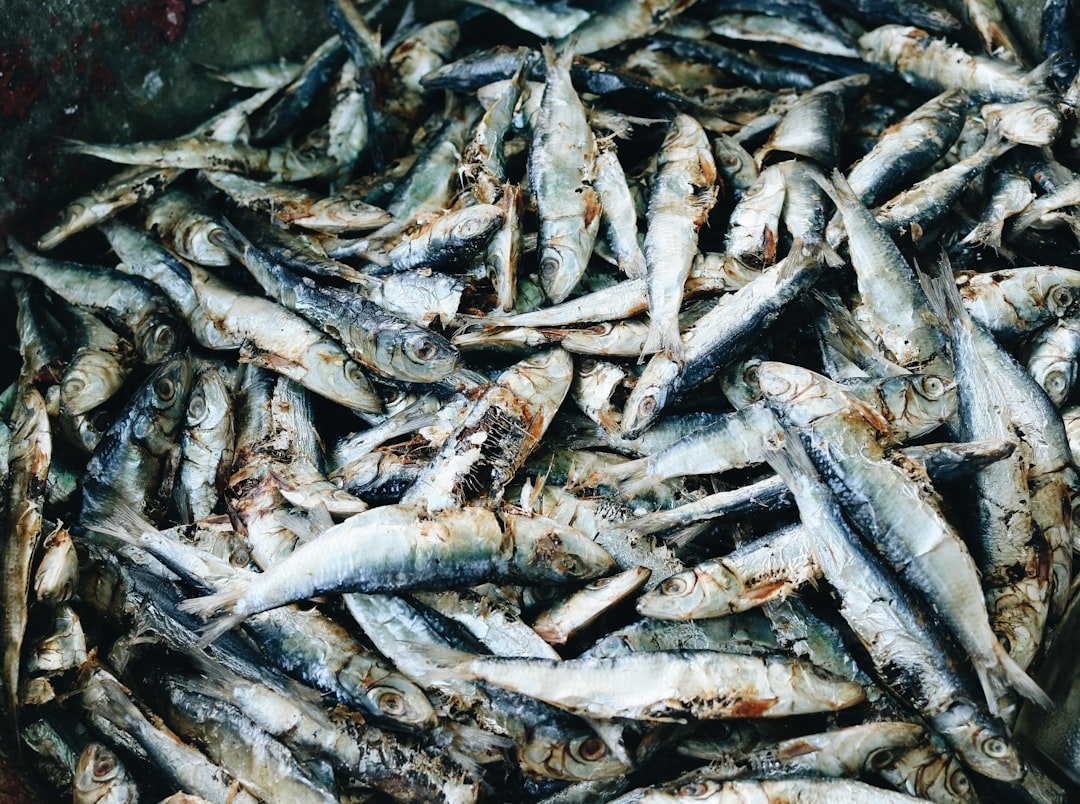
Pairing palates with marine strategies isn’t a parlor trick; it reframes climate, fisheries, and biodiversity in everyday language. Traditional outreach leans on abstract graphs and Latin names, but taste creates a bridge from kitchen to coastline.
When a reader learns their love of richness maps to predator energy budgets, sudden shortages in prey stop being distant headlines. Grazers connect us to seagrass restoration, and crunch lovers become reef advocates almost instinctively. In science communication and policy, the right metaphor can move more people, faster, than another technical report.
Global Perspectives
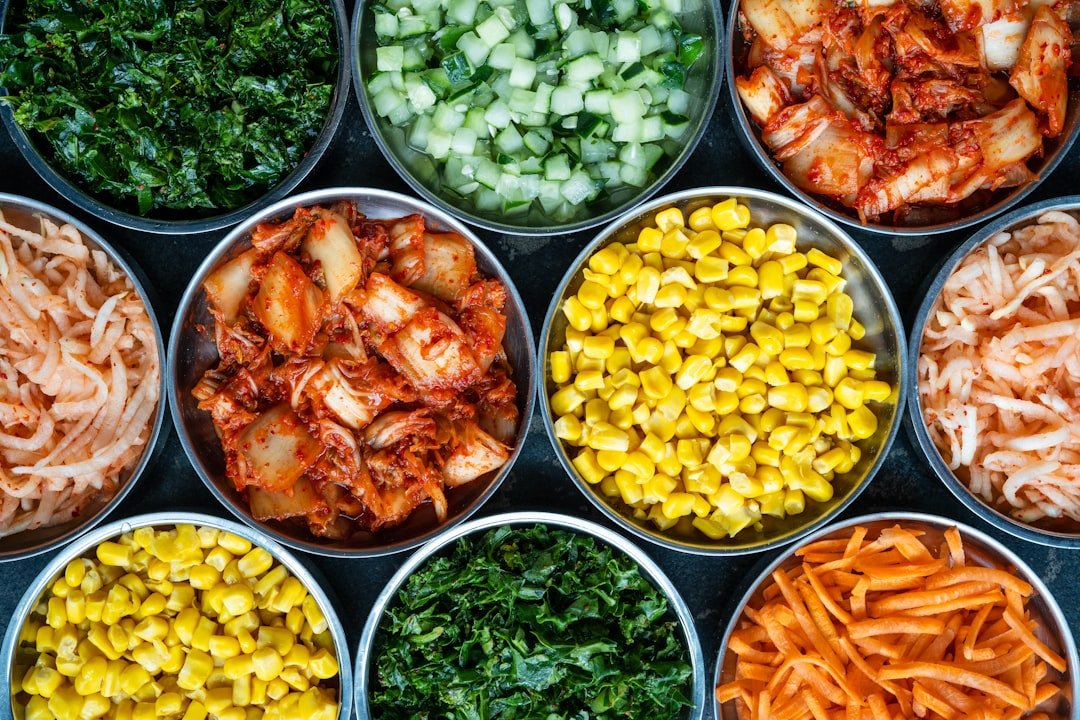
Food cultures shape these matches in fascinating ways. Coastal communities with fish-forward menus may identify with predator or opportunist strategies, while island cuisines heavy on greens and grains mirror grazing patterns tied to available plants.
Urban diets that mix global flavors can reflect the ocean’s most versatile foragers. Meanwhile, the availability of seafood, the health of reefs, and the fate of seagrass meadows all feed back into what ends up on plates. It’s a loop: culture informs appetite, appetite influences demand, demand changes the sea.
The Future Landscape
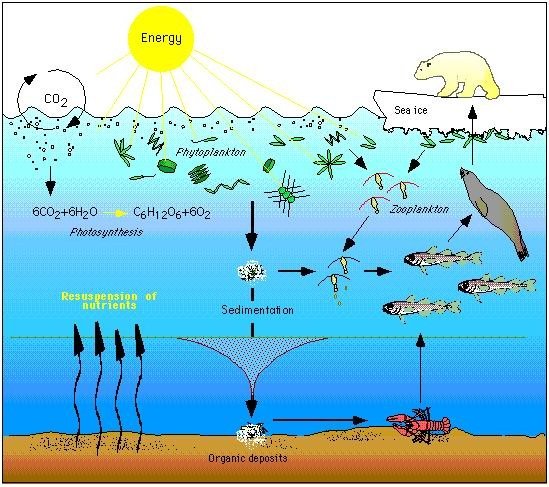
As oceans warm and acidify, dietary strategies will be tested. Filter feeders may face shifting plankton blooms, predators could chase prey into new latitudes, and grazers will depend on the fate of seagrass meadows and algal beds under heat stress.
Emerging tools – environmental DNA in seawater, AI that classifies feeding behaviors from tag data, and global diet databases – will sharpen the matches and the forecasts. Imagine real-time “taste maps” that reveal which strategies are thriving or strained. If your plate patterns align with a vulnerable strategy, that empathy could become action.
Conclusion
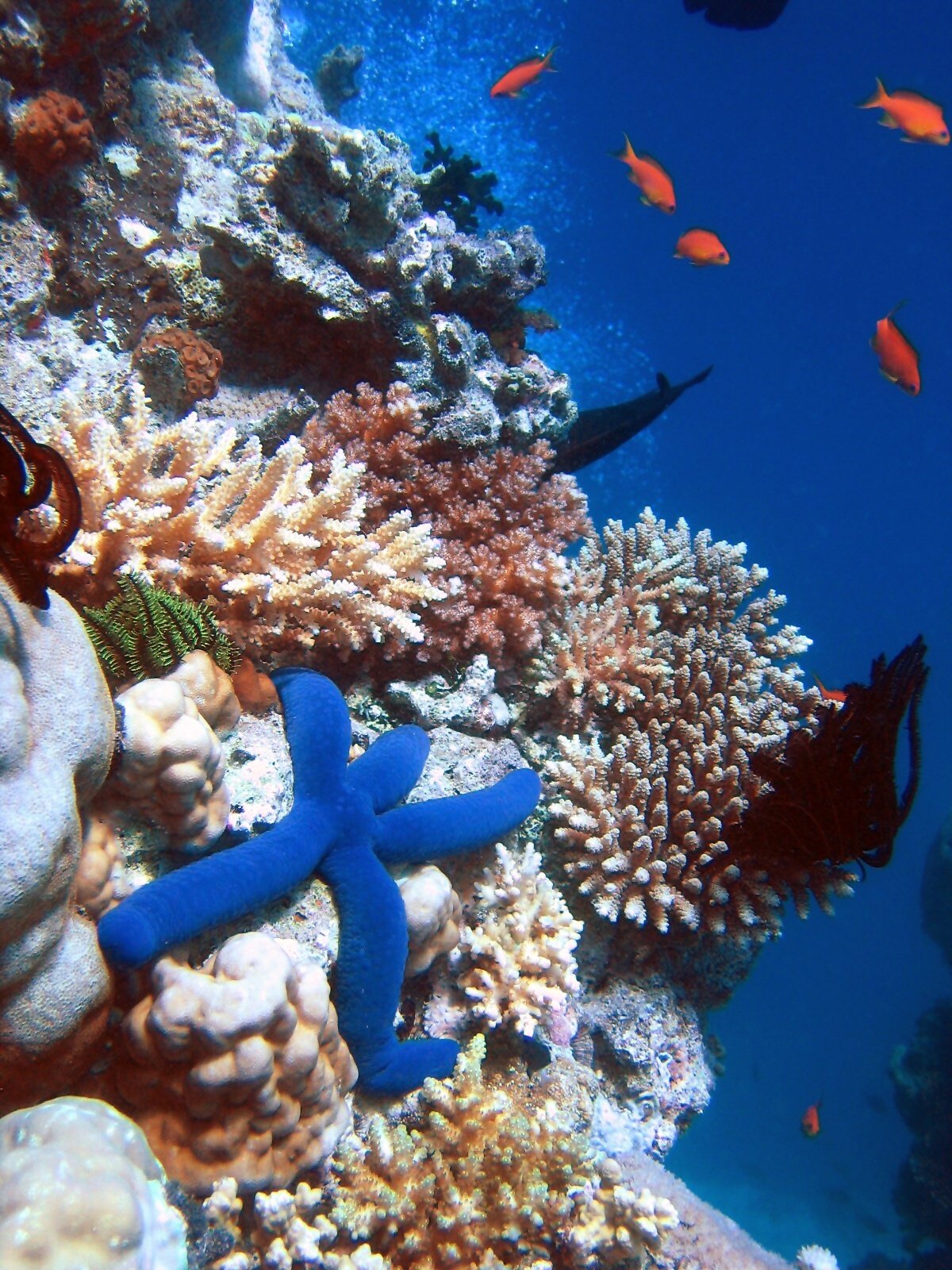
Turn your taste into stewardship. If you identify with predators, support sustainable seafood certifications and policies that prevent overfishing of forage species. If you’re a grazer at heart, back seagrass and mangrove restoration groups that rebuild coastal nurseries.
Texture lovers can champion reef-safe products and coral conservation, while smoothie fans can fund plankton and whale research that protects migration corridors. Try a weekly “ocean-friendly” meal that reduces pressure on wild stocks, and share the story behind your choice with a friend. Ready to let your next bite help the sea breathe easier?
Suhail Ahmed is a passionate digital professional and nature enthusiast with over 8 years of experience in content strategy, SEO, web development, and digital operations. Alongside his freelance journey, Suhail actively contributes to nature and wildlife platforms like Discover Wildlife, where he channels his curiosity for the planet into engaging, educational storytelling.
With a strong background in managing digital ecosystems — from ecommerce stores and WordPress websites to social media and automation — Suhail merges technical precision with creative insight. His content reflects a rare balance: SEO-friendly yet deeply human, data-informed yet emotionally resonant.
Driven by a love for discovery and storytelling, Suhail believes in using digital platforms to amplify causes that matter — especially those protecting Earth’s biodiversity and inspiring sustainable living. Whether he’s managing online projects or crafting wildlife content, his goal remains the same: to inform, inspire, and leave a positive digital footprint.