
We love patterns, and the ocean gives us plenty. For centuries, people have mapped personality onto the stars; today, biologists map movement, metabolism, and social life onto predators that prowl the blue. Put those two lenses together and something surprisingly useful emerges: a story-first way to understand how different hunters work. This isn’t horoscope science – it’s a playful framework to decode real behavior with memorable metaphors. And in a decade when the seas are changing faster than at any time in living memory, a good story can be a Trojan horse for good science.
The Hidden Clues
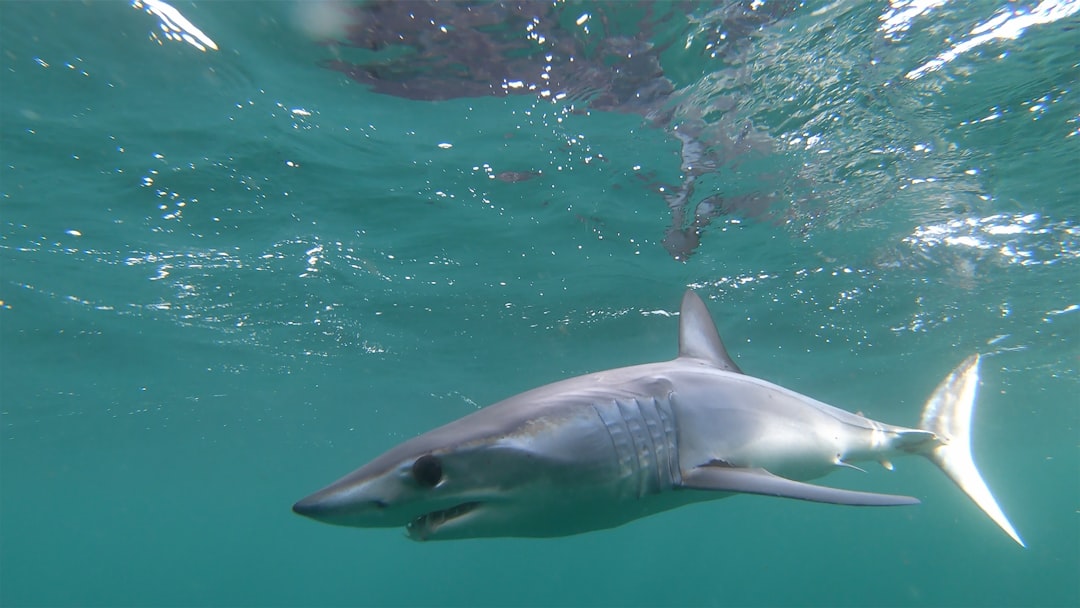
Here’s the hook: elemental signs sketch out energy styles, and marine predators run on energy economics. Watching mako sharks knife through cobalt water or orcas choreograph a hunt, you can feel the archetypes click into place – fire’s sprint, water’s memory, air’s signal, earth’s steadiness. When I first tagged a coastal shark with a team off Cape Cod, the quiet shock wasn’t the size; it was the precision, the way the animal turned like a thought. That’s the clue trail we’ll follow: match the feel, then test it with data.
Scientists read these clues using tags that log depth and temperature, drones that record hunts from above, and genetics that trace family ties. The result isn’t mysticism but motion patterns, heart rates, and food webs. Think of the zodiac here as a set of sticky labels to remember real traits – how heat fuels speed, how currents nudge migrations, how group intelligence reshapes a reef. If a metaphor makes us look closer, it’s done its job. Let’s dive in.
Fire Signs: Heat Moves Fast
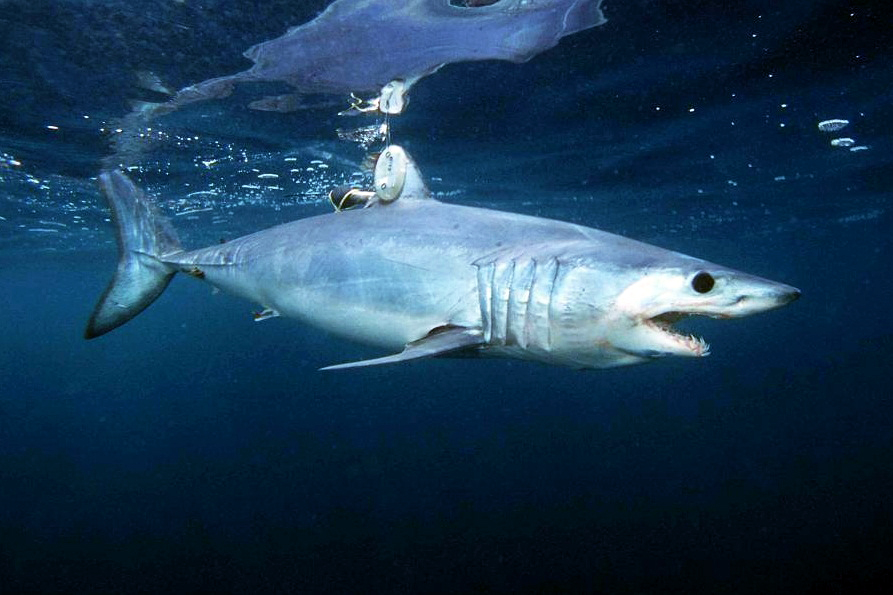
Aries, Leo, and Sagittarius burn bright and move first – so do the ocean’s sprinters. Shortfin mako sharks, with warm muscles that boost performance, hit blistering bursts and chase down agile prey; they’re the high-octane engines of the pelagic highway. Blue marlin and wahoo round out this flame-lit set, bodies tuned for low drag and quick decisions. It’s not just raw speed; it’s a metabolism that can afford to gamble on a chase and win.
Tagging studies show these predators riding temperature fronts like express lanes, switching depth to keep muscles in their sweet spot. You can almost hear fire signs cheering: commit, accelerate, don’t flinch. In a warming ocean, that strategy is both advantage and risk, because heat windows shift and prey move with them. For now, when the water’s right, these hunters write their signatures in wakes and silver flashes. That’s fire, underwater.
Water Signs: Memory and Depth
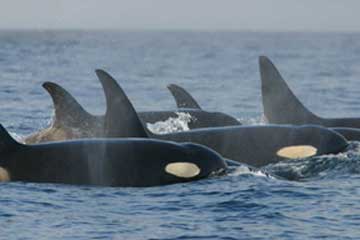
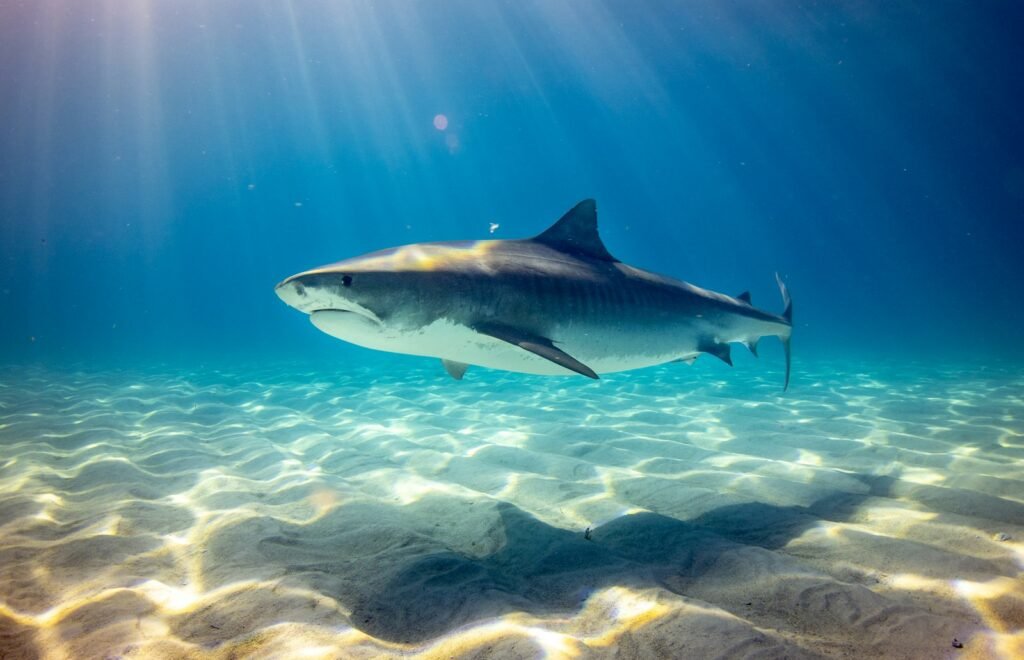
Cancer, Scorpio, and Pisces lean into feeling and loyalty; orcas make the case that culture isn’t a human monopoly. Pods pass down hunting traditions – whether corralling herring into tight bait balls or flipping rays from the bottom – and keep long-term bonds that outlast storms. Tiger sharks fit the moodier side of water, roaming coasts and seamounts, willing to taste almost anything yet returning to reliable hotspots. It’s a palette of patience, planning, and deep memory.
Acoustic records reveal distinct call repertoires between orca groups, and satellite tags map annual pilgrimages that seem less random the longer we watch. Water signs aren’t just about emotion; they’re about archives. In the ocean, that looks like familial routes etched across basins and tactics refined over lifetimes. When a pod appears where herring pulse, it’s not luck – it’s memory doing the swimming. That’s water’s quiet power.
Air Signs: Speed and Signal
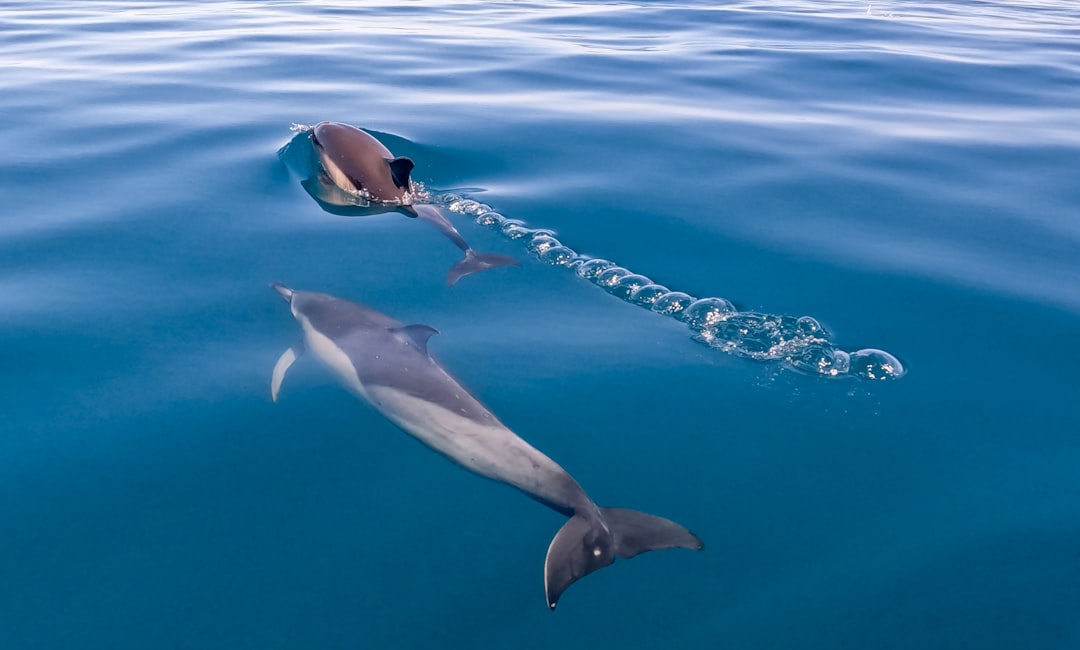
Gemini, Libra, and Aquarius love the dance of information; dolphins and sailfish make that dance visible. Common dolphins track schools with bursts of chatter and coordinated turns, improvising in ways that feel like jazz. Sailfish flare their dorsal sails to corral prey and flash alternating stripes that seem to cue the team, a light show in open water. Here, hunting is a communication sport as much as a sprint.
Researchers have documented tool use in some dolphin populations and rapid role-switching during group hunts. It’s the air element translated into water: networks, signals, and elegant geometry. In a world where prey constantly re-sorts itself, the hunters who message fastest eat first. When visibility drops or noise rises, these predators adapt by changing frequency, spacing, or tactics. Information is oxygen – and they breathe it well.
Earth Signs: Strength and Strategy
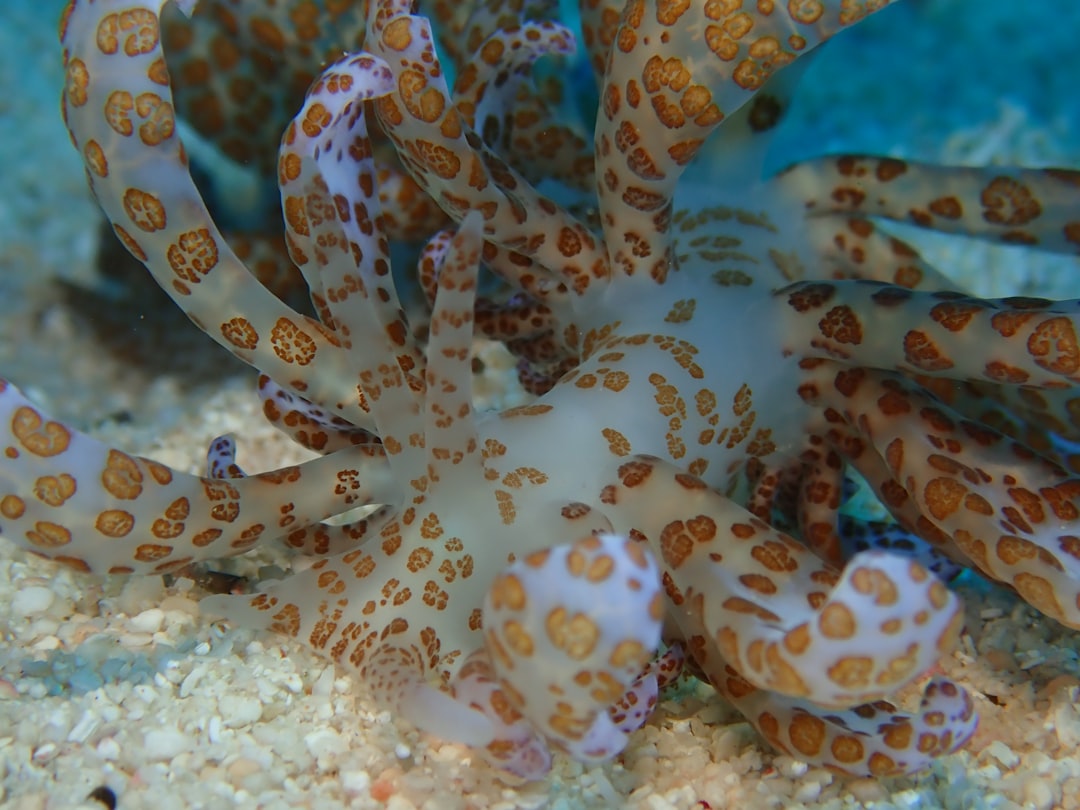
Taurus, Virgo, and Capricorn prefer patience, structure, and payoffs that stick; think groupers, moray eels, and octopuses. Groupers lurk by day and lunge at the right moment, sometimes recruiting morays with head shakes to flush prey from crevices – the reef’s version of a planned collaboration. Octopuses rewrite the rulebook entirely, using camouflage, problem-solving, and a body that’s all possibility. On rocky shelves and coral alleys, the earth element shows up as territory, timing, and tools.
This isn’t slow; it’s deliberate. Benthic predators turn the seafloor into a chessboard, memorizing each bolt-hole and escape route. Energy budgets favor ambush over chase, and the wins are precise rather than flashy. Even salt-tolerant crocodiles along tropical coasts play this game, waiting out tides like accountants of motion. If fire spends and air negotiates, earth invests – and collects with interest.
Why It Matters
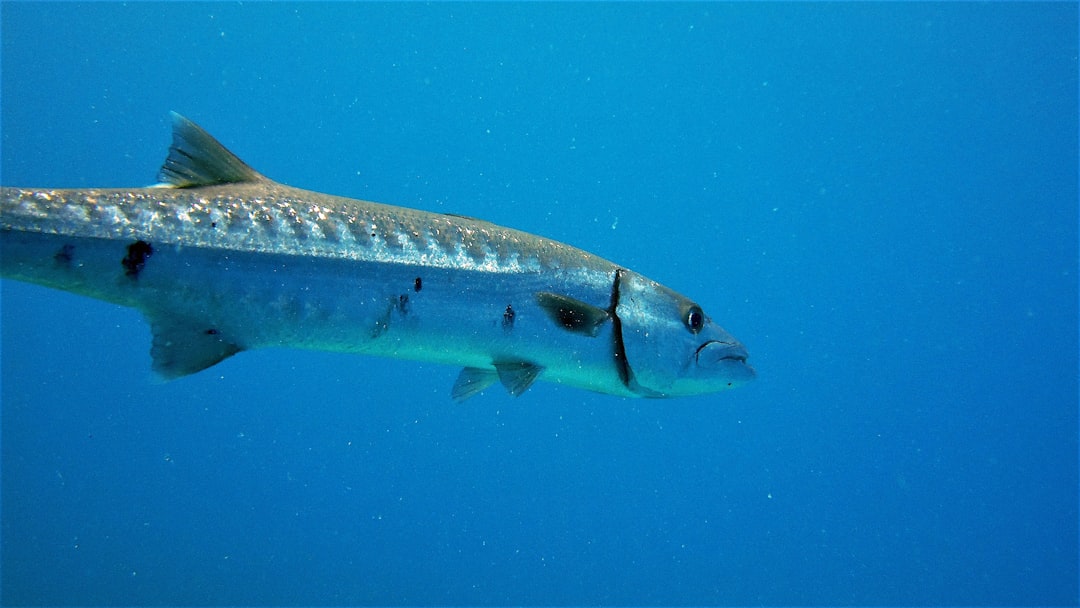
Elemental metaphors are fun, but the stakes are scientific: matching style to species helps predict responses to a changing ocean. Fire-style sprinters depend on narrow temperature bands; as marine heatwaves spread, their hunting windows can shrink or shift poleward. Social hunters like dolphins and orcas rely on quiet channels to coordinate; rising underwater noise from shipping and drilling can scramble their signals. Ambush strategists need intact habitats, so reef loss and coastal development cut directly into their playbooks.
Compared with traditional species lists or range maps, a behavior-first lens makes it easier to see what breaks under pressure. Managers can tailor protections to the actual currency each predator uses – heat for speedsters, acoustic space for communicators, structure for ambushers. Simple, sticky frames also help the public remember complex truths long after a headline fades. In conservation, recall fuels support, and support pays for science. The metaphor is a bridge, not the destination.
– Sprint hunters thrive when thermal fronts are stable and abundant; prolonged heatwaves can fragment those highways.
– Social predators hunt better when background noise is low; quieter shipping corridors and speed restrictions create breathing room.
– Ambush predators need healthy seafloor architecture; protecting reefs, mangroves, and seagrass beds preserves their tactics.
The Future Landscape
Tomorrow’s ocean science is moving from snapshots to storylines. Multi-sensor tags now log heartbeats, accelerations, and even head angles, while machine learning stitches tracks and prey fields into digestible patterns. Drones, autonomous saildrones, and quiet gliders extend our reach without adding noise, watching predators make decisions in real time. The picture that emerges is less about a species in general and more about strategies under specific conditions.
That precision changes policy. Dynamic management can open and close fishing zones based on the real-time whereabouts of speedsters chasing fronts, rather than on fixed dates that miss the action. Acoustic sanctuaries could flex with migratory corridors to give communicators quiet channels when they need them most. Habitat restoration can prioritize reef shapes and mangrove edges that reset the ambush economy. The headline isn’t destiny; it’s design.
Call to Action
You don’t need a research vessel to help. Choose seafood from programs that track bycatch and protect apex predators; speedsters and social hunters both benefit when nets get smarter. Back policies that lower ship speeds near coasts and key corridors, because a quieter sea is a kinder hunting ground. Support reef and marsh restoration through local groups; every coral branch and grass blade is a future ambush point for the little hunters that feed the big ones.
Most of all, stay curious – match what you see to these styles and ask what each predator needs to keep doing what it does best. The zodiac is just a mnemonic, but the animals are real, and their strategies are masterpieces written in motion. If we protect the currencies they trade in – heat, signal, structure – we safeguard the stories they’ve perfected over millions of years. That’s a future worth choosing. Which ocean strategy surprised you most today?
Suhail Ahmed is a passionate digital professional and nature enthusiast with over 8 years of experience in content strategy, SEO, web development, and digital operations. Alongside his freelance journey, Suhail actively contributes to nature and wildlife platforms like Discover Wildlife, where he channels his curiosity for the planet into engaging, educational storytelling.
With a strong background in managing digital ecosystems — from ecommerce stores and WordPress websites to social media and automation — Suhail merges technical precision with creative insight. His content reflects a rare balance: SEO-friendly yet deeply human, data-informed yet emotionally resonant.
Driven by a love for discovery and storytelling, Suhail believes in using digital platforms to amplify causes that matter — especially those protecting Earth’s biodiversity and inspiring sustainable living. Whether he’s managing online projects or crafting wildlife content, his goal remains the same: to inform, inspire, and leave a positive digital footprint.