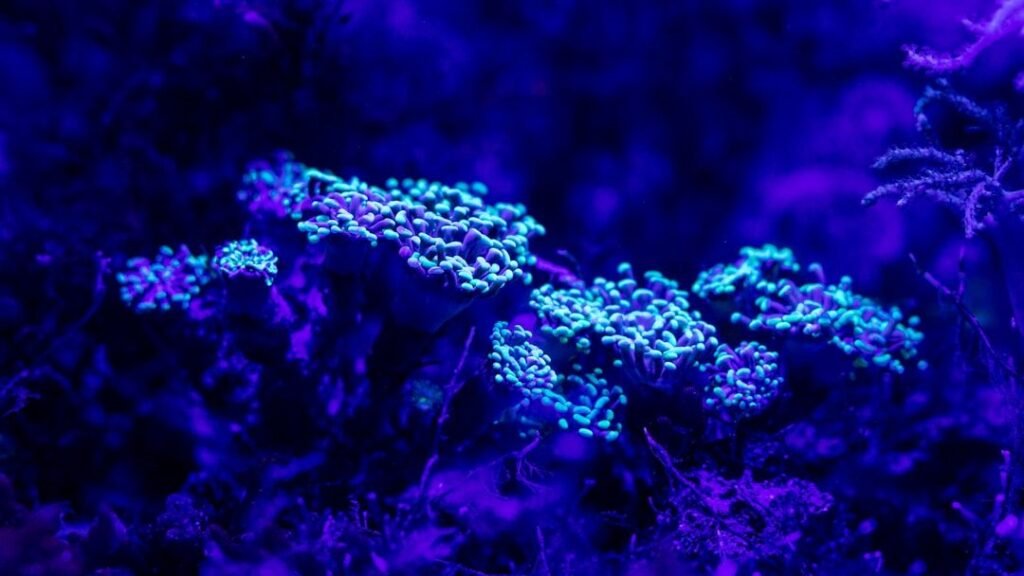
Picture a shadow moving through green water and leaf-filtered light, the kind of presence that hushes a forest without raising its voice. That’s the riddle at the heart of this question: when the zodiac imagines a leader, we see a lion under open sky, but the jungle writes leadership in a different script. Scientists, conservationists, and trackers are piecing together a profile of authority that’s quieter, heavier, and arguably more commanding.
The verdict is surprising: in the rainforest, the jaguar matches the spirit of Leo more than any other predator – regal not because it parades, but because every step rearranges the system around it. The proof lives in anatomy, behavior, culture, and the changing map of a continent.
The Hidden Clues
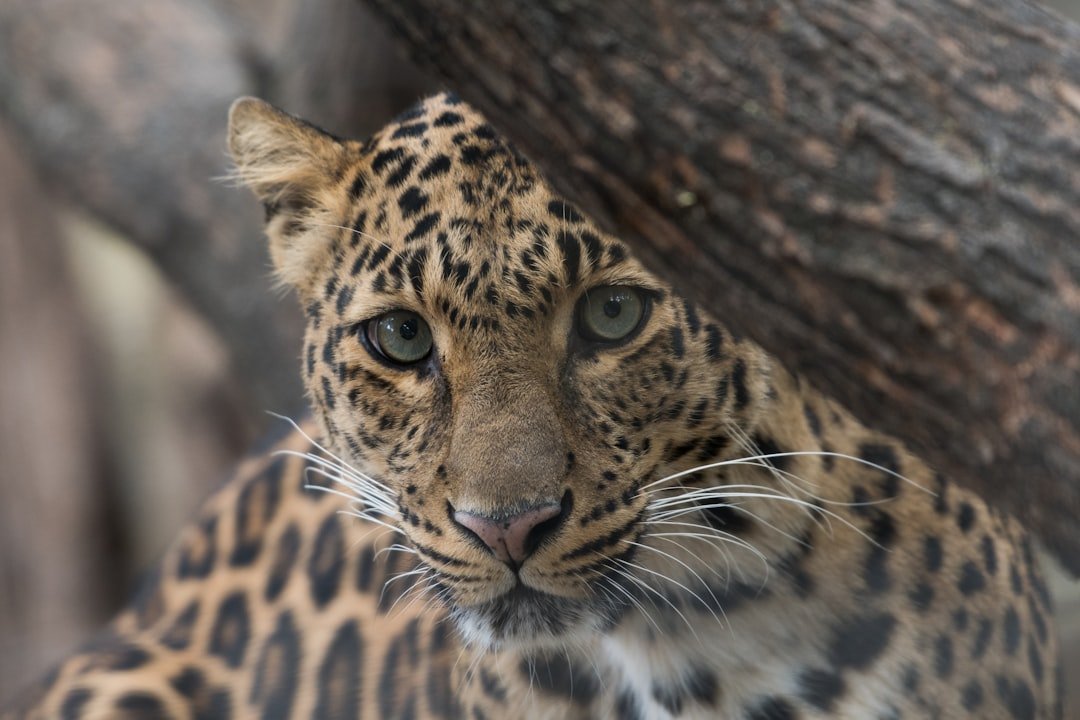
Leadership in closed-canopy forests doesn’t look like a parade; it looks like control over choices and space. The jaguar masters that control, deciding when the river shall be still and when it shall ripple with hunted fish, when trails open or close for capybara, and when caiman dare to bask.
Biologists reading claw marks on boles and pugmarks in mud find a pattern of ownership that extends beyond territory into influence, a subtle rearrangement of daily schedules among dozens of species. Unlike the social drama of savanna hunters, this is governance by presence, not performance. That quiet gravity is the jungle’s version of a crown.
From Ancient Symbols to Modern Science
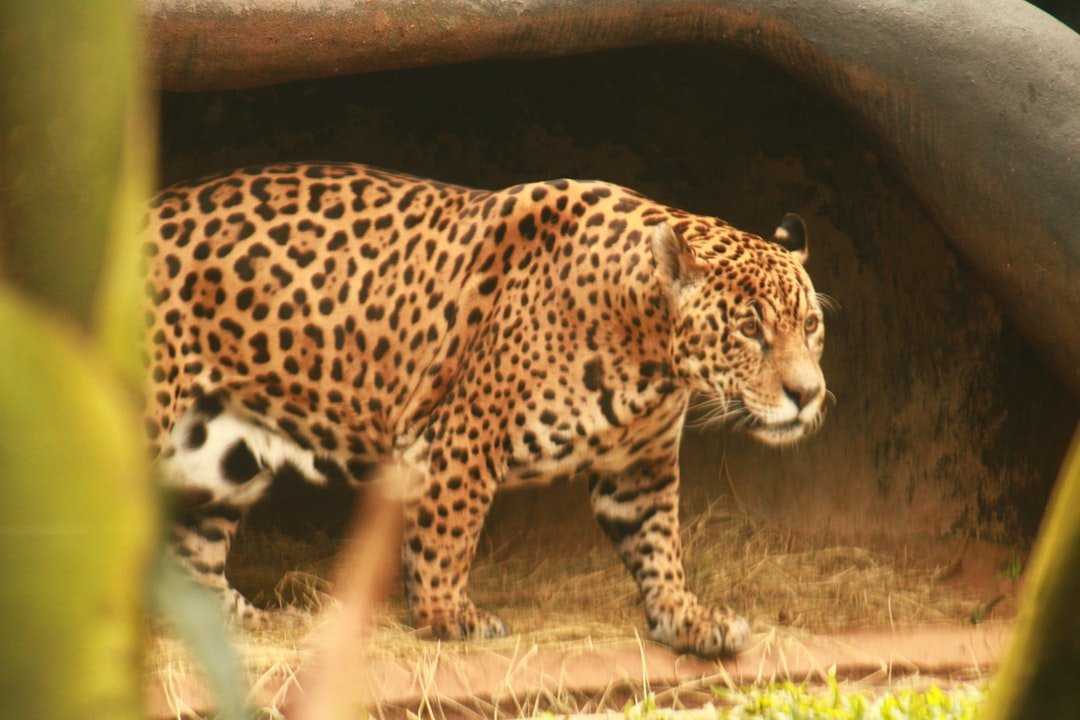
Long before GPS collars and camera traps, rainforest civilizations recognized the jaguar as the figurehead of the deep woods, placing it at the center of royal art, ritual, and power. Those old motifs now rhyme with modern datasets: telemetry maps show expansive home ranges that stitch together rivers, oxbow lakes, and palm stands, a moving geometry of dominance. Camera traps, deployed in gridded arrays across rainforests and dry forests alike, capture jaguars patrolling at hours when competitors vanish from the frame.
Even spectral analyses of coat patterns aid identification, revealing how individuals maintain spacing that reduces costly conflict while sustaining their reign. In other words, both memory and measurement point to the same leader.
Anatomy of Authority
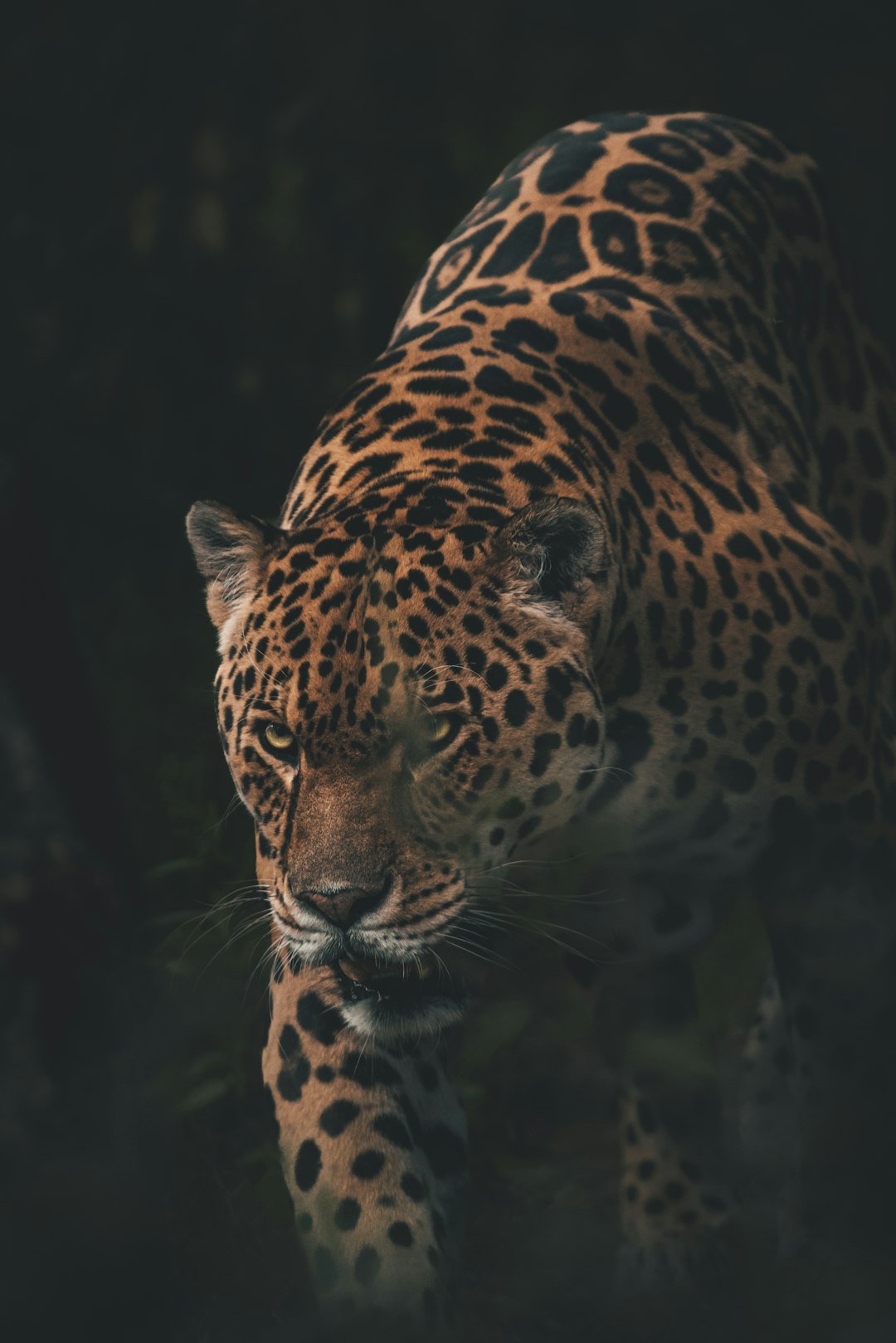
The jaguar’s build reads like a blueprint for decisive action: a broad skull, dense muscles, and forelimbs that translate intent into leverage. Its bite is famously efficient, often aimed at the skull of prey to end pursuits fast and minimize risk, the predatory equivalent of a clean executive decision. Retractable claws and robust paws give purchase on slick riverbanks and fallen logs, converting uncertainty into traction.
The rosette-coated body is more than ornament; it breaks edges and confuses outlines, helping a large animal move as if it were a rumor. Add a comfort with water that few big cats share, and you get a ruler who signs edicts in both mud and current.
Behavior at the Top of the Food Web
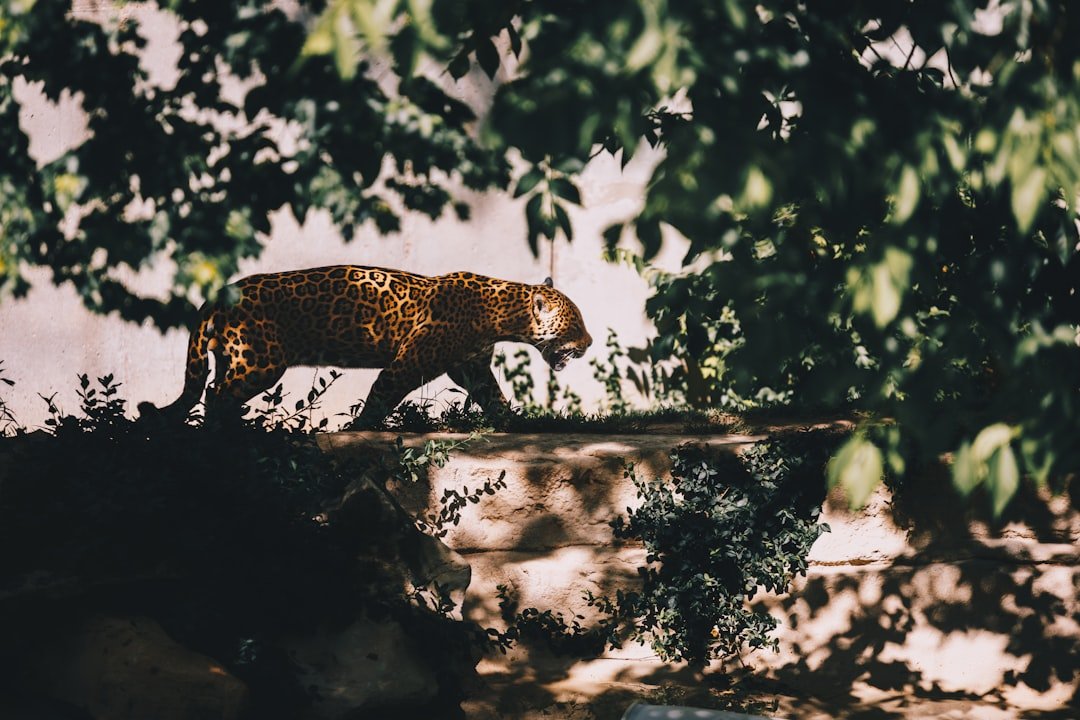
Watch a healthy river system and you’ll see the jaguar’s policies in motion: caiman choose different sandbars, turtles shift nesting times, and herbivores browse with a little more caution. Diet studies from scat and kill sites show a surprisingly catholic palate – fish, reptiles, ungulates – which spreads the predation pressure and stabilizes the network. That portfolio strategy matters; when one prey species dips, the system doesn’t buckle, and the ruler stays above the turbulence.
Jaguars are mostly solitary, yet their territories overlap at the edges like neighboring jurisdictions, a layout that reduces collisions while leaving room for dispersing youth. Sovereignty here is a mosaic, stitched together by scent marks, scrape lines, and those midnight crossings that leave only a few drops of water on a leaf.
Why It Matters
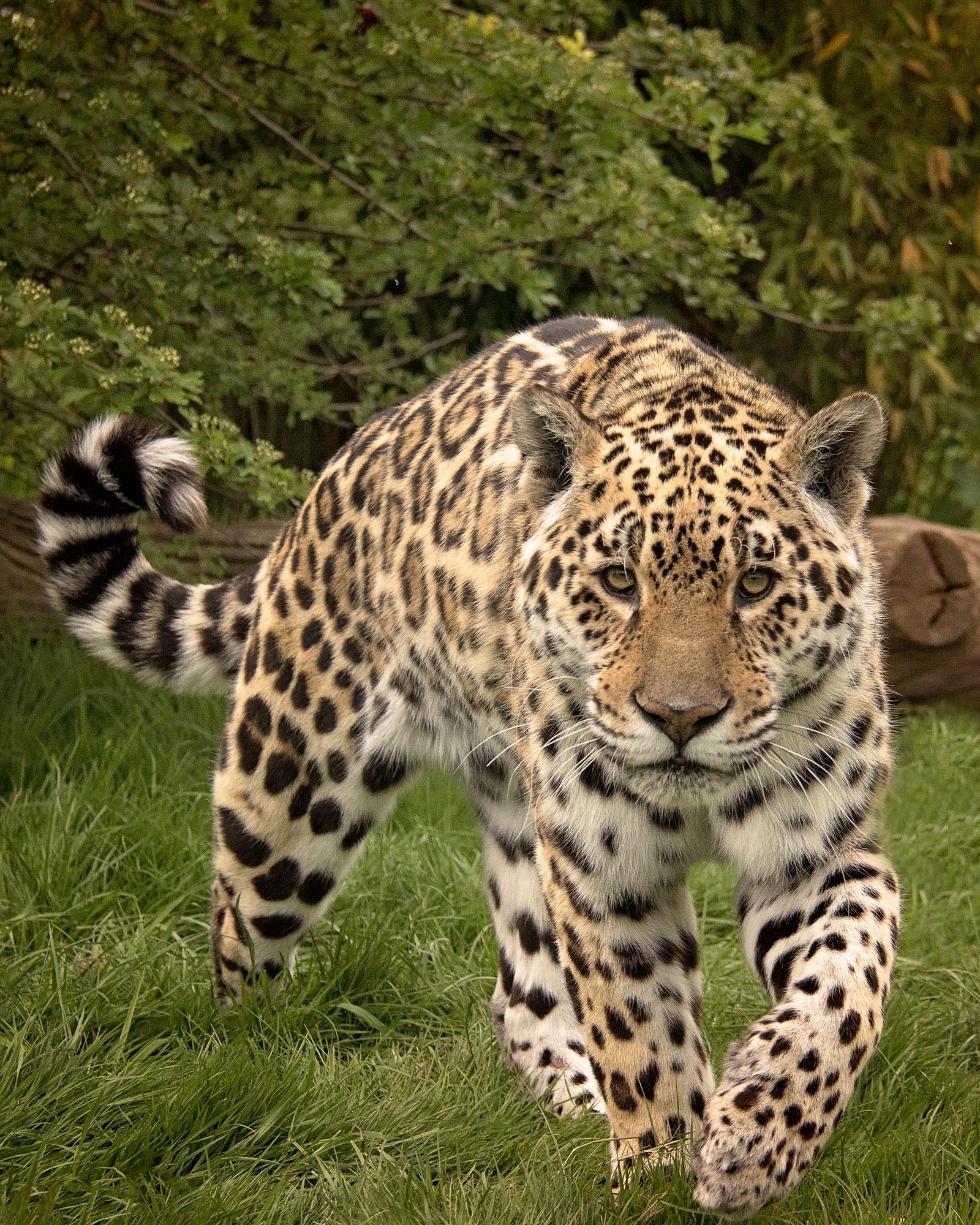
Calling the jaguar the jungle’s Leo isn’t poetry for its own sake; it reframes leadership as outcomes rather than noise. Savanna lions model social command, but rainforest leadership is ecological – measured in trophic cascades, not roars per hour. When top predators vanish, mid-level predators often surge, herbivory spikes, and riverbanks unravel, changes that can reach human crops and fisheries downstream.
Framing the jaguar as an emblem of steady, distributive control highlights why conservation must prioritize function, not just face value. It is the difference between admiring a crown and understanding the laws it enforces.
Global Perspectives
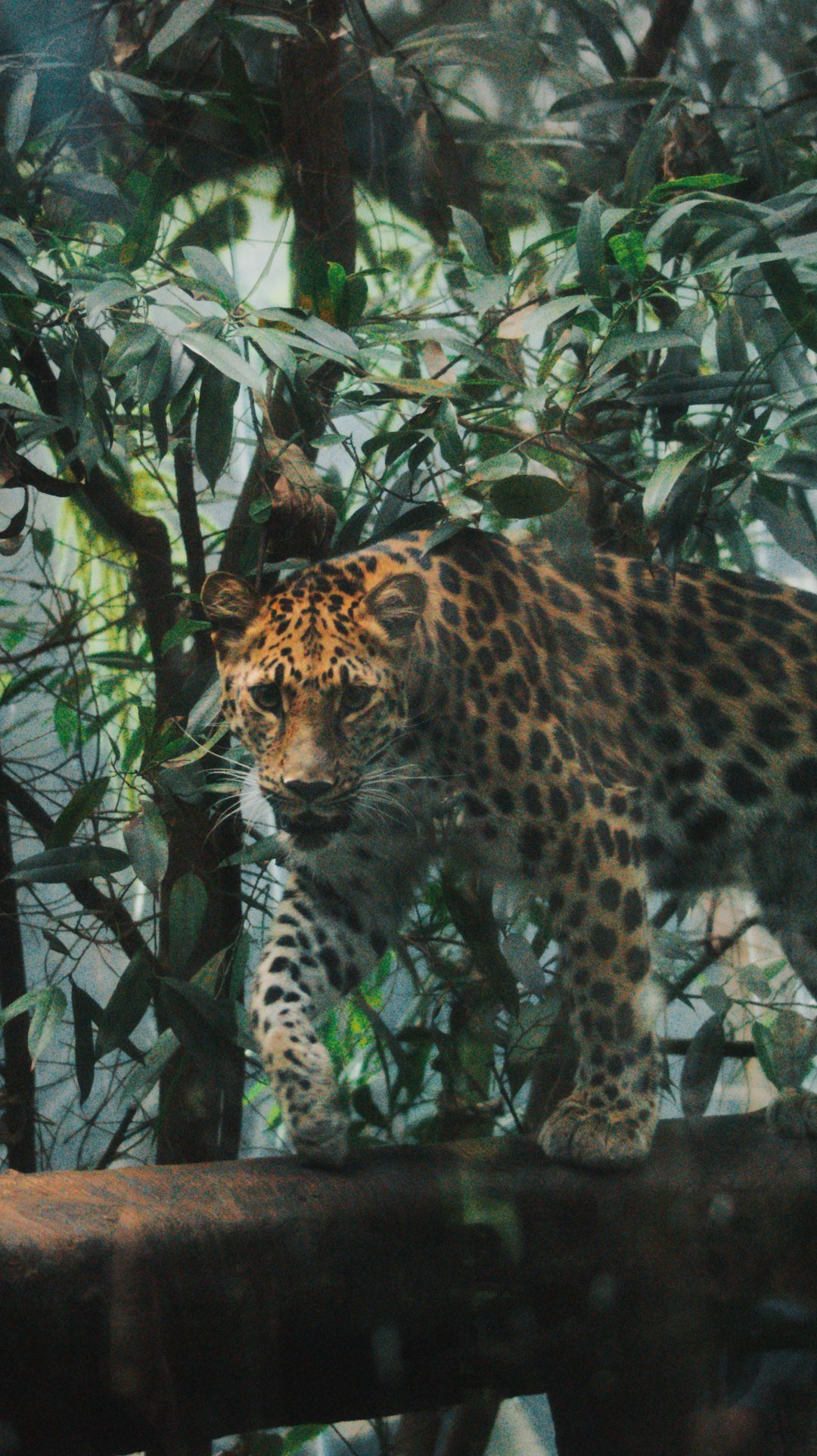
Follow the map from Mexico’s tropical forests to the heart of the Amazon and into the seasonally flooded plains beyond, and you’ll find one leadership style adapting to many jurisdictions. In dense rainforest, jaguars lean on stealth and waterways; in drier woodlands and thorn scrub, they operate across longer distances and patchy cover. Indigenous knowledge often anticipates these shifts, describing patterns of movement along ridge lines and river corridors that researchers later confirm with tags and traplines.
Cross-border projects now try to keep those corridors intact so authority doesn’t fracture into isolated fiefdoms. In this sense, the jaguar is a transnational leader whose constituency is measured in habitats, not headlines.
From Ancient Tools to Modern Science
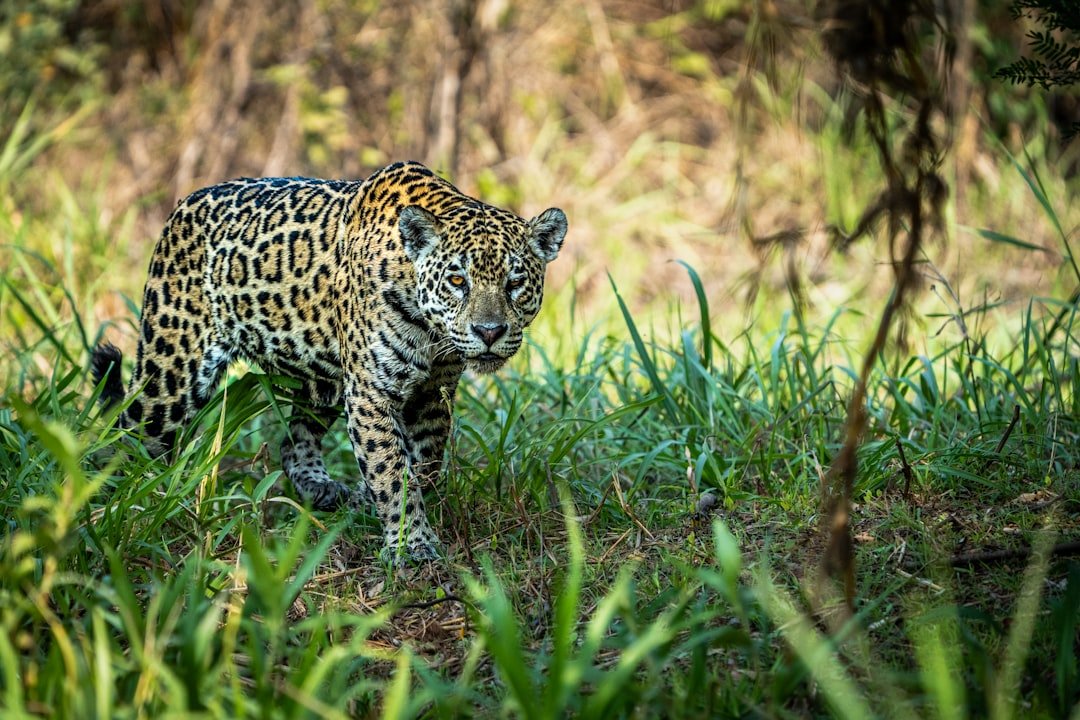
Field teams now carry a toolkit that would have stunned the early naturalists: high-resolution satellite imagery to track deforestation in near real time, acoustic sensors that pick up gunshots and chainsaws, and lightweight collars that update positions with astonishing fidelity. Emerging environmental DNA techniques from river water may potentially reveal if a jaguar passed upstream, a ghost turned into data by stray cells.
Image-recognition algorithms match rosette patterns across millions of photographs, building life histories from glimpses and banishing the old problem of double counting. When researchers overlay these datasets, they can see how roads, fires, and dams bend the lines of authority on the landscape. It’s governance analytics for a species that never asked for a desk.
The Future Landscape
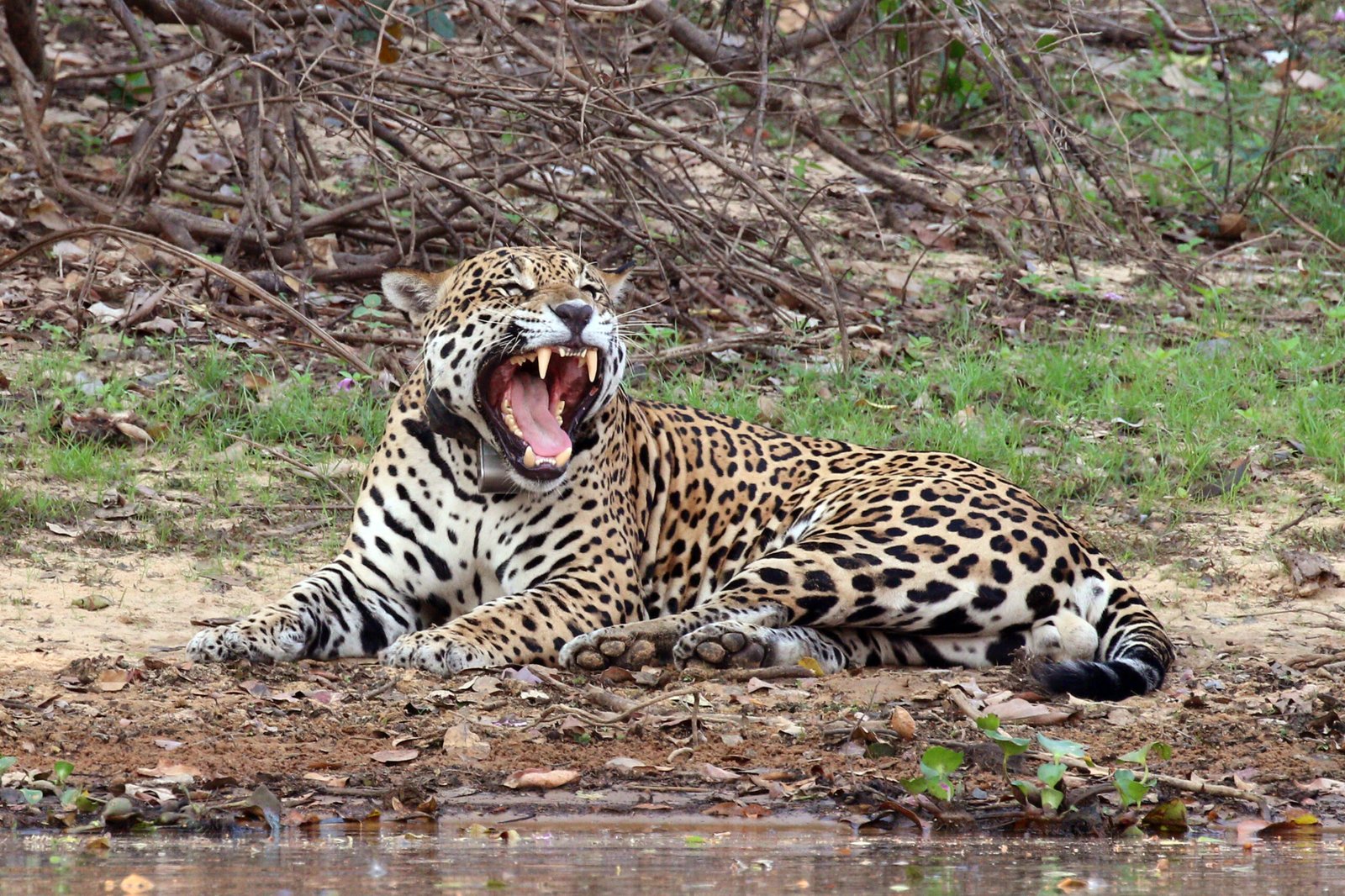
Tomorrow’s jungle leadership will be negotiated under tougher terms: shrinking forests, hotter droughts, and flood pulses that rewrite hunting routes. Conservation plans are shifting from static parks to connected networks, linking core refuges with riverine and upland corridors so authority can move with seasons and climate. Advances in noninvasive monitoring – think longer-lived tags, smarter camera grids, and standardized eDNA surveys – promise more precise maps of influence without adding pressure to the animals themselves.
The challenges are blunt: funding shortfalls, uneven law enforcement, and the complex realities of communities who need both livelihoods and living forests. Whether the jaguar keeps its crown will depend on how quickly those systems learn to think like a moving, breathing network.
Conclusion
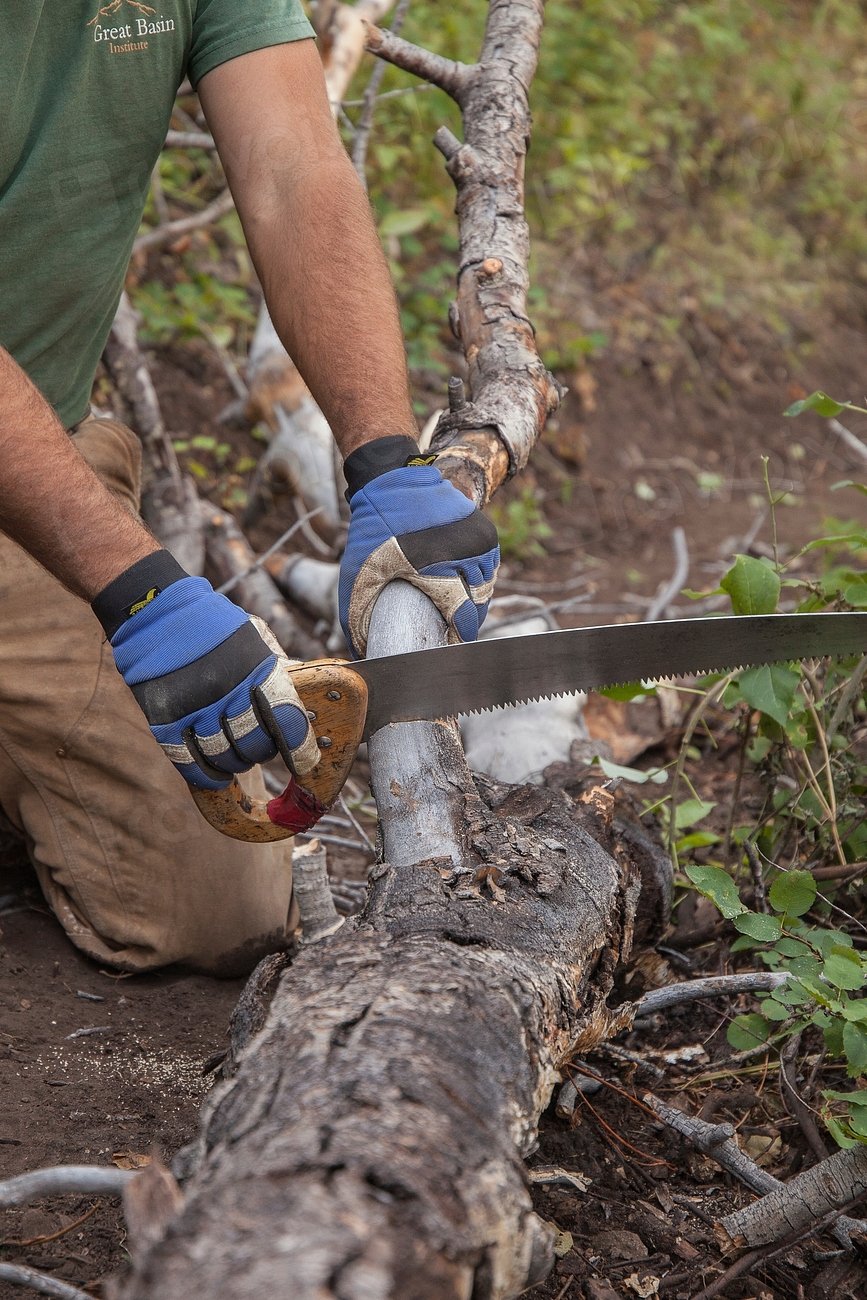
Leadership in nature isn’t a spectacle; it’s a stabilizer, and that makes protecting it everyone’s business. Support corridor projects that stitch fragmented forests back together, because a broken map makes a weak ruler and a brittle ecosystem. Choose products certified to reduce deforestation pressure, and treat river-caught fish and farmed alternatives as part of a single, connected choice. Back community-led monitoring and ranger programs; the most effective conservation often begins with local eyes and local priorities. Share trustworthy science and resist sensational myths, because the story we repeat is the policy we get.
Suhail Ahmed is a passionate digital professional and nature enthusiast with over 8 years of experience in content strategy, SEO, web development, and digital operations. Alongside his freelance journey, Suhail actively contributes to nature and wildlife platforms like Discover Wildlife, where he channels his curiosity for the planet into engaging, educational storytelling.
With a strong background in managing digital ecosystems — from ecommerce stores and WordPress websites to social media and automation — Suhail merges technical precision with creative insight. His content reflects a rare balance: SEO-friendly yet deeply human, data-informed yet emotionally resonant.
Driven by a love for discovery and storytelling, Suhail believes in using digital platforms to amplify causes that matter — especially those protecting Earth’s biodiversity and inspiring sustainable living. Whether he’s managing online projects or crafting wildlife content, his goal remains the same: to inform, inspire, and leave a positive digital footprint.