Astrology may be a matter of belief, but it’s also a surprisingly handy storytelling lens for science. When we ask which forest creature mirrors Virgo – careful, practical, service‑minded – we open a door to field research on behavior, engineering, and ecosystem care. Instead of treating the zodiac as destiny, we can treat it as a prompt, a way to notice patterns we usually overlook. The result is a grounded question with real teeth: which animal’s daily work best embodies precision, maintenance, and quiet impact? As it turns out, the answer leads us to mud‑brown water, the hiss of willow leaves, and a lodge that breathes.
The Hidden Clues
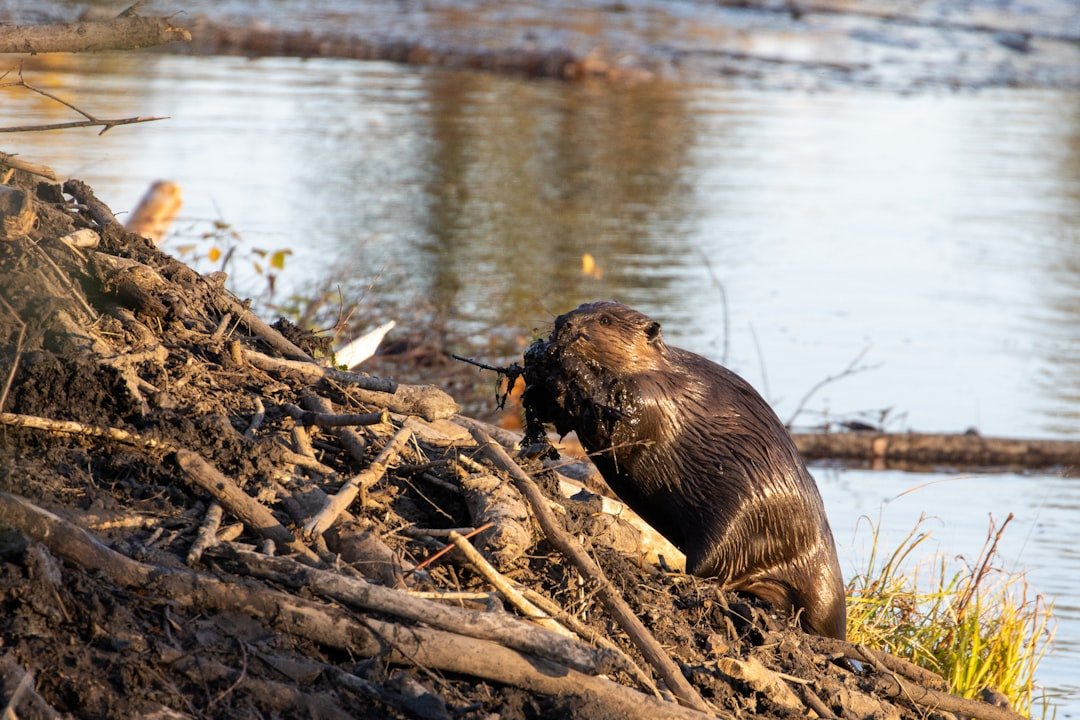
What if the truest mirror for Virgo isn’t a tidy desk or a color‑coded calendar, but a nocturnal engineer that rearranges rivers one twig at a time? In the forest, order isn’t tidy shelves; it’s structure, flow, and resilience stitched together under the surface. You see it whenever a small dam slows a stream, gathers sediment, and turns a trickle into a mosaic of pools.
I once sat at dusk beside a beaver pond and watched the waterline creep up the face of a newly patched dam like a measuring tape. That inching edge said everything about patience, calibration, and results that speak softly but change everything.
From Ancient Archetypes to Modern Science
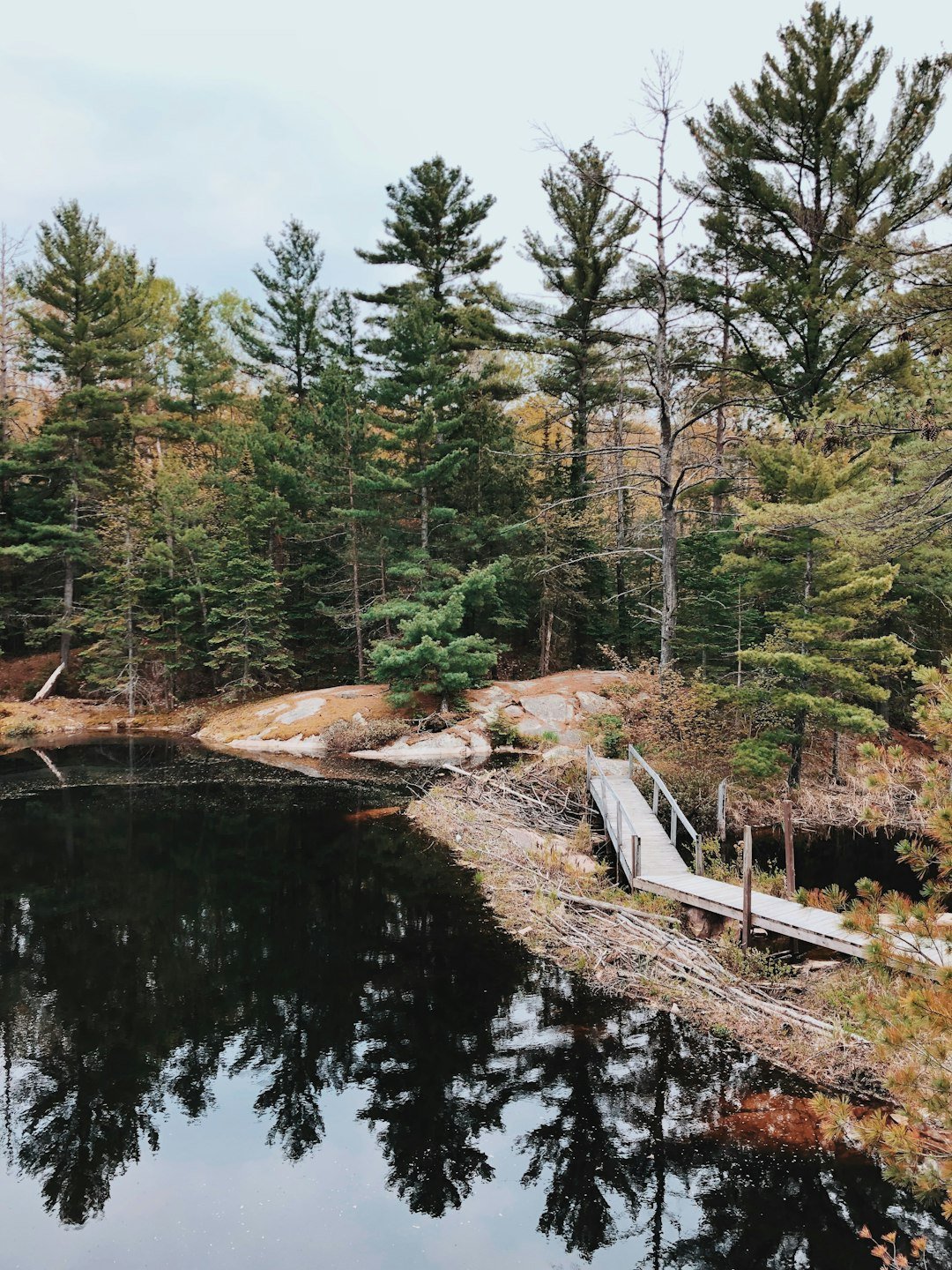
Virgo’s archetype is earthy, analytical, and service‑oriented – traits that map neatly onto how biologists describe certain behaviors: meticulous nest‑building, tool use, and habitat engineering. Ethologists don’t score star signs, but they do measure time budgets, construction choices, and social cooperation. The parallel is useful, not literal, a cultural language translating spreadsheets of field notes into something people can feel.
Viewed this way, Virgo becomes less about personality and more about ecological function: routines that maintain systems and reduce risk. In forests and riparian corridors, that function has a standout champion.
Candidate Profile: The Beaver, Nature’s Meticulous Engineer
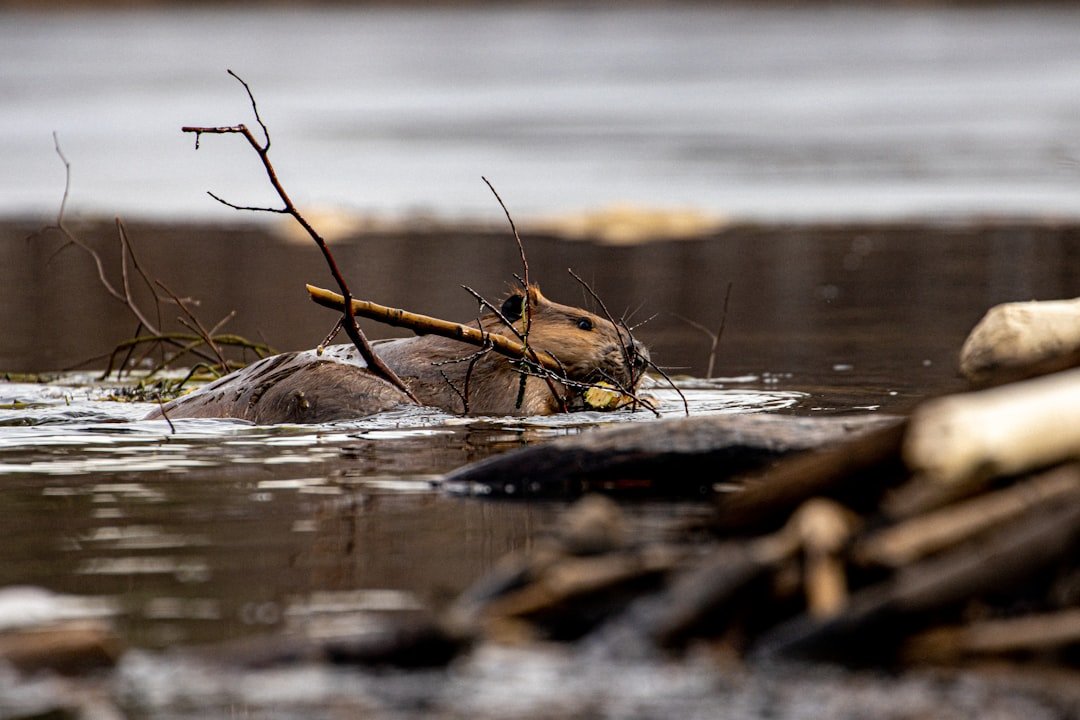
Beavers generally form long‑term pair bonds, raise kits cooperatively, and transform landscapes with a toolkit of teeth, mud, and astonishing patience. Their dams slow fast water, spread it laterally, and create wetlands that store moisture, filter sediment, and host a burst of aquatic insects and amphibians. Lodges are not random piles; they are ventilated, multi‑chambered refuges that modulate temperature and keep families safe.
Ecologists often call beavers ecosystem engineers because their structures outlast the builders and reshape hydrology. In drought‑prone regions, these ponds can keep streams running longer into summer and provide damp firebreaks that blunt the edge of wildfire. Methodical, repair‑focused, quietly stabilizing – the pattern reads like a field guide to Virgo.
Rivals in the Running: Ants, Badgers, and Owls
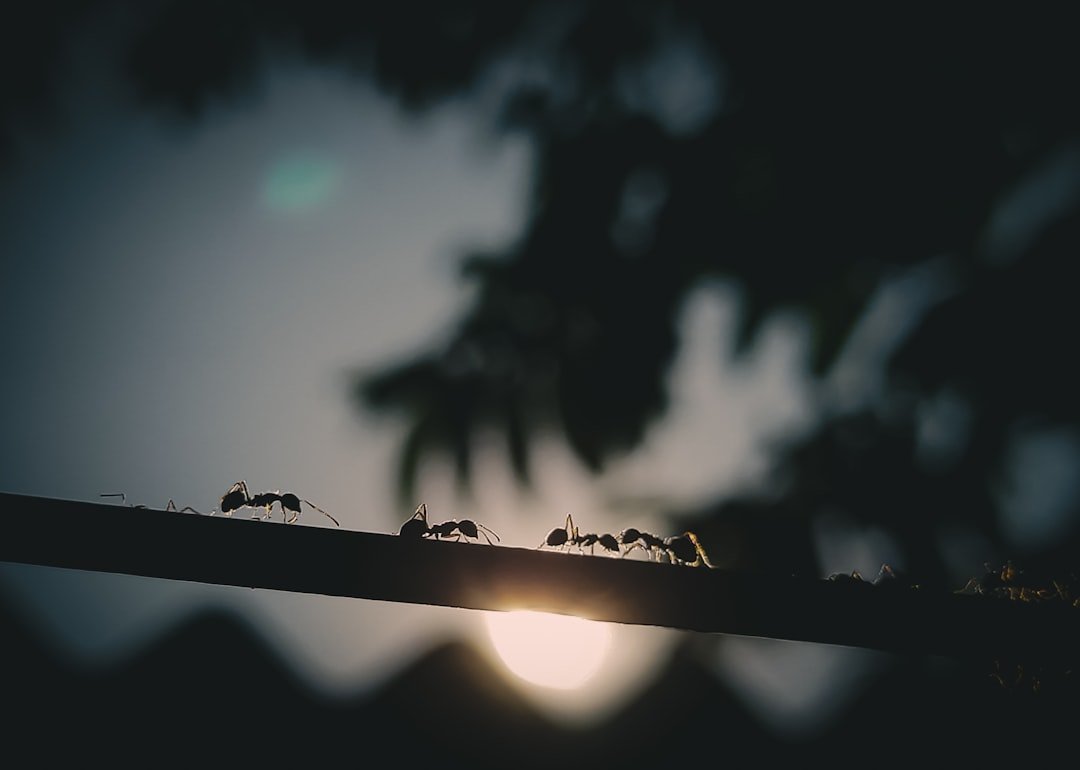
Wood ants also score high on Virgo‑like traits: careful construction of mounds, complex division of labor, relentless maintenance. Badgers excavate extensive setts with multiple entrances and seasonal chambers, aerating soils and influencing plant communities, a kind of subterranean facilities management. Owls bring surgical precision to hunting and astonishingly efficient flight, the kind of focus that feels almost mathematical.
But ants operate as superorganisms, where individual identity blurs in a way that muddies the metaphor. Badger engineering, while impressive, doesn’t reshape entire watersheds. Owls excel at accuracy, not infrastructure. The beaver’s portfolio – patient building, habitat maintenance, multi‑generational benefits – simply checks more Virgo boxes.
Why It Matters
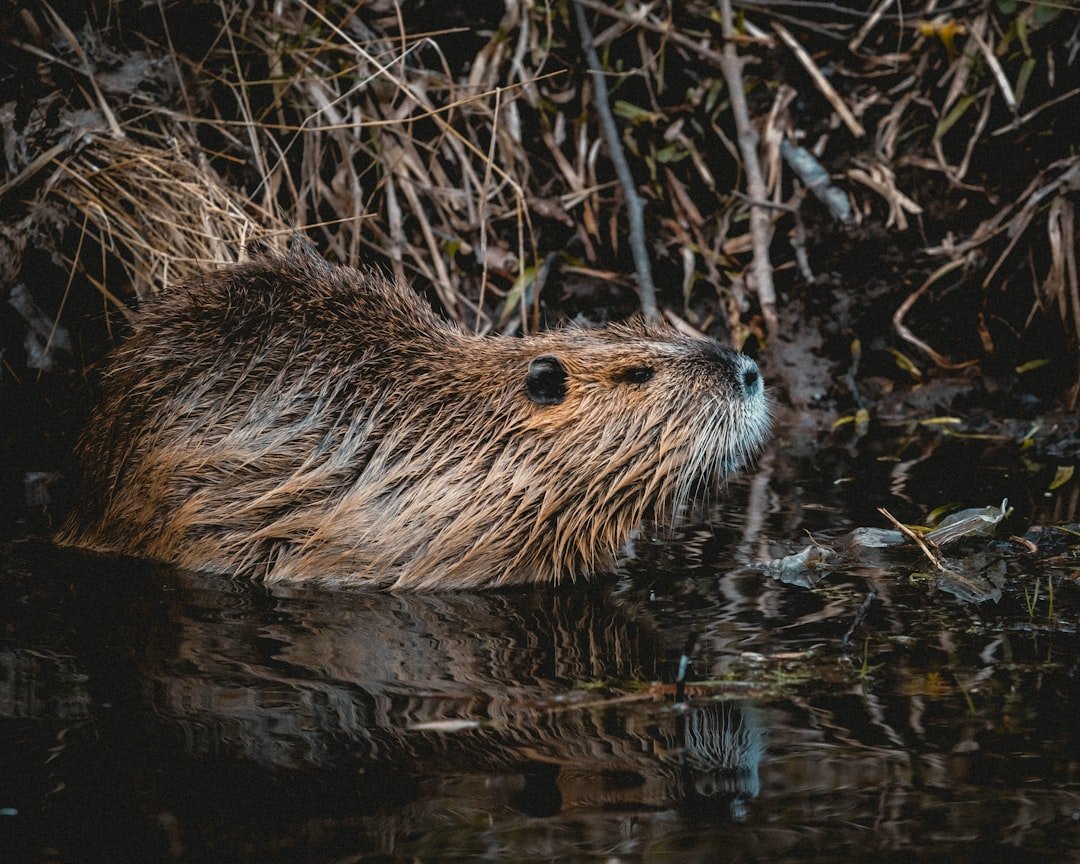
Framing science through archetypes is not about believing the stars steer behavior; it’s about building a bridge from curiosity to evidence. Traditional conservation messaging leans on crisis and numbers, which many readers tune out; a story‑driven frame can invite people back to the table. When someone sees their own strengths reflected in an animal’s work – steadiness, detail, care – they’re more likely to support that animal’s habitat.
There’s also a scientific payoff: metaphors can help non‑specialists grasp niche construction, feedback loops, and resilience without jargon. Compared with the usual before‑and‑after photos, pairing Virgo with a beaver offers a narrative thread that sticks. If it keeps one more person engaged long enough to learn what a pond leveler is or why riparian shade matters, the metaphor has earned its keep.
Global Perspectives
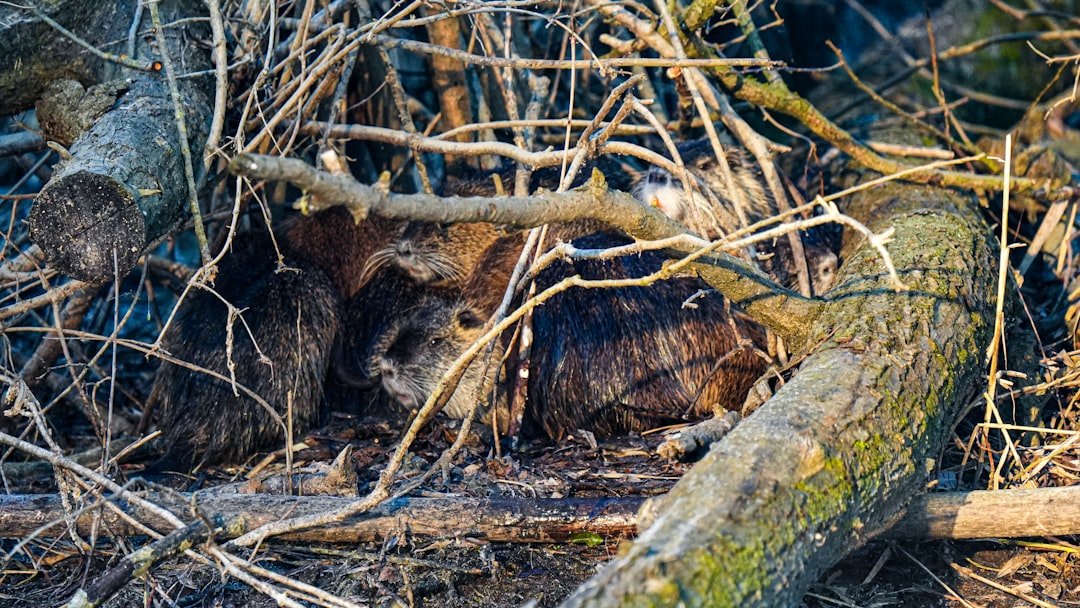
Two close cousins, the North American beaver and the Eurasian beaver, now overlap with human settlements across broad swaths of the Northern Hemisphere. In some places, they’re welcomed for boosting biodiversity and storing water; in others, their dams flood roads and fields, igniting conflict. Managers increasingly try coexistence tools – flow devices that regulate pond height, protective wraps for vulnerable trees, and strategic fencing – to balance benefits and costs.
Reintroduction programs in parts of Europe and community‑driven projects in North America have turned beavers into unlikely partners in climate adaptation. The approach is pragmatic: keep the water on the landscape where it can slow floods, recharge soils, and shelter wildlife. That’s not romance; that’s systems management, forest edition.
The Science of Precision: How Beavers Make Decisions
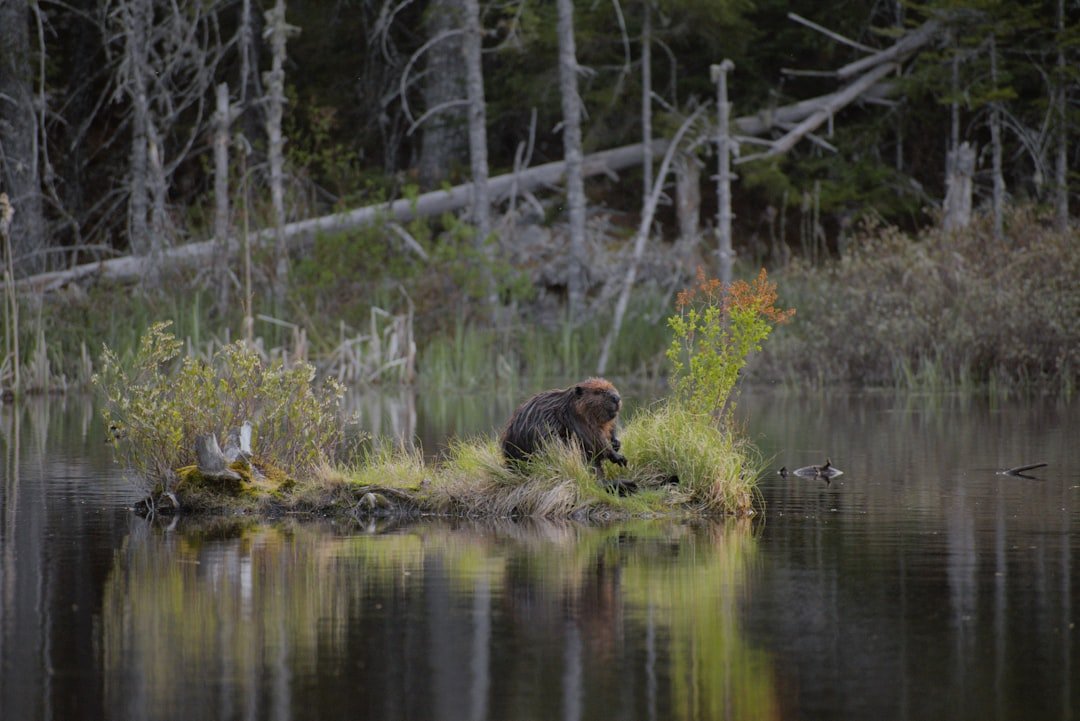
Beavers don’t build at random; they respond to acoustic cues from running water, topography, and material availability. Researchers have documented how they prefer certain diameters of saplings, arrange sticks to seal leaks, and plaster with mud to adjust seepage like a living valve. Each patch is a data point in a long‑running experiment measured in centimeters and minutes.
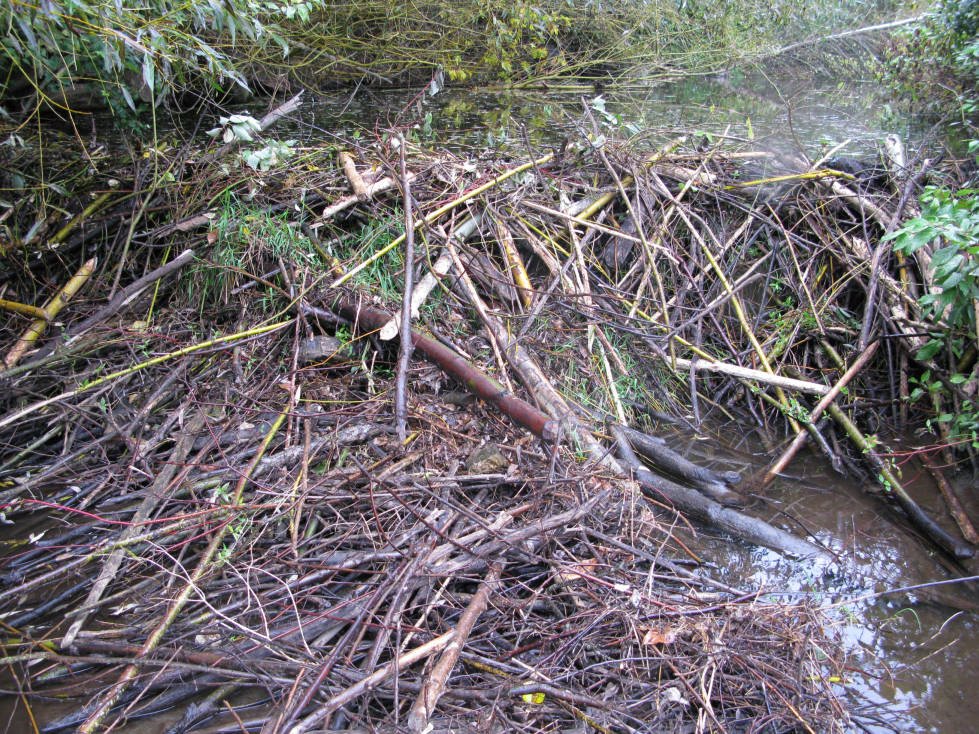
Think of a beaver dam as a spreadsheet you can wade through: rows of twigs, columns of flow, cells of sediment settling in place. The animal adjusts entries nightly, iterating until the numbers balance. Precision here isn’t aesthetic – it’s survival wrapped in engineering.
The Future Landscape
New tools are pulling beaver science into sharper focus. Environmental DNA helps detect where beavers are active without trapping; satellite and drone imagery track pond expansion and vegetation change; low‑cost sensors log temperature, flow, and dissolved oxygen in real time. Together, they show how a series of small repairs can ripple outward into measurable ecosystem shifts.
Challenges remain: prolonged droughts, heatwaves, and development squeeze riparian corridors; human impatience with flooding still leads to removals; and not every stream is a good candidate for beaver activity. The next decade will hinge on smart siting, better public communication, and designs that let water work without washing out roads. That’s a planning exercise Virgo would relish.
Field Notes for the Virgo‑Minded Naturalist
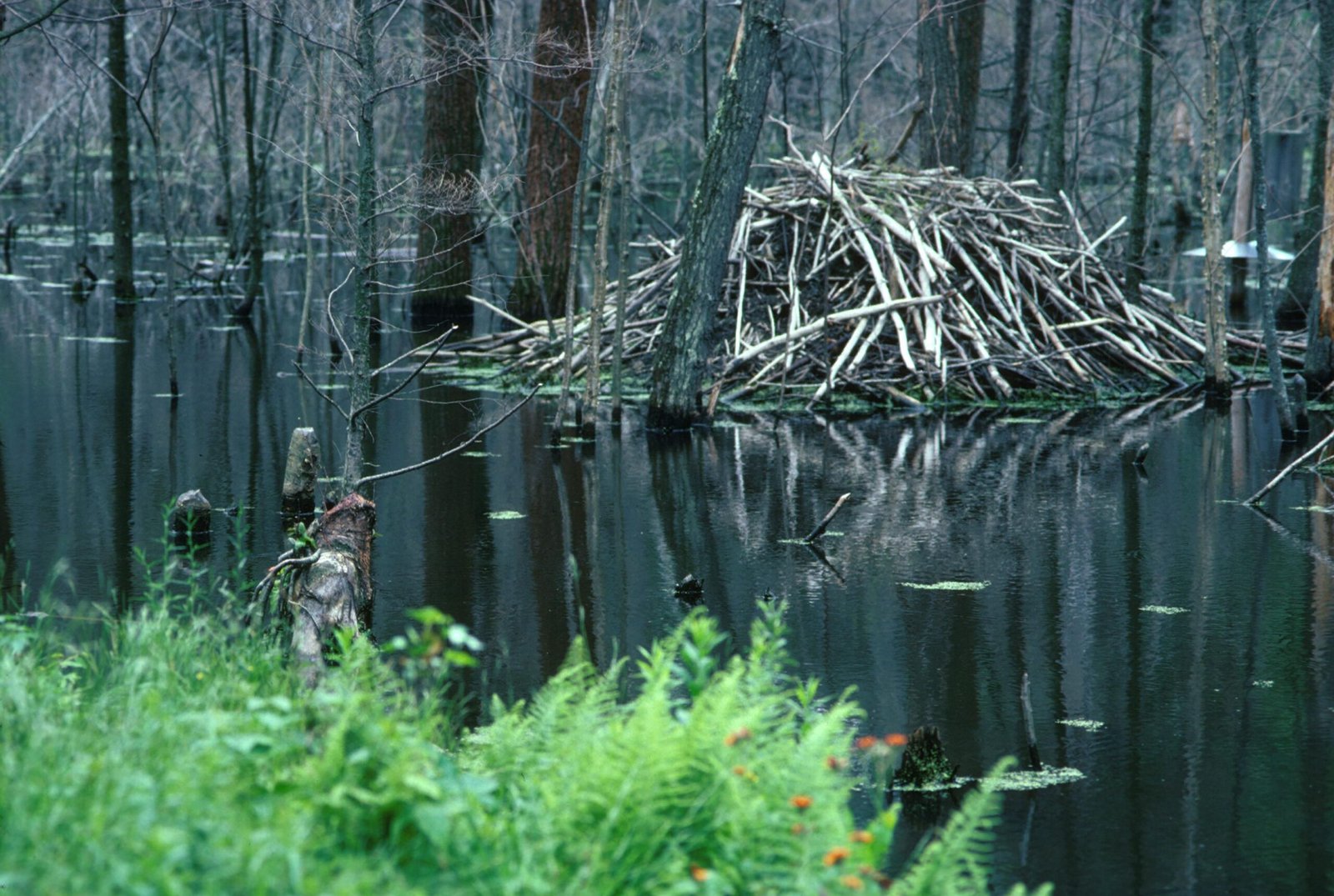
If you’re drawn to order in the wild, a beaver wetland is a living syllabus. Watch how water clears as sediment settles, how dragonflies tap the new pools, how willows sprout from cut stems and knit banks together. Notice that maintenance – night after night – creates abundance, not just structure.
Bring a notebook, stand downwind, and listen for the gentle pouring sound that gives away a small breach. You’ll start to read repairs like edits in a manuscript. It’s the forest’s version of track changes.
Conclusion
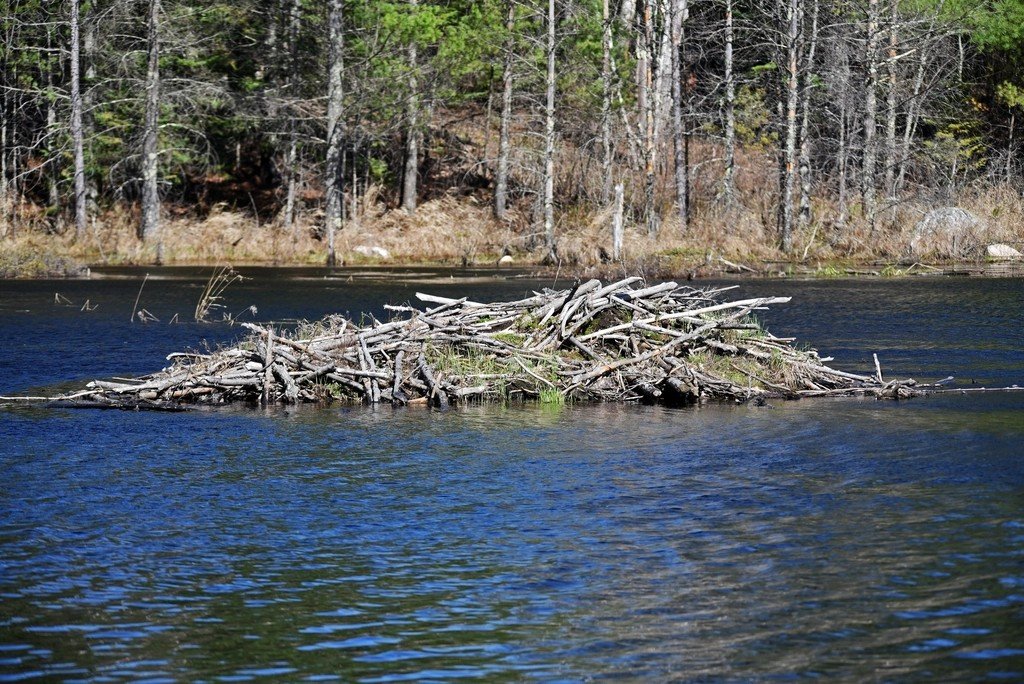
Support local watershed groups that pilot coexistence tools, and show up for meetings where stream management is decided. Volunteer for riparian plantings, especially native willows and cottonwoods that stabilize banks and feed chew‑happy engineers. If you hike with a dog, leash up near ponds to reduce stress on kits and parents.
Share what you learn with neighbors who worry about flooding; sometimes a simple pond‑leveling device keeps both culverts and wildlife safe. Most of all, let patience guide you: the best restoration often looks like careful maintenance done quietly over time. Which, if we’re honest, is exactly the kind of hero Virgo has always been rooting for.
Suhail Ahmed is a passionate digital professional and nature enthusiast with over 8 years of experience in content strategy, SEO, web development, and digital operations. Alongside his freelance journey, Suhail actively contributes to nature and wildlife platforms like Discover Wildlife, where he channels his curiosity for the planet into engaging, educational storytelling.
With a strong background in managing digital ecosystems — from ecommerce stores and WordPress websites to social media and automation — Suhail merges technical precision with creative insight. His content reflects a rare balance: SEO-friendly yet deeply human, data-informed yet emotionally resonant.
Driven by a love for discovery and storytelling, Suhail believes in using digital platforms to amplify causes that matter — especially those protecting Earth’s biodiversity and inspiring sustainable living. Whether he’s managing online projects or crafting wildlife content, his goal remains the same: to inform, inspire, and leave a positive digital footprint.