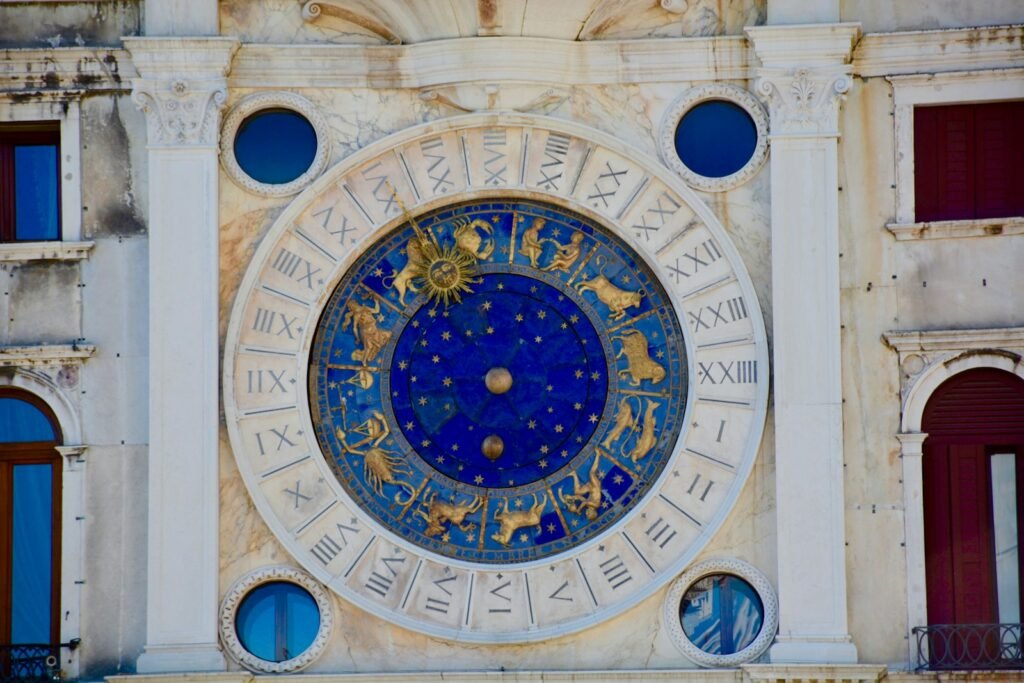

On paper, astrology and animal behavior sound like distant cousins – one spins myth, the other measures muscle tone, heart rate, and stress hormones. But put them together in a barn at dusk, and you start to notice patterns that feel oddly familiar. A bold ram shouldering to the front of the flock carries the same charge as an Aries friend who never waits for a green light. A meticulous ewe checking every fence post has Virgo written all over it. This isn’t about proving celestial influence; it’s a playful framework to explore real science on temperament, cognition, and social life in the animals that feed and clothe us. And in a world of hard data, sometimes a new metaphor opens the door to better questions.
The Hidden Clues
Here’s the hook: the barnyard is a living personality test, and every species has a tell. Some animals sprint toward novelty, others freeze, and a few try a clever detour that makes you rethink who’s in charge. Researchers call these stable differences temperament, and they show up in how animals explore, bond, compete, and handle stress.
Walk a fenceline and you’ll see it – curious goats sampling every latch, cautious sheep sticking to routine, roosters policing order like sirens with feathers. I’ve spent enough afternoons on research farms to know that one pig can be a puzzle-solving engineer while her pen-mate prefers a warm nap under straw. Temperament is not vibes; it’s repeatable behavior patterns shaped by genetics, early life, environment, and handling. That’s our bridge from zodiac archetypes to measurable traits without pretending the stars run the show. Think of the signs as colorful labels for instincts we can actually observe.
From Ancient Tools to Modern Science
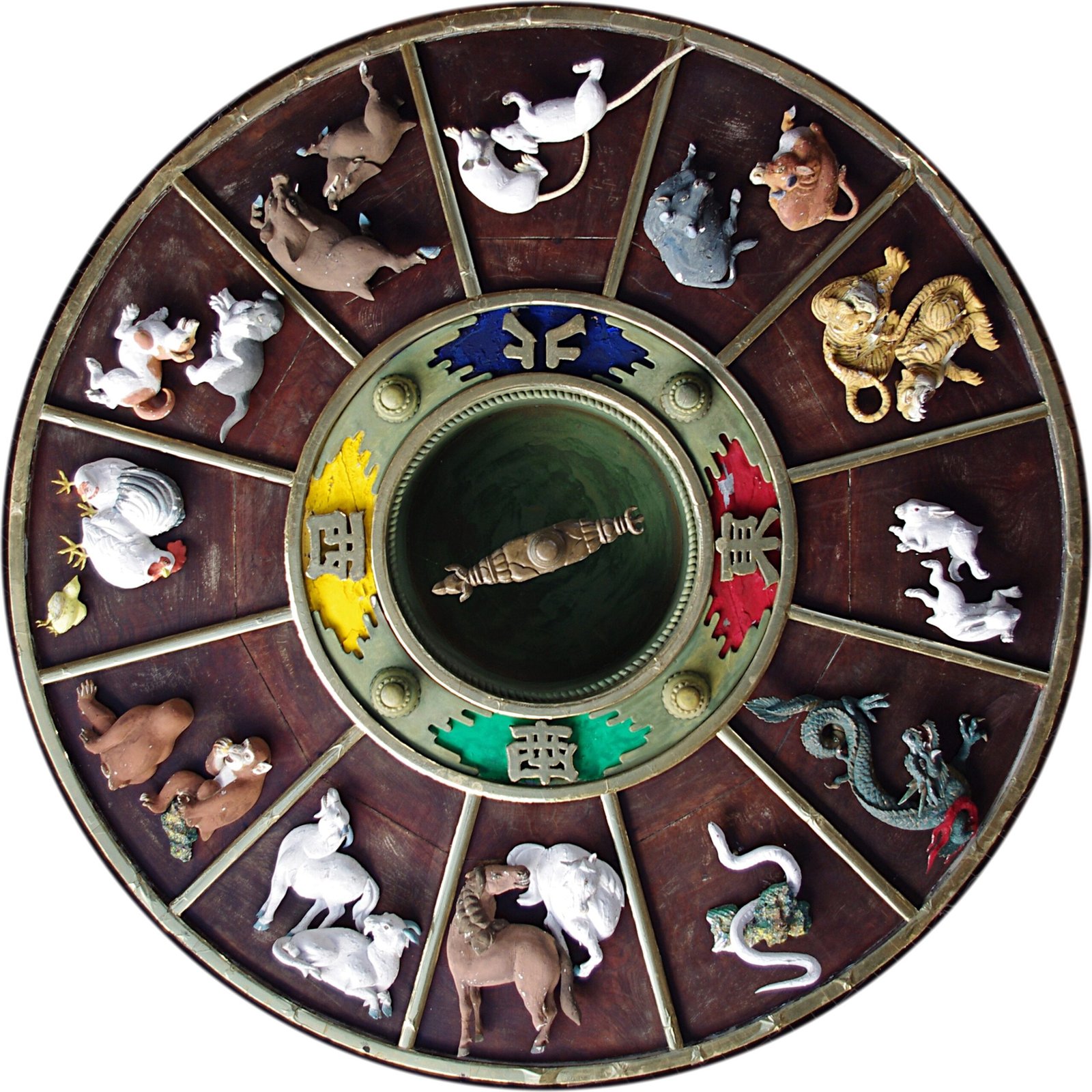
Astrology began as a way to map chaos and meaning across seasons, harvests, and the sky; livestock kept pace as the original climate tech. Today, ethology and behavioral genetics take center stage, bringing sensors, standardized tests, and large datasets to questions shepherds and herders have asked for millennia. Instead of birth charts, we look at repeatable measures of boldness, sociability, persistence, and sensitivity to novelty.
In practice, that might mean tracking how often a cow approaches a strange object, how a goat learns a latch task, or how a flock fragments when stressed. While star signs aren’t scientific predictors, their archetypes are surprisingly useful for storytelling about real biology. They help non-scientists remember that a “stubborn” donkey may also be showing calm risk assessment, or that a “dramatic” rooster is enforcing social order. The point isn’t destiny – it’s translation. Old symbols become entry points to new data.
The Method: Mapping Signs to Species
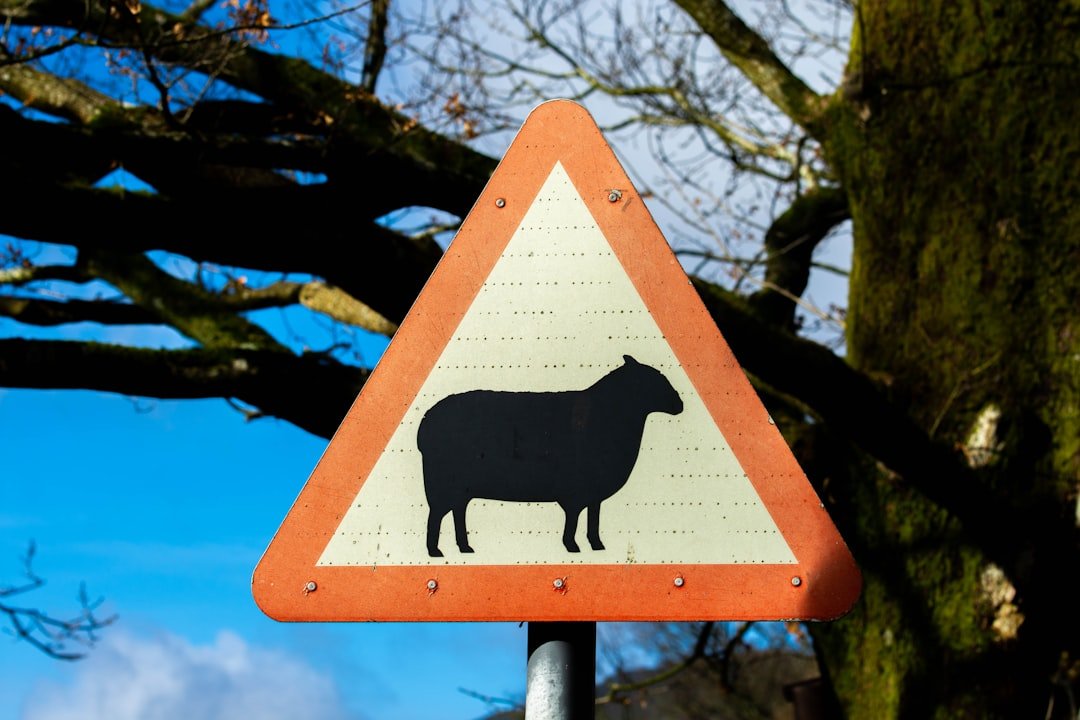
So how do we match a sign to a farm species without drifting into fantasy? Start by listing typical sign traits – initiative for Aries, steadiness for Taurus, analysis for Virgo – and align them with well-documented animal behaviors like neophobia, exploration rate, problem solving, and social leadership. Then stress-test each pair against real observations from husbandry and research farms.
We favored traits that are robust, such as goats’ notorious curiosity and escape artistry, cattle’s preference for routine and predictable handling, and chickens’ hyper-social communication and peck-order politics. We also checked for ecological fit – water-loving species for water signs when behavior allowed, grounded grazers for earth signs where steadiness matters. Finally, we watched for pitfalls like anthropomorphism and remembered this is a metaphor built on measurable tendencies, not a proof of cosmic causation. With that guardrail in place, the matches become a vivid guide to both people and livestock.
The Matches: Fire and Earth Signs
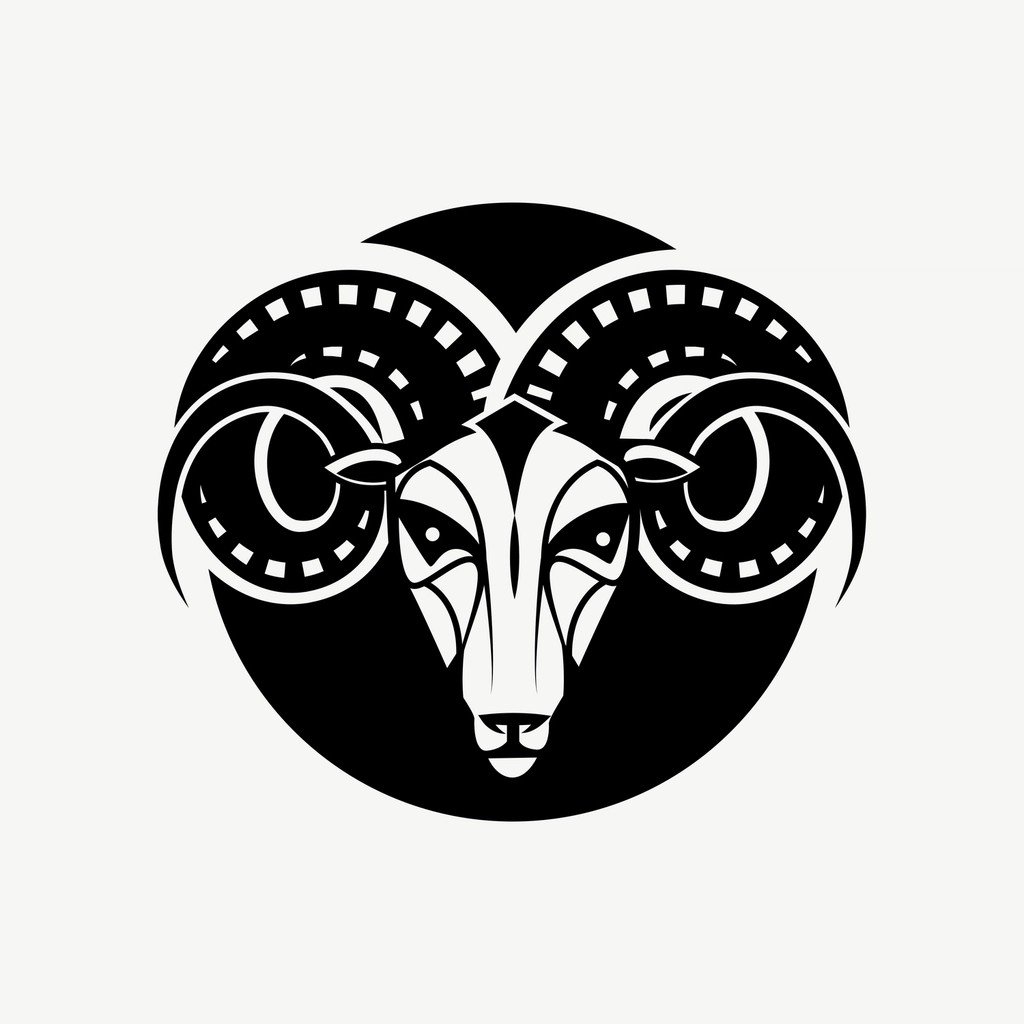
Aries aligns with the ram, the farm’s head-down trailblazer whose force meets the gate before the latch does, echoing sheer initiative under pressure. Leo becomes the rooster, conspicuous and commanding, keeping time and order while advertising confidence from fencepost to fencepost. Sagittarius rides with the horse, forward-leaning, far-ranging, and happiest when the horizon keeps moving.
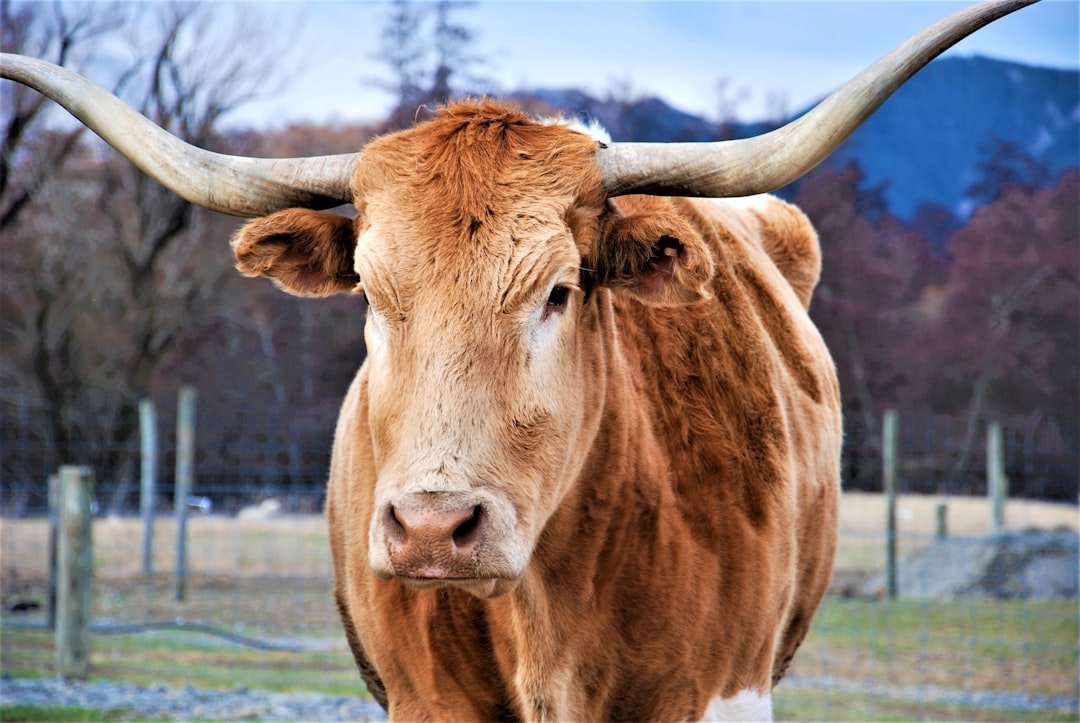
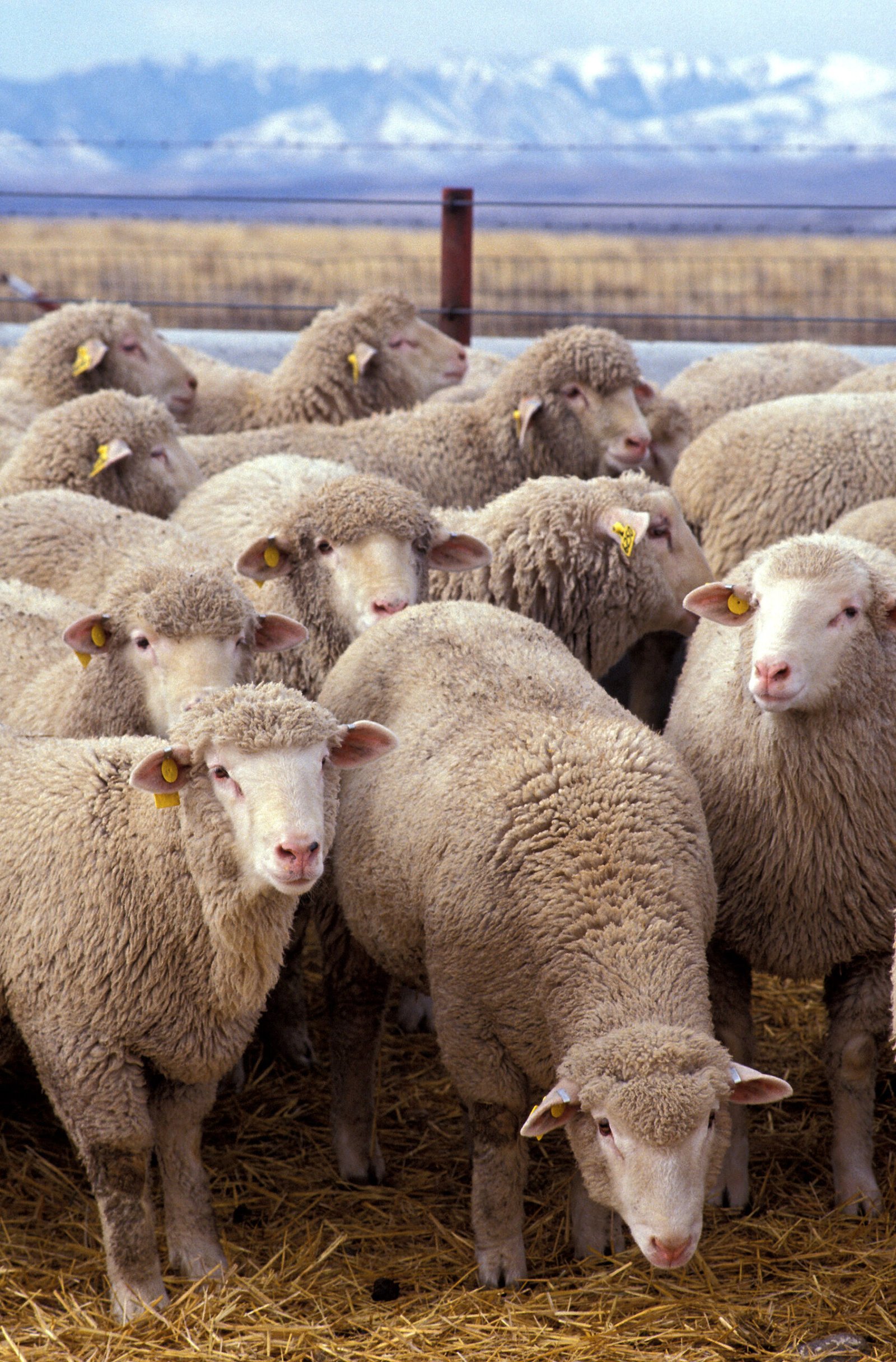
Taurus fits the dairy cow, steady, routine-loving, and responsive to gentle, consistent cues that reward patience. Virgo maps to the sheep, methodical and risk-aware, thriving on familiar routes and quiet consistency that keep a flock calm. Capricorn is the goat, sure-footed and goal-driven, with a talent for hard problems and an even harder stare at anyone underestimating them.
The Matches: Air and Water Signs

Gemini matches the chicken, intensely social, vocal, and information-hungry, passing news across a yard faster than any barn radio ever could. Libra harmonizes with the duck, balancing water and land, moving as a coordinated group, and smoothing conflict with spacing and gentle signals. Aquarius finds a twin in the alpaca, curious yet independent, quirky in routine, and quietly watchful of the whole network.
Cancer belongs with the sow, nesting, protective, and deeply invested in the wellbeing of her litter when stressors rise. Scorpio takes the barn cat, nocturnal, strategic, and territorial, a silent guardian whose loyalty runs through the lanes no one else sees. Pisces flows with the goose, water-tied, migratory at heart, and guided by memory maps that make return journeys feel like ritual.
Why It Matters
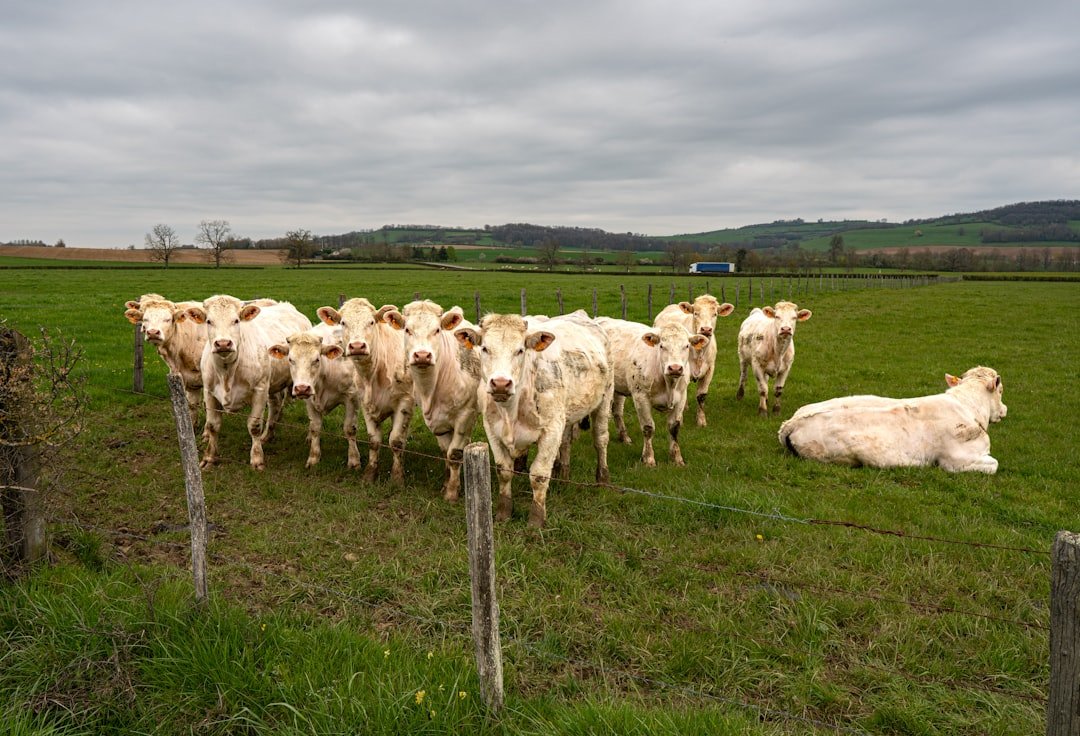
At first glance, this is a bit of fun; look closer, and it’s a tool for empathy that sticks. When we label ourselves as a steady cow or a curious goat, we’re practicing perspective taking that makes real animal needs easier to grasp – predictable handling for cattle, puzzle-rich environments for goats, calm group spaces for ducks and geese. That can nudge better welfare choices on farms, in classrooms, and at petting zoos where early experiences shape attitudes for years.
Compared with conventional horoscopes that promise fate, this approach reframes the exercise as a lens on behavior and environment. Instead of asking what the stars will do to us, we ask what conditions bring out our best traits, the same way a stockperson arranges pens to reduce stress and injuries. It also resists the trap of one-size-fits-all labels by highlighting variation within species and breeds. The takeaway is pragmatic: use archetypes to remember, then use evidence to act.
The Future Landscape
Precision livestock farming is rapidly turning barns into data-rich labs, and that changes the game. Wearable sensors and computer vision can detect gait changes, ear posture, or micro-pauses that signal stress long before a human notices, allowing welfare interventions tailored to individual temperaments. Genomic tools already help select for calm handling in cattle and better mothering in pigs, promising herds that are both productive and easier to steward.
On the horizon, adaptive enrichment – smart feeders, variable puzzle gates, and dynamic group management guided by real-time analytics – could match environments to personality the way a good coach adjusts a training plan. There’s risk in over-anthropomorphizing, so ethics boards and transparent standards will matter as algorithms touch sentient lives. But the direction is clear: more measurement, more nuance, and more room for animals to express their natural repertoires. Our zodiac metaphor may fade, but the science it points toward is only getting sharper.
From Barn Yards to Backyards: Practical Takeaways
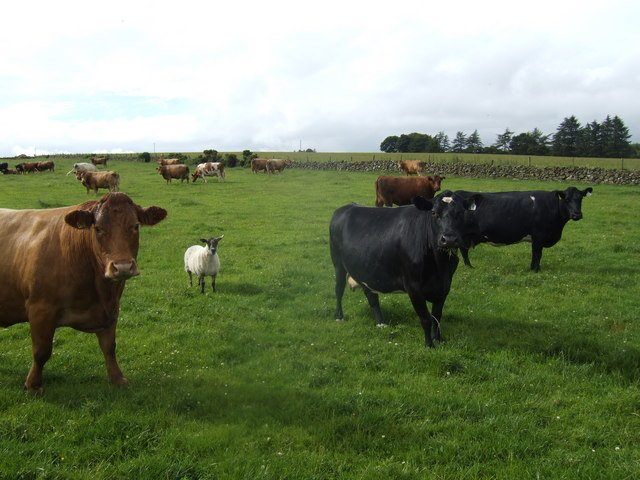
This framework scales beyond commercial farms to classrooms, 4-H clubs, and family gardens with a few hens or a couple of goats. If you see yourself in a species, try designing the space to support that trait: routine and clear pathways for the “cows,” puzzles and climbing for the “goats,” quiet refuges for the “cats,” and open lanes for the “horses.” The same logic helps interpret behavior you might otherwise write off as stubbornness or drama.
In human teams, it’s a compact way to discuss working styles without judgment: who charges the gate, who scouts the perimeter, who maintains the flock’s calm. It makes meetings feel a bit like a pasture walk, which is often when the best observations happen. The goal isn’t to pigeonhole people or animals but to align tasks with tendencies to reduce friction and stress. When fit improves, welfare and performance usually follow.
Conclusion
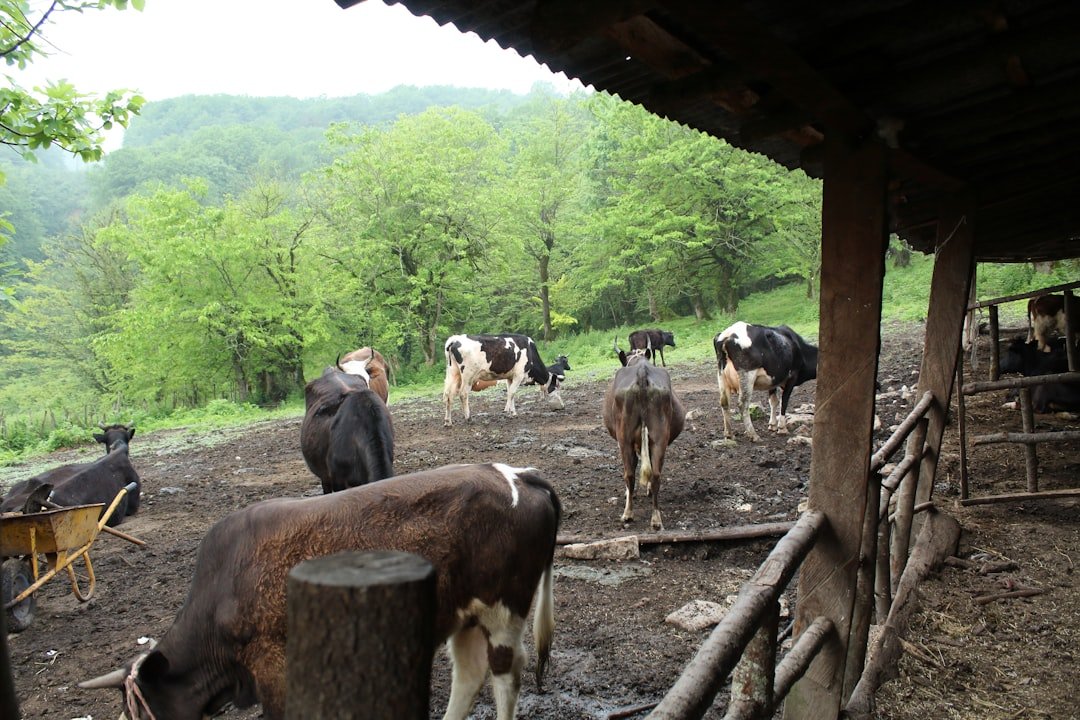
Start small: visit a local farm or educational center and watch for the traits you’ve just read – who explores, who organizes, who soothes. Support producers that publish welfare metrics and continuous-improvement plans, and ask school programs to include hands-on animal behavior modules that emphasize observation over judgment. If you keep backyard animals, invest in enrichment and calm handling as if they were essential equipment, because they are.
Most of all, use this zodiac lens as a conversation starter that leads to better care, not as a verdict about fate. Share the matches, test them against what you see, and update your mental models as the evidence grows. In the end, the fun of the metaphor is how it nudges us to look longer and listen closer. Which barnyard neighbor did you spot in yourself today?
Suhail Ahmed is a passionate digital professional and nature enthusiast with over 8 years of experience in content strategy, SEO, web development, and digital operations. Alongside his freelance journey, Suhail actively contributes to nature and wildlife platforms like Discover Wildlife, where he channels his curiosity for the planet into engaging, educational storytelling.
With a strong background in managing digital ecosystems — from ecommerce stores and WordPress websites to social media and automation — Suhail merges technical precision with creative insight. His content reflects a rare balance: SEO-friendly yet deeply human, data-informed yet emotionally resonant.
Driven by a love for discovery and storytelling, Suhail believes in using digital platforms to amplify causes that matter — especially those protecting Earth’s biodiversity and inspiring sustainable living. Whether he’s managing online projects or crafting wildlife content, his goal remains the same: to inform, inspire, and leave a positive digital footprint.