
For centuries we’ve matched zodiac symbols to animals by vibe alone, but a new wave of behavioral science lets us test those instincts against real data. Air signs are known for agility of mind, sociability, and an appetite for patterns – traits birds express in spectacular ways. From the rippling geometry of starling murmurations to the long-haul grace of albatrosses and the mischievous ingenuity of kea parrots, evidence now points to clear living emblems for Gemini, Libra, and Aquarius. This isn’t astrology dressed as science; it’s a conversation between myth and measurement, asking which species carry the closest behavioral signatures. The answers are surprisingly persuasive and, in a few cases, a little disruptive to tradition.
The Hidden Clues
Start with the signals scientists can track: learning speed, social coordination, and how an animal negotiates uncertainty. Birds broadcast these traits in their songs, flights, and problem-solving choices, and those patterns are measurable in the field and the lab. When you map those profiles onto the classic air-sign spectrum – curious Gemini, harmonizing Libra, visionary Aquarius – the overlaps become hard to ignore.
Researchers use tools like GPS tags, accelerometers, and high-speed cameras to turn “personality” into time-stamped trajectories, decision trees, and acoustic fingerprints. The result is a behavioral x‑ray that reveals style as well as skill. Style matters here, because air signs aren’t just clever; they’re clever in a particular way, and the right bird has to match the tempo as much as the talent.
Gemini: The Starling’s Quicksilver Mind
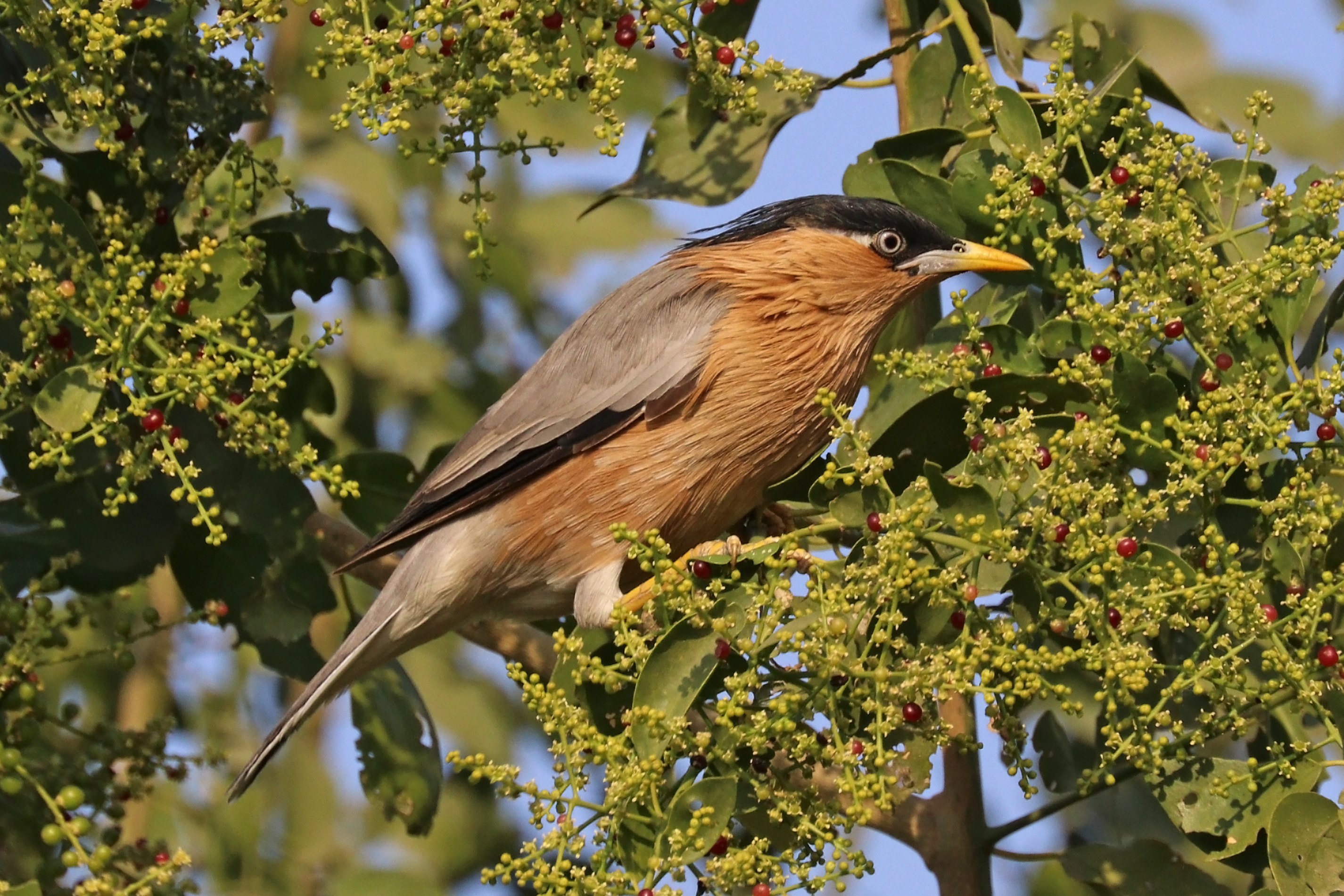
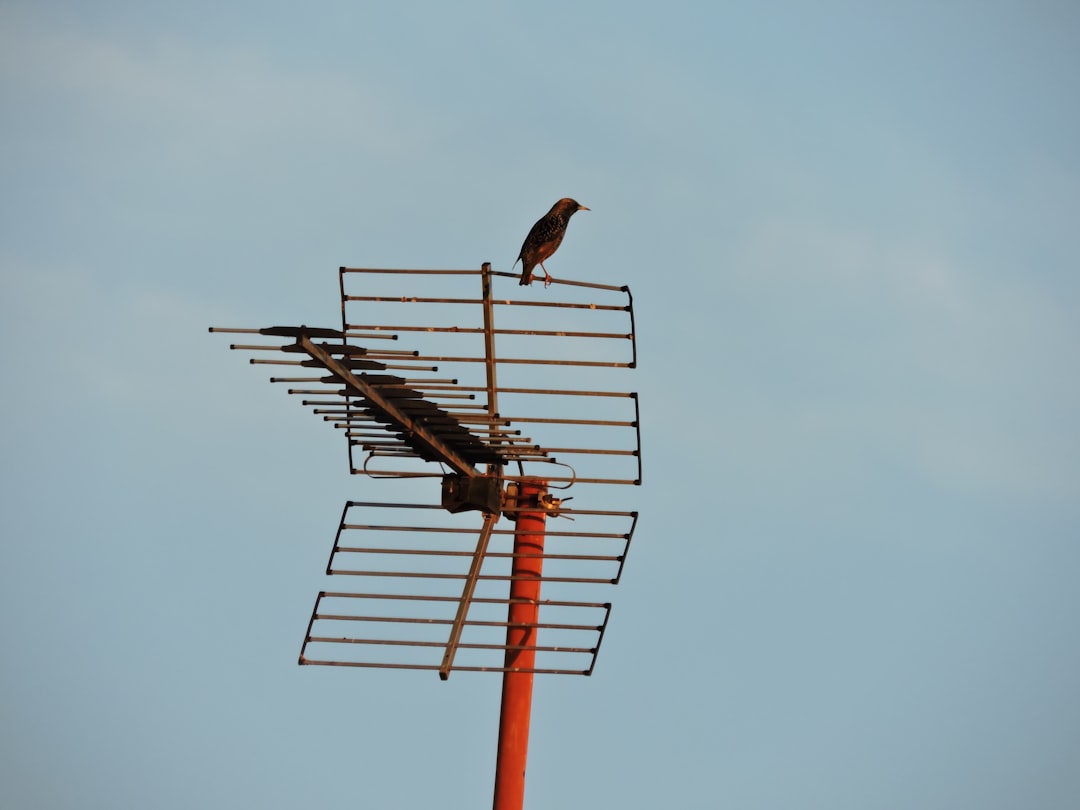
If any bird thinks in hyperlinks, it’s the European starling. These birds are compulsive improvisers, weaving snippets of other species, street noise, and invented syllables into songs that reshape by the minute. In experiments, starlings switch rules fast – learning one pattern, dropping it, then picking up a different one without the hesitation that trips up slower learners.
Socially, they’re the ultimate chatroom: vast murmurations form and reform as thousands of individuals share movement cues with blistering efficiency. That same agility shows up at smaller scales too, where neighbors copy and diverge in a kind of sonic chess. Gemini energy is curiosity with momentum, and the starling’s life is basically a rolling update, always connecting one idea to the next.
Libra: The Albatross and the Art of Balance
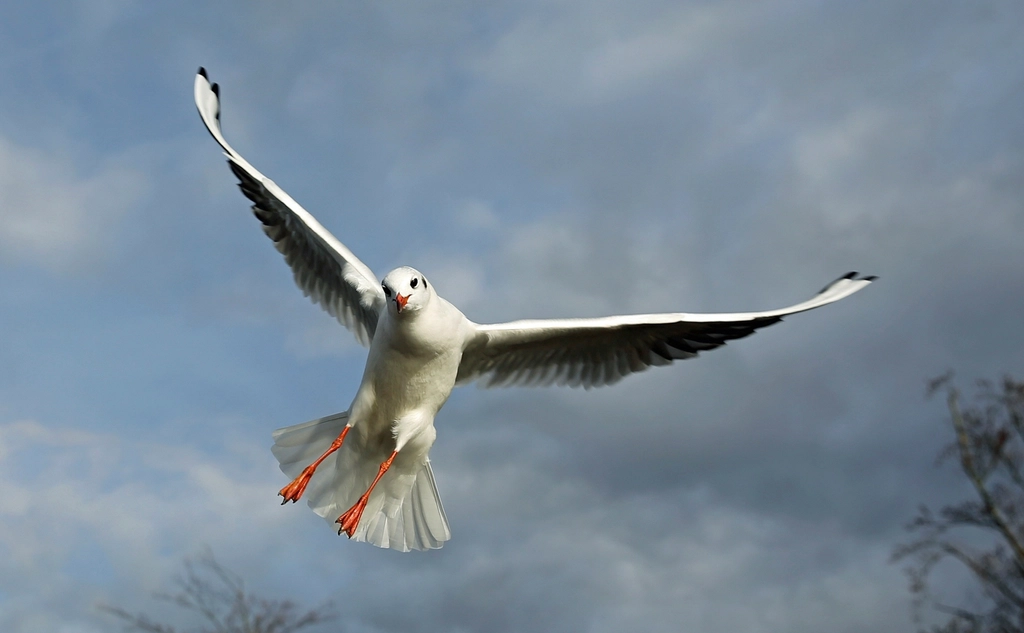
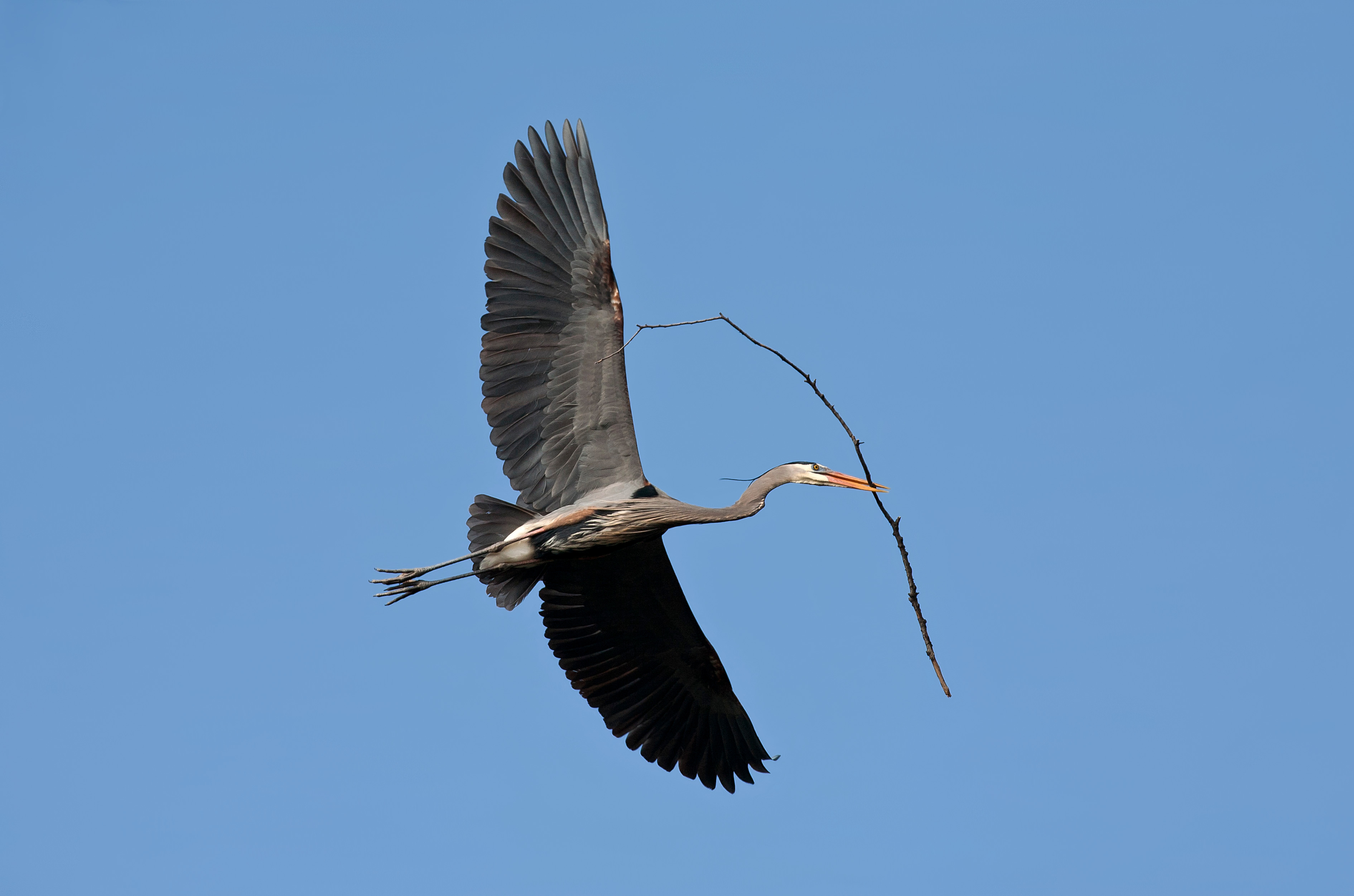
Libra asks for equilibrium, partnership, and the poise to ride shifting winds – literally in the albatross’s case. Albatrosses master dynamic soaring, climbing and dipping across wind gradients to travel ocean basins with astonishing thrift. That elegant flight is matched by an equally careful social life built on long-term pair bonds and finely tuned courtship dances.
In parenting, albatross pairs share duties with almost ritual precision, taking turns incubating and foraging over epic distances. The choreography isn’t sentimental; it’s survival through fairness and timing. If balance had feathers, it would look like an albatross carving a clean line through a messy sky, then meeting its partner on the same exact ledge year after year.
Aquarius: The Kea’s Rule-Breaking Genius

Aquarius is innovation with a wink, and the kea – New Zealand’s alpine parrot – fits like a custom tool. Kea investigate everything, prying open latches, collaborating on puzzles, and testing causal “what-if”s with the persistence of a hardware hacker. Field reports read like neighborhood legends: kea learning to unzip backpack pockets, then moving on to more complicated closures the moment people adapt.
In controlled studies, they generalize from one setup to another, showing the kind of flexible inference that keeps engineers up at night. They’re social experimenters too, watching one another’s attempts and iterating fast, which is innovation’s secret fuel. If Aquarius asks who’s two steps ahead of the rulebook, the kea is already sketching Version 2.0 in the margins.
From Ancient Symbols to Modern Science
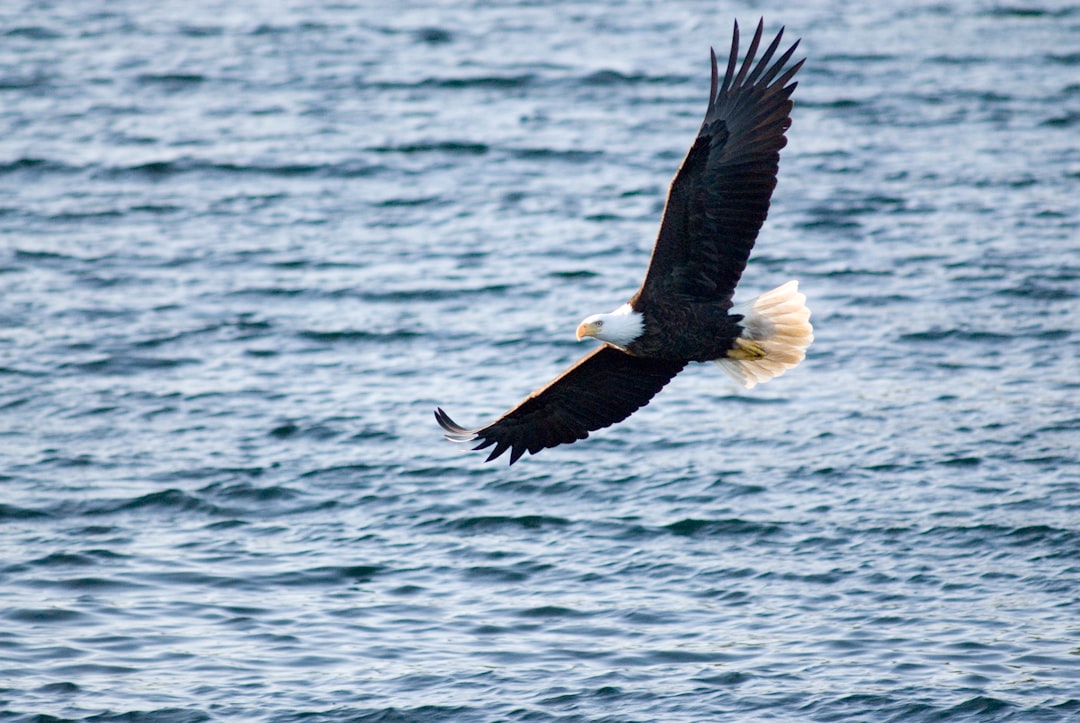
Traditional pairings often mirror human stories more than animal realities, and that’s where modern fieldwork adds teeth. Doves have long stood for harmony, but for Libra the albatross’s measurable turn-taking and precision flight better capture balance as a practiced skill rather than a passive ideal. Likewise, the starling beats out more famous songbirds for Gemini because it excels at switching codes, not just singing beautifully.
Corvids like ravens make a compelling case for Aquarius with their planning abilities, yet the kea’s mix of play, collaboration, and mechanical curiosity offers a clearer behavioral fingerprint. The point isn’t to rewrite symbolism by decree; it’s to let evidence sharpen metaphors we already use. When data and myth rhyme, the story stops being just pretty and starts being predictive.
Global Perspectives
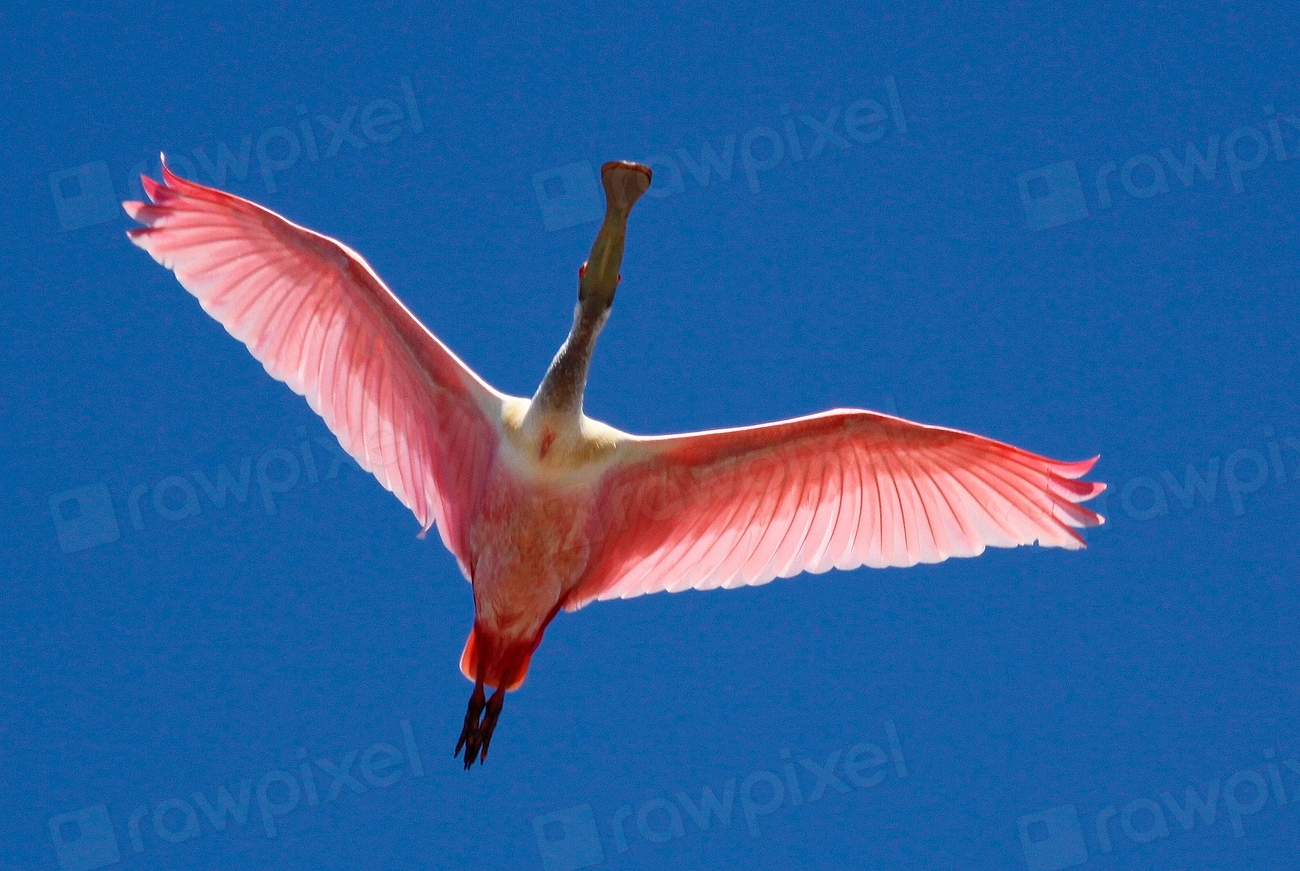
These emblem birds also reflect global realities that shape their lives and ours. Starlings are native to Europe and western Asia but now thrive across multiple continents, raising nuanced questions about adaptation, human-altered habitats, and invasive status. Albatrosses span the Southern Ocean, riding planetary wind belts that are shifting as climate patterns wobble, making balance a moving target.
Kea survive in rugged alpine zones where tourism, changing snowpack, and human infrastructure turn curiosity into conflict if we’re not careful. The broader pattern is clear: the traits we admire – agility, grace, originality – are the same traits that help these species navigate a planet in flux. Matching signs to species becomes a lens on how intelligence meets instability.
Why It Matters
At first glance, pairing zodiac archetypes with birds looks like a cultural game, but it doubles as a science-communication shortcut with teeth. People remember starlings’ code-switching, albatross fairness, and kea ingenuity because those stories feel personal, and memory is the gateway to action. Compared with traditional species lists or abstract conservation statistics, narrative anchors make the data stick and spread.
There’s another payoff: focusing on behavioral signatures helps policymakers target protections where they count, like mitigating longline bycatch for albatrosses or designing kea-proof infrastructure that reduces conflict. Even city planning benefits from understanding how starlings exploit edges and openings, which tells us something about urban ecosystems in general. Meaning grows when metaphor and measurement reinforce each other.
The Future Landscape
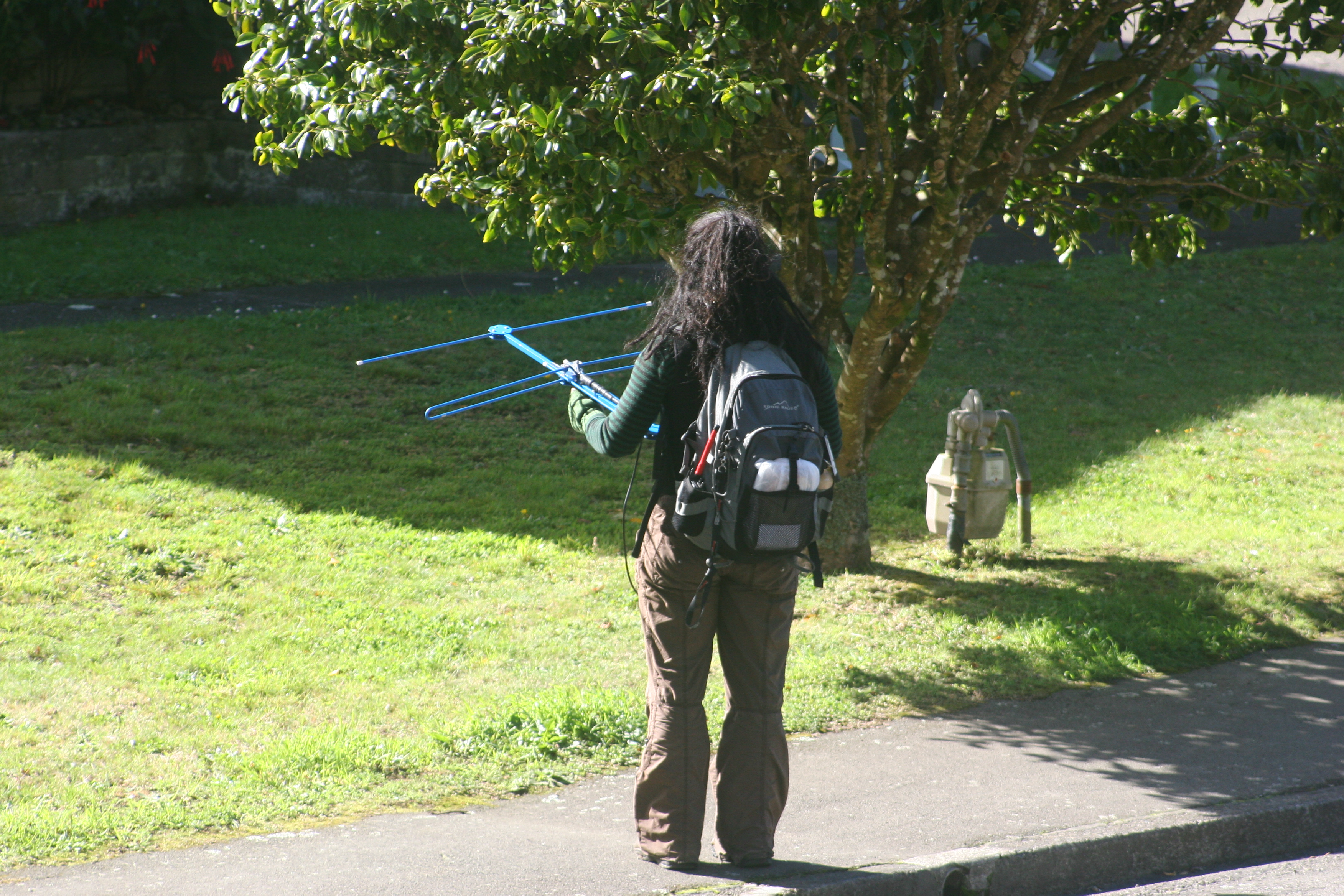
New tools are about to make this conversation even sharper. Ultra-light GPS loggers and solar tags now track albatross routes for entire breeding cycles, mapping risk zones in near real time. Acoustic sensors paired with machine learning can separate a starling’s improvisations from background noise, revealing how social information propagates through a flock like a rumor.
For kea, modular puzzle rigs and open datasets let labs compare problem-solving across continents, building an evidence backbone instead of isolated case studies. Combine that with satellite fisheries monitoring, wind-field models, and community science reports, and our metaphors will keep pace with the birds themselves. The forecast is clear: finer data, faster feedback, smarter protections.
Conclusion
Turn interest into influence by backing practical steps that protect the very traits you just met. Support seabird-safe fishing practices and organizations that retrofit gear to reduce albatross bycatch, a fix that costs little but saves lives at industrial scale. If you live near alpine parks, follow kea-safe guidelines, secure equipment, and report sightings to regional databases so managers can anticipate conflict hotspots.
In cities, enjoy starlings without feeding them, and invest your energy in native-plant habitats that boost biodiversity across the board. Join local bird counts or submit observations through community science platforms to strengthen the behavioral maps researchers depend on. Curiosity is a start; consistent data is how curiosity becomes change.
Suhail Ahmed is a passionate digital professional and nature enthusiast with over 8 years of experience in content strategy, SEO, web development, and digital operations. Alongside his freelance journey, Suhail actively contributes to nature and wildlife platforms like Discover Wildlife, where he channels his curiosity for the planet into engaging, educational storytelling.
With a strong background in managing digital ecosystems — from ecommerce stores and WordPress websites to social media and automation — Suhail merges technical precision with creative insight. His content reflects a rare balance: SEO-friendly yet deeply human, data-informed yet emotionally resonant.
Driven by a love for discovery and storytelling, Suhail believes in using digital platforms to amplify causes that matter — especially those protecting Earth’s biodiversity and inspiring sustainable living. Whether he’s managing online projects or crafting wildlife content, his goal remains the same: to inform, inspire, and leave a positive digital footprint.