
Every zodiac sign has a creature that feels like its mirror, and for Aquarius – the iconoclast of the air signs – the search points skyward. Scientists don’t work in horoscopes, but they do track curiosity, problem-solving, and the boldness to try what others won’t. Across labs and mountain valleys, one bird keeps crashing the party of expectations: a mischievous alpine parrot known for unzipping backpacks and dismantling ski-lift parts. The real question isn’t whether this bird is clever, but whether its brand of curiosity matches Aquarius’s restless, future-facing energy. The answer comes into focus as we sift the evidence and watch which species pushes boundaries for the sheer joy of figuring things out.
The Hidden Clues
When biologists measure curiosity, they look for exploration, persistence, and a willingness to touch the unknown – traits that Aquarians are often celebrated for. Field studies and aviary experiments use puzzle boxes, hidden rewards, and novel objects to see who investigates and who hangs back. Species that thrive in tough, changeable environments tend to approach new challenges quickly and with swagger. That mix of boldness and brains is the first clue to our match.
In the wild, curiosity isn’t cute; it’s survival. Birds that can pry open a container or learn a new food source outcompete neighbors when conditions shift. Watching them is like seeing evolution in fast-forward, with each tiny victory teaching a community how to live smarter tomorrow.
From Ancient Symbols to Modern Science
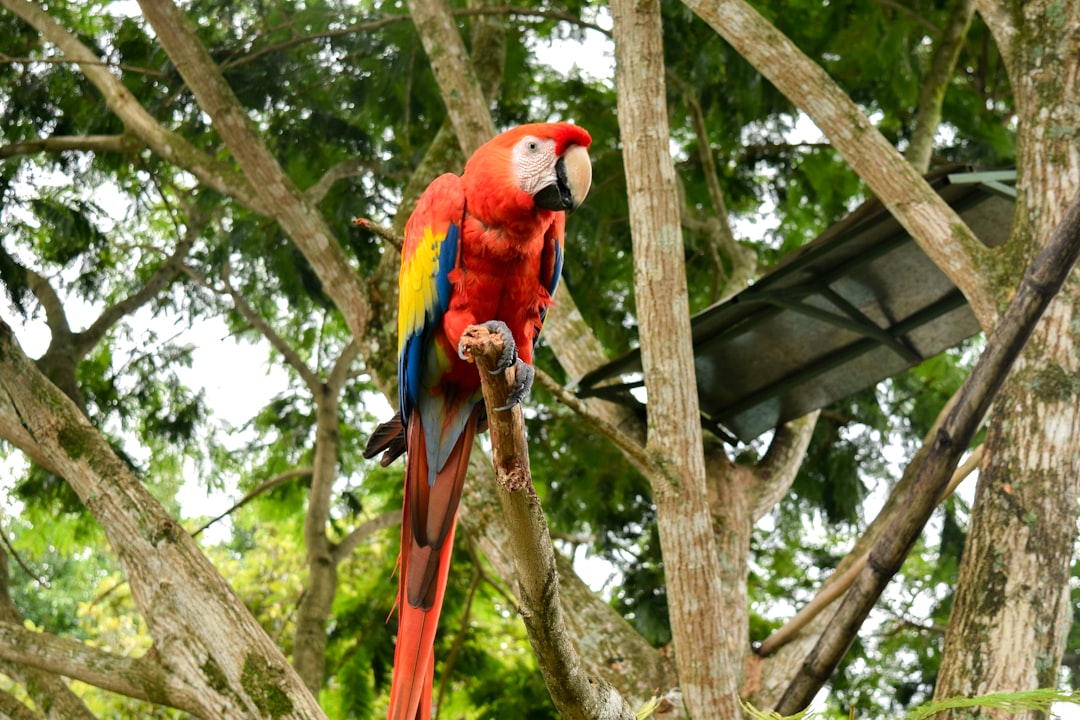
Aquarius is the water-bearer carried by air, a paradox that fits how modern science sees curiosity: fluid, but structured. Researchers quantify it through neophilia (attraction to novelty), problem-solving latency, and social learning across repeated trials. They compare how quickly individuals approach new devices, how many steps they sequence, and whether they innovate after failure. The upshot is a behavioral fingerprint – part personality, part species-level strategy.
That fingerprint lets us move beyond mythology and into data. Instead of guessing which bird “feels” Aquarian, we can ask which one shows an evidence-backed appetite for invention. The story gets exciting when a parrot from the Southern Alps keeps topping the charts for audacity and ingenuity.
The Case for the Kea
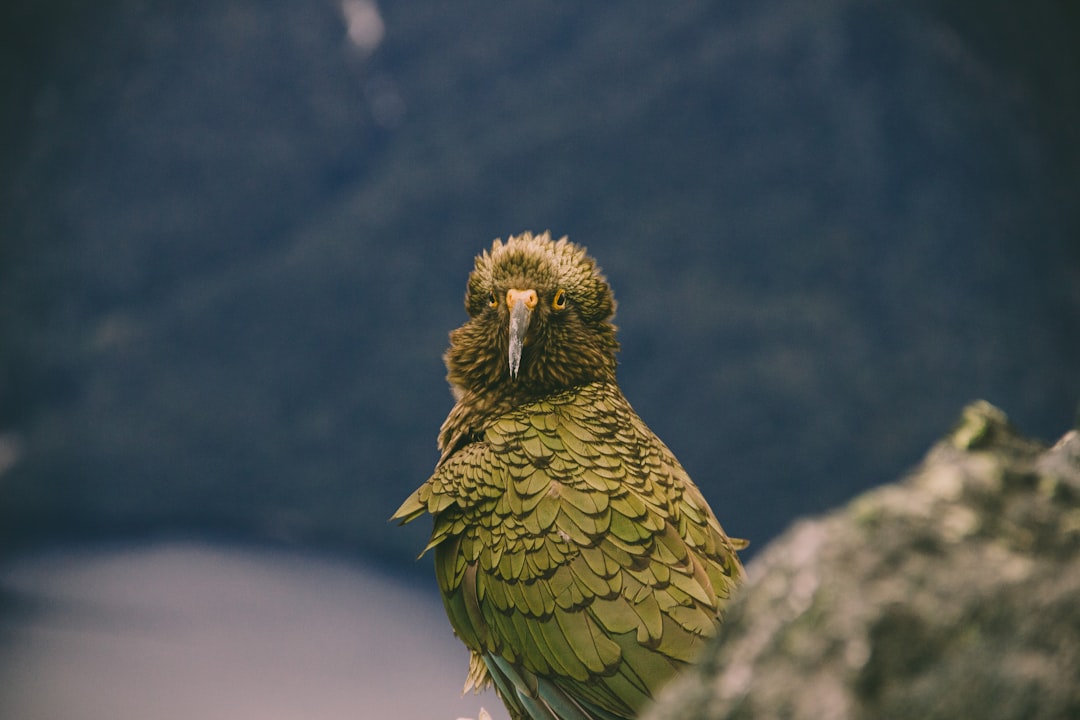
The kea of New Zealand lives where weather turns on a dime and resources aren’t guaranteed, and it behaves like a tinkerer born with a toolkit. In experiments, kea pull strings, slide latches, and work through multi-step contraptions with a patience that looks uncannily methodical. They don’t just try solutions; they test them, switching strategies when doors won’t budge. That kind of flexible thinking is the hallmark of open-ended curiosity.
Outside the lab, kea treat human infrastructure like a playground, peeling rubber from car windows and learning fast from each other. Their persistence can be exasperating for hikers, but it’s a cognitive green flag: a mind that keeps asking what else might be possible. If Aquarius is the sign that refuses to accept the obvious, the kea is its winged counterpart.
Toolmakers and Tinkerers: A Wider Cast
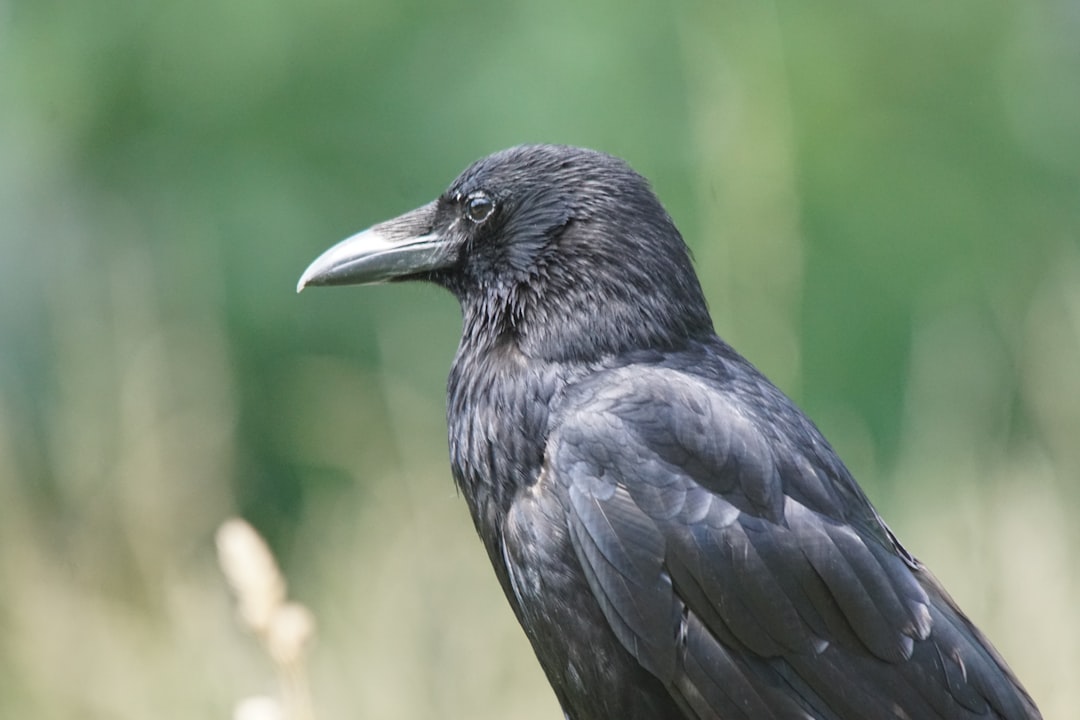
It’s fair to give the corvids their due, because ravens and New Caledonian crows are masterful problem-solvers. Crows in particular fashion hooks from twigs and leaves, a kind of artisanal engineering that rivals primate tool-craft. Ravens excel at planning and social chess, remembering who owes what and when to cash in a favor. These are heavyweight minds, no question.
Yet the kea’s curiosity feels different – less engineer, more hacker. Where crows refine tools, kea break systems open to see how they tick, pivoting fast when a route fails. That improvisational, playful drive edges the kea closer to Aquarius’s flavor of curiosity: unconventional, communal, and a bit subversive for the greater good.
Signals in the Brain
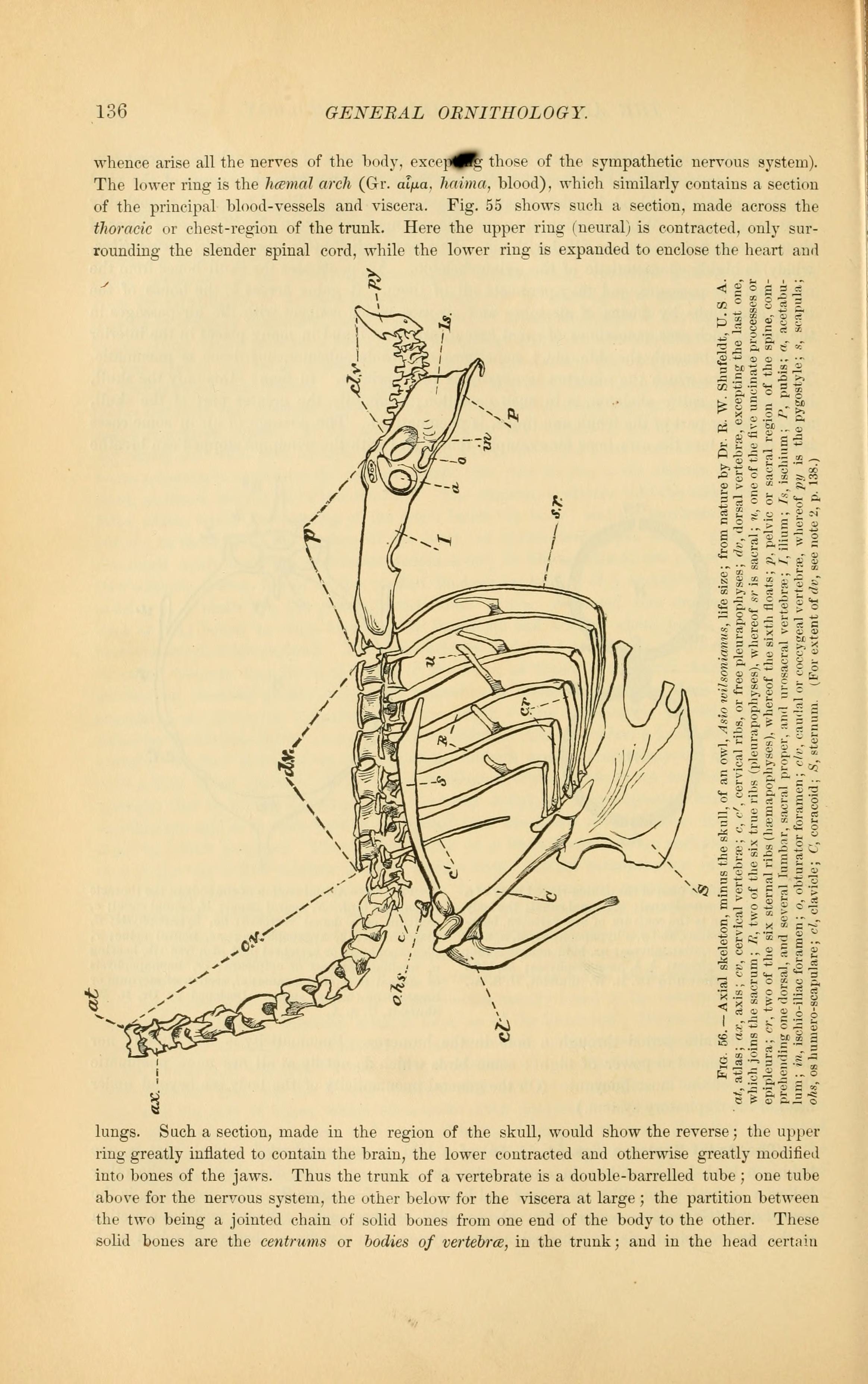
Bird brains don’t have a neocortex like ours, but they do have a set of forebrain structures – especially the nidopallium caudolaterale – linked to executive control and flexible decision-making. Dopamine circuits reward exploration, nudging individuals to sample new options rather than repeat old habits. In problem trials, kea and corvids show patterns consistent with evaluating evidence and updating choices, not just hard-wired routines. That’s curiosity doing real cognitive work.
Think of it as a compact, high-efficiency processor rather than a smaller version of the human brain. Different architecture, similar outcomes: planning, innovation, and the guts to try again. For a sign often associated with creative leaps, these neural signatures make the behavioral case even stronger.
Why It Matters
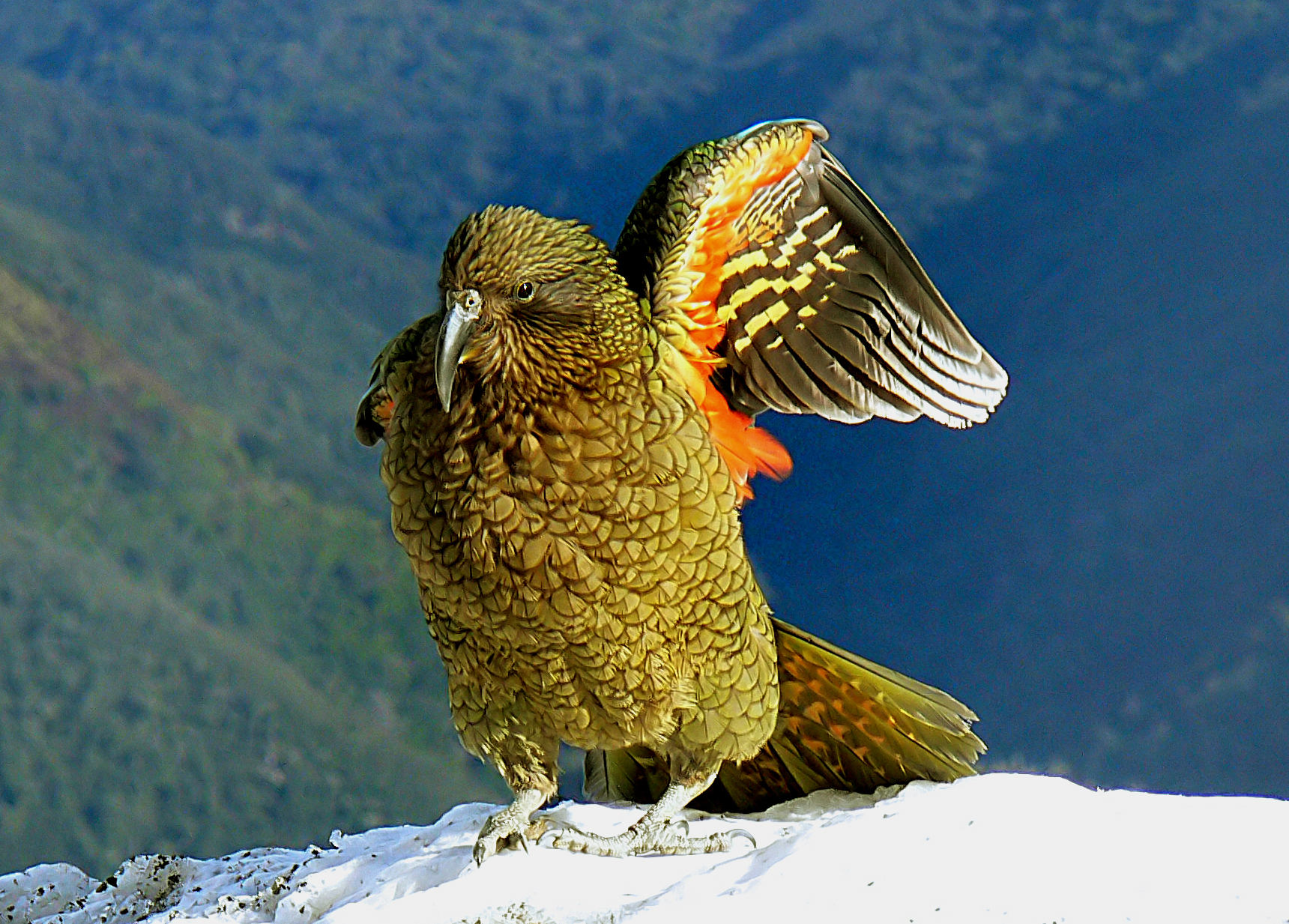
Curiosity predicts adaptability, and adaptability is the currency of survival in a century of rapid change. Species with higher tolerance for novelty can exploit new foods, navigate cities, and learn from human-made puzzles, for better or worse. Conservation teams use these traits to design enrichment and reduce conflict, tailoring habitats and challenges that keep sharp minds engaged. It’s applied cognition, not just a party trick.
Compared with traditional wildlife management that focused on numbers and ranges alone, cognitive profiles add a missing dimension: how species will respond when the script changes. That shift helps avoid well-intentioned missteps, like introducing structures that invite vandalism by geniuses with beaks. Seeing the world through a kea lens – curious, social, restless – pushes us to plan smarter for shared spaces.
Global Perspectives
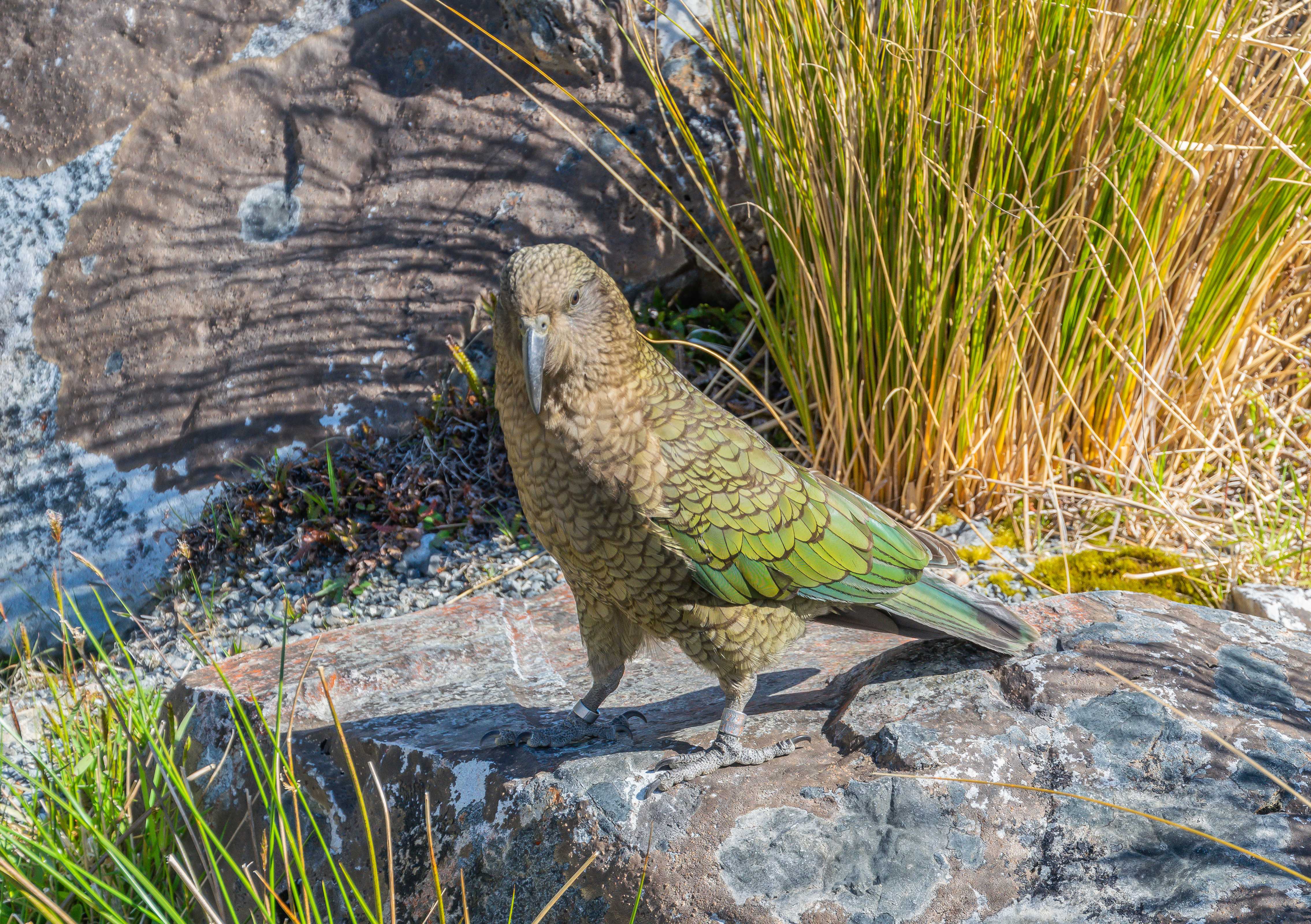
New Zealand’s alpine towns grapple with kea intelligence daily, balancing tourism, infrastructure, and a protected resident with a taste for rubber seals. In the Pacific, New Caledonian crows showcase tool traditions that vary by region, hinting at cultural threads in bird societies. Across the Northern Hemisphere, ravens ride thermals above highways, thriving on a patchwork of wildlands and human leftovers. Urban parks and ski fields become stages for experiments no grant ever designed.
Different continents, same theme: curiosity scales up to shape ecosystems and economies. A population that learns to open bins or manipulate traps changes predator-prey dynamics and budget lines. Managing that reality means embracing behavior, not just counting heads and hectares.
The Future Landscape
Next-generation biologgers, lightweight cameras, and automated feeders are turning the field into a living lab, recording how inquisitive birds interact with novel challenges in real time. Machine learning is beginning to parse micro-movements – head tilts, pecks, pauses – into behavioral datasets that map attention and strategy. Open-source puzzle platforms could standardize tasks across regions, letting scientists compare a kea in Arthur’s Pass with a crow in Nouméa on equal footing. The dataset grows, and with it, the nuance.
There are risks: smarter wildlife can exploit human systems, and human systems can exploit wildlife back. Policies will need to anticipate both, from better waste design to ethics around cognitive testing in the wild. If Aquarius stands for progress with conscience, that’s the north star for this research frontier too.
Verdict: The Aquarian Bird
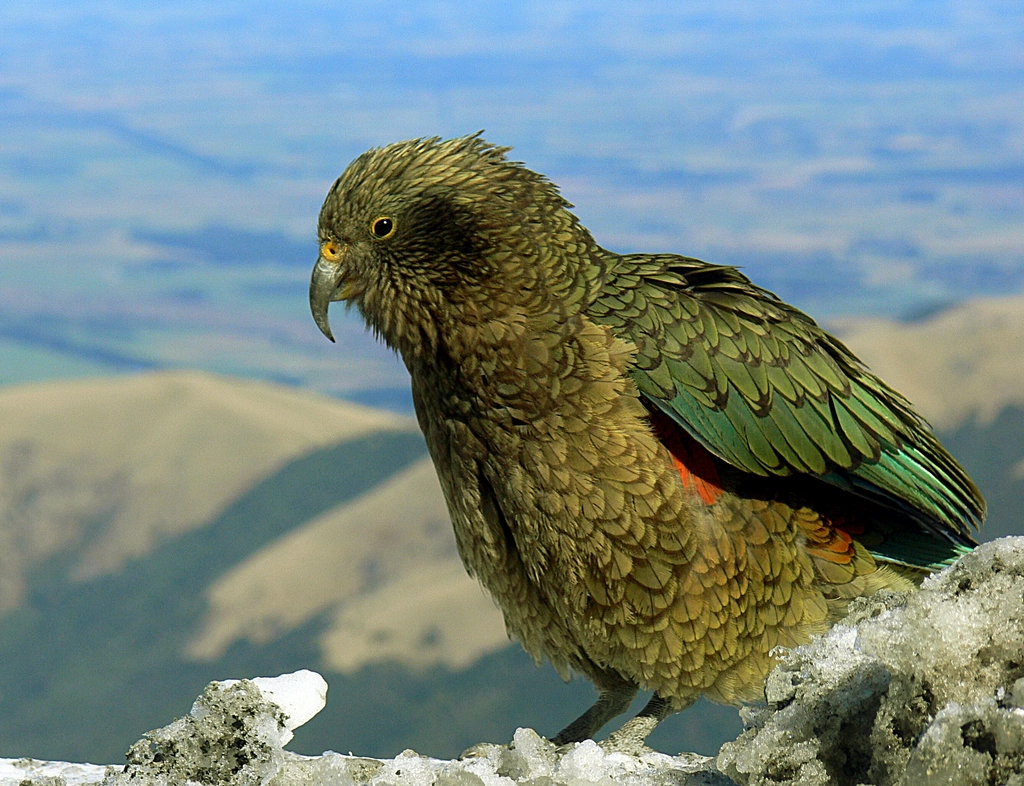
Ravens strategize, crows engineer, and parrots charm – but the kea lives loudly at the intersection of curiosity, community, and mischief. It probes, pivots, and collaborates in ways that feel uncannily aligned with Aquarius’s rebellious, problem-solving streak. The kea doesn’t just use tools; it treats the world as a system to be questioned, iterated, and shared. That ethos is the Aquarian drumbeat.
So if one bird embodies the curiosity of Aquarius, it’s the kea – fearless, inventive, and just unruly enough to change the rules. Watching one is like watching a hypothesis grow wings, test itself, and try again with a grin.
How You Can Help
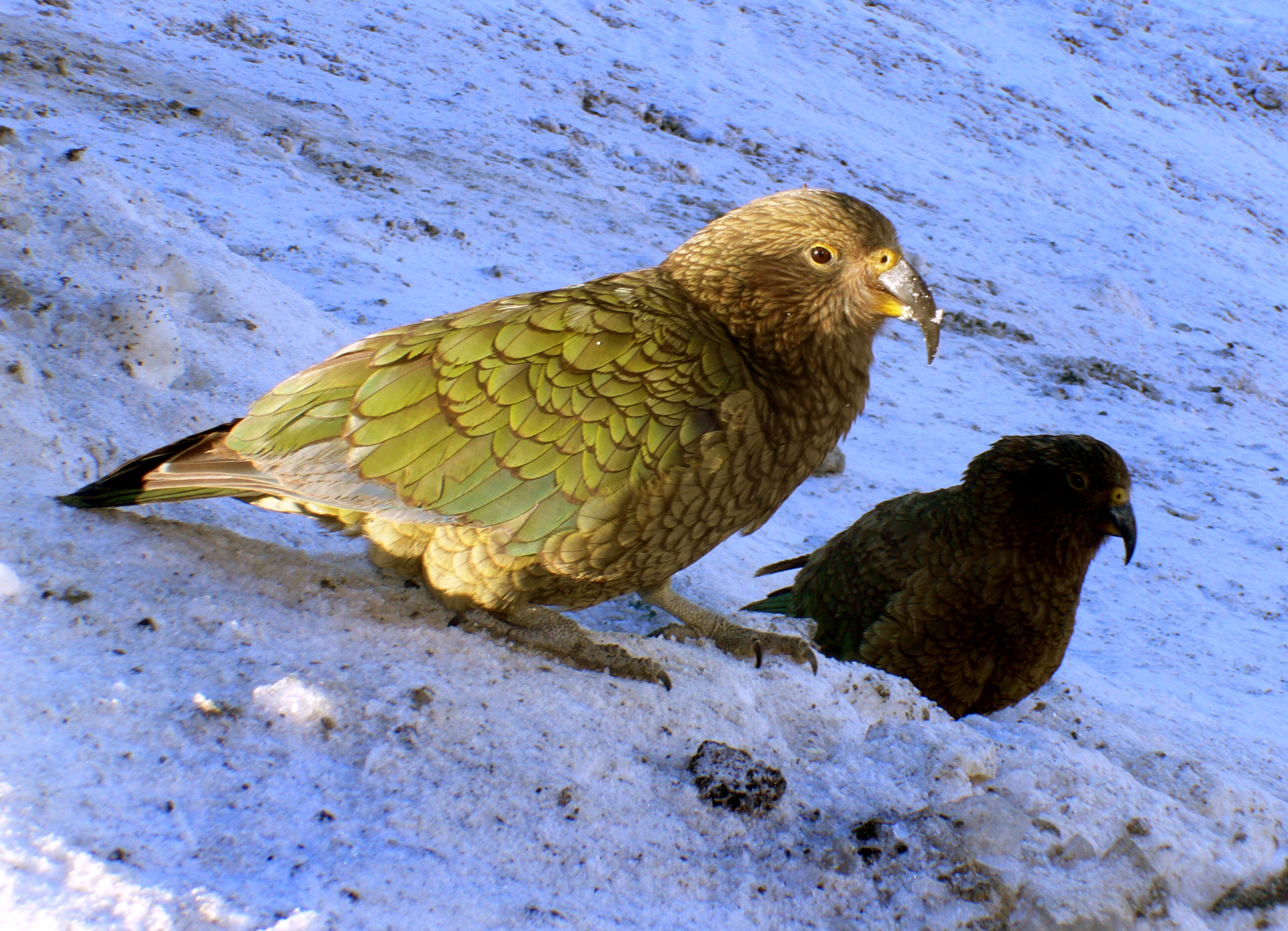
Support conservation groups that protect kea habitat and fund cognitive enrichment programs that keep problem-solvers stimulated and out of trouble. Wherever you live, secure trash and food to reduce conflict, because ingenuity thrives on easy opportunities. Join citizen-science platforms to log sightings and behaviors; those notes become the raw material for smarter, kinder policy. Curiosity needs room and respect.
If this story inspires you, take it to your community: better waste design at trailheads, signage that explains behavior, and funding for research partnerships with local schools. Small changes add up, and birds notice. The next breakthrough might start with you watching, wondering, and writing it down.
Suhail Ahmed is a passionate digital professional and nature enthusiast with over 8 years of experience in content strategy, SEO, web development, and digital operations. Alongside his freelance journey, Suhail actively contributes to nature and wildlife platforms like Discover Wildlife, where he channels his curiosity for the planet into engaging, educational storytelling.
With a strong background in managing digital ecosystems — from ecommerce stores and WordPress websites to social media and automation — Suhail merges technical precision with creative insight. His content reflects a rare balance: SEO-friendly yet deeply human, data-informed yet emotionally resonant.
Driven by a love for discovery and storytelling, Suhail believes in using digital platforms to amplify causes that matter — especially those protecting Earth’s biodiversity and inspiring sustainable living. Whether he’s managing online projects or crafting wildlife content, his goal remains the same: to inform, inspire, and leave a positive digital footprint.