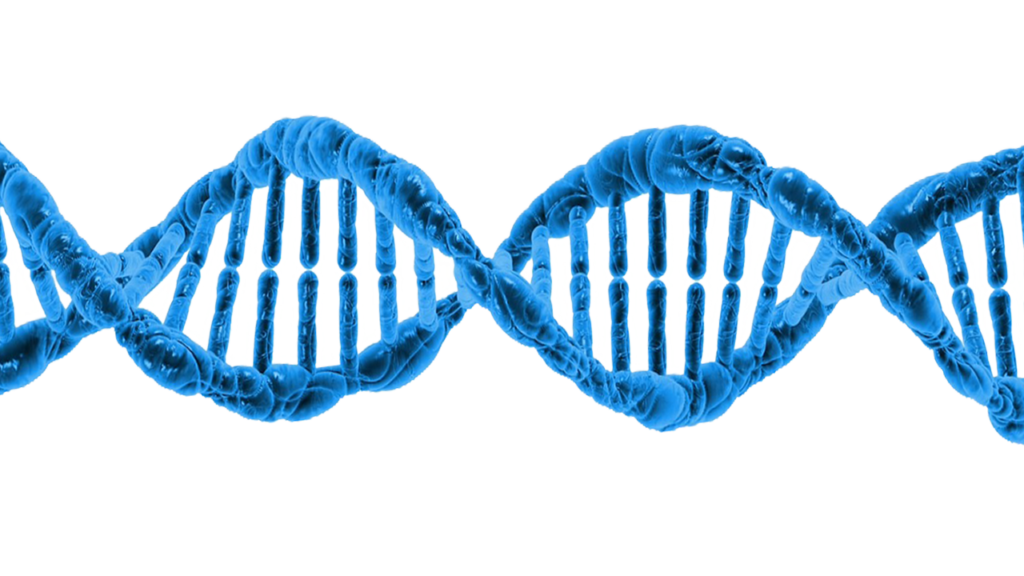
We’re entering an age that will test human limits – from blistering heat and swelling seas to information overload that strains our minds. The old playbook of faster machines and bigger infrastructures feels thin when biology itself sets the boundaries. So scientists are quietly turning to a different library: the genomes, bodies, and behaviors of extraordinary animals that solved problems we’re only beginning to face. It’s not about copying nature wholesale, but about borrowing hard-won tricks from species that beat scarcity, radiation, darkness, and time. If our next leap is coming, the spark may not be silicon at all – it may be skin, blood, nerves, and a dash of nerve-wracking curiosity.
The Hidden Clues
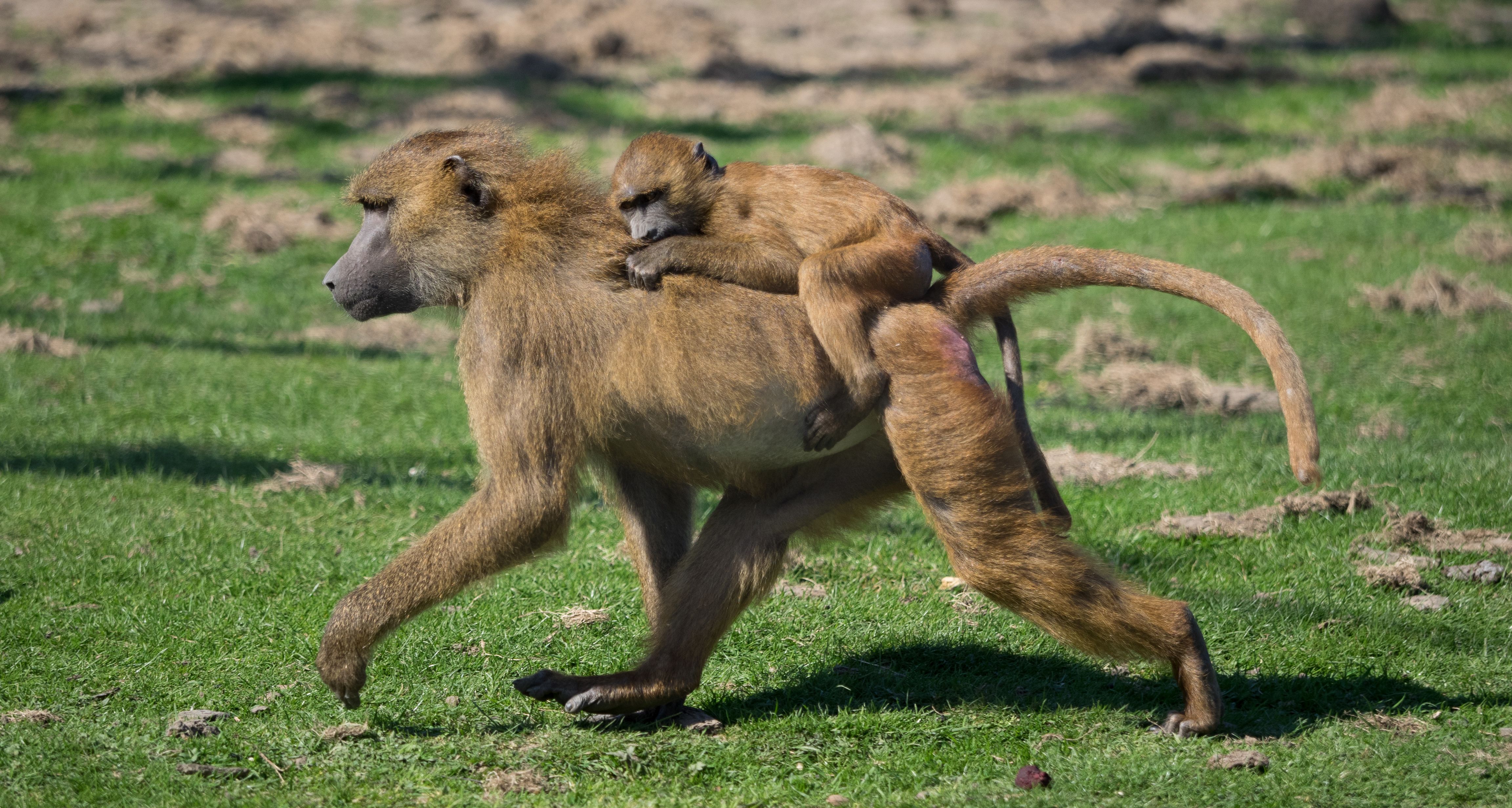
What if the blueprint for our next leap is already crawling, swimming, and burrowing around us? Evolution is the original field test, run across billions of lifetimes, under pressures far harsher than any lab protocol. When a creature thrives in acid seas, thin air, or pitch-black depths, it’s broadcasting a design brief about survival and adaptability.
These clues aren’t just anatomical; they’re strategic. Some species distribute intelligence across their bodies, others pause life to outlast disaster, and a few rebuild tissues like master carpenters. The lesson is blunt: adaptation isn’t a virtue, it’s a toolkit – and much of it is still on the shelf.
From Ancient Tools to Modern Science
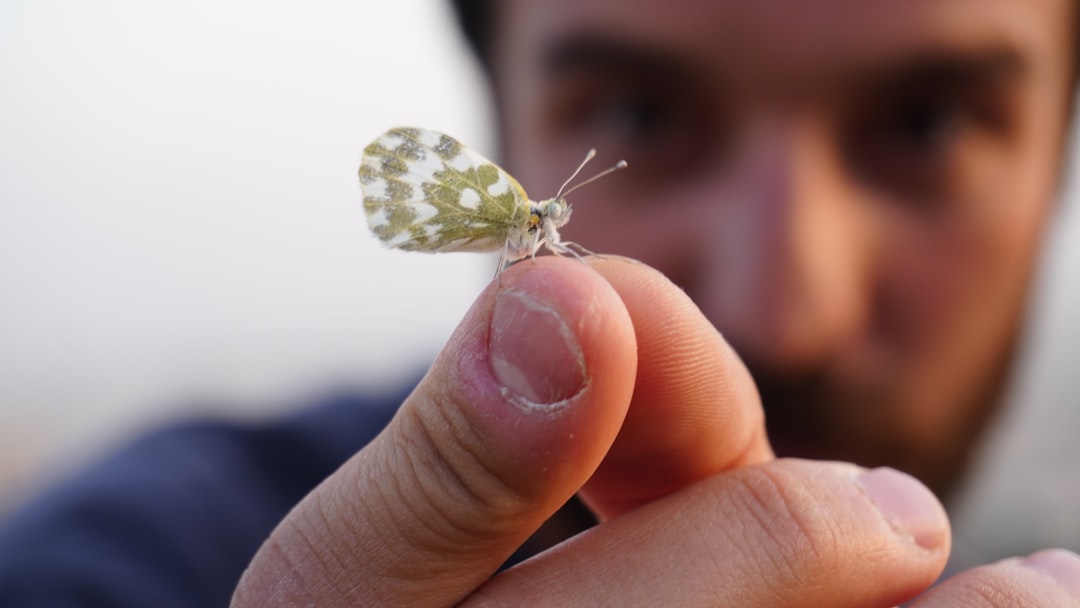
Humans have always learned from animals, from early hunters tracing herd routes to sailors reading seabirds for wind. Today that curiosity has sharper instruments, letting researchers map the molecules and circuits behind dazzling traits. Biomimicry has matured from inspiration into experiments that translate animal advantages into human therapies, materials, and machines.
Consider how soft robotics emulates flexible tentacles, or how antifreeze proteins in polar fish guide freezer-friendly organ preservation. Even high-altitude physiology in migratory birds informs safer aviation and emergency medicine. We’re no longer asking what animals do – we’re asking how they do it, and whether we can do it too without breaking what makes us human.
Minds in Many Places: The Cephalopod Advantage
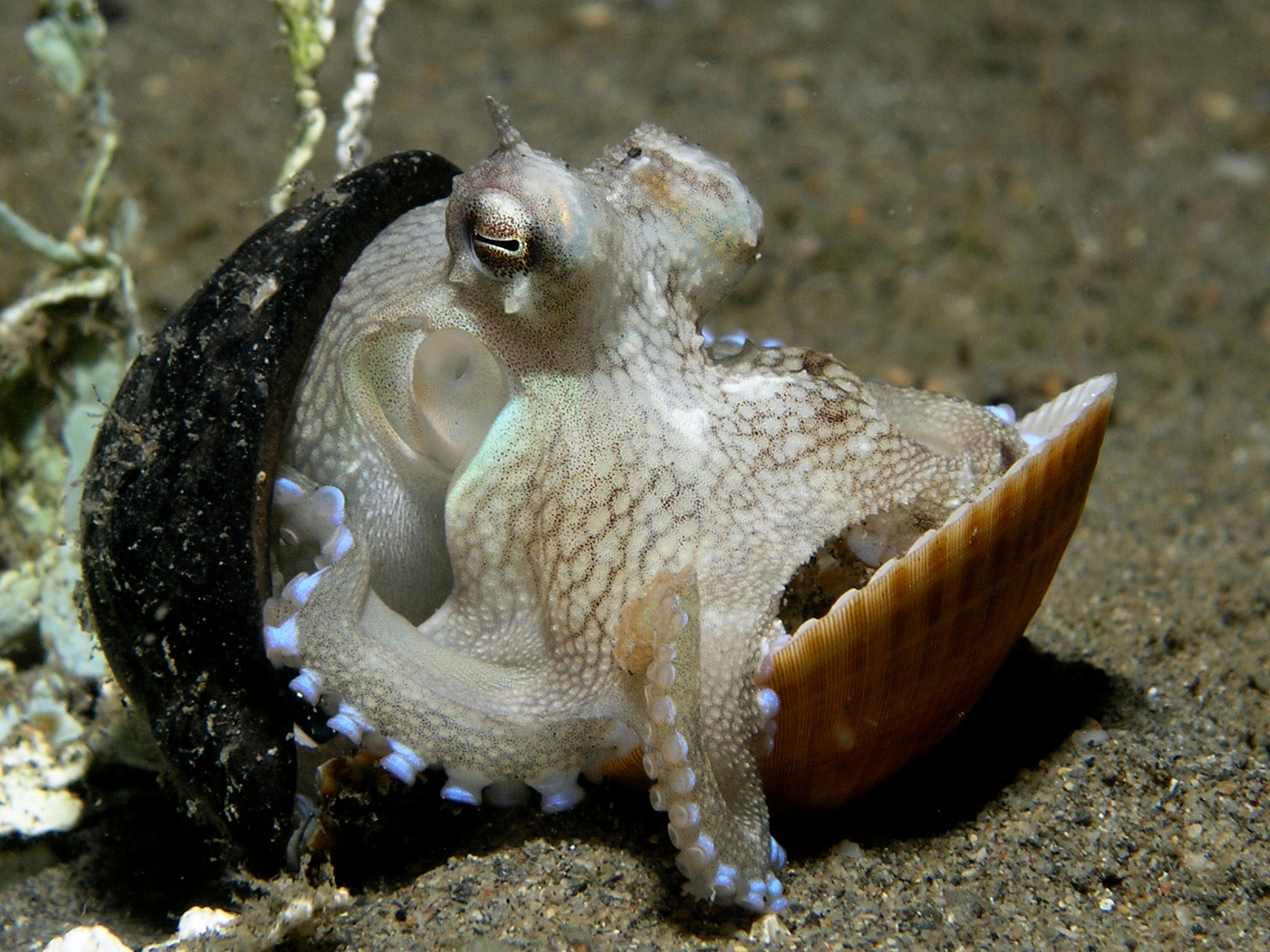
I still remember watching an octopus in a coastal lab tease open a jar like it owned the place, each arm feeling and deciding on its own schedule. Cephalopods embody a startling idea: intelligence can be distributed, with nerve hubs in the arms, instant skin displays, and a brain that edits RNA on the fly to tweak neuron performance. That flexibility is not science fiction; it’s an existence proof for adaptable cognition and bodies that double as communication screens.
Engineers translate these insights into shape-shifting materials and tactile robots that grip without crushing. Neuroscientists study cephalopod RNA editing to imagine precision control over neural function during stress. If the next leap demands agility more than brute force, the octopus is our north star for thinking that flows where it’s needed most.
Built to Survive: Tardigrades and Naked Mole-Rats
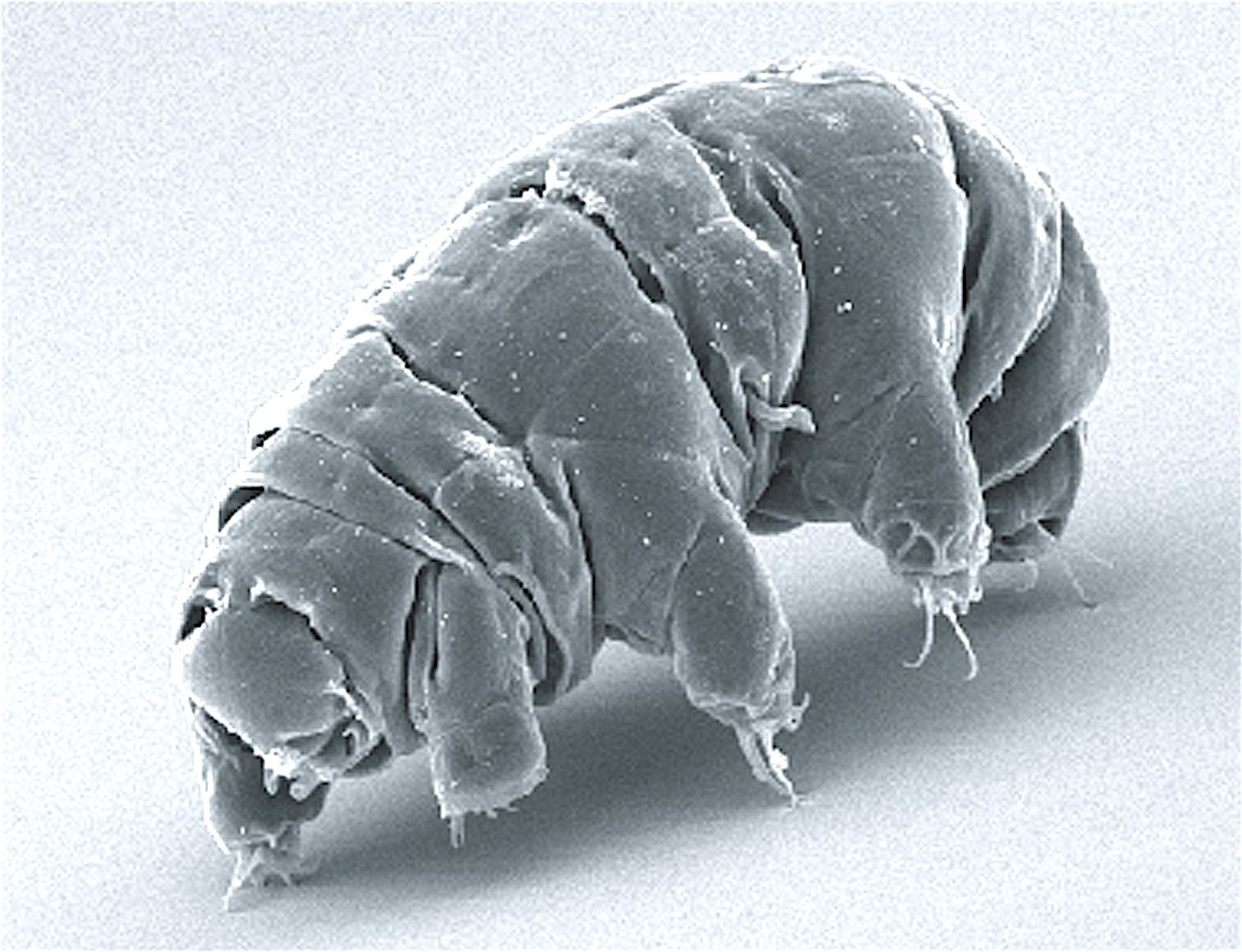
Tardigrades look like plush toys until you learn they shrug off desiccation, vacuum, and radiation by folding biology into a glassy pause. Proteins shield DNA and keep cellular parts from collapsing, a survival hack that could harden human cells against spaceflight and extreme therapies. Some of these proteins can operate in cultured human cells, hinting at future shield systems for vulnerable tissues.
Underground, naked mole-rats quietly defy the typical rules of aging, pain, and low-oxygen harm. Their tissues tolerate oxygen dips by rerouting metabolism, and their unusual sugars help keep cells orderly for far longer than similar-sized mammals. Together, these creatures say resilience is not a single trick but a layered defense, from molecular armor to metabolic detours.
Regeneration on Repeat: The Axolotl Lesson
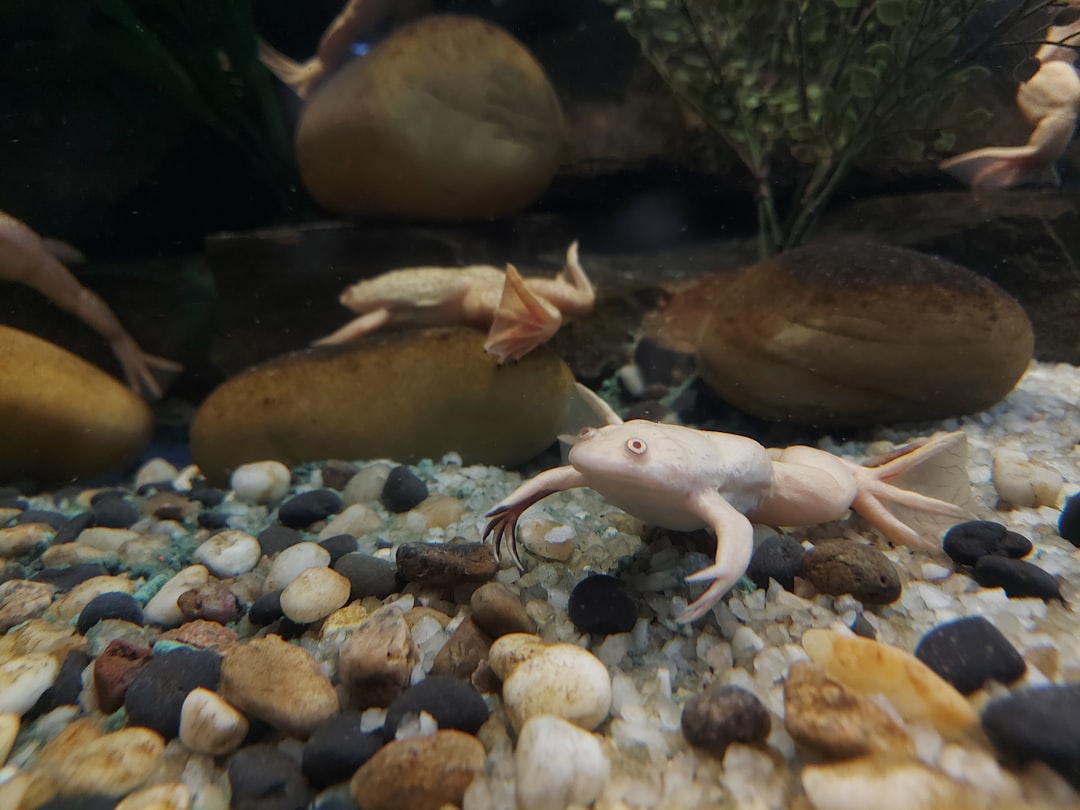
Axolotls regrow limbs, spinal cords, even pieces of the heart, orchestrating a scar-free rebuild that mammals fumble. Instead of patching damage with tough, inflexible fibers, axolotl cells roll back to a more youthful state, then march forward along careful chemical cues. Their immune system dances with the process rather than fighting it, preventing the chaos that usually follows injury.
For humans, that script could rewrite how we treat burns, paralysis, and heart failure. Bioengineers now probe the signals that tell cells where to go and what to become, aiming to coax human tissues into controlled regrowth. If regeneration becomes routine medicine, the axolotl will stand as the gentle salamander that nudged us past replacement and into renewal.
Why It Matters

Traditional engineering wins with redundancy and raw power, but biological stress is subtle, cumulative, and deeply personal. Heat waves tangle with our cardiovascular system, polluted air scrapes our lungs, and long missions strain minds as much as muscles. Animal strategies offer a complementary path: cellular shields instead of thicker walls, flexible cognition instead of one-size-fits-all training, scar-free repair instead of permanent loss.
The payoff scales from hospital wards to planetary challenges. Space agencies weigh tardigrade-inspired protection for deep-space crews, while coastal cities could adopt cephalopod-style sensing skins in infrastructure to “feel” strain before collapse. When resilience is distributed – across cells, limbs, neighborhoods – single-point failures stop being fatal. That is why this matters now, not in some distant future.
The Future Landscape

Expect hybrid advances where biology and technology co-author solutions: RNA-editing therapeutics sharpen neural recovery, soft robots assist delicate surgeries, and freeze-tolerance proteins preserve donor organs across continents. Space medicine borrows metabolic slowdown to safeguard crews on long voyages, while regenerative cues from salamanders guide spinal cord repair trials. Materials science learns from adaptive skins to create buildings that actively manage heat, light, and signal flows.
The challenges are real and sobering. Gene delivery must be precise and equitable, animal habitats must be protected from the very research they inspire, and global rules should keep enhancement from becoming exclusion. If we get the governance right, tomorrow’s resilience won’t be a luxury item – it will be infrastructure for everyone.
Conclusion
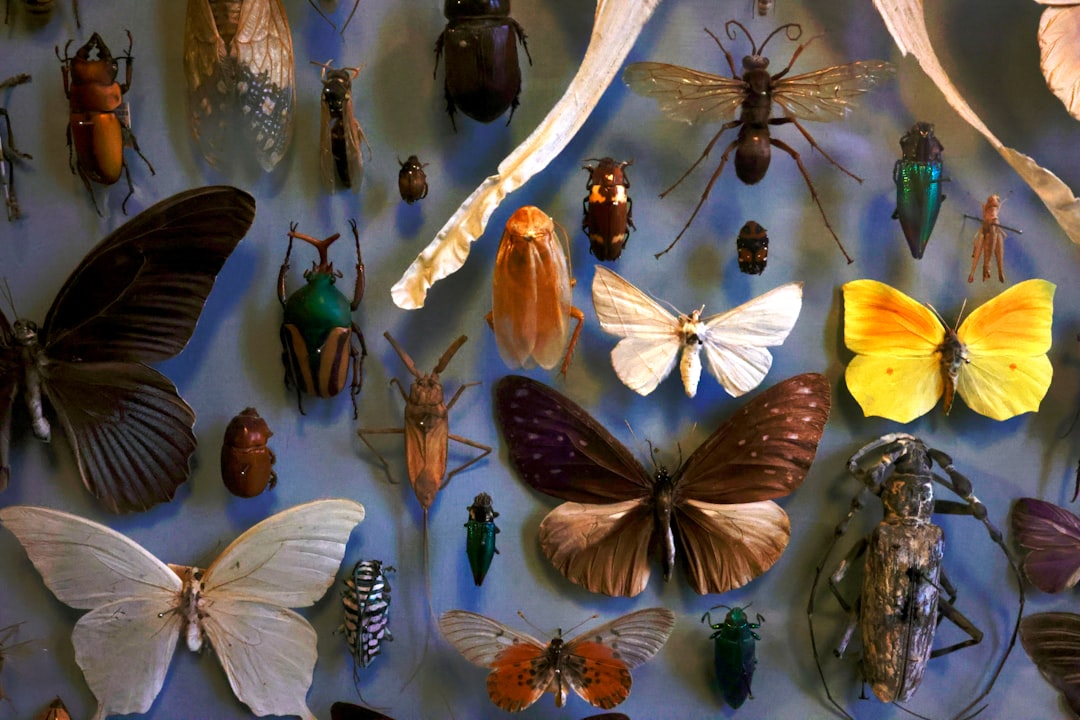
Start small and concrete: support conservation groups protecting caves, reefs, and wetlands where these biological marvels still write their lessons. Back basic research at universities and public institutes, because discoveries like DNA-shielding proteins or regenerative signals often arrive quietly before changing everything. If you’re a student or educator, build hands-on projects that explore biomimicry, from soft-grip robots to simple materials that change color with heat or strain.
Most of all, stay curious and vocal about science policy that balances innovation with ethics and access. The animals have already done the hard work over countless generations; our task is to listen carefully, test responsibly, and share widely. Which creature do you think will lend us the next crucial trick – the octopus’s mind in motion, the axolotl’s calm rebuild, or the tardigrade’s unbreakable pause?
Suhail Ahmed is a passionate digital professional and nature enthusiast with over 8 years of experience in content strategy, SEO, web development, and digital operations. Alongside his freelance journey, Suhail actively contributes to nature and wildlife platforms like Discover Wildlife, where he channels his curiosity for the planet into engaging, educational storytelling.
With a strong background in managing digital ecosystems — from ecommerce stores and WordPress websites to social media and automation — Suhail merges technical precision with creative insight. His content reflects a rare balance: SEO-friendly yet deeply human, data-informed yet emotionally resonant.
Driven by a love for discovery and storytelling, Suhail believes in using digital platforms to amplify causes that matter — especially those protecting Earth’s biodiversity and inspiring sustainable living. Whether he’s managing online projects or crafting wildlife content, his goal remains the same: to inform, inspire, and leave a positive digital footprint.